-
Takht Sri Hazur Sahib, Nanded: Final Abode of Guru Gobind Singh and the Living Heart of Khalsa

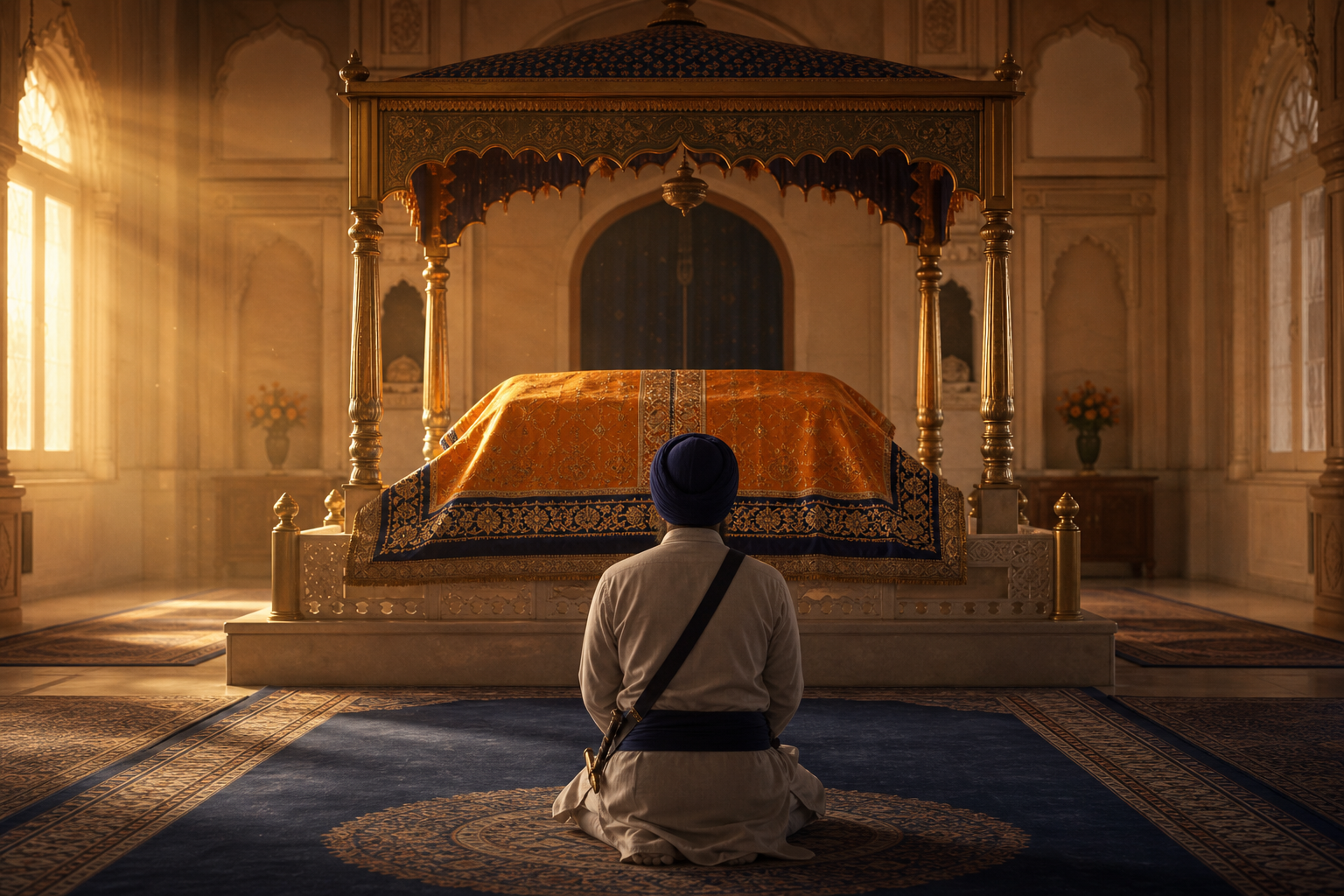
Takht Sri Hazur Sahib in Nanded, Maharashtra, is one of the five Takhts of Sikhism and the final earthly abode of Guru Gobind Singh Ji. Situated on the Godavari, it unites sacred memory with living practice, preserving Khalsa traditions such as shastar veneration, kirtan, and the daily maryada of the Guru Granth Sahib. The complex…
-
Sikhs of Punjab: Khalsa Nationhood, Miri-Piri Sovereignty, and the Sacred Homeland

This comprehensive essay examines the Sikhs of Punjab through three lenses: historical nationhood (qaum), religious sovereignty (miri-piri), and the homeland of the Khalsa. It traces the arc from Guru Nanak’s foundational institutions to the Khalsa discipline of 1699, through the Sikh misls and the inclusive statecraft of Maharaja Ranjit Singh, to modern constitutional arrangements and…
-
Historic 327th Baisakhi: Khalsa Spirit and Dharmic Unity Ignite Gatherings Worldwide

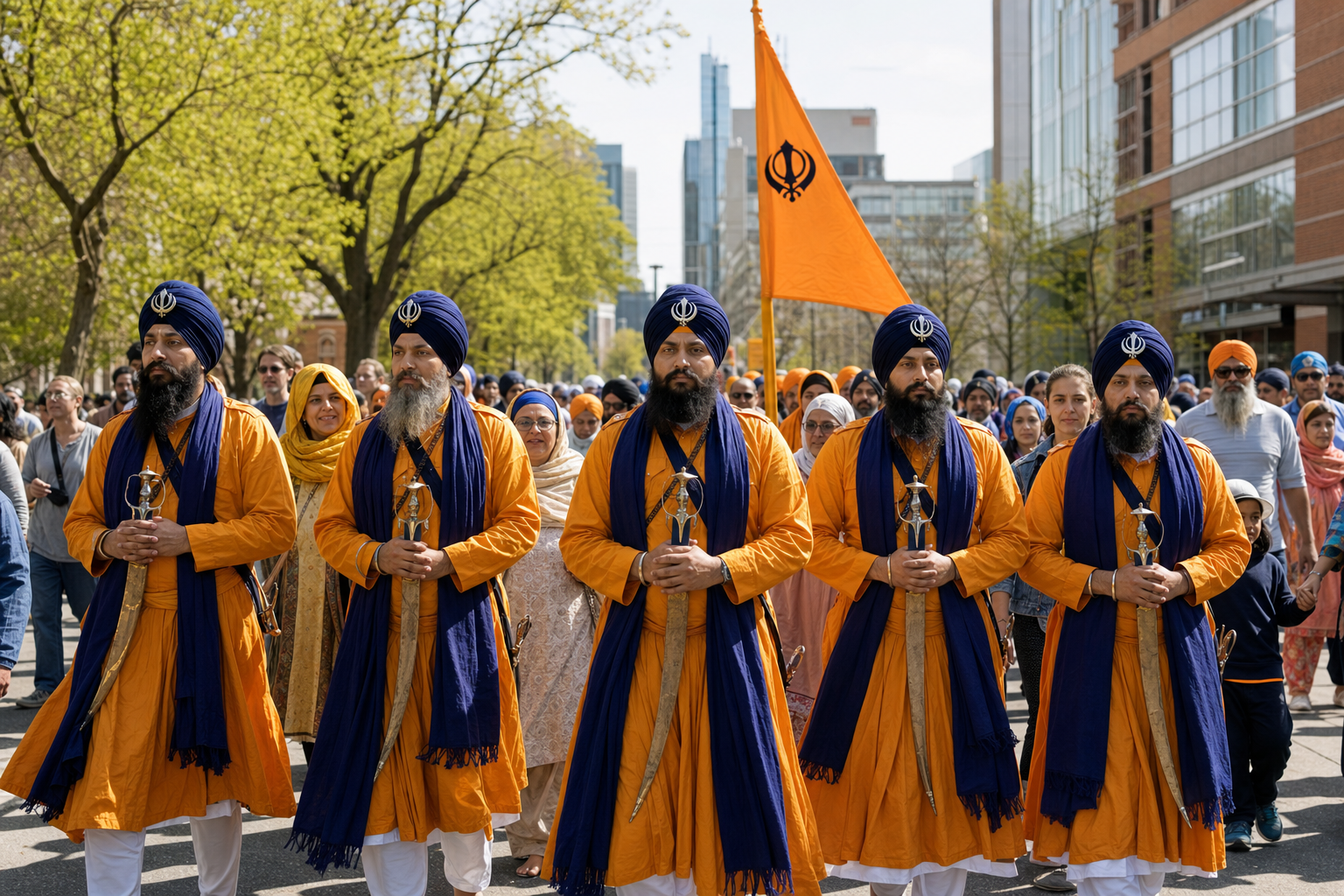
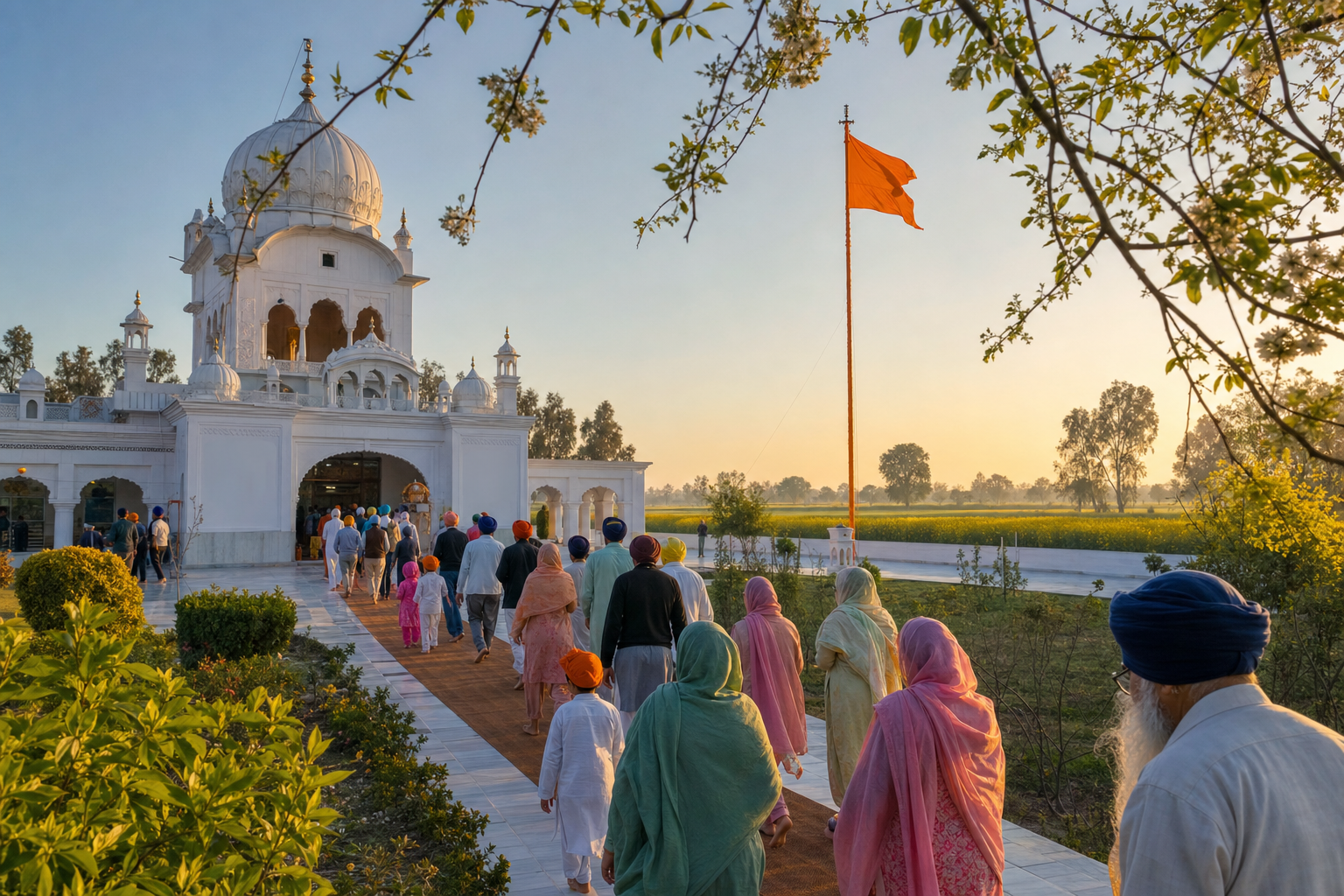
The historic 327th Baisakhi united Sikh communities across India and the global diaspora in a powerful commemoration of Khalsa Sirjana Diwas. Centered on Amrit Sanchar, kirtan, Ardas, and the Hukamnama, observances highlighted discipline, equality, and the living legacy of Guru Gobind Singh’s 1699 institution of the Khalsa. Processions (Nagar Kirtan) and Gatka demonstrations intertwined martial…
-
‘Gems of Sikhism’ Review: Timeless Teachings, Khalsa Ethos, and Dharmic Unity Today

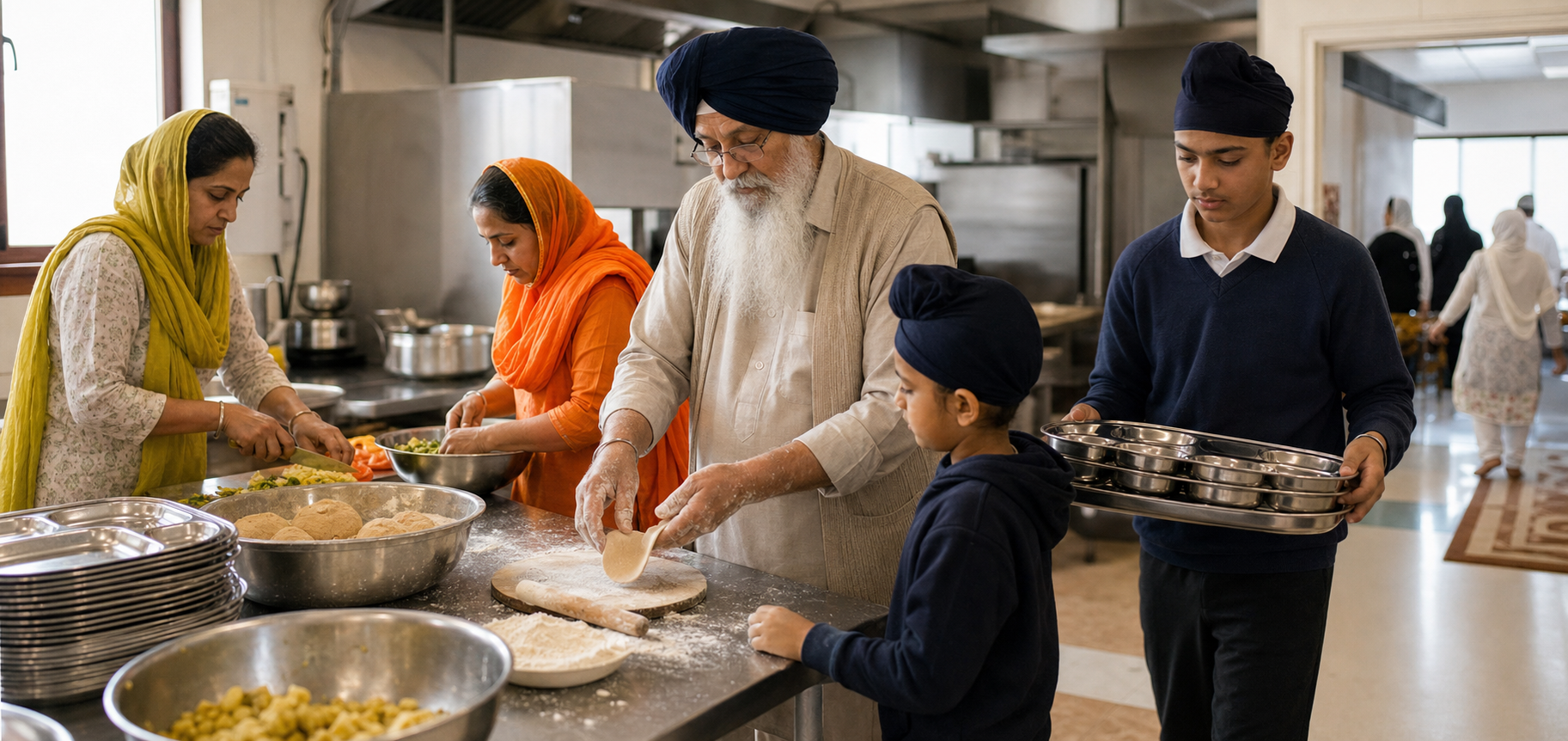
This academically grounded review of ‘Gems of Sikhism’ distills the core teachings of SikhismIk Onkar, Naam, Seva, Kirat Karni, Vand Chakna, Sarbat da bhala, and the Khalsa ethosinto a coherent, accessible framework. It explains how Sikh practices like Langar and Seva institutionalize equality and compassion, while Miri–Piri and the Sant–Sipahi ideal provide a disciplined theory…
-
Baba Deep Singh Ji: Scholar‑Warrior who safeguarded the Guru’s Word and Amritsar’s sanctity

Baba Deep Singh Ji (1682–1757) embodies the Sikh Sant‑Sipahi ideal, uniting rigorous scholarship with principled courage. This comprehensive account situates his formation at Anandpur Sahib and Damdama Sahib, his role in scribing and standardizing Gurbani manuscripts, and his leadership within the Dal Khalsa and the Shaheedan Misl. It presents the 1757 defense of Amritsar with…
-
Amrit Sanchar in Tohana: A Transformative Khalsa Initiation at ‘Prabh Milnae Ka Chao’

Held in Tohana under the devotional theme “Prabh Milnae Ka Chao,” this detailed analysis explains how Amrit SancharSikhism’s Khalsa initiationcombines precise ritual, ethical rigor, and communal service. It outlines the ceremony’s canonical steps (Panj Piare, preparation of Amrit, five banis), the Five Ks and daily Nitnem discipline, and the social ethic of Sarbat da Bhala…