-
True Humility, Not Self-Hatred: A Dharmic Guide to Ego, Worth, and Inner Strength

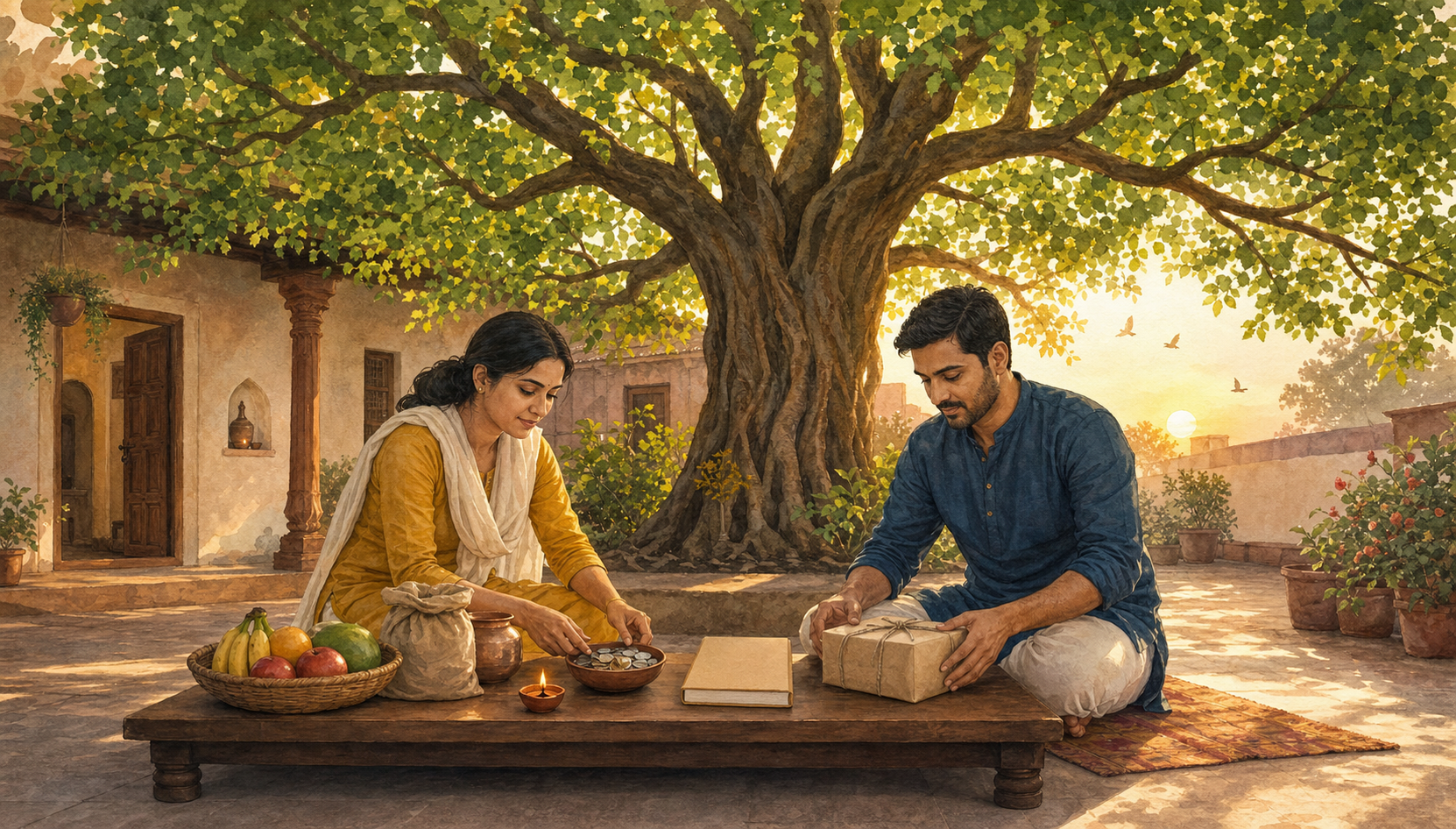
Humility in the shastras is not self-hatred; it is an accurate acknowledgment of limitation that preserves self-worth while dismantling narcissism and self-promotion. Across Hinduism, Buddhism, Jainism, and Sikhism, humility appears as amanitvam, anatta, Anekantavada, Aparigraha, and nimrata, forming a shared dharmic ethic. Cognitive biases and modern incentives make humility difficult, but dharmic psychology and disciplined…
-
Conquer the Kleshas: Patanjali’s Yoga Sutras on Ending Suffering and Reclaiming Clarity

This in-depth guide explains Patanjali’s doctrine of kleshas—the inner afflictions that fuel suffering—and shows how the Yoga Sutras translate diagnosis into a practical path of freedom. Readers learn the five kleshas (avidya, asmita, raga, dvesha, abhinivesha), their activation states, and how they perpetuate karma and samskaras. The article details Kriya Yoga and Ashtanga Yoga as…
-
From Humble Beginnings to Enduring Eminence: Scholarship, Faith, and Dharmic Unity

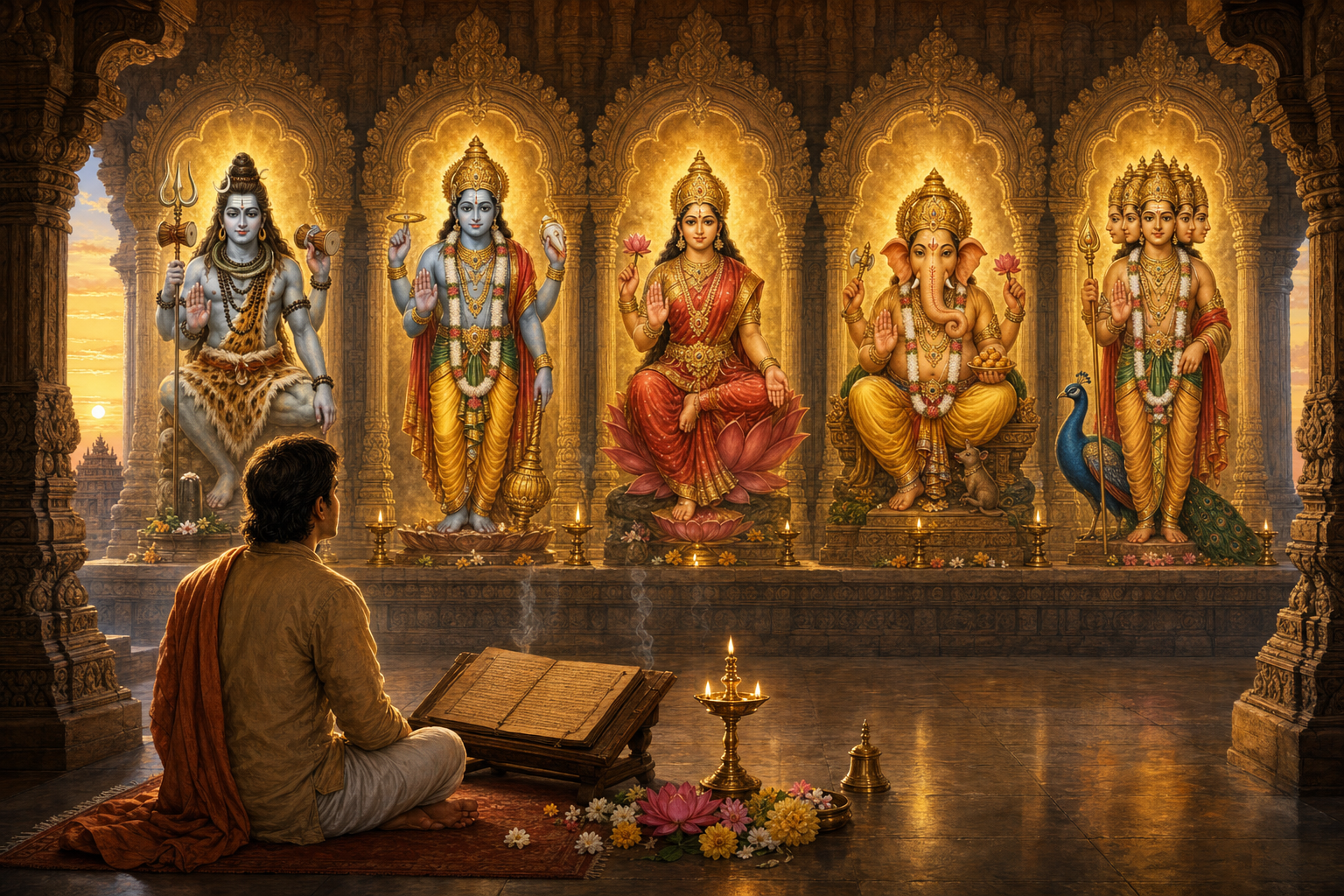
This essay maps the path from humble beginnings to enduring eminence through the dharmic lenses of scholarship, faith, struggle, legacy, and inspiration. It shows how the Guru-Shishya Tradition, Nalanda-style scholastic cultures, Jain Anekantavada, Sikh Seva, and vedantic inquiry create complementary routes to excellence. Readers gain a pragmatic five-vector blueprint—Vidya, Sadhana, Seva, Sangha, and Shraddha—for integrating…
-
Break the Grip of Envy: Dharmic Wisdom on Desire, Aparigraha, and True Wealth

A timeless dharmic principle—“Do not covet what is not yours”—is examined through Hindu, Buddhist, Jain, and Sikh frameworks to show how freedom from envy safeguards inner clarity and social trust. The analysis grounds the ethic in the Isha Upanishad, the Bhagavad Gita’s psychology of desire, and Patanjali’s yamas of Asteya and Aparigraha. It then aligns…
-
Chamunda’s Fiery Crown: Transformative Agni, Shakta Iconography, and Inner Alchemy

Chamunda’s crown of flame—jvālāmukuṭa—presents a precise theological statement: power governed by wisdom. Rooted in the Devi Mahatmya, this Shakta iconography aligns with Vedic and Yogic accounts of purificatory fire (Agni, jñānāgni), showing how disciplined luminosity transforms fear and anger into moral clarity. The cremation-ground setting, skull garland, and pañchamuṇḍi āsana frame the flame as sovereignty…
-
March 3, 2026 Purnima to Krishna Paksha: Tithi Times, Rituals, Good Time, Nakshatra, Rashi

Purnima Tithi on Tuesday, March 3, 2026 prevails until 4:33 PM IST, after which Krishna Paksha Pratipada begins and lasts until 4:15 PM IST on March 4. The times are in IST and broadly apply across North, South, and Eastern India, with minor local shifts. The overview explains Tithi computation, offers practical guidance for Purnima…
-
Sri Nilobha Bhaktavar: Timeless Bhakti and Seva Lessons for Family Dharma and Community

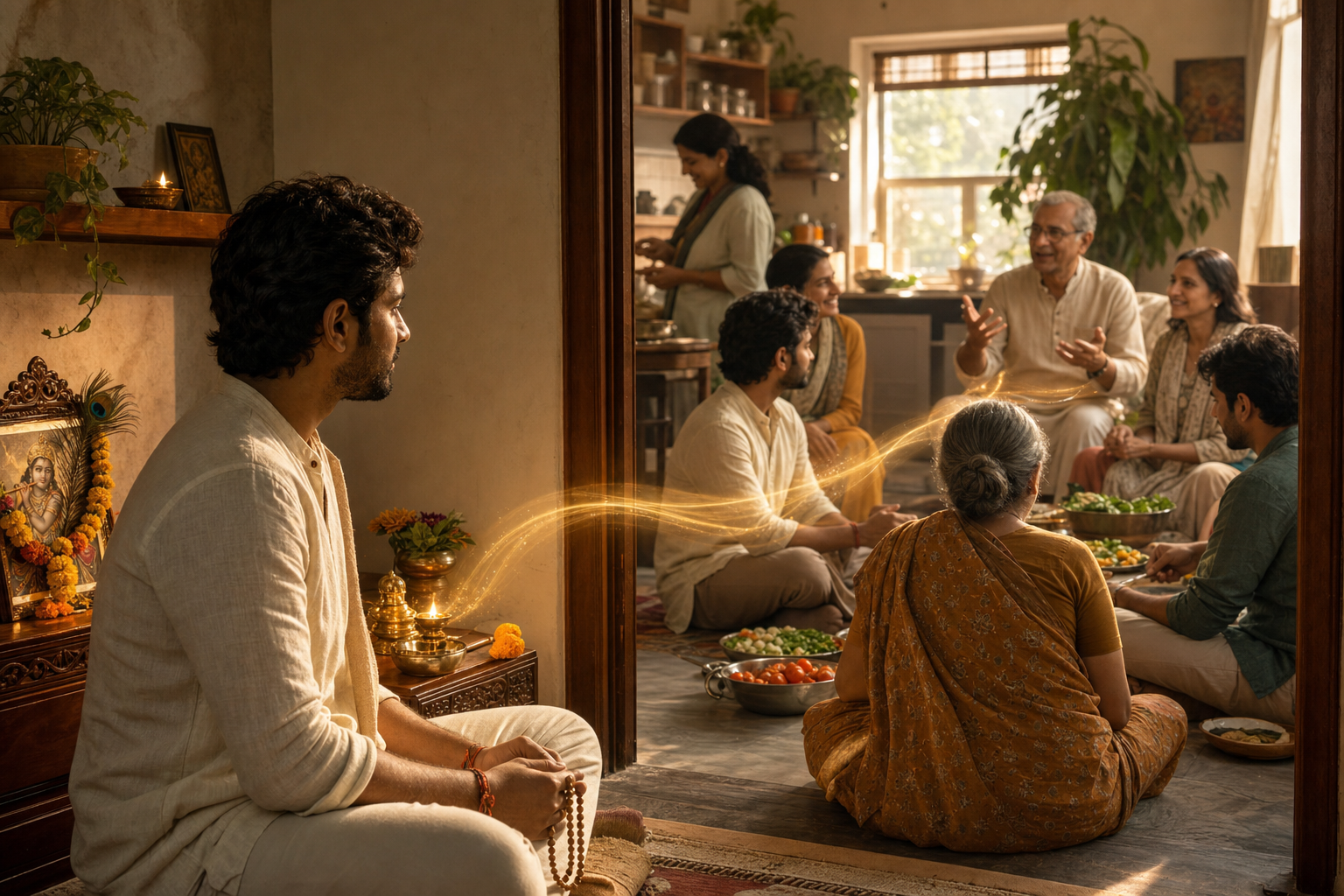
Set in the prosperous city of Pimbalam, the account of Sri Nilobha Bhaktavar (also known as Niloba) presents a rigorous, household-centered model of bhakti to Srimannarayana. The narrative highlights disciplined generosity: serving the servant and visiting devotees first, then partaking last, thereby transforming the kitchen into a sanctum of seva and anna-dana. Read theologically and…
-
Nakshatra Phalam 2026–2027: Definitive Predictions for 27 Birth Stars in Sri Parabhava Samvatsaram

This definitive Nakshatra Phalam 2026–2027 guide synthesizes Kandaya Phalam and major transits for Sri Parabhava nama samvatsaram to offer clear, practical direction for all 27 birth stars. It explains how to read annual predictions by janma nakshatra, outlines the year’s planetary context (Jupiter exalted in Cancer, Saturn in Pisces, and the Rahu–Ketu shift), and provides…
-
Ten Days of Vipassana: How Silence Rewires Reactivity, Boosts Calm, and Deepens Compassion

A ten-day Vipassana meditation course operates as rigorous equanimity training rather than a leisure retreat. By removing digital inputs and conversation, attention turns to interoceptive sensation, revealing how craving and aversion drive reactivity. The practice systematically decouples sensation from appraisal, a shift echoed in research on mindfulness, nervous system regulation, and pain modulation. Group silence…
-
Veenadhara Dakshinamurthy: Shiva’s Musician-Guru in Pallava and Chola Temple Art

Veenadhara Dakshinamurthy portrays Shiva as the musician-guru, where wisdom becomes audible as sacred sound. Distinguishing aasana (seated) and sthanaka (standing) variants—linked respectively with Chola refinement and early Pallava dynamism—clarifies how form encodes function in South Indian temple architecture. The veena symbolizes disciplined harmony of senses and breath, turning listening into a pathway of learning. Practical…
-
Why Madhya-līlā Reveals Antya-līlā: Hidden Logic of Chaitanya’s Transformative Final Years

This analysis explores why the Second Chapter of the Madhya-līlā previews pastimes from the Lord’s final twelve years, conventionally associated with the antya-līlā. It shows how this narrative choice aligns with classical Indian aesthetics and Gauḍīya theology to prepare readers for the culmination of bhakti-rasa. The piece highlights how early glimpses of the antya-līlā function…
-
Profound Prophecy and Transformative Vision: SB 3.14.50 at Bhaktivedanta Manor (20.02.26)

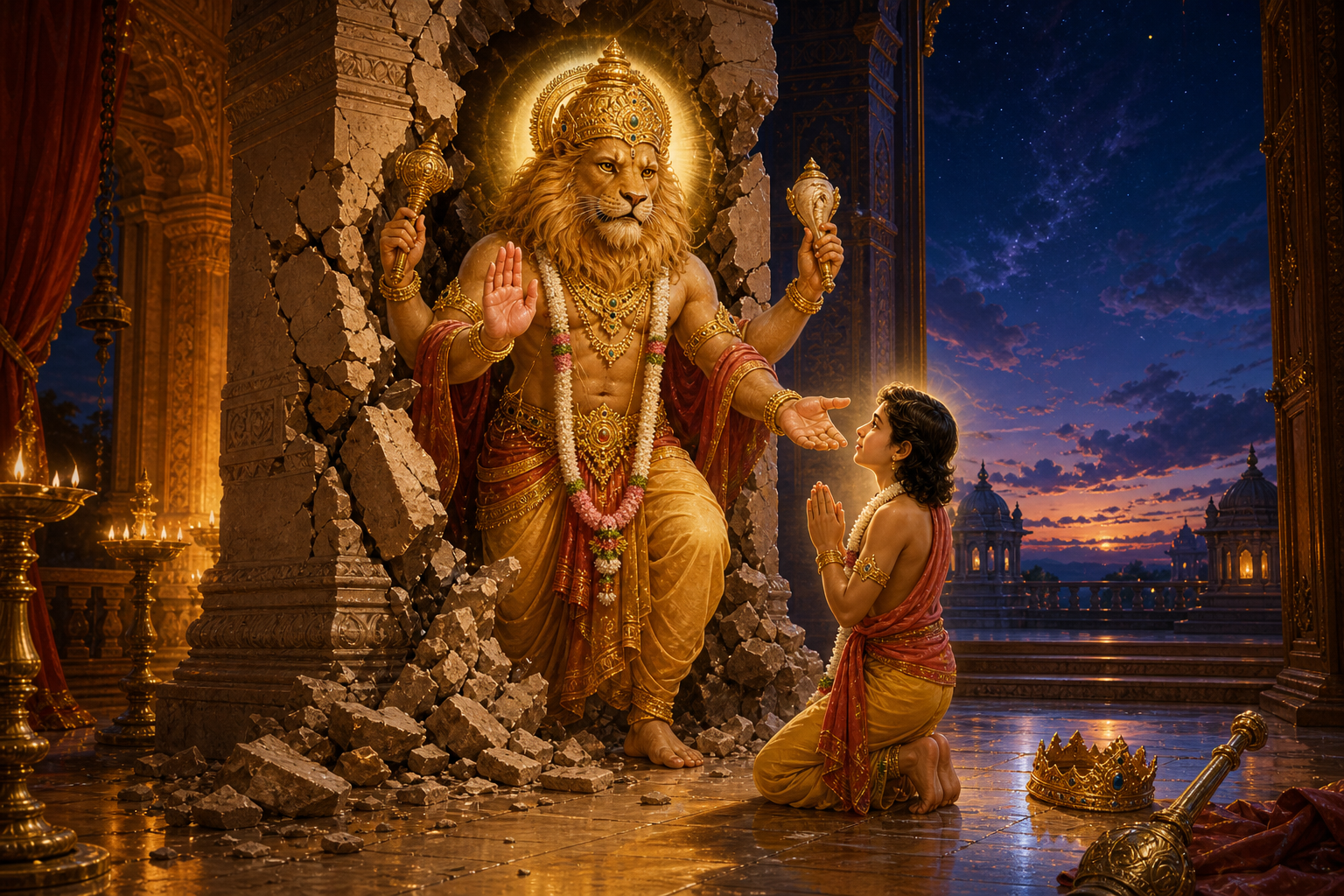
A scripture class at Bhaktivedanta Manor (20.02.26) explored Srimad-Bhagavatam 3.14.50—a prophecy that Prahlāda Mahārāja would perceive the Supreme within and without. The verse integrates ontology and practice, depicting the Lord as simultaneously indwelling (Paramatma) and personally relational (Bhagavan), inseparable from the goddess of fortune. It affirms that the Lord reveals Himself in forms desired by…
-
Srimad-Bhagavatam 11.2.50: Conquer Desire and Ego—Insights from H.G. Dinabandhu Prabhu

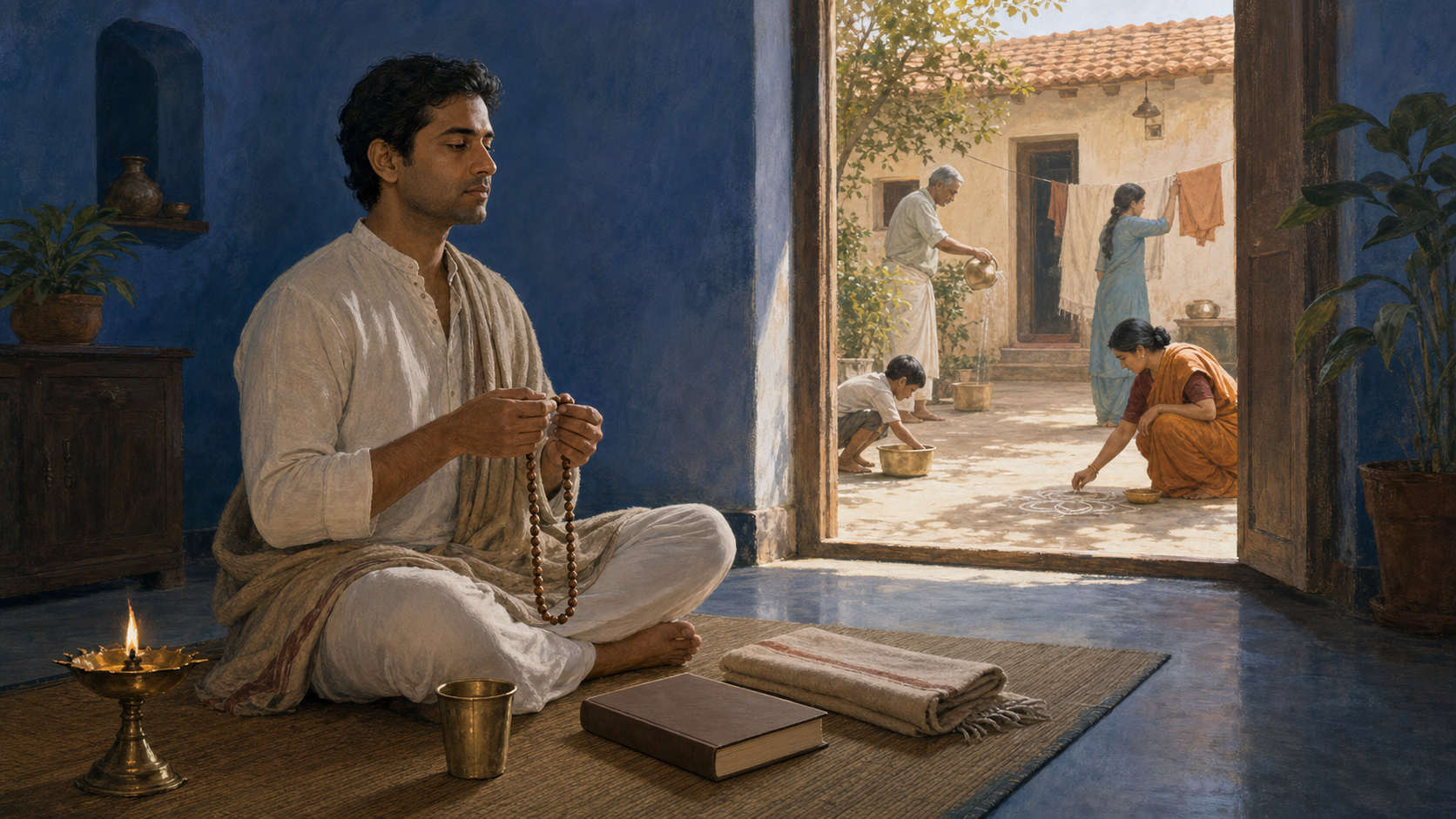
This analysis of Srimad-Bhagavatam 11.2.50 distills H.G. Dinabandhu Prabhu’s core insight: material desire and ego trap the mind in self-centric pursuit and conflict. It charts how deep vāsanā and samskāra patterns create chronic reactivity, then presents bhakti as the structured remedy that reorients consciousness toward service. Readers gain a practical blueprint—sravana, kirtana, japa, mindful regulation,…
-
Rakta Chamunda Unveiled: Iconography of the Red Warrior Goddess, Tantric Power, and Ritual Meaning

Rakta Chamunda—The Red Warrior Goddess—embodies a rigorous tantric grammar of protection and transformation rooted in the Devi Mahatmya. This long-form guide decodes her iconography: the red complexion, skull-garlands, cremation-ground setting, jackals, and martial postures that together announce the subjugation of ego and fear. Readers will learn how to identify Rakta Chamunda in temple and museum…
-
Anirvacanīya-khyāti in Advaita Vedanta: Decoding Illusion, Truth, and Liberation

Anirvacanīya-khyāti, often popularized as “Anirvachaniya Akhyati,” is Advaita Vedānta’s nuanced account of illusion: what appears in error is neither absolutely real nor absolutely unreal, but indeterminable until corrected. This theory situates everyday misrecognition—like mistaking nacre for silver or a rope for a snake—within Advaita’s three levels of reality and its method of sublation (bādha). It…
-
Why Devotees Offer 21 Durva Blades to Ganesha: Analasura Legend, Ayurveda, and Ritual Science

Offering 21 durva blades to Ganesha unites Puranic legend, Vedic symbolism, and Ayurvedic wisdom into a single, elegant practice. Rooted in the Analasura episode, the ritual uses the cooling properties of durva to signify pacifying inner heat and restoring balance. The number 21 encodes a yogic vow to harmonize the 10 senses, the 10 pranas,…
-
Atma Shraddha at Gaya Janardan Temple: Definitive Guide to Self Pind Daan for Ancestral Peace

Gaya Janardan Temple in Gaya, Bihar is widely cited as the only temple where Atma Shraddha—self Shradh and Pinda Daan performed while living—can be undertaken with full ritual authority. This guide explains what Atma Shraddha is, why Gaya holds unparalleled standing for ancestral rites, and how the temple’s location on Bhasma Koot Mountain near Mangala…
-
Haunting Wisdom of Guhya Kali: Decoding the Corpse Earrings in Tantric Iconography

Guhya Kali’s corpse earrings are a deliberate Tantric teaching, not a sensational detail. They place mortality at the gate of listening, turning fear into insight through śravaṇa and mantra. Read as memento mori in a Dharmic register, the earrings signify impermanence, the conquest of fear, and the transmutation of impurity into wisdom. Their paired symmetry…
-
Darwin and the Vedas: Reconciling Evolution with Dharmic Wisdom for a Unified Path

This article examines how Darwinian evolution and dharmic wisdom can enrich each other without conflation. It maps three major differences—teleology, consciousness, and ethics—showing why evolution’s non-teleological mechanisms complement rather than contradict dharmic metaphysics. It highlights ancient Indian reflections on change (Sāṃkhya, Nyāya–Vaiśeṣika, Ayurveda, Purāṇic cosmology), alongside Buddhist dependent origination, Jain classifications of life, and Sikh…