
-
Manifestation of Maa Lakshmi: A Timeless Brahma Purana Tale of Dharma and Prosperity

The Brahma Purana recounts how Maa Lakshmi manifested during the Samudra Manthan, when devas and asuras churned the Ocean of Milk under Lord Vishnu’s guidance. The story teaches that enduring prosperity rests on dharma, cooperation, and disciplined effort. Lakshmi’s lotus-seat symbolizes purity, while her choice of Vishnu signifies prosperity aligned with order and compassion. Readers…
-
Veerabhadra Swamy’s Fierce Grace: Shiva, Daksha Yagna, and the Timeless Lesson of Dharma
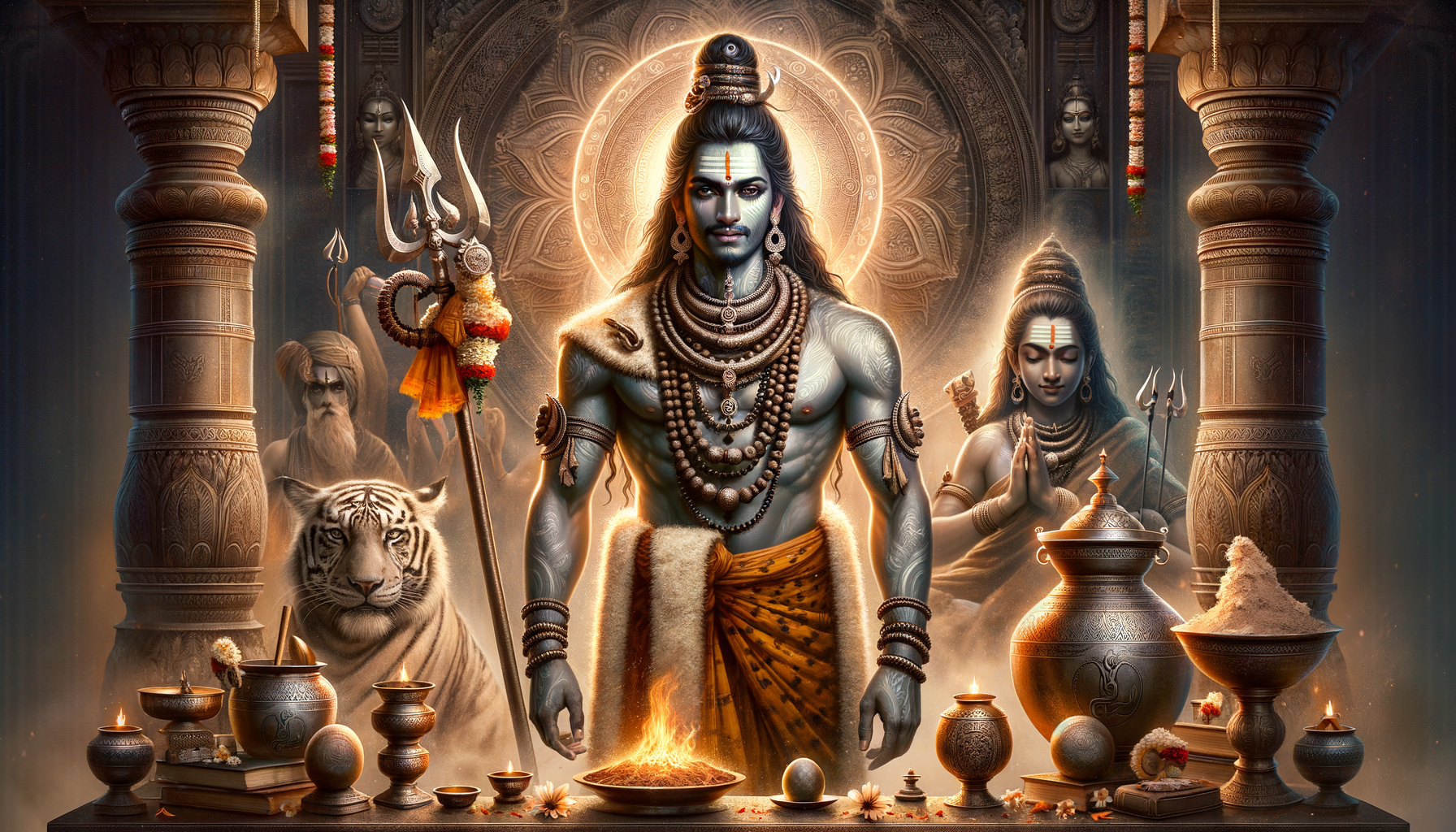
Veerabhadra Swamy emerges in Hindu scriptures as Shiva’s protective force during the Daksha Yagna, a narrative that fuses accountability with compassion. The story traces Sati’s tragic courage and Daksha’s arrogance, culminating in Veerabhadra’s corrective intervention and Shiva’s restorative grace. Readers gain clear insight into why true sacrifice requires humility, inclusion, and reverence. The Katha’s ethical…
-
Lakshmana’s Impossible Choice: Duty, Honor, and Dharma in Ramayana’s Golden Deer Episode

The Golden Deer episode in the Ramayana crystallizes Lakshmana’s ethical dilemma between explicit duty and perceived emergency. The narrative contrasts svadharma with maryada, asking how to act when a clear mandate collides with an uncertain cry for help. By highlighting discernment, foresight, and proportional response, it shows how intention and outcome must be balanced. The…
-
Prithu Chakravarthi: The Legendary Sovereign Who Made Earth ‘Prithvi’ and Renewed Dharma
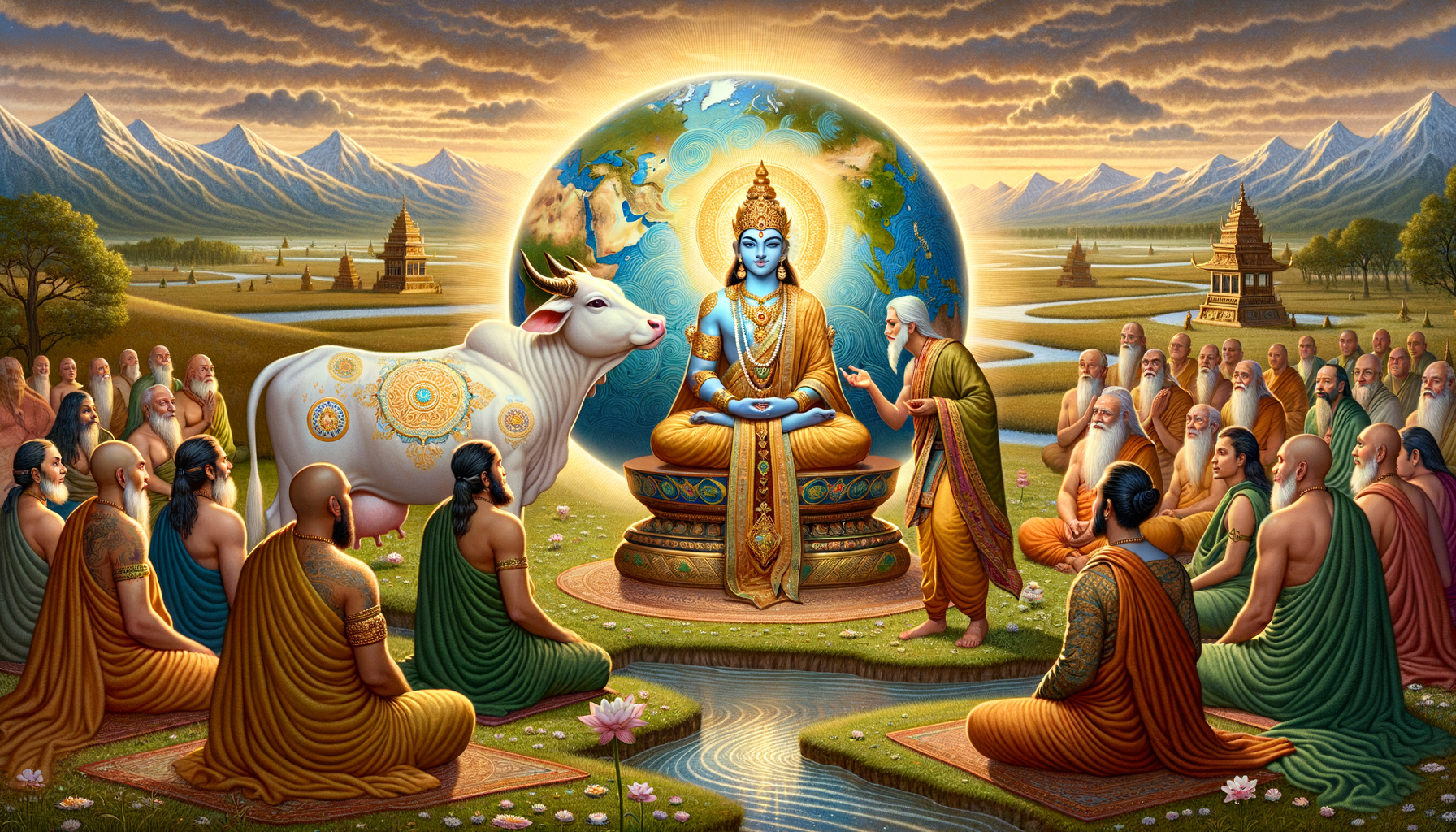
The Brahma Purana’s account of Prithu Chakravarthi explains why Earth is called Prithvi and presents a powerful model of ethical leadership. By restoring prosperity after the misrule of Vena, Prithu embodies raja-dharmaprotecting Mother Earth and ensuring just abundance. The narrative’s imagery of Earth as a cow, yielding to compassionate stewardship, offers enduring guidance for sustainable…
-
Sati and Daksha Yagya: A Timeless Puranic Lesson on Dharma, Dignity, and Unity

Sage Pulastya’s response to Bhishma situates Sati’s self-immolation within a clear ethical frame: Daksha’s grand yagya, conducted without inviting Shiva, exposed the dangers of pride and exclusion in ritual life. Sati’s choice, presented as solemn yogic resolve, protested the insult to devotion and the abuse of religious authority. Shiva’s subsequent intervention halted the disorder, yet…
-
Lakshmi’s Radiant Manifestation in Samudra Manthan: A Timeless Lesson in Hope and Dharma
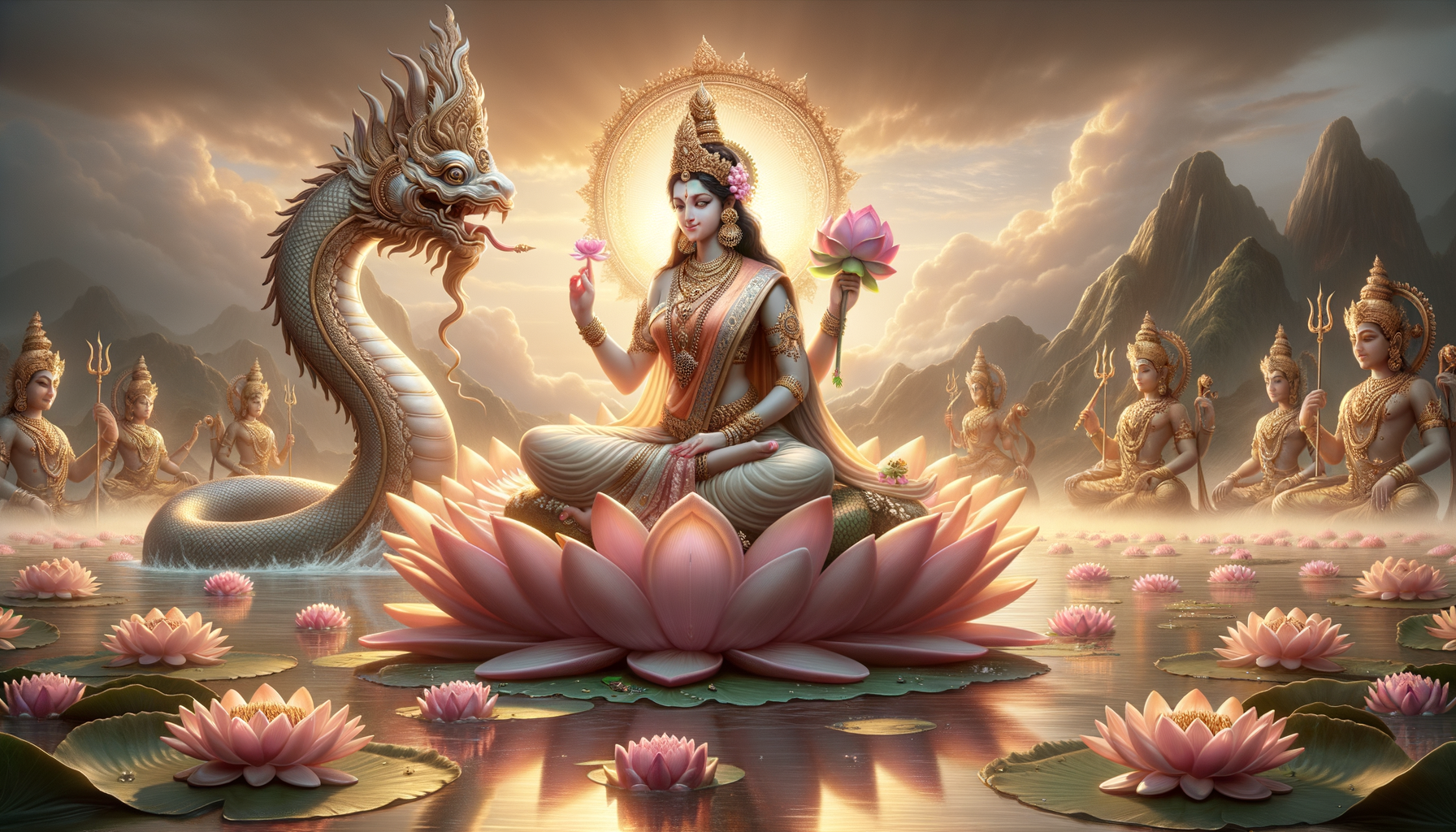
The Brahma Purana recounts the Manifestation of Maa Lakshmi as a disciplined response to crisis, where devas heed Vishnu’s counsel and undertake the Samudra Manthan. The narrative situates prosperity within dharma, showing how collective effort and ethical intent invite auspicious outcomes. Lakshmi’s emergence from the Kshira Sagara symbolizes purity, resilience, and the union of abundance…
-
Veerabhadra KathaStory of Veerabhadra Swamy: Righteous Fury, Compassion, and Cosmic Balance
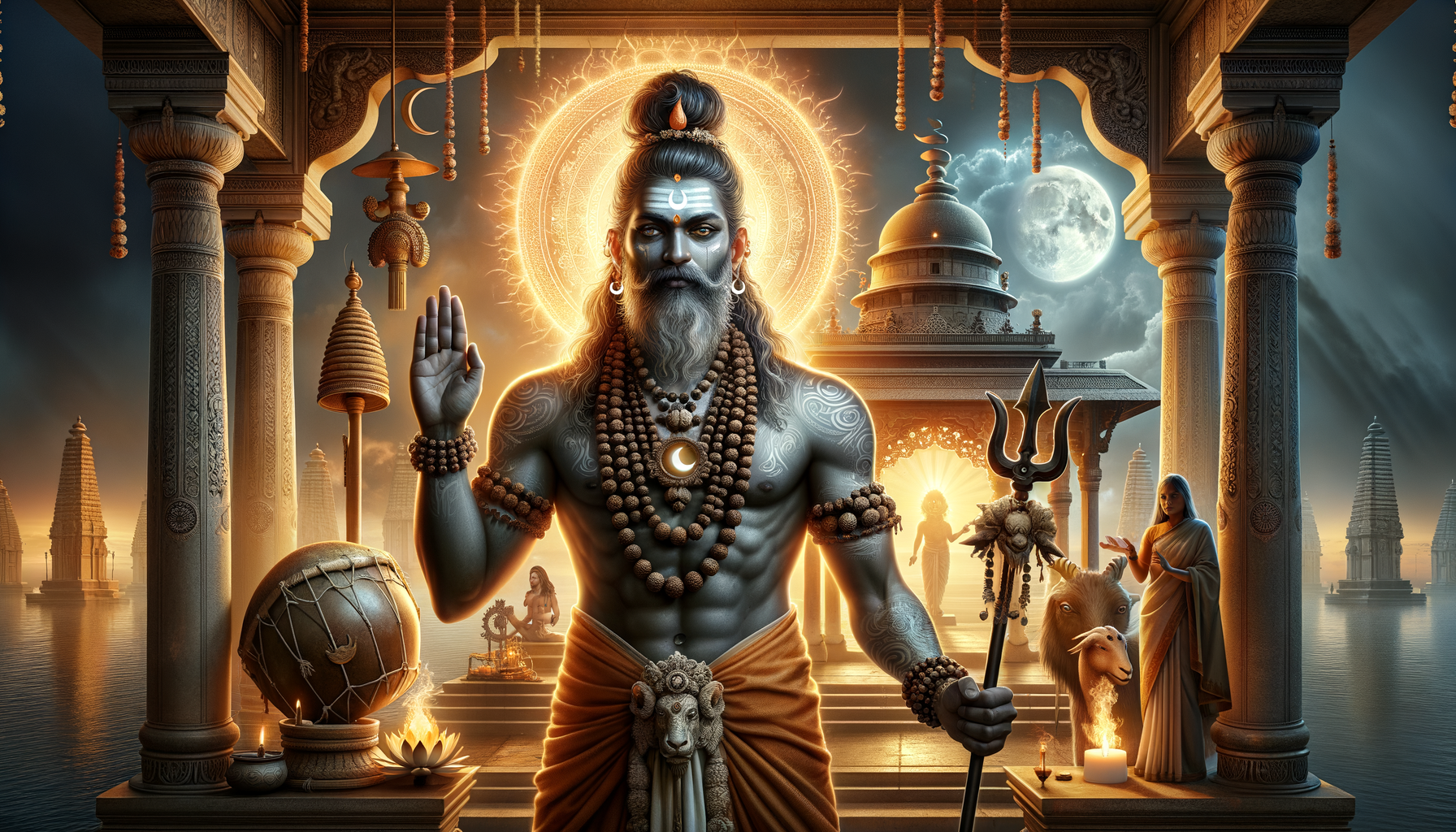
Veerabhadra Katha portrays Veerabhadra Swamy as a manifestation of Lord Shiva created to restore dharma when pride corrupted sacred order. The narrative of Daksha’s Yagna, Sati’s yogic self-immolation, and the emergence of Veerabhadra illustrates how righteous power, tempered by compassion, reestablishes balance. Readers gain clear context from Puranic sources such as the Shiva Purana and…
-
Decoding Havis in Vedic Sacrifices: Sacred Offerings Sustaining ṛta and Shared Dharma

Havis, the sanctified offering in Vedic sacrifices, serves as a disciplined bridge between humans and the divine, sustaining cosmic order or ṛta. Grounded in the Vedas and expressed through yajna and homa, it unites devotion, ethics, and community. A practical five-fold schema clarifies common offerings such as ghee, grains, milk preparations, sesame and barley, and…
-
Surpanakha’s Karmic Odyssey: Desire, Dharma, and Redemption in Brahma Vaivarta Purana

This article explores Surpanakha’s story as a karmic odyssey across yugas, drawing on the Ramayana and interpretive Puranic traditions associated with the Brahma Vaivarta Purana. It examines how desire, when unguided by dharma, invites consequence yet also opens pathways to learning and inner refinement. Readers gain an emotionally resonant, academically grounded view that balances compassion…
-
Murugan Born from Shiva’s Third Eye: Decoding Iccha Shakti and the Path of Sacred Will
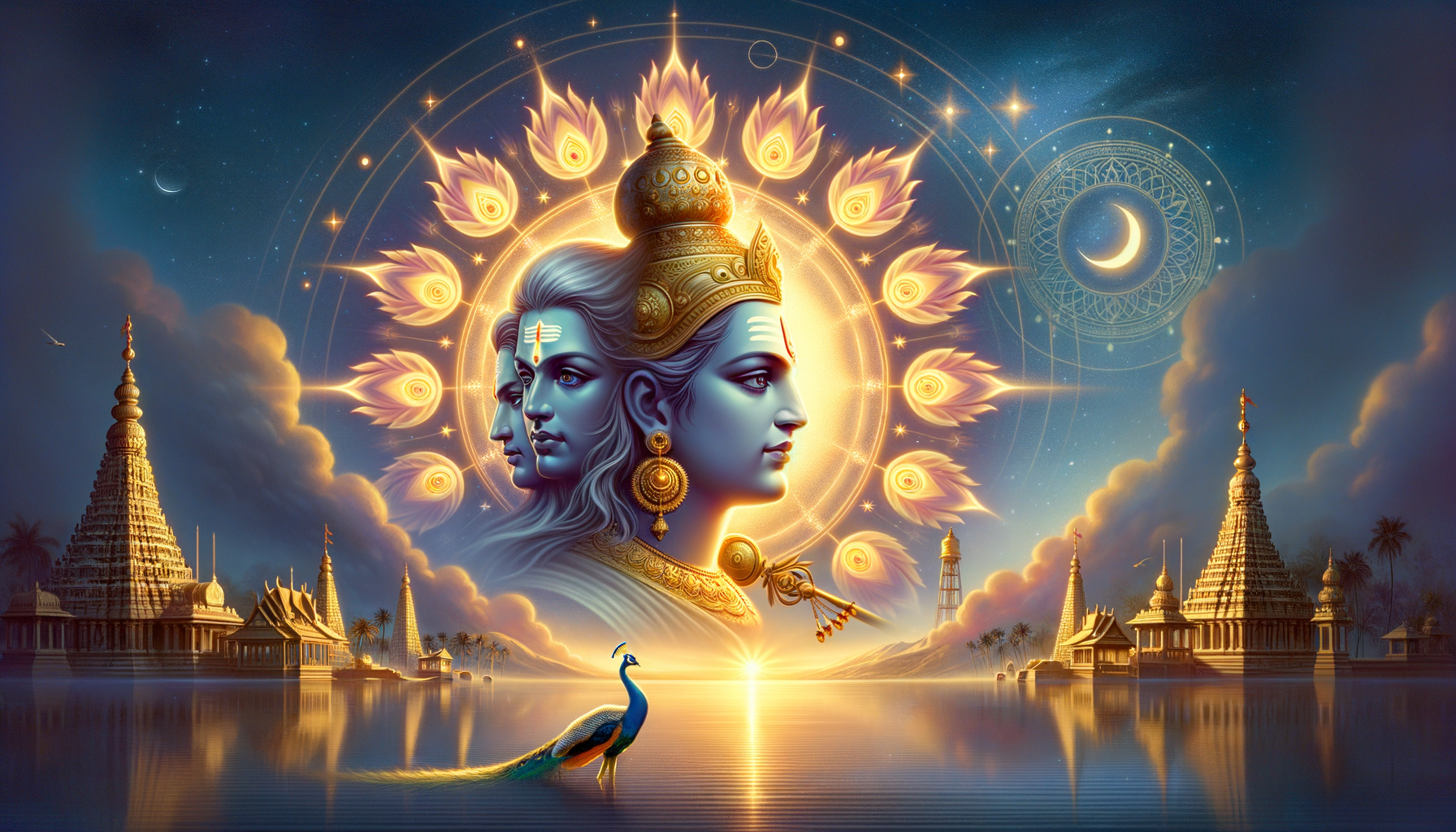
This article explores Murugan’s birth from Shiva’s third eye as a luminous teaching on Iccha Shaktidivine will aligned with wisdom. It explains the Puranic narrative, including the six sparks, the Krittikas, and the unification into Shanmukha, and interprets their symbolic meaning. Readers gain a clear framework for understanding Iccha, Jñāna, and Kriyā Shakti as complementary…
-
Lakshmanrekha in the Ramayana: Why Valmiki omits itand how later retellings reshape it

The Lakshmanrekha is one of the Ramayana’s most iconic imagesyet it does not appear in the Valmiki Ramayana. This article clarifies the textual record, explains how the motif emerged in later Ramayanas and folk performance traditions, and explores why it endures as a vivid symbol of maryada. Readers gain a clear distinction between the earliest…
-
Havirdhana in Somayaga: Sacred Logistics, Symbolism, and Precision in Vedic Rituals

Havirdhana, the dedicated enclosure within Somayaga, safeguards the transport, protection, and sanctification of the soma creeper and offerings in Vedic sacrifices. It aligns spatial design with priestly roles so that logistics become liturgy and preparation becomes prayer. By emphasizing purity, precision, and unity of purpose, the enclosure serves as a living metaphor for Vedic insight:…
-
CC Madhya 10.62–73 Explained: Devotional Wisdom and Harmony at ISKCON Govardhan Eco Village
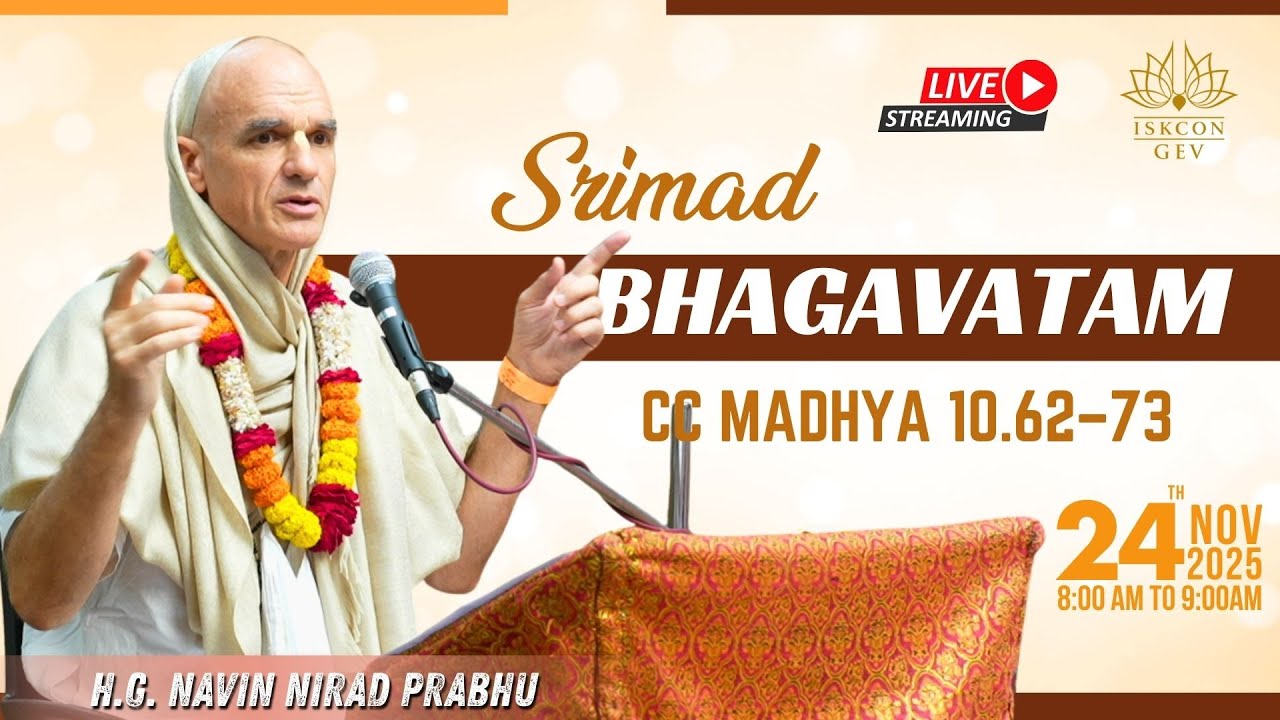
This academic yet accessible class at ISKCON Govardhan Eco Village examined Sri Caitanya-caritāmṛta, Madhya-līlā 10.62–73, drawing out enduring principles of humility, service, and attentive devotion. H.G. Navin Nirad Prabhu connected scriptural insights to daily routines, emphasizing nāma-saṅkīrtana, compassionate conduct, and steady sādhana. The session highlighted how Lord Chaitanya Mahaprabhu’s teachings translate into ethical action and…
-
Unstoppable Devotion Amid Life’s Trials: Letting Bhakti Flow Like the Ganges Toward the Divine
Srimad-Bhagavatam (3.29.11-12) portrays devotion as a natural, unstoppable current, like the Ganges flowing to the sea. Srila Prabhupada’s purport affirms that no material condition can arrest pure bhakti, giving a robust framework for resilience. Practically, brief, consistent actssacred hearing, mantra recollection, and mindful breathturn ideals into daily method. The approach favors continuity over intensity, cultivating…
-
Sita’s Ashokavana Ordeal: Unwavering Dharma, Karma, and Timeless Strength to Endure

Sita’s ordeal in Ashokavana exemplifies how dharma and karma inform spiritual resilience under extreme duress. Confined by Ravana and pressured to capitulate, she remained unwavering through ethical clarity, disciplined remembrance, and self-restraint. Her acceptance of karma’s ripening never became fatalism; instead, it sustained equanimity and moral agency. The Sundara Kanda encounter with Hanuman affirmed her…
-
Shiva’s Five-Faced Epiphany before Parvati: A Sublime Vision of Wisdom, Love, and Dharma

This post explores the Shiva Purana’s account of Shiva manifesting before Goddess Pārvatī in His five-faced form, decoding its symbolism with academic clarity. It explains how each faceSadyojāta, Vāmadeva, Aghora, Tatpuruṣa, and Īśānamaps to creation, preservation, dissolution, contemplation, and grace. Readers gain a practical framework for meditation using the pañcākṣarī mantra and the five elements,…
-
Kala Rudra: Shiva’s Awe-Inspiring Face of Time, Destruction, and Renewal Explained

Kala Rudra, Shiva’s awe-inspiring form of time and transformation, reveals the compassionate purpose behind cosmic dissolution. Readers will learn how “Kala” (time) and “Rudra” (purifying force) together symbolize the end of stagnation and the beginning of renewal. The article clarifies iconography across Shaiva traditions while emphasizing the inner meaning: fearlessness, detachment, and clarity. Practical insights…
-
Murugan’s Sacred War with Surapadman: Conquering Ego, Ignorance, and Awakening Inner Freedom

This essay interprets Murugan’s battle with Surapadman as a disciplined path of inner transformation rather than external conquest. It explains how Murugan symbolizes awakened intelligence and the vel signifies incisive wisdom that cuts through ego and ignorance. Readers gain a practical map linking the narrative to Karma, Bhakti, Jnana, and Raja Yoga, and to Patanjali’s…
-
SB 10.86.31Bahulāśva’s Praise of Kṛṣṇa: Witness of All Actions, Awakener of Bhakti

SB 10.86.31, as illumined by Śrīla Viśvanātha Cakravartī, presents Bahulāśva honoring Kṛṣṇa as both the inspirer of consciousness and the witness of all actions. This dual insight nurtures humilitytrust in grace to awaken devotionand accountabilityawareness that conduct is always seen by the divine. The teaching naturally translates into practice through svādhyāya, mindful japa, and seva.…
-
Halayudha Unveiled: Why Balarama’s Sacred Plough Embodies Strength, Earth, and Dharma

Balarama is called Halayudha“the one armed with a plough”because the hala (plough) symbolizes life-sustaining strength grounded in the earth. Texts like the Puranas and the Mahabharata depict him with the plough and club, emblems of protection and ethical power. Episodes such as reshaping the Yamuna’s course highlight stewardship over nature rather than domination. Temple traditions,…