
-
Timeless Analogies that Illuminate Dharma: Powerful Insights from the Bhagavatam and Gita
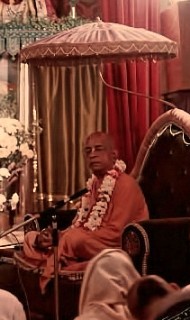
This curated collection of over 175 scriptural analogies, attributed to His Divine Grace A.C.B. Swami Prabhupada, translates profound ideas from the Bhagavad-Gita As It Is and Srimad Bhagavatam into clear, relatable insights. The metaphors illuminate body–soul discernment, ethical self-mastery, devotion, and time–cosmology with precision and warmth. Teachers and practitioners can apply these images in pravachan,…
-
Varṇa–Āśrama as Cooperative Dharma: Harmonizing Wisdom and Power for Spiritual Ascent
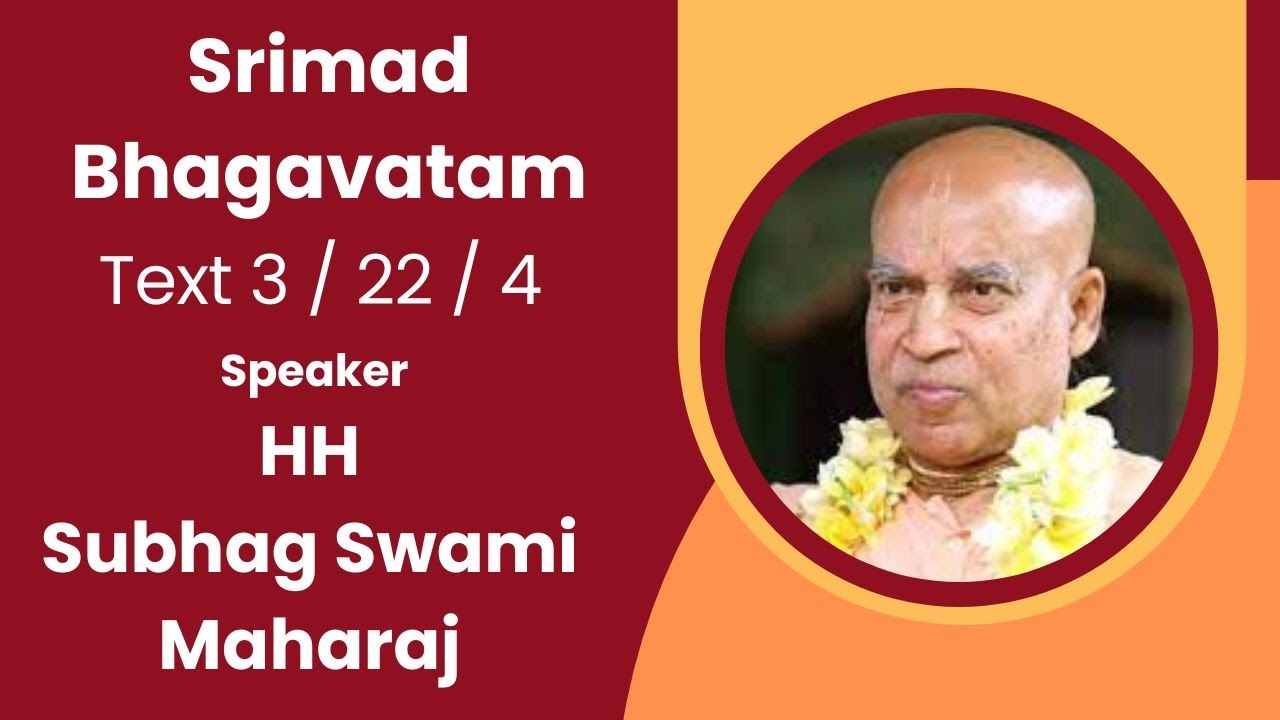
Srimad Bhagavatam (3.22.4) presents varṇa–āśrama as a cooperative system that harmonizes wisdom and power for social harmony and spiritual ascent. Brāhmaṇas offer ethical counsel while kṣatriyas provide protection, creating principled governance and knowledge that benefits society. This reciprocity nurtures lokasaṅgraha and encourages inclusive upliftment. The model resonates across Buddhism, Jainism, and Sikhism, where wisdom and…
-
Bhagavad Gita Chapter 2: A Powerful Sankhya Yoga Blueprint for Duty, Clarity, and Inner Peace

Chapter 2 of the Bhagavad Gita (Sankhya Yoga) serves as a concise blueprint for human existence, uniting clear metaphysics with practical ethics. It teaches that the atma is eternal while the body is transient, transforming fear and grief into clarity. The chapter introduces Karma Yogaacting without attachment to outcomesas the foundation of equanimity and wise…
-
Japa’s Transformative Power: Awe-Inspiring Potencies of the Holy Name in Bhakti

Lord Caitanya’s teaching affirms that Krishna’s full potencies reside in each holy name, making japa a profound bridge between devotion, ethics, and contemplation. Hari Bhakti Vilas equates sincere chanting with the merits of charity, fasting, austerities, and pilgrimage, presenting an accessible practice for daily life. Many practitioners report greater clarity, emotional balance, and compassion, while…
-
Timeless Vedic Wisdom for Harmony: SB 3.22.1–14 Insights with HG Kalakantha Prabhu

This reflection on SB 3.22.1–14, presented at Krishna House Gainesville, clarifies the Vedic purpose of transmitting transcendental knowledge of the Absolute Truth. It interprets classical symbolism about brāhmaṇas and sacred speech in an inclusive, ethical frame centered on service. Bhagavad-gītā’s emphasis on disseminating wisdom and glorifying Lord Kṛṣṇa is shown to align with this mandate.…
-
Nityasuris of Vaikuntha: Profound Symbolism of Eternal Service, Grace, and Freedom
Vaikuntha is portrayed as the timeless abode of Lord Narayana, where the Nityasuriseternally liberated beingsserve in pure devotion beyond the reach of karma. Their symbolism illuminates the ideals of selfless service, humility, and steadfast remembrance that guide seekers in the Bhakti Tradition. Exemplars such as Garuda, Adiśeṣa, and Vishvaksena demonstrate how strength, discipline, and loyalty…
-
When Scriptures Go Viral: How to Protect Sacred Wisdom from Digital-Age Distortions

In the digital age, sacred texts from Hinduism, Buddhism, Jainism, and Sikhism are often decontextualized and repackaged into viral slogans. This academic reflection explains how algorithmic amplification and selective translation fuel misinterpretations of the Bhagavad Gita, Upanishads, Dhammapada, Jain Agamas, and Guru Granth Sahib. Drawing on Hindu hermeneutics, Jain Anekantavada, Buddhist Right Speech, and Sikh…
-
Brahma’s Fifth Head and Goddess Shatarupa: A Timeless Purana Lesson on Desire and Dharma

This retelling of Brahma’s fifth head and Goddess Shatarupa presents a Puranic episode as a profound ethical allegory. It situates Brahma’s four heads within the symbolism of the Vedas and cosmic order, while reading the fifth head as a lesson on attention and desire. The narrative foregrounds dignity toward the feminine principle and emphasizes self-mastery.…
-
Shantadurga’s Compassion: The Skanda Purana Goddess Who Guards Even the Ants

Shantadurga, celebrated in the Sahyadri Khanda of the Skanda Purana, is revered as a compassionate form of Goddess Durga whose protection extends even to ants. Her association with the valmika (anthill) in Goan traditions transforms everyday landscapes into sacred teaching spaces. This narrative illuminates ahimsa as a lived ethic, aligning Hindu devotion with shared dharmic…
-
Srimad Bhagavatham’s Timeless Wisdom: Sri Krishna’s Leelas, Devotee Tales, and Living Bhakti

Srimad Bhagavatham, attributed to Sri Veda Vyasa, offers an elegant, spiritually rich portrayal of Sri Krishna’s Leelas and the lives of devoted bhaktas. Its narratives of divine play, ethical courage, and compassionate guidance bring Bhakti into daily practice. Readers often find emotional resonance in Krishna’s childhood tales and practical insights for cultivating humility, seva, and…
-
All Rivers and Oceans Crowned a King: Prithu’s Dharma and Earth’s Blessing in Brahma Purana

The Brahma Purana preserves a rare episode in which all rivers and oceans gather to anoint King Prithu, symbolizing the universal sanction of just rule. Emerging from the Dhruva lineage after the fall of Vena, Prithu’s reign restores dharma and inaugurates sustainable prosperity through a covenant with Earth personified as a cow. The story models…
-
Daksha’s Lineage Unveiled: How the Devas and Asuras Were Bornand Why Narada Intervened

This retelling from the Brahma Purana traces how Daksha Prajapati’s lineage explains the birth of the Devas and Asuras through the marriages of his sixty daughters, especially those wed to Rishi Kashyapa. It recounts Narada’s provocative counsel to the Haryashvas and Shabalashvas, who chose knowledge-seeking over rulership, underscoring the primacy of inquiry before power. Readers…
-
Trishanku Katha Explained: A Powerful Puranic Tale of Desire, Dharma, and Divine Justice

Trishanku Katha from the Brahma Purana presents a compelling meditation on desire, duty, and cosmic order. The tale follows Satyavrata (Trishanku), whose wish to reach heaven in his mortal body tests the limits of dharma. Vashishtha’s principled refusal and Vishwamitra’s extraordinary yajna reveal complementary paths within the broader dharmic tradition. The creation of Trishanku Swarga…
-
When Rivers and Oceans Crowned a King: Prithu’s Epic Anointing in Brahma Purana

The Brahma Purana recounts a rare coronation in the line of Dhruva: a king anointed by all rivers and the oceans, symbolizing nature’s endorsement of righteous rule. Set against the moral contrast of Anga and Vena, the narrative culminates in Prithu’s emergence and the restoration of rajadharma. The scene functions as sacred geography and ethical…
-
Daksha’s Lineage Unveiled: How Haryashvas, Devas, and Asuras Arise in the Puranas

Purāṇic accounts portray Daksha’s lineage as a blueprint for ethical leadership and cosmic diversity. Asikli’s five thousand sons, the Haryashvas, heeded Narada’s challenge to seek knowledge before ruling, choosing inquiry over immediate power. A second group, the Shabalashvas, followed the same path, reinforcing the primacy of wisdom and renunciation. Creation then continued through Daksha’s daughters,…
-
Trishanku Katha: A Riveting Tale of Ambition, Dharma, and the Birth of a Parallel Heaven

Trishanku Katha from the Brahma Purana narrates how righteous King Trayaruni’s son, Satyavrata (later Trishanku), challenged cosmic order by seeking heaven in a mortal body. Vashishtha refused to sanction a rite against dharma, while Vishvamitra’s tapas created a parallel firmament, suspending Trishanku between earth and svarga. The tale highlights the guru–shishya ethic, the limits of…
-
Srimad Bhagavatam 2.2.5: Nature’s Abundance, Divine Shelter, and Fearless Simplicity
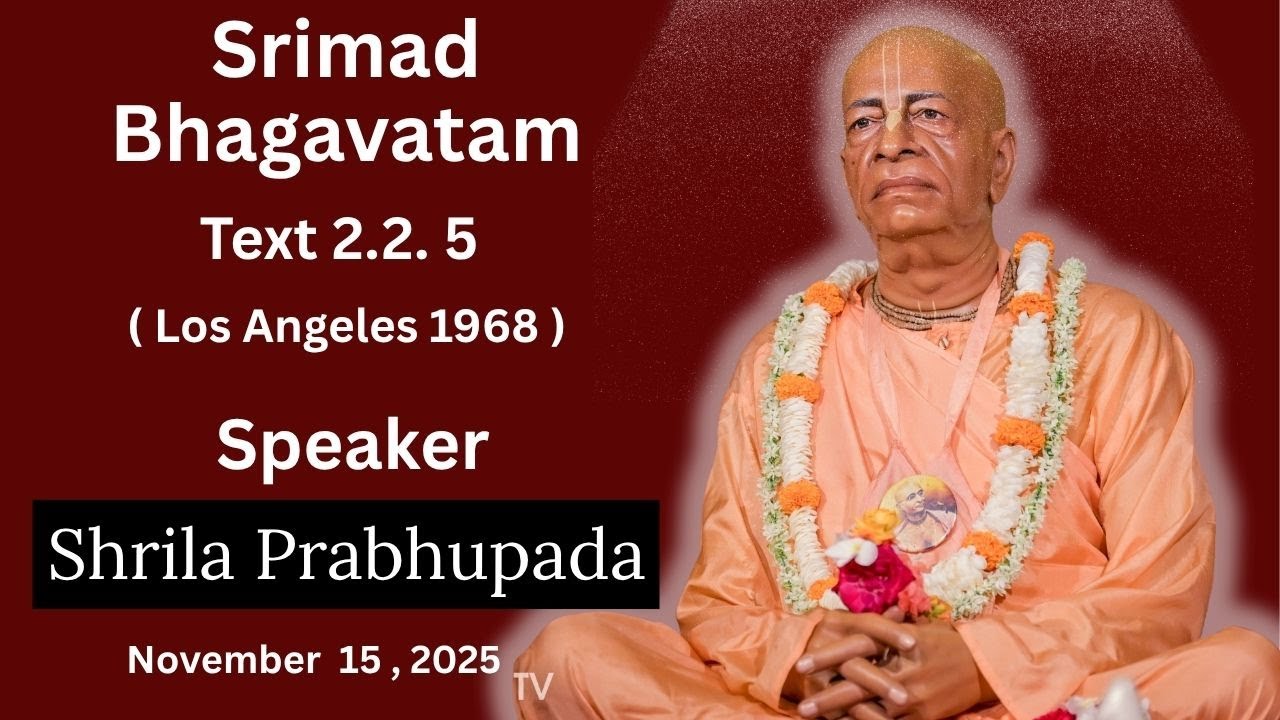
Srimad Bhagavatam 2.2.5 uses striking imagerytorn cloth, generous trees, life-giving rivers, and mountain cavesto argue that nature itself sustains a simple, dharmic life. The verse culminates in the assurance of divine protection, aligning security with inner renunciation and devotion rather than accumulation. Its values resonate across Hinduism, Buddhism, Jainism, and Sikhism through shared ideals like…
-
Bhagavad Gita’s Battlefield Wisdom: Practical Guidance for Modern Life’s Daily Conflicts

The Bhagavad Gita was taught on a battlefield, signaling that wisdom belongs in the most demanding spaces of life. Its guidance on dharma reframes everyday dilemmasfrom work pressures to family responsibilitiesas opportunities for ethical clarity. Karma Yoga encourages action with excellence while reducing anxiety through non-attachment to outcomes. Equanimity (samatva) and disciplined focus provide stability…
-
Unveiling Mama Dharma in the Bhagavad Gita: A Blueprint for Duty, Identity, and Unity

Mama Dharma“my dharma”is a concise, thematic key to the Bhagavad Gita’s message: align personal identity and responsibility with the larger moral order. The Gita frames this insight from 1.1’s dharma-kṣetre and māmakaḥ to 18.78’s assurance of prosperity, victory, well-being, and sound policy when wisdom and action unite. Rather than imposing a single path, it honors…