-
Jimutavahana and Dayabhaga: The Bengal Luminary Who Transformed Hindu Inheritance Law

Jimutavahana stands as a seminal figure in Bengal’s Dharmashastra tradition, renowned for the Dayabhaga and its enduring influence on Hindu inheritance law. His careful synthesis of scriptural sources with legal reasoning shaped practice in Bengal and informed judicial thinking during the early modern and colonial periods. The Dayabhaga’s spiritual rationale for inheritance and its social…
-
Mahabharata’s Hidden Heroes: Shadow Diplomats, Espionage, and Dharma in Ancient Bharata

This exploration of the Mahabharata uncovers a disciplined intelligence culture—spies, envoys, and shadow diplomats—operating within a clear ethical framework. It highlights how Vidura-niti and Udyoga Parva illustrate protocols for reconnaissance, negotiation, and moral restraint. Readers gain insights into how Sri Krishna’s Diplomacy prioritized peace through precise knowledge and timing. The narrative shows intelligence as a…
-
Viscount Valentia’s Candid Defense of Slavery and Empire: A Stark Mirror to Colonial Mindsets

This analysis examines Viscount Valentia’s unapologetic support for colonial slavery and empire, using his own words to illuminate the inner logic of British Colonialism. Readers gain a clear view of how strategic paranoia, economic extraction, and religious rationalization underpinned imperial policy from St. Helena to Bengal. The discussion situates Valentia’s defense of slave-laws within the…
-
Jatukarnya: Unveiling an Ancient Dharmashastra Luminary Shaping Dharma and Society

Jatukarnya (Jatukarni/Jatukarna) emerges from the Dharmashastra tradition as an early voice in Hindu legal history, likely predating the 3rd century CE. Even without a fully preserved standalone text, later references attest to his participation in formative debates on law, ethics, and social norms in Ancient India. His remembered contributions exemplify how the Dharmashastras blend jurisprudence,…
-
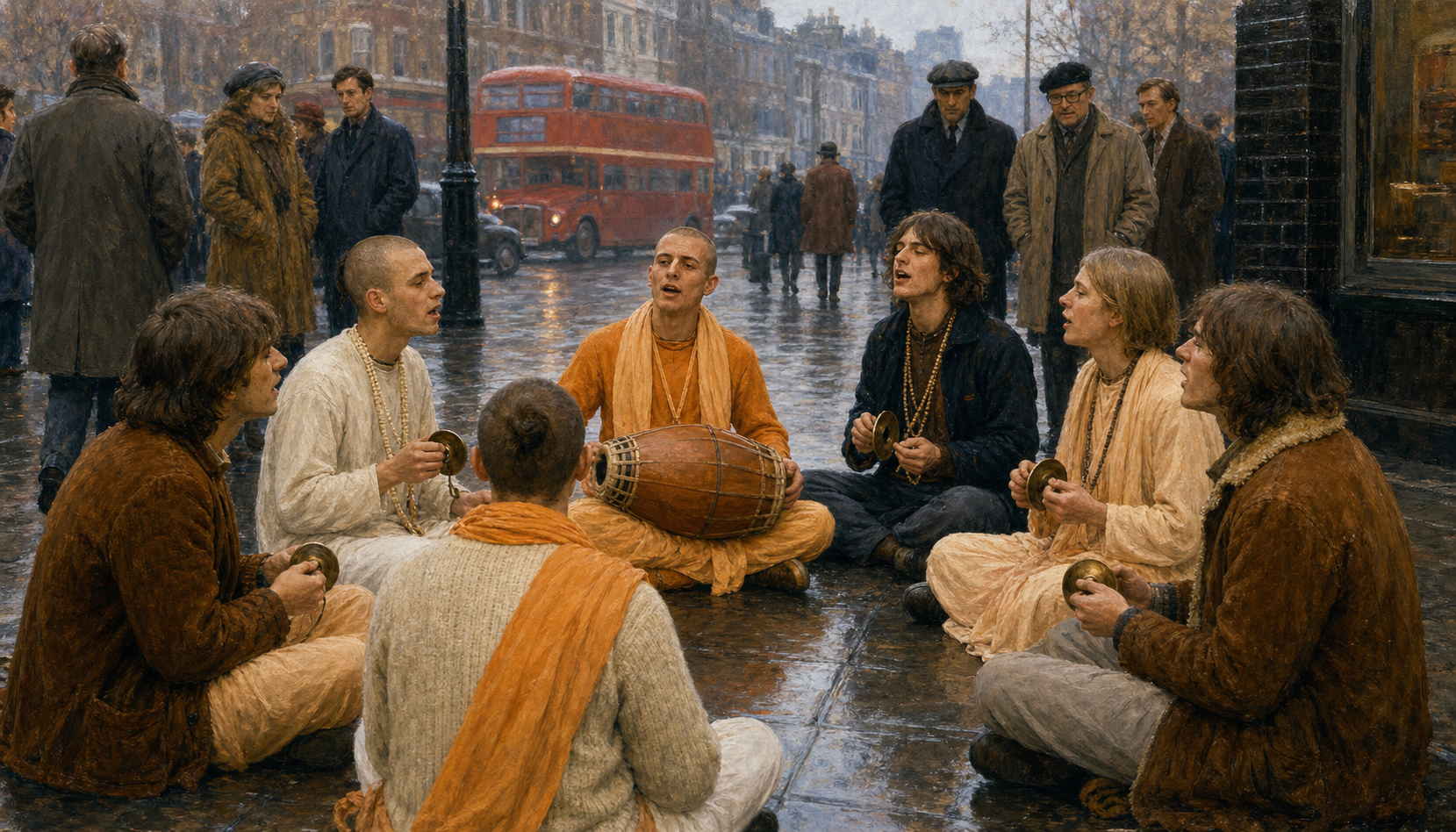
When Srila Prabhupada Met Allen Ginsberg: A Transformative Kirtan at Ohio State University

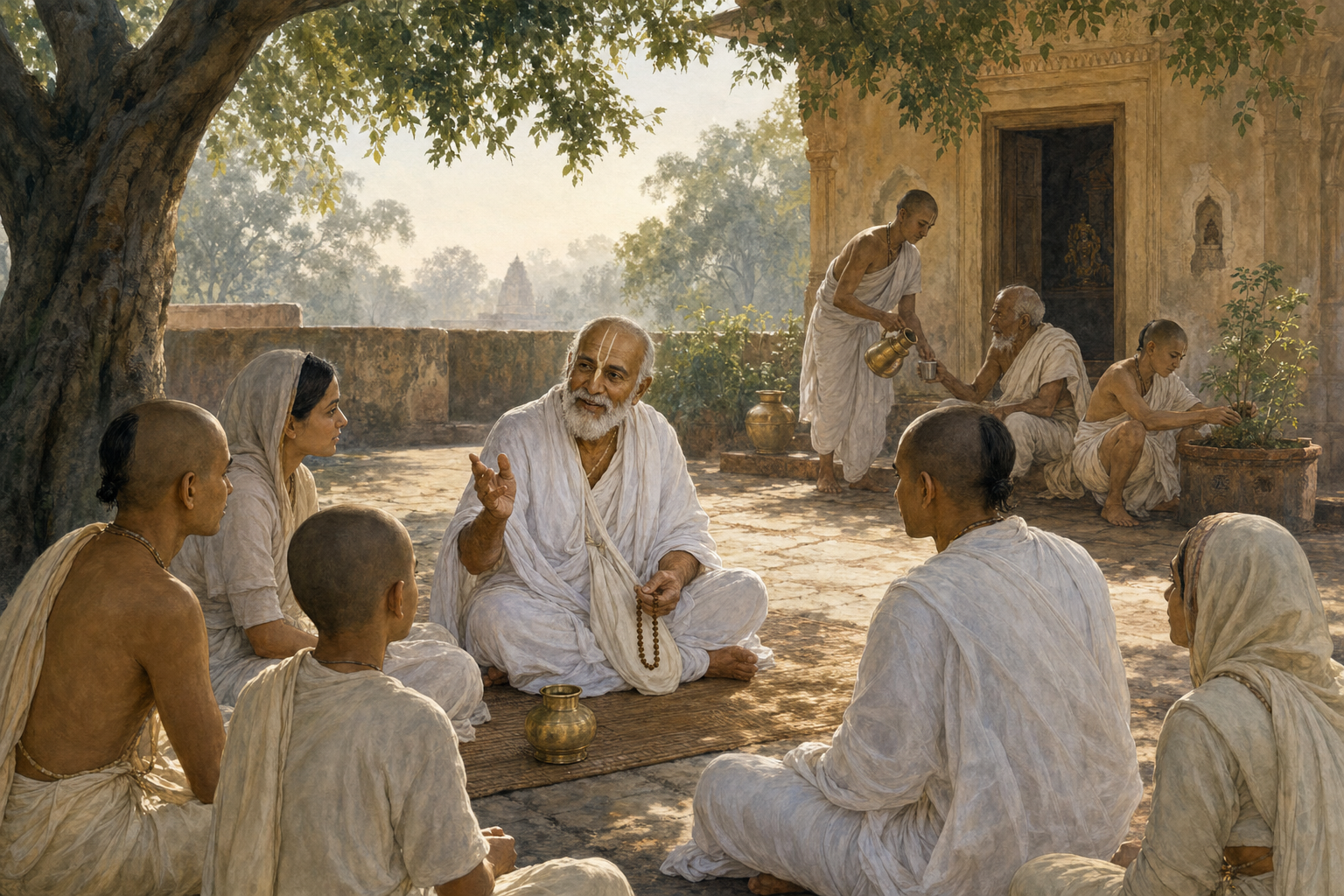
A rare joint program at Ohio State University brought Srila Prabhupada and Allen Ginsberg onto the same stage, drawing a crowd of about 2,000. An eyewitness recalls Srila Prabhupada’s striking humility toward Sriman Allen Ginsberg before the program, setting a respectful tone of dialogue. Ginsberg’s bohemian reflections contrasted with traditional parampara, highlighting the breadth of…
-
Sanghamitra’s Sacred Mission: How Ashoka’s Daughter Forged India–Sri Lanka Buddhist Ties

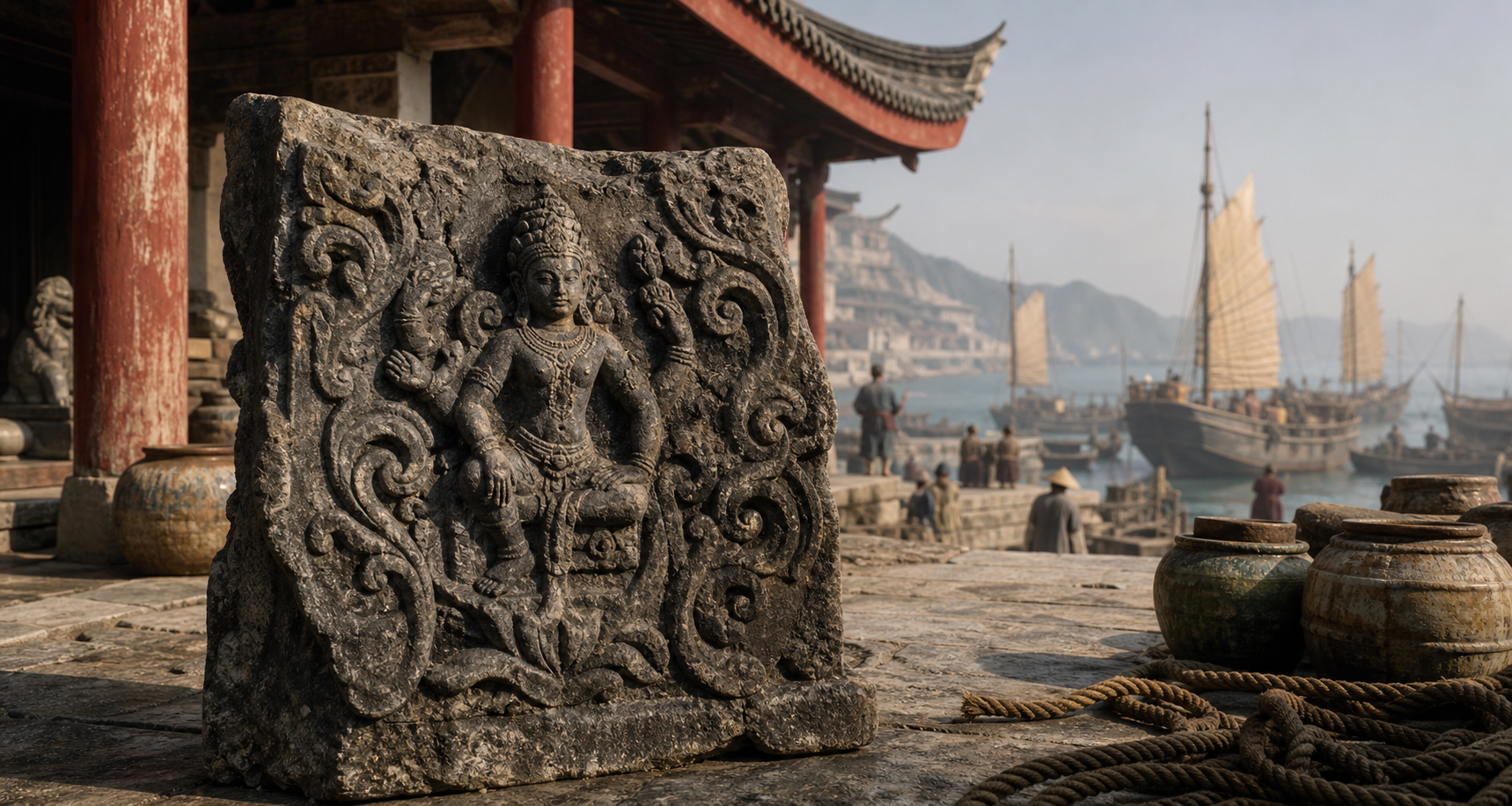
Sanghamitra, the daughter of Emperor Ashoka, exemplifies the dharmic spirit of Ancient India through her pivotal role in bringing Buddhism to Sri Lanka. Alongside her brother Mahinda, she embodied a culture of learning and compassion that connected Hindu and Buddhist traditions within a shared ethical framework. Historical traditions credit her with establishing the Bhikkhuni order…
-
Srila Prabhupada’s Kolkata–Nabadwip Journey: Moving Lessons in Bhakti, Safety, and Dialogue

This account, as narrated by H.G. Kusha Mataji, revisits Srila Prabhupada’s December 7 journey through Kolkata and Nabadwip, highlighting devotion, safety, and respectful dialogue amid bustling Indian rail travel. It shows how Achyutananda and Ramanuja exemplified the Guru–Shishya Relationship through attentive, practical care. A courteous philosophical exchange with Bengali gentlemen models reasoned, compassionate discourse rooted…
-
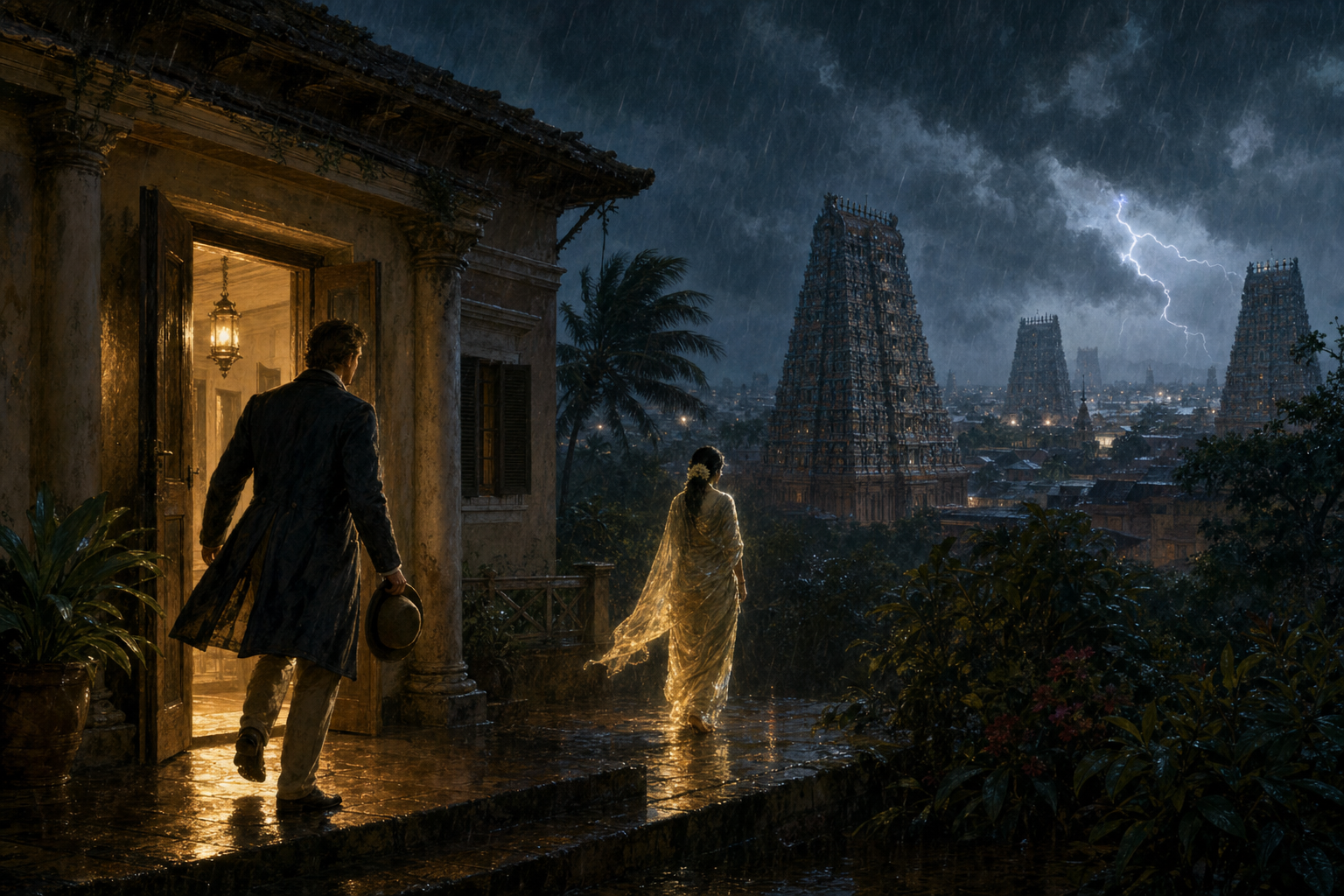
Viscount Valentia’s India Voyage: A Candid Colonial Chronicle and Dharmic Unity Lessons

This analytical retelling situates Viscount Valentia’s 1802–1806 voyage within the accelerating arc of British East India Company power and the late-Mughal political landscape. It highlights the work’s value as a meticulously dated primary source that blends geography, society, and statecraft across India, Ceylon, the Red Sea, Abyssinia, and Egypt. Readers gain a clear view of…
-
ISKCON Press Origins: Boston’s Joyous Welcome for Srila Prabhupada and a Movement in Transition

Devotees from Buffalo, Columbus, New Vrindaban, Pittsburgh, Philadelphia, and Washington, D.C. convened in Boston to greet Srila Prabhupada, revealing a pivotal moment in early ISKCON history. A school bus from 38 N. Beacon Street to the airport underscored grassroots organization and shared purpose. Photographs of a banner reading “ISKCON New York Welcomes Prabhupada,” with Swarup…
-
Srirangapatna’s Sri Ranganathaswamy Temple: Timeless Legacy, Sacred Legends, Living Faith

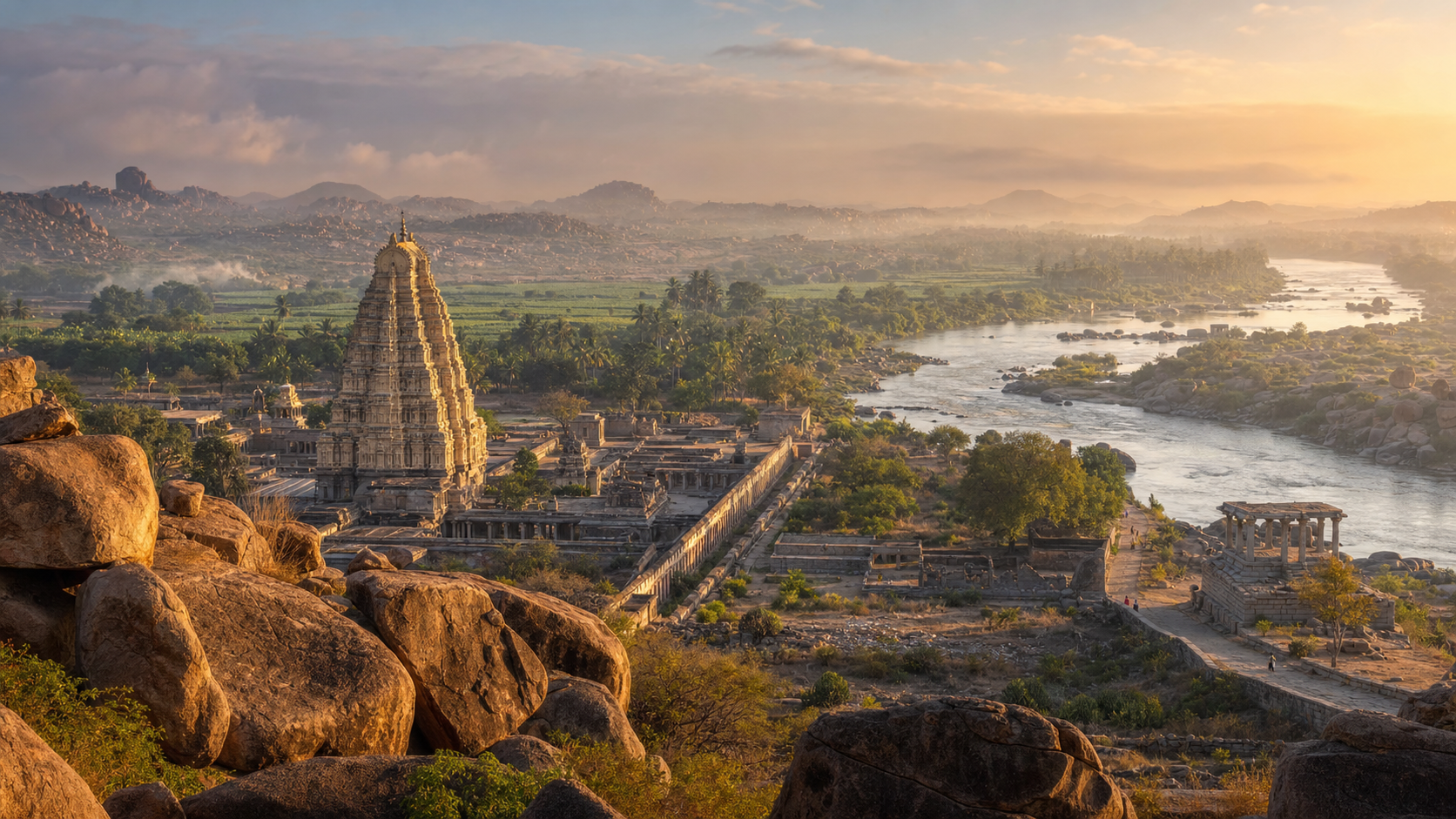
Srirangapatna’s Sri Ranganathaswamy Temple, set on a Cauvery river island in Mandya, Karnataka, is a landmark of South Indian sacred architecture and living tradition. The shrine to Sri Ranganatha, the reclining form of Bhagavan Srihari Vishnu, anchors the town’s devotional life and cultural memory. Architectural layers and inscriptions attest to centuries of continuous patronage and…
-
Unseen in the Valley: Powerful Insights into Reclaiming Sikh Identity in Kashmir

Unseen in the Valley offers a nuanced, evidence-aware reading of Sikh identity in Kashmir that foregrounds memory, community practice, and cultural resilience. The book positions Sikhs as integral to the Valley’s plural history while advocating interfaith relations rooted in reciprocity. It emphasizes heritage preservation through language, ritual, seva, and education. The analysis resists polarizing frames…
-
Bhai Kirpa Singh of Mattan: Courage, Devotion, and Guru Tegh Bahadur’s Legacy of Freedom

Bhai Kirpa Singh of Mattan, Kashmir, is remembered as a devoted Sikh of Guru Tegh Bahadur whose life bridged Kashmiri heritage and Sikh courage. His association with the Kashmiri Pandits’ appeal at Anandpur Sahib in 1675 highlights a landmark moment for religious freedom under Mughal rule. Guru Tegh Bahadur’s martyrdom, undertaken for universal liberty of…
-
Guru Ladho Re: Unveiling ਸੱਚੇ ਗੁਰੂ ਦਾ ਪ੍ਰਕਾਸ਼ and the Timeless Light of Guru Teg Bahadur

“ਗੁਰੂ ਲਾਧੋ ਰੇ!” invites seekers to discover ਸੱਚੇ ਗੁਰੂ ਦਾ ਪ੍ਰਕਾਸ਼—the clarifying light of the True Guru—through the life-affirming legacy of Guru Teg Bahadur. The post explores how this call nurtures ethical clarity, compassion, and resilience in daily life. It situates the phrase within Sikh history and highlights its resonance with shared dharmic values across…
-
Like a Phoenix: How Hinduism’s Resilient Spirit Reimagines Challenges into Renewal

Hinduism is often likened to a phoenix because it repeatedly transforms adversity into renewal. This piece explains how Sanatana Dharma’s pluralism and philosophical flexibility sustain resilience across centuries. It highlights how households, temples, and learning traditions preserve living culture even under pressure. The narrative situates Hinduism within the broader dharmic family—Buddhism, Jainism, and Sikhism—emphasizing shared…
-
Ancient Hinduism on Conversion: Inclusive Paths, Organic Belonging, and Dharmic Unity

Ancient Hindu society did not rely on a single, formal rite of conversion. Instead, belonging developed organically through practice, ethics, and community participation. Outsiders who resonated with Hindu thought were welcomed via temples, festivals, and guilds, reflecting a civilizational commitment to religious pluralism. Textual references such as Vratya-stoma and Mlēccita-śuddhih emphasize social restoration rather than…
-
Prithu Chakravarthi’s Legacy: How a Dharma-Raja Gave Earth Her Sacred Name, Prithvi

The name Prithvi for Earth is rooted in the Puranic account of Prithu Chakravarthi, a dharma-raja who restored balance between society and nature. Bhishma’s inquiry to Sage Pulastya introduces the genealogy from Swayambhuva Manu through Anga and Sunitha to Vena and Prithu. After reconciling with Earth—who had assumed a cow’s form—Prithu renewed agriculture and prosperity,…
-
Guru Tegh Bahadur’s Courageous Mission and Martyrdom: A Beacon of Dharmic Freedom in Mughal India

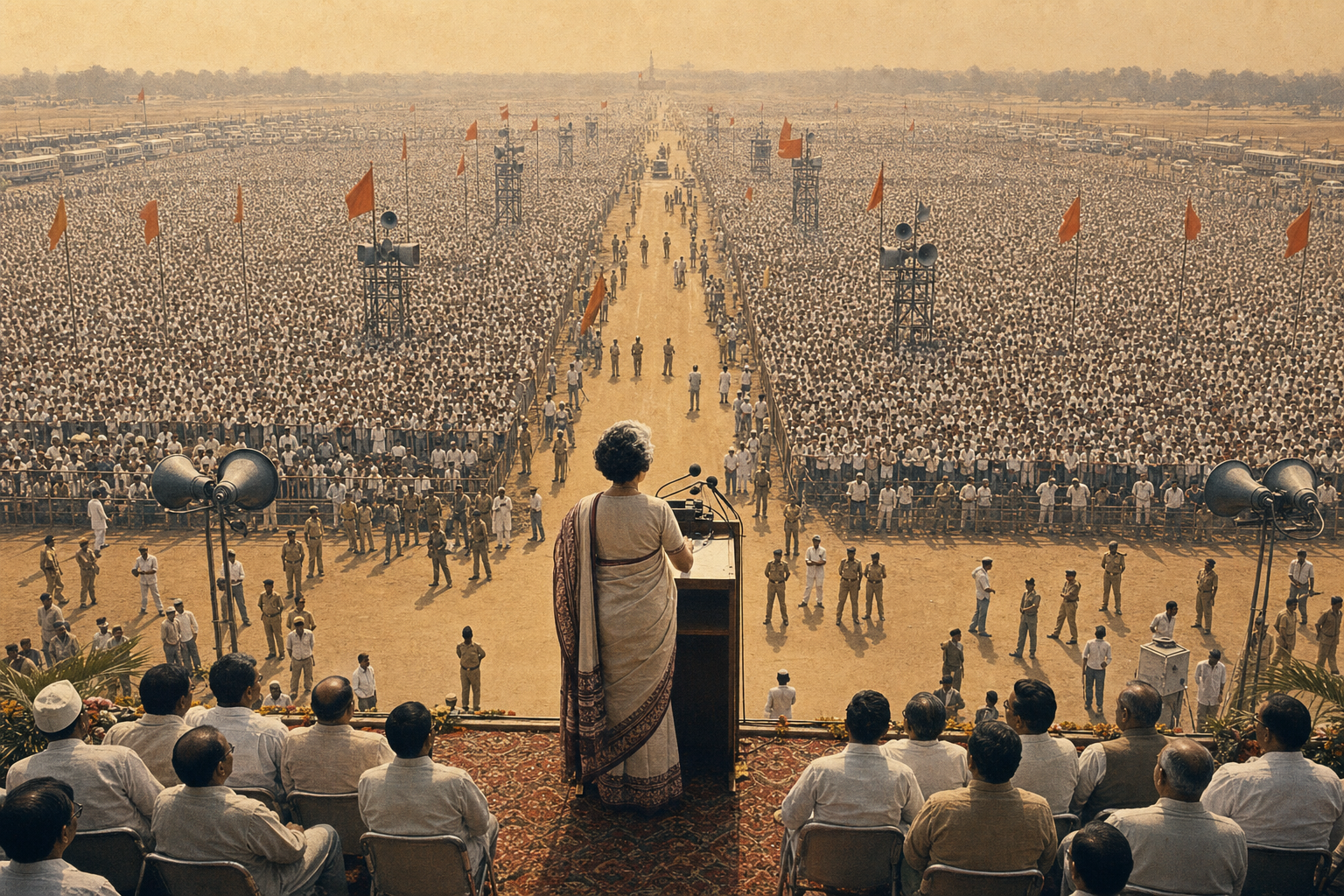
Guru Tegh Bahadur’s mission and martyrdom represent a decisive defence of religious freedom in Mughal India, grounded in Dharma and interfaith harmony. His travels from Anandpur Sahib spread a message of courage, ethical living, and seva that resonates across Hinduism, Buddhism, Jainism, and Sikhism. The 1675 execution in Delhi is remembered as a civilizational stand…
-
Honoring Guru Tegh Bahadur Ji: 350 Years of Courage, Conscience, and Religious Freedom

The 350th anniversary of Guru Tegh Bahadur Ji’s martyrdom offers a moment to recall a defining act of moral courage in Indian history and the Sikh tradition. His sacrifice in 1675 affirmed Religious Freedom and protected the spiritual autonomy of people across communities. The tribute highlights how his example advances Interfaith Dialogue, the Harmony of…