
-
The Origin of Onam
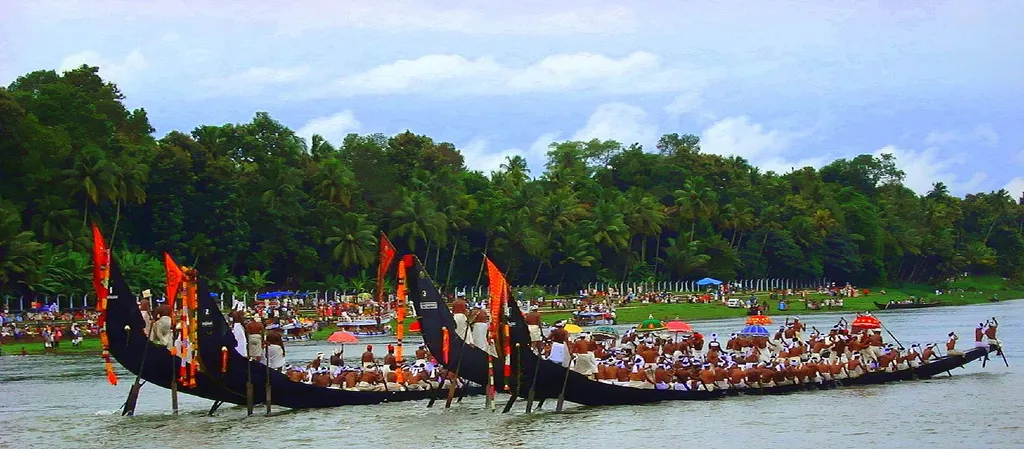
The popular narrative of Onam revolves around the story of King Mahabali and Lord Vamana, portraying Mahabali as a martyr and Vishnu as a villain. This version doesn’t align with the true essence of the scriptures. In reality, the story is more nuanced. Vishnu’s avatar, Vamana, came to address the balance between the devas and…
-
Adipurush: The Outcome of a Century of Artistic Perversion

Adipurush” receives a scathing critique in this article as a three-hour-long cinematic travesty that has deeply offended many viewers, especially in regions with a strong cultural connection to the Ramayana. The article points out that the movie’s creators, despite being of Indian origin, have displayed disdain for the epic’s cultural and religious significance, reducing it…
-
J&K Battle Of Narratives

This blog post discusses the complex narrative battle in Jammu and Kashmir, highlighting the challenges and strategies employed by both India and the anti-India cabal. It addresses the issue of separatism, terrorism, and propaganda, emphasizing the importance of addressing the battle of narratives as a key element for long-term peace in the region. The post…
-
How Dravidianists Savaged the Tamil Hindu Heritage and Gifted Tamil Nadu to the Global Church

This blog post delves into the historical development of the Dravidian ideology in Tamil Nadu, tracing its evolution from linguistic separatism to religious separatism and the pervasive influence of the Church. The narrative revolves around the impact of Bishop Robert Caldwell’s writings and their role in shaping Dravidian identity, alongside the suppression of contrary evidence.…
-
The Story of the Profound Hebbale Inscription
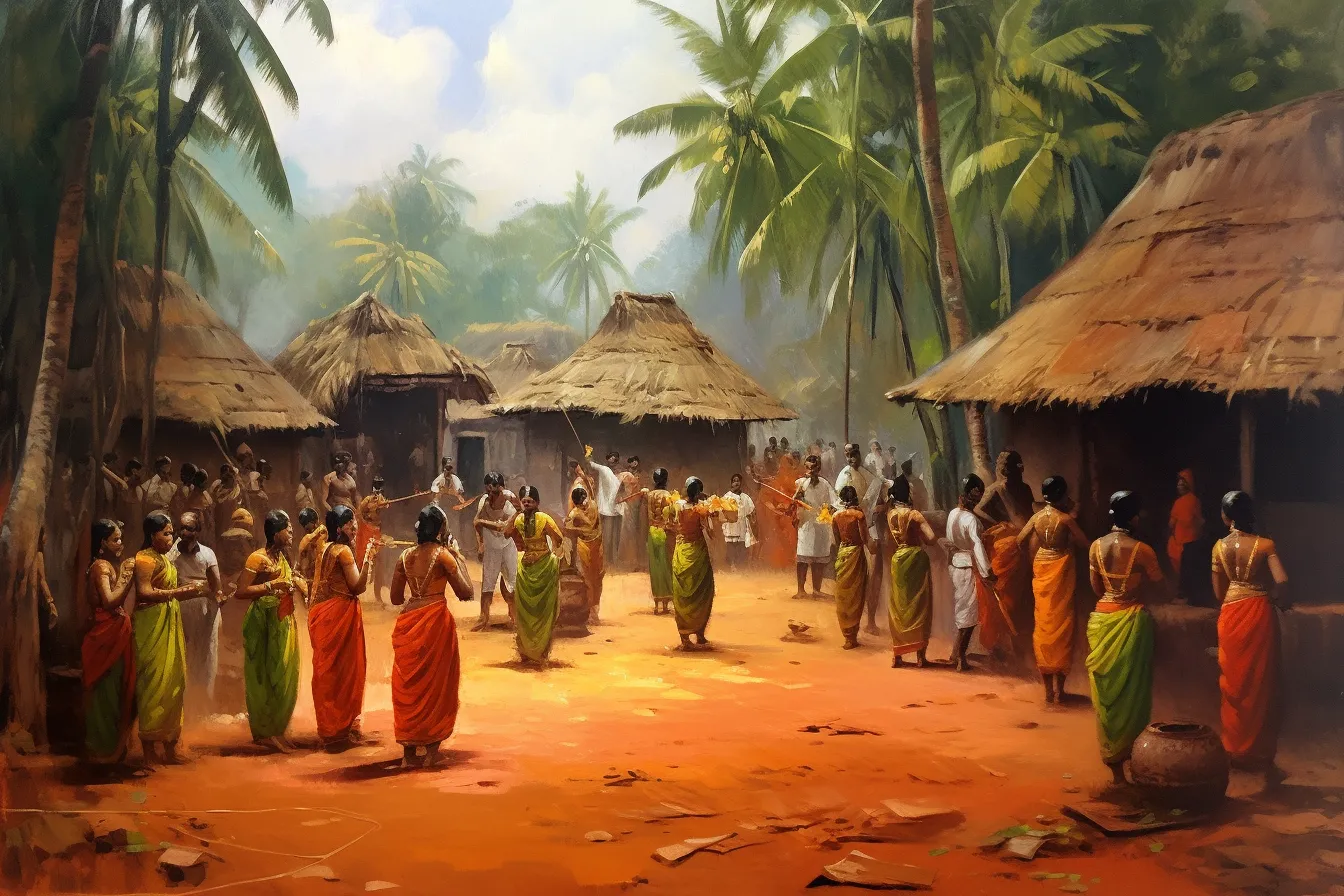
In a nondescript village called Hebbale, situated in the heart of Bharatavarsha, an ancient tradition of Tirtha-Yatra (pilgrimage) was upheld. This story unfolds eight centuries ago when Hebbale played a pivotal role in enabling Hindu pilgrims to undertake their sacred journeys, despite the oppressive Jizya tax imposed by the Islamic rulers. The noble act of…
-
Portraits of the Deracinated Indian Education System
In this thought-provoking blog post, the urgent need for the decolonization of India’s education system is explored. The article delves into the persisting impact of mental colonization, particularly evident in the modern Indian population’s inclination to embrace Western culture, values, and ideals, often prioritizing them over their own heritage. Through historical context and powerful quotes…
-
Why is the Complete History of the Communists Still not Part of our School Textbooks?
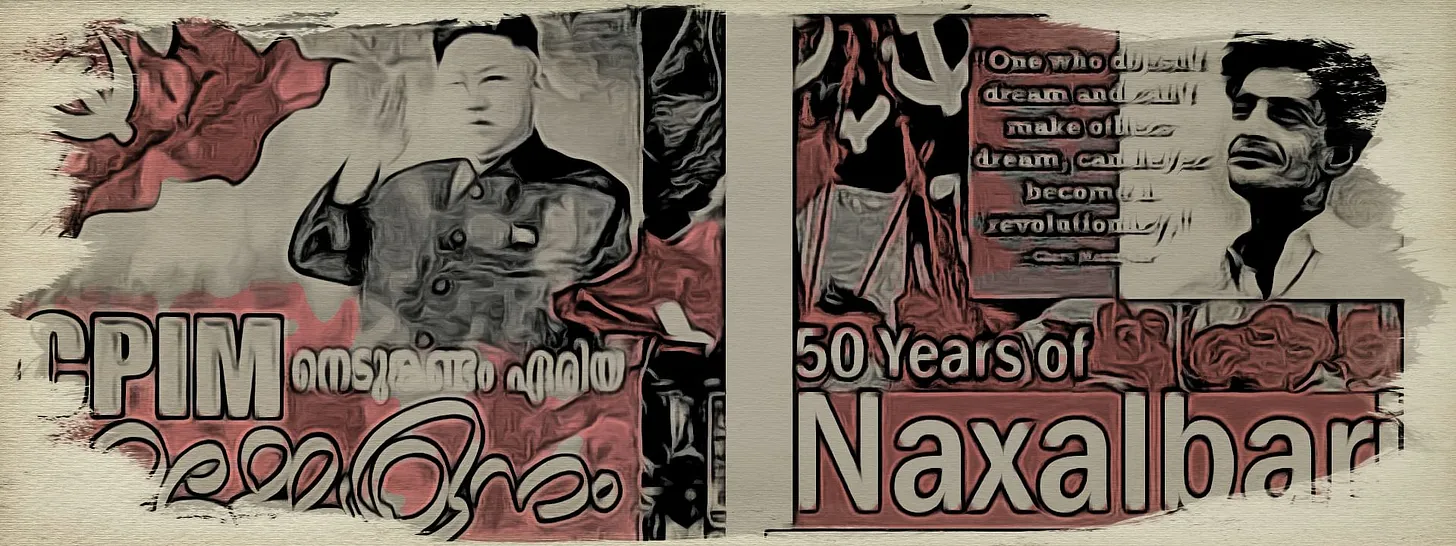
The history of Communism in India is a contentious and complex one. The rise and influence of Communist parties in India have had significant consequences on the country’s political and social landscape. From its early days to the present, Communism has played a prominent role in Indian politics, often polarizing opinions and leading to intense…
-
Origins of Khalistani Terrorism in Canada

The rise of Khalistani terrorism in Canada and India is a troubling phenomenon that has had far-reaching consequences for the security and social cohesion of both countries. Advocates of Khalistan, a hypothetical independent Sikh state, have resorted to violence and terror tactics to achieve their political aims, including bombings, assassinations, and targeted killings. The victims…
-
THE 100-Year History of Indian Communism in Half an Hour
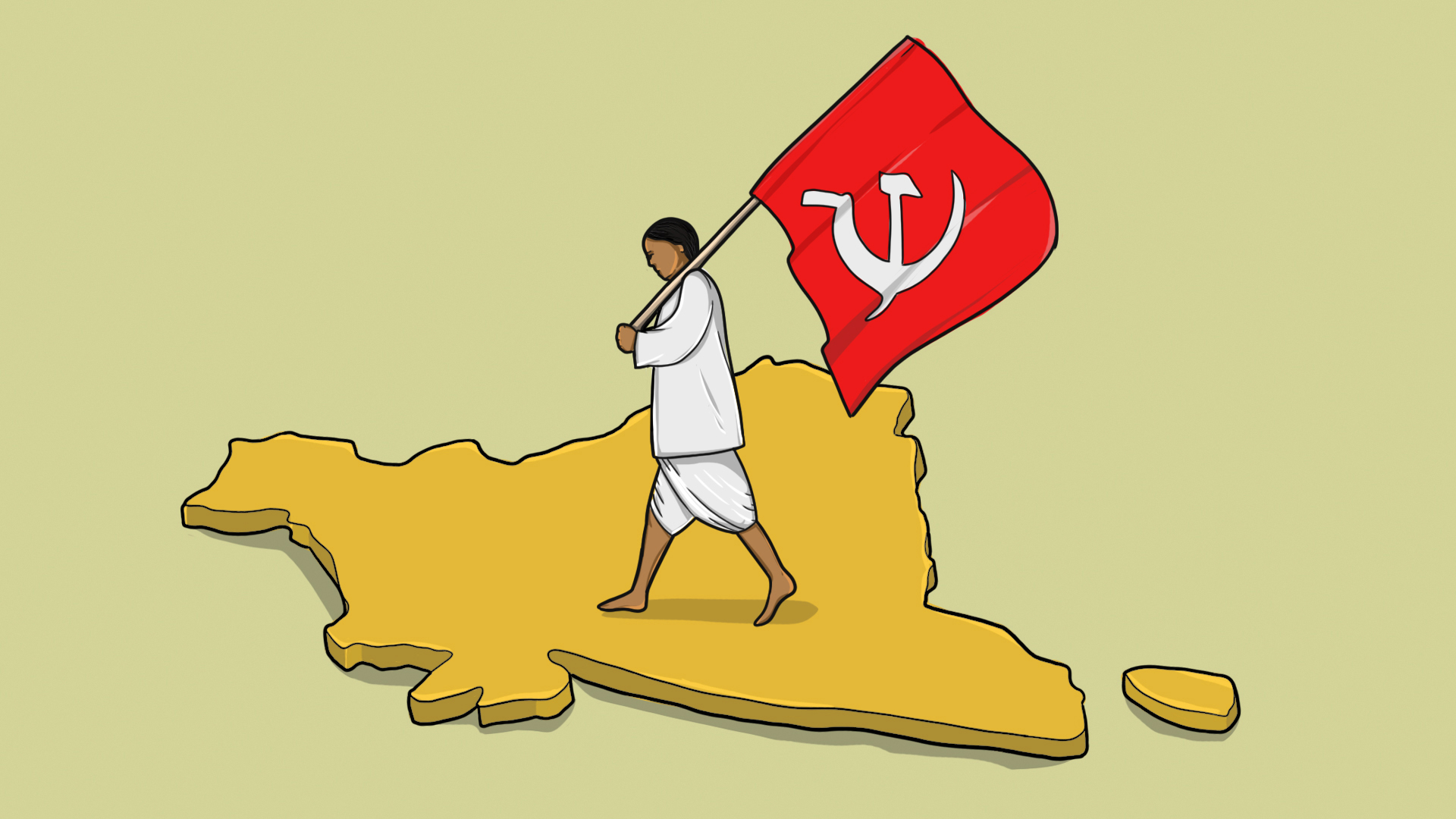
In this podcast episode, I delve into the complex history of Communism in India, tracing its roots back to its founding in 1920. As a narrator, I take you on a journey through the various stages of its development, discussing its profound impact on the country and its cultural heritage. From destructive forces to a…
-
How Gandhi became a Congress Leader in Four Years
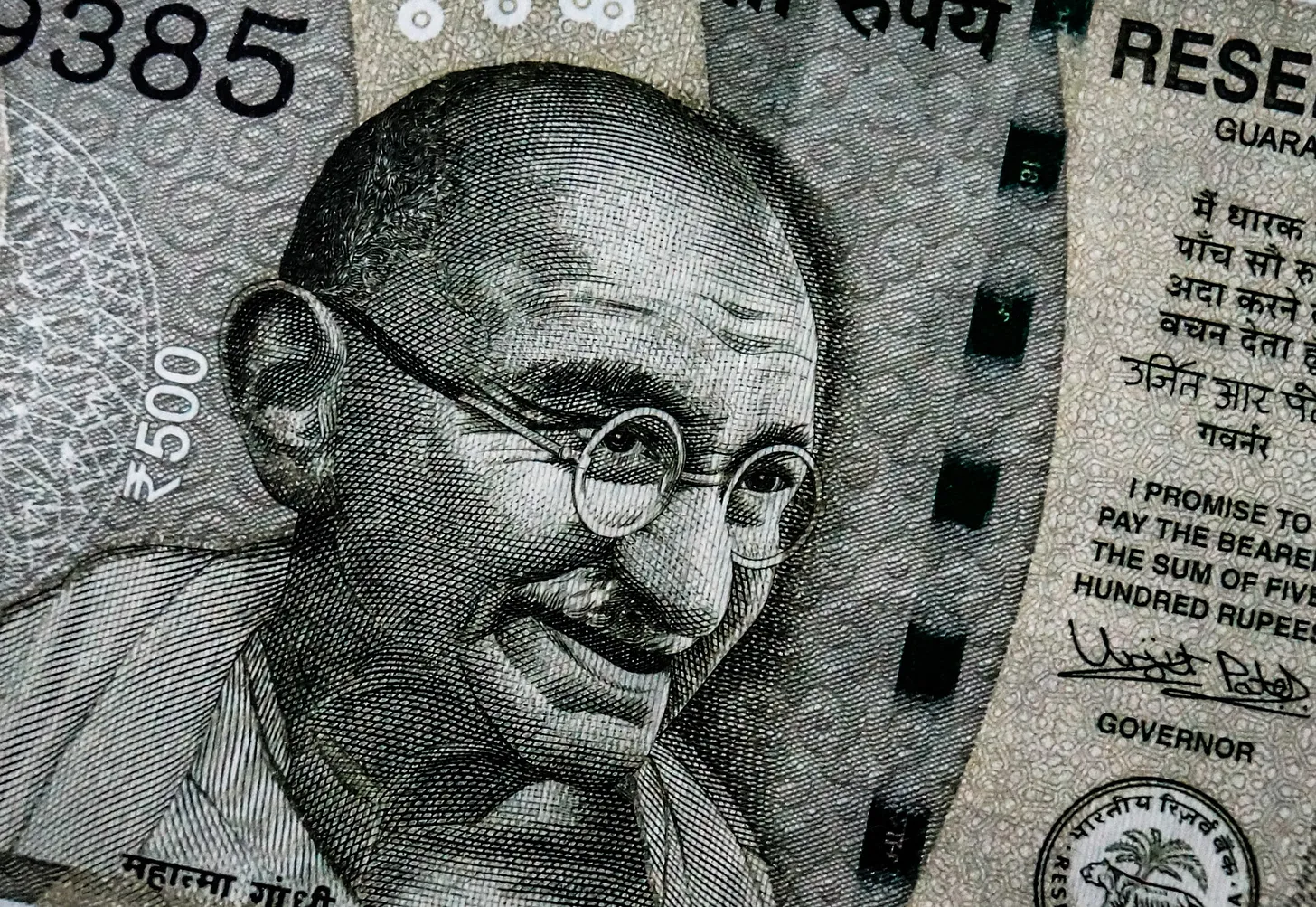
In January 1915, a 46-year-old Mohandas Gandhi returned to India after two decades in South Africa. Despite his unconventional social activism there, he faced skepticism from Indians who saw him as a foreigner. This blog explores how Gandhi, within four years, transformed from an outsider into a national leader of the Congress. It delves into…
-
How Macaulay and William Bentinck Demolished the Calcutta Golisri Sanskrit School

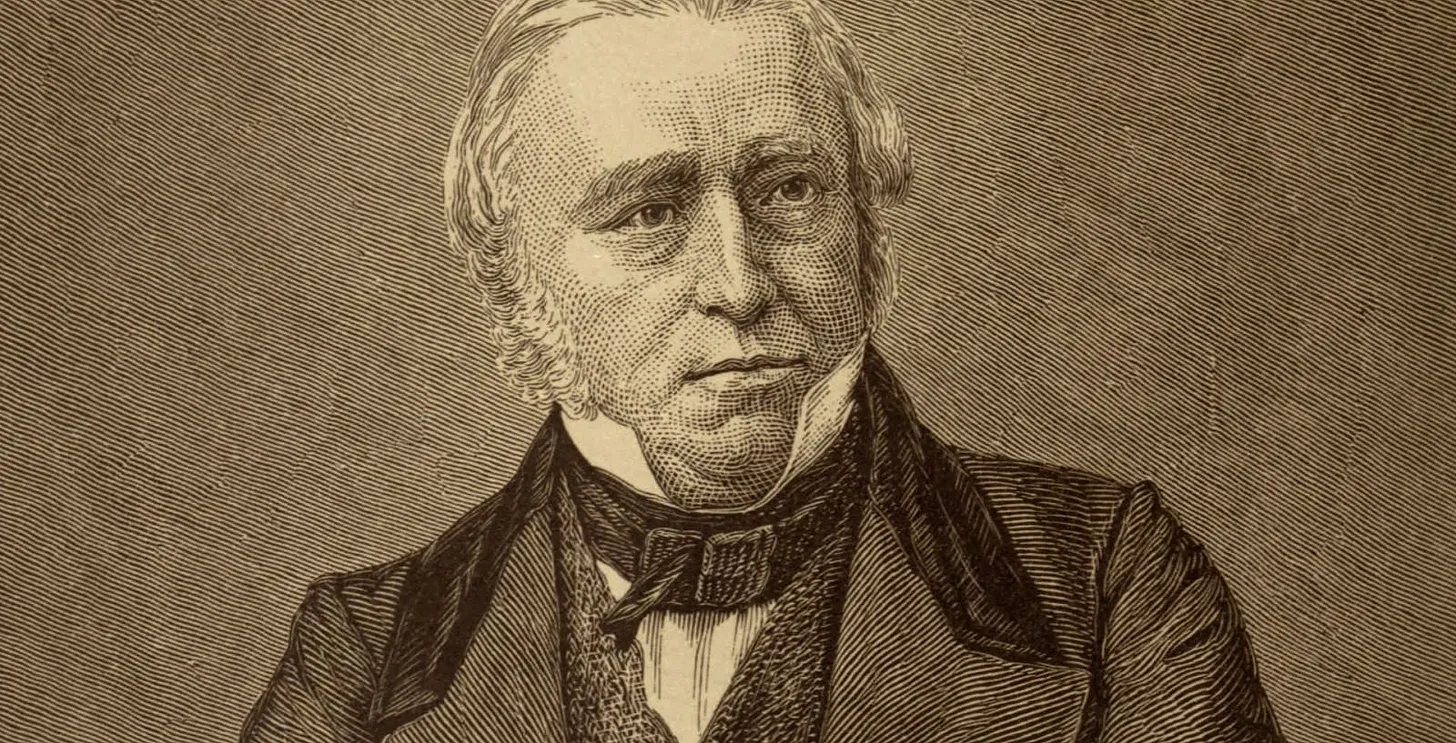
Explore the devastating impact of Thomas Babbington Macaulay’s role in undermining India’s rich educational heritage, supported by Governor General William Bentinck and other British officials in the 19th century. Their actions led to the destruction of centuries-old Sanskrit schools and colleges across Bengal, with the Golishri Sanskrit School in Calcutta among the earliest casualties. The…
-
Punjab – Seeking Way Forward In Simmering Crisis
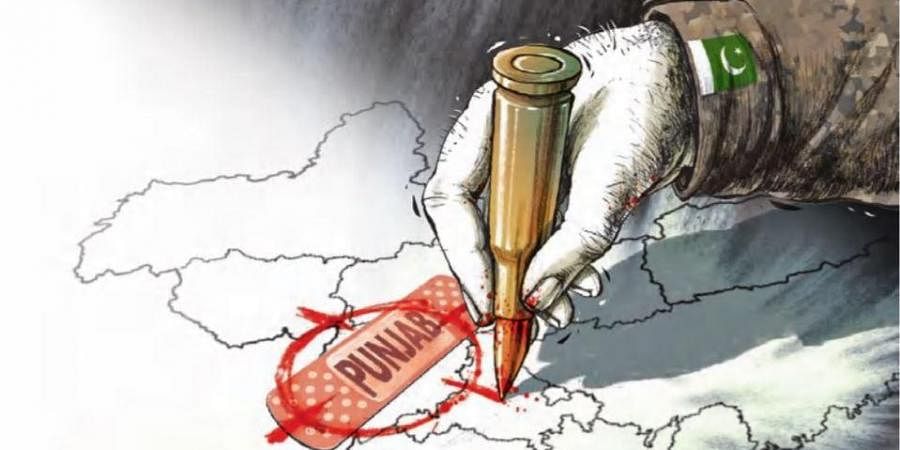
Amidst evolving geopolitical dynamics, the reported Kashmir-Khalistan (K2) project orchestrated by Pakistan’s ISI has raised concerns, aimed at rekindling the Khalistan movement even in the face of improving conditions in Kashmir. Extremist leaders operating from Pakistan and the recent shooting down of the Khalistan Commando Force Chief, Paramjit Singh Panjwar, in Lahore, serve as unsettling…
-
Unveiling the Ancient Ayurvedic Treasure: The Navanītakaṁ Manuscript
Step into the world of ancient Ayurvedic wisdom with ‘Unveiling the Ancient Ayurvedic Treasure: The Navanītakaṁ Manuscript.’ This fascinating journey takes us back in time to explore the rich heritage of Ayurveda, one of the world’s oldest systems of natural healing. The spotlight shines on the remarkable Navanītakaṁ manuscript, a hidden gem that remained obscured…
-
Déjà vu in Pakistan: The eerie similarities between 2023 and 1971

Pakistan is facing a complex set of political and economic challenges in 2023, which bear some striking similarities to the situation the country faced in 1971. In both cases, the popular electoral choice has been kept out of power, bad economic markers such as GDP and inflation have been on the rise, and regional identity…
-
US or China – Who started it?

There are many claims that it was the US, irked by China’s economic and geopolitical rise, started surrounding China with bases and military posts and thus threatened the Chinese. Is it correct? To understand the current predicament, we must understand what has happened between these two countries. Let us quickly breeze through the historical issues…
-
Understanding Manipur Dynamics

By Air Marshal Anil Khosla (Retd). Manipur was merged fully with the Indian Union on October 15, 1949, but it became a full-fledged state more than two decades later, in 1972. Manipur is known for its ethnic and cultural diversity. But the state has been plagued by internecine conflicts among different ethnic groups and tribes.…
-
What really happened to Bharat during the Islamic Invasions?
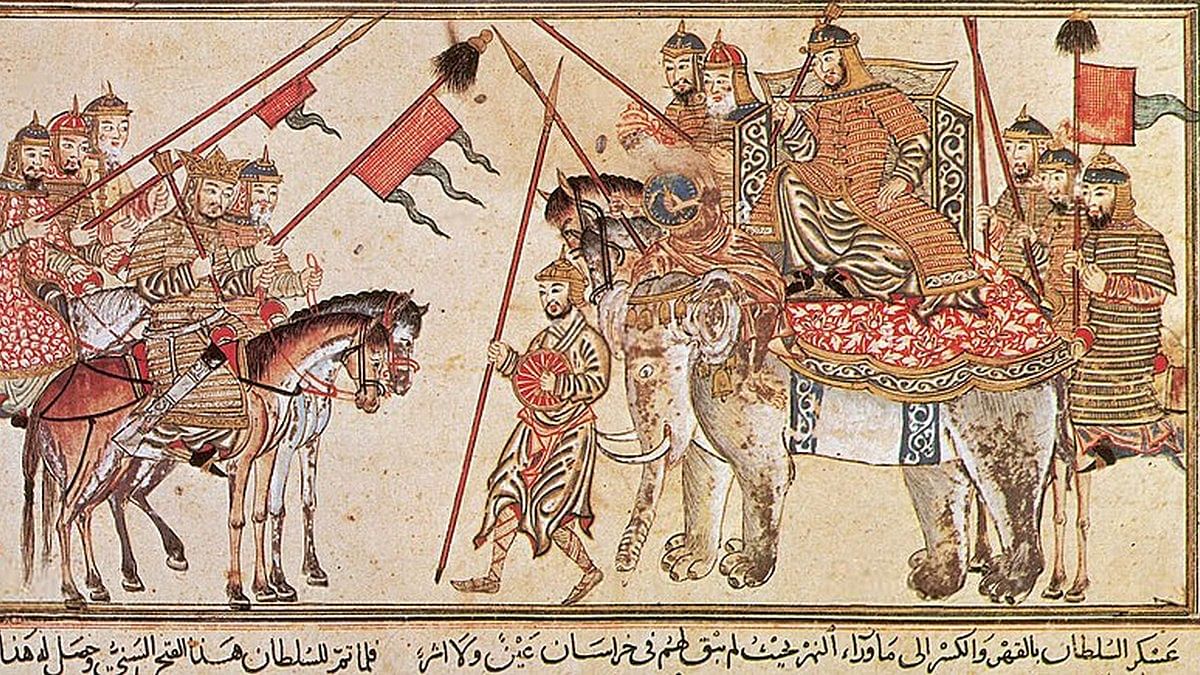
The following is a transcript of a speech by Vikram Sampat at the Jaipur Dialogues Conclave that discusses the Islamic conquest of India and its impact on Indian history. Sampat specializes in modern and early modern Indian history, as well as medieval history, which is highly relevant to the period being discussed. Sampat states that…