-
How Colonial Virginia Became a Slave Society: Laws, Revolt, and a Life That Reshaped History

Colonial Virginia’s evolution from a society with slaves to a fully racialized slave society unfolded through interlocking changes in law, labor, and power. The life of Anthony Johnson highlights the early fluidity of status before slavery was rigidly codified. Demographic shifts and the decline of indentured servitude increased reliance on the transatlantic slave trade. The…
-
Uttarakhand Abolishes Madrasa Board, Launches Minority Education Authority for Unified Standards

Uttarakhand has abolished the Madrasa Board and announced a Minority Education Authority effective 1 July 2026, requiring minority educational institutions to affiliate with the Uttarakhand Board of School Education. The reform seeks to deliver uniform quality standards, transparent accreditation, and statewide recognition of certifications. Students are expected to benefit from enhanced mobility and parity in…
-
Akola Families Call for Regular Self-Defence Training as HJS Highlights Urgent Safety Needs

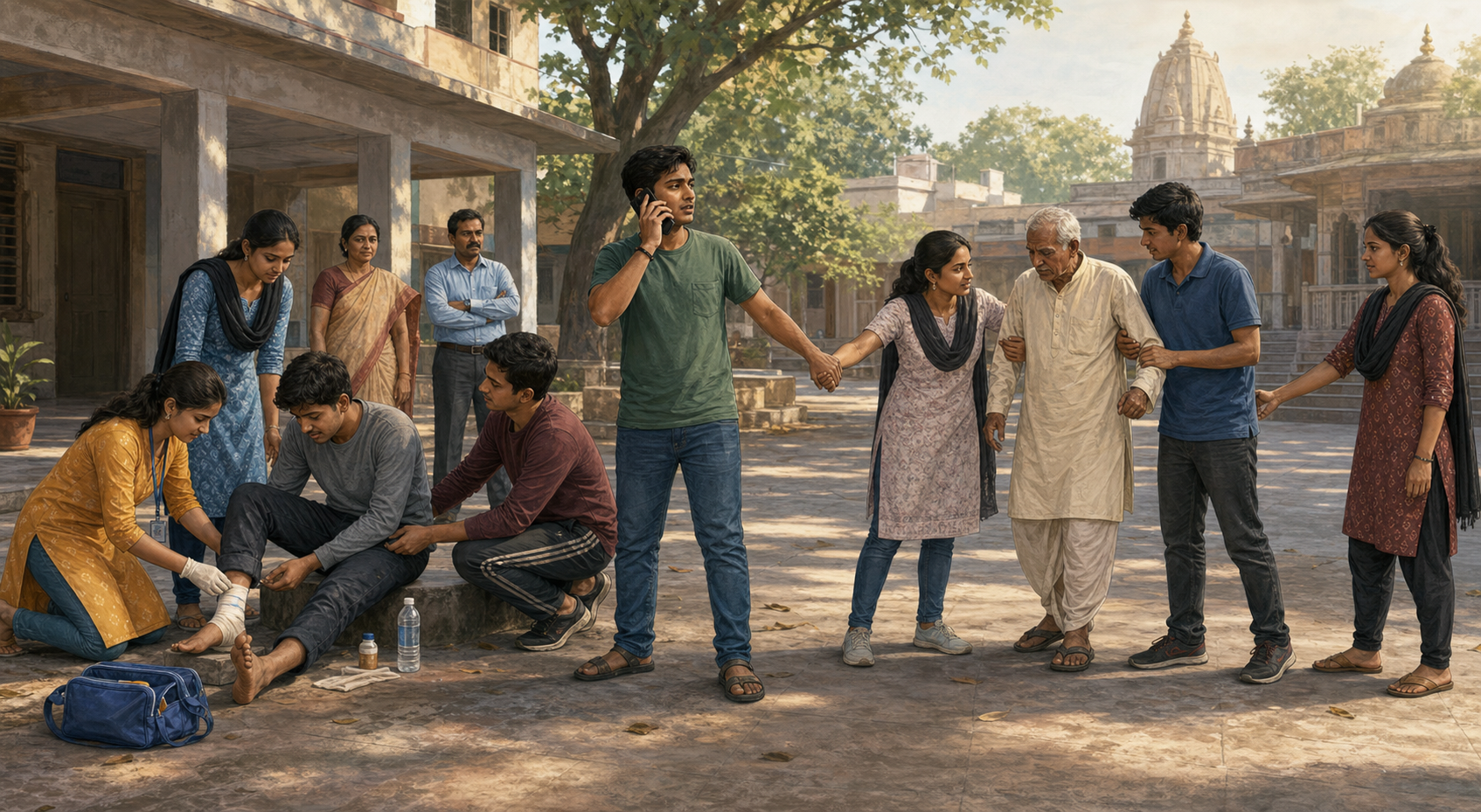
A community programme in Akola spotlighted an urgent need for structured self-defence training, with Hindu Janajagruti Samiti (HJS) and Amol Wankhade emphasizing prevention, preparedness, and ethical conduct. Students and parents called for regular classes to enhance safety on commutes and campuses. The proposed approach blends situational awareness, de-escalation, and basic legal literacy with age-appropriate physical…
-
Kranti Gatha in Kamthe Ignites Youth Patriotism and Honors Bharat’s Freedom Legacy

On Indian Republic Day, Hindu Janajagruti Samiti (HJS) hosted the Kranti Gatha exhibition in Kamthe to familiarise students with the sacrifices of Bharat’s revolutionaries. The exhibit used concise visuals and timelines to make the Indian freedom struggle accessible. Visitors affirmed that such initiatives meaningfully strengthen patriotism among youth. Teachers observed heightened curiosity, and students reported…
-
Students’ Guide to Saraswati Dhyana & Mantra Japa: Focus, Memory, and Exam Success

This guide presents Saraswati dhyana and mantra japa as a disciplined daily practice that supports students’ focus, memory, and exam performance. It explains how brief, consistent sessions can reduce anxiety, stabilize attention, and create a calm, ethical study rhythm. The method emphasizes posture, breath awareness, and silent japa, integrated into study blocks for maximum benefit.…
-
Maa Saraswati: Timeless Goddess of Music, Learning, and Inner Harmony in Dharmic Traditions

Music, one of the classical 64 kalā (arts), refines intellect, steadies emotion, and uplifts spiritual energy. Maa Saraswati, the Goddess of Music and learning, symbolizes purity, discernment, and disciplined practice through the veena, lotus, hamsa, manuscript, and mala. Devotional music aligned with meditation, mantra, and study reliably eases stress, strengthens focus, and clarifies intention. Vasant…
-
Vile Parle College Hosts HJS Self-Defence Training, Inspiring Confidence and Unity for Safer Campuses

Vile Parle college hosted a self-defence training programme by the Hindu Janajagruti Samiti (HJS), with strong student participation across disciplines. The session prioritised situational awareness, de-escalation, and bystander support, blending practical drills with reflective, ethics-focused learning. Participants noted increased confidence and clearer understanding of how to assess risk and support peers. The programme affirmed shared…
-
UGC Equity Regulations 2026: Protecting Students, Preventing Misuse, Preserving Due Process

The UGC Equity Regulations 2026 arose from urgent calls to prevent discrimination while preserving due process and academic freedom. This analysis traces the policy timeline, clarifies what changed in the final rules, and explains why overbroad monitoring can undermine trust. It outlines a constructive alternative: privacy-preserving, pattern-based reporting that aggregates credible signals before triggering inquiries.…
-
Prayagraj Magh Mela Protest: Saints Challenge UGC Equity Rules, Urge Dharmic Unity
At the Prayagraj Magh Mela on January 28, 2026, Hindu saints and community leaders held a peaceful protest addressing the UGC Higher Education Equity Regulations 2026. They argued that inclusive education policy must protect religious freedom, cultural heritage, and the autonomy of dharmic institutions. Proposals included an expert committee representing Hindu, Buddhist, Jain, and Sikh…
-
Empowering Safety: Self-Defence Training for Young Women in Pandharpur Inspires Hope

A self-defence training camp at the girls’ hostel of New Satara College of Engineering and Management, Korti (Pandharpur) advanced women’s safety through practical, ethical instruction. Organised by Hindu Janajagruti Samiti, the programme combined situational awareness, de-escalation, and basic defensive techniques. Participants reported increased confidence and readiness to act calmly under pressure. Faculty observed stronger peer…
-
Discipline Without Harm: Compassionate, Non-Violent Parenting Guided by Dharmic Wisdom

Is punishment a form of discipline or a slide into harm? This analysis distinguishes non-violent, teaching-centered discipline from punitive responses that erode trust. Drawing on Ahimsa and shared values across Hinduism, Buddhism, Jainism, and Sikhism, it outlines a dharmic framework for compassionate, effective parenting. Readers gain research-aligned strategiescalm regulation, clear expectations, logical consequences, and restorative…
-
Sikhs in Clinical Research: Insights, Ethics, and Community-Centered Innovation with Ekta Grewal

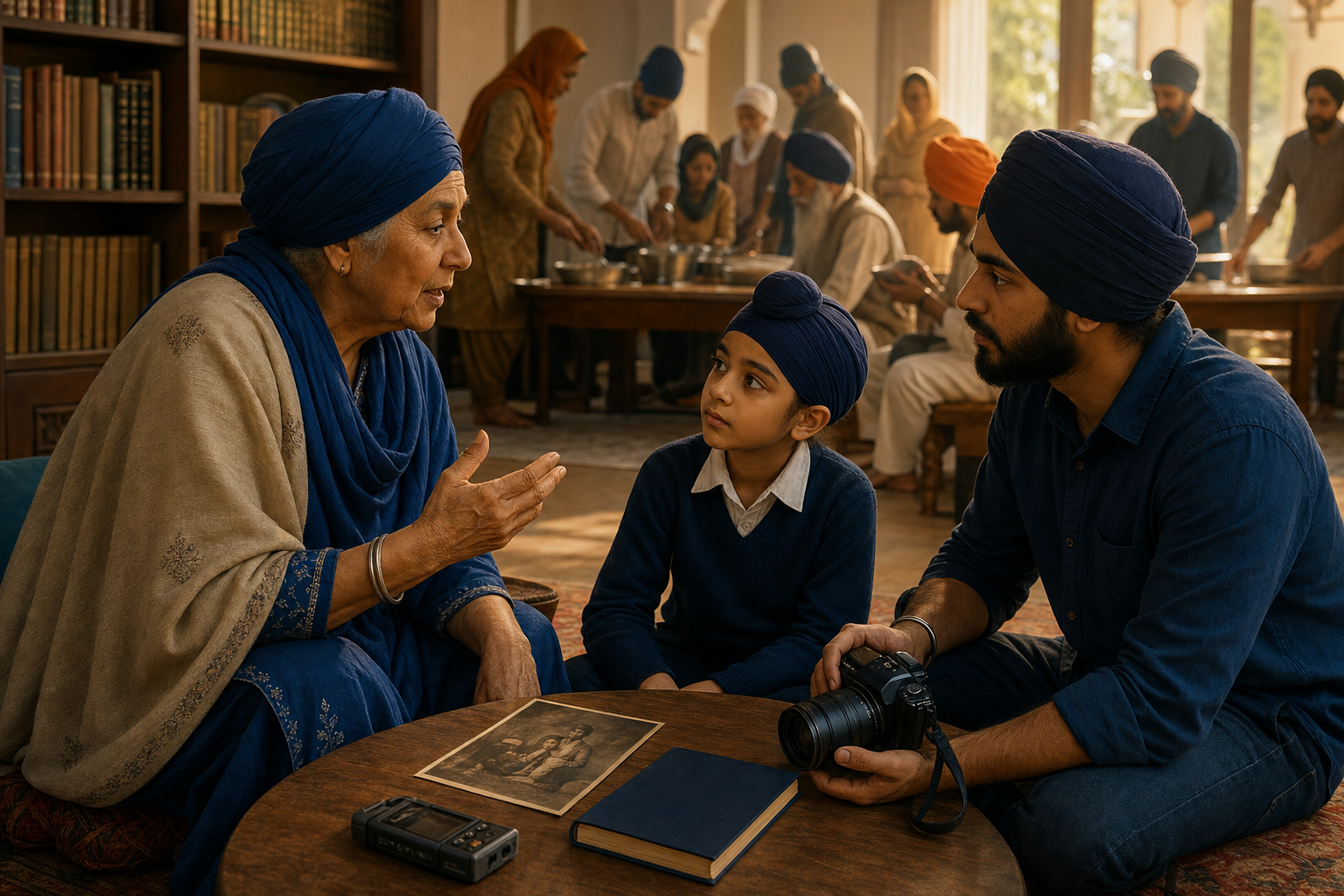
This analysis explores Sikh participation in clinical research through insights from an interview with Ekta Grewal, emphasizing ethics, cultural competence, and community engagement. It shows how seva and sarbat da bhala align with Good Clinical Practice to improve recruitment, retention, and trust. The piece outlines practical stepsmentorship pipelines, community advisory boards, and partnerships with gurudwarasto…
-
Timeless Dharma: How Ancient Teachers and Healers Sustained a Compassionate Gift Economy

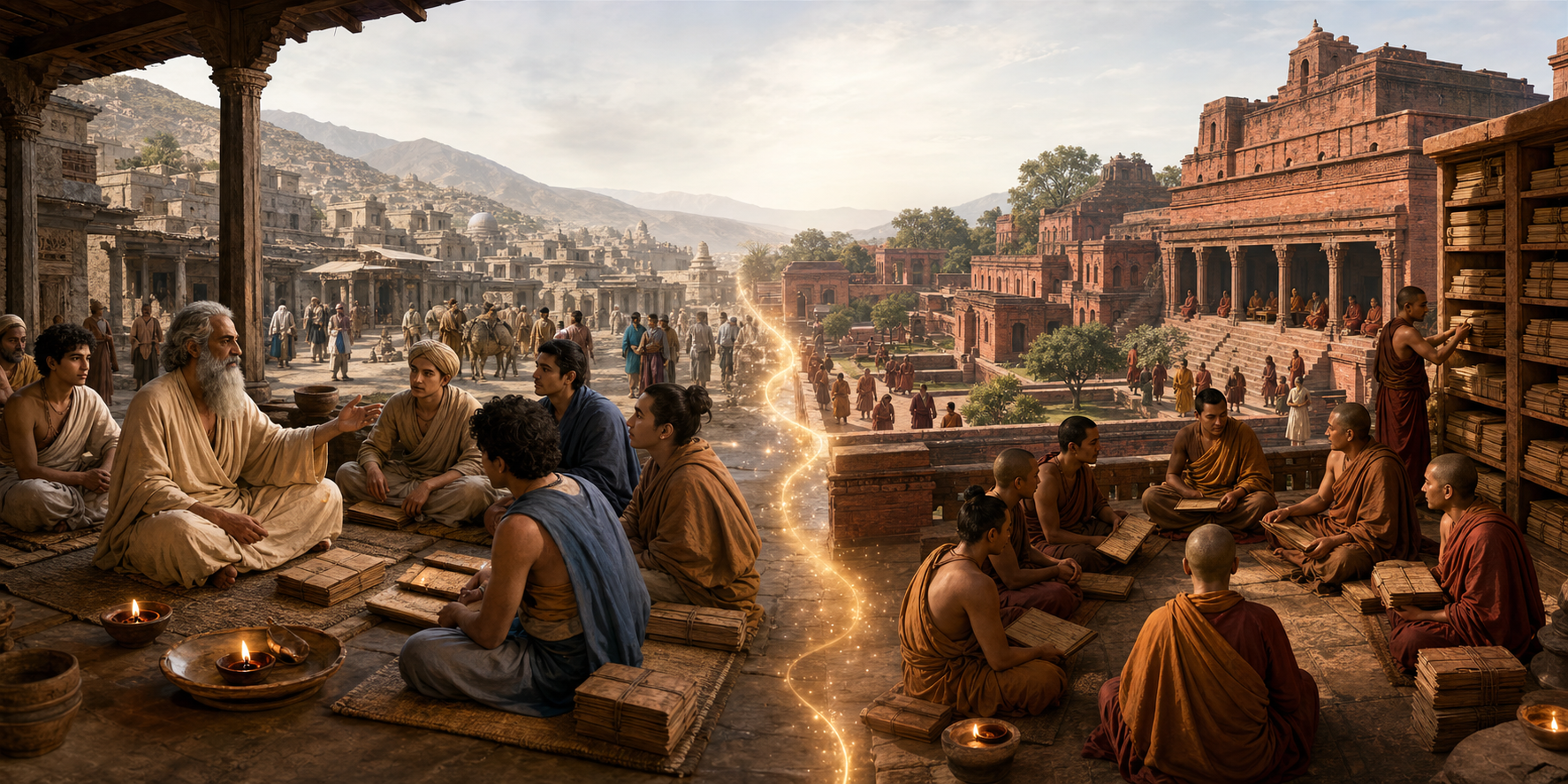
Ancient Hindu ethical traditions envisioned teachers and healers as custodians of knowledge and care who refrained from demanding fees, receiving voluntary dakshina instead. This gift economy placed dharma and social trust above transactional exchange, preserving the sanctity of education and healthcare. Related principles across Buddhism (dana), Jainism (ahimsa and aparigraha), and Sikhism (seva) reveal a…
-
UK School Row Over Hindu Tilak–Chandlo: Disturbing Claims Force 8-Year-Old to Transfer

An eight-year-old Hindu child in London was allegedly compelled to leave Vicar’s Green Primary School for wearing a Tilak–Chandlo, a sacred Hindu mark. According to Insight UK, staff questioned the child’s faith, closely monitored him, and removed responsibilities despite parental explanations of its religious significance. The group also claims similar issues for at least four…
-
Lucknow University Conference on Hindutva Calls for Teaching Hindu Texts to Enrich Curriculum

A national conference at Lucknow University on 20 January 2026 explored how the study of Hindu texts can be academically integrated into university curricula. Framed as civilizational inquiry rather than partisanship, the dialogue emphasized comparative study across Hinduism, Buddhism, Jainism, and Sikhism. Proposed pathways included electives, reading seminars, philological methods, and interdisciplinary courses that connect…
-
A Masterclass in Sacred Aesthetics: Applying Art Principles to Adorn Radha-Krishna

This session explains how the elements and principles of art can elevate deity worship, focusing on the sacred design of Krishna’s turban. Drawing on Mayapur Academy training compiled by Krishna Kanta, it translates living temple practice into a clear, teachable framework. The presentation shows how balance, emphasis, rhythm, and unity organize visual attention and deepen…
-
Let Children Blossom: Dharmic Wisdom for Child‑Centered Education, Not Imposed Ideals

Modern education faces a philosophical crisis: learners are often shaped by imposed ideals rather than guided to cultivate their intrinsic potential. Drawing on Hinduism, Buddhism, Jainism, and Sikhism, this piece outlines a child-centered Education Philosophy grounded in svabhava, Ishta, Anekantavada, upaya, and seva. It highlights the historical strengths of the Guru-Shishya Tradition and Gurukul, and…
-
Aksharabhyasam 2026 Muhurthams: Auspicious Vidyarambham Days, Steps, and Parental Guide

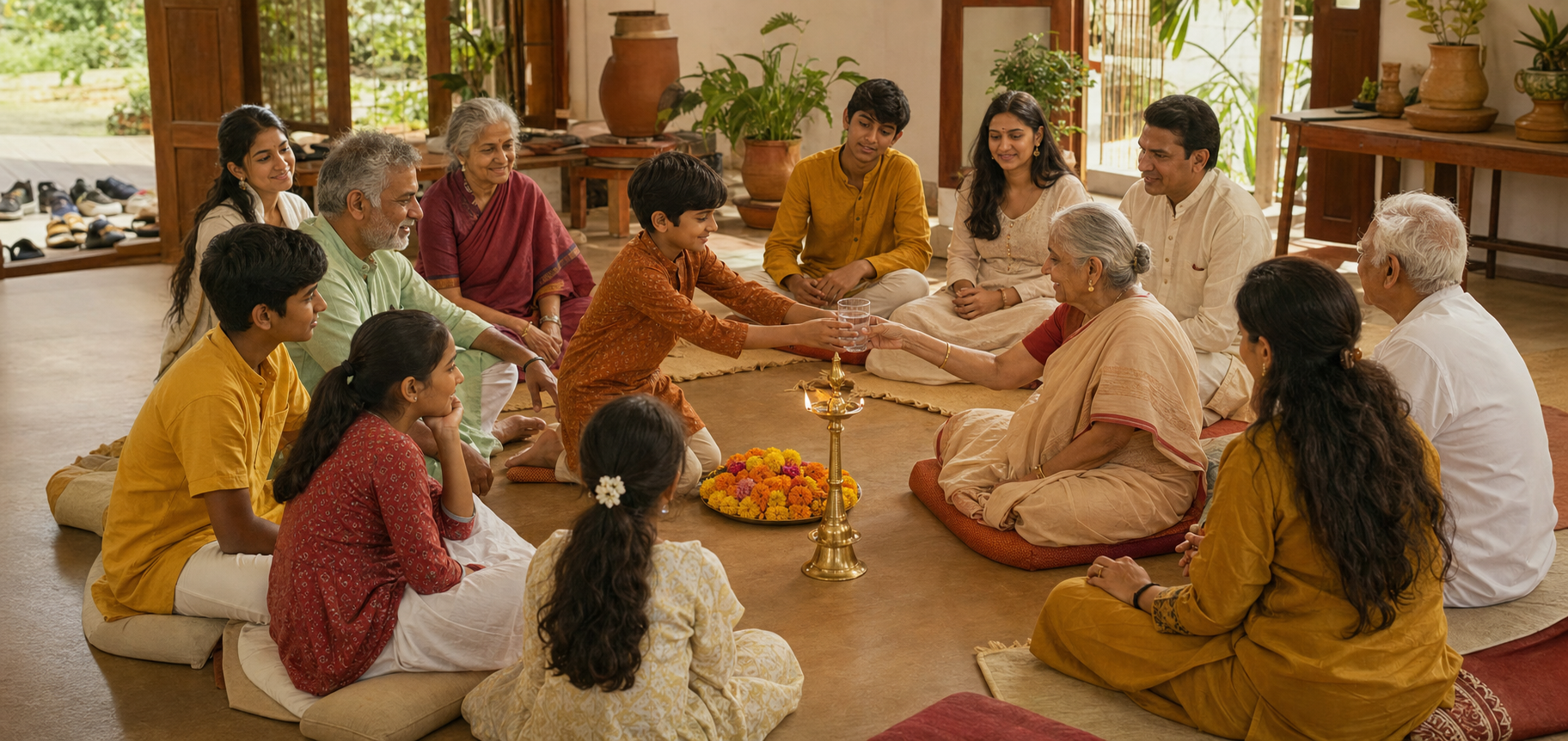
Aksharabhyasam (Vidyarambham, Akshara Sweekaram) marks a child’s formal entry into learning, and 2026 offers families many auspicious opportunities to celebrate this samskara with care. Because muhurthams vary by region, the most reliable guidance comes from local panchangam and temple counsel, with Vijayadashami and Navaratri-linked observances commonly preferred. The rite typically begins with writing ‘Om Hari…
-
Empowering Sikh Applicants: A Blueprint for Mentorship, Equity, and Dharmic Unity

Many Sikh applicants face avoidable barriers in admissions and early careersfrom limited mentorship to uncertainty about articles of faith in institutional contexts. This blueprint proposes a practical program featuring mentorship networks, cultural and legal accommodation toolkits, application labs, scholarship directories, and well-being cohorts. It translates seva, leadership, and cultural contributions into strong portfolios while equipping…
-
Basara Aksharabhyasam Timings: Plan a Sacred Start to Learning at Sri Gnana Saraswati Temple

Basara Sri Gnana Saraswati Temple is renowned for Aksharabhyasam, the initiation into learning known as Vidyarambham, Akshara Sweekaram, and Ezhuthiniruthu. This guide explains how the ritual unfolds, what to bring, and how to approach Basara Temple Aksharabhyasam timings for a smooth experience. Families can expect multiple daily slots aligned with puja schedules, with peak demand…