
-
Beyond Temples: The Timeless Power of Sanatana Dharma in Daily Life and Dharmic Unity
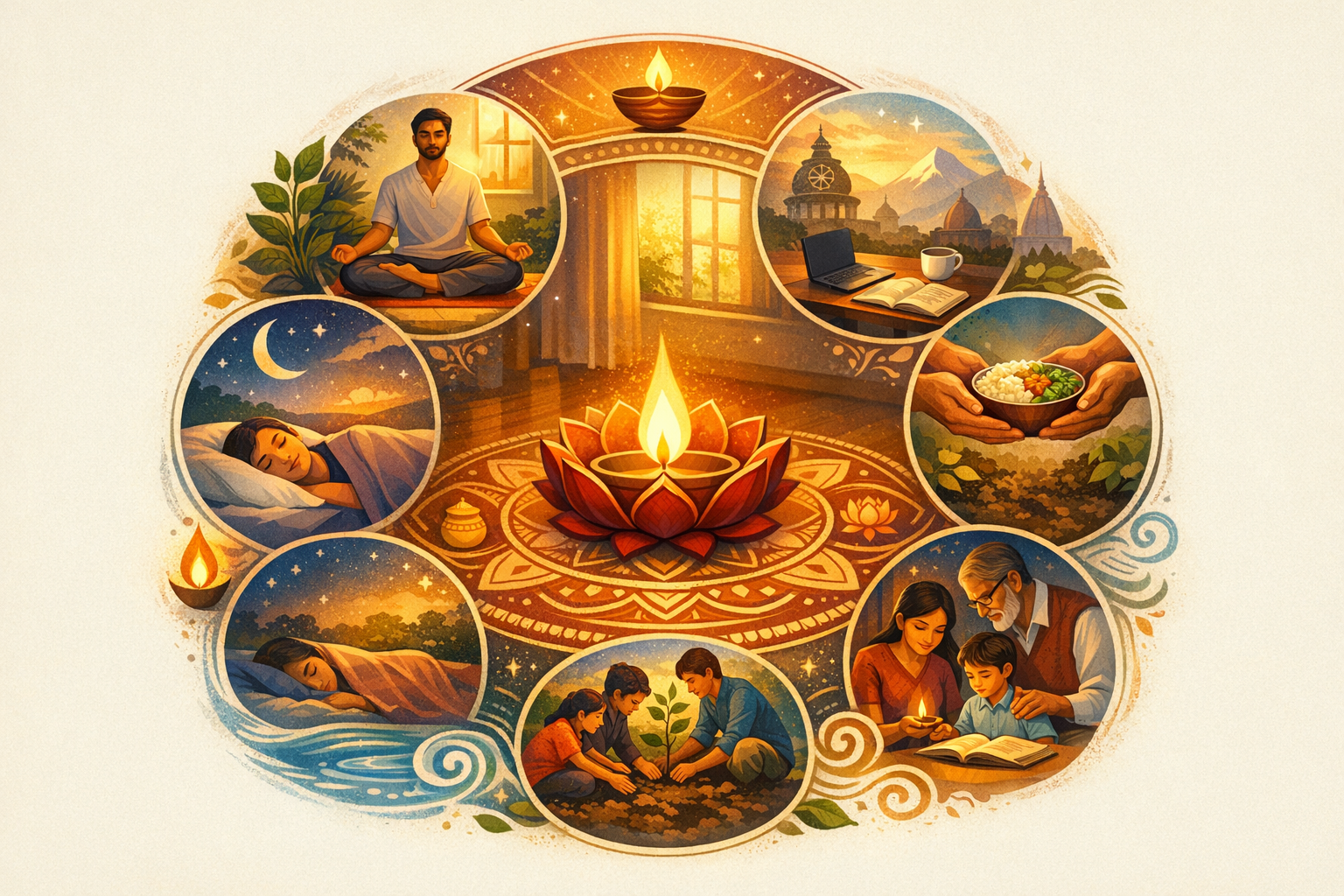
Hinduism, or Sanatana Dharma, functions as a civilizational way of life that extends well beyond temples into daily routines, ethical choices, and inner cultivation. Drawing on classical frameworks such as the purusharthas and ashrama dharma, it harmonizes worldly aims with spiritual freedom. Practices like puja, japa, pranayama, and meditation form a versatile toolkit for diverse…
-
Truth Is Multi-Dimensional: Anekantavada, Vedanta, and Practical Ways to See Clearly
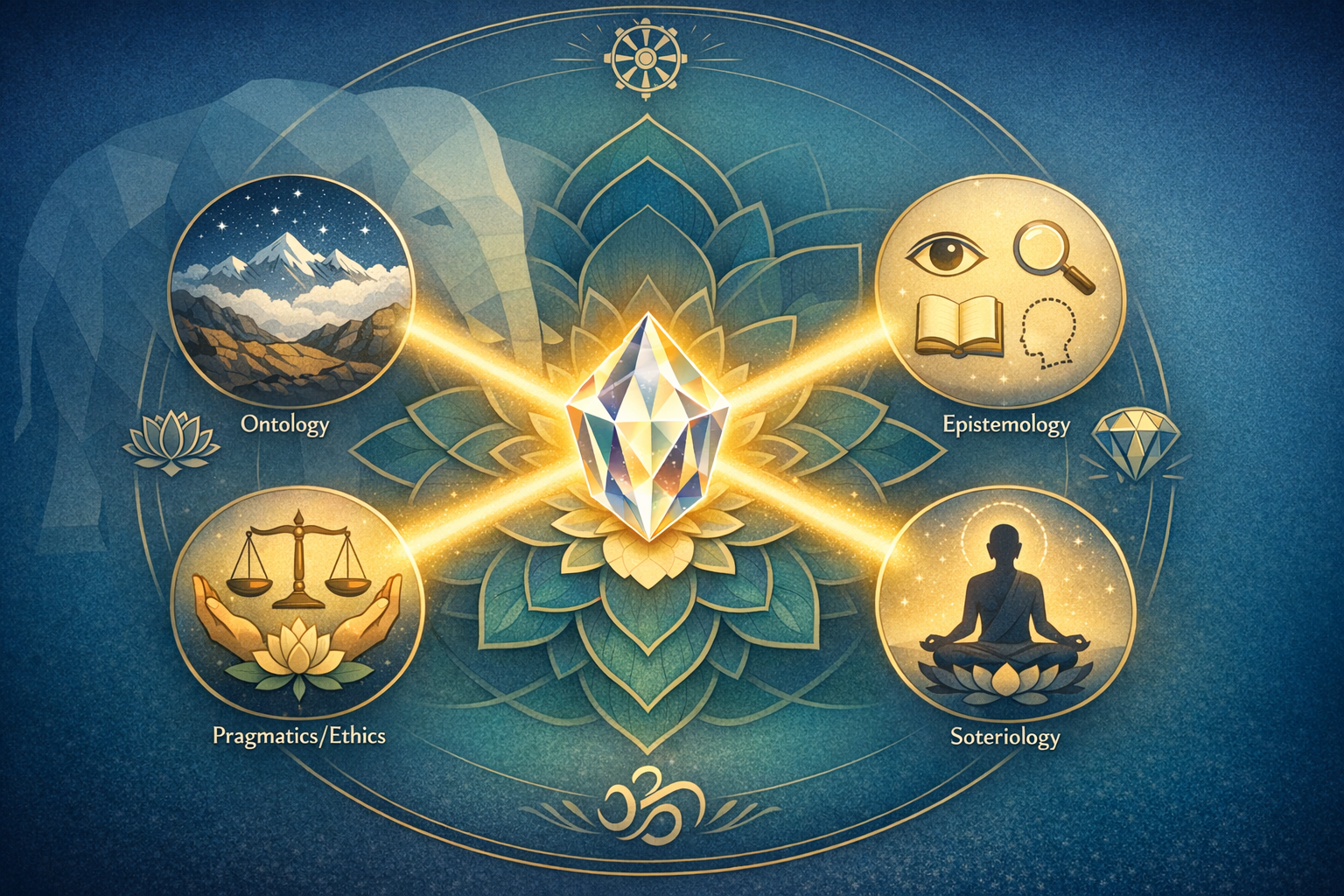
Many hear the phrase “truth is multi-dimensional” without a clear explanation. This article clarifies the concept using dharmic frameworks—Jain Anekantavada, the Buddhist two truths, Vedanta’s three levels of reality, and Sikh insights on Ik Onkar and satnam. It distinguishes objective, subjective, and intersubjective truth and shows how Indian pramanas (perception, inference, testimony, and more) rightly…
-
Eyes on the Shore: Florence Chadwick’s Focus Under Fog and a Dharmic Blueprint for Grit

A timeless parable of a lion’s distracted hunt frames a modern, evidence-based lesson on focus drawn from Florence Chadwick’s fog-bound Catalina Channel attempts. The analysis explains how vision, not just stamina, determines endurance when external cues vanish. It details the technical demands of marathon swimming—cold, currents, and navigation—and shows why mental imagery and clear goals…
-
Beyond Policing: Evidence-Backed Sankirtana and Dharmic Chanting for Crime Prevention

Laws deter but do not transform the inner impulses that fuel crime. Drawing on dharmic psychology and contemporary behavioral science, this article explains how Sankirtana—collective devotional chanting—directly trains attention, calms arousal via vagal pathways, and strengthens social bonds that underpin community safety. Unified across Hindu, Buddhist, Jain, and Sikh traditions, chanting circles cultivate ahimsa, empathy,…
-
Aghori Tradition Demystified: Fearless Aghora, Sacred Practice, Ethics, and Dharmic Unity

Aghora in Sanskrit means “not terrible,” pointing to a serene, compassionate face of Śiva that transforms fear into clarity. The Aghori path draws from Vedic and Śaiva sources and trains practitioners to confront impermanence through disciplined, ethically guided sādhanā, often associated with cremation-ground contemplation. Its symbols—vibhūti, kapāla, and Bhairava iconography—are pedagogies of non-duality, not spectacles…
-
Escaping Samsara: Why Dharmic Traditions Urge Freedom from Rebirth and End Suffering

Life’s recurrent conflicts and losses point to a systemic feature of samsara rather than isolated misfortune. Dharmic traditions—Hinduism, Buddhism, Jainism, and Sikhism—converge on a technical diagnosis: ignorance and craving generate karma that sustains rebirth, while disciplined ethics, meditation, wisdom, and service interrupt the cycle. This essay synthesizes Upanishadic, Yogic, Vedantic, Buddhist (paṭicca-samuppāda), Jain (samvara–nirjara and…
-
TTD Festivals June 2026: Definitive Guide to Tirumala–Tirupati Utsavams and Sevas
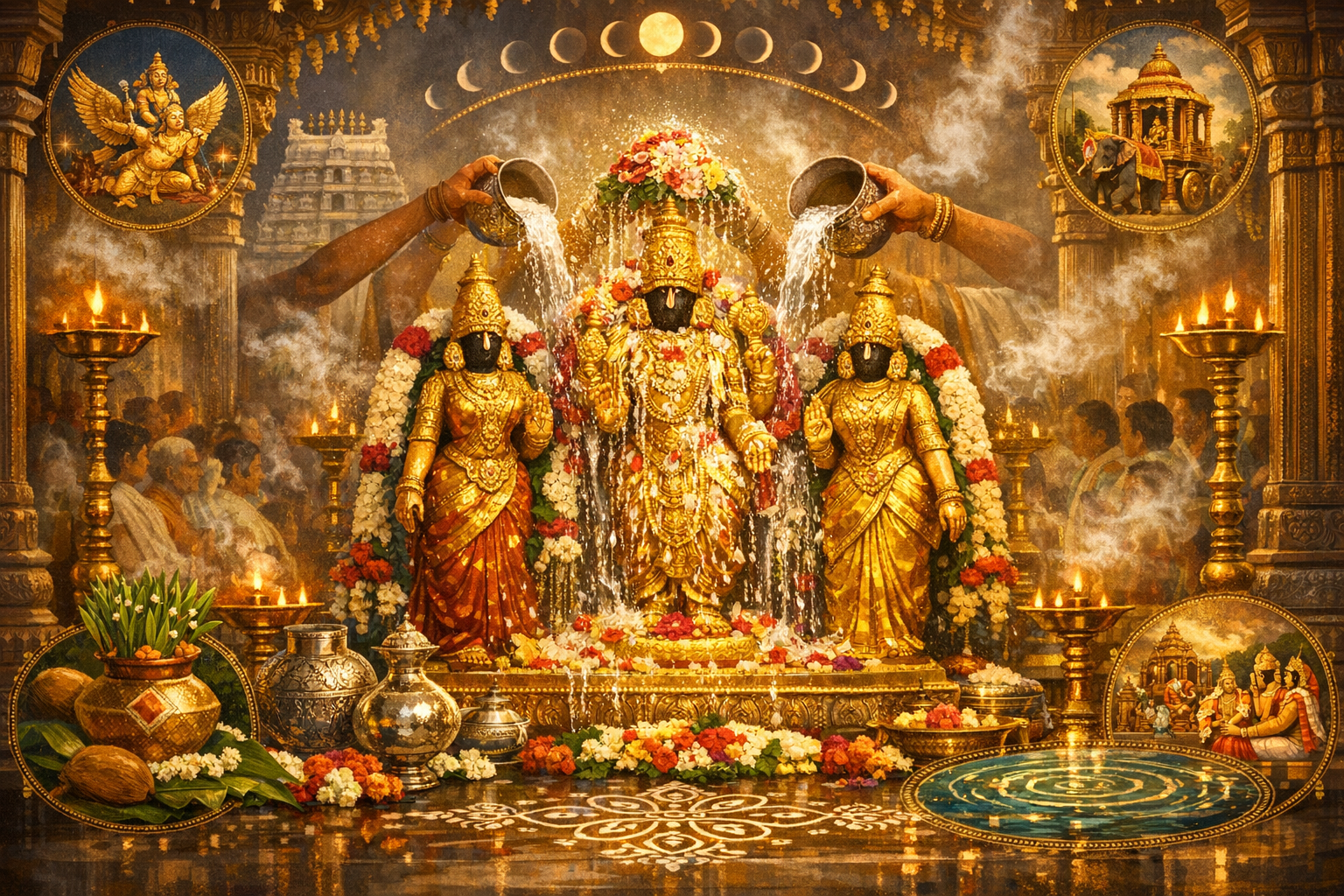
June 2026 at Tirumala–Tirupati is shaped by the Hindu lunisolar Panchang, bringing Jyeshtha into Ashadha and sustaining TTD’s continuum of nearly 450 annual utsavams. This guide clarifies how TTD computes June observances, what devotees can typically expect—most notably the Jyeshtha Abhishekam (Abhidyeyaka Abhishekam)—and how arjitha sevas and daily pujas continue with festival-day adjustments. It explains…
-
June 2, 2026 Panchang: Krishna Paksha Dwitiya to Tritiya Timings, Shubh Muhurat, Nakshatra–Rashi

On Tuesday, June 2, 2026, the Hindu calendar (Panchang) lists Krishna Paksha Dwitiya until 5:03 PM, after which Krishna Paksha Tritiya begins. This post explains what a tithi is, why end times vary by location, and how to plan observances around the Dwitiya–Tritiya transition. It outlines practical Shubh Muhurat guidelines, including Abhijit Muhurat near solar…
-
Decoding Hindutva as Sanatana Dharma: Comparing Christian, Islamic, and Marxist Fundamentalism
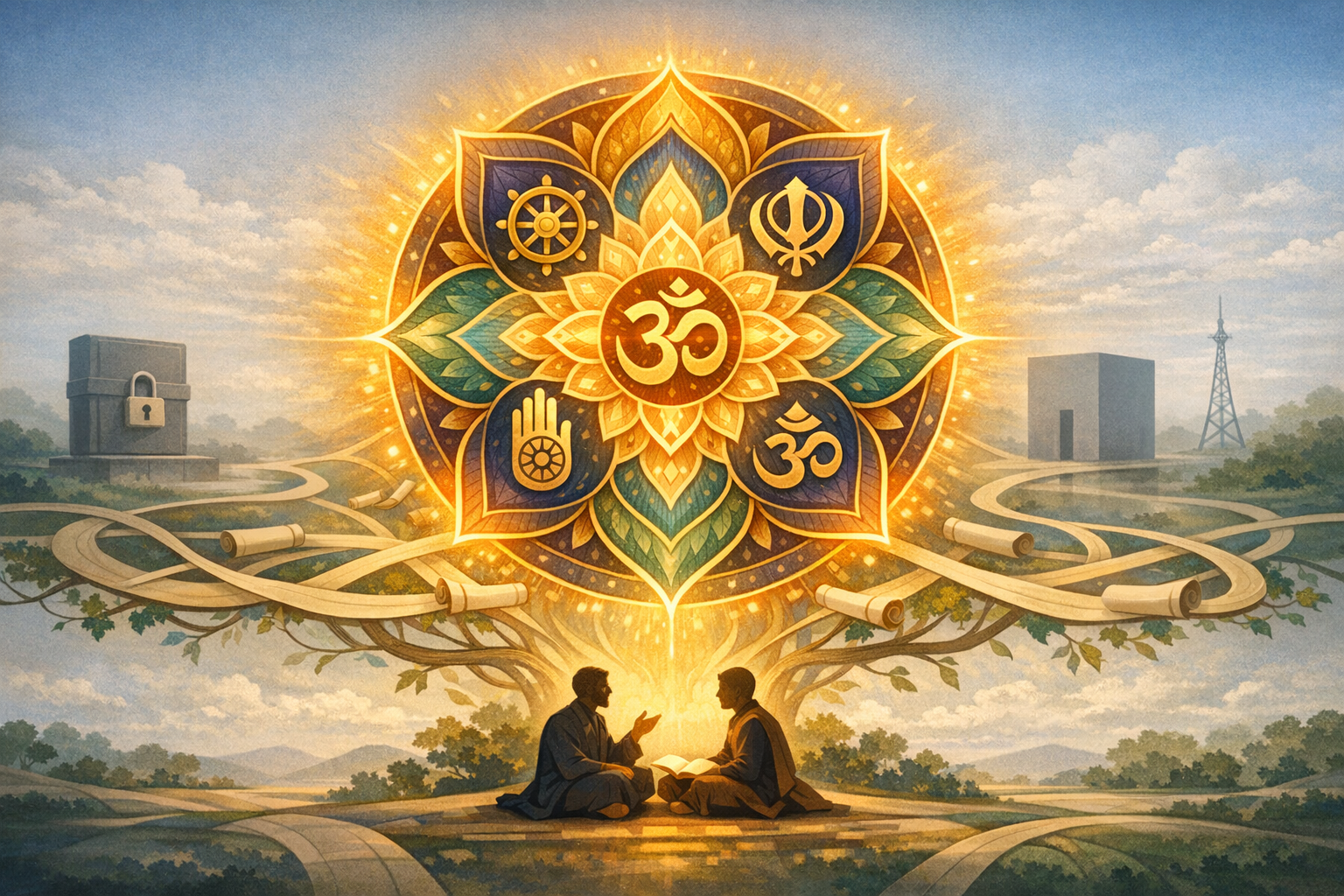
This in-depth comparative study restores Hindutva to its indigenous meaning as synonymous with Sanatana Dharma and contrasts its pluralistic architecture with fundamentalist patterns in strands of Christianity, Islam, and Marxism. Drawing on sociology of religion and India’s lived pluralism, it defines fundamentalism as a style—exclusive canon, centralized authority, boundary hardening—rather than a judgment on any…
-
Modi Meets Giampaolo Tomassetti (Jnananjana Dasa) in Rome: Kashi Art and Civilizational Bridges
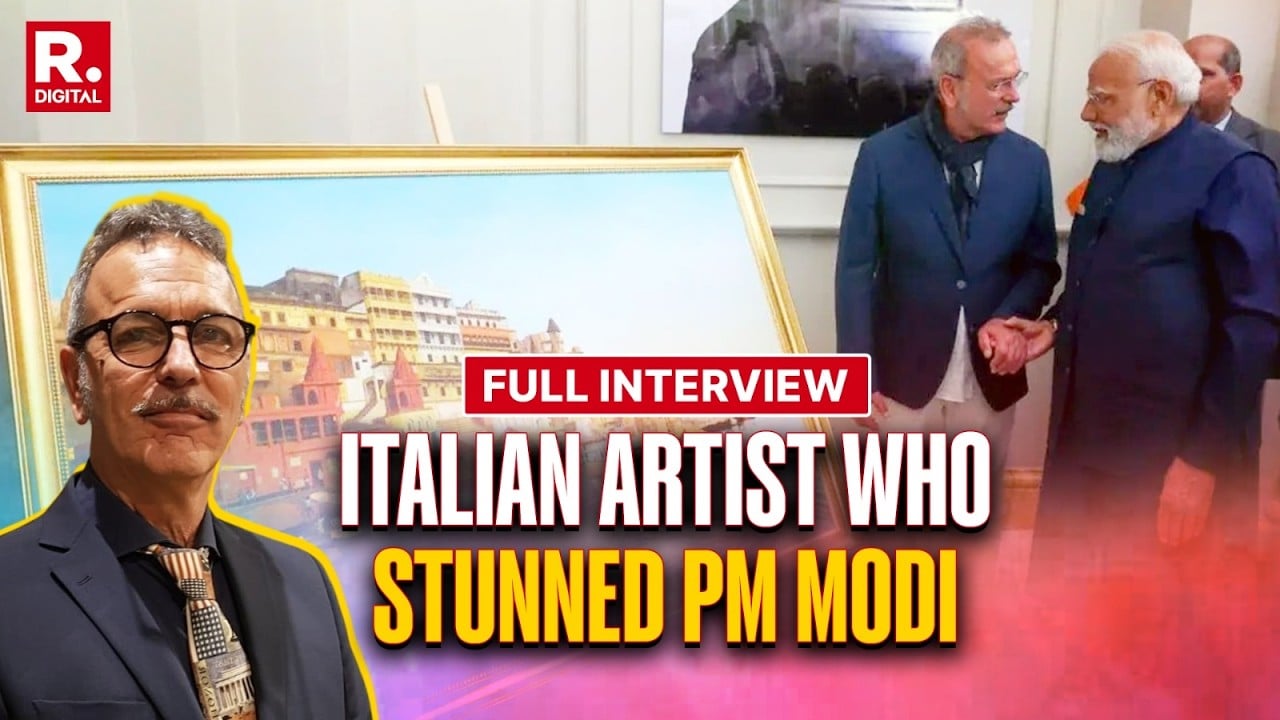
Prime Minister Narendra Modi’s Rome meeting with Italian artist Giampaolo Tomassetti (Jnananjana Dasa) spotlighted cultural diplomacy through the gifting of a Varanasi painting. The exchange linked India–Italy ties with the soft power of sacred art, situating Kashi’s iconic ghats and the Ganga river within a broader civilizational conversation. This analysis decodes the artwork’s symbolism, technique,…
-
Srila Prabhupada Festival, Los Angeles: 35 Years of Simple Living, High Thinking
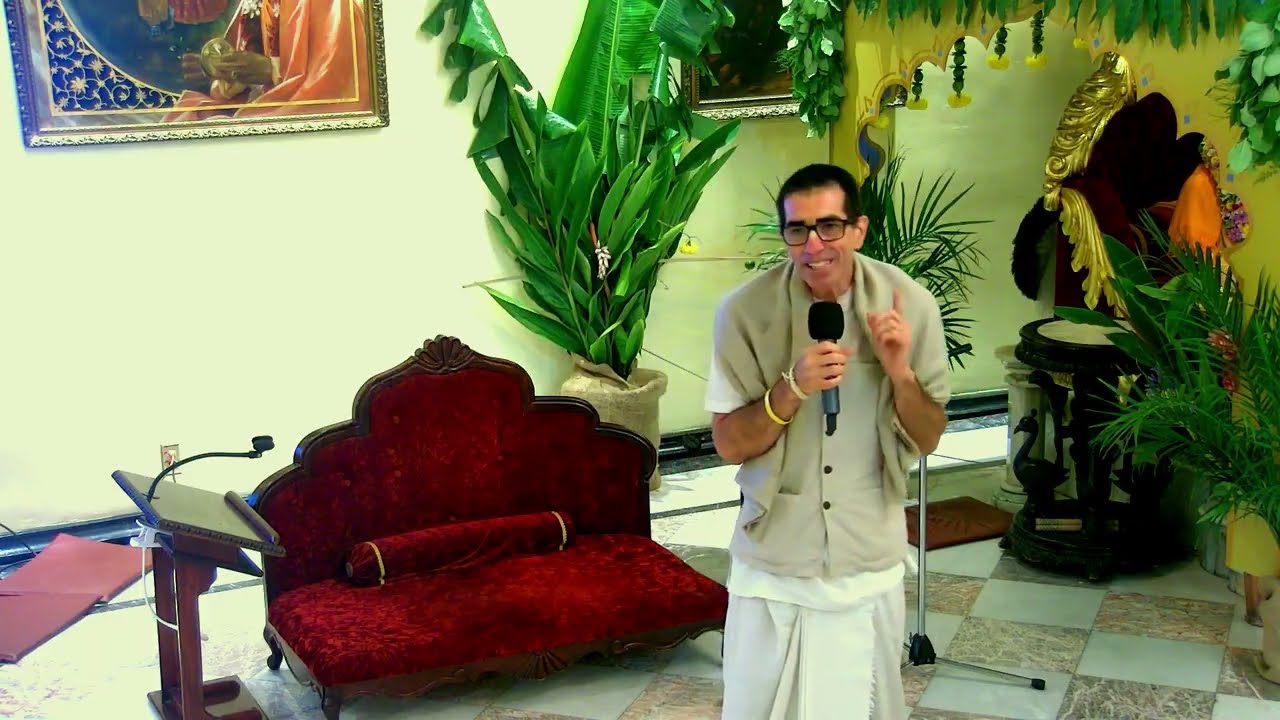
The Srila Prabhupada Festival in Los Angeles marks thirty-five years of gratitude at New Dwarka Temple, uniting the community around the guiding principle “Simple Living, High Thinking.” Anchored in the Bhagavad Gita and Gaudiya Vaishnava teachings, the event integrates devotional arts, kirtan, textual study, and service as a coherent pathway for inner growth and social…
-
FCRA Flashpoint: Why Rep. Chris Smith Pressed Rubio on India—and the Stakes for Civil Society

Representative Chris Smith’s call for Senator Marco Rubio to raise India’s FCRA in high-level talks has revived a sensitive debate: how to balance India’s sovereign right to regulate foreign funding with the need to protect legitimate civil-society and faith-based work. This analysis clarifies what the FCRA is, how it evolved (1976, 2010, 2020), and why…
-
Hanuman’s Tail-Dome and the Underworld Duel: Mahiravana’s Deception and a Dharmic Rescue
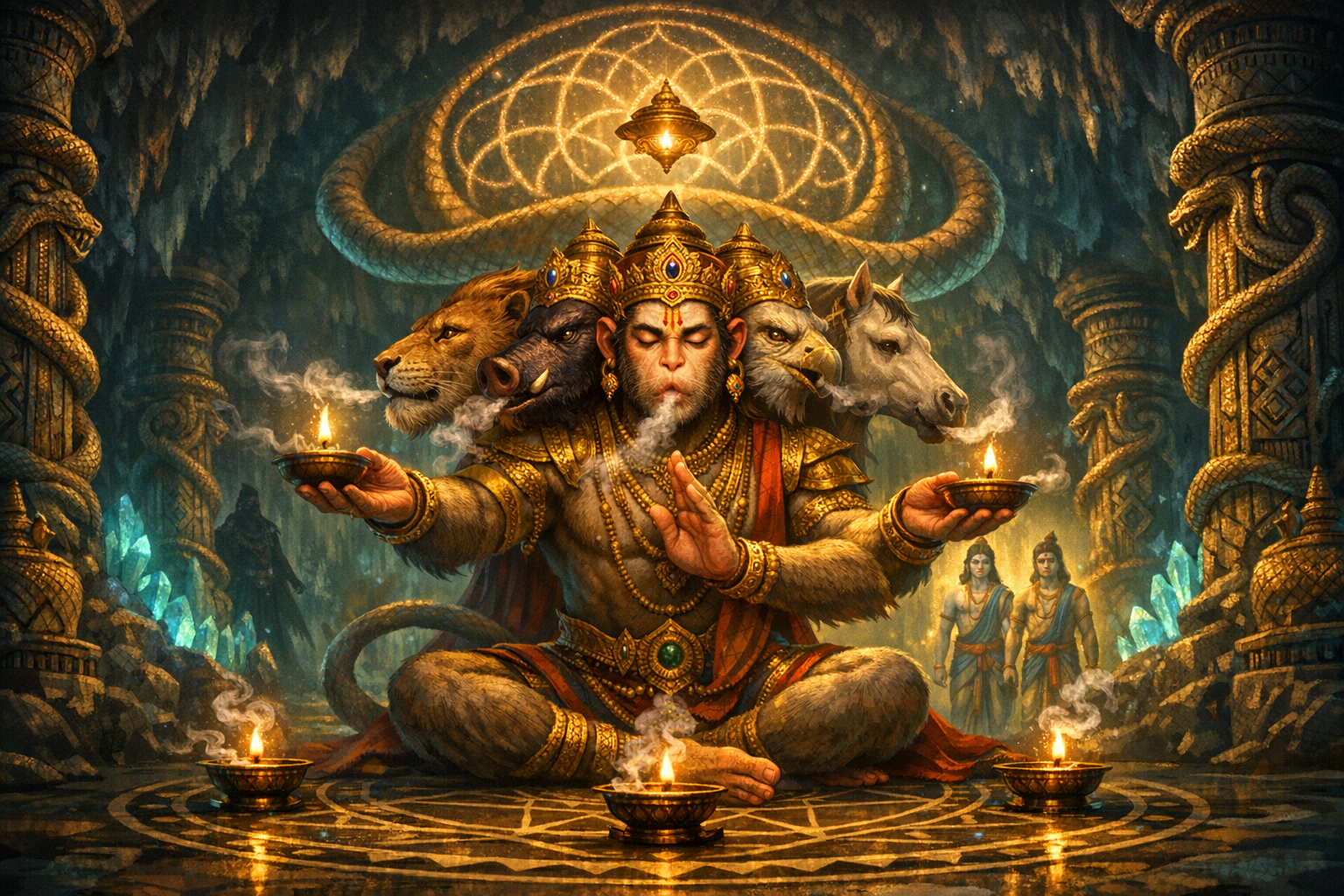
This analytical retelling explores the Mahiravana (Ahiravana) episode from later Ramayana traditions, where Hanuman’s innovative “tail-dome” defense is outwitted by a master of illusion and redeemed by a precise, dharmic rescue in Patala. It situates the story within regional Ramayana literatures, clarifies iconography around Panchamukhi Hanuman, and explains the technical constraint of extinguishing five life-lamps…
-
Makaradhwaja and Hanuman’s Karmaphala: Unveiling Dharma, Lineage, and the Fire of Lanka

This essay offers a scholarly, engaging reading of Makaradhwaja—the wondrous “son of Hanuman” said to arise from sweat after the Lanka Dahana—as a profound meditation on karmaphala in the Ramayana tradition. It clarifies that the tale is absent from the Valmiki Ramayana and instead flourishes in later and regional sources such as the Krittivasi Ramayan,…
-
Balancing Heritage: Shivrajeshwar Temple Grant Rises to ₹1 Lakh, Aurangzeb Tomb Funding Higher

Maharashtra has raised the Shri Shivrajeshwar Temple grant at Sindhudurg Fort from ₹3,000 to ₹1 lakh after 55 years, yet reports suggest the amount still trails allocations connected to Aurangzeb’s tomb. The development spotlights how heritage budgets are set across temples, forts, and tombs under varied administrative regimes. This analysis explains the differences between structural…
-
Smriti Chandrika: The Definitive 12th‑Century Dharmashastra Digest That Shaped Hindu Law
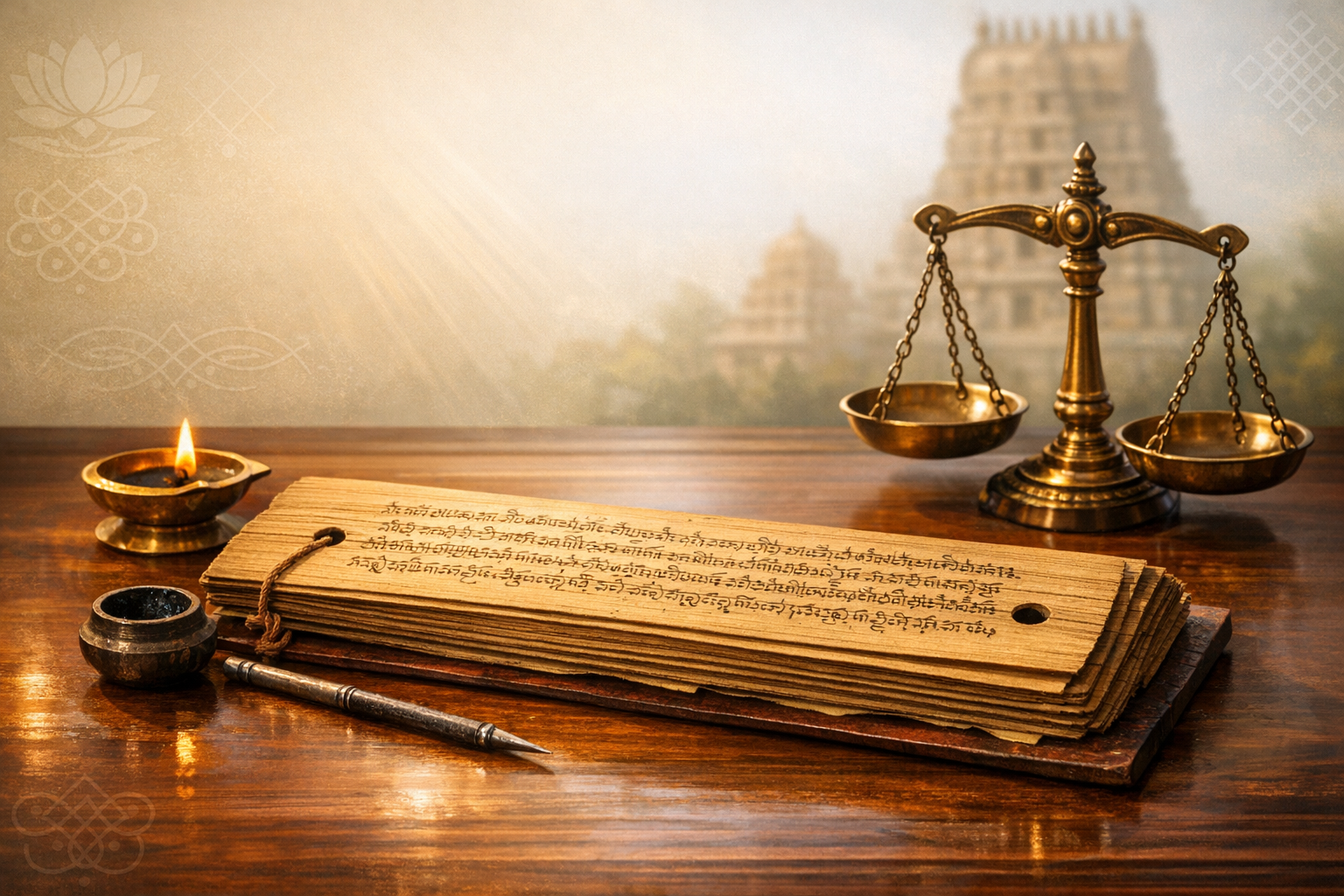
Smriti Chandrika (Smṛticandrikā), attributed to the 12th‑century South Indian scholar Devannabhatta, is a landmark Dharmashastra digest (nibandha) that shaped Hindu law in the Drāviḍa school. Distinguished by meticulous citations and minimal authorial intrusion, it consolidates earlier authorities on conduct (Achāra), life‑cycle rites (Saṃskāra), expiations (Prāyaścitta), ancestor rites and charity, and especially on legal procedure (Vyavahāra),…
-
At Bhojshala After MP High Court Order: Uninterrupted Hindu Worship and a Call for Harmony
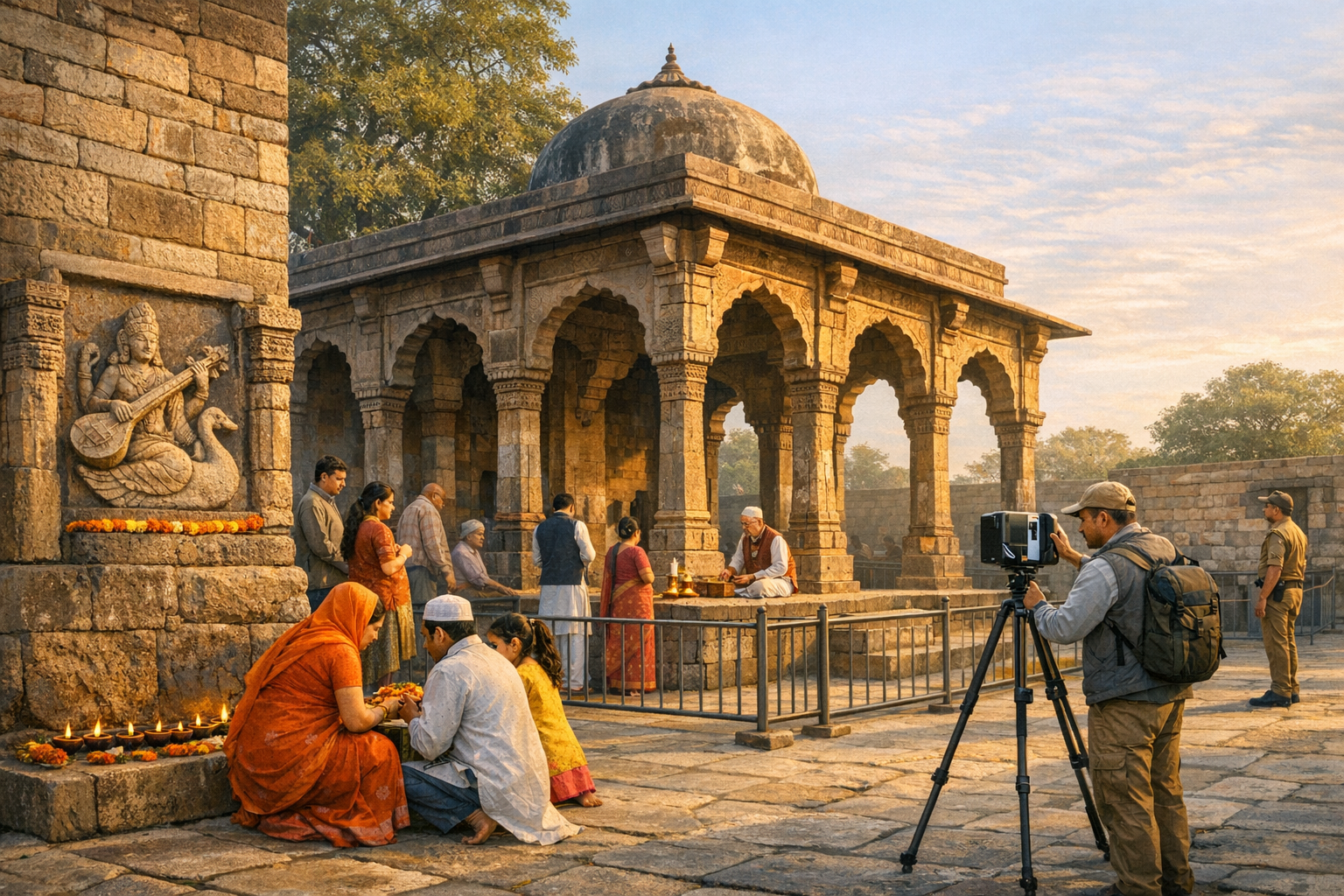
Following the Madhya Pradesh High Court’s directives, Bhojshala in Dhar hosted uninterrupted Hindu worship on the first Friday after the order, while Friday namaz did not occur at the monument that day, according to official reports. This analysis explains why the moment is significant, distinguishing symbolic claims (such as “700 years”) from verifiable chronology. It…
-
HG Daivi Shakti Mataji revives Srila Prabhupada-lilamrita: Devotion, Method, Dharma Unity
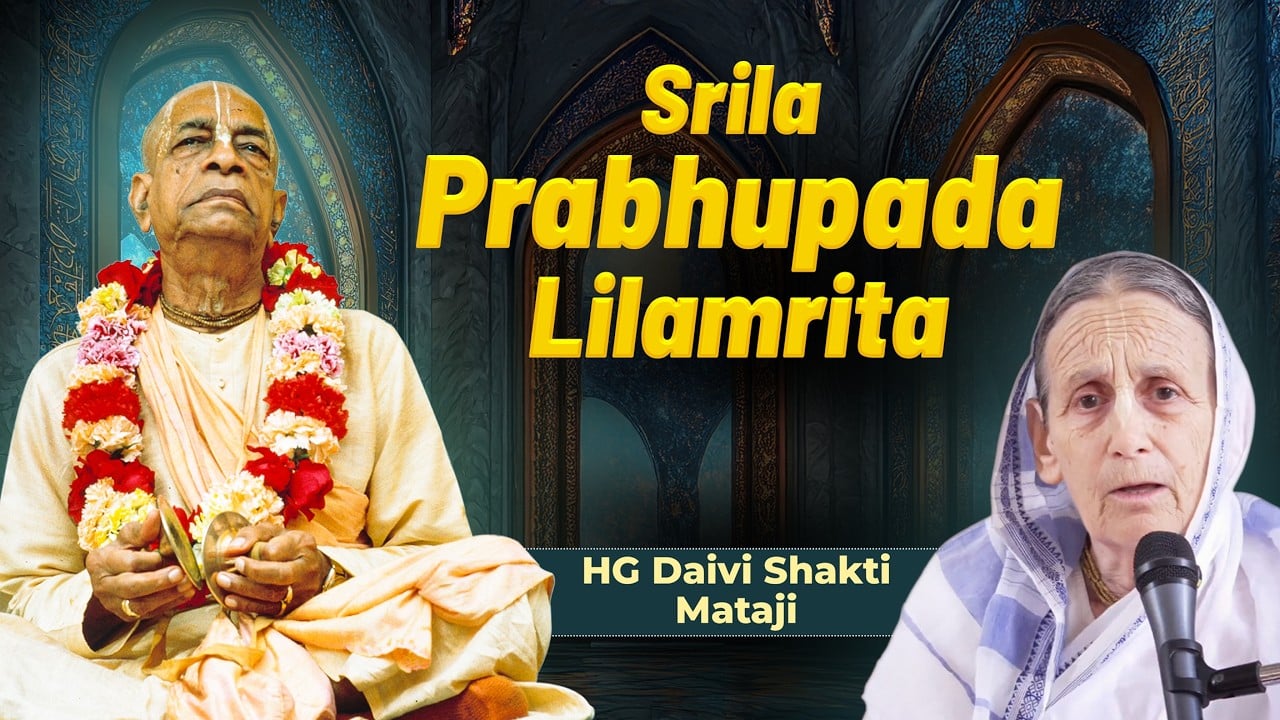
This Vrindavan-focused analysis of Srila Prabhupada Lilamrita—framed by insights associated with HG Daivi Shakti Mataji—shows how a well-sourced spiritual biography can simultaneously inform scholarship and deepen sadhana. It outlines the text’s historiographical method, balancing documentation with a devotional register rooted in Gaudiya Vaishnava theology. Readers gain clarity on key narrative arcs, from the Jaladuta voyage…
-
The Sacred Ethics of Speech: Why Offending Devotees Harms Bhakti and Dharmic Unity
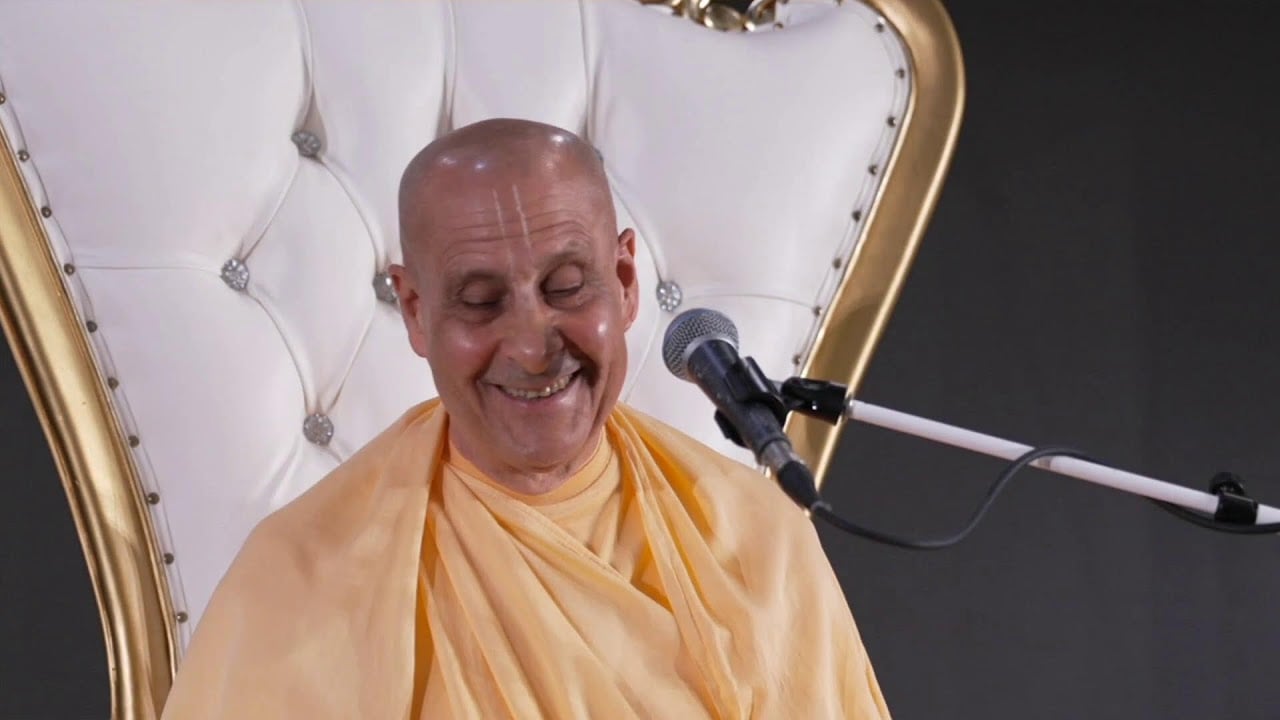
This analysis examines why offending devotees carries significant ethical and spiritual consequences across Hinduism, Buddhism, Jainism, and Sikhism. Drawing on the Bhagavad Gita, the Bhagavata Purana, Buddhist Right Speech, Jain Anekantavada, and Sikh teachings on ninda, it outlines a shared Dharmic framework for reverent, truthful, and compassionate communication. Practical protocols—private counsel, restorative repair, and tradition-specific…
-
Sadhu Sanga 2026 Day 3: Immersive Kirtan, Dharmic Unity, and Practical Sadhana Framework
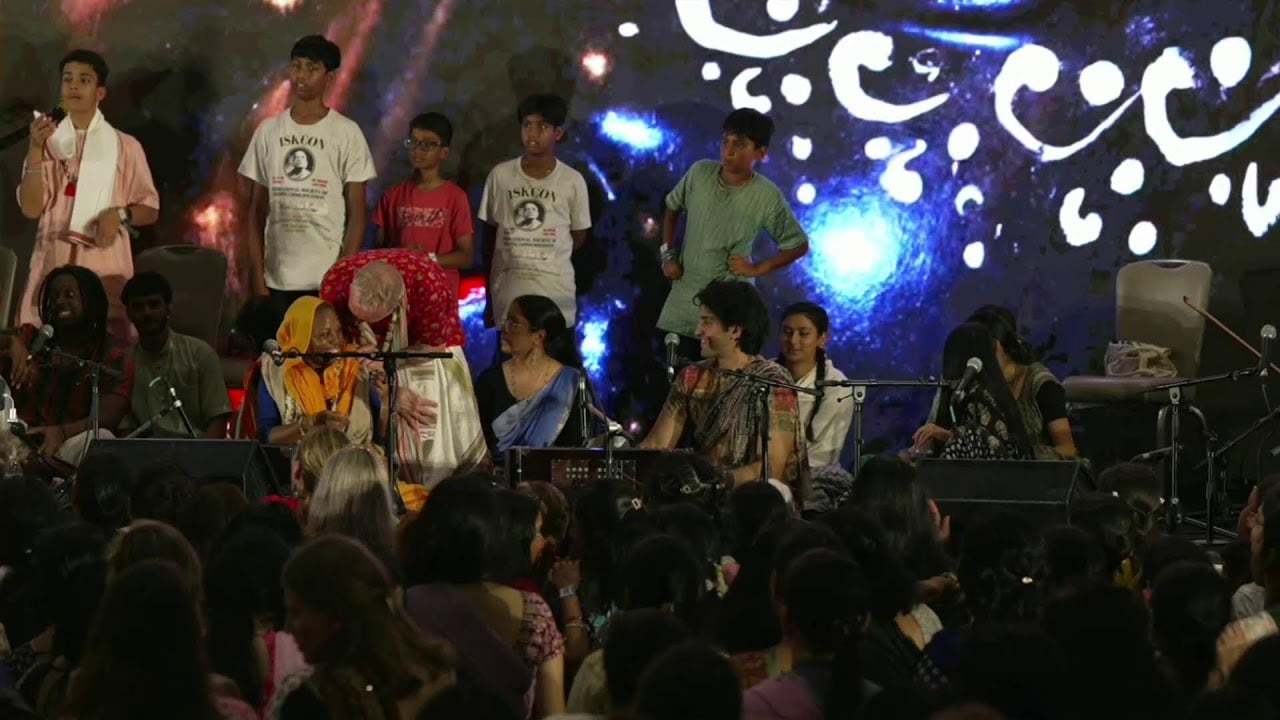
Day 3 of Sadhu Sanga 2026 distilled multi-day practice into a clear, actionable sadhana framework rooted in kirtan, nama-japa, scripture, and seva. It clarified how sadhu-sanga in the Bhakti Tradition intersects meaningfully with Buddhist Sangha, Jain samayik, and Sikh sangat, strengthening unity in spiritual diversity. The analysis explains the musical and acoustic architecture of kirtan…