
-
Bhairava’s Untamed Jata: Shiva’s Tantric Iconography, Cosmic Fire, and the Discipline of Time

Bhairava’s untamed jata—often described as a “matted flame”—is a precise iconographic language rather than a dramatic flourish. Drawing on Agamic and Purāṇic traditions (including the Skanda Purāṇa’s Kāśī Khaṇḍa), the flame-like hair encodes tapas (ascetic heat), the governance of time (kāla), and the ethics of vigilant guardianship. Read through a yogic lens, it symbolizes the…
-
Unconditional Love as Social Dharma: A Dharmic Path to Harmony, Justice, and Peace

This article examines unconditional love as a rigorous social ethic in Hinduism and its sister dharmic traditions, showing how it functions as metaphysical insight, moral psychology, and institutional practice. Drawing on the Upanishads, the Bhagavad Gita, Bhakti literature, and parallel teachings in Buddhism, Jainism, and Sikhism, it articulates an integrated framework for societal harmony. The…
-
May 31, 2026 Panchang: Precise Purnima Tithi, Auspicious Timings, Nakshatra & Rashi Guide

May 31, 2026 features Purnima tithi until 1:02 PM IST, followed by Krishna Paksha Pratipada until 3:04 PM on June 1. The guide explains how to align worship, vrata, and day planning with these precise Panchang timings. It outlines a reliable method for locating Sunday Rahu Kalam, Yamaganda, and Gulika Kalam by dividing daylight into…
-
Adhika Masa Ekadashi 2026 (Purushottam Maas): Padmini & Parama Dates, Vrat and Puja Guide
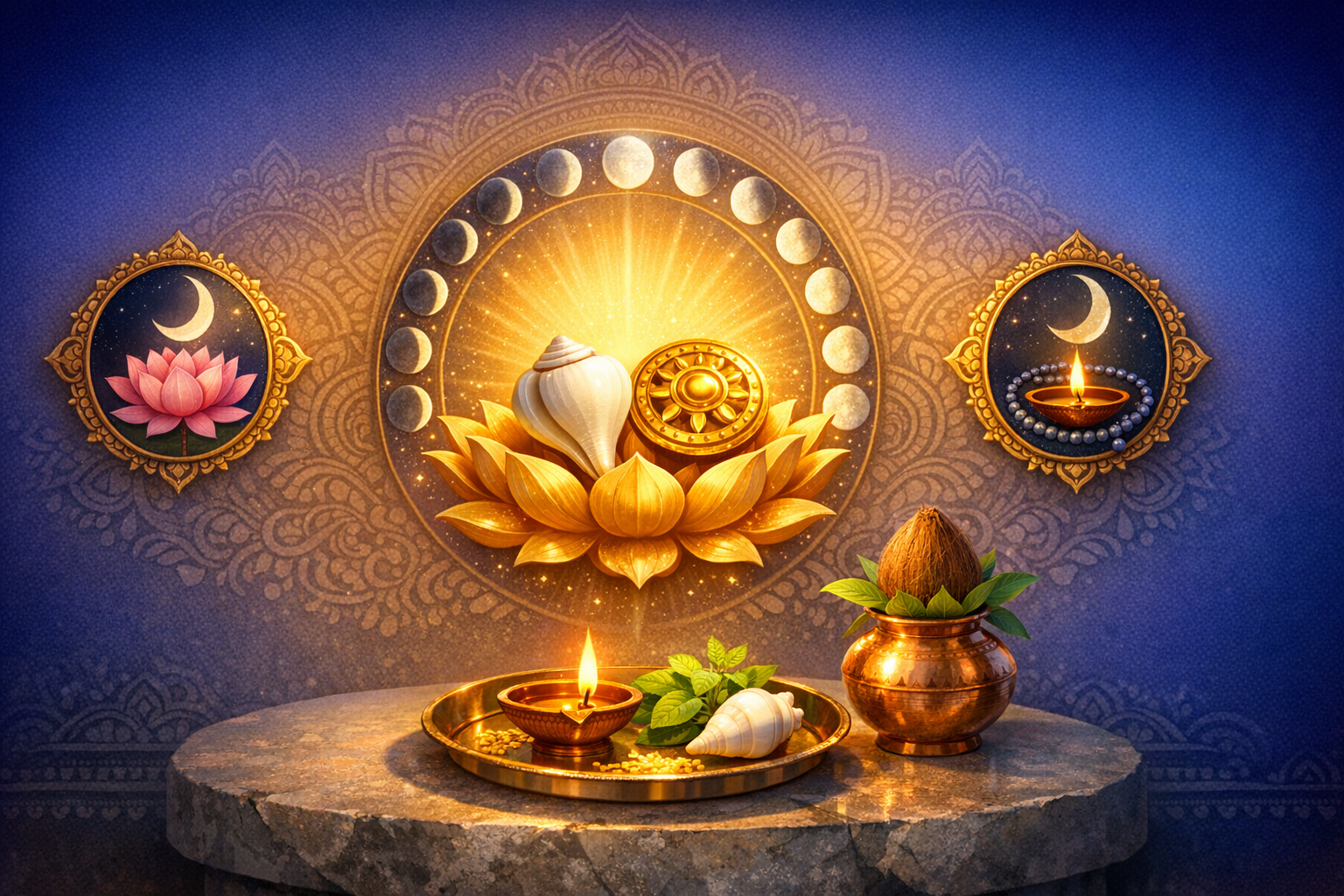
Adhika masa (Purushottam Maas) in 2026 falls as Adhik Jyeshtha, bringing two special Ekadashi vrats: Padmini (Kamala) and Parama. Indicative India dates are Tuesday, 26 May 2026 for Padmini Ekadashi and Thursday, 11 June 2026 for Parama Ekadashi, with local panchang and time zone differences potentially shifting observance by a day. The guide explains why…
-
Ekadashi June 2026: Parama (Kamala) & Nirjala Dates in Jyeshtha, Meaning and Fasting Guide
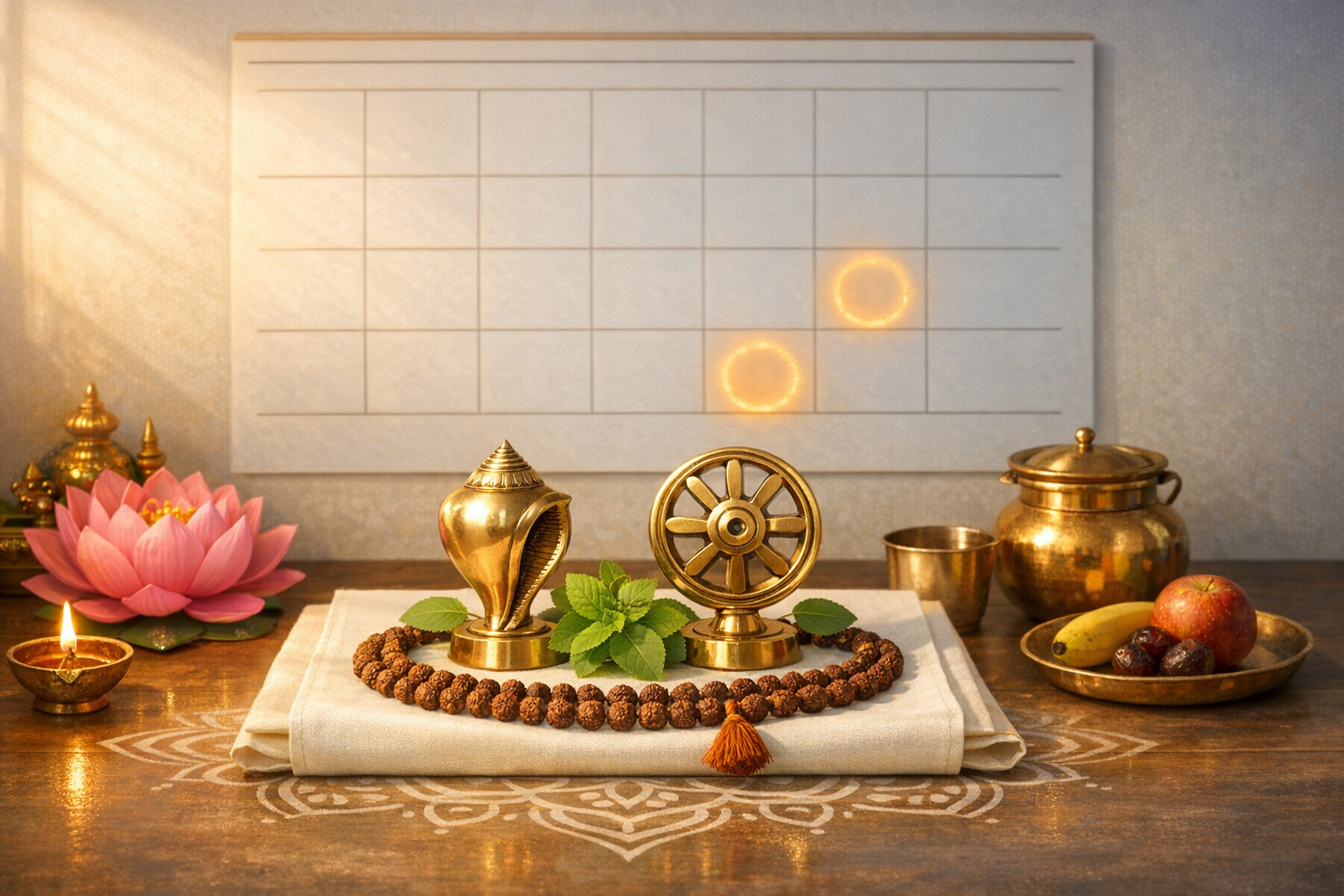
Ekadashi in June 2026 falls on 11 June (Parama, also referenced as Kamala) and 25 June (Nirjala) during Jyeshtha Month. This academically grounded guide explains how Ekadasi Vrata is determined by tithi at local sunrise, why certain panchangs list an Adhik Jyeshta Maas in 2026, and how that informs the Parama/Kamala designation. It outlines the…
-
Panjurli Daiva: Sacred Boar Guardian of Tulunadu—Origin, Kola Rituals, and Dharma
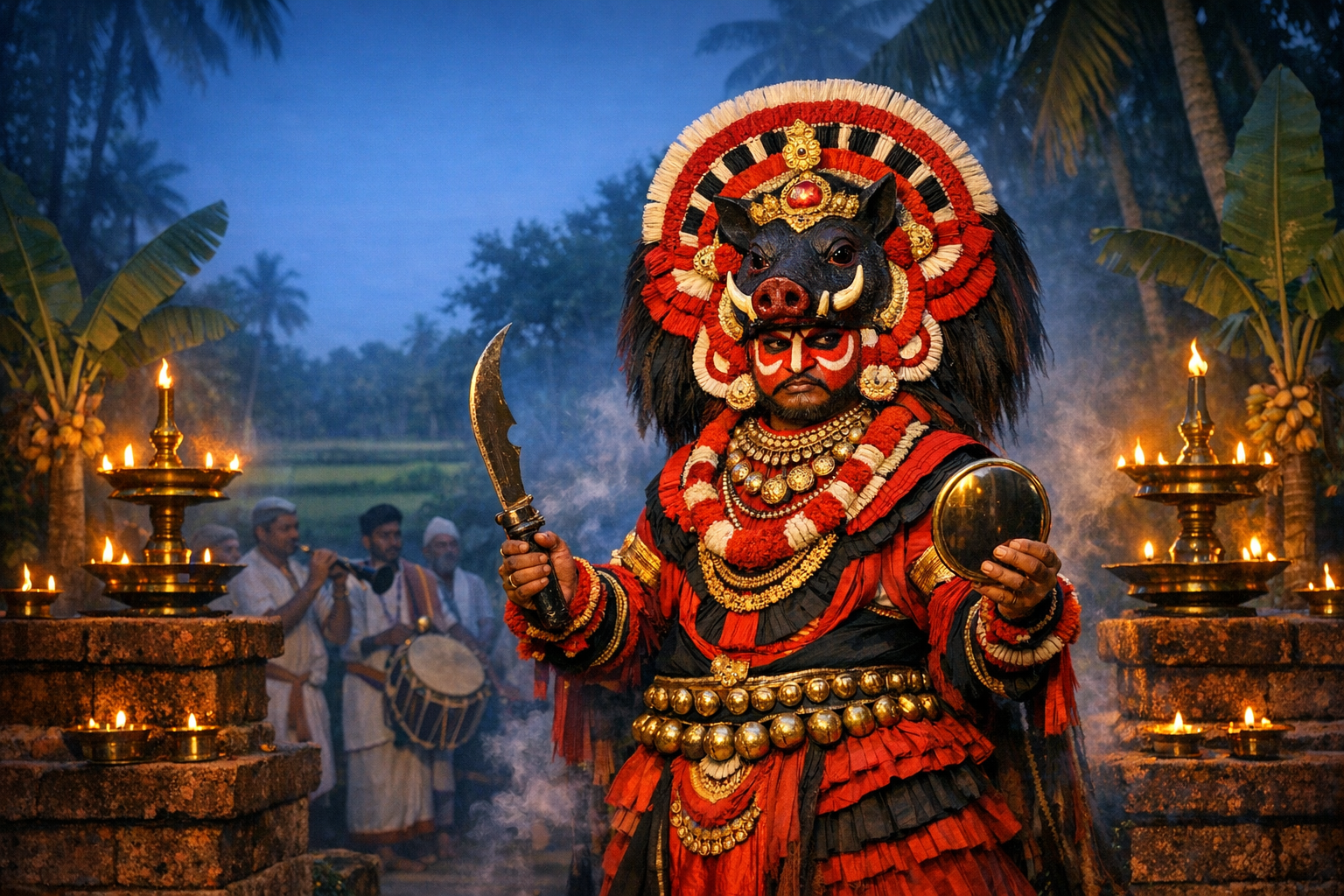
Panjurli Daiva is a revered guardian of Tulunadu, celebrated in coastal Karnataka through the living ritual of Bhuta Kola. The sacred narrative often begins in Kailasa with Shiva and Parvati, emphasizing compassion and the restoration of balance. Detailed paddanas, refined iconography, and disciplined performance lineages together transform the ceremony into a mobile shrine and a…
-
Historic Milestone: Italy Affirms Hindu Union, Advancing Dharmic Pluralism and Civic Rights
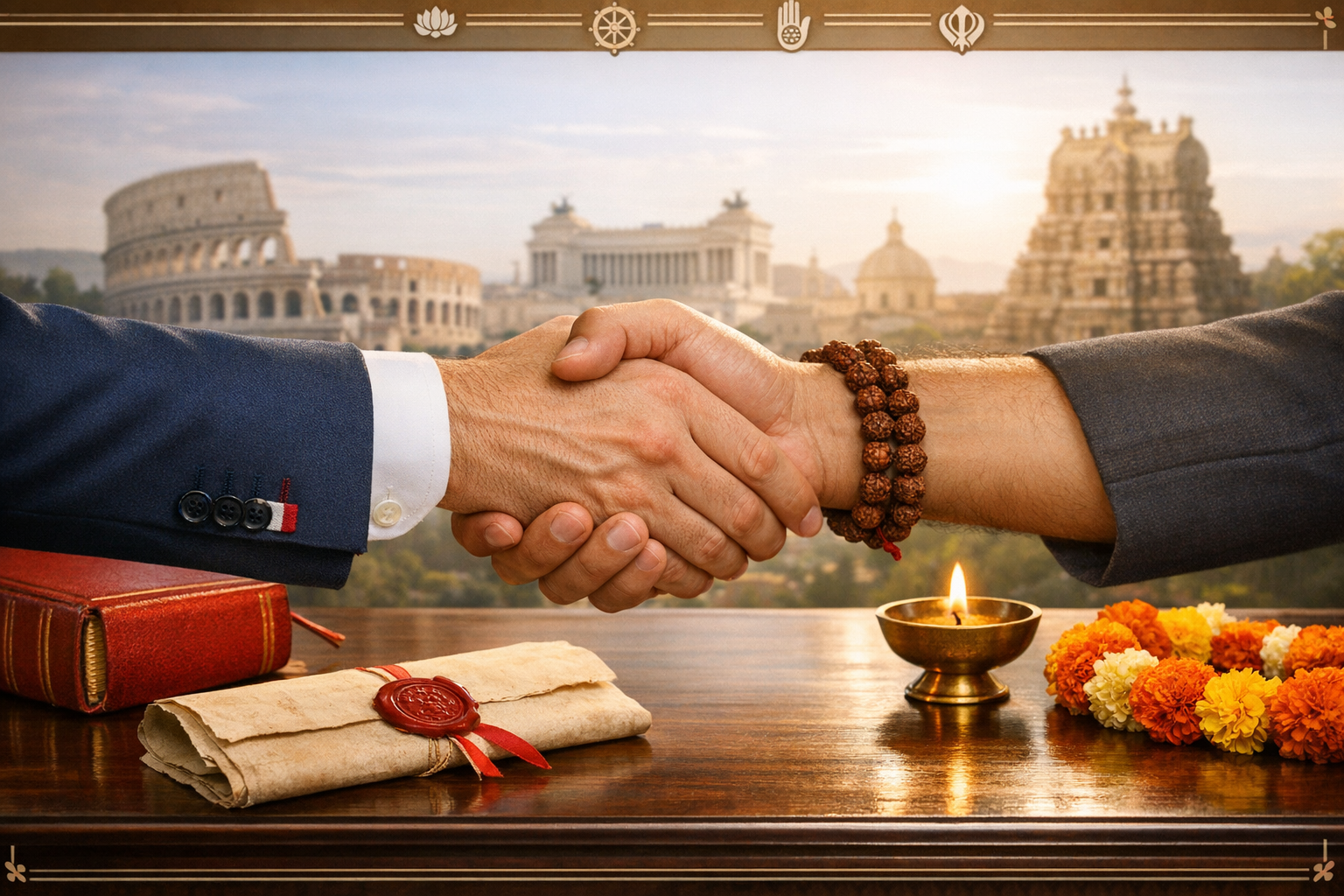
Italy has affirmed the Sanatana Dharma Samgha (Italian Hindu Union) as an official religious denomination under Article 8, consolidating the legal standing of Hindu communities through the Intesa framework. This step translates into practical rights: civil-effects marriages, pastoral care in public institutions, clearer pathways for temples and cultural centers, and transparent governance for recognized entities.…
-
When Shiva Bled: Vamana Purana’s Origin of the Eight Bhairavas and Andhaka’s Fall

The Vamana Purana narrates a riveting moment—”when Shiva bled”—to explain how the Eight Bhairavas arose to stop the multiplication of the asura Andhaka and restore cosmic order. Read alongside the Shiva Purana and Skanda Purana, the episode highlights a shared Shakta–Shaiva method: intercept proliferating harm and convert it into insight. The Ashta Bhairavas appear as…
-
Deva Snana Purnima 2026: Witness Jagannath’s Sacred Bath at Puri—Date, Rituals, Meaning
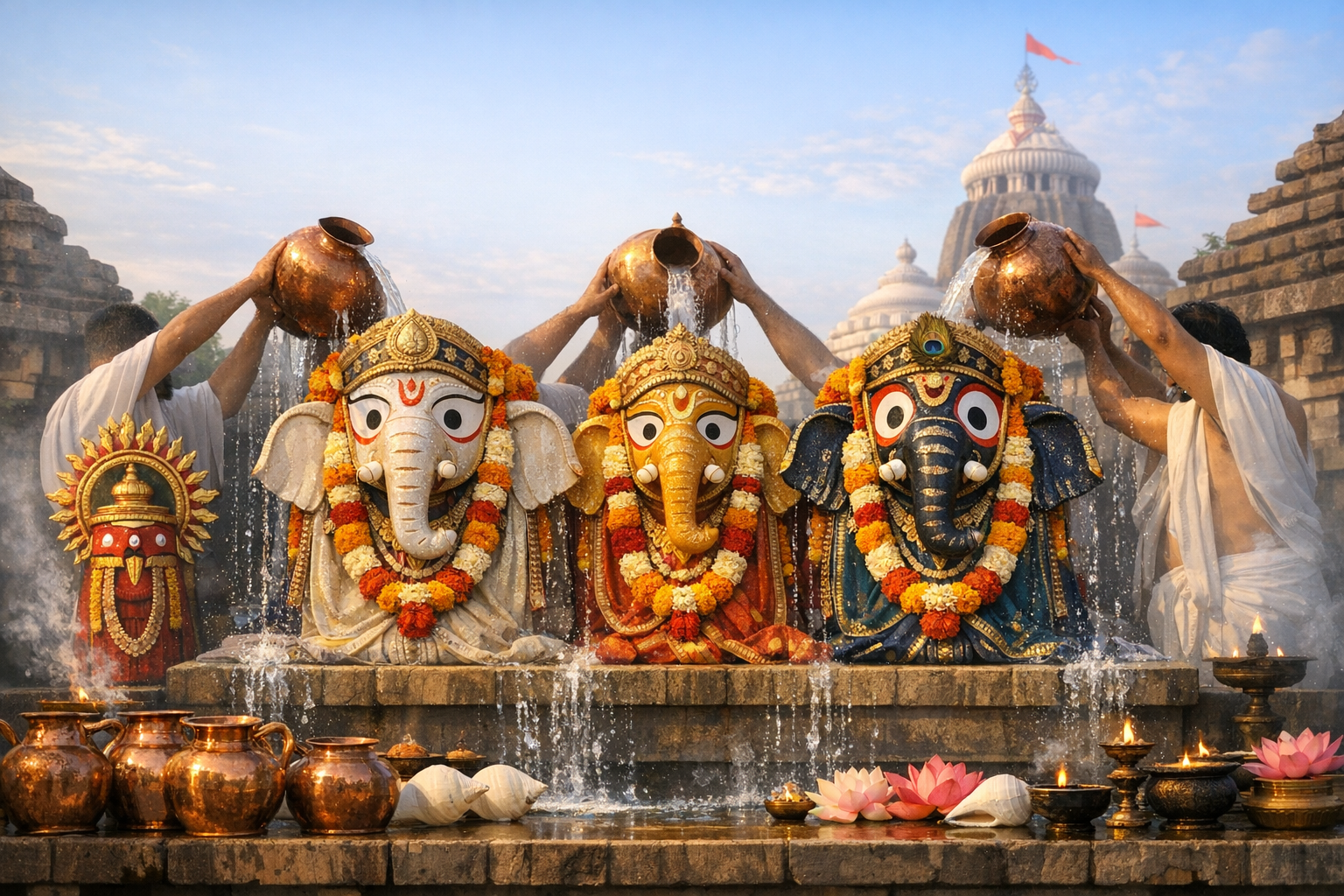
Deva Snana Purnima 2026 will be observed on 29 June at Puri Jagannath Temple, marking the public bathing (jalabhisheka) of Jagannath, Balabhadra, and Subhadra with 108 consecrated pitchers. Rooted in Skanda Purana and Srimandir tradition, the festival features the rare Hati Vesha (Gajanana Besha) and inaugurates the Anavasara period before Netrotsava and Ratha Yatra. The…
-
Krushi Purnima 2026 Guide: Monsoon’s Dawn, Sacred Purnima Rituals, and Smart Kharif Sowing
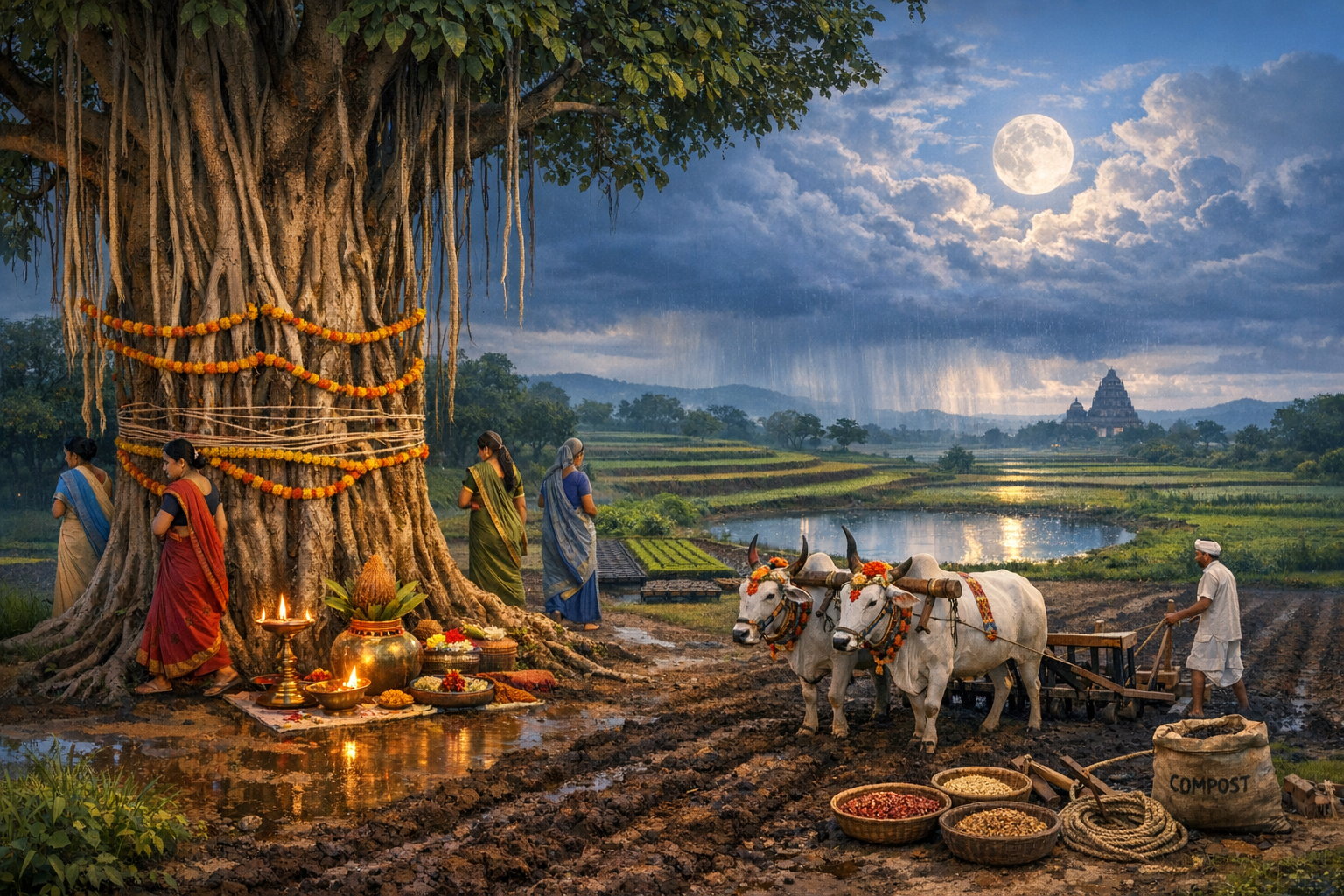
Krushi Purnima 2026 falls on 29 June, aligning with Jyeshtha (Jyeshta) Purnima, and marks an auspicious, pan-Indian moment to welcome the monsoon and begin Kharif-season preparations. This academically grounded guide explains how the Purnima tithi is calculated, why regional panchangs may differ slightly, and how Adhik Maas nuances can shape observance. It explores the festival’s…
-
Jyeshta Purnima (29 June 2026): Date, Puja Timings Guide, Dev Snan & Vat Purnima Insights
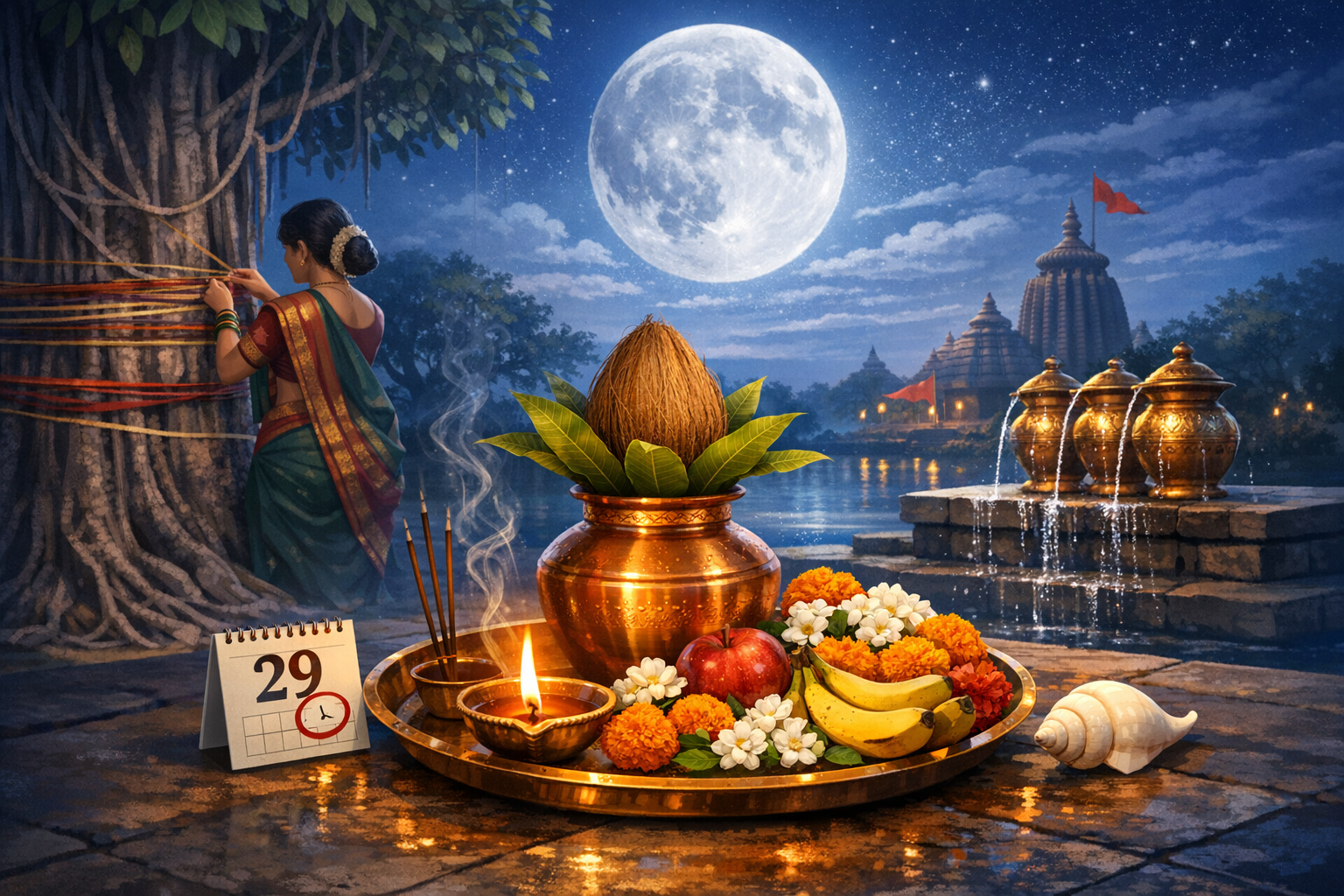
Jyeshta Purnima falls on 29 June 2026 (IST) and is observed during the active Purnima tithi, with most households fasting from sunrise and concluding the vrata after local moonrise. Because tithis are defined by Sun–Moon geometry, the start–end times vary by location, making a city-specific Panchang essential for accurate planning. The day aligns with Dev…
-
Vrishabha Pooja on Jyeshtha Purnima 2026: Sacred Bull Worship, Rituals, and Farming Blessings
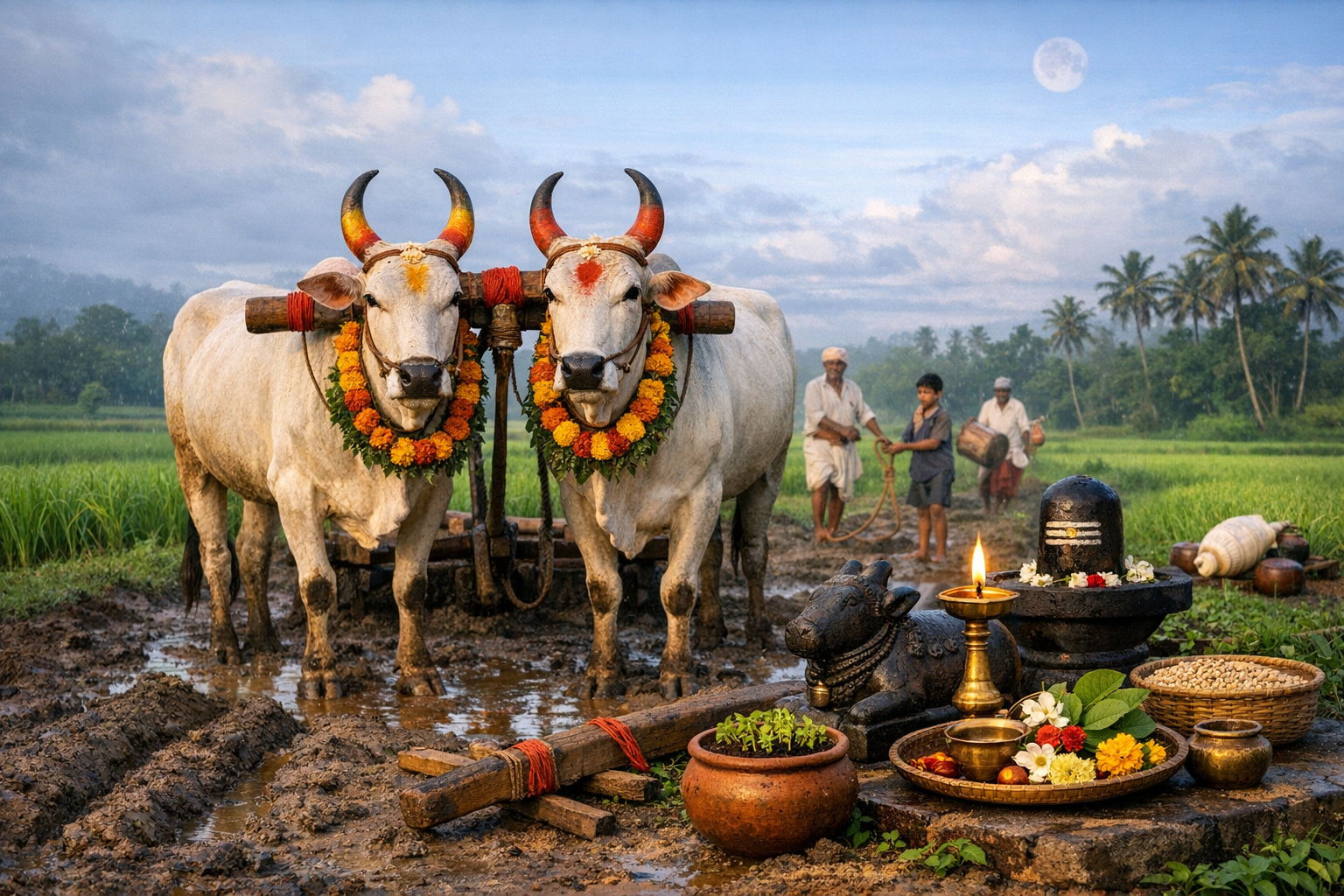
Vrishabha Pooja on Jyeshtha Purnima (29 June 2026) is a pan-Indian agrarian thanksgiving, celebrated as Eruvaka Pournami in Andhra Pradesh and Telangana, that honors the vrishabh (ox/bull) central to ploughing and sowing. The full moon observance follows the local Purnima tithi as per the regional panchang, aligning ritual time with lunar cycles. Rooted in Shaiva…
-
Eruvaka Purnima 2026: Sacred Monsoon Festival Empowering Farmers in Andhra & Telangana
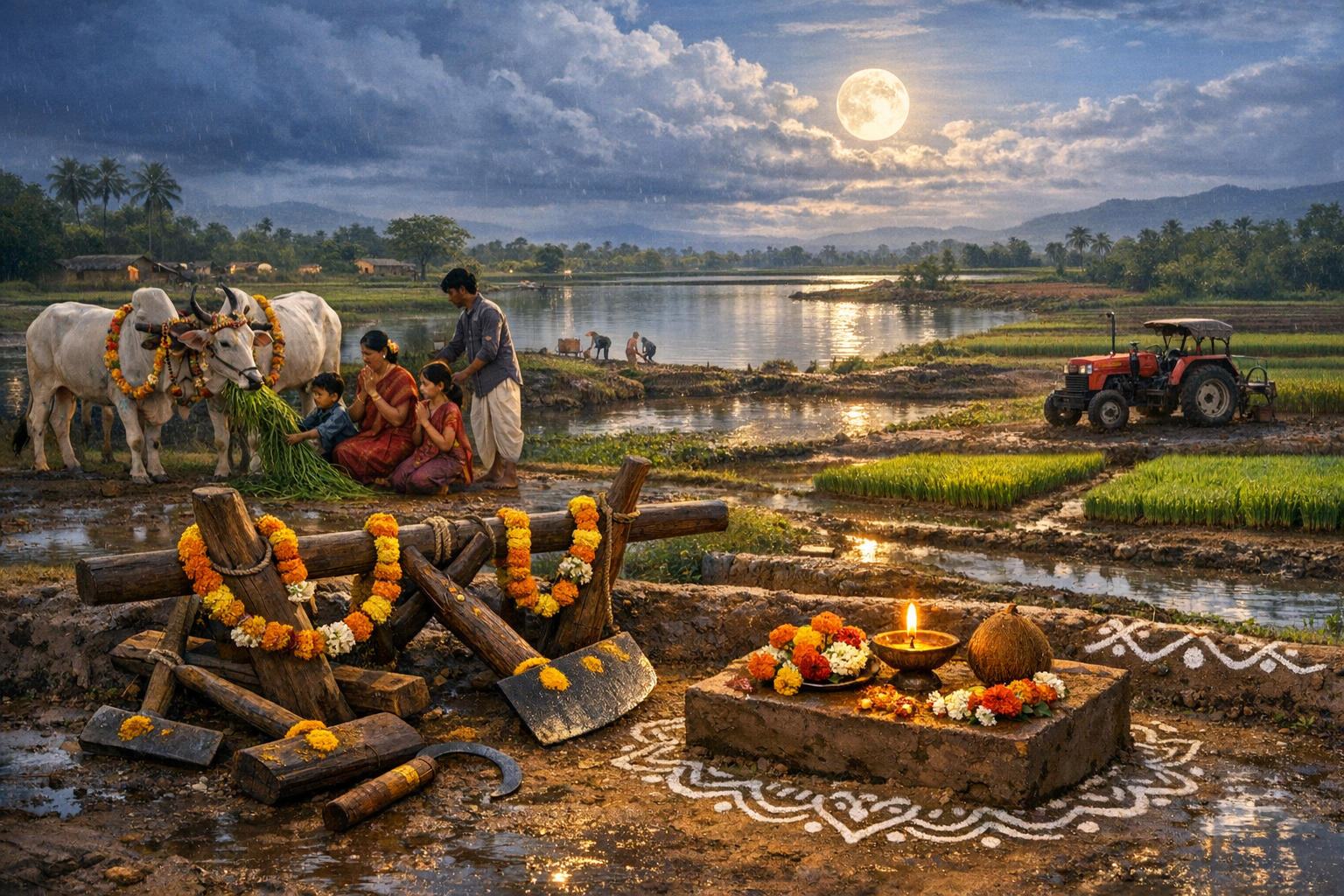
Eruvaka Purnima 2026 (Eruvaka Punnami) falls on 29 June 2026, Jyeshta Purnima, across Andhra Pradesh and Telangana. This farmers’ festival sanctifies fields, cattle, and tools at the cusp of the monsoon, aligning ritual observance with practical agricultural planning. Readers will find the date context, panchang guidance, and a clear sequence for bhoomi puja, go puja,…
-
Lal Kitab Remedies for Sun in the 4th House: Transform Home, Heal Lineage, Restore Peace

Lal Kitab remedies for Sun in the 4th house work best when simple, consistent, and ethically grounded. This comprehensive guide explains how Surya in the 4th impacts home, mother, property, and inner peace—and how daily sunrise arghya, Raviwar vrata, Aditya Hridayam, and east-facing ghee lamps can stabilize the domestic field. Practical seva for mothers and…
-
UK Unveils Anti-Hindu Hate Monitor: Data-Driven Protection and Dharmic Solidarity Amid Rising Crimes

The UK’s new Anti-Hindu Hate Monitor introduces a community-led, data-driven response to Hinduphobia and faith-based hate crimes while aligning closely with UK law. It complements police reporting through standardized taxonomies, secure referrals via True Vision, and independent quality assurance. Victim safety is paramount: trauma-informed casework, culturally competent support, and place-based security reviews for temples and…
-
2026 Sadhu Sanga Day 1: Transformative Kirtan, Deep Bhakti, and Dharmic Unity Insights
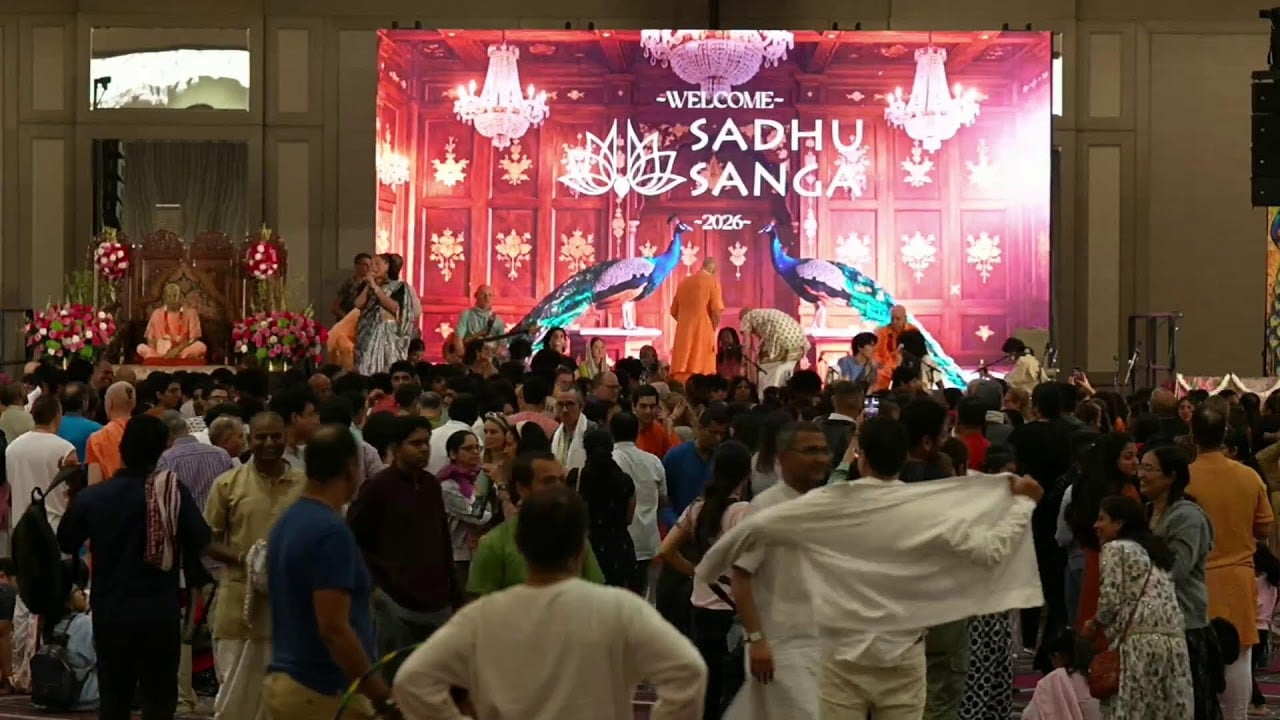
2026 Sadhu Sanga – Day 1 establishes a clear, practice-centered foundation for the retreat by combining immersive kirtan, structured japa, and scriptural framing from Bhagavad-gita and Śrīmad-Bhāgavatam. The opening day focuses on sādhu-saṅga—uplifting association—as a catalyst for devotion and ethical conduct. Participants benefit from accessible orientation, inclusive spaces, and community norms that translate humility and…
-
From Axe to Bow: Parashurama and Rama’s Weapons across India’s Civilizational Evolution

Parashurama’s axe and Rama’s bow are more than weapons; they are precise metaphors for India’s civilizational evolution from corrective severity to codified restraint. Read together, they chart the passage from foundational pruning to lawful kingship, illuminating Kshatra Dharma and maryada in the Ramayana. The parashu symbolizes necessary removal of entrenched harm, while the Kodanda embodies…
-
Decoding the Khatvanga: Skull Staff of Chamunda & Kali—Fearlessness, Tantra, and Transcendence

The khatvanga—skull-staff of Chamunda, Kali, and other fierce goddesses—emerges as a precise, multilayered symbol in Hindu iconography and tantric philosophy. This long-form analysis decodes its form (skull, bone staff, damaru, banner), its cremation-ground origins, and its ethical evolution from literal bone to wood or metal in mainstream ritual spaces. It clarifies how the staff encodes…
-
Decoding Srimad Bhagavatam 3.26.9: Sankhya, Consciousness, and a Roadmap to Dharmic Unity

This in-depth exploration of Srimad Bhagavatam 3.26.9, inspired by H.H Subhag Swami Maharaj’s discourse at ISKCON Mayapur, unpacks Kapila’s Sankhya as a precise map of consciousness, causality, and liberation. It clarifies how purusha, prakriti, time, and the three gunas co-operate to shape experience, and why that structure makes ethical effort and devotion both meaningful and…
-
Dhruva’s Turning Point: Manu’s Counsel on Anger, Humility, and Surrender (SB 4.11.15–35)
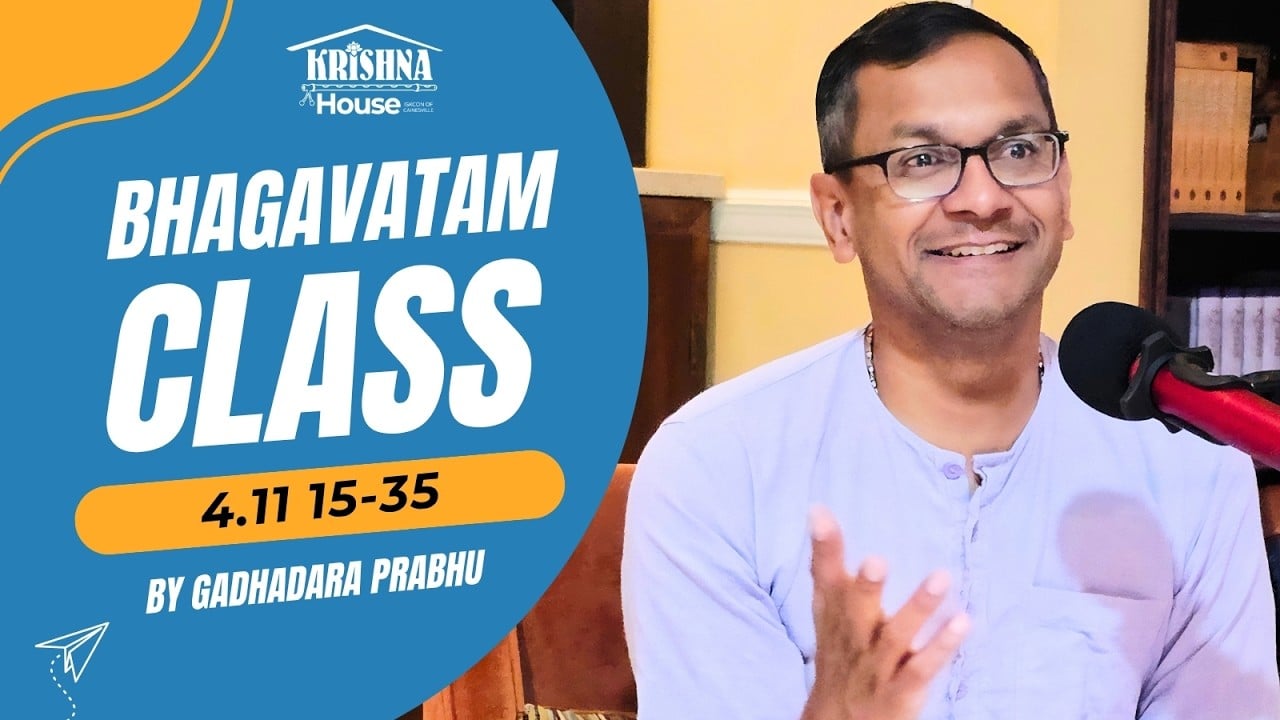
Bhagavatam Class 4.11 15–35 explores Svayambhuva Manu’s intervention as Dhruva Maharaja shifts from reactive anger to disciplined humility. The class clarifies a core Vaishnava principle: the Supreme Lord is the ultimate cause behind all causes, guiding practitioners toward surrender rather than escalation. Verse 27 functions as a cognitive pivot, redirecting the mind from krodha to…