
-
The War They Could Not Win: How Dharmic Resilience Defied Empire and Erasure

This long-form analysis explains why attempts to subdue India’s civilizational core repeatedly failed. It argues that dharmic polycentricityrooted in Hindu, Buddhist, Jain, and Sikh traditionsproduced resilient networks of ethics, learning, and care beyond the reach of central control. Drawing on the Revolt of 1857, British Colonial Rule, and the intellectual countercurrents of Vivekananda and Aurobindo,…
-
Shiva Purana Timeless Tales: Daksha Yajna, Markandeya’s Grace, Neelakantha’s Compassion

This in-depth exploration of the Shiva Purana presents three profound narrativesDaksha Yajna and Sati, Markandeya’s deliverance through Mrityunjaya grace, and Shiva as Neelakantha during the Samudra Manthanaset within their textual, historical, and philosophical contexts. It clarifies how Puranic storytelling operates as both scripture and contemplative guide, uniting ritual, devotion, and ethics. Readers gain a nuanced…
-
May 23, 2026 Panchang: Shukla Saptami to Ashtami, Auspicious Muhurat, Nakshatra & Rashi Guide

Saturday, May 23, 2026, transitions from Shukla Paksha Saptami to Shukla Paksha Ashtami at 10:08 AM, shaping the day’s devotional and practical rhythm in the Daily Hindu Calendar. This comprehensive Panchang guide explains how Tithi is computed, outlines the qualities associated with Saptami and Ashtami, and shows how to select Shubh Muhurat using Abhijit, Rahu…
-
Ghaziabad Shock: Woman Alleges Forced Conversion, 5 Nikahs, 3 Halalas; FIR Against 16 Explained

A registered FIR in Ghaziabad alleges that a Hindu woman was coerced over thirteen years into forced conversion, five nikahs, and three instances described as halala. This analysis explains the law on consent, coercion, and unlawful conversion in Uttar Pradesh, and clarifies how personal laws interface with non-derogable criminal statutes. Readers gain a clear primer…
-
Srila Prabhupada’s 1976 Vrindavan Marathon: Seva, Scholarship, and Global Sankirtana
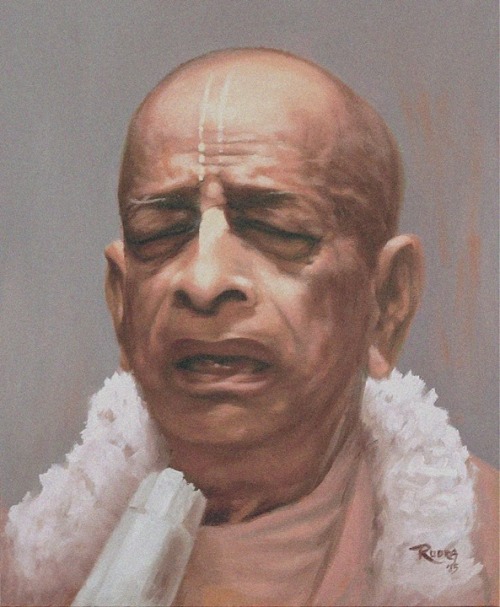
In 1976 at Vrindavan, Srila Prabhupada’s day began at mangal arotik and ended past midnight with a Mathura pandal program before more than twenty thousand attendees. Eyewitness detailssuch as the right-hand lesson during a morning walkreveal how subtle etiquette conveyed dharmic principles. His apology for speaking in Hindi at the pandal highlighted humility and inclusive…
-
Trapped in a ‘Perfect’ Life: Evidence-Based Steps to Reclaim Agency, Clarity, and Joy

Many people feel trapped in a life that looks good on paper, yet their bodies and emotions signal misalignment. This analysis explains why such lives are hard to leavestatus quo bias, loss aversion, sunk costs, and identity foreclosureand shows how evidence-based methods can restore clarity. It integrates Self-Determination Theory, mindfulness, breath-based vagal regulation, and values-based…
-
Transcend Forms, Find Clarity: Hindu Wisdom for Locating the Cause Behind All Phenomena

This article examines a central teaching of Hindu philosophy: look past nāma-rūpa (names and forms) to the abiding kāraṇa (cause). Drawing on the Upaniṣads and Bhagavad Gītā, it explains how Vedānta distinguishes empirical from ultimate reality and why māyā is a principle of appearing rather than mere illusion. It shows how forms function as upāyameans…
-
Bhagavad Gita at New Govardhana: Profound Bhakti-Yoga Insights by HG Caitanya Caran das
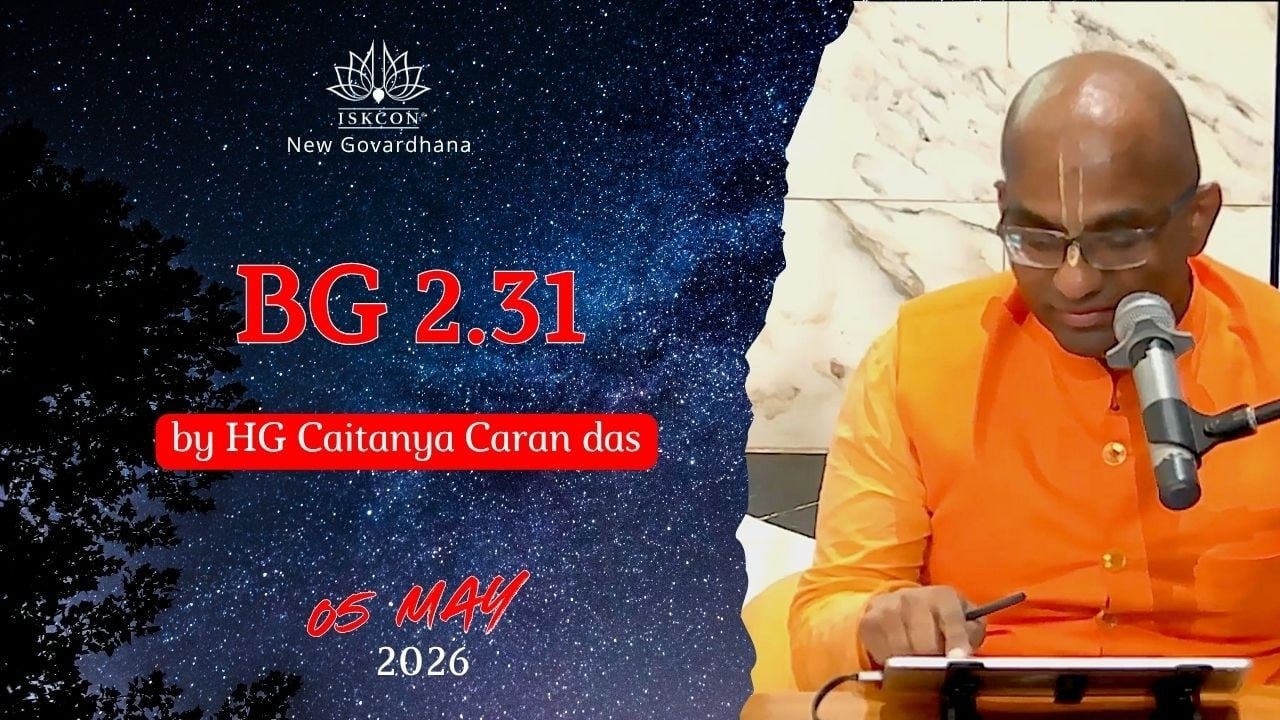
On 05 May 2026, ISKCON New Govardhana Temple hosted a Bhagavad Gita class by HG Caitanya Caran das that united rigorous exegesis with practical Bhakti-Yoga. The session mapped Karma, Jnana, and Bhakti as an integrated pathway, grounding ethical action in devotion and clear discernment. Attendees received a concise practice blueprint: daily japa, structured reading, reflective…
-
Conquer Fear of Failure: Evidence-Backed Dharmic Practices to Unlock Peak Efficiency

Fear of failure often hijacks attention and slows execution just when performance matters most. This article integrates dharmic wisdom and behavioral science to convert that fear into steady, reliable efficiency. It explains how breath-first resets like Bhramari pranayama and Nadi Shodhana regulate arousal and restore cognitive control. It shows how Nishkama Karma reframes success around…
-
Vasudhaiva Kutumbakam and Dharma: A Powerful Blueprint for Shared Global Peace

Vasudhaiva Kutumbakam frames global peace as a disciplined practice of shared responsibility rooted in Rta, Dharma, and the ethics of ahimsa and karuna. The essay explains how loka-samgraha in the Bhagavad Gita links personal virtue to social welfare through reciprocal duty. It outlines pluralism across Hinduism, Buddhism, Jainism, and Sikhism as a practical foundation for…
-
Srila Prabhupada in Living Memory: HG Pancharatna Das on Bhakti and ISKCON Sunday Feast (03 May 2026)
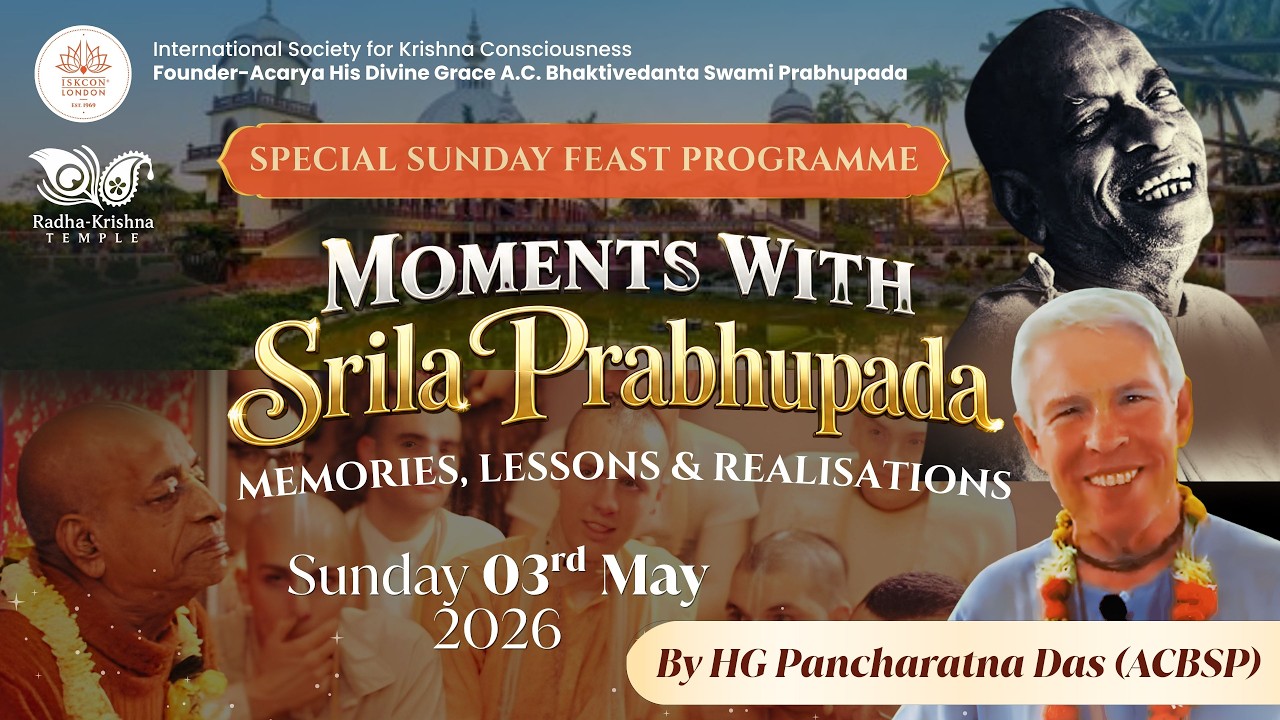
This long-form analysis of “Moments with Srila Prabhupada,” a Sunday Feast talk by HG Pancharatna Das on 03 May 2026, examines how living memory functions as a disciplined pedagogical tool in the Bhakti Tradition. It explains the ISKCON Sunday Feast as a triadic pedagogykirtan, philosophy, and prasadamthat translates scripture into embodied practice. The piece situates…
-
When Do Our Karmas Ripen? A Dharmic, Evidence‑Based Guide to Prarabdha, Agami, Sanchita

This article addresses a common spiritual question: if current experiences reflect past-life karma, when do the karmas of this life bear fruit? Drawing on the clarification by Sri Sri Ravi Shankar”That is not how it is!”it explains why karmic results arise on multiple horizons: immediate, near-term within this life, and across future births. It provides…
-
Hanuman Jayanti 2026 at Tirumala: TTD silk vastrams for Japali Hanuman, auspicious pujas
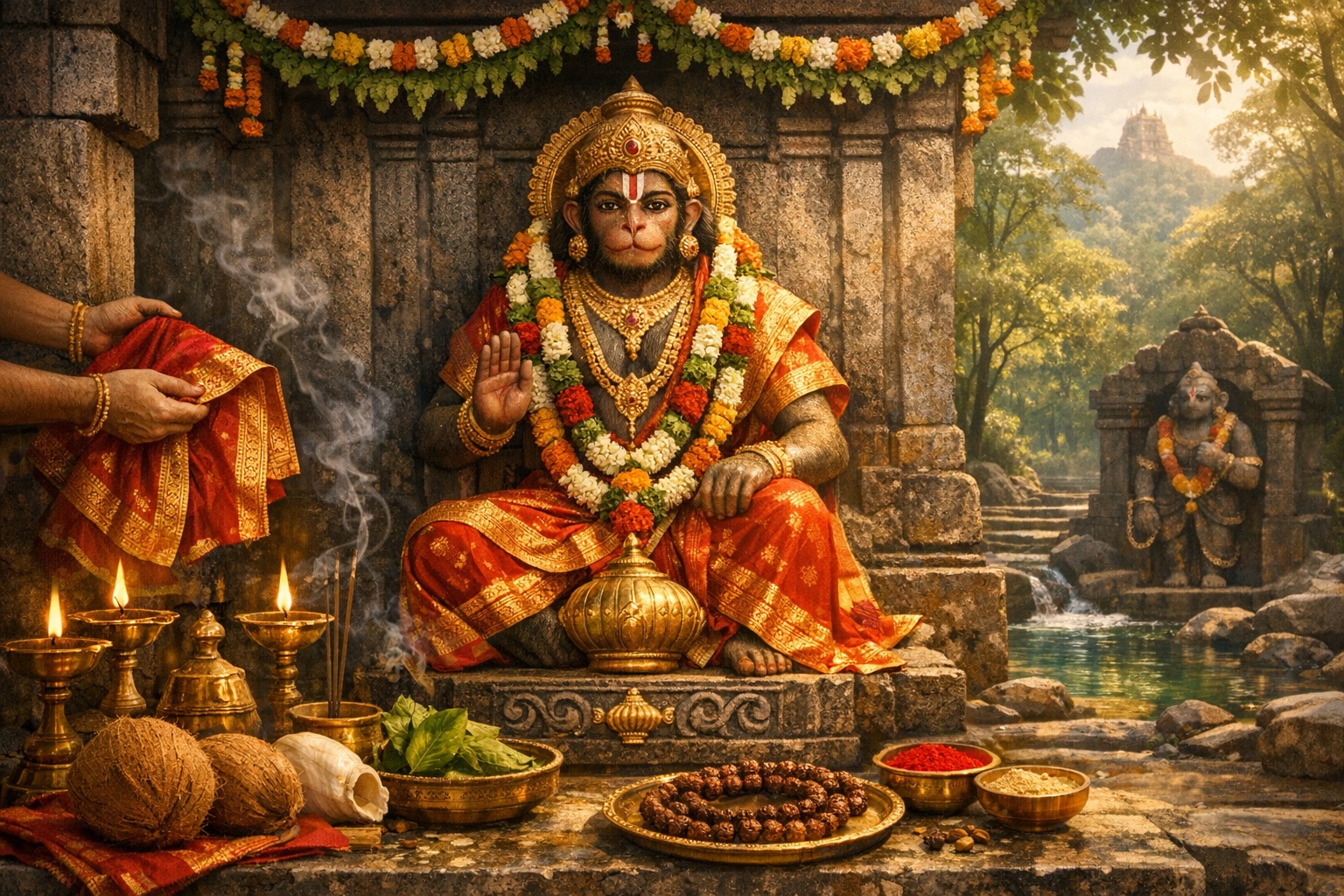
On 12 May 2026 (Vaishakha Bahula Dasami), TTD will present Pattu Vastrams to Sri Japali Hanuman in Tirumala and conduct special pujas to Sri Bedi Anjaneya Swamy. The observance blends Agama-based worship with local sacred geography at Japali Theertham, emphasizing Abhishekam, alankaram, and collective parayanam. Devotees can expect a dignified liturgy, responsible crowd management, and…
-
Complaints Against Chelsea Rodrigues Over Revered Shri Lairai Devi Ritual Ignite Debate

Complaints have reportedly been filed in Goa naming “Chelsea Rodrigues” over alleged insults to the Shri Lairai Devi ritual, focusing attention on the balance between free expression and reverence for sacred traditions. The piece explains the cultural and historical significance of the Lairai Jatra in Shirgao, including the dhond observance around the homkunda. It outlines…
-
Bahuka Armlets in Hindu Iconography: Decoding a Powerful Symbol of Divine Martial Strength
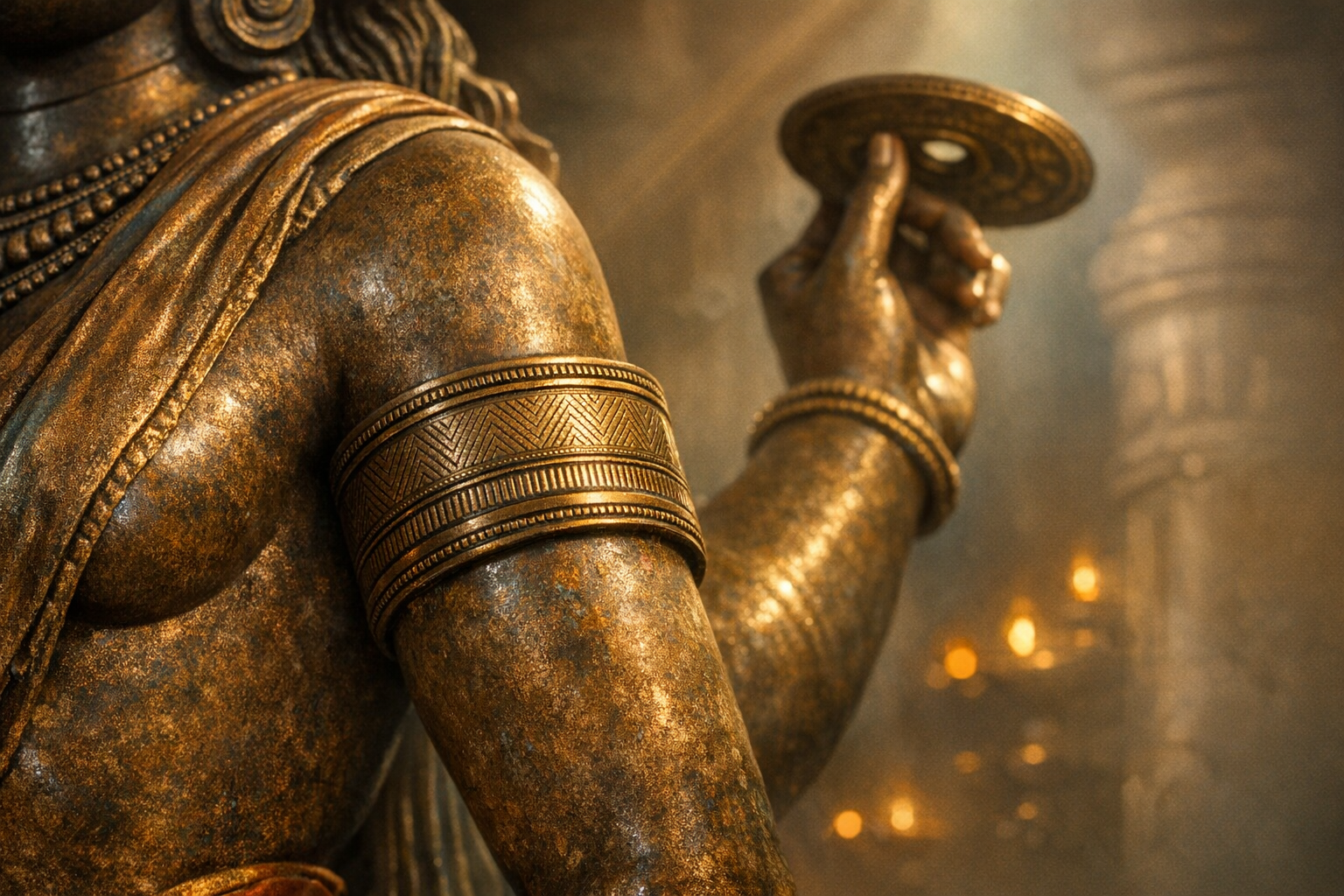
Bahuka is the cylindrical upper arm cuff seen in Hindu temple sculpture, distinct from the circular bahuvalaya and the tied bahubandha. Its compact mass and unbroken profile convey divine strength, martial virtue, and disciplined grace across Shaiva, Shakta, and Vaishnava imagery. Recognizing bahuka in the field refines visual literacy, helping viewers read gestures, moods, and…
-
Agnidev Das (ACBSP) in Critical Condition: Stroke Realities, Compassionate Care, and Dharmic Unity

Agnidev Das (ACBSP), a senior disciple of Srila Prabhupada, is in critical condition following a severe brain stroke; clinicians report unresponsiveness and a transition to comfort-focused care. This analysis explains the clinical landscape of strokeischemic and hemorrhagic types, time-sensitive interventions, and why treatment sometimes shifts from curative to palliative. It clarifies that palliative medicine is…
-
Transformative ₹2 Crores SBI Foundation Grant Fuels ISKCON GEV’s Rural Healthcare Mission

On 24th April 2026 in Pune, the SBI Foundation granted ₹2 Crores to Shri Chaitanya Health and Care Trust under the SBI Gram Saksham project, signaling a rigorous, outcomes-focused push for rural healthcare. The partnership can expand primary care access, preventive screening, maternal and child health support, and telemedicine in Rural India, reducing travel burdens…
-
Mumbai Harassment Arrest: Practical POSH Compliance and Cyber Evidence Guide for Safer Workplaces

A recent Mumbai workplace harassment arrest has spotlighted what truly keeps offices safe: credible POSH compliance, careful digital evidence preservation, and a culture that upholds dignity over divisive narratives. This analysis explains how the POSH Act interfaces with the IPC and IT Act, what the Internal Committee must do, and why confidentiality and due process…
-
From Vows to Realization: The Transformative Power of Japa in Krishna Consciousness
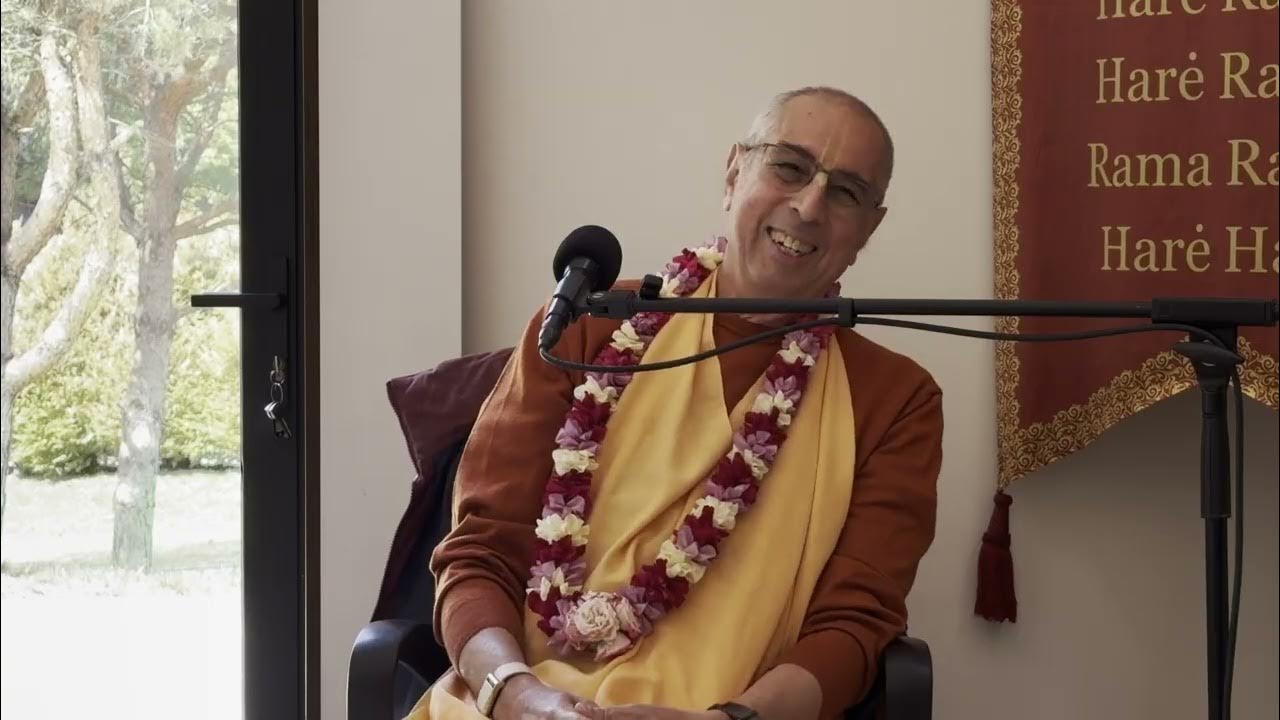
A recent Lithuania lecture examines why vows in Krishna consciousness do far more than enforce rules: they stabilize attention, purify intention, and cultivate the qualities that make devotion spontaneous and joyful. It explains, in technical terms, how chanting 16 rounds of the maha-mantra and the four regulative principles function as ethical and contemplative scaffolding in…
-
Mahāpātakas in Hinduism: Decoding Heinous Sins, Dharma, and Their Urgent Modern Relevance

Mahāpātakas, the “heinous sins” in Hindu ethics, delineate acts that rupture the very fabric of dharma by attacking life, trust, truth, and sound judgment. Grounded in the Dharmashastras, these categories are interpreted here through a principle-first lens that fits modern lifeworkplaces, digital spaces, and public institutions. The analysis explains how intention, participation, and reparability shape…