
-
West Bengal 2026: Hindu vote consolidation, security concerns, middle-class shift power BJP sweep

West Bengal’s WB Assembly Election 2026 is widely read as a decisive BJP sweep after fifteen years of TMC rule, driven by Hindu vote consolidation, security concerns, and a pronounced middle-class realignment. This analysis unpacks how identity politics was reframed within a dharmic-pluralist, constitutional lens that respects Hindu, Buddhist, Jain, and Sikh traditions. It explains…
-
HG Daivi Shakti Mataji on Srila Prabhupada Lilamrita: Unveiling a Transformative Gaudiya Legacy
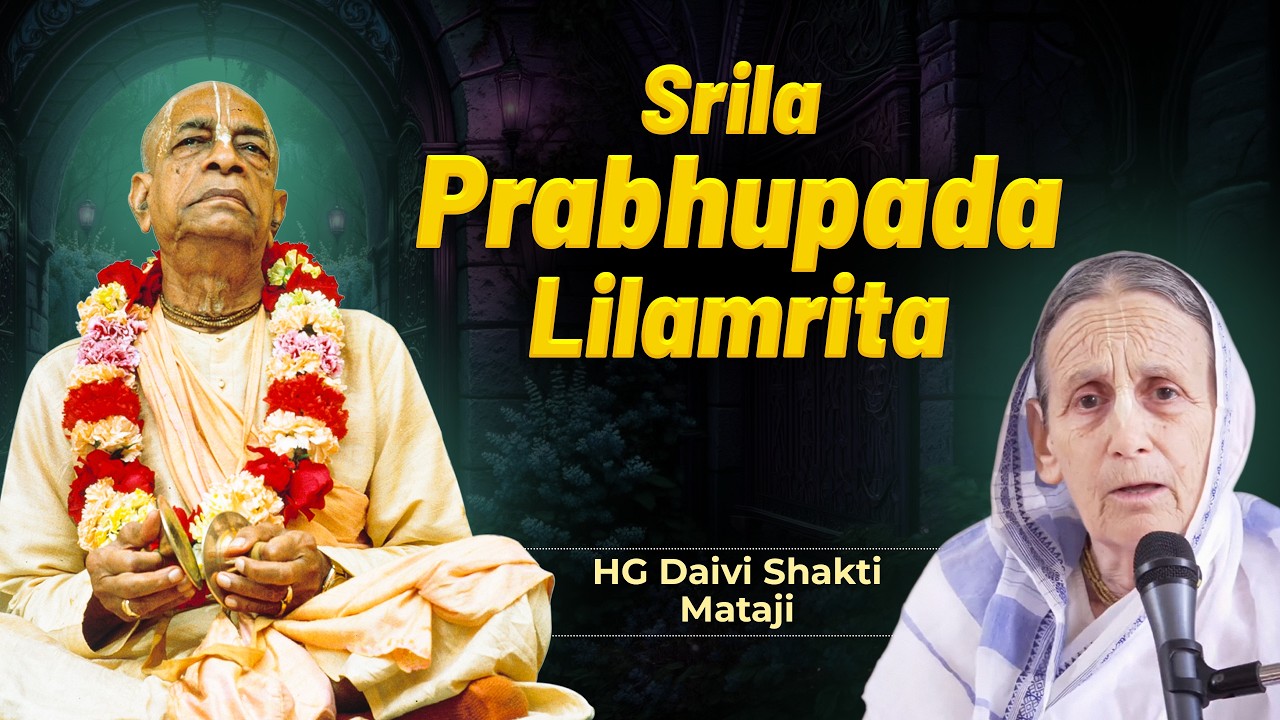
This analysis situates HG Daivi Shakti Mataji’s focus on Srila Prabhupada Lilamrita within a rigorous, source-aware approach to Gaudiya Vaishnavism. It explains how the biography blends archival research, oral histories, and textual study to illuminate Srila Prabhupada’s life, teachings, and institution-building. Readers gain a clear framework for study—triangulating letters, interviews, and BBT records while appreciating…
-
Srila Prabhupada in Living Memory: HG Pancharatna Das on Bhakti and ISKCON Sunday Feast (03 May 2026)
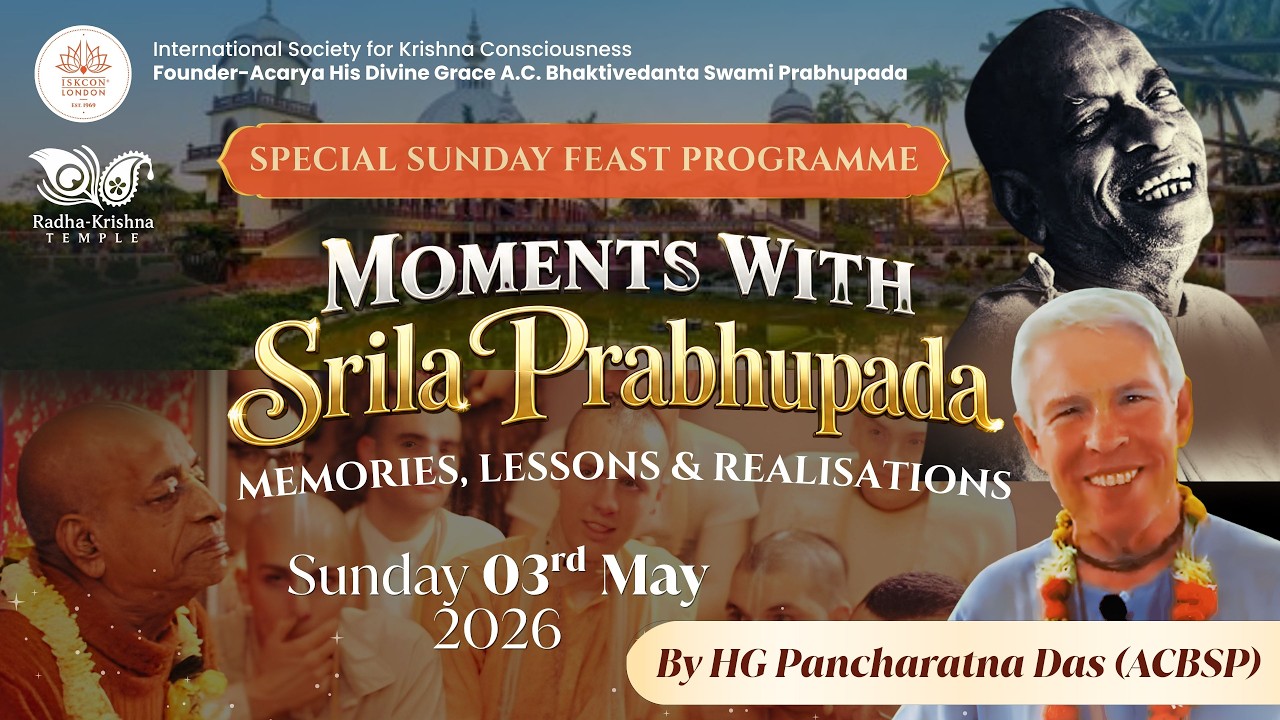
This long-form analysis of “Moments with Srila Prabhupada,” a Sunday Feast talk by HG Pancharatna Das on 03 May 2026, examines how living memory functions as a disciplined pedagogical tool in the Bhakti Tradition. It explains the ISKCON Sunday Feast as a triadic pedagogy—kirtan, philosophy, and prasadam—that translates scripture into embodied practice. The piece situates…
-
Servant of a Glorious Master: The Transformative Power of Seva and Guru-Tattva Across Dharmic Paths
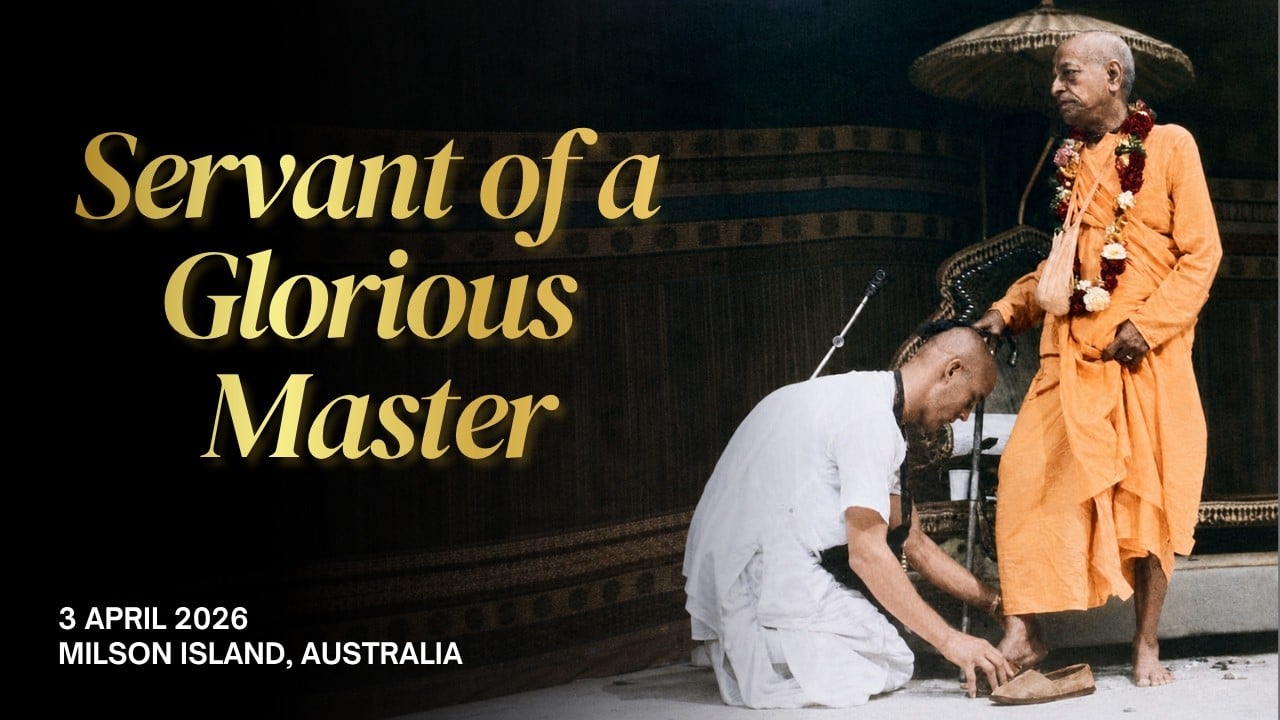
This long-form reflection reframes ‘Servant of a Glorious Master’ as a disciplined path of seva, wisdom, and devotion shared across Hindu Dharma, Buddhism, Jainism, and Sikhism. It clarifies how dasya-bhava, prapatti, nam-simran, refuge, ahimsa, and anekantavada converge as a common grammar of service. Drawing on the Bhagavad Gita and classical Bhakti theory, it distinguishes service…
-
Damara Tantra Decoded: Unmatta Bhairava’s Fierce Wisdom, Structure, and Practice

Damara Tantra stands out in Shaiva Tantra by presenting Shiva as Unmatta Bhairava instructing Pārvatī, organizing its teachings into six paricchedas framed by a Mangalacharana. The text’s eight Unmatta Bhairavas, including Kapali, Samhara, and Krodha, function as precise modalities for transforming fear and reactivity into wisdom and compassion. This analysis clarifies structure, core ideas, and…
-
Beyond the Flute: Why Bala‑Krishna Thrives as Parthasarathi’s Warrior Ethos Lies Dormant
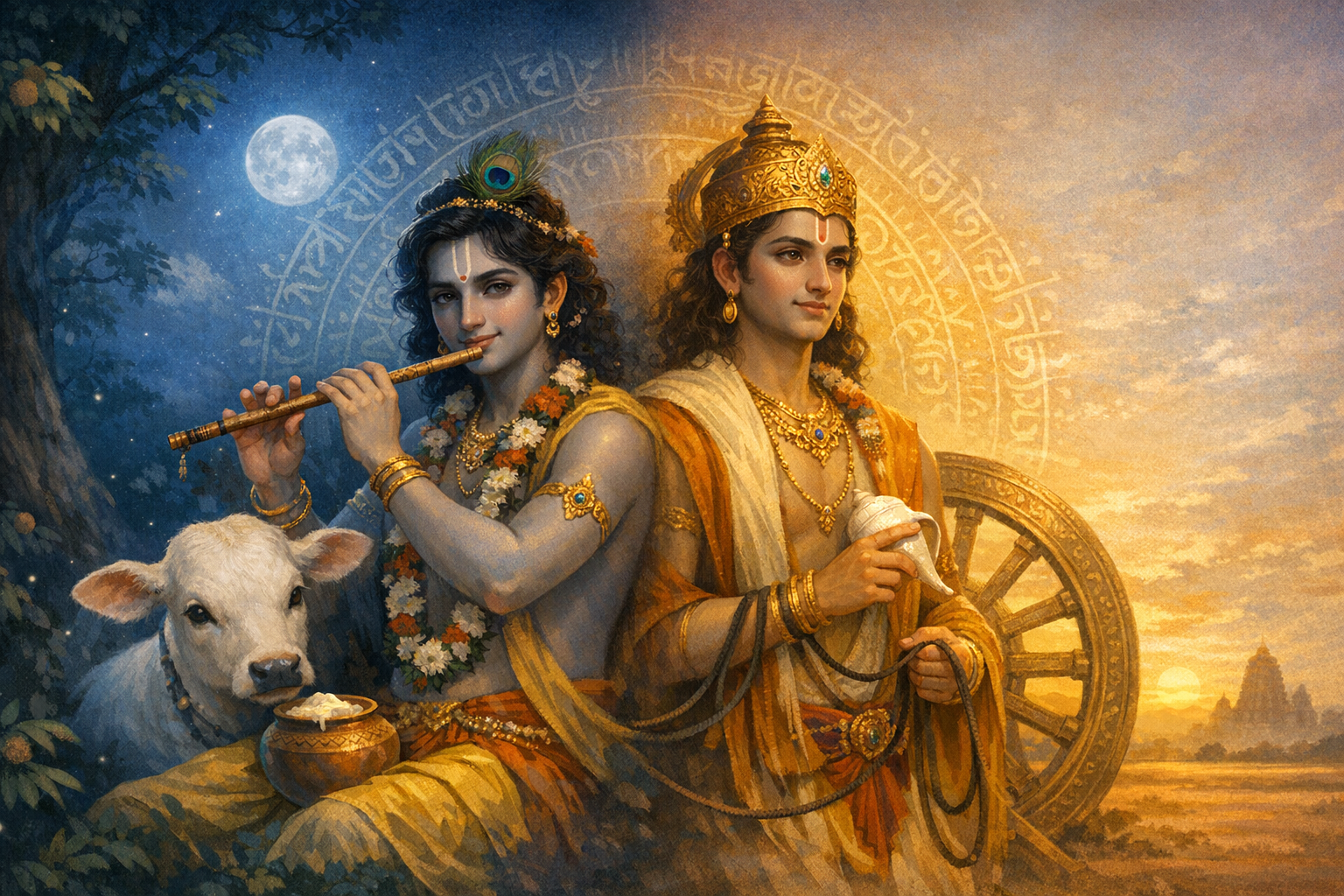
Images of Bala‑Krishna dominate homes and temples, while Parthasarathi—the charioteer and teacher of the Bhagavad Gita—appears less often in popular devotion. This long‑form analysis explains the imbalance through rasa theory, bhakti history, temple networks, pedagogy, and modern media. It shows how intimacy‑focused worship naturally favored child and flute‑playing forms, whereas Krishna’s kshatra ethics are harder…
-
Introspection to Self-Realization: A Rigorous Dharmic Blueprint for Knowing the Divine
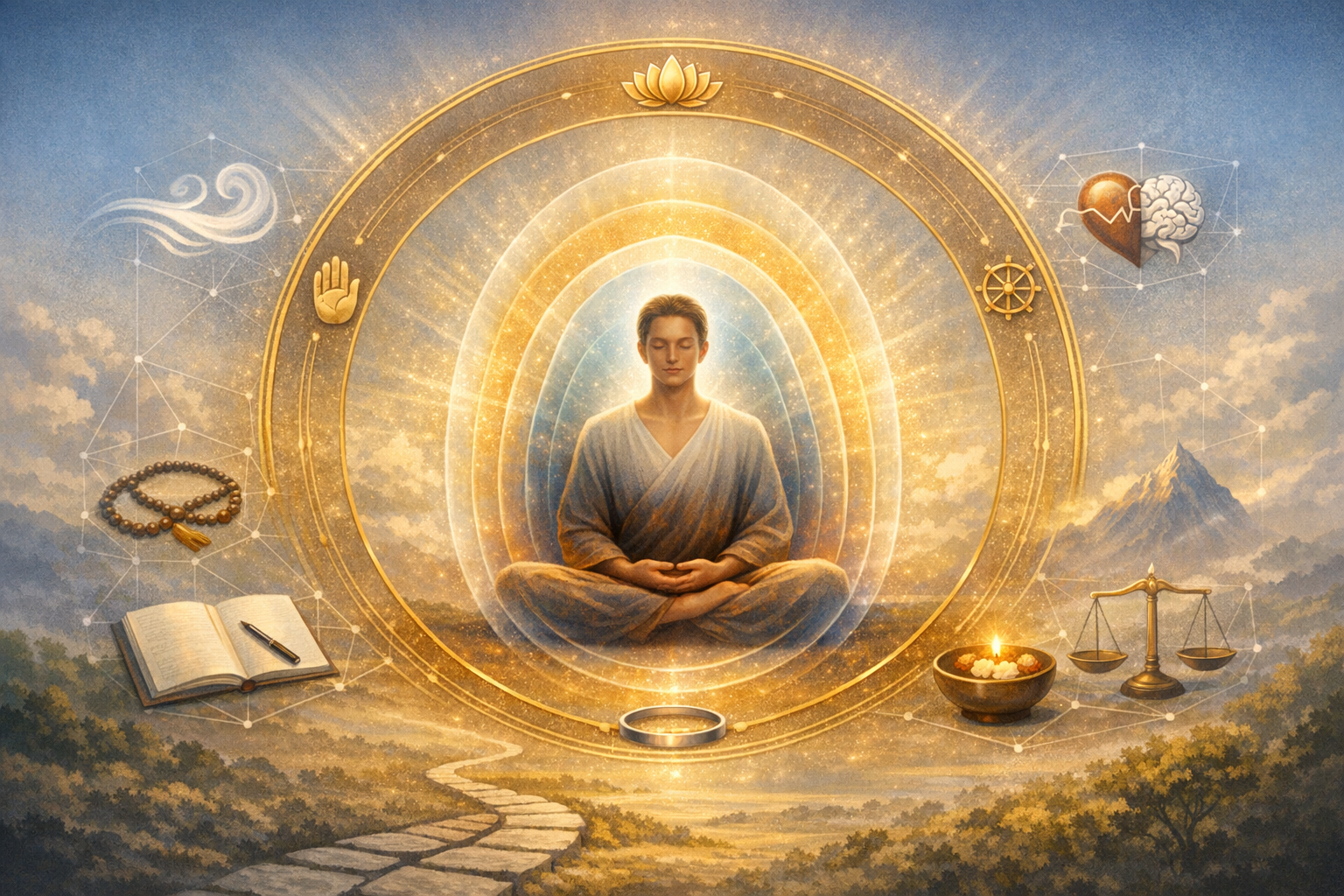
This long-form analysis explains why disciplined self-analysis is a direct, repeatable path to self-realization and knowing the Divine across Hinduism, Buddhism, Jainism, and Sikhism. It integrates the Upanishads, the Bhagavad Gita, Patanjali’s Yoga Sutra, the Satipaṭṭhāna Sutta, Jain Anekāntavāda with Samayik and Pratikraman, and Sikh Naam-centered living under hukam. A rigorous seven-phase practice cycle—intention, observation,…
-
Why Hindu Gods Ride Animals: The Profound Symbolism Behind Ganesha’s Mouse and Skanda’s Peacock

Why do Hindu gods ride animals such as Ganesha’s mouse and Skanda’s peacock? In Hindu iconography, vāhanas are a precise symbolic language codified in Purāṇas, Āgamas, and śilpa-śāstra that maps each deity’s ethical and cosmological function. Animals personify instincts and forces that the deity harmonizes, teaching that spiritual mastery begins with taming subtle habits. Case…
-
Parashurama: The Saint-Warrior Avatar Who Reset Kshatra Dharma and Reclaimed the Land

Parashurama, the sixth avatar of Lord Vishnu and a devoted bhakta of Lord Shiva, embodies the union of spiritual austerity and disciplined strength to restore dharma. Scriptural accounts from the Bhagavata Purana, Vishnu Purana, Ramayana, and Mahabharata portray his mission as a principled reform of Kshatriya power when it strays into adharma. The narrative explores…
-
Krishna’s Omnipotence Explained: Why Name, Mantra, and Scripture Offer Direct, Daily Companionship
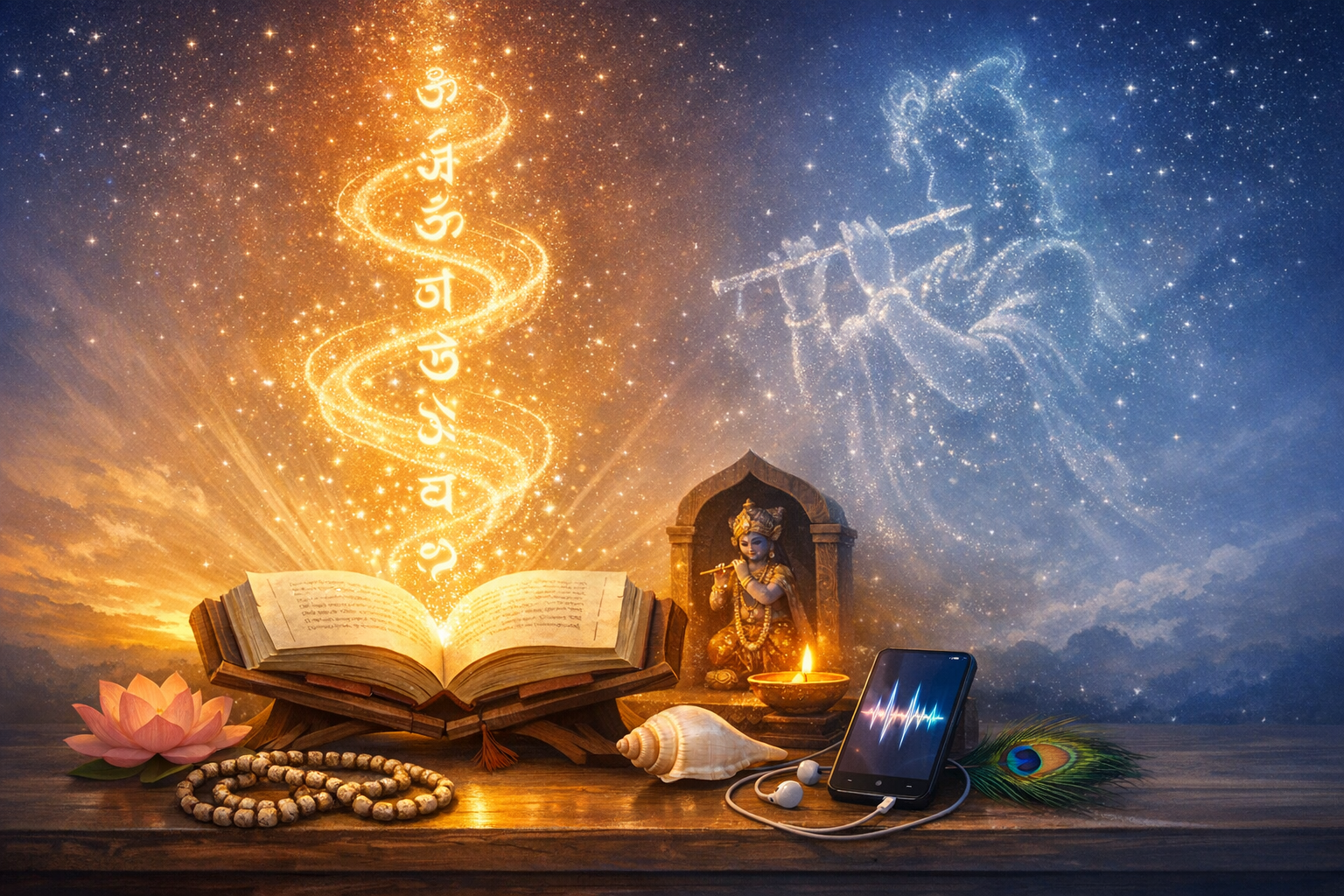
This article explains, in clear Vedic and Bhakti terms, why Krishna’s omnipotence means His words, names, and teachings are non-different from Him, offering direct companionship at any moment. It shows how the concept of shabda as an efficacious, self-revealing medium makes scriptural hearing and mantra recitation a living encounter rather than mere symbolism. Drawing on…
-
May 11, 2026 Panchang: Krishna Paksha Navami to Dashami, Good Times and Ritual Guidance

May 11, 2026 spans Krishna Paksha Navami until 10:12 AM, then transitions to Dashami for the remainder of the day in most regions. The post explains what a tithi is in precise astronomical terms, why the sunrise rule matters for observance, and how to use Abhijit and Vijay muhurta alongside proportional Rahu Kalam, Yamaganda, and…
-
Odisha Balasore Cattle-Transport Blaze: Anatomy of a Reported Mob Attack, Law, and Harmony

A reported arson attack on a cattle-transport vehicle in Balasore, Odisha, spotlights the intersection of public safety, lawful commerce, and communal harmony. This analysis clarifies what is known and not yet verified, then maps the legal architecture governing cattle movement and mob-prevention in India. It distills Supreme Court guidance on curbing vigilantism, outlines robust compliance…
-
Modhera’s Maa Modheshwari: Origins, Kuldevi Traditions, and the Living Shakti Heritage of Gujarat
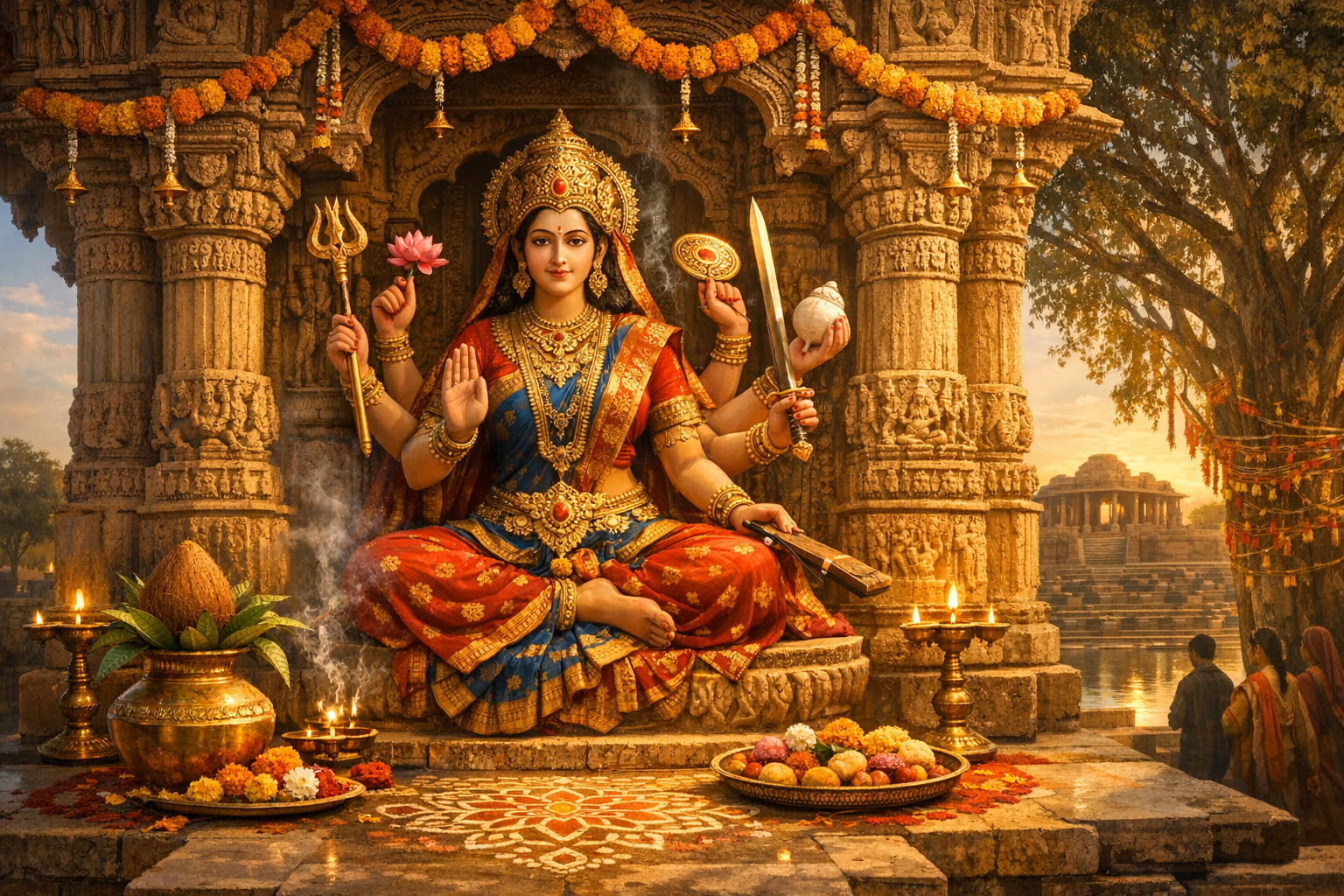
Maa Modheshwari’s shrine at Modhera, Gujarat, is widely regarded as the most ancient seat of Her pragatya and as the kuldevi for Modh Brahmin, Vaishya, and Kshatriya lineages. Set within the celebrated cultural landscape of the Modhera Sun Temple, the tradition balances Surya and Shakti symbolism in a single heritage corridor. The article clarifies how…
-
Panaji Rallies in Strength: Goa Unites Against Derogatory Remarks, Seeks Accountability and Harmony

A sizable demonstration outside the Panaji Police Headquarters on 3 May 2026 highlighted public concern over alleged derogatory remarks about Hindu deities. The event, led by Hindu Ekta Manch – Goa and other Hindutva-aligned groups, underscores how dharmic ideals of dignity, ahimsa, and pluralism intersect with the constitutional guarantees of free speech and peaceful assembly.…
-
Odisha’s Hero Dog ‘Kali’ Saves 30 Children from Cobra, Honoured with Dharmic Rites

On 20 April 2026 in Dhirakula, Odisha, a community dog named Kali shielded approximately 30 schoolchildren from a venomous snake, believed to be an Indian cobra, and later died of envenomation. The village honored her with full rites, a response that coheres with dharmic values of compassion, non-violence, and selfless service shared across Hinduism, Buddhism,…
-
Veda Murtis Demystified: Living Forms that Illuminate Vedic Wisdom, Ritual, and Iconography

Hindu tradition presents the Vedas as living, relational knowledge by personifying them as Veda Murtis—anthropomorphic embodiments that translate sacred sound into contemplative sight. Grounded in Mīmāṃsā, Agamas, and Śilpa-śāstra canons, these forms do not replace scripture; they deepen Vedic study by aligning hearing, seeing, and practice. Typical depictions personify the four Vedas with manuscripts and…
-
Sindhudurg Memorandum: HJS, Mandir Mahasangh urge funding transparency to safeguard temple autonomy

A joint memorandum in Sindhudurg by Hindu Janajagruti Samiti (HJS) and the Maharashtra Mandir Mahasangh urges the state to improve funding transparency for religious education, proportionately address illicit financial flows into extremism, and protect Hindu temple autonomy. The submission frames these as constitutional, administrative, and cultural priorities that build public trust. It recommends neutral, parity-based…
-
Bageshwar Dham’s Bold Challenge: Dhirendra Krishna Shastri Invites Critics to Witness ‘Divine Knowledge’

Pandit Dhirendra Krishna Shastri’s open challenge at Bageshwar Dham invites critics to witness ‘divine knowledge’ firsthand, creating an unusual opportunity for transparent observation in a public darbar. This analysis frames the event through Dharmic epistemology—pratyaksha, anumana, and shabda—while drawing on Anekantavada and Sikh Gurmat to promote interpretive humility and ethical evaluation. It outlines practical, consent-driven…
-
Unauthorized mosque on government land near Pune ATS hub sparks high-stakes security review

An unauthorized religious structure identified as a mosque has reportedly been built on government land adjoining the Pune Police Lines ATS facility, raising urgent public safety and critical infrastructure protection concerns. Addressing the matter within India’s constitutional framework, which balances religious freedom with public order, requires a law-based, transparent, and community-sensitive approach. Supreme Court–guided norms…
-
Nepal Airlines’ Map Gaffe Ignites Outrage: Cartographic Accuracy, Sovereignty, and Dharmic Unity

Nepal Airlines triggered public outrage after sharing a map that appeared to place parts of Jammu & Kashmir and North-East India outside India’s borders, prompting a rapid apology and takedown. In South Asia, where maps signal sovereignty and identity, such missteps carry outsized geopolitical and emotional impact. This analysis details why cartographic accuracy matters, outlines…