
-
May 14, 2026 Panchang: Krishna Paksha Dwadashi to Trayodashi, Shubh Muhurat, Nakshatra, Rashi Guide
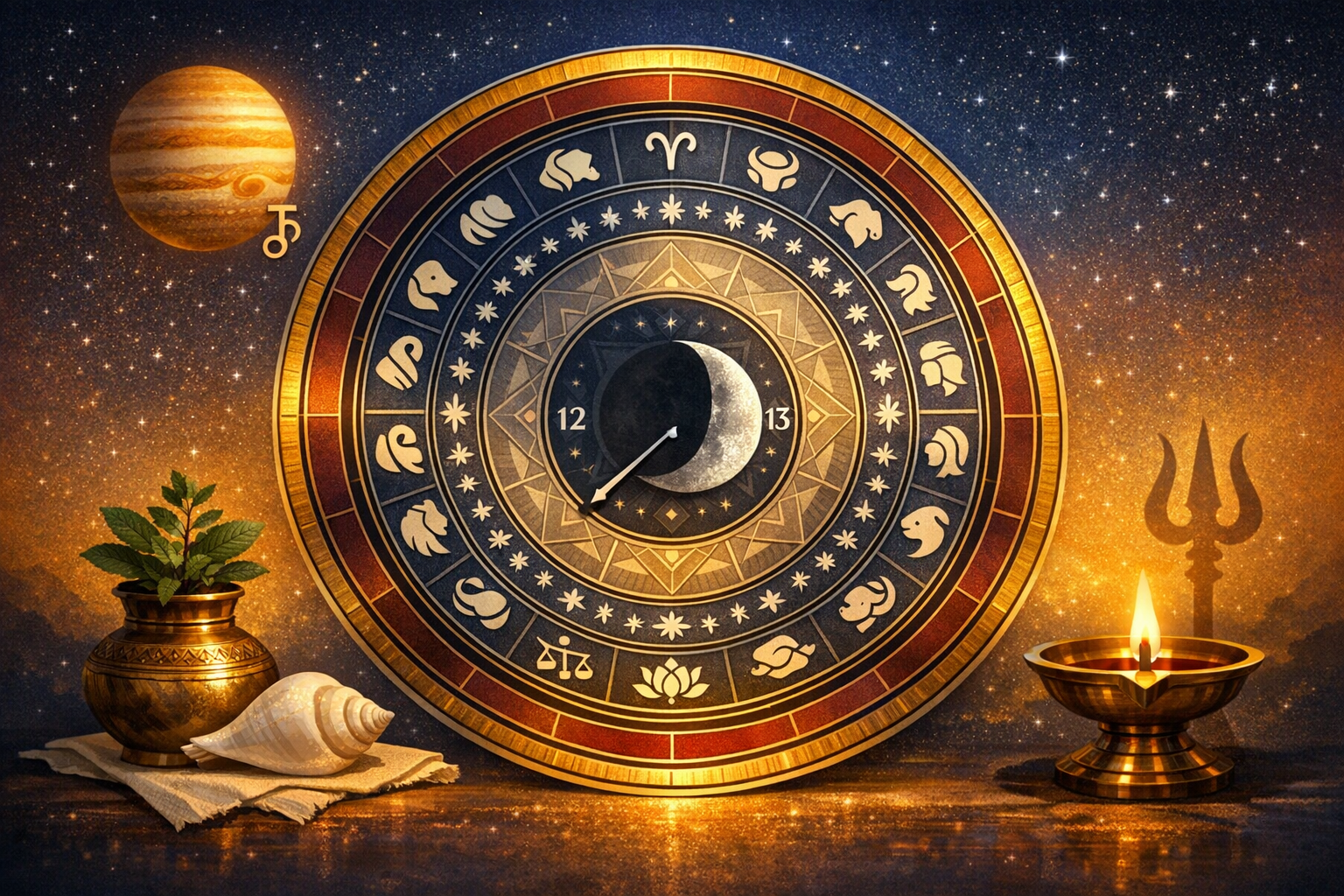
Thursday, May 14, 2026, features Krishna Paksha Dwadashi until 7:33 AM, followed by Krishna Paksha Trayodashi for the remainder of the day. This tithi sequence supports Ekadashi parāṇa on Dwadashi after sunrise and, where locally applicable, Shiva-focused Pradosh Vrat during pradoṣa-kāla on Trayodashi. As a Guru-vāra (Thursday), the day emphasizes learning, wise counsel, and satvika…
-
Dvaita vs Advaita in Hinduism: A Clear, Compassionate, Research‑Backed Guide to Vedanta

This research-backed guide clarifies the real differences between Dvaita and Advaita without reducing either system to caricature. It explains Advaita’s non-dual Brahman, Dvaita’s theistic realism, and why both accept the same core scriptures yet read them through distinct hermeneutics. Readers learn how Advaita’s three levels of reality and Dvaita’s Panchabheda lead to different, but equally…
-
Conquer Fear of Failure: Evidence-Backed Dharmic Practices to Unlock Peak Efficiency

Fear of failure often hijacks attention and slows execution just when performance matters most. This article integrates dharmic wisdom and behavioral science to convert that fear into steady, reliable efficiency. It explains how breath-first resets like Bhramari pranayama and Nadi Shodhana regulate arousal and restore cognitive control. It shows how Nishkama Karma reframes success around…
-
Nemili Sri Bala Tripurasundari Peetam, Vellore: Sacred history, rituals, darshan tips, and travel guide
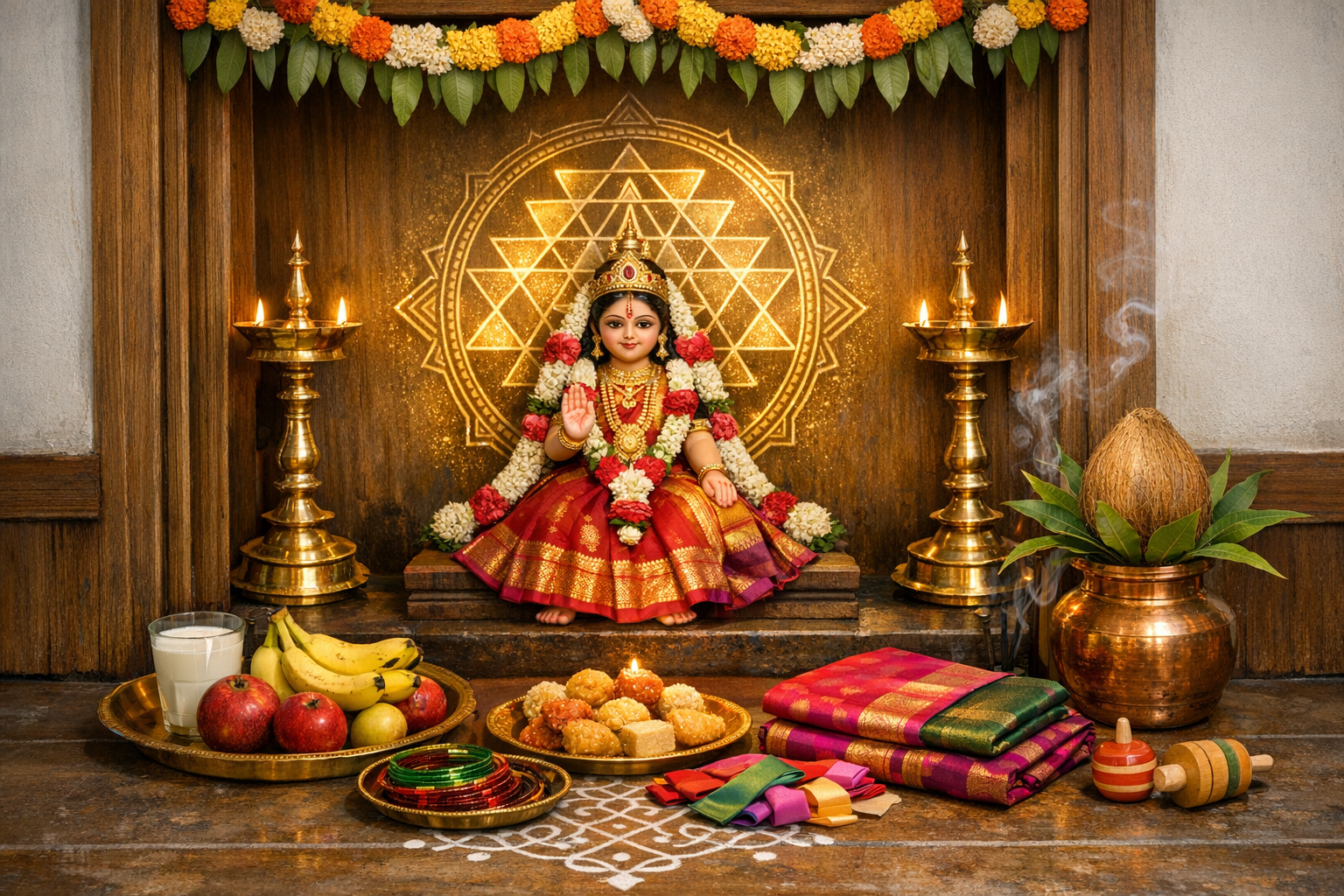
Nemili Sri Bala Tripurasundari Peetam in the Vellore region (Ranipet district) is a revered house-temple 20 km from Kaveripakkam, where devotees worship Sri Bala—the powerful child-form of Tripurasundari—with intimate, precise Sri Vidya rituals. The shrine’s strength lies in its homely sanctity, meticulous daily puja, and Navaratri celebrations that blend tenderness with theological depth. Pilgrims can…
-
Manusmriti in Modern India: Separating Myth from Method for a Dharmic, Inclusive Future
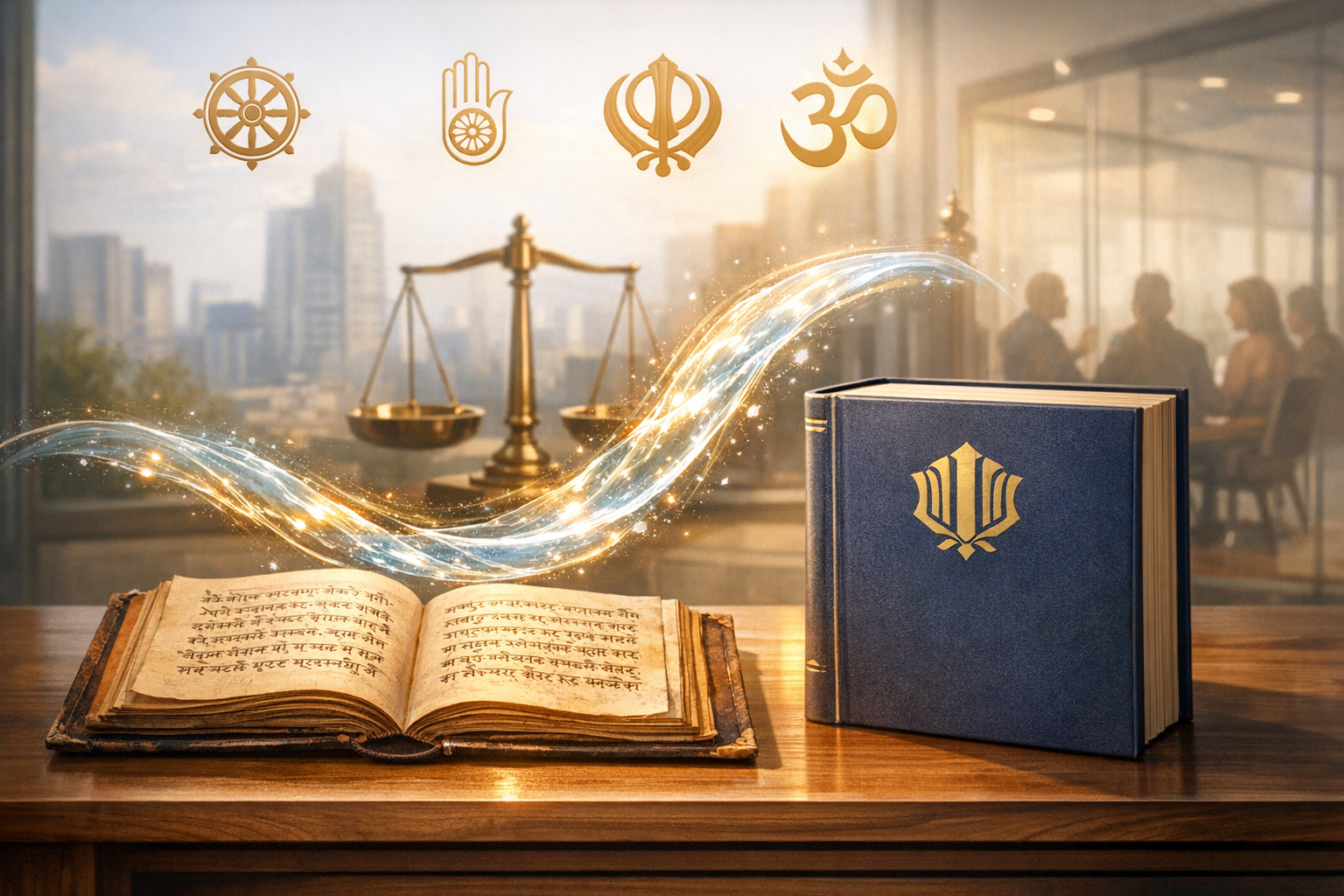
This evidence-based exploration separates myth from method to answer whether Manusmriti is relevant today. It explains what the text is within Dharmashastra, how it actually functioned through custom and commentary, and why colonial codification distorted public perception. It clarifies hotly debated verses on women and caste with historical context while affirming modern constitutional equality. It…
-
Sri Varahaswami Temple, Tirumala: Timeless Legends, Sacred Routes, and Ritual Significance
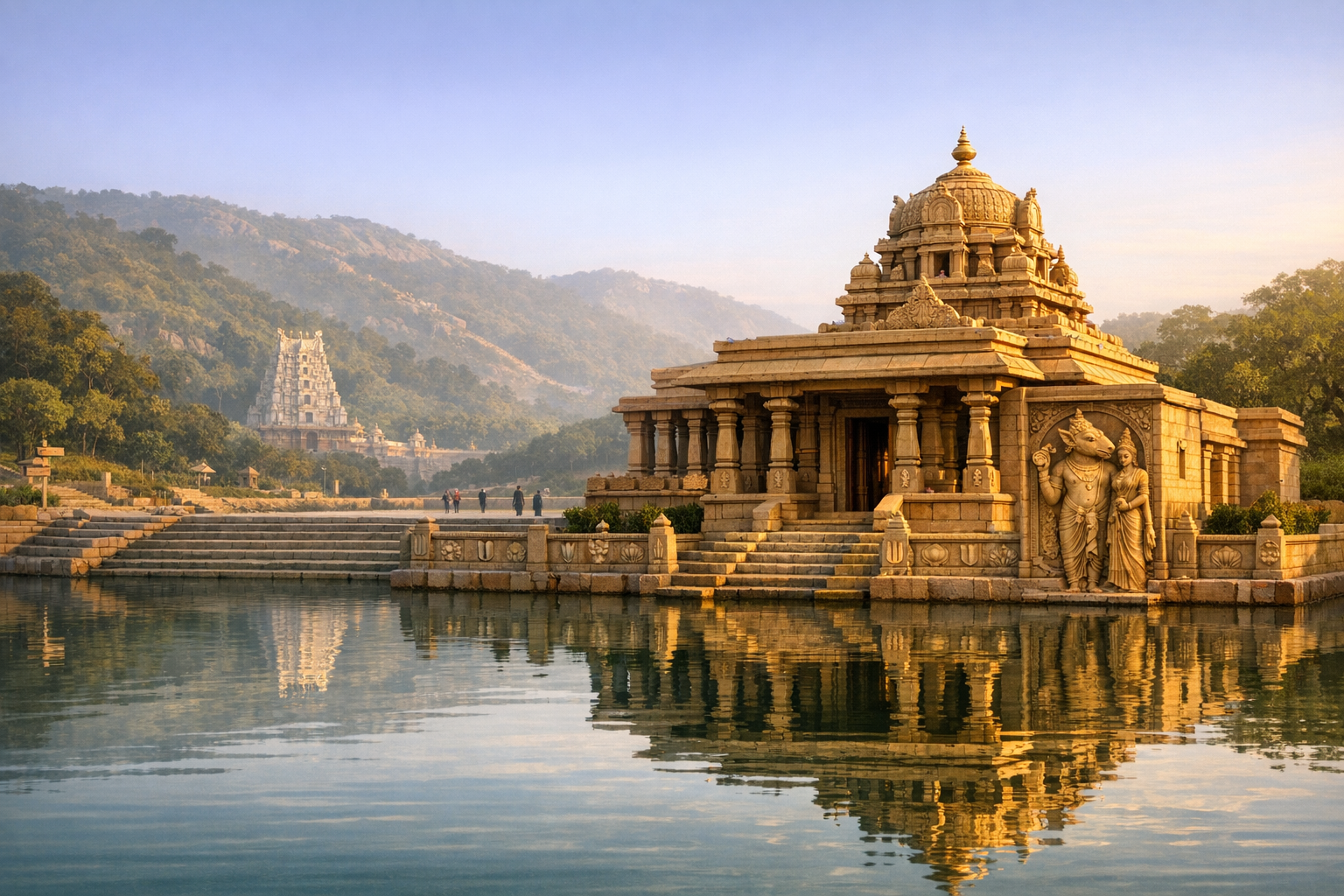
Sri Varahaswami Temple in Tirumala stands on the northern bank of Swami Pushkarini and preserves the hill’s identity as Adi Varaha Kshetra. Drawing on the Venkatachala Mahatmya traditions of the Varaha Purana and Padma Purana, it explains why many pilgrims first worship Varaha before proceeding to Sri Venkateswara Temple. The guide clarifies iconography, ritual order,…
-
Awe-Inspiring Padalathri Narasimhar Temple: Pallava Rock-Cut Sanctum at Singaperumal Koil

Padalathri Narasimhar Temple (Singaperumal Koil) near Chennai is a rare Pallava-era rock-cut Vaishnava sanctuary carved into a red hill, with Lord Narasimha and Ahobilavalli Thayar presiding. The 8th‑century CE cave sanctum, later Dravidian additions, and continuous worship offer a compact study in South Indian temple architecture and living heritage. Devotees consistently describe the ascent as…
-
Thiruporur Kandaswamy Temple: Legends, Ritual Science, Darshan Timings, and Festival Guide
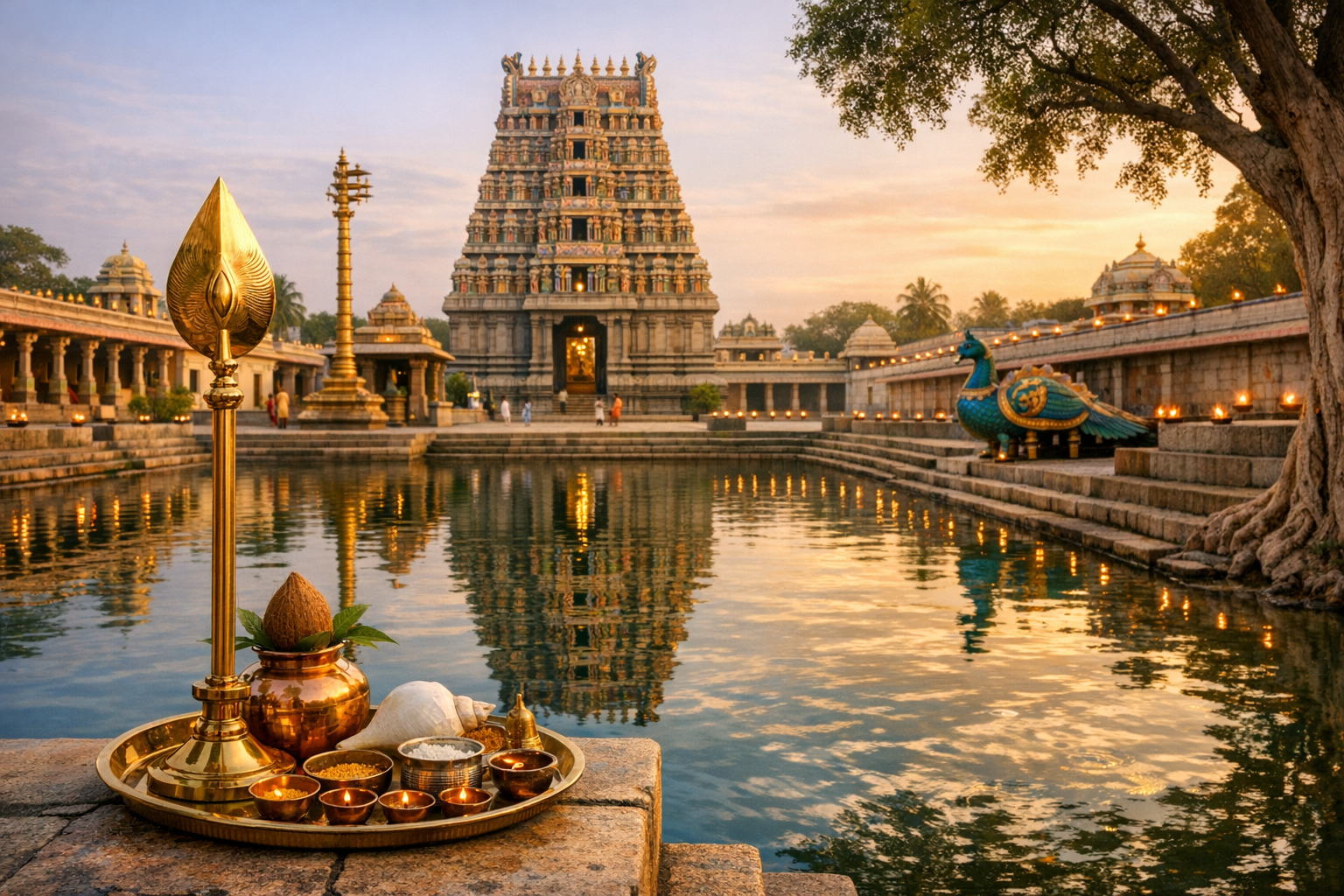
Thiruporur Kandaswamy temple (Thiruporur Murugan Temple) in Chengalpattu, Tamil Nadu, is a living center of Murugan worship renowned for Dravidian architecture, precise Agamic ritual, and a vibrant festival calendar. Visitors can plan around clear darshan timings (6:30 am–12:30 pm; 3:30 pm–8:00 pm) and four daily pujas that culminate in abhishekam and deepa aradhana. The temple’s…
-
From ‘Responsibly Broke’ to Financial Freedom: Healing Money Trauma with Dharma and Data

This evidence-based reflection traces the path from being “responsibly broke” to sustainable financial freedom by healing money trauma, building literacy, and aligning prosperity with Dharma. It explains how early experiences of financial control and shame hardwire the nervous system, shaping money scripts that drive avoidance or overspending. It then details actionable frameworks—zero-based budgeting or 50/30/20,…
-
Bel Tala and Akal Bodhan: Durga’s Sacred Awakening That Empowered Lord Rama
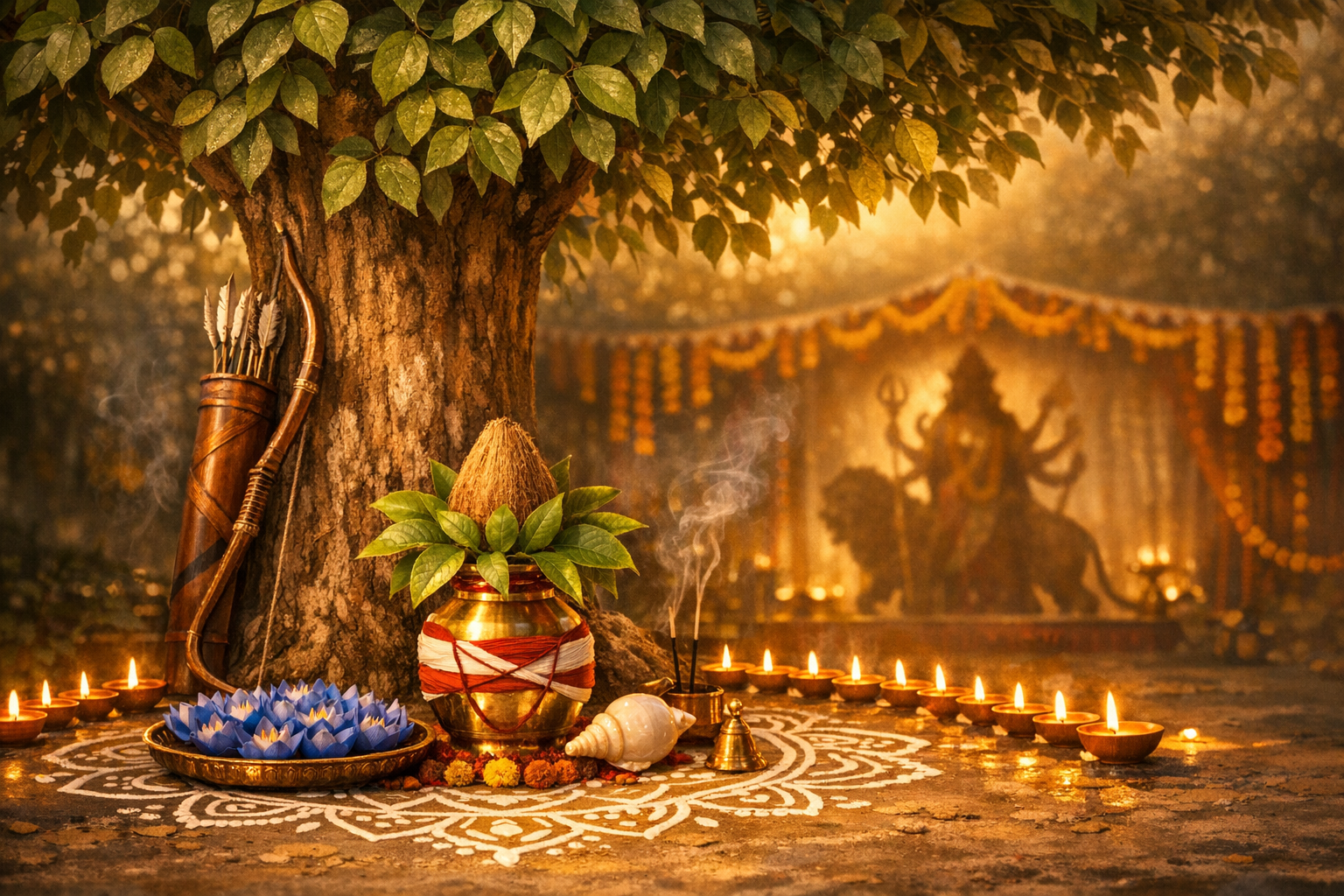
Bel Tala—the sacred space beneath the bel (wood-apple) tree—anchors the Bodhan, the ceremonial awakening of Goddess Durga that inaugurates Sharadiya worship. Rooted in Bengal’s “Akal Bodhan” narrative linking Lord Rama’s victory to Durga’s boon, this rite integrates Vaishnava and Shakta currents while honoring nature as a living altar. The bel tree (Aegle marmelos) contributes both…
-
Why Hindu Gods Ride Animals: Transformative Psychology, Ecology, and Dharma of Vahanas

Hindu vahanas are not decorative curiosities but a precise language of symbols that translate spiritual psychology into memorable forms. By placing the deity (awareness) above the animal (energy), each icon teaches mastery of instinct and alignment with dharma. Ganesha’s mouse encodes control over small, easily overlooked habits; Subrahmanya’s peacock signals the sublimation of charisma and…
-
Japa Mala’s Sacred Power: Practice, Science, and Dharmic Unity to Cultivate Focus and Peace

Japa mala (prayer beads) is a precise contemplative tool shared across Hindu, Buddhist, Jain, and Sikh traditions to focus the mind, steady the breath, and nurture devotion. Drawing on classical sources such as the Yoga Sutra and the Bhagavad Gita, the practice unites mantra, rhythm, and touch to cultivate calm attention. The guide explains mala…
-
Bhagavan Parashurama: Warrior‑Sage Avatar of Vishnu Who Restored Dharma and Balance

Bhagavan Parashurama, the sixth avatar of Vishnu and a devoted worshipper of Shiva, embodies the Hari–Hara unity at the heart of Sanatana Dharma. Drawing on the Bhagavata Purana, Vishnu Purana, the Mahabharata, and the Ramayana, this comprehensive essay explains how Parashurama restored ethical order when royal power became predatory, then withdrew in penance to model…
-
Mercury in the 3rd House (Budha): Powerful Lal Kitab Remedies for Siblings, Peace, and Prosperity

Mercury (Budha) in the 3rd house governs speech, siblings, and short travel, and when malefic it can erode peace of mind, strain family ties, and destabilize income and property matters. This guide explains how to diagnose an afflicted Budha using dignity, aspects, and planetary periods, then outlines a practical Lal Kitab protocol. It details mantra…
-
Omnipotence and Sacred Sound: Why Krishna’s Words Remain a Living Presence Across Traditions
Omnipotence in Vedic philosophy explains how Krishna remains in unbroken companionship with living beings through sacred sound. Vaishnava theology teaches nāma–nāmi abheda, the non-difference between the Divine Name and the Divine Person, grounding the transformative power of the Hare Krishna Mahāmantra. The principle of śabda-brahman shows that divine words are not merely symbolic; they are…
-
15 Timeless Tales from Srimad Bhagavatham: Devotion, Dharma, and Transformative Wisdom
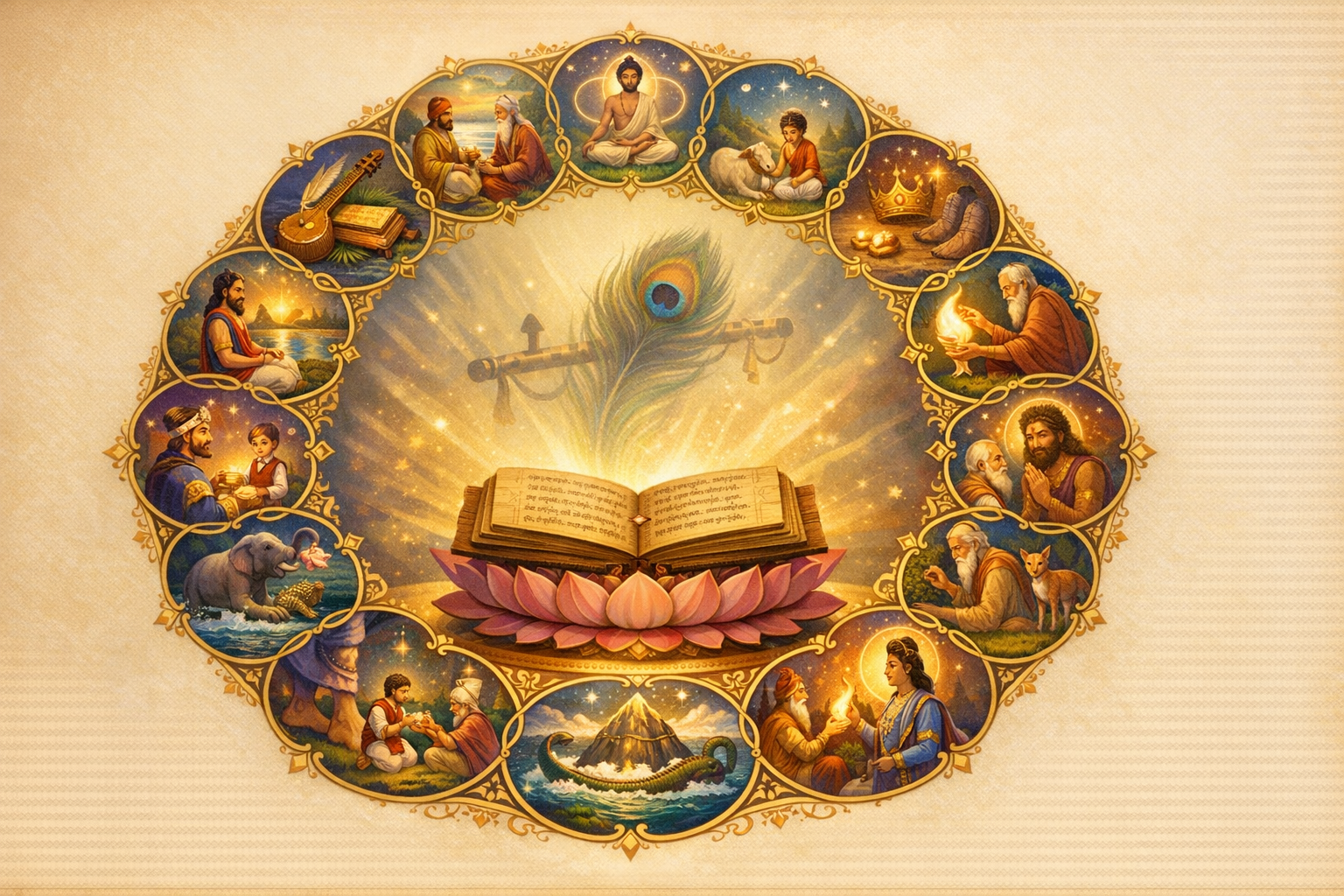
Srimad Bhagavatham (Bhagavata Purana) unites devotion, wisdom, and ethical action through narratives that are as practical as they are profound. This long-form guide curates 15 celebrated tales—from Dhruva’s tapas and Prahlada’s fearlessness to Ambarisha’s forbearance and Krishna’s Govardhan-lila—each situated in its Skandha context. Readers gain both narrative clarity and theological depth, including the power of…
-
Dharma in Daily Life: A Scholarly Guide to Virtue, Justice, and Well-Being Across Traditions

Dharma functions as a living code of virtue in the Hindu way of life, guiding choices that uphold justice, compassion, and social harmony. This long-form analysis explains its textual roots in the Upanishads, Dharmashastras, and the Bhagavad Gita, and shows how Purusharthas integrate ethics with prosperity and fulfillment. It offers a practical decision framework for…
-
Panchamukhi Ganapati Explained: Five Faces, Five Elements, and Mastery of the Senses

Panchamukhi Ganapati symbolizes the integration of the five elements and the five senses, aligning personal practice with Vedic cosmology. Drawing on the Ganapati Atharvashirsha, this exploration shows how Ganesha is identified with Earth, Water, Fire, Air, and Ether. The five faces are read as guardians of perception, action, and awareness, mapped by many iconographers to…
-
Srinivasa Mangapuram Vasanthotsavams 2026: Dates, Sevas, Golden Chariot & Pilgrim Guide
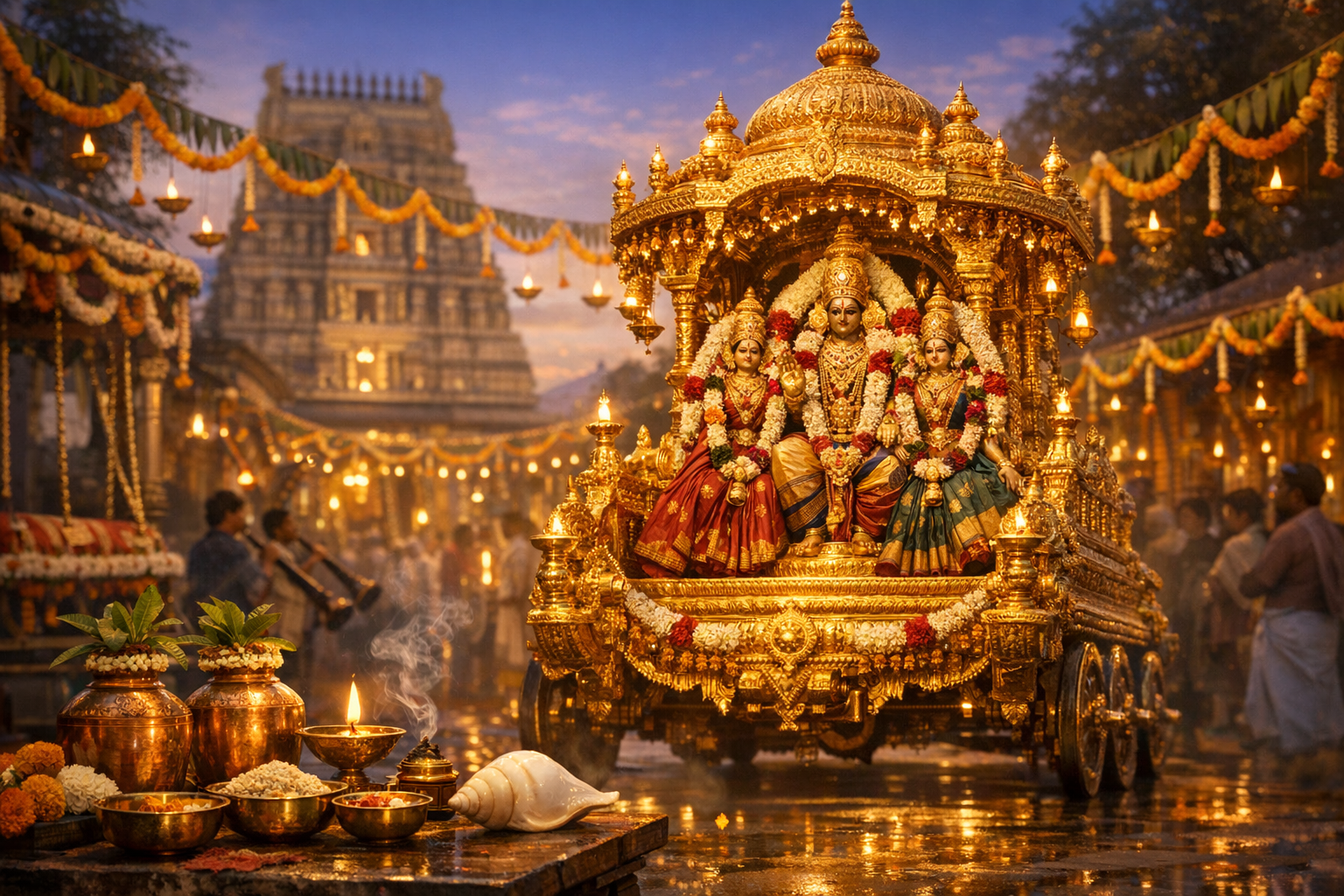
Srinivasa Mangapuram Vasanthotsavams 2026 will be observed from 7 to 9 May at the Sri Kalyana Venkateswara Swamy Temple near Tirupati. Each day features Snapana Tirumanjanam, Unjal Seva, and processions, with the Golden Chariot (Swarna Ratham) scheduled on 8 May from 6:00–7:00 pm. The festival’s rituals are curated for the spring season, using cooling substances…
-
Bhurishaya Bhairava: Unveiling the All‑Abundant Essence and Infinite Support of Existence

Bhurishaya Bhairava—one of the sacred 1008 names of Bhairava—encapsulates a Śaiva vision of existence as plenitude and support. Etymologically derived from bhūri (abundance) and śaya (resting/abiding), the epithet signals an inexhaustible ground of being in which the many both arise and find repose. Read through Kashmir Shaivism’s Bhairava triad (bha–ra–va), it highlights the sustaining rest…