-
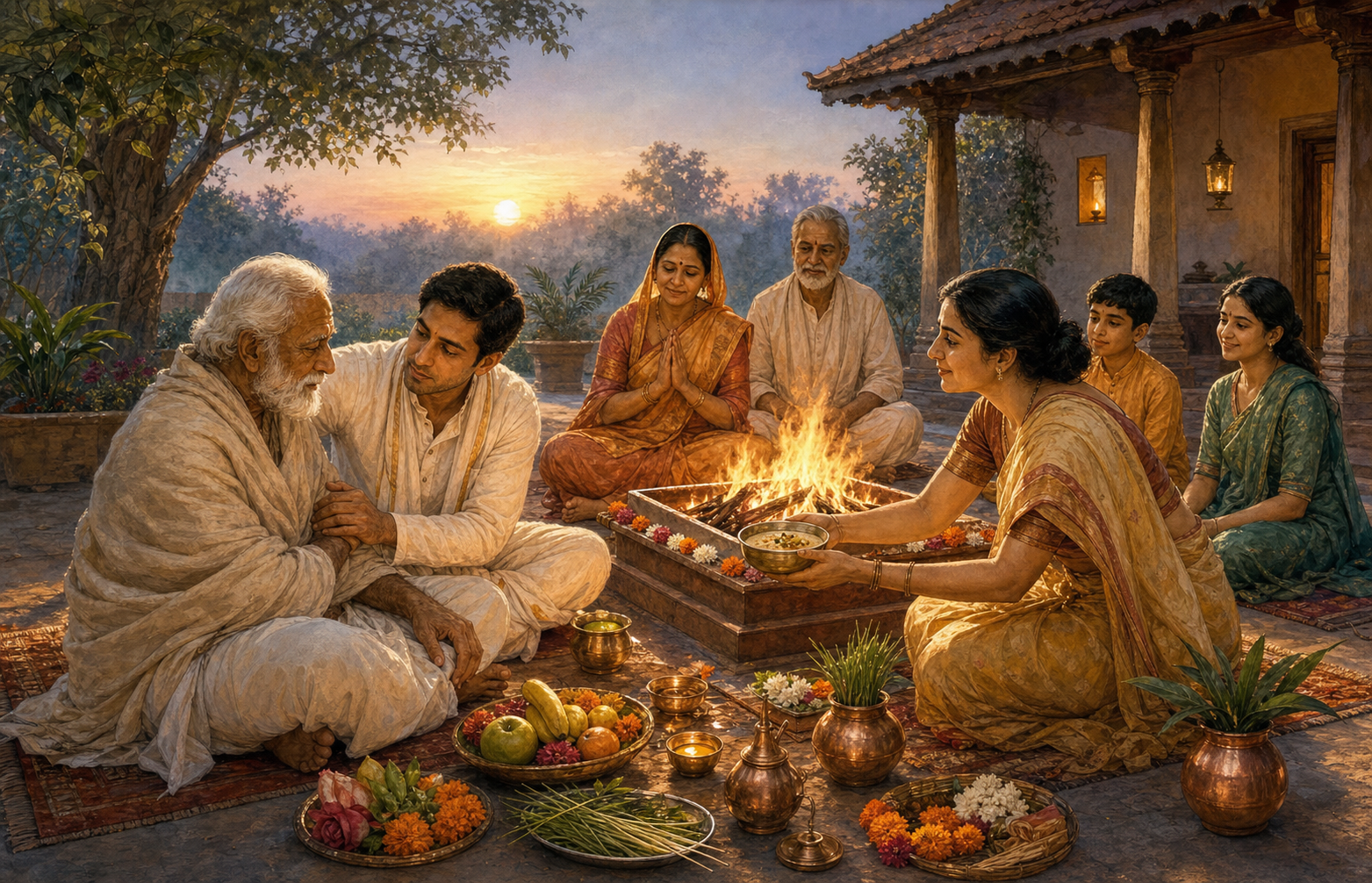
Gupt Daan Explained: The Transformative Power of Anonymous Giving in Dharmic Traditions

Gupt Daanhidden giving without publicity or expectationstands at the intersection of dharma and dignity. Anchored in the Bhagavad Gita’s ideal of sattvika dāna and echoed in Buddhism’s dāna pāramitā, Jain aparigraha, and Sikh nishkam seva and dasvandh, it nurtures humility while delivering tangible social good. This comprehensive guide explains its scriptural basis, ethical psychology, and…
-
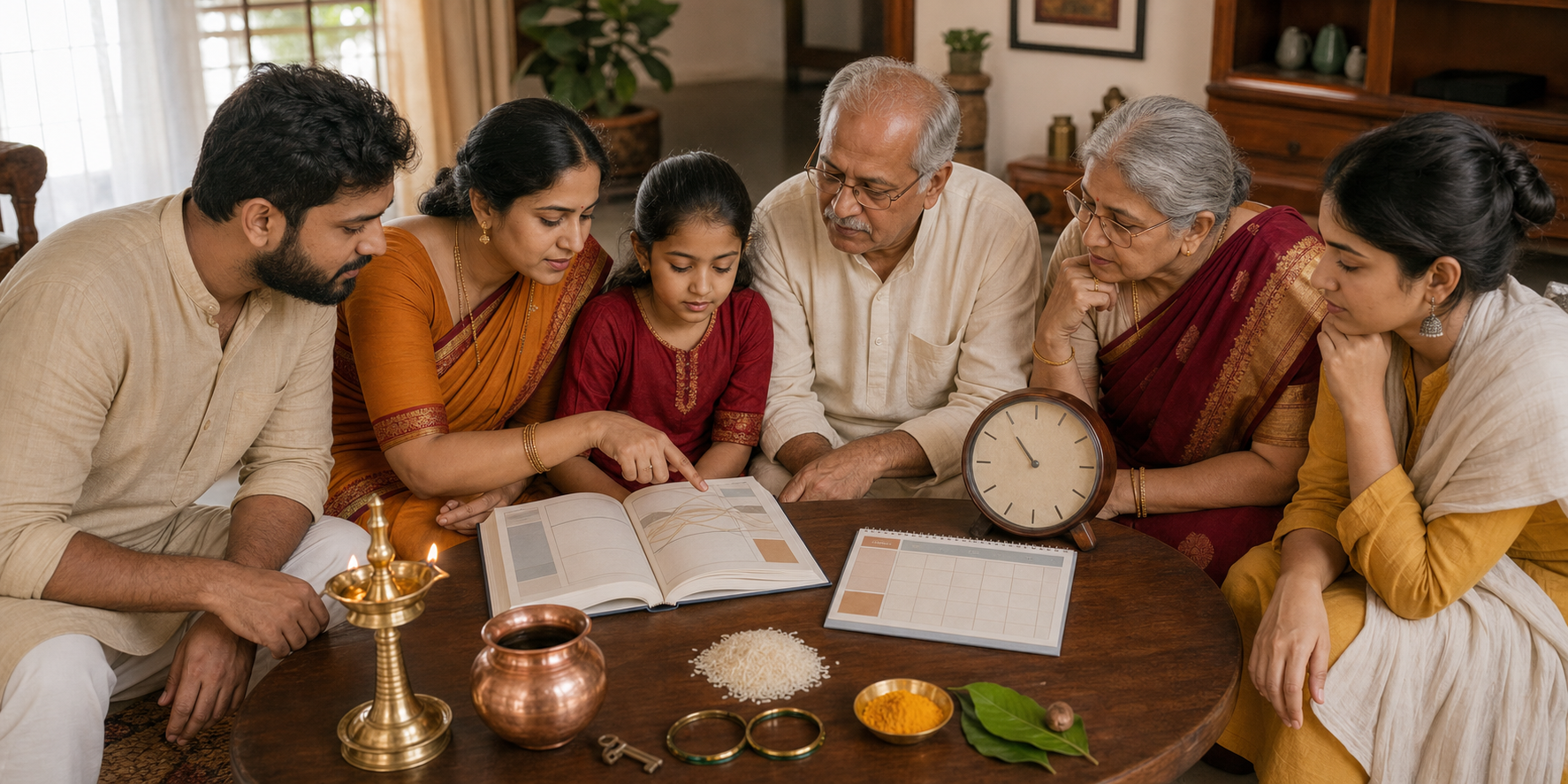
March 30, 2026 Panchang: Shukla Dwadashi to Trayodashi, Som Pradosh, Auspicious Timings

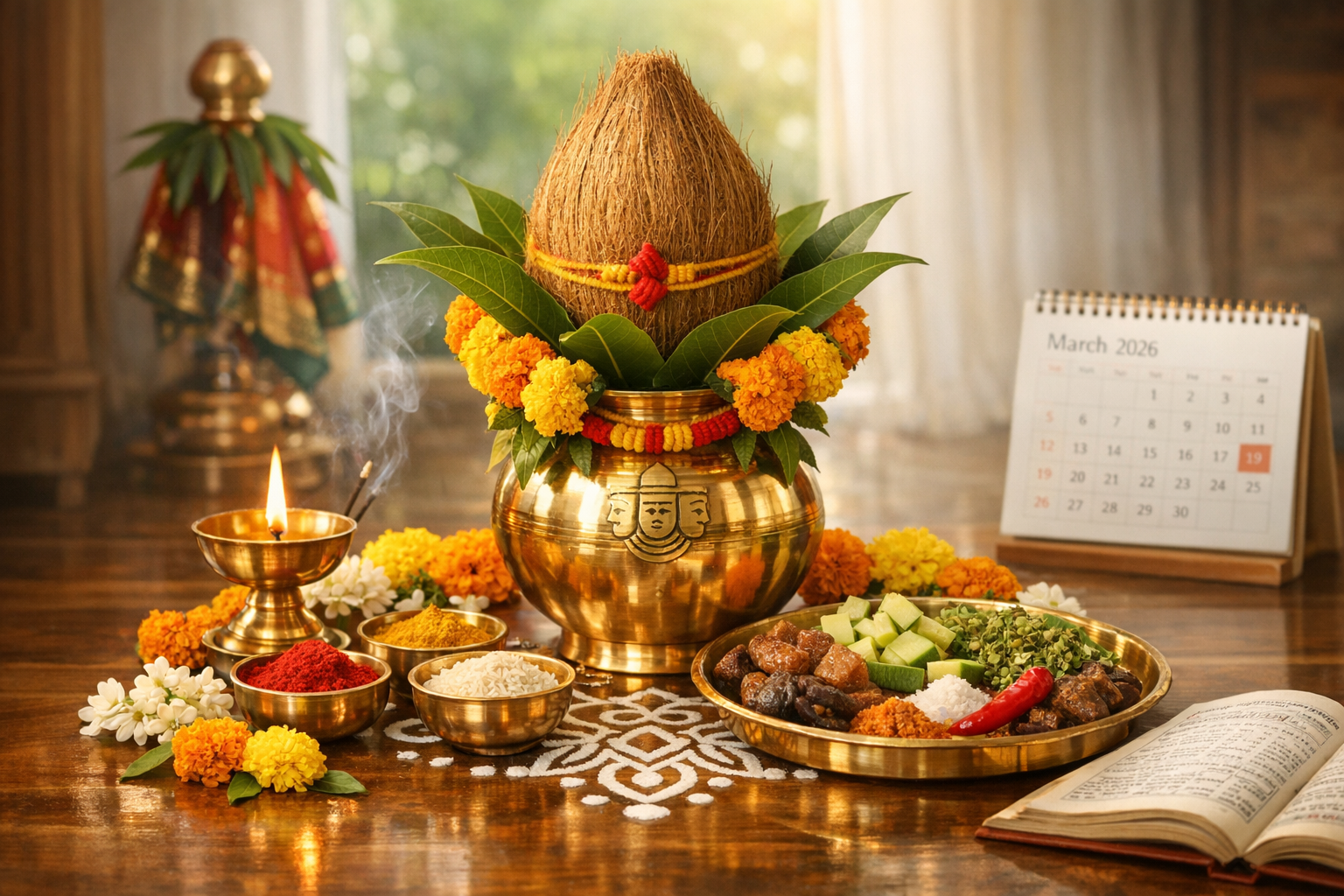
March 30, 2026 features Shukla Paksha Dwadashi until 07:20 AM (IST), then Shukla Paksha Trayodashi through the evening, enabling Som Pradosh observance at sunset. The post explains what a tithi is and why the transition time matters, ensuring accurate planning for Parana after Ekadashi and Pradosha Vrata. It clarifies how Nakshatra and Rashi are derived…
-
From Debate to Kinship: How Jadunath Sarkar and K.A. Nilakanta Sastri Shaped Indian Historiography

This essay reconstructs the formative encounter between Jadunath Sarkar and K.A. Nilakanta Sastri, situating it within the Modern Indian Renaissance and the wider debate over English versus vernacular mediums in historical pedagogy. It explains how Sarkar’s multilingual triangulation of Persian chronicles, Marathi bakhars, and regional records complemented Sastri’s epigraphic and philological reconstruction of South Indian…
-
Vamana Dwadashi 2026: Auspicious Date, Puja Vidhi, Fasting Guide, and Dharmic Significance

Vamana Dwadashi Vrat in 2026 falls on March 29, aligned with Chaitra Shukla Dwadashi, and honors Vaman deva (Lord Vishnu’s dwarf incarnation, 5th incarnation of Sri Hari) through worship, fasting, and charity. The observance emphasizes humility and right measure, reflecting the Trivikrama narrative in Srimad Bhagavatham, and invites households to renew ethical commitments at the…
-
From Ego to Empathy: A Dharmic, Science-Backed Path to a Cleaner Mind and Heart

Reducing self-absorption is a practical way to keep the mind clear and the heart clean. Dharmic traditionsHinduism, buddhism, jainism, and sikhismconverge on this insight through ahimsa, aparigraha, seva, metta, simran, and Yoga, offering unity in spiritual diversity. Psychological research on mindfulness, compassion training, and breath regulation supports these practices by reducing rumination, stabilizing attention, and…
-
Janma Shani for Makara Rashi: Definitive Guide to the Second 2.5 Years of Shani Sade Sati

This in-depth guide explains Janma Shanithe second 2.5-year phase of Shani Sade Satifor Makara Rashi using the sidereal Vedic framework. It clarifies recent timelines, why Saturn’s own-sign transit in Capricorn is intense yet constructive, and how the Saturn–Moon contact matures mindset, routines, and responsibilities. Readers learn nakshatra-specific nuances (Uttarashada, Shravana, Dhanishta), how Ashtakavarga points shape…
-
When Mistakes Happen: A Dharma-Guided, Science-Backed Playbook for Calm, Compassionate Resilience

Errors are inevitable, but responses can be principled, compassionate, and effective. This essay synthesizes dharmic wisdom from Hinduism, Buddhism, Jainism, and Sikhism with evidence-based tools from behavioural science and reliability engineering to offer a practical protocol for handling mistakes. Readers will learn a five-step responseregulate, acknowledge, repair, learn, and recommitthat protects relationships while improving systems.…
-
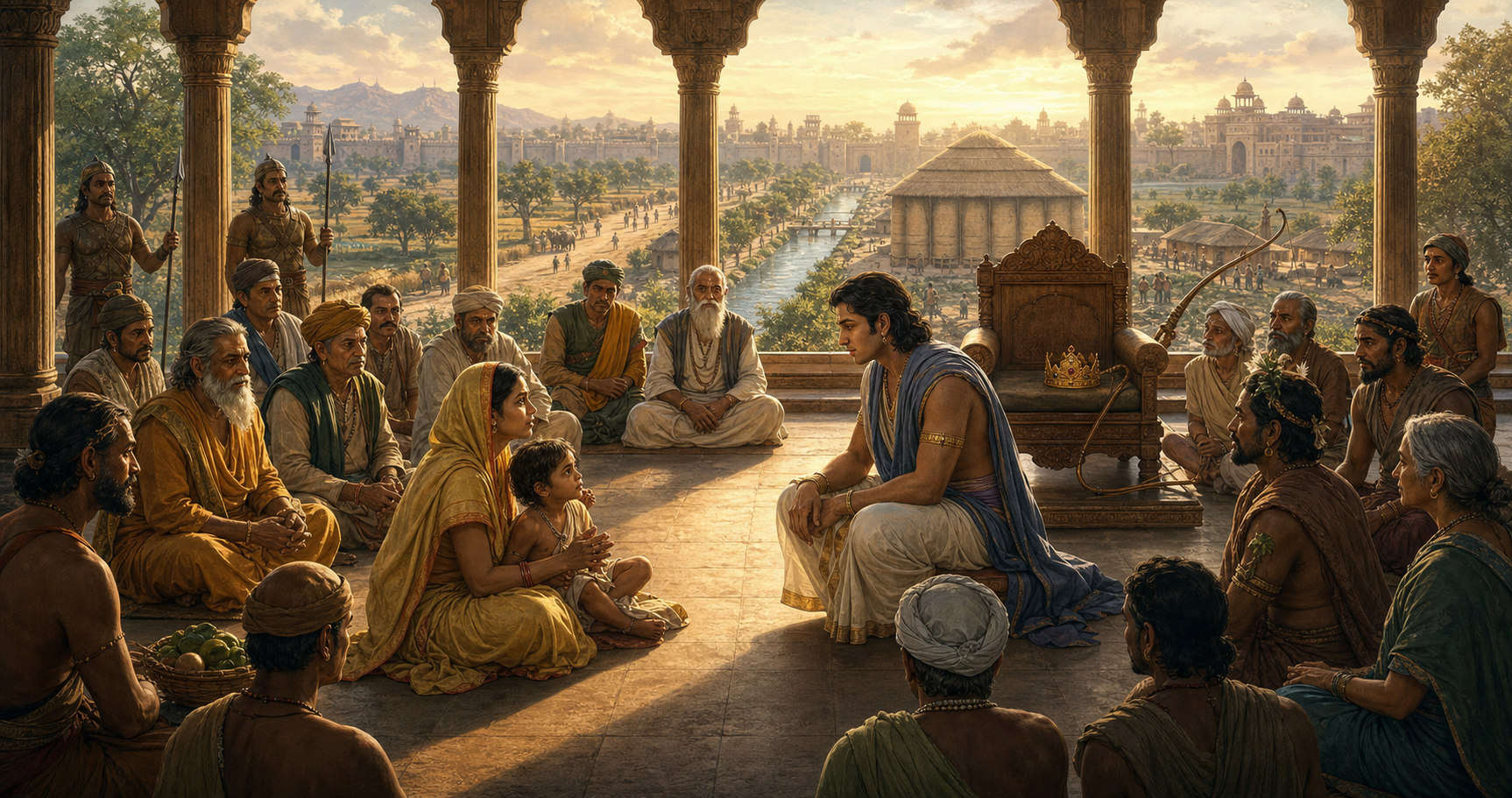
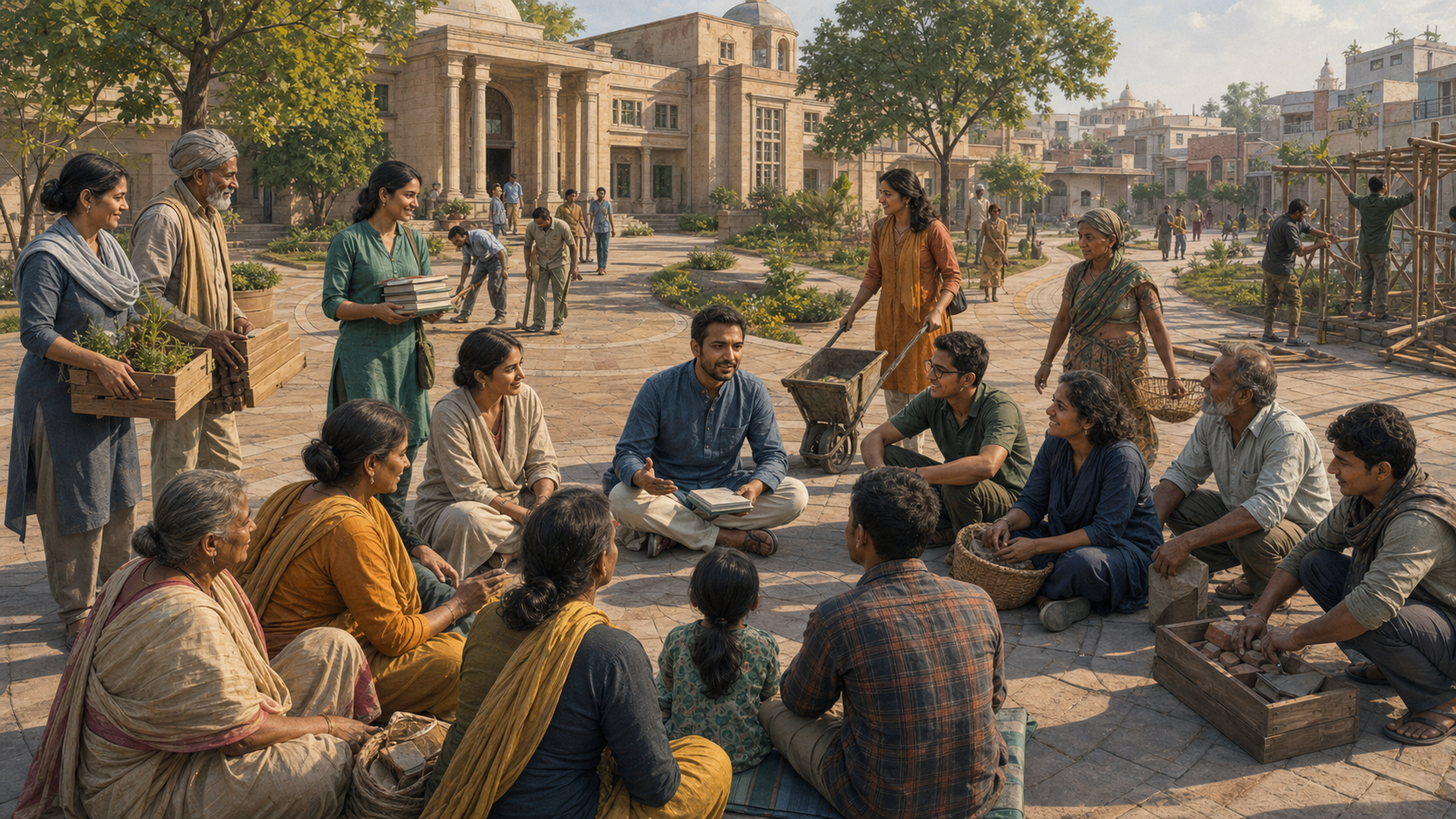
Vasudhaiva Kutumbakam Today: A Dharmic Blueprint for Unity, Security, and Shared Prosperity

Vasudhaiva Kutumbakam the world is one family is reframed here as a practical, measurable framework for public policy, interfaith harmony, and global cooperation. Rooted in the Maha Upanishad and echoed across Buddhism, Jainism, and Sikhism, the concept aligns ethical statecraft with inclusive development and human security. The analysis outlines design principles dignity by default, dialogue-first,…
-
Unraveling Karma’s ‘Complicated Play’: Dharmic frameworks of action, causality, and grace

This long-form guide unpacks why “Gurudev says that it is a complicated play,” showing how Karma operates across intention, action, impressions, and outcomes. It compares Hindu, Buddhist, Jain, and Sikh frameworks, clarifying doership, responsibility, and grace without collapsing their differences. Readers gain a precise map of sañcita–prārabdha–kriyamāṇa, Buddhist intentionality (cetanā) and dependent origination, Jain karmic…
-
Shani Sade Sati for Makara Rashi: Mastering the Final 2.5 Years in Aquarius (Paada Shani)

Shani Sadesati for Makara Rashi culminates when Saturn enters Aquarius (Kumbha), initiating the final 2½-year Paada Shani phase. Because Aquarius is Saturn’s own sign and Moolatrikona, the transit is strong, procedural, and results-oriented. As the 2nd house from the Capricorn Moon, Aquarius concentrates Saturn’s discipline on finances, speech, family duty, and value systems. Outcomes vary…
-
Sade Sati for Makara Rashi (Capricorn): Precise 2017–2025 Dates, Phases, Effects, and Remedies

This comprehensive guide presents the exact sidereal dates and approximate Indian Standard Time (IST) timings for Sade Sati of Makara Rashi (Capricorn Moon): from its first phase in Dhanu beginning 26 January 2017, through the core Makara phase (24 January 2020–17 January 2023), to its conclusion as Saturn exits Kumbha on 29 March 2025. It…
-
Serpents, Secrets, and Shakti: Decoding the Hidden Power of Goddess Guhya Kali

This in-depth exploration decodes the symbolism of serpents alongside the esoteric presence of Goddess Guhya Kali in Shakta Tantra. It clarifies the meaning of guhya (secret) as ethical, paced revelation and shows how Kali, as Shakti, cuts through inner knots that obscure clarity. Readers gain a technical overview of kundalini, the nadis (ida, pingala, sushumna),…
-
Jammu University Syllabus Row: Protests Over Jinnah Chapter Ignite India’s History Debate

Protests at the University of Jammu over a Jinnah-related syllabus entry have intensified a national debate about how Indian universities should teach contested histories. This analysis clarifies the difference between inclusion and endorsement, situating Jinnah within a broader, evidence-based study of constitutional debates, the two-nation theory, and Partition. It outlines the legal-institutional pathways for curriculum…
-
Breaking the Invisible Cage: Hindu Dharma on Renewal, Impermanence, and Dynamic Living

Modern routines can harden into an invisible cage, but Hindu Dharma treats life as ceaseless transformation rather than fixed habit. This essay explains why stagnation is a spiritual peril, using core ideas such as samskara, gunas (sattva–rajas–tamas), abhyasa–vairagya, and rita. It distinguishes lifeless routine from living rhythm, showing how nitya- and naimittika-karmas, pranayama, dhyana, and…
-
Srila Prabhupada’s Compassionate Diplomacy: Inclusive Lessons for Spreading Love of Krsna

This analysis explores Srila Prabhupada’s “compassionate diplomacy,” as described by Srutakirti dasa, highlighting how calibrated guidance and empathetic outreach awakened love of Krsna without discouraging seekers. It explains the pedagogical logic behind encouraging feedback and reserving chastisement for those ready to benefit, aligning with Vaishnava ethics and modern motivational research. Readers gain practical principles for…
-
Arise and Awaken: Why Sense Control is the First Mastery on the Path to Liberation

A rigorous yet accessible exploration explains why control of the senses is the first indispensable skill for Self-Realization across Hinduism, Buddhism, Jainism, and Sikhism. Drawing on the Bhagavad Gita, Upanishadic insights, and Patanjali’s Yoga, it clarifies pratyahara as alignment rather than repression. Practical guidance shows how breath-led meditation, japa, and ethical living reduce impulsivity, stabilize…
-
Honoring Senior Devotees: Cultivating Humility, Strength, and Unity in Dharmic Life

Appreciating senior devotees is a disciplined expression of Vaisnava etiquette that advances purification and steadies bhakti. Seen through the lens of the Guru-Shishya Relationship, respect for elders functions as sadhana by transmitting lived virtues through satsanga and seva. Early arrogance often stems from ignorance of history; understanding the sacrifices of senior devotees, including those who…
-
4,000+ Gather in Chhatrapati Sambhajinagar for Hindu Rashtra-Jagruti Sabha, Affirming Dharmic Unity

More than 4,000 devout Hindus assembled peacefully in Chhatrapati Sambhajinagar for a Hindu Rashtra-Jagruti Sabha focused on cultural awareness, civic duty, and dharmic unity. Set within a historically diverse Maharashtrian city, the event highlighted how cultural affirmation can align with interfaith respect and constitutional propriety. The sabha’s educational orientation emphasized seva, heritage stewardship, and lawful…
-
Gudhi Padwa Unites Maharashtra: HJS Leads Collective Gudhi Pujan Welcoming the Hindu New Year

Gudhi Padwa was marked across Maharashtra with coordinated collective gudhi pujan ceremonies led by HJS and community partners, transforming household worship into a shared civic celebration of the Hindu New Year. The observances highlighted the calendrical precision of Chaitra Shukla Pratipada and the Shalivahana Shaka, with panchang readings that deepened public understanding of the Hindu…
-
Unlocking Swayamprabha’s Inner Light: Ramayana Symbolism, Feminine Resilience, and Modern Relevance

Swayamprabha’s brief yet pivotal appearance in the Ramayana illuminates how inner luminosity, disciplined through tapas and expressed as seva, can convert heartbreak into creative momentum. Positioned in the Kishkindha Kāṇḍa, her guidance reorients Hanuman’s search party from a dazzling cave of māyā back to purpose, modeling threshold guardianship and ethical hospitality. The symbolism converges with…