
-
How a 1990s HRD Directive Stalled Ayodhya Excavationsand Shaped the Ram Mandir Timeline
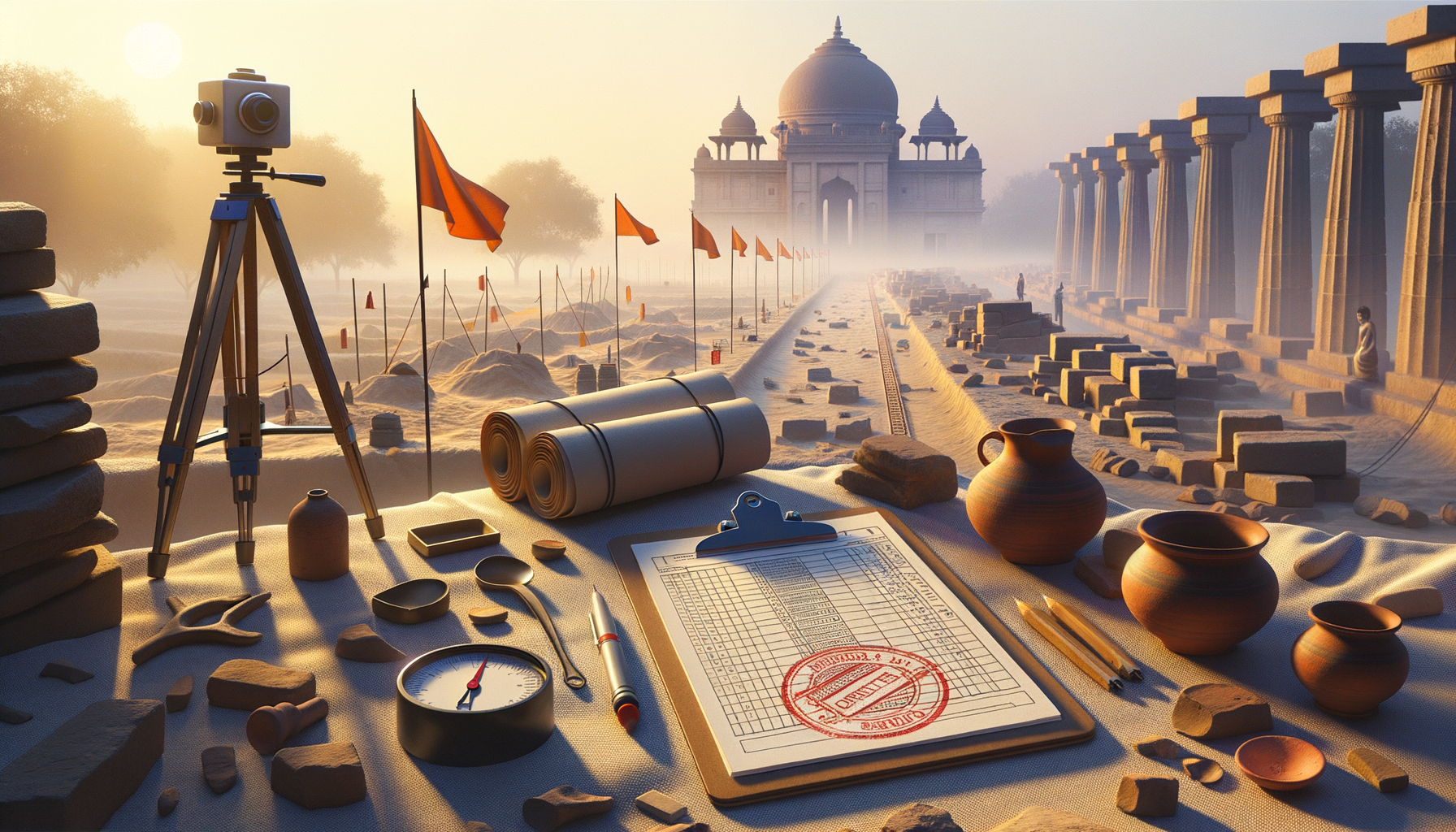
The post examines how an HRD Ministry directive in the 1990s, issued to ASI official K.V. Ramesh, effectively slowed Ayodhya excavations and influenced the Ram Mandir timeline. It situates the directive within a complex political and social climate following December 6, 1992, emphasizing the need for transparent, court-supervised archaeology. The analysis explains how administrative pauses…
-
Padma, Sovereign of the Nagas: Mahabharata Lessons for Inner Harmony and Unity
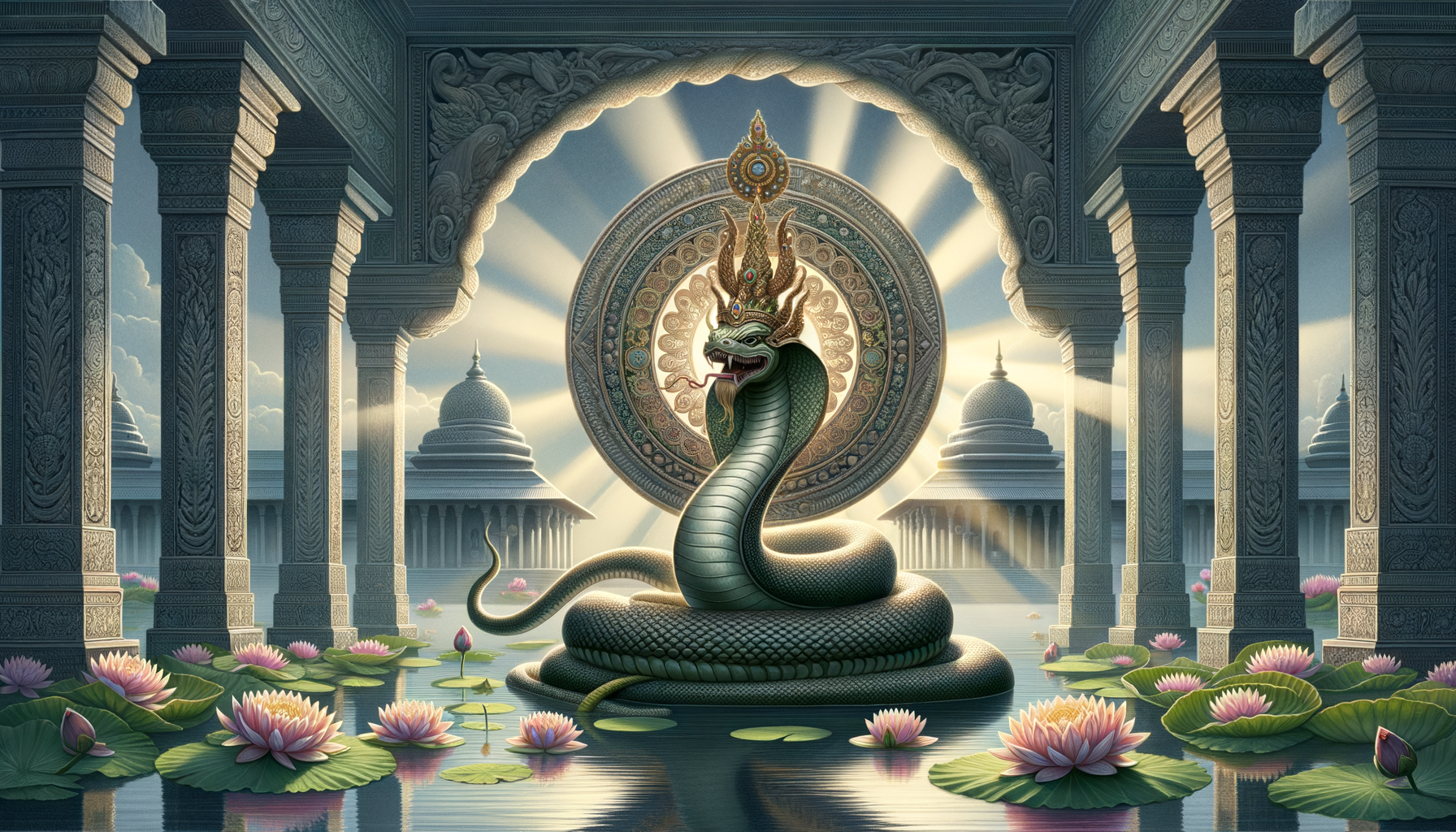
Padma, the king of serpents in the Mahabharata, emerges as a model of sovereign wisdom anchored in dharma. Cited in Sabha Parva 9 and Shanti Parva 363–371, his presence signals ethical leadership founded on reflection, restraint, and care for the vulnerable. Serpent symbolism frames Padma as a guardian of life’s sources and a custodian of…
-
Trinath Mela of Odisha, Bengal and Assam: A Living Tapestry of Devotion, Music, and Dharmic Unity

Trinath Mela, or Trinatha Festival, is a folk-religious fair centered in Odisha and observed in parts of Bengal and Assam. It venerates “Trinath,” the Trinity of Brahma, Vishnu, and Shiva, and expresses a core dharmic idea that many forms can reflect one truth. The celebration features kirtan, folk music, communal kitchens, and public gatherings that…
-
November 10, 2025 Panchang: Precise Tithi Timings from Panchami to Sashti (Krishna Paksha)

November 10, 2025 features a clear tithi transition in the Hindu calendar: Krishna Paksha Panchami lasts until 8:02 AM, after which Krishna Paksha Sashti prevails in most regions. The post explains the meaning of these waning-phase tithis and how they guide daily observances. Readers gain practical clarity for planning worship and routines around the morning…
-
Academic Freedom or Hinduphobia? A Call for a Fact-Based ‘Who Owns Hindutva?’ Debate

Rutgers University’s recent panel on “Hindutva in America” has reignited debate about academic freedom, Hinduphobia, and the fair representation of Hindu, Buddhist, Jain, and Sikh perspectives. Observers argue that one-sided framing and mischaracterized symbols undermine pluralism and public understanding. A fact-based “Who Owns Hindutva?” forum is proposed to convene diverse scholars and community voices, including…
-
Unforgettable Courage in Meerut: Interfaith Solidarity That Shielded a Sikh Family in 1984

This reflective account from Meerut presents a vital counter-narrative to the 1984 Sikh riots: Hindu neighboursAshok, Ram, and landlord Pandit Nevla Prashadwho protected a Sikh family amid crisis. The testimony highlights interfaith solidarity, communal harmony, and the enduring strength of everyday ethical action. It connects lived experience to core dharmic values shared across Sikhism, Hinduism,…
-
Why Brahma Refuses Immortality Boons: Timeless Dharma, Cosmology, and the Path to Moksha

Why does Brahma never grant immortality? In Hindu cosmology, even the creator functions within time and cannot override the laws of dharma and karma. Puranic narratives, such as the story of Hiranyakashipu and Narasimha, illustrate that boons are conditional to preserve cosmic balance. This view shifts focus from bodily permanence to moksha, aligning with the…
-
Sangli Police Complaint Seeks Decisive Action on Mustafa Mulani, Upholds Community Harmony
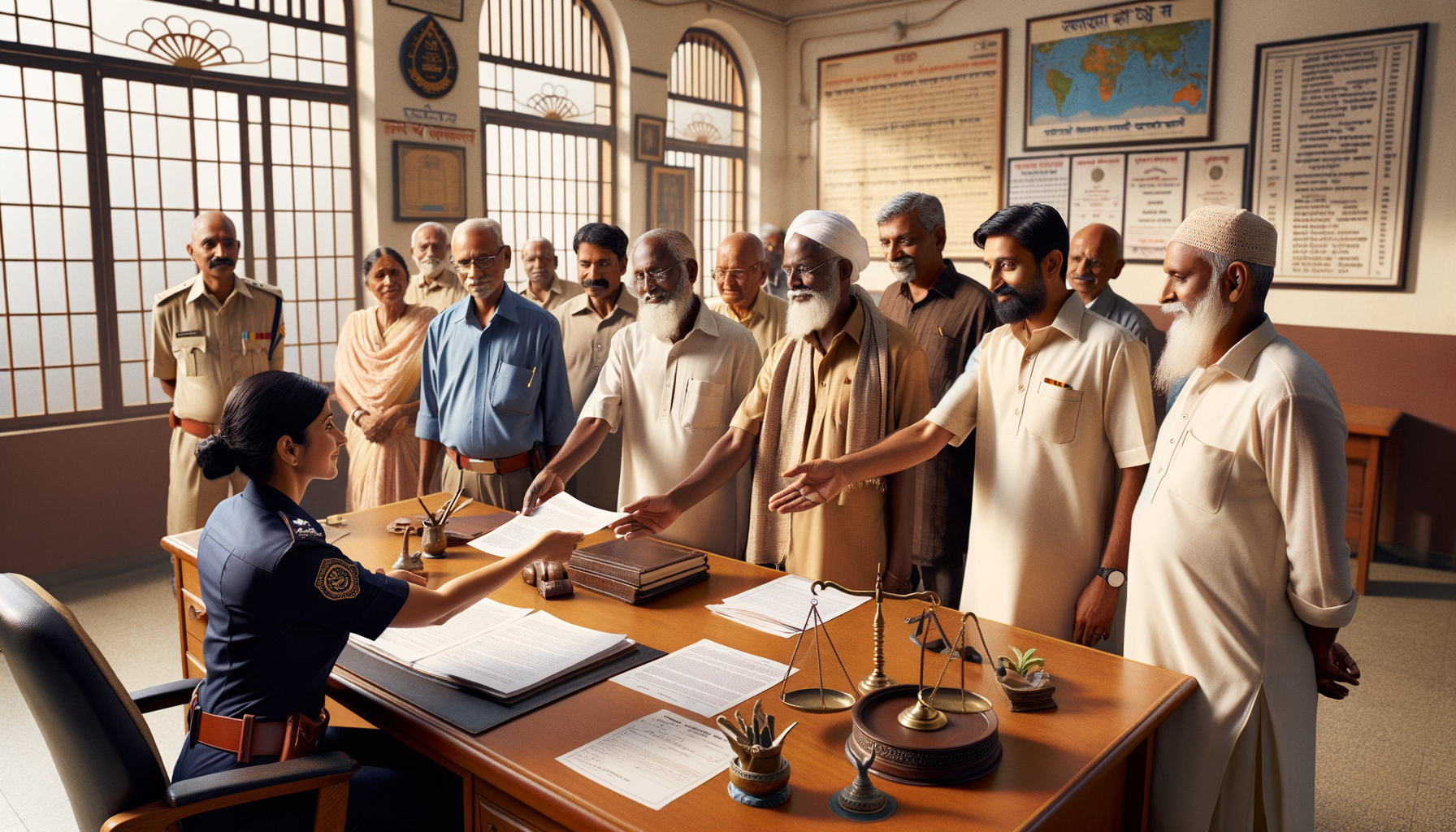
Hindu Ekata Andolan representatives filed a complaint at the Sangli City Police Station seeking a case against Mustafa Mulani and calling for stringent legal action. Turning to due process helps de-escalate tensions and builds confidence in institutions. A transparent, even-handed inquiry protects rights, reduces rumor, and upholds the Rule of Law. Community experience suggests that…
-
Rajasthan’s Anti-Conversion Law: Prior Permission, Ghar-Wapsi, and Religious Freedom
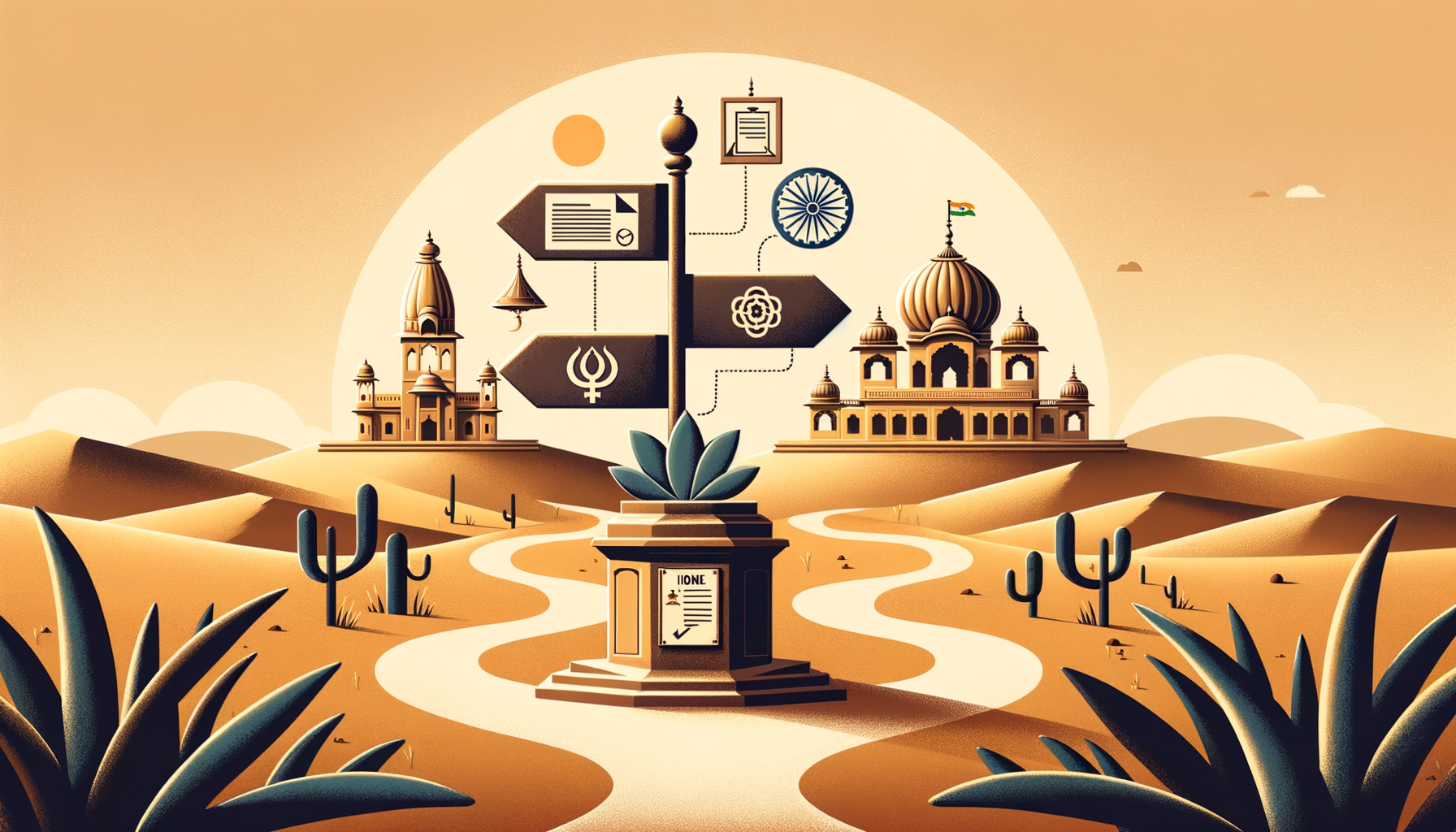
Rajasthan’s anti-conversion law requires prior Government permission for any change of religion, while exempting ‘ghar wapsi’a return to one’s original faith. The policy distinguishes new affiliation from reversion, aligning the latter with continuity of identity. For families, the process encourages clarity and documentation, while institutions may benefit from greater transparency. Reactions vary: some see safeguards,…
-
Nishachar Thakur of Jamirta: Headless Guardian of Mahakal Bhairav on Kali Puja Night

In Jamirta, Sirajganj (Bangladesh), local oral tradition remembers Nishachar Thakuralso known as Nilkundaas the headless attendant of Mahakal Bhairav, with special devotion expressed during Kali Puja on Agrahayan Amavasya. Centered at the Paglanath temple by the riverside, the narrative blends vigilant service, protection, and communal memory. The “headless” form is interpreted as a symbol of…
-
Why Folk Ramayanas Embrace Both Virtue and Transgression: Plural Voices, Deeper Dharma
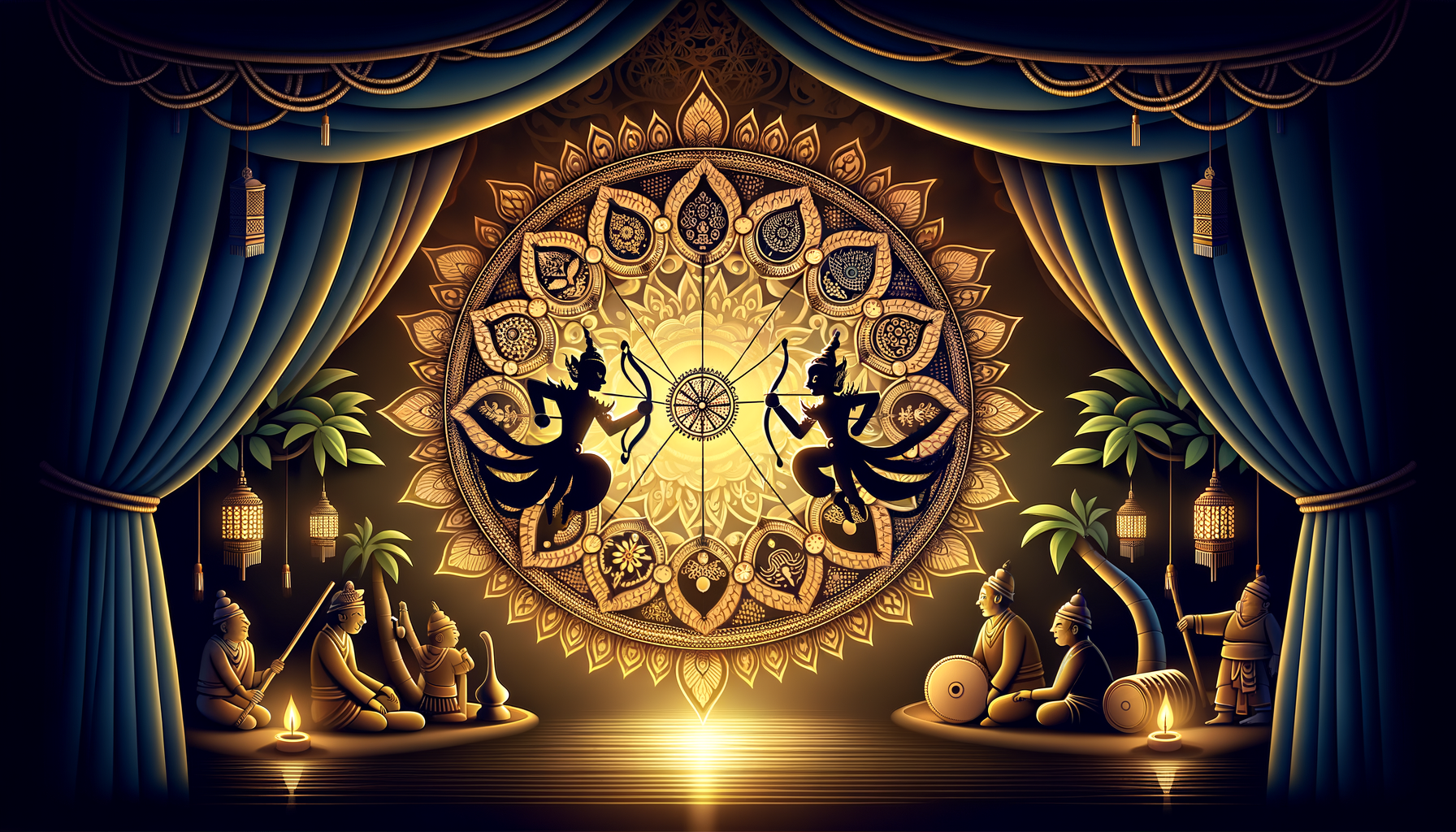
Folk Ramayanas across India and Southeast Asia soften the boundary between dharma and adharma, using oral performance and rasa to humanize all sides. By reframing antagonists as educative foils rather than fixed enemies, these traditions promote empathy, critical reflection, and community dialogue. Regional adaptationsfrom Kamba Ramayanam to the Thai Ramakien and Cambodian Reamkerembed the epic…
-
Every Guy: A Stirring Devotional on Abstinence, Self-Mastery, and Dharmic Unity
Every Guy offers a thoughtful, devotional portrayal of abstinence as a compassionate form of self-mastery. By emphasizing restraint as a pathway to clarity and service, it aligns with shared values in Hinduism, Buddhism, Jainism, and Sikhism. The collaboration of Bhaktimarga Swami, Paul, and Nityananda Das yields a reflective pace that invites mindful attention. Viewers gain…
-
Rising Maha Mantra: Transcendental Sound, Urban Rush, and the Soul’s Subtle Listening
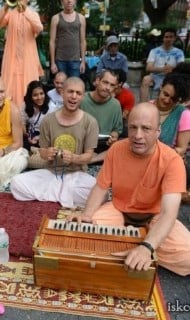
In the midst of New York’s rush hour, Sri Chaitanya Mahaprabhu’s Harinama Sankirtan Mission demonstrates how transcendental sound can calm and focus the mind. The rising Maha Mantra, guided by a kirtan leader shaped by Srila Prabhupada’s mercy, creates a vibrant yet contemplative atmosphere. Even when commuters do not look up, the inner earthe Soul’s…
-
Rise to Spiritual Heroism: Cultivating Compassion and Dharmic Unity in a Material Age
Contemporary culture often prizes material success over meaning, leaving many feeling restless and disconnected. This article presents spiritual heroism as a steady, practical path back to dharma through daily meditation, truthful speech, mindful consumption, and seva. Drawing on shared virtues across Hinduism, Buddhism, Jainism, and Sikhismahimsa, karuna, seva, and satyait reframes spirituality as an inner…
-
From Print to Masterpiece: The Bhaktivedanta Manor Pancha‑Tattva Painting’s Legacy
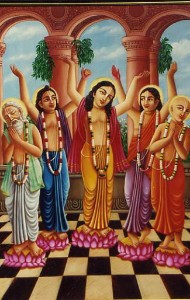
A small devotional print discovered while tending to Srila Prabhupada’s rooms inspired a major temple artwork at Bhaktivedanta Manor. The narrative traces how the Pancha‑TattvaLord Caitanya, Lord Nityananda, Sri Advaita, Sri Gadadhara, and Srivasamoved from a humble image to a 4 by 5 foot oil painting. Set against the historic backdrop of the 1973 Rathayatra…
-
Hosabale Rebuts Kharge: Courts and Citizens Render an RSS Ban Unworkable, Protecting Pluralism
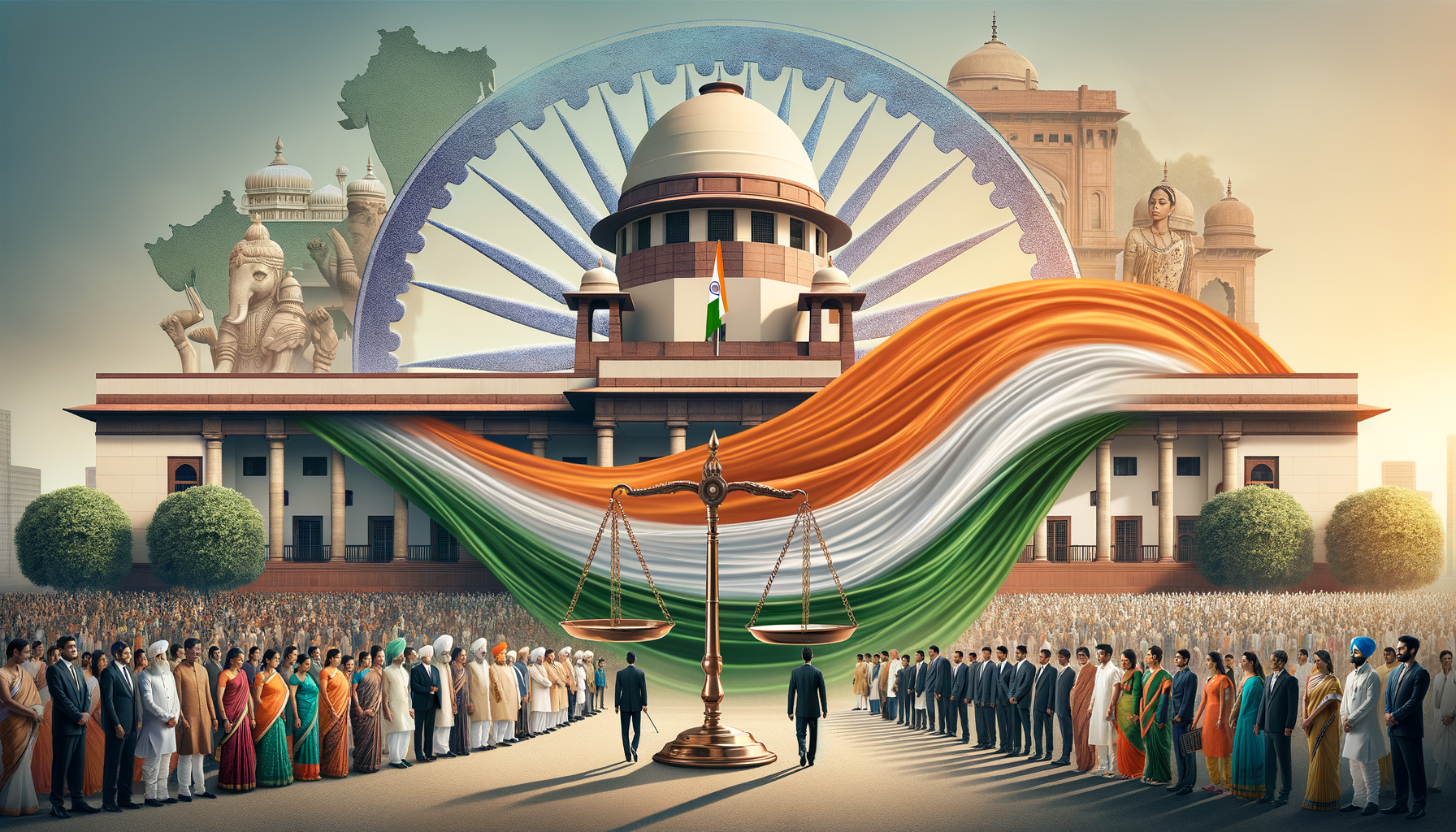
Dattatreya Hosabale’s response in Jabalpur to Mallikarjun Kharge’s call for an RSS ban situates the issue within India’s constitutional framework and public sentiment. He underscores that decades of administrative scrutiny and judicial oversight have not yielded a lasting, court-sustained prohibition of the Rashtriya Swayamsevak Sangh (RSS). The argument also turns on social legitimacy, noting that…
-
Harnessing Positive Thought: Dharmic Wisdom to Consciously Shape Life, Karma, and Destiny
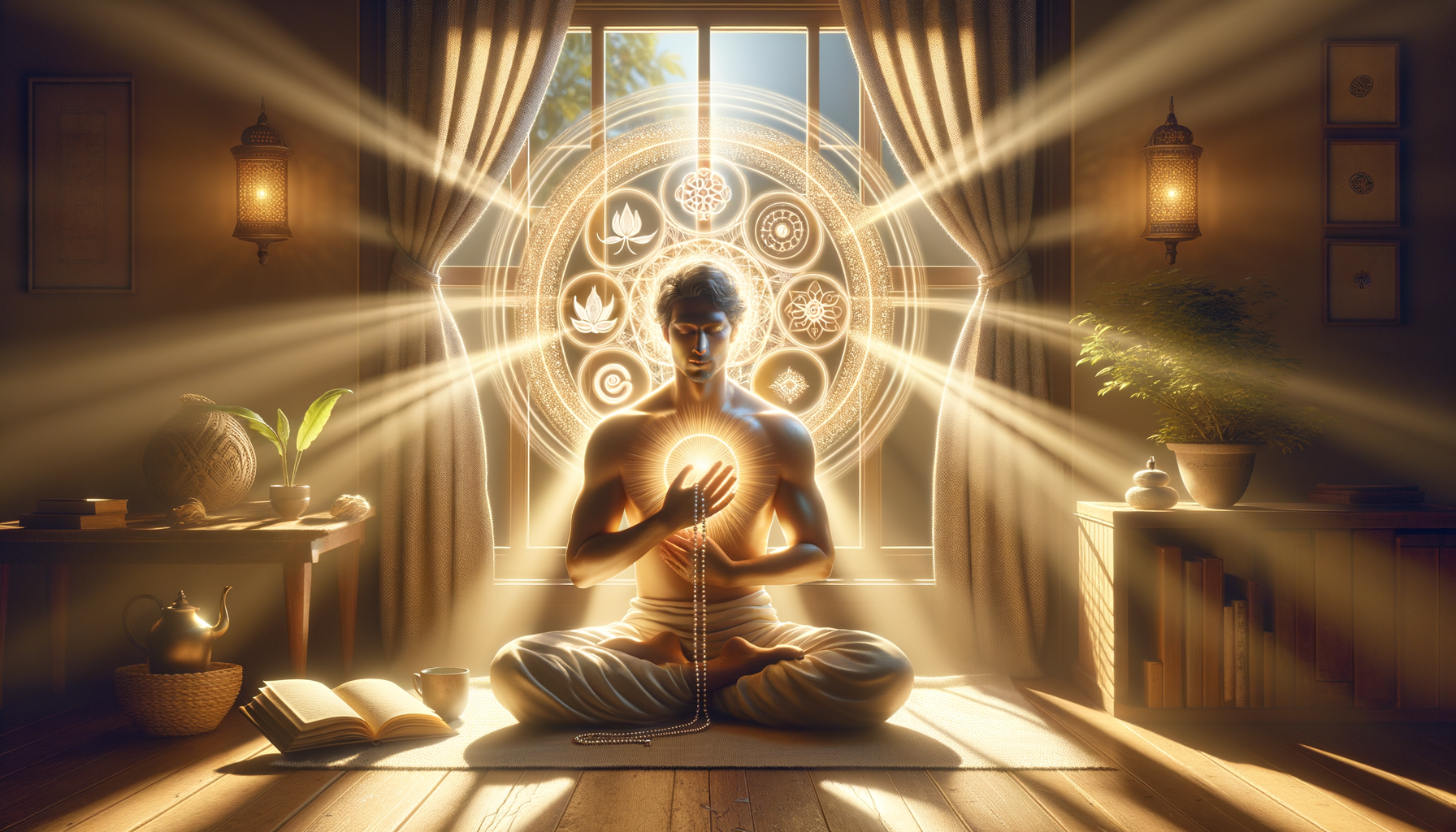
Hindu philosophy teaches that consciously choosing positive thoughts is a disciplined way to shape life, karma, and destiny. This insight aligns with Yoga’s pratipaksha-bhavana, the Bhagavad Gita’s call to self-mastery, Buddhist mindfulness, Jain bhavana, and Sikh simran. Together, these traditions present a unifying dharmic framework for mental cultivation and ethical clarity. Practical stepssankalpa, pranayama, japa,…
-
Bound or Beyond? Hinduism’s View of Belief, Free Will, and Compassionate Spiritual Unity
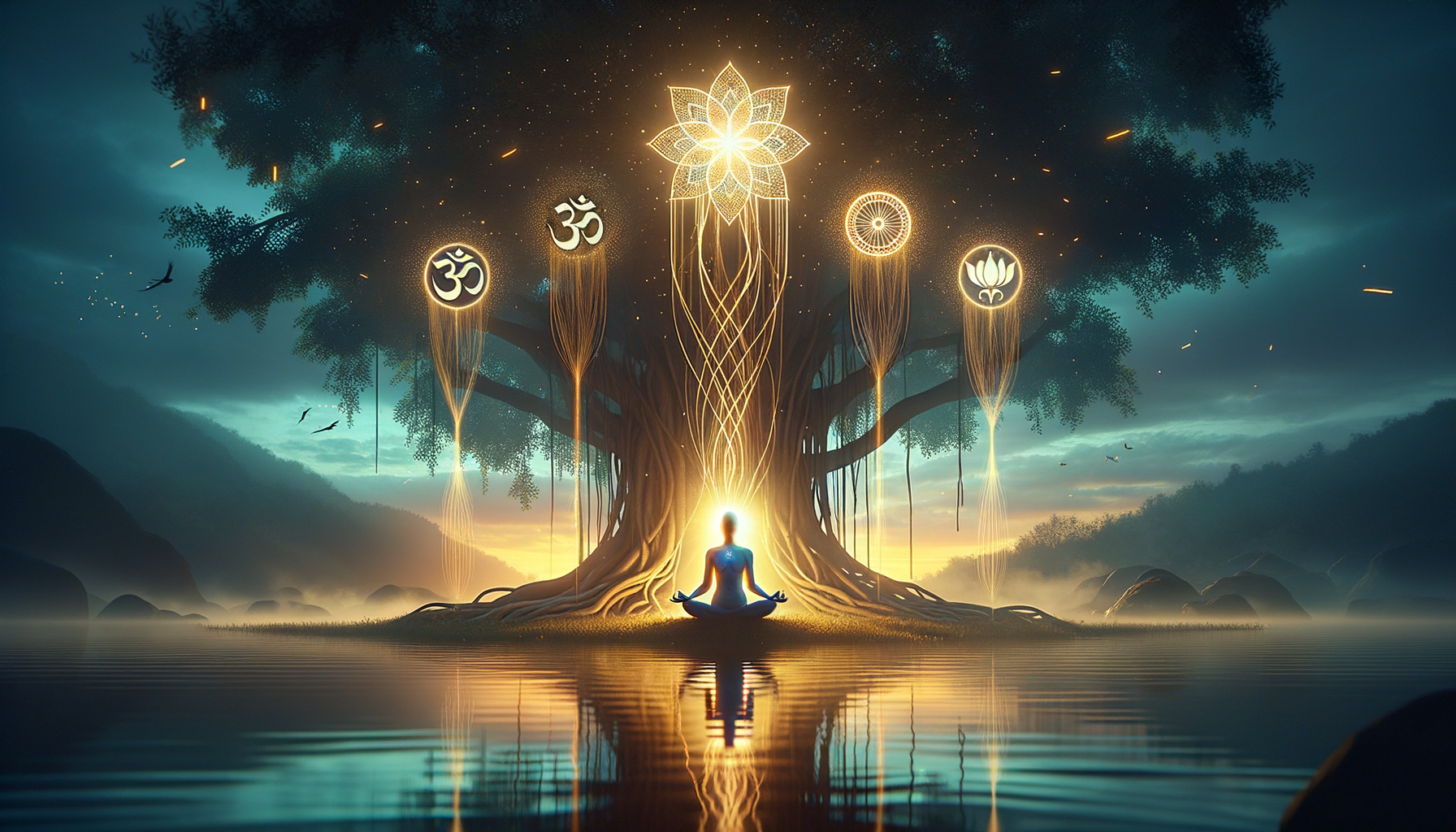
Do beliefs bind or set one free? Through Hindu philosophy and its Dharmic cousinsBuddhism, Jainism, and Sikhismthis piece explains how belief can guide without imprisoning. It shows how dharma and sadhana (practice) transform conviction into compassionate action. Readers gain a clear framework from the Upanishads and Bhagavad Gita on agency, karma, and svadharma. The article…
-
Joshmani Sect and Nirguna Devotion: Timeless Wisdom Uniting Hinduism’s Dharmic Family

The Joshmani sect in Hinduism centers on Nirguna devotionrealizing the formless Divine through contemplation, sincerity, and ethical living. Its approach complements Saguna bhakti, affirming Hinduism’s many valid paths rather than elevating one over another. Grounded in Vedanta and the Upanishads, it favors substance over ritual excess while respecting Vedic heritage. The tradition aligns with Ishta,…
-
Tulsi Vivah & Tulsi–Shaligram Puja: Sacred Union, Symbolism, Rituals, and Blessings
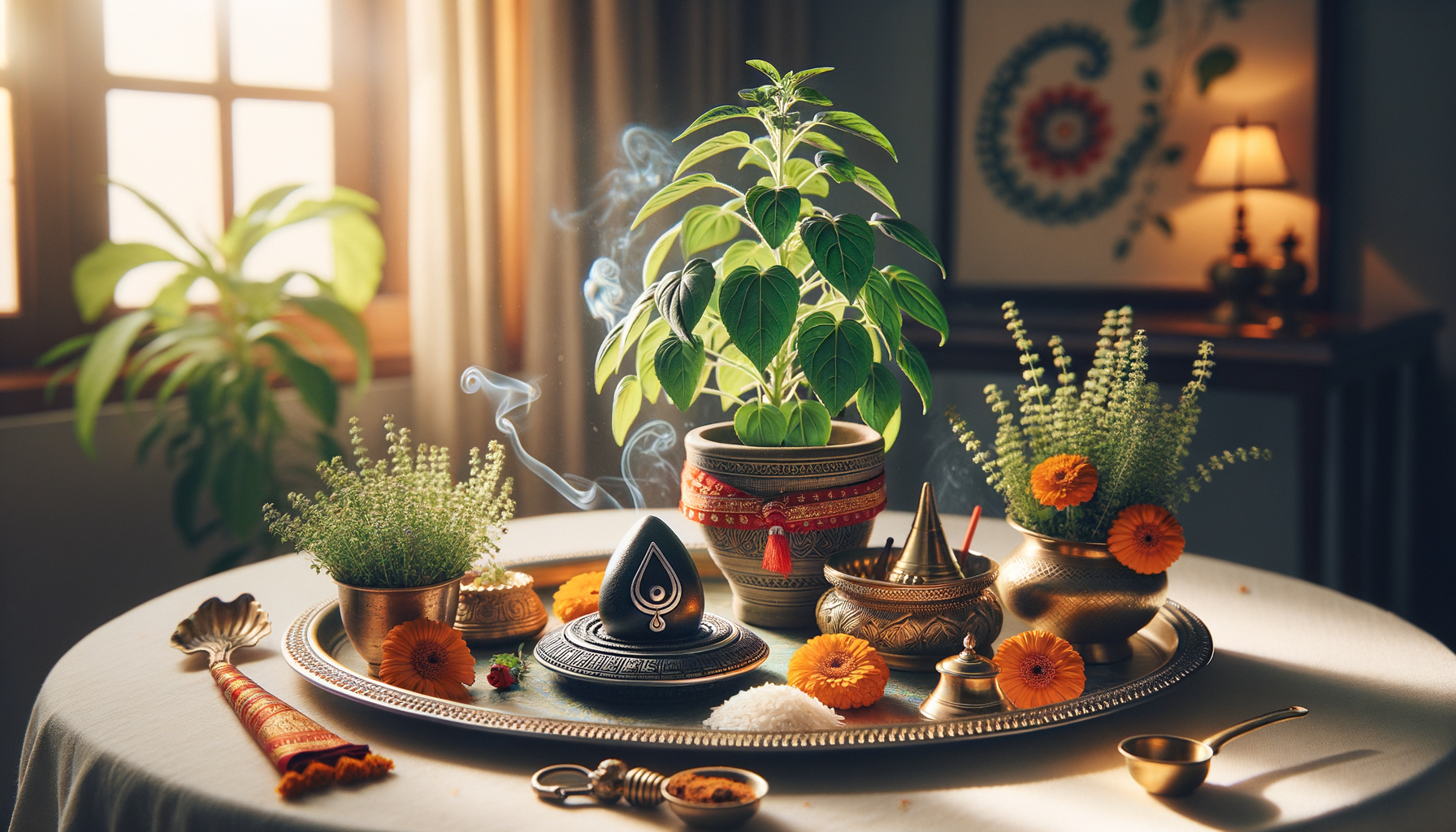
Tulsi Vivah and Tulsi–Shaligram Puja honor a sacred union that brings cosmic symbolism into the heart of household worship. Observed around Prabodhini Ekadashi in Kartik, these rituals mark the close of Chaturmas and the start of the Hindu wedding season. The pairing of Tulsi (as Lakshmi or Vrinda) with Shaligram (as Vishnu) conveys ethical teachings…