
-
From Survival Mode to Steady Ground: Evidence-Based Steps to Rebuild Safety After Trauma

This narrative examines how recovery from trauma often begins with small, repeatable choices that calm the nervous system and rebuild safety. It highlights the limitations of language-only strategies and explains how bilateral stimulation and EMDR-informed practices help integrate overwhelming experiences. Readers learn practical ways to listen to the body, design grounding routines, and lean on…
-
Pot-Bellied Deities in Hinduism: Profound Symbolism of Abundance, Restraint, and Wisdom
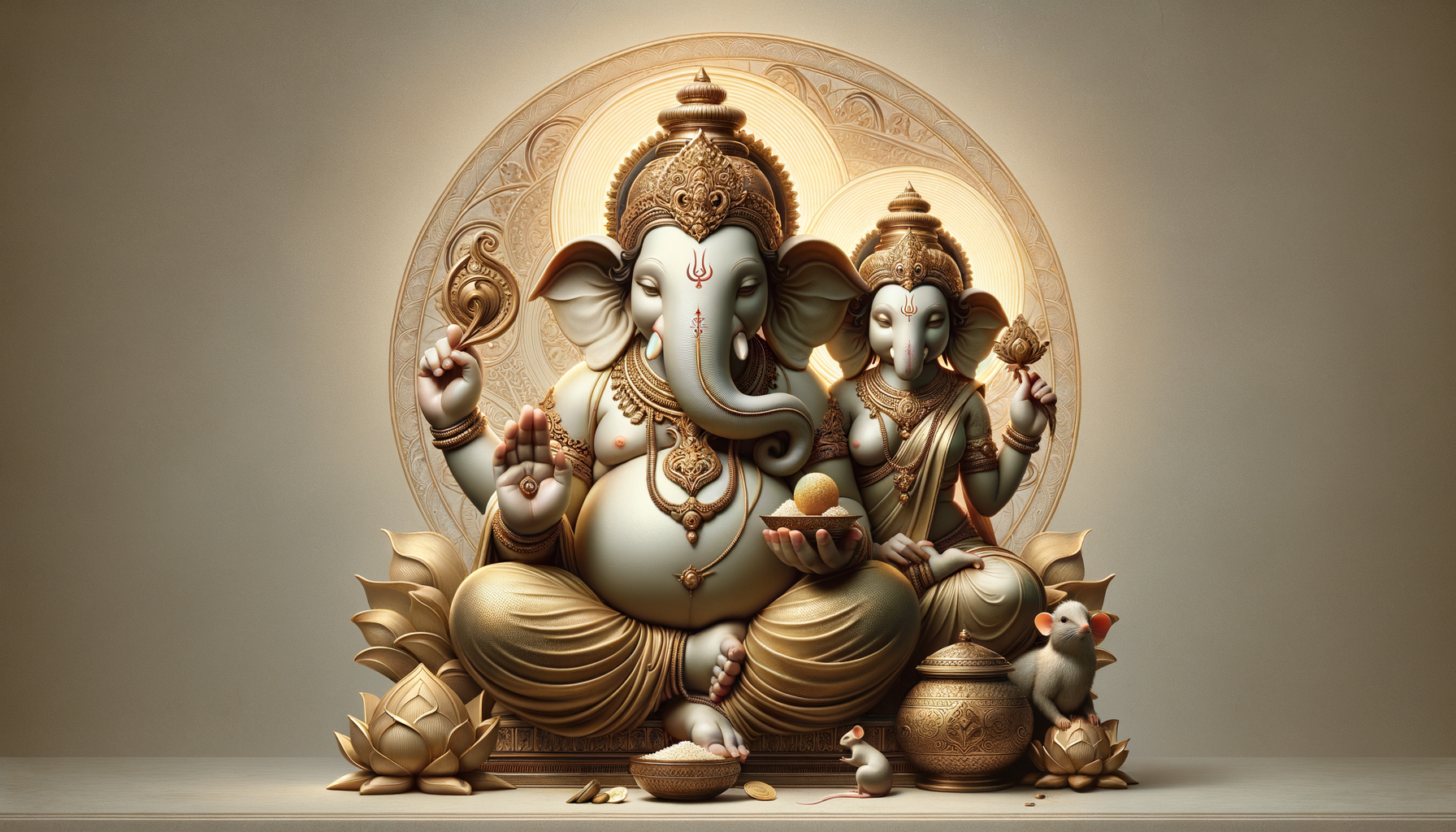
The pot belly in Hindu iconographyseen in deities like Ganesha and Kuberaembodies profound teachings on abundance, restraint, and inner integration. Rather than signaling excess, it symbolizes ethical wealth, contentment (santosha), and the yogic power to assimilate experience through jatharagni and mindful breath. The form also implies groundedness in muladhara, creative potential in the garbha, and…
-
Jivanmukta Unveiled: The Silent Dance of Living Liberation in Hindu Philosophy

This article explores the jivanmuktaliving liberation in Hindu philosophyas an inner “silence” paired with an outer “dance” of unattached, compassionate action. It clarifies key traits such as equanimity, non-attachment, and dharma-guided service through the lens of the Upanishads, the Bhagavad Gita, and Advaita Vedanta. Readers gain practical markers of maturity: fewer reactive habits, steadier decision-making,…
-
Surpanakha Unveiled: The Powerful Etymology, Symbolism, and Dharma Lessons in the Ramayana

Names in the Ramayana carry layered meanings that guide ethical understanding, and Surpanakha is a vivid example. This piece explains the Sanskrit etymology of Surpanakha (śūrpa + nakha) and shows how the name functions as narrative symbol and moral cue. It places the episode within the Valmiki tradition while acknowledging later retellings that frame the…
-
Vande Mataram at 150: A Year-Long Nationwide Celebration of Unity, Heritage, and Hope
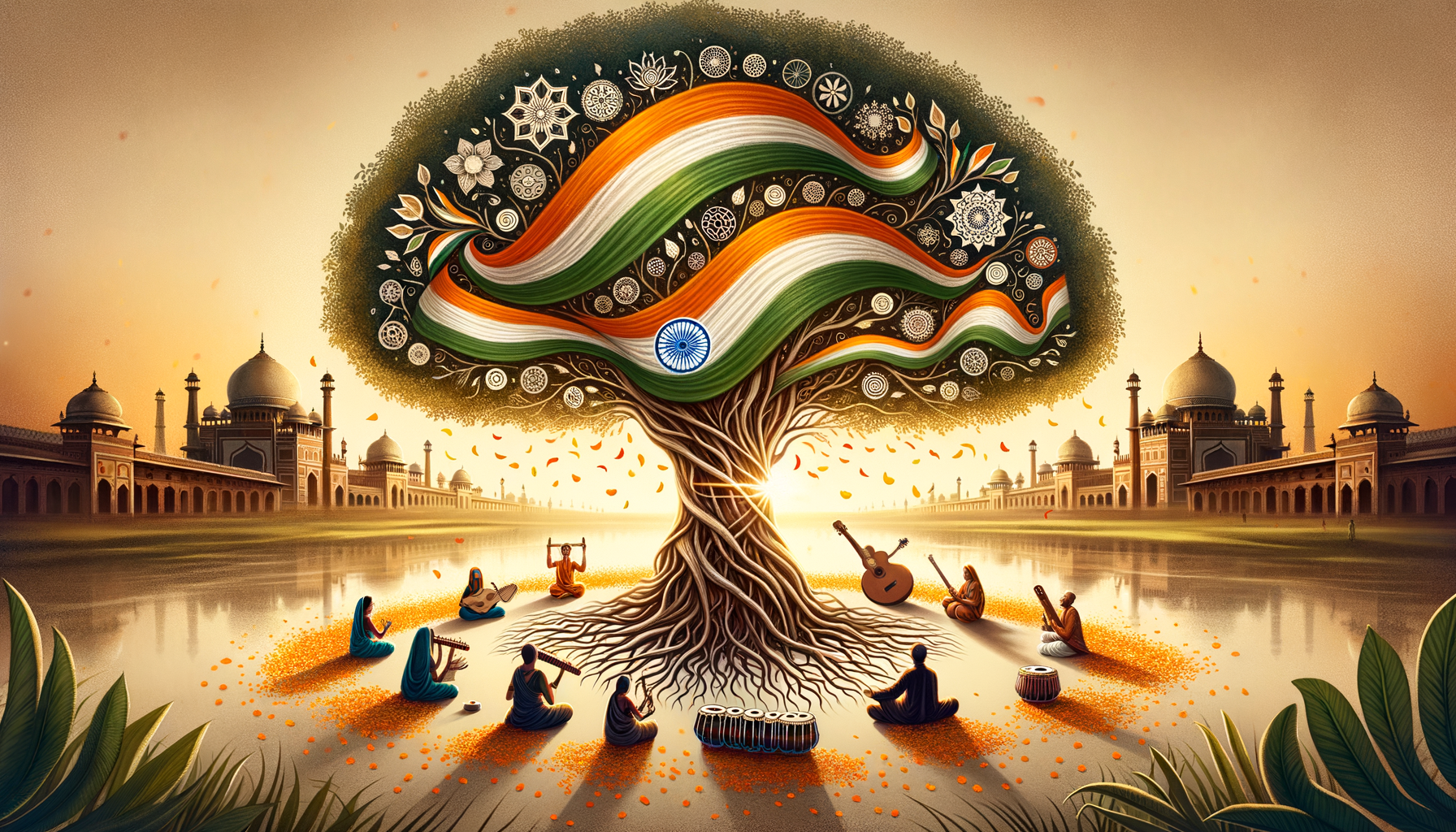
India will observe a year-long nationwide celebration of ‘Vande Mataram’ as it turns 150 on 7 November 2025. The program emphasizes national integration, cultural unity, and the living heritage of the National Song of India. Events are expected to include community singing, heritage concerts, exhibitions, academic seminars, and digital storytelling. A special focus will highlight…
-
Sarangarh Ghar Wapsi: 140 in Chhattisgarh Rejoin Hindu Traditions, Calling for Harmony

A community gathering in Sarangarh, Chhattisgarh, saw 140 individuals rejoining Hindu traditions in a Ghar-Wapsi ceremony held in the presence of Param Pujya Ajay Upadhyay. The event highlights India’s constitutional protections for freedom of conscience and freedom of worship. Framed within the plural ethos of the dharmic traditionsHinduism, Buddhism, Jainism, and Sikhismit underscores the importance…
-
Decoding Four-Handed Hindu Deities: Powerful Insights into the Purusharthas
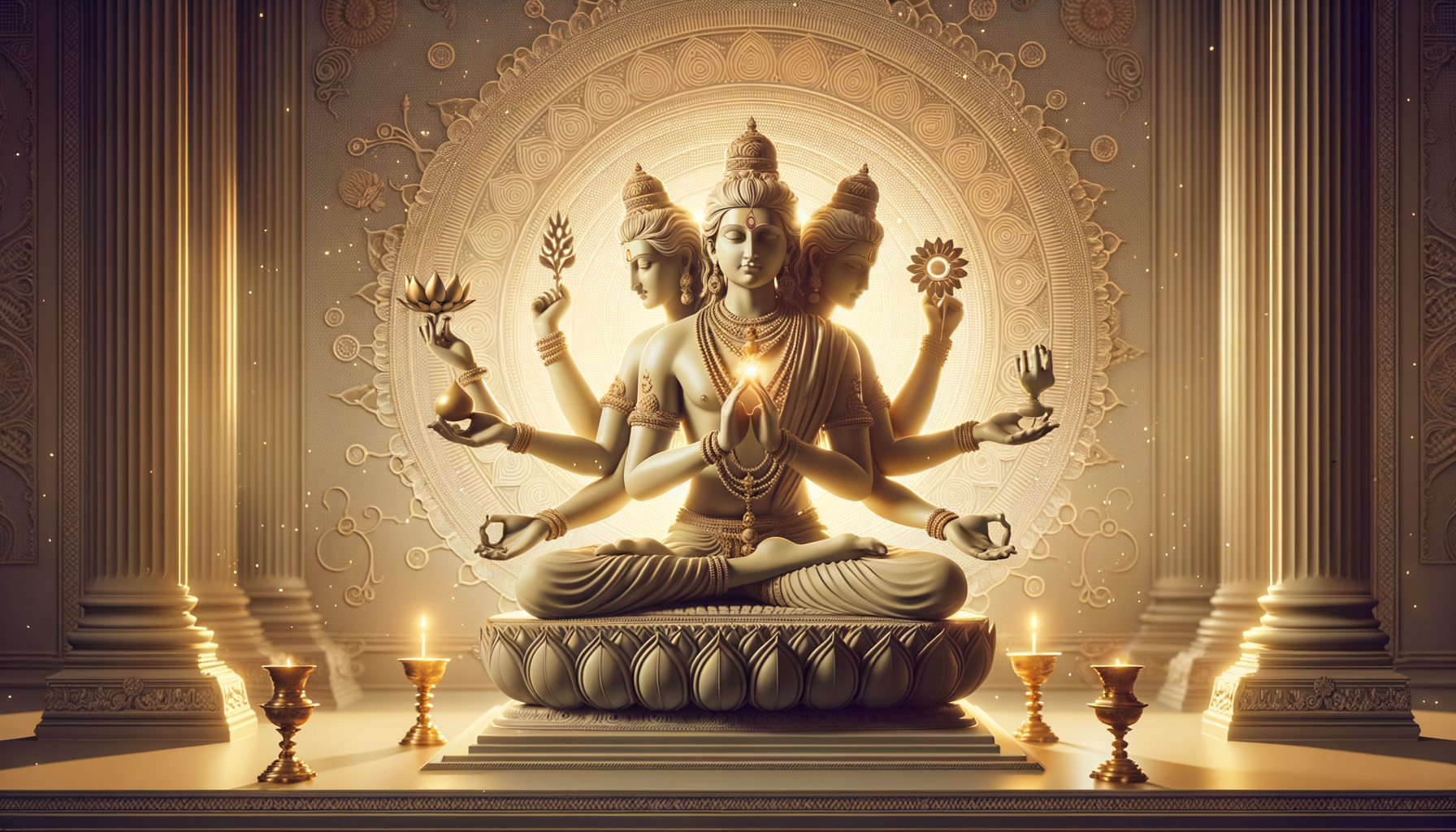
Four-handed Hindu deities embody a precise visual philosophy: the divine guides all four aims of lifedharma, artha, kama, and mokshawithin a single, integrated vision. This academic overview clarifies each Purushartha and shows how four arms symbolize balance rather than excess. Readers learn how common attributes and mudras can suggest the four aims while remaining flexible…
-
Ardhaparyanka Unveiled: Powerful Symbolism of the Half-Seated Posture in Dharmic Art
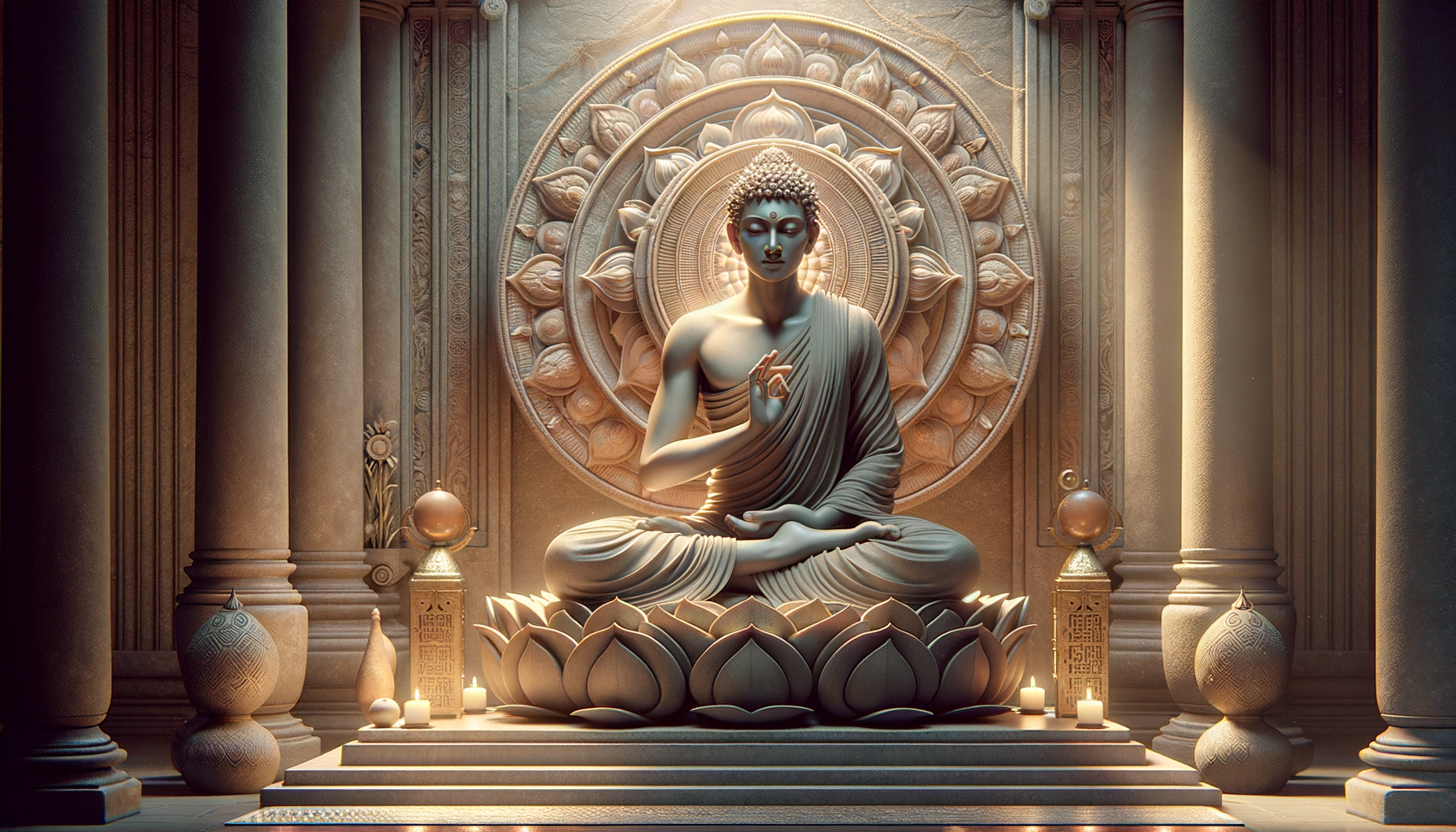
Ardhaparyanka, the “half-seated” posture in Hindu and Buddhist iconography, unites calm repose with poised readiness. It signals divine approachability without diminishing authority, harmonizing compassion with sovereignty. The posture’s balanced form resonates across dharmic traditions, supporting unity among Hinduism, Buddhism, Jainism, and Sikhism. In temples and galleries, viewers often experience a felt sense of stability and…
-
Bhakti and the Worship of Form: Why Murti-Puja Guides the Mind Toward the Infinite

Bhakti embraces worship of form because the universe is seen as emerging from the Supreme Being, making contemplation of Bhagavan accessible. Since human cognition relies on imagery, murti-puja provides a practical bridge from form to the formless. As a symbolic focus, a murti does not limit the Infinite; it points beyond itself while cultivating one-pointedness…
-
ISKCON Food For Life Cebu: Compassionate Earthquake Relief and the Spirit of Bayanihan
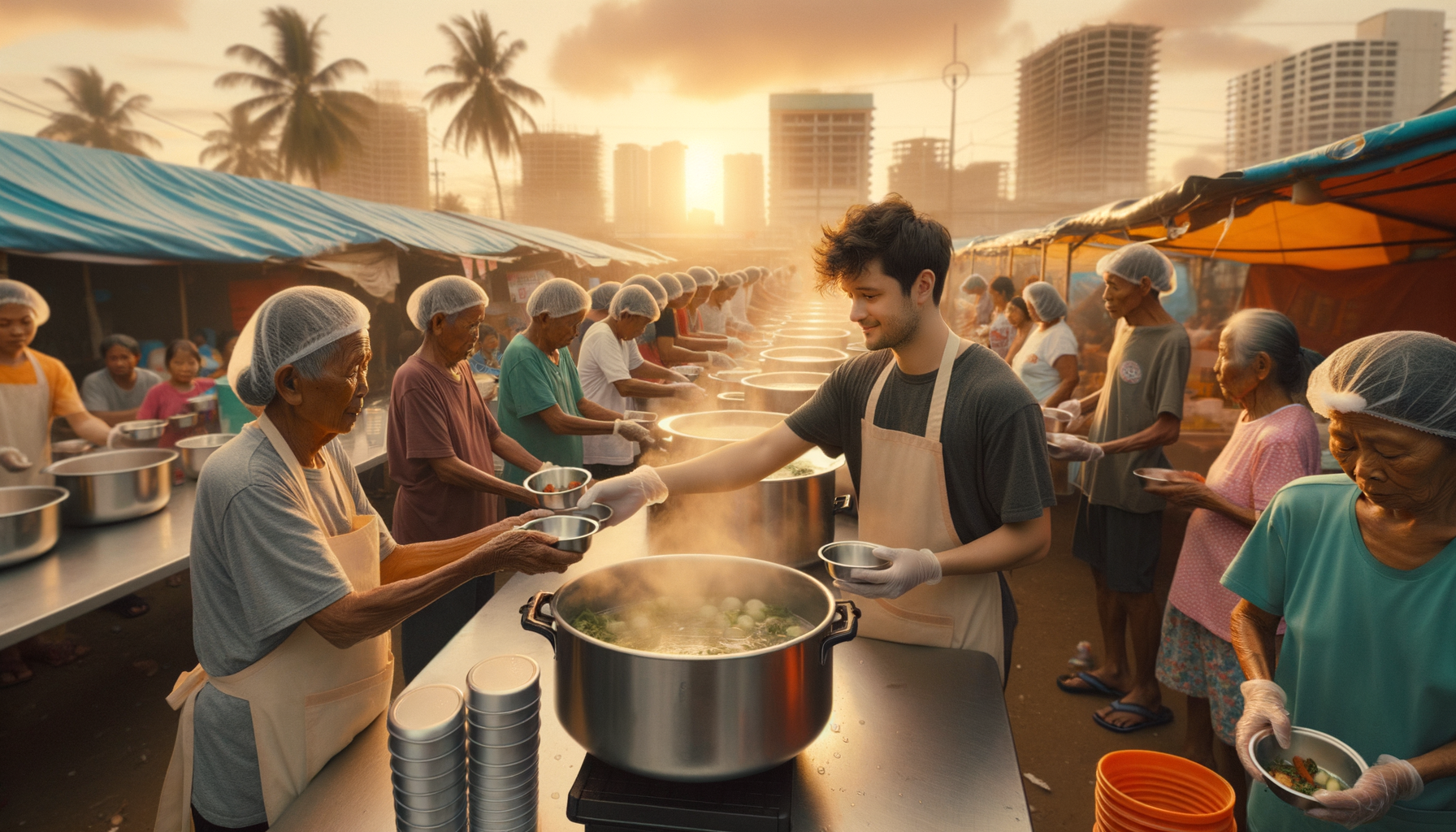
A powerful account of earthquake relief in Bogo, Cebu shows how ISKCON Food For Life Cebu and ISKCON Food For Life Philippines mobilized with precision after Governor Pamela Baricuatro’s call to action. The response emphasized ethical food security, warm vegetarian meals, and clean water delivered through safe, efficient community kitchens. It exemplified Bayanihan while aligning…
-
Selfless Love Like the Gopīs: Ādi 4.170 and Bhagavad-gītā’s Call at ISKCON Vrindavan
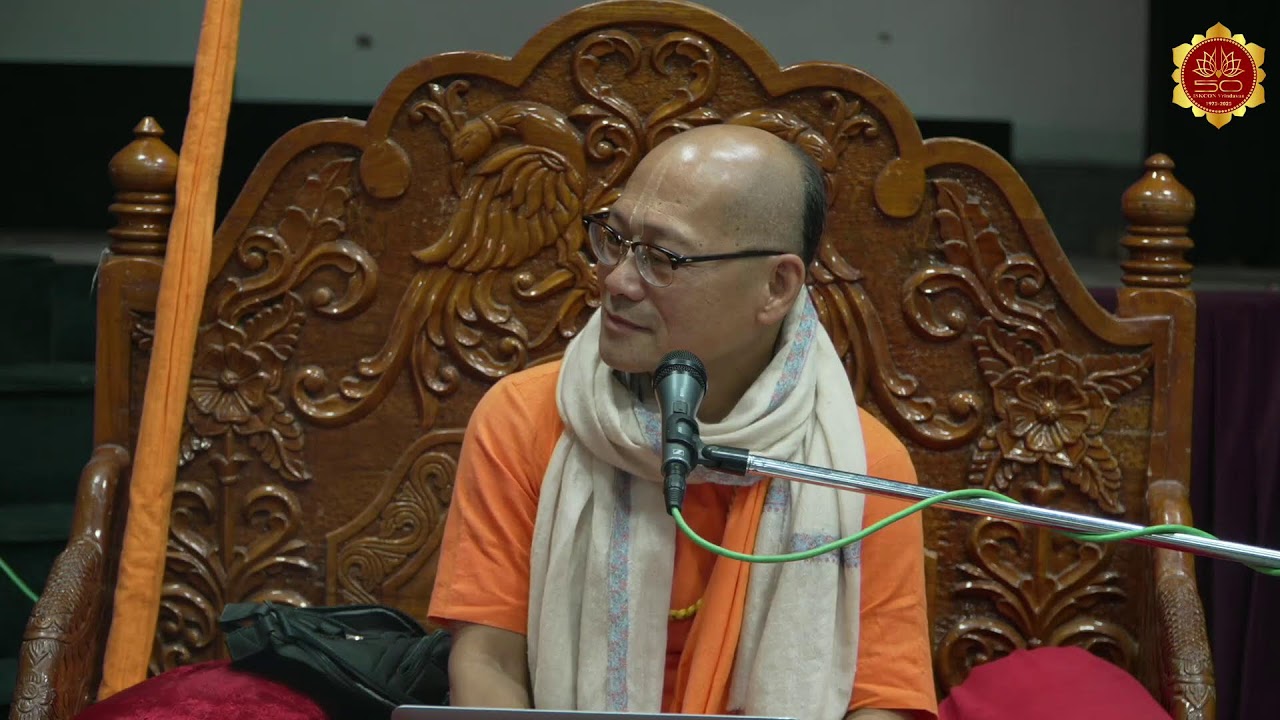
Drawing on Śrī Caitanya-caritāmṛta Ādi 4.170 and the Bhagavad-gītā, this reflection from ISKCON Vrindavan presents a clear, practical path: shift from sense gratification to devoted, selfless service. It explains how duties and relationships become offerings when aligned with the will of the Supreme Lord, following the gopīs’ exemplar of unwavering love. The analysis shows that…
-
Mayapur’s Kartik Navadvipa Mandal Parikrama 2025: A Soul-Stirring Pilgrimage of Seva and Kirtan

Kartik Navadvipa Mandal Parikrama 2025 in Mayapur invites seekers to experience pilgrimage as living bhakti through kirtan, seva, and mindful movement across sacred sites. Grounded in Srila Prabhupada’s teaching that Krishna kirtana is service rather than entertainment, the event emphasizes disciplined devotion over spectacle. Participants often find calm focus and inner clarity as walking and…
-
Inspiring Global Preaching Strategies at ISKCON’s Italy GBC: Tech-Driven Outreach and Unity
Day 5 of the GBC meetings in Italy spotlighted Global Preaching Strategies & Commemorations, guided by Praghosa Dasa’s “Reflections on the Eve of ISKCON 60.” The session advanced practical ways to reinvent outreach for the digital age while honoring Sanatana Dharma’s inclusive ethos. Key steps included podcasts for accessible learning, QR codes in books for…
-
Pune’s Powerful Response: HJS Drives Support for Legal Safeguards in Interfaith Relationships
A district-wide signature campaign in Pune, led by Hindu Janajagruti Samiti (HJS), drew an overwhelming cross-section of participants seeking legal safeguards against coercion in interfaith relationships. Field interactions revealed relatable concernsparents prioritizing autonomy, students asking for awareness, and social workers advocating counseling and neutral redressal. Respondents emphasized that any law must protect informed consent, remain…
-
Master Life’s Demands with Inner Stillness: A Dharmic Guide to Watching the Mind

This reflection explores a precise Hindu teaching that unites everyday responsibility with continuous Self-awareness. It explains how mindfulness in action is affirmed across Hinduism, Buddhism, Jainism, and Sikhism, promoting unity among dharmic traditions. Readers gain practical stepsbreath anchoring, periodic check-ins, and post-event reflectionto steady attention throughout the day. The approach enhances mental clarity, emotional balance,…
-
Right Thinking, Real Change: Hindu Dharma’s Timeless Tools to Transform Self and Society

Ancient Hindu wisdom teaches that the quality of thoughts shapes realityan insight echoed across the Bhagavad Gita, the Upanishads, and yogic psychology. This post outlines practical tools such as mindfulness, breath awareness, and values-aligned intention to cultivate clarity and compassion. It highlights how right thinking extends beyond personal wellness to strengthen social trust and community…
-
Mercury in 9th House: Practical Lalkitab Remedies for Dharma, Father’s Well-Being, Integrity

This analysis explains Mercury (Budha) in the 9th house through the Lalkitab lens, focusing on dharma, learning, and ethical conduct. It clarifies why yellow and green are considered unfavourable and offers calm, mindful alternatives to balance Budha’s influence. Traditional cautions about the father’s prolonged challenges are reframed as an invitation to sustained seva and family…
-
Decoding Lord Ayyappa’s Iconic Sitting Posture: Yogic Symbolism, Discipline, and Grace

The sitting posture of Lord Ayyappaoften termed Yogapattasanadoes more than depict meditation; it encodes restraint, discipline, and compassion through the stabilizing yogapatta. For Sabarimala pilgrims, it mirrors the vratham of vows and ethical living, transforming devotion into daily practice. The pose’s calm balance resonates across dharmic traditions, paralleling Buddhist mindfulness, Jain self-restraint, and Sikh remembrance…
-
Jwalini Mata and Lord Mangala: Unveiling the Fiery Consort of Mars and Tuesday’s Power

Jwalini Mata, revered as the consort of Lord Mangala (Mars), embodies fiery clarity that complements Mangala’s martial courage and ethical resolve. Rooted in Hindu cosmology of the Navagraha, this pairing guides disciplined energy and righteous action without aggression. Traditions often connect Mangala with Lord Muruga and Lord Veerabhadra, framing a protective yet refined power anchored…
-
Komuravelli Mallikarjuna Sthala Puranam: Sacred Dream, Devotion, and Timeless Hope

The Sthala Puranam of the Komuravelli Mallikarjuna Swamy Temple relates a succinct yet powerful legend in which Lord Mallikarjuna appears in a shepherd’s dream, indicating enshrinement in Putta Matti (Soft earth) on the hill Indrakeeladri for the benefit of devotees. This narrative reflects the classic features of Puranas, where site-legends preserve theology, memory, and ethical…