
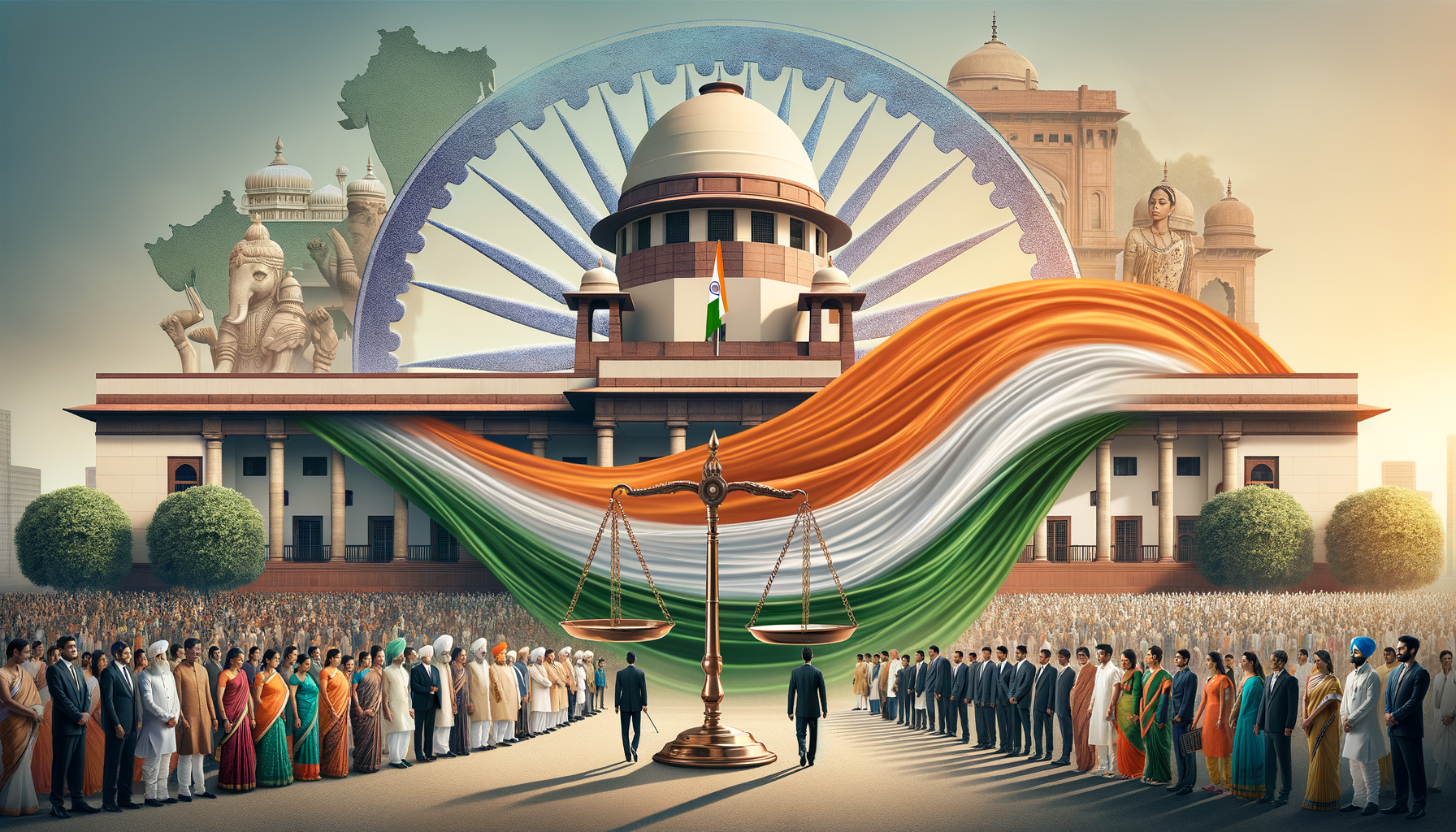
At a public interaction in Jabalpur on 1 November 2025, Rashtriya Swayamsevak Sangh (RSS) General Secretary Dattatreya Hosabale responded to Congress president Mallikarjun Kharge’s call to ban the RSS. He argued that proscribing the organization is neither feasible nor consistent with India’s legal traditions and public sentiment, contending that “the nation has accepted RSS.” The intervention immediately reframed the debate within the wider landscape of Indian politics, constitutional due process, and democratic values.
Referencing historical experience, Hosabale pointed to decades of administrative scrutiny and judicial oversight in which temporary restrictions on the Rashtriya Swayamsevak Sangh (RSS) did not culminate in a sustained, legally durable ban. Across different periods, inquiries and court-supervised processes have underscored that any limitation on civic associations must meet strict constitutional thresholds. This pattern, he suggested, signals that blanket proscriptions are difficult to justify in a system anchored in rule of law and fundamental freedoms.
Equally central to his argument was the question of public acceptance. The RSS, now approaching its centenary (RSS Centenary 1925–2025), operates a wide network of social initiatives that many citizens encounter in day-to-day life. For a significant number of households, these activities are familiar and visible, shaping perceptions that the organization functions within civic space rather than outside it. In this reading, social legitimacy and constitutional scrutiny converge to make a comprehensive ban unlikely.
Framed within India’s plural democracy, the exchange between Hosabale and Kharge also invites a broader affirmation: robust debate must coexist with unity in diversity. For dharmic communitiesHindu, Buddhist, Jain, and Sikhhistorical experience demonstrates that nonviolence, dialogue, and constitutionalism provide the most reliable pathway to social harmony. Policies and political strategies, including those associated with Hindutva, should be evaluated through this inclusive lens to ensure that religious pluralism in India remains protected.
Public reactions across dharmic traditions often draw on family memory and lived experience. Many recall Emergency-era constraints as cautionary tales about expansive state power; others emphasize that accountability must be swift when any organization, of any persuasion, violates the law. The common thread is clear: democratic values are best served when institutions act transparently, courts adjudicate impartially, and civil society engages respectfully.
Politically, the discussion highlights the high bar that Indian courts and constitutional norms set for proscribing associations. In practical terms, this means that any proposal to ban the RSSor any groupmust demonstrate concrete, legally admissible grounds, withstand judicial review, and respect procedural safeguards. Absent that, attention naturally shifts back to open debate, civic engagement, and evidence-based critique rather than coercive remedies.
For citizens navigating these questions, everyday reference points matter. Parents and grandparents often share stories of how communities cooperated across traditions during times of strain, underscoring that unity in diversity is sustained not only by institutions but also by neighborhood trust and shared service. Experiences of seva, volunteerism, and interfaith collaboration illustrate how social capital can lower the temperature of political disagreements while upholding constitutional values.
In sum, Hosabale’s rebuttal situates the call to ban the RSS within two stabilizing forces: courts and citizens. Legal precedents make enduring proscriptions difficult to sustain, and public acceptance complicates sweeping punitive approaches. As India advances toward RSS@100, the most constructive path remains clearconstitutional due process, principled dialogue, and cross-dharmic solidarity that strengthen the republic’s plural foundations.
Inspired by this post on Struggle for Hindu Existence.
