
-
Nirjala Ekadashi Bhagavatam Class: A Powerful Study in Devotion and Discipline

This expanded reflection presents Vraj Vihari dasa’s Morning Bhagavatam Class on Nirjala Ekadashi as a serious study in bhakti, discipline, and sacred hearing. It explains the meaning of Nirjala Ekadashi, its connection to Bhima and the Pandava tradition, and its place within Vaishnava practice. The article highlights how fasting, Bhagavatam study, chanting, charity, and community…
-
Powerful Morning Srimad Bhagavatam Reflections for Devotion, Dharma, and Unity

This expanded reflection presents the significance of a live morning Srimad Bhagavatam class by HG Prabhavishnu Prabhu while avoiding unverifiable claims about the specific lecture content. It explains why the Bhagavata Purana remains central to Vaishnava Hindu scriptures, Krishna consciousness, and daily devotional practice. The article highlights the importance of morning spiritual study, disciplined hearing,…
-
Powerful Lessons from ŚB 3.24.11: Pure Devotion and Kapila’s Sacred Mission

This long-form reflection explores the Alachua Temple Live class by Sesa dasa and Madhumati devi dasi on Śrīmad-Bhāgavatam 3.24.11. It explains the verse’s role in the narrative of Kardama Muni, Devahūti, Brahmā, and the divine appearance of Kapila Muni. The article highlights key Vaishnava themes such as purified consciousness, bhakti, Sāṅkhya-yoga, sacred family life, and…
-
ŚB 3.16.18 Explained: Powerful Lessons on Sanātana Dharma and Devotion

ŚB 3.16.18 presents a profound teaching on sanātano dharmaḥ, the eternal function of the living being and the deepest purpose of religious life. Shyamsundar Das’s class on this verse invites reflection on how dharma is protected through divine manifestations, disciplined practice, humility, and devotion. The verse appears in the larger narrative of Jaya and Vijaya,…
-
Devahūti’s Courageous Appeal: Śrīmad-Bhāgavatam 3.23.10 and Sacred Family Life

Śrīmad-Bhāgavatam 3.23.10 captures Devahūti’s respectful yet firm appeal to Kardama Muni, reminding him of a sacred promise within the framework of dharma. The verse reveals how spiritual greatness must be joined with accountability, compassion, and responsibility in family life. It also highlights the importance of yoga-māyā, gṛhastha dharma, and the sacred role of progeny in…
-
Bhagavatam 4.22.17-31: Powerful Lessons on Liberation, Humility, and Devotion
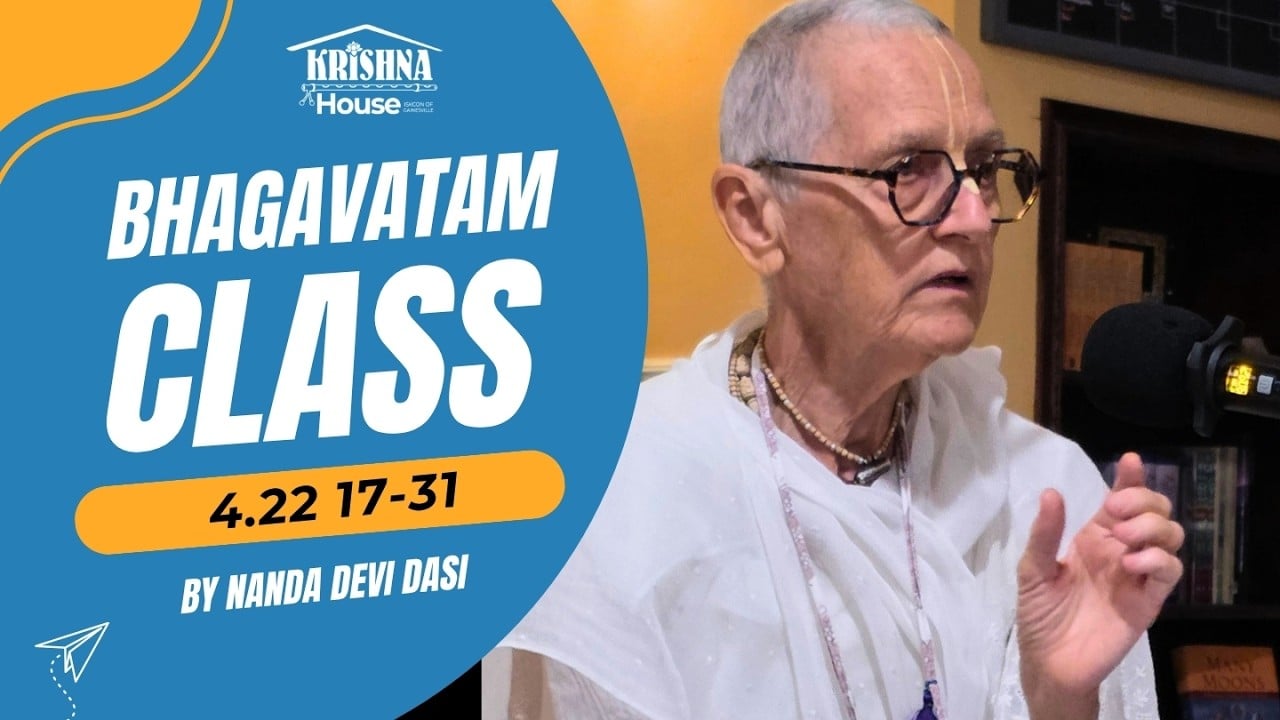
Śrīmad-Bhāgavatam 4.22.17-31 offers a profound teaching on liberation, humility, and devotional transformation through the dialogue between King Pṛthu and the Kumāras. The passage explains how saintly association, attentive hearing, and purified desire help the soul move beyond bodily identification. It presents bhakti not as sentiment, but as a disciplined path that integrates knowledge, detachment, and…
-
Śrīmad-Bhāgavatam 11.3.13: Powerful Wisdom on Dissolution and Detachment

Śrīmad-Bhāgavatam 11.3.13 offers a profound meditation on cosmic dissolution and the temporary nature of material existence. The verse explains how earth, deprived of aroma, merges into water, and how water, deprived of taste, merges into fire. This article interprets the teaching through Vedic cosmology, Sāṅkhya philosophy, and the Bhakti tradition. It highlights how the five…
-
When Dharma Restrains Anger: Powerful Lessons from Śrīmad-Bhāgavatam 4.19.27

Śrīmad-Bhāgavatam 4.19.27 presents a powerful moment in which King Pṛthu’s righteous anger is restrained by learned priests before it becomes an improper act. The verse shows that dharma is not merely strong emotion but disciplined action guided by śāstra, context, and sacred purpose. It also warns against false religious appearances, using Indra’s deception as a…
-
A Powerful Srimad-Bhagavatam Class with Srutakirti Prabhu on Living Bhakti

This featured Srimad-Bhagavatam class by Srutakirti Prabhu invites serious reflection on bhakti, sacred listening, and the living guru-shishya tradition. It highlights the importance of hearing scripture not as passive content, but as a disciplined practice that can refine conduct and consciousness. The discussion is placed within the wider context of Krishna consciousness, Srila Prabhupada’s legacy,…
-
A Powerful Hungary Reflection on Dhirasanta Goswami and Bhagavatam 3.7.8

This reflection explores the June 28, 2026 Hungary video on recent experiences with Dhirasanta Goswami and Śrīmad-Bhāgavatam 3.7.8. It explains how Vidura’s sincere inquiry and Maitreya Muni’s composed response create a classical model for dharmic learning. The post highlights key Sanskrit concepts such as tattva-jijñāsunā and bhagavac-cittaḥ in accessible academic language. It connects the verse…
-
King Pṛthu’s Humility Reveals a Powerful Bhagavatam Path to Spiritual Wisdom

Śrīmad-Bhāgavatam 4.22.1-16 presents King Pṛthu’s meeting with the four Kumāras as a profound lesson in humility, leadership, and spiritual inquiry. The episode shows how true authority bows before realized wisdom and transforms hospitality into a sacred act. Pṛthu’s reception of the sages reveals the importance of sat-saṅga, reverence for saintly persons, and the sanctification of…
-
Srimad Bhagavatam 3.26.58-60: Powerful Vision of Body, Cosmos and Mind

Śrīmad-Bhāgavatam 3.26.58-60 presents a profound vision of the virāṭ-puruṣa, linking the human body with cosmic order. The verses describe the manifestation of hands, feet, veins, rivers, abdomen, hunger, thirst, ocean, heart, and mind. This analysis explains how Bhāgavata Sāṅkhya connects anatomy, ecology, psychology, and devotion. It highlights the ethical meaning of hands as instruments of…
-
Powerful Lessons from ŚB 11.3.9: Cosmic Dissolution and Dharmic Resilience

Śrīmad-Bhāgavatam 11.3.9 presents a profound vision of cosmic dissolution through the image of a hundred-year drought and the intensifying heat of the sun. This reflection explains the verse within the dialogue between King Nimi and the nine Yogendras, emphasizing its teachings on māyā, kāla, impermanence, and liberation. The discussion avoids sensational interpretations and instead reads…
-
Dhruva’s Mantra of Radical Access: A Powerful Guide to Living Bhakti Today

Śrīmad-Bhāgavatam 4.8.54 teaches the sacred mantra oṁ namo bhagavate vāsudevāya within the moving story of Dhruva Mahārāja. The verse explains how mantra, Deity worship, offerings, guru-guided practice, and awareness of place and time work together in authentic bhakti. Its message is both technical and deeply human: spiritual life can begin even from pain, ambition, or…
-
Powerful Lessons from Mohinī-Mūrti: Desire, Humility, and Śiva’s Wisdom

This study of Śrīmad Bhāgavatam 8.12.25–28 examines the powerful encounter between Lord Śiva and Mohinī-mūrti with theological care and psychological depth. The passage is not a sectarian criticism of Śiva, but a profound teaching on divine energy, humility, and the vulnerability of even great beings before the Lord’s potency. It explains key concepts such as…
-
Powerful Lessons from Śrīmad-Bhāgavatam 10.30.24-25 on Divine Longing
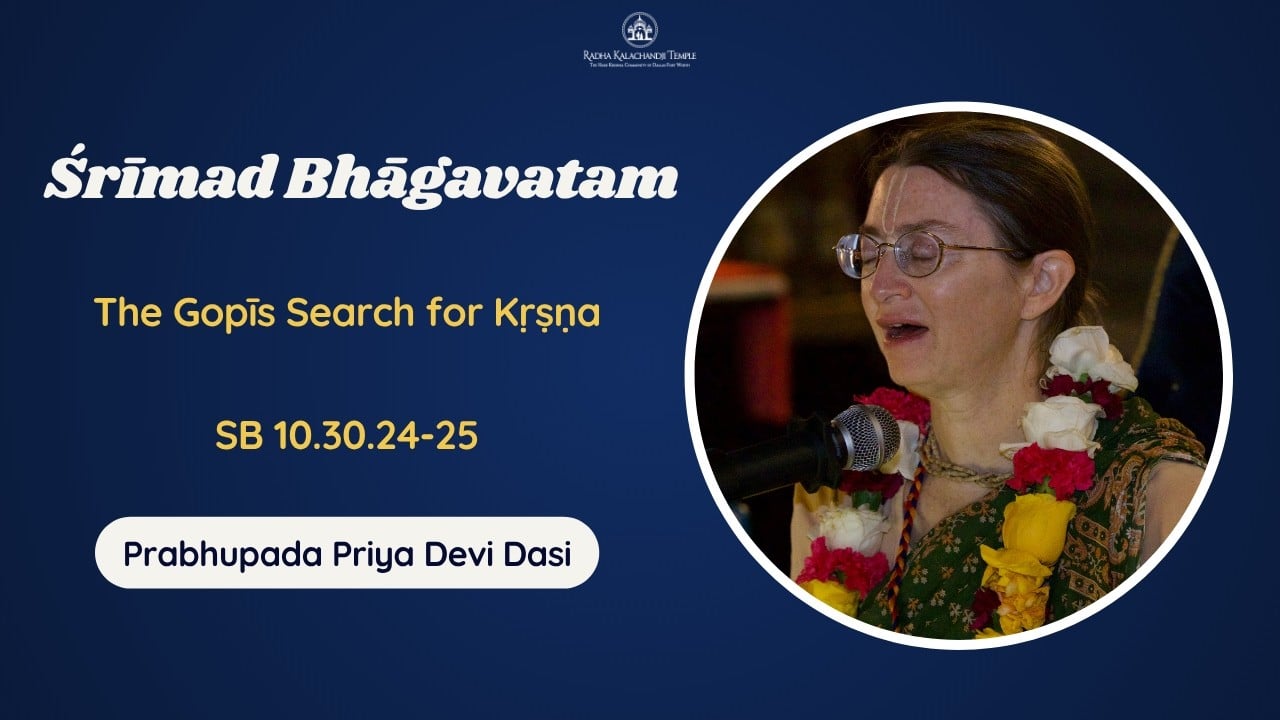
Śrīmad-Bhāgavatam 10.30.24-25 presents the gopīs of Vṛndāvana searching for Kṛṣṇa in a state of intense devotional separation. These verses show how their love transforms the forest into a sacred field of inquiry, where trees, creepers, flowers, earth, and footprints become signs of divine presence. The markings on Kṛṣṇa’s footprints, including the flag, lotus, thunderbolt, elephant…
-
Powerful Sunday Reflections on Guru Puja, Bhagavatam, and Living Bhakti

This article examines the Sunday morning Guru Puja and Srimad Bhagavatam class by HG Adi Karta Prabhu on 28 June 2026 through the lens of Gaudiya Vaishnava practice. It explains the theological role of guru-puja, the scriptural importance of Srimad Bhagavatam, and the educational value of congregational hearing and chanting. The discussion remains careful not…
-
Powerful Anatomy of Autonomy: Sensitive Leadership in Hindu Spiritual Wisdom
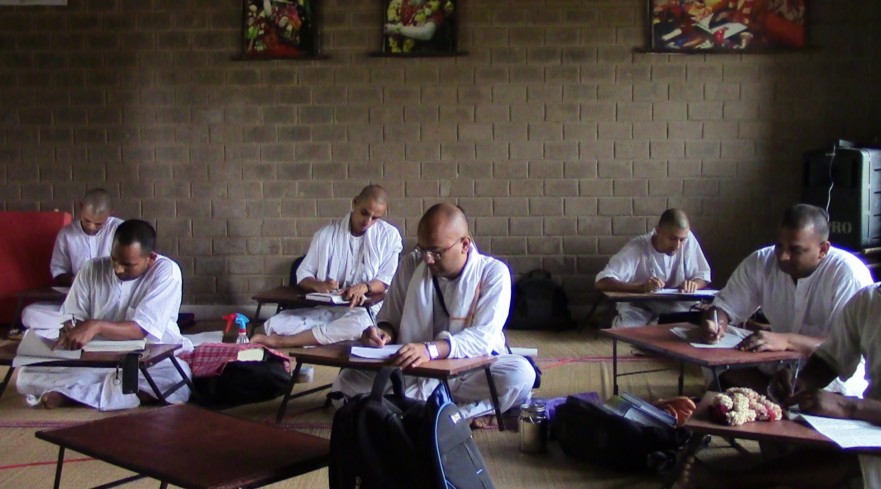
This long-form reflection examines autonomy through the lens of Hindu philosophy, spiritual leadership, and the guru-shishya tradition. It explains why correction is sometimes necessary, yet must be offered with sensitivity, restraint, and respect for the dignity of the person being guided. Scriptural examples from Srimad-Bhagavatam and the Ramayana show how Lord Visnu and Lord Krsna…
-
Krishna Katha: Powerful Lessons in Bhakti, Dharma, and Inner Transformation

Krishna Katha is more than devotional storytelling; it is a disciplined practice of hearing sacred truth through the names, teachings, qualities, and pastimes of Sri Krishna. This article explores the theological, ethical, cultural, and emotional importance of Krishna Katha while remaining faithful to the limited source data available for the session titled “Krishna Katha |…
-
SB 4.8.53 Revealed: The Transformative Power of Sacred Japa and Guru-Guided Bhakti

Śrīmad-Bhāgavatam 4.8.53 presents Nārada Muni’s confidential instruction to Dhruva Mahārāja on the power of mantra-japa and focused meditation. The verse teaches that sacred sound is not a mechanical formula but a disciplined practice received through guru-paramparā and lived with sincerity. Its reference to extraordinary yogic vision is best understood within the wider Bhāgavatam emphasis on…