
-
Revealing the Pandavas’ Durga Worship in the Mahabharata: Virata Parva’s Earliest Shakta Trace
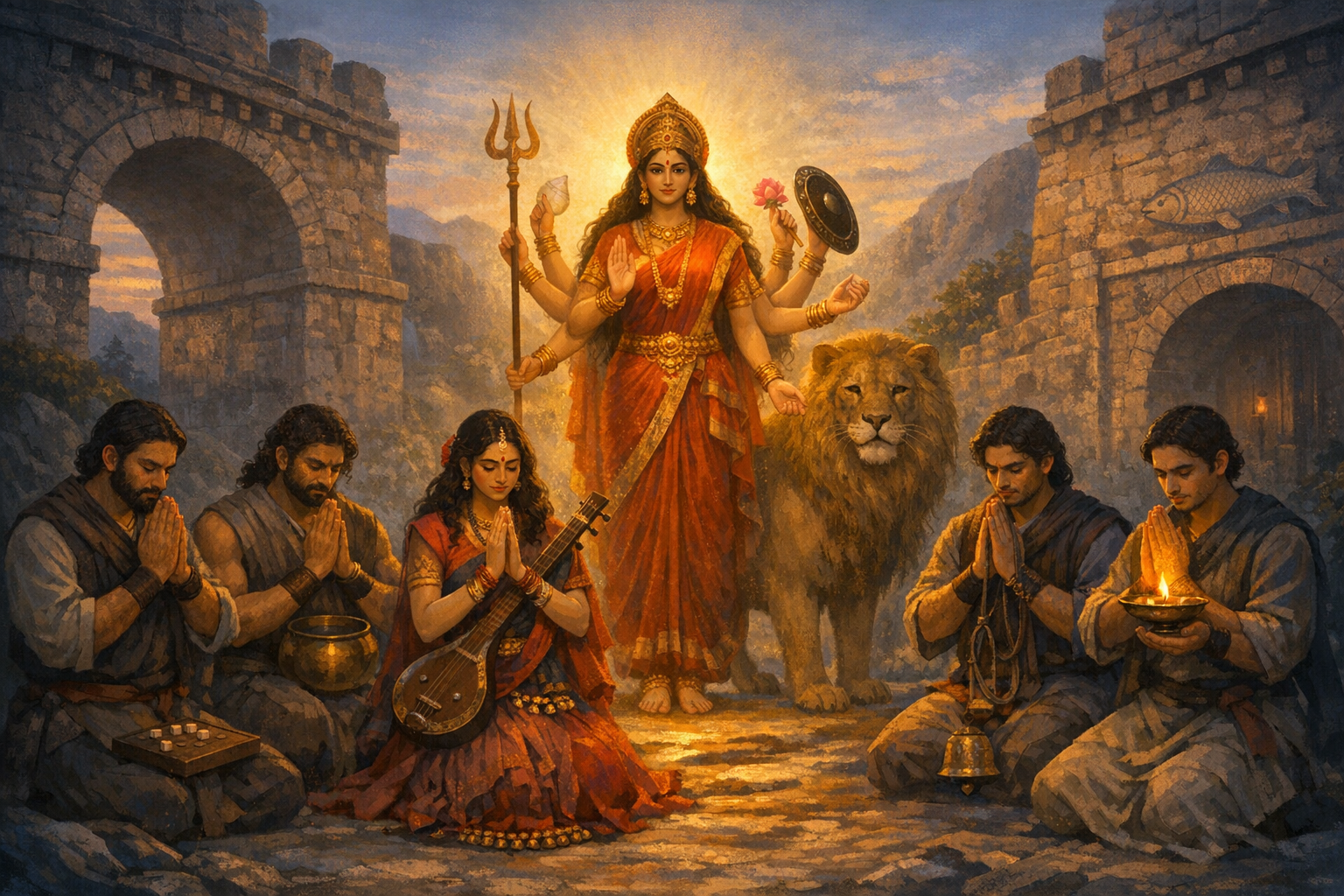
This study traces one of the earliest epic references to Goddess Durga in the Mahabharata’s Virata Parva, where the Pandavas invoke Shakti before their perilous year in disguise. It situates the hymnnaming Durga, Katyayani, Bhadrakali, and Mahishasuramardiniwithin the narrative hinge between exile and restoration. Attention is given to manuscript variation and critical edition debates while…
-
Shiva–Parvati Kalyanam at Maha Shivaratri: Complete Guide to Rituals, Legends, and Meaning
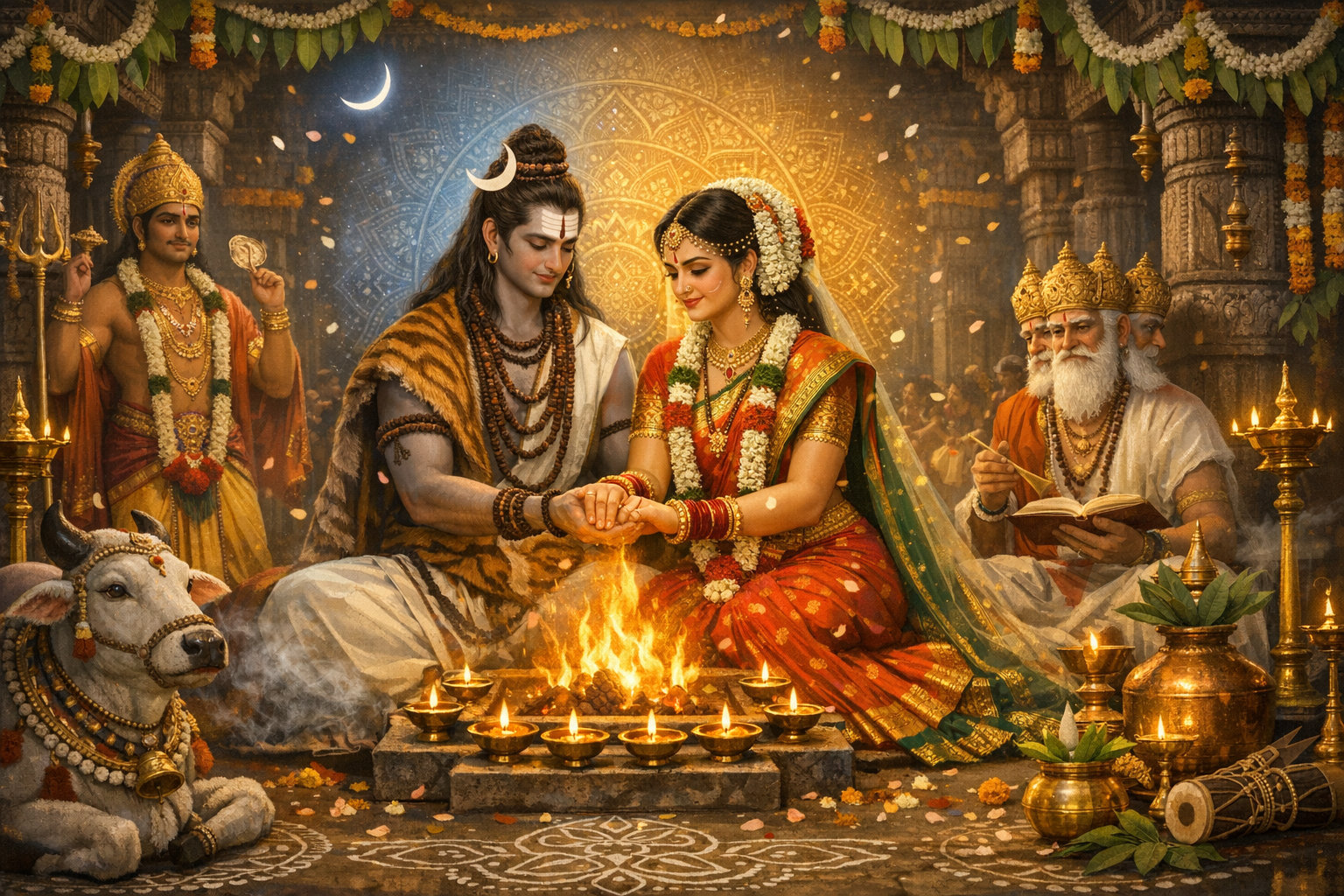
Shiva Parvati Kalyanam, often celebrated the day after Maha Shivaratri, unites Puranic narrative, Vedic samskāra, and Śaiva Āgamic practice in a single, transformative rite. The ceremony venerates Lord Vishnu as Kanya Daanam kartā and Lord Brahma as yajña-ācārya in many traditions, while honoring regional variations across India and Nepal. This comprehensive guide clarifies timing, key…
-
Unveiling Shakti’s Living Power: Gujarat’s Folk Goddesses and Regional Identity
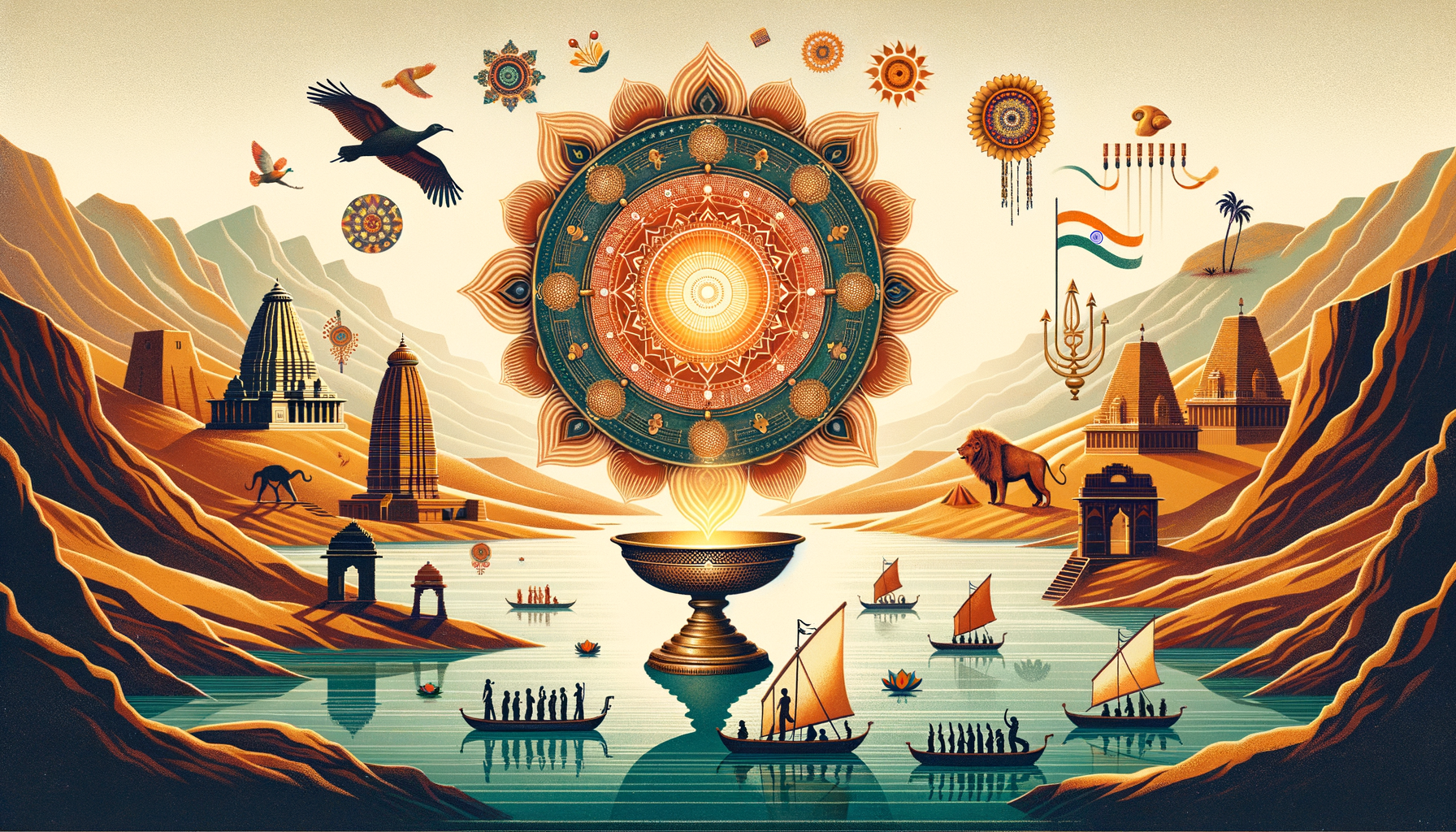
Gujarat’s folk goddesses reveal how Shakti localizes as protective village deities and lineage-honored kuladevis, shaping a resilient regional identity. The essay maps major sitesAmbaji, Pavagadh, Becharaji, coastal Harsiddhias anchors of sacred geography linked to trade, kinship, and ecology. It explains how Navratri Garba turns metaphysics into lived pedagogy, uniting communities around Amba’s lamp in Gujarat…
-
Indrani Mata Mahatmyam: Vedic Origins, Saptamatrika Power, and Sacred Significance

Indrani Matarevered as Aindri, Shachi, and Paulomistands at the confluence of Vedic authority and Shakta devotion. Rig Veda 10.86 attests to her sovereign presence, while Saptamatrika traditions depict her as the protective Shakti of Indra, wielding the vajra and embodying righteous leadership. Her symbolism aligns courage with dharma, inspiring devotees toward clarity and steadfastness in…
-
Karadaiyan Nombu 2026: Exact Muhurat, Ritual Guide, and the Spirit of Devotional Unity

Karadaiyan Nombu 2026 occurs on 14 March, with the ideal time in India for breaking the fast and wearing the sacred thread between 7:30 PM and 8:30 PM IST. This Tamil vrata to Goddess Shakti/Kamakshi honors the Savitri–Satyavan ideal of devotion, courage, and family well-being. The guide outlines key ritualssankalpa, deepam, Karadai adai offerings with…
-
Mata Purnagiri Devi Temple: Sacred Shakti Peeth Near Tanakpur, ChampawatA Serene Himalayan Pilgrimage Guide

Mata Purnagiri Devi Temple, also known as the Purnagiri Shakti Peeth or Punyagiri, is a premier Himalayan pilgrimage set at about 3,000 metres in Uttarakhand. Located 20 km from Tanakpur and 92 km from Champawat, it blends the serenity of mountain landscapes with the spiritual resonance of the Shakti Peeth tradition. Chaitra Navratri draws a…
-
Maa Durga’s Transformative Grace: Conquer the Inner Fortress, Heal Shadows, Find Clarity

This reflection presents the “inner fortress” (Durgam) as a structure built from fear, greed, anger, and falsehood, and explains how Maa Durga’s symbolism provides a practical map for dismantling it. Drawing on Navadurga, the piece outlines a stepwise ascent from stability to grace and shows how meditation, pranayama, svadhyaya, truthfulness, and seva weaken entrenched patterns.…
-
Banadurga of Bengal: Sacred Forest Daughter of Durga and Guardian of Rural Devotion

Goddess Banadurga (Banadebi) endures in Bengal’s folk spirituality as the compassionate Forest Daughter of Durga and a vigilant guardian of rural life. This post explores her approachable identity, simple iconography in clay and terracotta, and community-centered worship aligned with monsoon and harvest cycles. It highlights lived village memories, from lamps beneath sacred trees to songs…
-
Uma (Gauri) Tandava: Shiva’s Cosmic Dance of Grace – Symbolism, Yogic Balance, Compassion
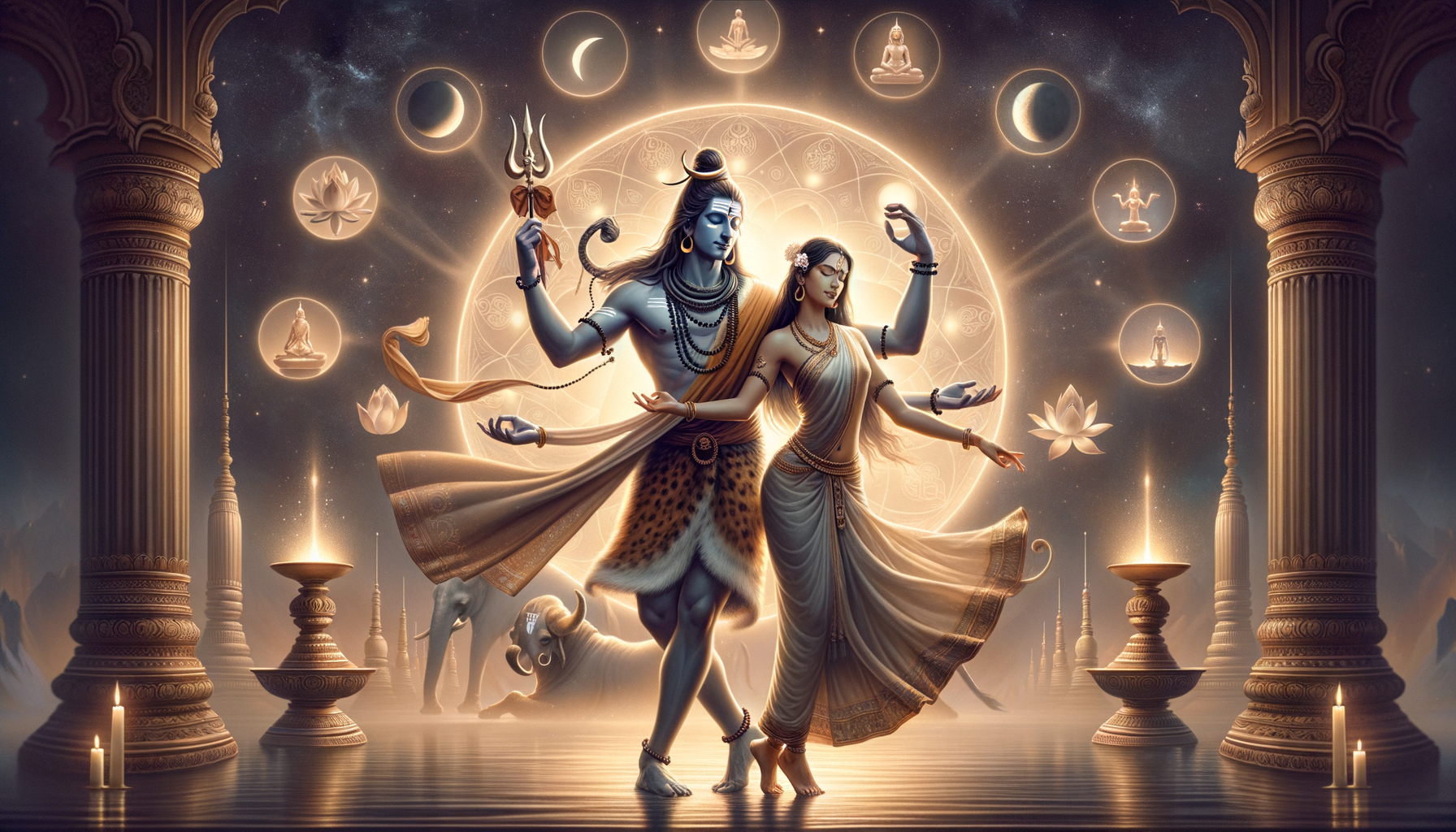
Uma or Gauri Tandava portrays Shiva’s cosmic dance in its most compassionate register, emphasizing balance, disciplined energy, and grace. This gentle form highlights Shiva’s unity with Uma (Shakti), showing how strength is refined by tenderness and moral clarity. Iconographysuch as abhaya and varada gesturesinvites assurance and generosity, while yogic readings link the dance to calm…
-
Dakshinachara Demystified: How the Right‑Hand Path Nurtures Unity in Dharmic Traditions

Dakshinachara, the right-hand path in Hinduism, aligns sacred devotion with ethical conduct and community-centered worship. Drawing on the puranas, agamas, and tantrasespecially the Shakti-oriented tantrasit interprets ritual practice through a sāttvic, dharma-guided lens. In everyday life, it appears in temple ārati, japa, vrata, and pilgrimage, making profound teachings accessible to householders and renunciants alike. Philosophically,…
-
Goddess Durga’s Triumph over Durgamasura: A Sacred Tale of Dharma, Grace, and Renewal

This article presents an academically grounded retelling of Goddess Durga’s triumph over Durgamasura, highlighting how Shakti restores balance first through compassion as Śatakṣī–Śākambarī and then through righteous courage as Durga. Readers gain clear insight into the Puranic sources, the symbolism of eclipsed knowledge and restored Vedas, and the ecological and ethical dimensions of the legend.…
-
Durga’s Sacred Mace (Gada): A Powerful Emblem of Strength, Justice, and Living Dharma

The gada (mace) in Goddess Durga’s hands signifies ethical strength guided by justice and compassion. Rooted in the Devi Mahatmya, it recalls how Yama endowed Durga with the power to restore order against adharma. The mace symbolizes grounded resolve, impartial accountability, and the stabilizing force of dharma in public and personal life. Beyond martial imagery,…
-
Baishakhi Sankranti at Kshirgram: The Sacred Awakening of Maa Jogadya and New Beginnings

Baishakhi Sankranti at Kshirgram Maa Jogadya Temple marks the Sun’s entry into Mesha (Aries) and the start of Baishakh, aligning with the Bengali New Year. The festival’s centerpiece is a solemn yet celebratory divine awakening of Maa Jogadya that symbolizes renewal, ethical intention, and harmony with seasonal cycles. Visitors encounter an immersive atmosphere of conch…
-
Symbolism of Durga’s Axe and Armor: Timeless Emblems of Courage, Protection, and Dharma
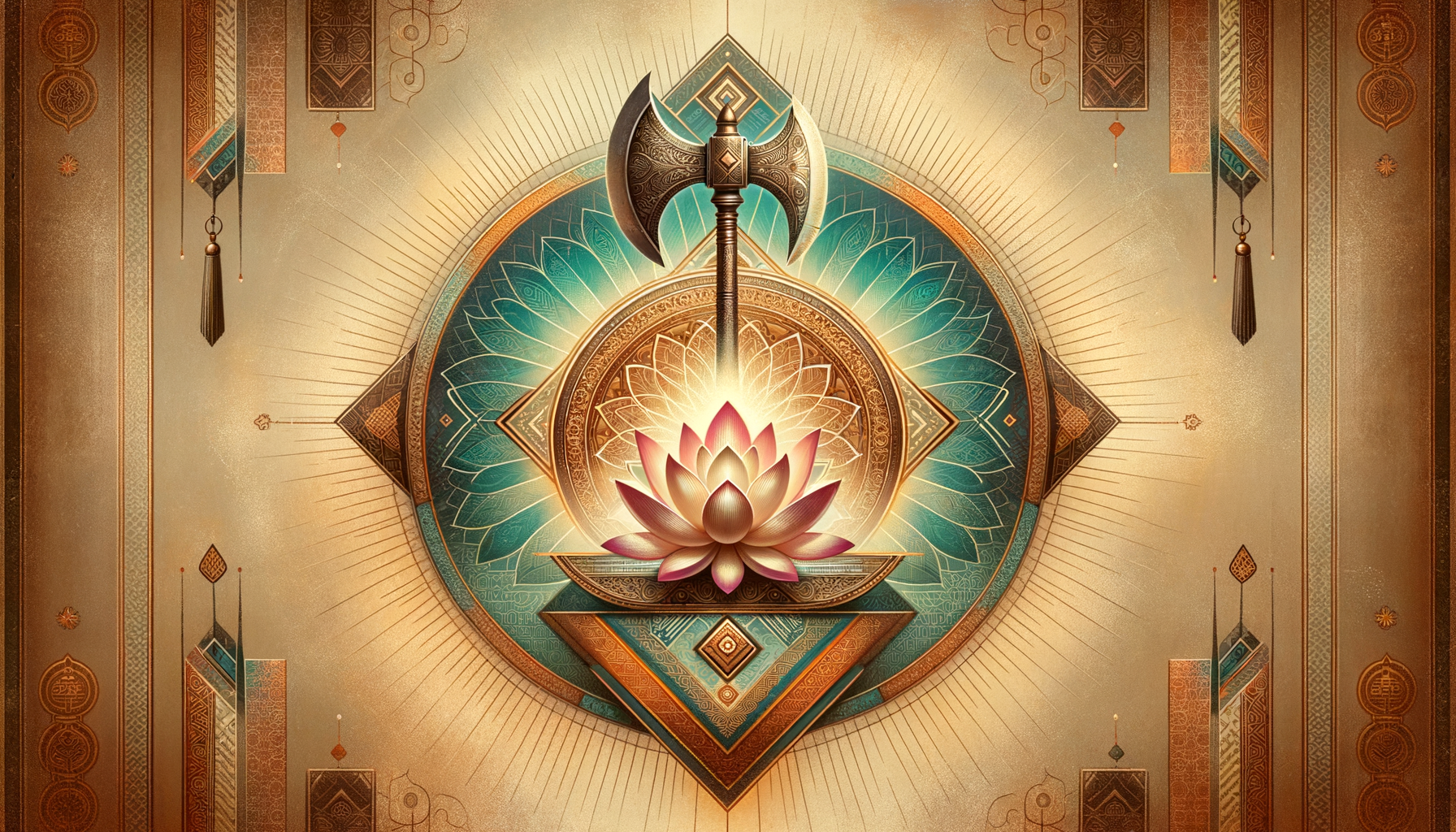
Goddess Durga’s axe (Kuthar or Parashu) and armor (Barm or Kavach) are profound symbols of ethical strength in Hinduism. The axe represents decisive wisdom that cuts through ignorance and adharma, while the armor reflects protective grace sustained by discipline and devotion. Referenced in texts like the Devi Mahatmyam (Durga Saptashati) and the Devi Kavacham, these…
-
Harsiddhi Mata, Sacred Shakti: Kula Devata Uniting Gujarat, Madhya Pradesh and Maharashtra
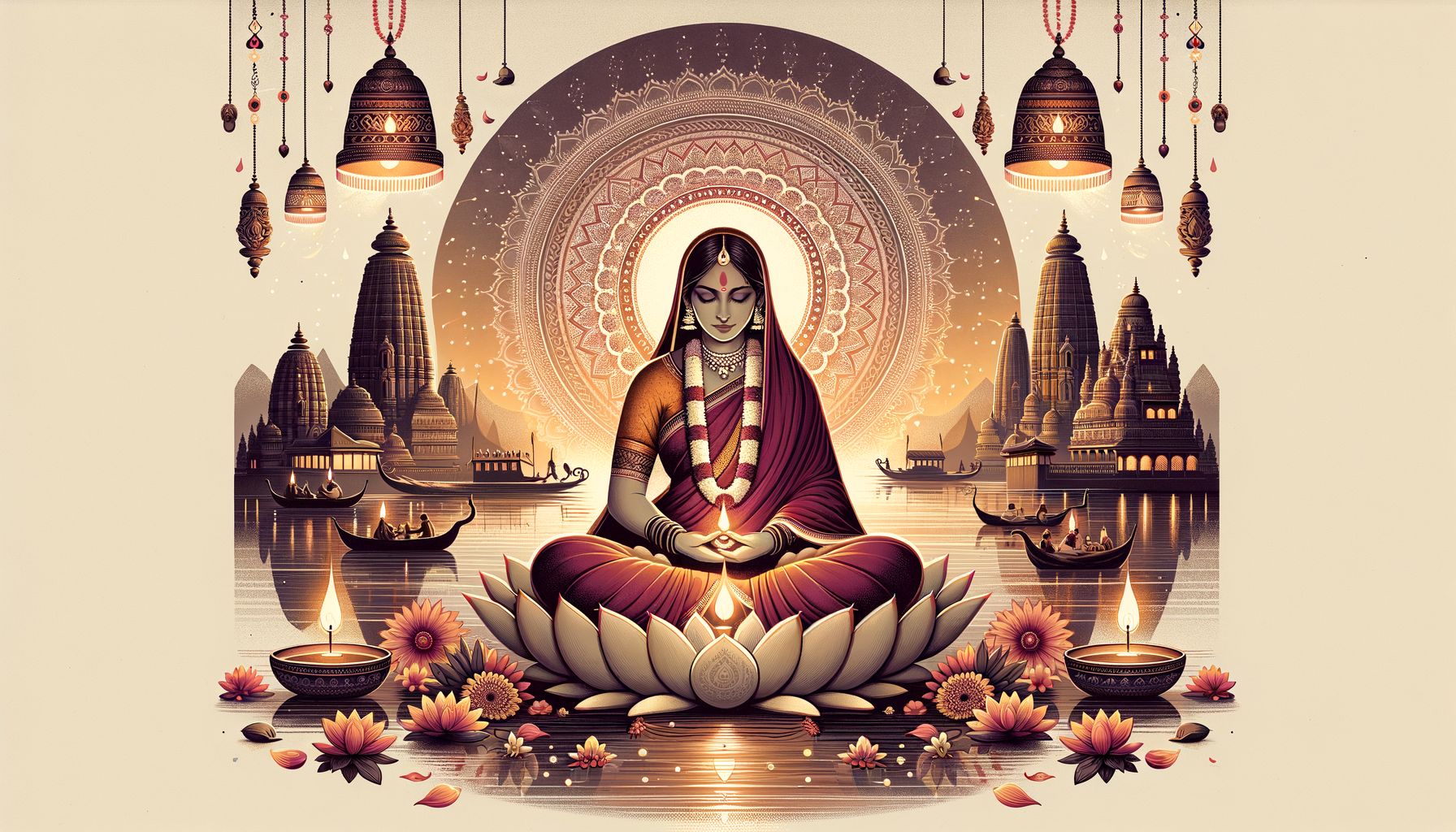
Harsiddhi Mataalso known as Harsiddhi Bhavani Deviis venerated across Gujarat, Madhya Pradesh, and Maharashtra as a compassionate manifestation of Mata Parvati. Revered as a Kula Devata by Brahmin, Jain, and other communities, she anchors family rites, intergenerational continuity, and social cohesion. Coastal devotees and fishing communities especially uphold heartfelt worship, seeking blessings for safety and…
-
Mahakala as Kali’s Vehicle in Tantra: Unveiling Time, Power, and Non-Dual Wisdom

This exploration clarifies why, in Tantric symbolism, Mahakala is described as Kali’s vahana not as a literal mount but as the timeless ground supporting Shakti’s transformative dance. It unpacks the etymology of kala, linking time and the fathomless dark to non-dual metaphysics. The discussion reframes iconographyKali standing upon Mahakalaas a pedagogy for transcending fear and…
-
Agni’s Gift to Durga: The Sacred Spear of Shakti and the Transformative Fire of Wisdom

Agni’s gift of the spear (Borsha) to Goddess Durga, as narrated in the Devi Mahatmya, signifies the union of righteous strength with purifying wisdom. The spear’s straight shaft symbolizes disciplined focus, and its tip stands for discriminative insight that pierces ignorance. Ritual experiencesfrom āratī to Navaratri celebrationsinvite practitioners to internalize this clarity in ethical action.…
-
Kabandha as Kali’s Vahana: Tantric Symbolism of Ego-Transcendence and Inner Liberation
This exploration unpacks the esoteric image of Kabandha as Kali’s vahana as found in certain Shakta-tantric interpretations. It clarifies how headlessness symbolizes cutting through ego, aligning the body-mind as the disciplined “vehicle” of Shakti. Readers discover how this symbolism resonates with shared dharmic insights across Hindu, Buddhist, Jain, and Sikh traditions, emphasizing humility, fearlessness, and…
-
Dasamahavidyas’ Awe-Inspiring Origin: Sati’s Cosmic Revelation at the Daksha Yajna

This article presents a clear, scholarly retelling of the Dasamahavidyas’ origin during the Daksha Yajna, where Goddess Sati reveals her Ten Great Wisdom forms to affirm Shakti’s cosmic sovereignty. Readers gain a concise list of the Mahavidyas with their core attributes and understand their role within Shakta Tantra and broader Hindu spirituality. The narrative situates…
-
Vajra in Durga’s Hands: Indestructible Power, Sacred Courage, and Dharmic Unity
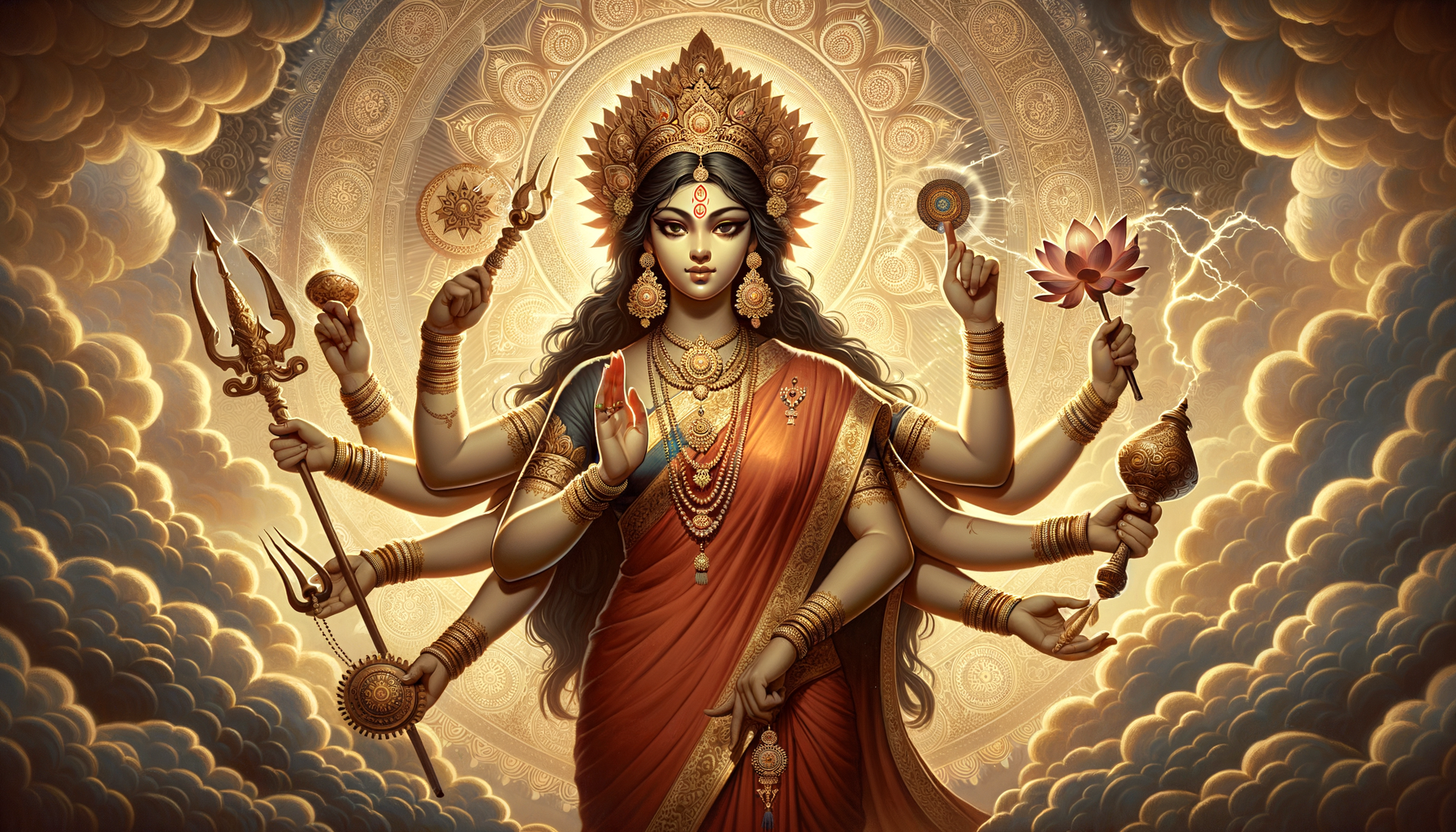
The Vajra in Goddess Durga’s hands symbolizes indestructible power guided by wisdom, as narrated in the Devi Mahatmyam of the Markandeya Purana. Indra’s gift of the thunderbolt links Durga’s protective mission with earlier Vedic and puranic themes of sacrifice, courage, and cosmic balance. Readers gain a clear understanding of how the Vajra denotes sudden illumination,…