
-
Divine Lawkeeper: How Dharma and Karma Make God the World’s Most Just Policeman

This essay presents a rigorous, accessible account of how Hindu philosophy understands God as the ideal lawkeeper through the integrated workings of dharma, karma, and ṛta. Readers learn how justice in Sanatana Dharma is primarily restorative and educational, privileging conscience, proportionality, and reform over retribution. The discussion bridges scripture (Bhagavad Gita, Dharmasastra, Arthasastra) with social…
-
The Charismatic Harinama: ‘Jai Shri Rama’, Ram Setu, and the Dharmic Science of Naam

Harinama, the sacred practice of chanting the Divine Name, is explored through the Ramayana’s setu narrative, where ‘Jai Shri Rama’ symbolizes devotion’s power to bridge the impossible. The discussion grounds Harinama in scripture, citing the Bṛhan-nāradīya Purāṇa and the Kali-santarana Upaniṣad, and explains nāma-tattvathe non-difference of Name and Named. It highlights inter-dharmic resonances with Sikh…
-
Affirmation, Repetition, and Social Contagion: A Dharmic Roadmap from Greed to Renewal
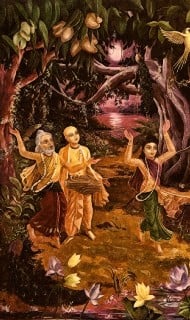
This essay reframes today’s overlapping crisesconflict, displacement, disasters, and economic strainthrough the lens of affirmation, repetition, and social contagion. It explains how these mechanisms have normalized material excess and how, redirected by dharmic wisdom, they can catalyze renewal. Readers gain a clear framework linking behavioral science with the shared ethics of Hinduism, Buddhism, Jainism, and…
-
Unlocking Susunia’s Sudarshana Secret: Chakrasvamin, Gupta Power, and Bengal’s Living Dharma

Susunia Hill’s fourth-century rock inscription offers a compact yet sweeping window into Bengal’s Vaishnava heritage under the Gupta Empire. Three Sanskrit lines in northern Brahmi, carved beneath a blazing Sudarshana Chakra, identify Maharaja Chandravarman as dāsāgreṇa of Cakrasvāmin and connect Vanga-deśa directly to Āryāvarta through the Prayaga Prasasti. This essay traces the Cakrasvāmin sect’s spread…
-
March 10, 2026 Panchang: Krishna Paksha Saptami, Auspicious Muhurtas, Nakshatra & Rashi

Tuesday, March 10, 2026 falls on Krishna Paksha Saptami, the seventh lunar day of the waning fortnight, continuing until 12:11 AM on March 11, when Ashtami begins. This Panchang overview explains how tithi is computed, why end times rarely align with civil midnights, and how to apply practical muhurta guidance. Readers learn to combine Abhijit…
-
Nori Narasimha Sastry’s Mastery: Research-Rich Telugu Novels that Illuminate Dharma and History
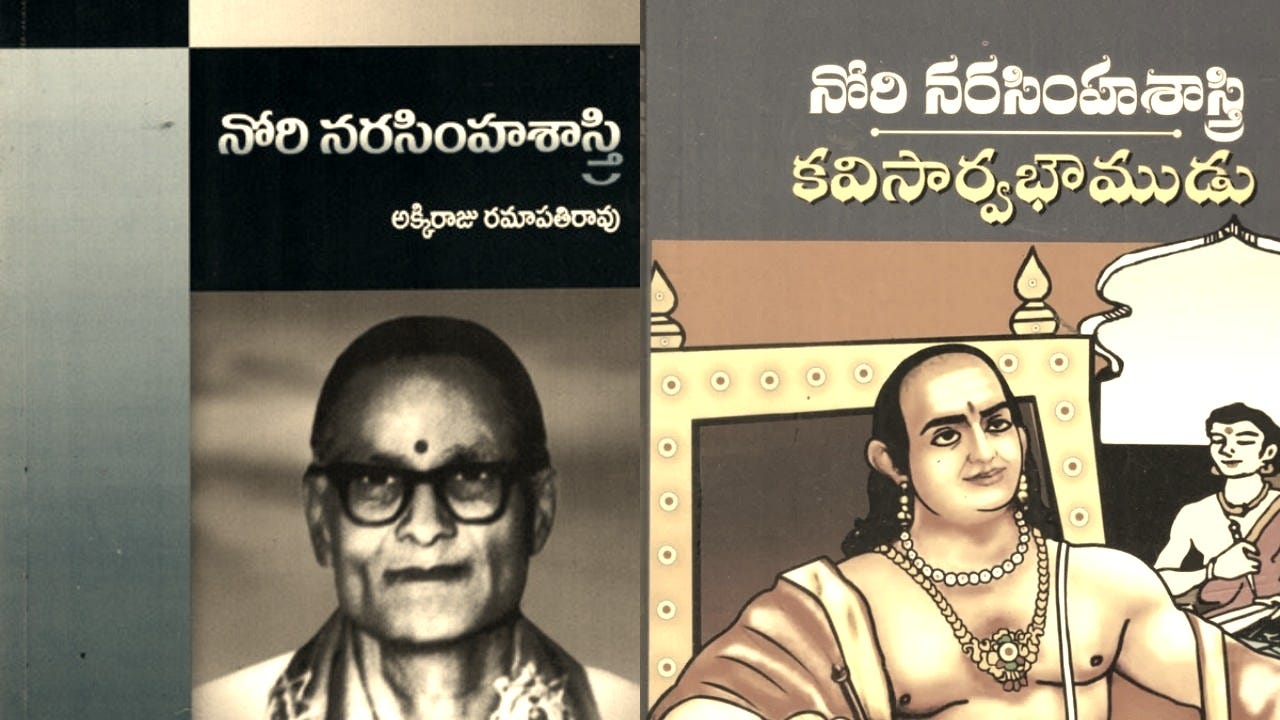
Nori Narasimha Sastry’s historical novels unite rigorous research with the civilizational vision of Sanatana Dharma, earning a readership that places his prose alongside classical Telugu works. By pairing Srinatha with the bhakti poet Potana in Kavidvayamu and portraying Dhurjati within the Vijayanagara milieu, he balances devotional interiority with institutional history. His mature use of Champu,…
-
Celebrate Birthdays by Tithi for Profound Spiritual Well‑Being: A Scholarly, Practical Guide

Observing birthdays by janma tithi, rather than the civil date, aligns personal milestones with the Hindu calendar’s exact Sun–Moon geometry. This lunar approachaffirmed by Sadguru Dr Charudatta Pingale (HJS)anchors the day in Vedic timekeeping and fosters spiritual well‑being. Practical guidelines clarify how to identify the janma tithi, handle kshaya/vriddhi tithis, and balance janma tithi with…
-
In Memoriam: Ranjit Das on Vrindavan 1976Srila Prabhupada’s Enduring Lesson in Humility

This in memoriam preserves HG Ranji Prabhu’s (Ranjit Das) vivid account from Vrindavan in 1976, when A. C. Bhaktivedanta Swami Prabhupada redirected loud glorification to his own spiritual master, Bhaktisiddhanta Sarasvati Thakura. The episode offers a precise field lesson in the Guru–Shishya Tradition: authentic teachers pass honor upward through the parampara. It situates Gayatri mantra…
-
The School of Life: Insights from HH Svayam Bhagavan Keshava Maharaja’s Marathon Podcast (Dec 2025)

In December 2025, HH Svayam Bhagavan Keshava Maharaja’s Marathon Podcast, The School of Life, presented a disciplined framework for living as a spiritual education. The approach integrates puruṣārthas with yogic psychology, translating Vedic philosophy and the Upanishads into daily, reproducible practices. Bhakti, karma yoga, jñāna, and dhyāna are balanced with ethics like satya, ahiṁsā, and…
-
Child Kali on Maa Sarada’s Lap: Decoding Ramakrishna’s Vision of Fierce Grace and Love
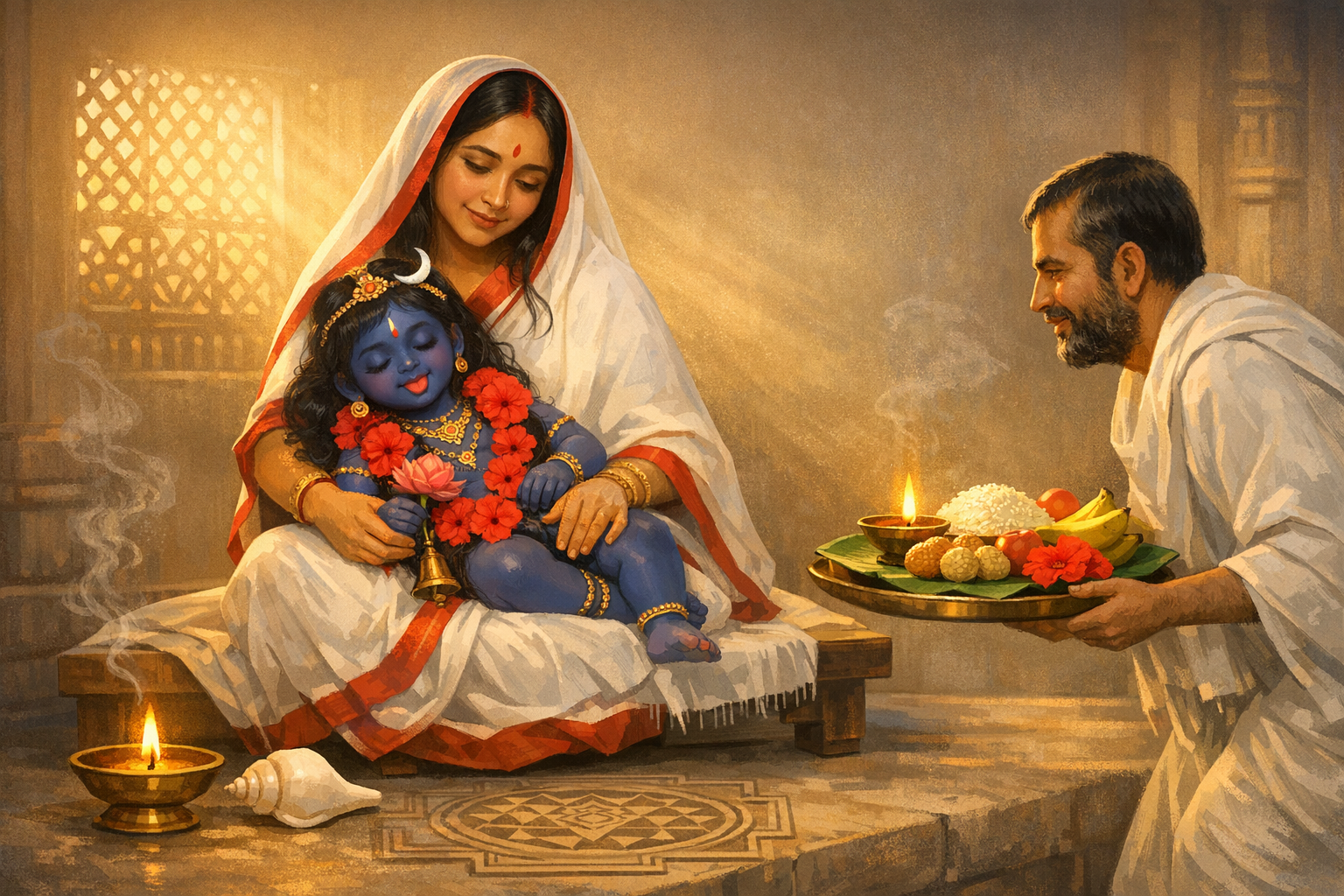
This essay decodes a powerful Hindu symbol: Child Goddess Kali seated on the lap of Maa Sharda as Sri Ramakrishna brings food. It situates the scene within Sanatana Dharma, Shakta Tantra, and Bengal’s devotional culture, showing how fierceness softens into maternal grace through seva. Drawing on Ramakrishna’s lifeespecially the Shodashi Puja to Sarada Deviit interprets…
-
Ravana’s Fatal Breach of Rajadharma: Desire Over Duty and the Ruin of Lanka’s Statecraft

This long-form analysis examines Ravana’s breach of rajadharma in the Ramayana as a rigorous lesson in Dharmic statecraft. It situates kingship within Hindu, Buddhist, Jain, and Sikh ethical frameworks, showing how a ruler’s personal desire must remain subordinate to public duty. It explains how Ravana’s abduction of Sita, dismissal of counsel, and politicization of private…
-
Safeguarding the Shankaracharya Parampara: Ex-CBI Chief Seeks Unity, Dignity, and Dialogue

A widely discussed letter by former CBI Director M. Nageswara Rao urges the Shankaracharyas of Puri, Sringeri, and Dwarka to help resolve a row over the alleged humiliation of the Jyotirmath Shankaracharya. This analysis explains why the Shankaracharya Parampara is pivotal to Hindu Tradition and Culture and outlines how amnaya peethas and temple administrations can…
-
Srimad Bhagavatam 7.12.16: Bhakti Discipline and Inner Transformation at ISKCON GEV
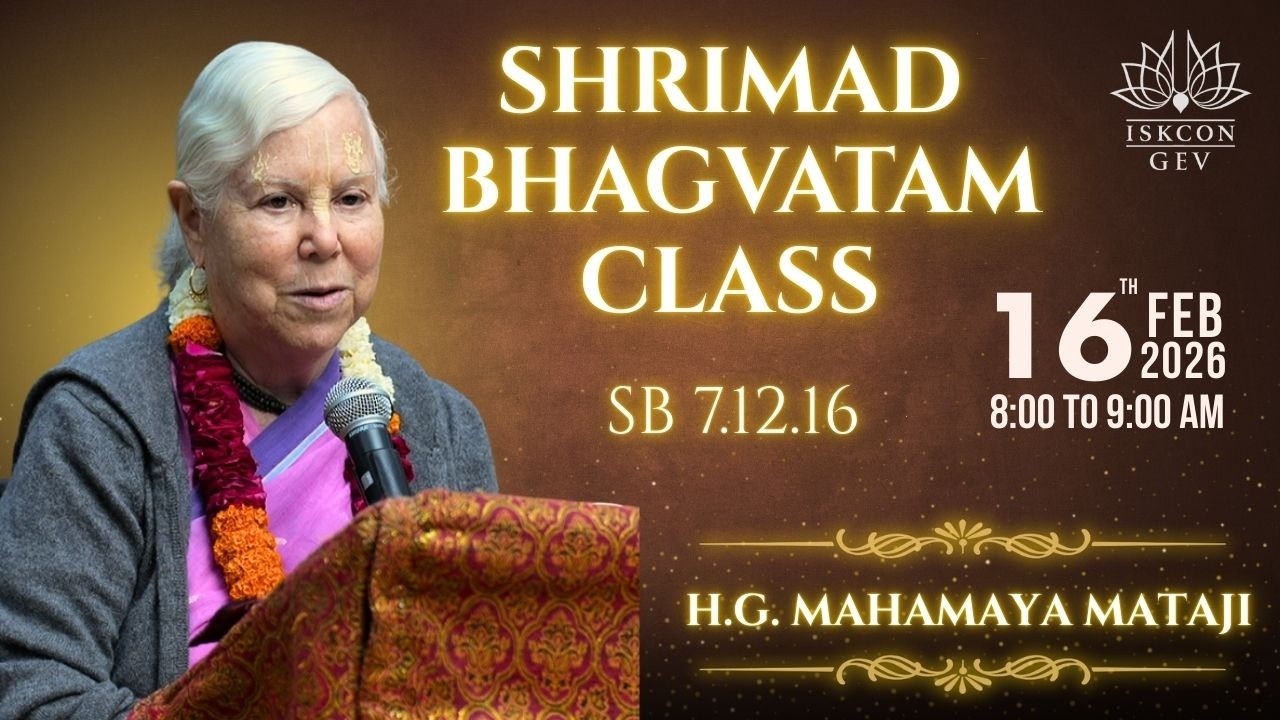
This in-depth summary of the Srimad Bhagavatam 7.12.16 class by H.G. Mahamaya Mataji at ISKCON GEV presents a clear, academically grounded pathway to devotional growth. It situates the verse within Canto Seven’s broader ethical and spiritual framework and explains how guru–shishya parampara safeguards scriptural integrity. Readers gain a practical map of sadhanafrom śraddhā to premasupported…
-
Sacred Solitude in Kali Yuga: Hindu Wisdom to Turn Loneliness into Inner Strength

Kali Yuga’s turbulence often magnifies loneliness, yet Hindu wisdom reframes solitude as a disciplined practice for clarity and compassion. Drawing on the Bhagavad Gita, Yoga Sūtras, and Upanishadic thought, sacred solitude is shown to renew attention, emotional resilience, and ethical steadiness. Complementary insights from Buddhism, Jainism, and Sikhism highlight shared practicesmindfulness, kāyotsarga, and simranthat deepen…
-
Unbroken Sacred Bonds of Bharatavarsha: Living Sanatana Dharma and India’s Cultural Unity
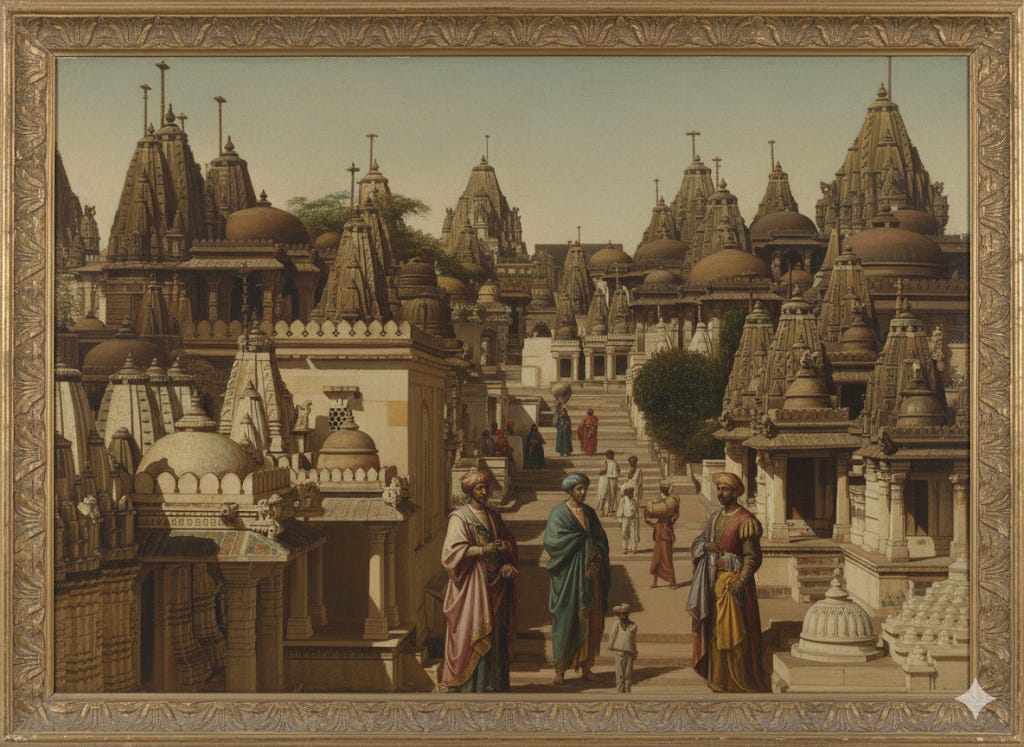
This essay examines how the cultural unity of Bharatavarsha endures through lived Sanatana Dharmawhere sacred geography, pilgrimage, arts, and scholarship weave Hindus, Buddhists, Jains, and Sikhs into a shared civilizational fabric. It highlights the continuing vitality of Adi Sankara’s mathas, Sanskrit-centered scholarly debate, and inclusive canons such as the Guru Granth Sahib. It traces interregional…
-
From Many Forms to One Reality: Unifying Dharmic Paths to Universal Divinity

This reflection reframes “from many gods to one” as a unifying dharmic philosophy rather than a call for uniformity. It explains how Hindu Ishta, Buddhist Dharmakaya, Jain Anekantavada, and Sikh Ik Onkar converge on one universal reality through diverse practices. Readers gain a clear, academic framework for understanding religious pluralism and unity in spiritual diversity.…
-
Timeless Deity Worship in the Vedic Tradition: Yuga‑Wise Paths and Dharmic Unity

This article clarifies a common misconception: Deity worship (murti-puja) in the Vedic Tradition is not a recent innovation but part of an ancient, continuous heritage. It explains how each yuga recommends distinctive practicesmeditation in Satya-yuga, yajna in Treta-yuga, Deity worship in Dvapara-yugawhile showing that these disciplines persist across ages. For Kali-yuga, it highlights why mantra…
-
Srimad Bhagavatam 1.10.26–27: Unveiling Krishna’s Divine Appearance and Timeless Grace
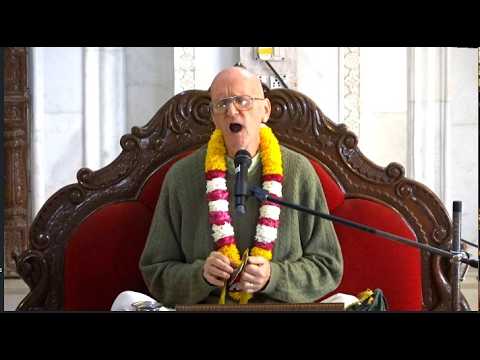
This analysis of Srimad Bhagavatam 1.10.26–27, presented at ISKCON Ujjain by HG Gaurashakti Prabhu, explains why Krishna’s appearance is transcendental and not bound by material causality. Using the sun’s rising and setting as an accessible analogy, it clarifies how divine presence remains constant even when not outwardly perceived. The discussion shows how understanding Krishna’s birth…
-
Bhutapataye Bhairava: Timeless Protector of the Five Elements and Pathway to Fearlessness

Bhutapataye Bhairava signifies the protective sovereignty of Bhairava over the five elements and subtle realms, uniting cosmology, ethics, and practice. The name encodes sacred stewardship of panchabhuta and compassionate guardianship of space, aligning with Tantric and Shaiva insights. Practitioners consistently describe greater grounding, clarity, and fearlessness through mantra, japa, and vrata. Iconographydog, kapala, and trishulateaches…
-
Shantadurga of Kelshi: Sacred Konkan Legacy from Parashurama to Gaur Saraswat Devotion

Shantadurga of Kelshi illuminates the sacred geography of Parashurama’s Konkan, where the Sahyadri meets the sea and Devi’s peaceful power endures. This account situates Kelshi within Purāṇic tradition, highlighting Shantadurga’s role as a reconciler and guardian. It explores how Gaur Saraswat Brahmin families sustain devotion across generations, transforming the temple into a living archive of…