
-
Surya in Bengal: The Sacred Dharma Deva (Ral Deva) Uniting Light, Righteousness, and Prosperity

In Bengal and eastern India, Suryarevered as Dharma Deva or Ral Devaembodies light, righteousness, fertility, and prosperity. The tradition integrates ethics with ecology, aligning daily life to the solar cycle through dawn arghya and seasonal vows, especially in Poush and Magh. Folk practices transmit values across generations, while classical Vedic symbolism links Bengal’s Dharma Deva…
-
Bhagavatha Anugraha Moorthy: Vishnu’s Boundless Grace, Hope, and Protection for Devotees

Bhagavatha Anugraha Moorthy presents Lord Vishnu as the embodiment of unconditional grace responsive to sincere devotion. Classical Puranic narratives of Dhruva, Prahalada, and Narada illustrate how steadfast bhakti invites protection, guidance, and spiritual elevation. The concept emphasizes that divine compassion is inclusive and accessible, not transactional or exclusive. In daily life, practices such as japa,…
-
ISKCON Mayapur Sankirtan Welcome: Joyous Homecoming and Dharmic Unity (Feb 7, 2026)

On February 7, 2026, ISKCON Mayapur hosted a Sankirtan Devotees’ welcome ceremony that celebrated collective devotion and community service. The gathering highlighted Krishna-bhakti while reflecting values shared across Hinduism, Buddhism, Jainism, and Sikhism. With congregational chanting and a reverent atmosphere, the ceremony emphasized gratitude, seva, and social cohesion. Framed by living tradition, it functioned as…
-
Transforming Shame into Pride: Guru Ravidas and a Unified Dharmic Identity in America
This academic reflection traces a Hindu American’s journey from cultural hesitation to confidence through the teachings of Guru Ravidas Ji. It highlights how inclusive Sanatana Dharma and the Bhakti Tradition foster inquiry over rote ritual, anchoring devotion in understanding. By emphasizing Oneness and dignity beyond social labels, the narrative affirms Religious Pluralism and unity across…
-
Shakti-Putra Shivaji: Strategic Genius, Dharmic Virtue, and a Timeless Blueprint for Just Power
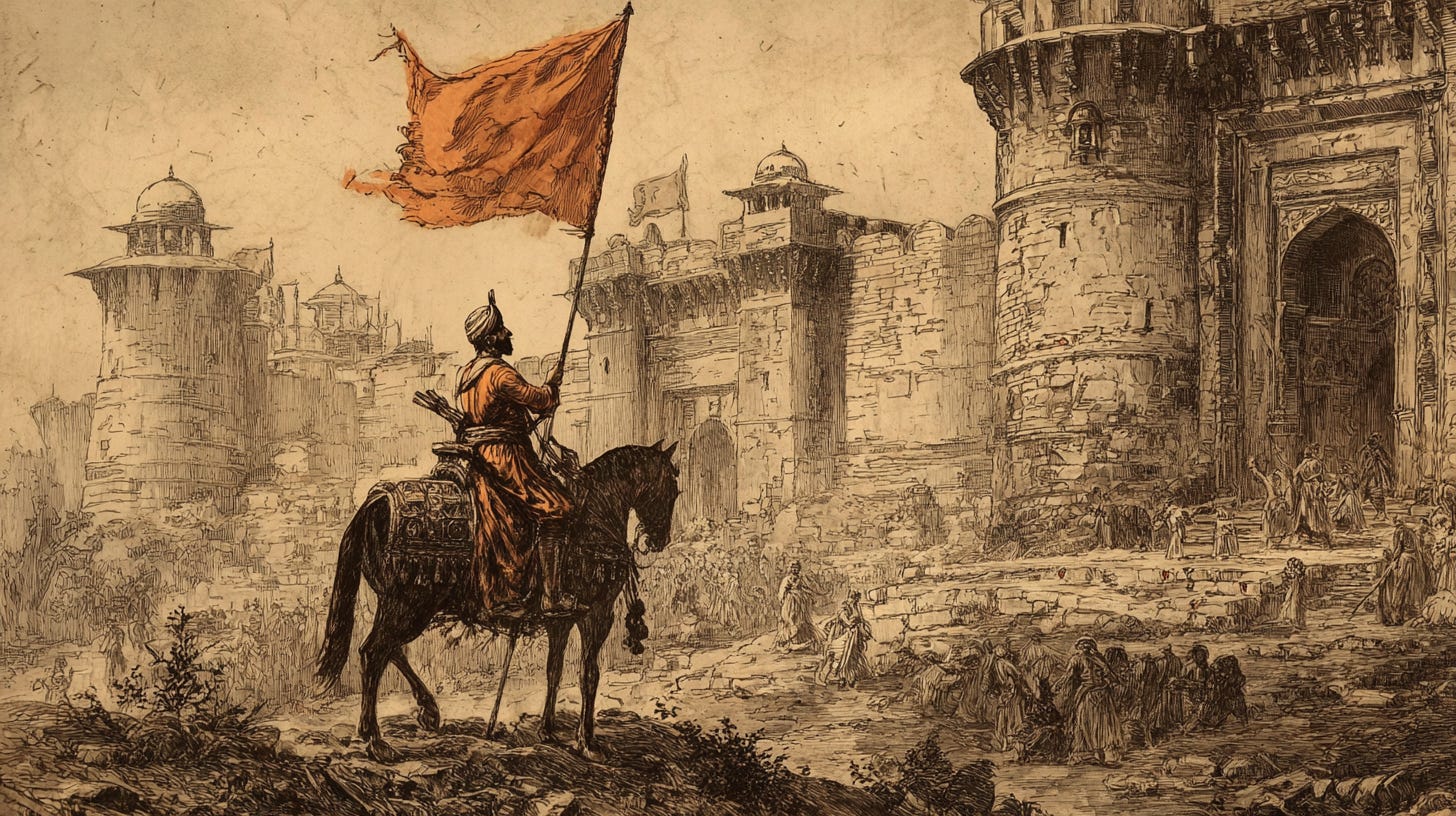
Chhatrapati Shivaji’s legacy emerges as a rare fusion of strategic brilliance and dharmic virtue. Positioned alongside Chandragupta Maurya and Skandagupta, he exemplifies the Shakti-putra idealuniting shakti (force) and yukti (strategy) to redirect history. His conduct in victoryprotecting civilians, honoring women, and respecting places of worshipshows a plural, ethical framework consonant with Sanatana Dharma and shared…
-
Sage Parashara and King Kalmashapada: A Timeless Saga of Curse, Dharma, and Redemption
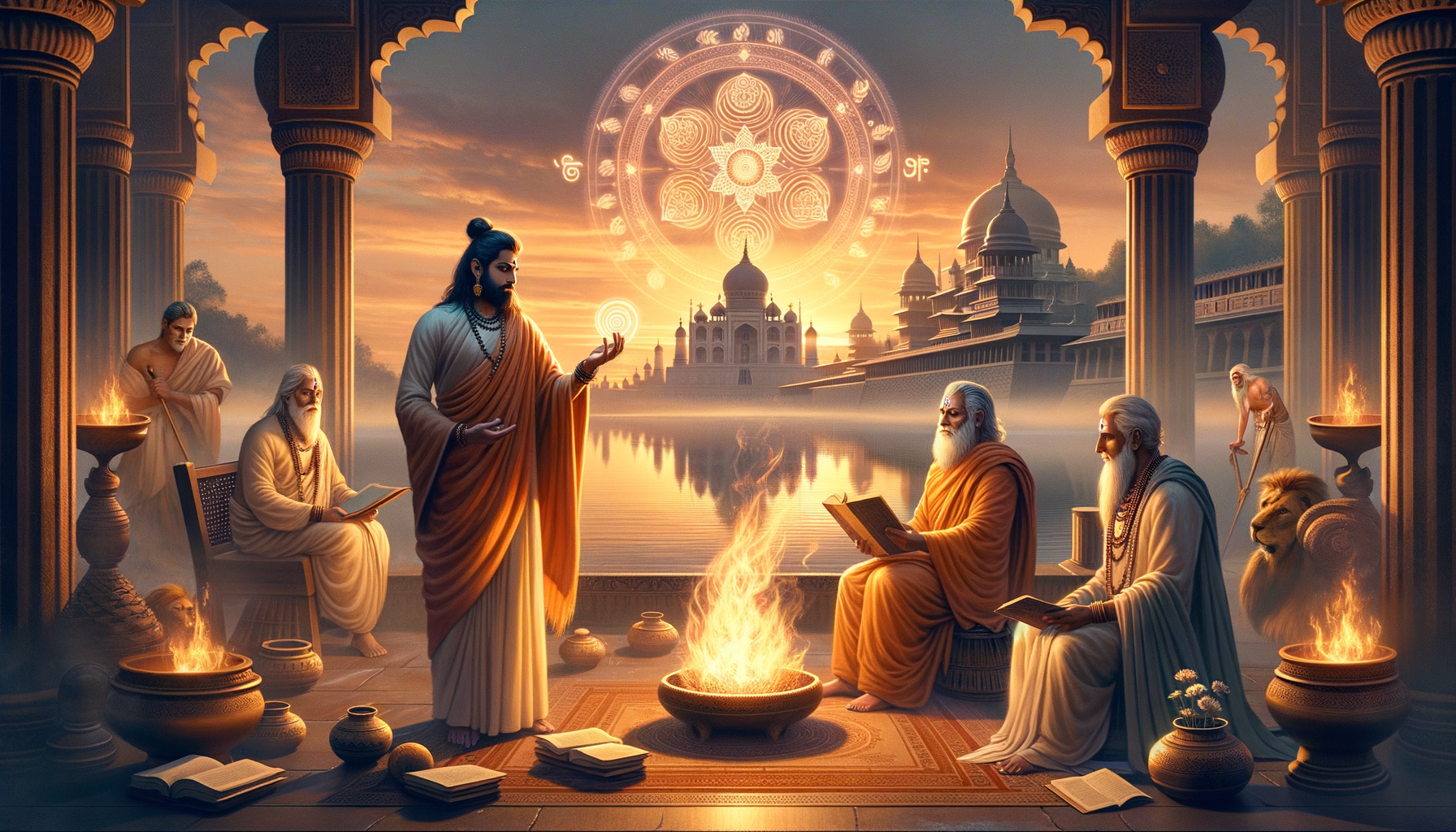
This tale from Ayodhya follows Sage Parashara and King Kalmashapada through a dramatic arc from a devastating curse to ethical renewal. Multiple textual strands highlight how vengeance and misjudgment spiral into adharma, and how counsel from Vashishtha and Pulastya redirects Parashara from retribution toward wisdom. The episode explains why restraint, clarity, and accountability are essential…
-
Purandaradasa’s Radical Renunciation: A Moving Lesson in Devotion, Detachment, and Seva

This reflection highlights Purandaradasa’s renunciation as a powerful illustration of wealth rededicated to the Divine and society. It emphasizes the difficulty of detachment while showing how devotion and seva can reorder priorities. The narrative connects shared Dharmic idealsaparigraha, dana, tyaga, and sevaacross Hinduism, Buddhism, Jainism, and Sikhism. Readers gain practical guidance: dedicate money, time, and…
-
Awakening to a Living, Intelligent Universe: Dharma’s Cosmic Order vs Human Greed and Avidya

Hindu philosophy describes the universe as a living, intelligent reality governed by Rta or Dharma. This cosmic law sustains balance and harmony, shaping everything from galaxies to human thought. Parallel insights in Buddhism, Jainism, and Sikhismthrough Dhamma, Ahimsa, Aparigraha, and Hukamaffirm a shared moral order across dharmic traditions. When greed and Avidya prevail, ecological, social,…
-
Advaita Acarya’s Sacred Union: Sita Thakurani and the Roaring Call of Yogamaya-Bhakti

This post presents an academically grounded yet accessible portrait of Advaita Acarya, tracing his journey from early loss and pilgrimage to a sanctified family life with Sri and Sita, daughters of Nrsimha Vaduri. It clarifies why he is known as Sita-natha/Sita-pati and explains the Gaudiya understanding of Sita Thakurani as an incarnation of Yogamaya and…
-
From Doubt to Serenity: Vedic Wisdom, Mantra Chanting, and the Assurance of Divine Order

A short visit became a deeper exploration as Vedic wisdom revealed a structured and meaningful view of reality. The ancient Vedas ground practices like chanting the Hare Krishna mantra and deity worship in a disciplined, philosophical context. Vedic cosmology’s cycles of creation and dissolution offer a reasoned framework that replaces anxiety with intellectual clarity. The…
-
Vṛkāsura at Kedāranātha: Śiva’s Saving Compassion and the Ethics of Despair (SB 10.88.17–26)
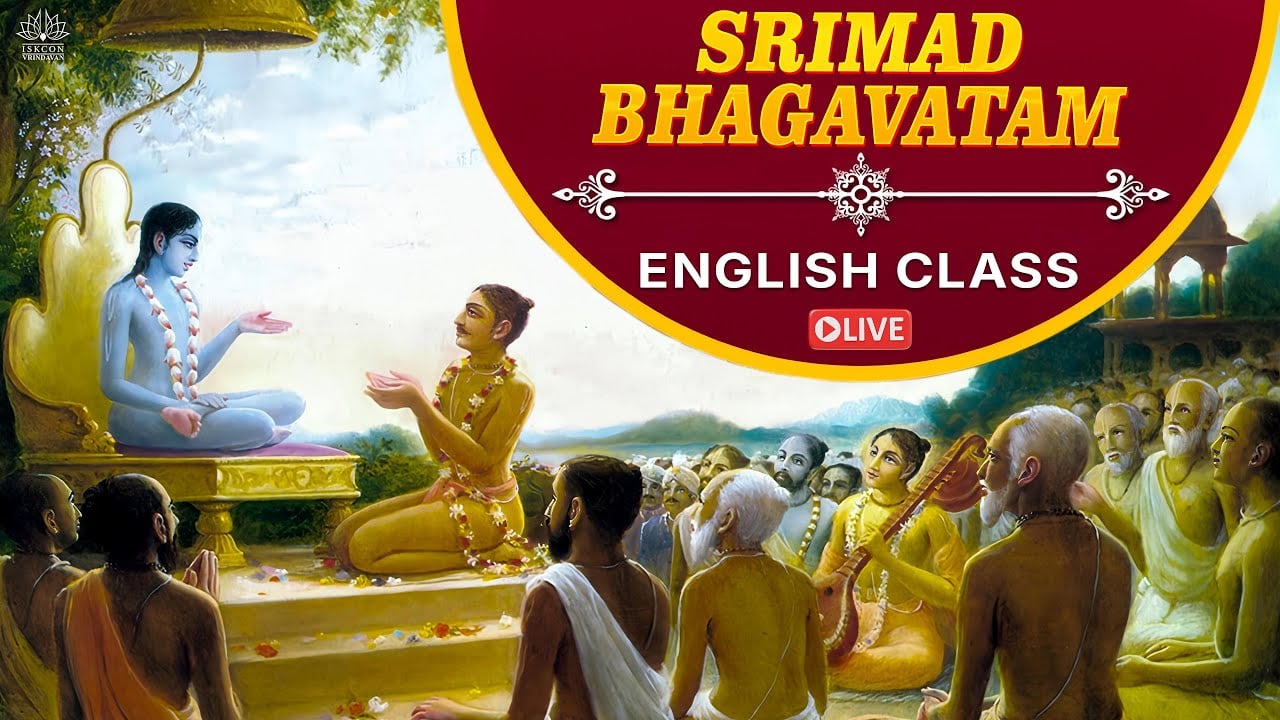
Srimad-Bhāgavatam (SB 10.88.17–26) depicts Vṛkāsura at Kedāranātha, poised for self-harm after severe austerities, when Lord Śiva intervenes with decisive compassion. The episode distinguishes steadfast tapasya from destructive extremity, re-centering devotion within the life-affirming ethics of Sanatana Dharma. Read alongside the Puranas and the Bhakti Tradition, it reveals how grace protects the devotee from inner turmoil…
-
Panchagavya vs Panchamakara: Unveiling Sacred Purity and Esoteric Power for Seekers

This comparative guide explores Panchagavya in Vaishnavism and Panchamakara in Shaktism, showing how both systems aim at inner transformation within Sanatana Dharma. Readers gain clear definitions, historical context, and lived meanings of these fivefold practices. The analysis highlights Panchagavya’s emphasis on ritual purity and bhakti, and Panchamakara’s symbolic, ethically guided approach to integrating Shakti. Practical…
-
Adhi Maha Sastha with Purna and Pushkala: Timeless Guardian of Dharma in South India
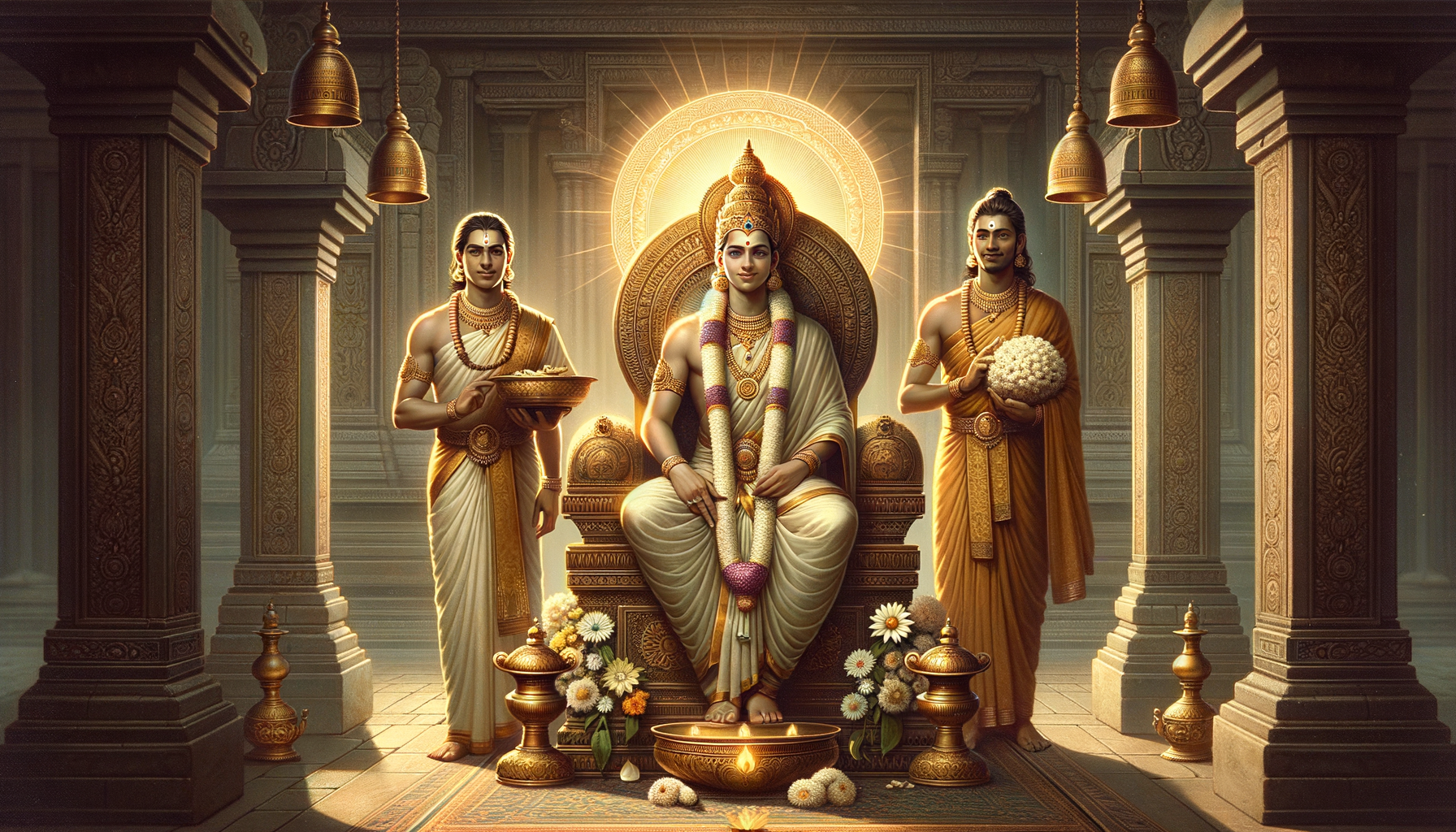
Adhi Maha Sastha with Purna and Pushkala is revered in South Indian temple worship as a guardian-teacher who unites benevolent authority with compassionate guidance. The names themselvesAdhi (primordial), Maha (great), and Sastha (ruler/teacher)signal a deity aligned with justice, wisdom, and care. Purna and Pushkala embody wholeness and auspicious abundance, affirming harmony in the householder path.…
-
Krishna, Fountainhead of All Avatars: Profound, Unifying Wisdom for Dharmic Paths

Sanatana Dharma describes Krishna as the primeval Lord from whom all avatars emerge, preserving divine transcendence while engaging the world through plenary expansions. This framework, grounded in the Puranas and Bhagavad-Gita, explains how the Supreme remains untouched by material activity and continues eternal lila with devotees. Recognizing Balarama as the first expansion illustrates the cooperative…
-
Harmony with Nature: Hinduism’s Timeless Dharma for Inner Peace, Compassion, and Earth Care

This essay explores how Hinduism frames harmony with nature as a dharmic imperative that elevates both inner life and ecological responsibility. It explains core ideas like ṛta, dharma, and “Isha vasyam idam sarvam,” showing how they sacralize the natural world. Ethical principles such as Ahimsa and Aparigraha become practical guides for sustainable living and compassionate…
-
Heaven on Earth Is Contentment: A Dharmic Path to Lasting Joy Beyond Wealth and Status

This article examines why contentmentsantosha in Hindu thoughtfunctions as a greater treasure than material abundance and how it manifests as “heaven on earth.” It contrasts the emptiness that can persist despite wealth with the quiet joy possible in simplicity. Drawing on shared insights from Hinduism, Buddhism, Jainism, and Sikhism, it shows how santosha, aparigraha, upekkhā,…
-
Varṇāśrama and Bhakti in Gauḍīya Siddhānta: A Powerful Guide to Harmonizing Duty and Devotion

Śrī Caitanya-śikṣāmṛta clarifies how varṇāśrama-dharma supports vaidhi-bhakti in Gauḍīya Siddhānta, showing that ethical order stabilizes and nourishes devotion. Rather than competing, duty and devotion complement each other: responsibilities cultivate clarity, while bhakti completes and elevates life. Practitioners benefit from relatable, practical guidancesteady work, family care, and seva make japa and śāstra-study more focused and joyful.…
-
Mother Goddess Dhara & Dakshinamurthy Shiva: Sacred Union of Wisdom-Shakti
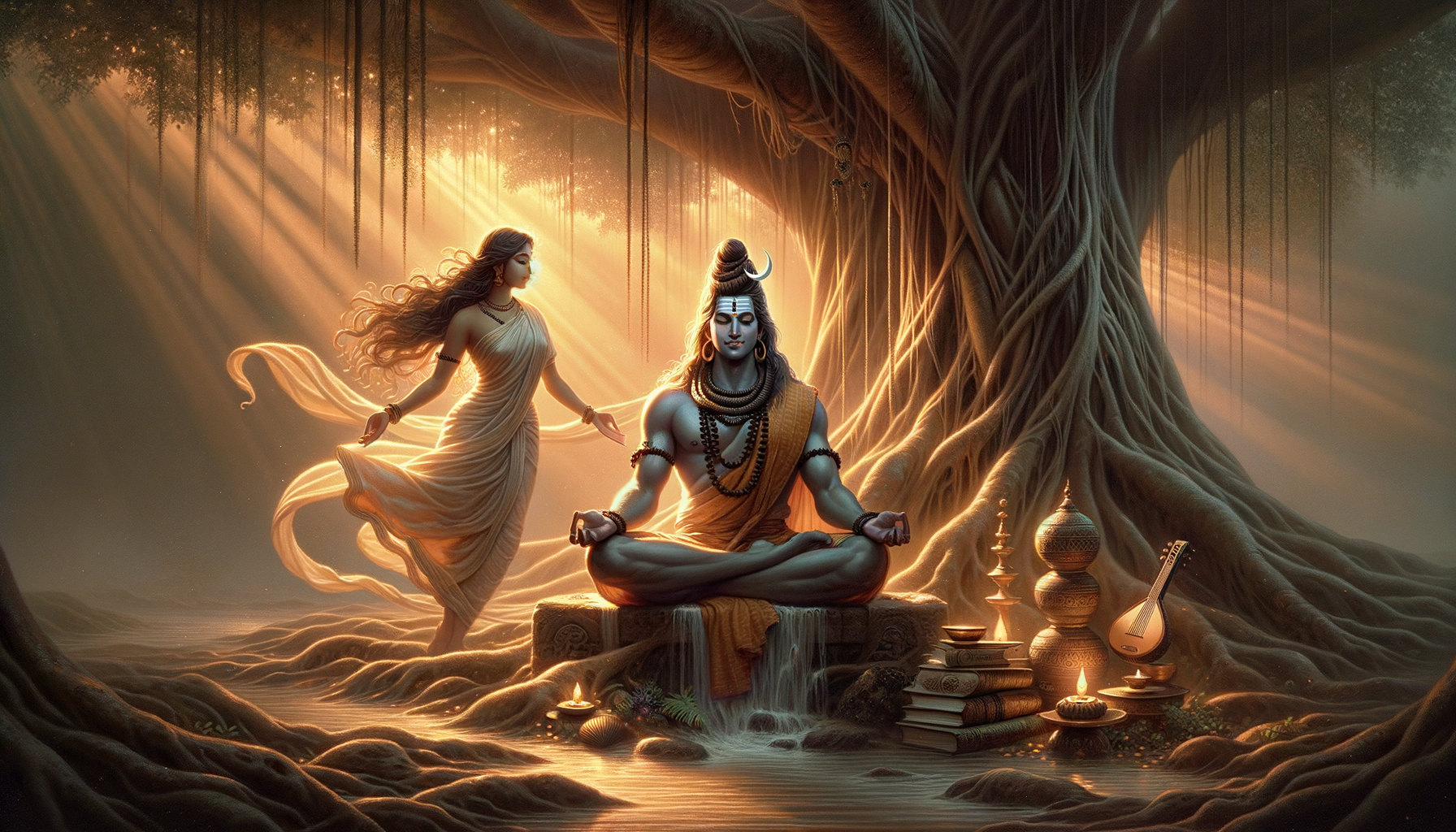
Sanatana Dharma venerates Dakshinamurthy as the Adi Guru whose luminous silence reveals inner knowledge. Honoring “Mother Goddess Dhara” as the flowing Shakti of wisdom offers a symbolic, devotional complement to this south-facing form of Shiva. The union of wisdom and Shakti affirms an Advaita insight: consciousness and its compassionate expression are inseparable. Framed through the…
-
Infinite Paths, One Truth: How Hinduism Empowers Personal Realization and Sacred Unity

Hinduism (Sanatana Dharma) teaches that no two individuals experience the Divine in the same wayand turns that insight into a strength. Drawing on the Upanishads and the Bhagavad Gita, it validates personal realization through concepts like Ishta and multiple yogic paths. This pluralism resonates across Dharmic traditions through Anekantavada in Jainism, upaya in Buddhism, and…
-
Why Only Universal Truths Stay Fresh: Dharmic Wisdom to Beat Information Fatigue

Modern life delivers endless information yet little renewal. Dharmic wisdom explains why: knowledge not grounded in universal truth quickly grows stale, while insights rooted in satya, ṛta, and dharma remain evergreen. Drawing on Hinduism alongside Buddhism, Jainism, and Sikhism, this reflection highlights how compassion, non-violence, and service keep knowledge alive and transformative. It offers practical…