-
Meri Janambhumi (Pakistan) Dian Yatravan: Mapping Sacred Punjab and Shared Dharmic Memory

Meri Janambhumi (Pakistan) Dian Yatravan reads Pakistan’s sacred landscape as a living archive of Sikh, Hindu, Buddhist, and Jain memory. Framing “janambhumi” as homeland and “yatravan” as disciplined pilgrimage, it maps gurdwaras, mandirs, stupas, and Jain temples with ethnographic sensitivity and historical care. The narrative highlights well-known sites such as Nankana Sahib, Panja Sahib, Kartarpur,…
-
Trailblazing Women of Pakistani Punjab: Five Brilliant Academics Transforming South Asian Scholarship

Pakistani Punjab’s universities and research centers have nurtured a generation of women scholars whose work reshaped debates in history, education, languages, religion, and civil–military relations. This article profiles five eminent academics—Ayesha Jalal, Rubina Saigol, Arfa Sayeda Zehra, Riffat Hassan, and Ayesha Siddiqa—emphasizing their methodological rigor, curricular influence, and public engagement. Readers gain a panoramic view…
-
Toy Car IED Plot Foiled: Mumbai Arrests Expose Evolving Terror Tactics, Digital Trail to Delhi

Reports indicate that two suspects linked to Jaish-e-Mohammad were detained in Mumbai in a foiled toy car IED case reportedly aimed at Delhi, highlighting the shift toward concealed, low-signature devices in crowded urban spaces. The analysis explains how such IEDs can be engineered, why encrypted apps complicate investigations, and how Indian agencies combine cyber forensics…
-
Chhatrapati Sambhajinagar: Banned ‘Made in Pakistan’ cosmetics seized; probe safeguards consumers

Police in Chhatrapati Sambhajinagar seized ‘Made in Pakistan’ cosmetics worth ₹60,000 and arrested three individuals, with a supply-chain probe underway. The case illustrates how cosmetics that breach import permissions, CDSCO authorization, and Legal Metrology labeling can be treated as contraband. India’s regulatory regime—under the Drugs and Cosmetics Act, the Cosmetics Rules, 2020, and BIS-referenced standards—exists…
-
Hindu Population 2050: Pew Projections, South Asian Demographic Shifts, and India’s Roadmap

Pew Research Center’s cohort-component projections to 2050 indicate that Hindus will grow substantially in absolute numbers while maintaining a broadly stable global share. India remains the demographic center of gravity and a Hindu-majority nation, even as fertility converges across communities due to education, urbanization, and health gains. Nepal sustains a Hindu-majority profile, Sri Lanka and…
-
Pakistan-occupied Kashmir: Child Recruitment by Extremists? Chilling Claims and a Call to Unite

Allegations that Jaish-e-Mohammad and Lashkar-e-Taiba are recruiting children in Pakistan-occupied Kashmir demand an evidence-led, child-first response. This analysis situates the claims within international humanitarian and human rights law, including OPAC and the Rome Statute, and outlines concrete safeguards schools and communities can deploy now. It differentiates extremist propaganda—such as the Ghazwa-e-Hind motif—from mainstream faith, protecting…
-
Ghaziabad Bust Shatters ‘Ghazwa‑e‑Hind’ Plot: Six Arrested, Jaish‑e‑Mohammed Angle Probed

Ghaziabad Police detained six individuals on 13 March 2026 in a pre‑emptive operation against an alleged terror module accused of propagating Jaish‑e‑Mohammed ideology and invoking the “Ghazwa‑e‑Hind” narrative. The case illustrates how encrypted platforms, grievance‑based messaging, and micro‑cell tactics can converge to threaten public safety in the National Capital Region. It outlines India’s legal toolkit—UAPA,…
-
The Unseen Battle for Indian PoWs: Law, Memory, and a Nation’s Unfinished Duty

This long-form analysis examines Indian Prisoners of War through the lenses of history, international humanitarian law, and diplomacy. It explains how the Third Geneva Convention governs PoW treatment, registration, and repatriation, and summarizes the impact of the 1972 Shimla and 1973 Delhi Agreements after the 1971 Liberation War. It explores the enduring issue of missing…
-
Outrage in Sindh: Hindu Farmer’s Killing Fuels Protests and India’s Rebuke on Minority Safety

The killing of Hindu farmer Kailash Kolhi in Sindh has triggered statewide protests in Pakistan and renewed scrutiny of minority protections. Demonstrators demand arrests, independent investigation, and credible safeguards against impunity. India has publicly challenged Pakistan’s stance on minority rights, situating the incident within broader regional concerns about communal violence. The case underscores daily insecurities…
-
Oxford Union Shockwave: Indian Student Challenges Pakistan’s Kashmir Narrative with History

An Oxford Union exchange featuring Indian student Kautilya Pandit has reignited debate on Kashmir’s demography by foregrounding the exodus of Kashmiri Pandits and the loss of cultural memory. Anchoring his remarks in historical episodes—particularly the 1971 Liberation War and the surrender of 93,000 Pakistani soldiers—he pressed for accountability in India–Pakistan relations. His critique of civil–military…
-
Dhurandhar’s Shockwave: A Political Thriller Exposes Terror Networks and Unites Dharmic Resolve

Dhurandhar has moved beyond box-office success to ignite a national conversation on terrorism, statecraft, and media responsibility. Reports of bans in several Gulf countries and legal action abroad highlight how cultural narratives can unsettle geopolitical sensitivities. At home, polarized responses from reviewers reveal shifting media ecosystems and the need for principled criticism rooted in sahṛdaya-samīkṣa—rigorous,…
-
Karachi Abduction of Hindu Mother and Child Raises Alarms over Forced Conversion

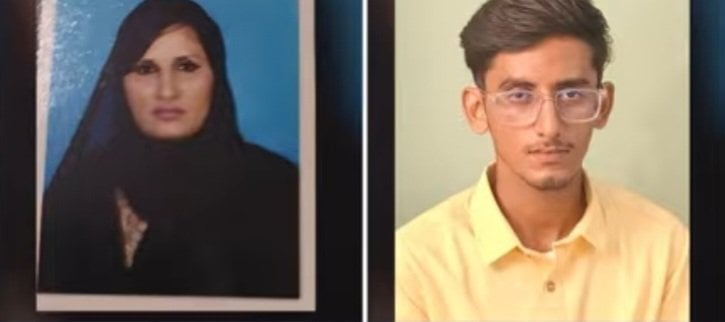
A reported abduction in Karachi—of a Hindu mother, Rani, and her minor daughter—has raised urgent concerns about forced conversion and the safety of religious minorities in Sindh. Civil rights advocate Shiva Kaachi has urged prompt and transparent action from authorities. The case highlights core issues of child protection, due process, and the enforcement of legal…
-
Diwali Diplomacy in Pakistan: Proven Ways to Transform Greetings into Minority Safeguards

Shehbaz Sharif’s Diwali message sparked a broader debate about symbolism versus safeguards for Pakistan’s Hindu community and other minorities. This analysis places the greeting in context, emphasizing transparent data, equal citizenship, and rule-of-law reforms as the foundation for trust. It outlines proven, practical steps—from fast-tracking hate-crime prosecutions to protecting temples and strengthening an independent minorities…
-
The Complete Strategy Blueprint: India’s Proven, Calibrated Path to an Indo-Pak Stability Breakthrough

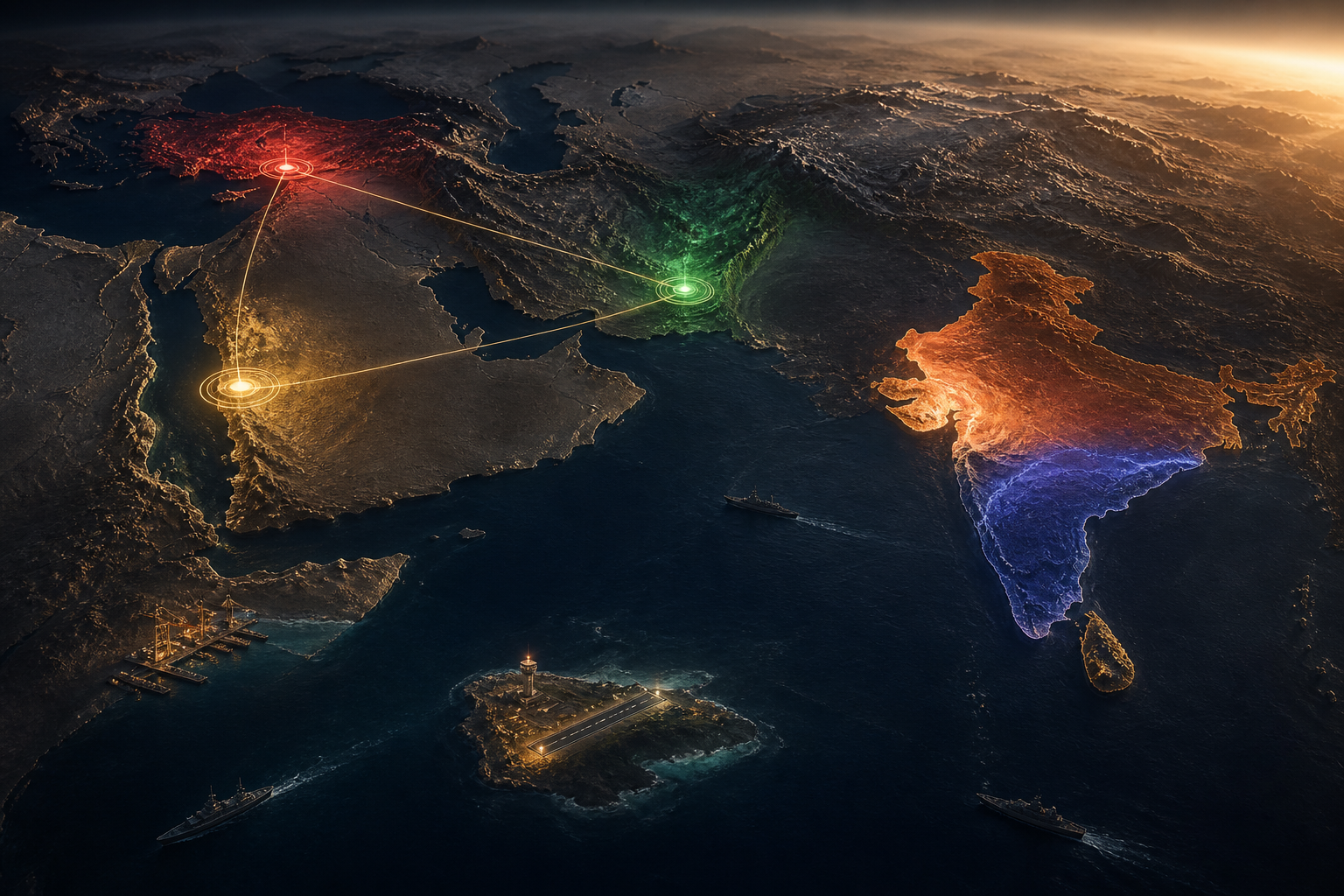
Public impatience over India-Pakistan tensions is understandable, but durable peace requires a calibrated sequence of actions rather than quick escalation. Recent policy moves—tightened visas, treaty posture recalibrations, and legal enforcement—signal a shift toward structured, long-horizon statecraft. Strategic patience imposes sustained costs on violent networks, preserves initiative, and mitigates external coordination risks. Balakot established deterrence; the…
-
Complete, Proven Playbook to Explain India’s Position: Transform Global Media Narratives

A recent flurry of reports about strikes against terror infrastructure in POJK and Pakistan highlighted a familiar challenge: India’s explanations often arrive after narratives have already hardened. This analysis identifies two core constraints—limited “match practice” in narrative warfare and the need to begin every engagement by countering pre-set frames in Western media. It then outlines…
-
How Operation Polo Aborted a Pakistan in South India

The article explores the historical intricacies behind the liberation of Hyderabad, shedding light on the oppressive regime of the Nizams and the atrocities committed by the Razakars against the Hindu populace. It discusses the missed opportunity of the Marathas to dismantle the Nizam’s rule, attributing it to historical factors that allowed the Nizams’ sustained dominance.…
-
Lessons from the Tragic History of the Prahladpuri Temple

In the blog post a narrative unfolds the sorrowful tale of the Prahladapuri Temple in Multan, Pakistan, offering a glimpse into the shared fate of Hindu temples in the region. Beginning with Multan’s rich Sufi shrine heritage and its ancient names, it highlights the early desecration of the Aditya temple by Muhammad bin Qasim. The…
-
Afghanistan’s Throes Of Instability And Conflict

The situation in Afghanistan, often referred to as the ‘graveyard of empires,’ has been marked by ongoing conflicts and instability within its borders and in its relations with neighboring countries like Pakistan and Iran. The Taliban’s strict rule has imposed a heavy burden on ordinary Afghans, leaving them with no escape from their oppressive regime.…