
-
Nagarkot’s Sacred Red Silk Rope: Uniting Brajeshwari Devi and VaidyanathRitual, Symbol, Science
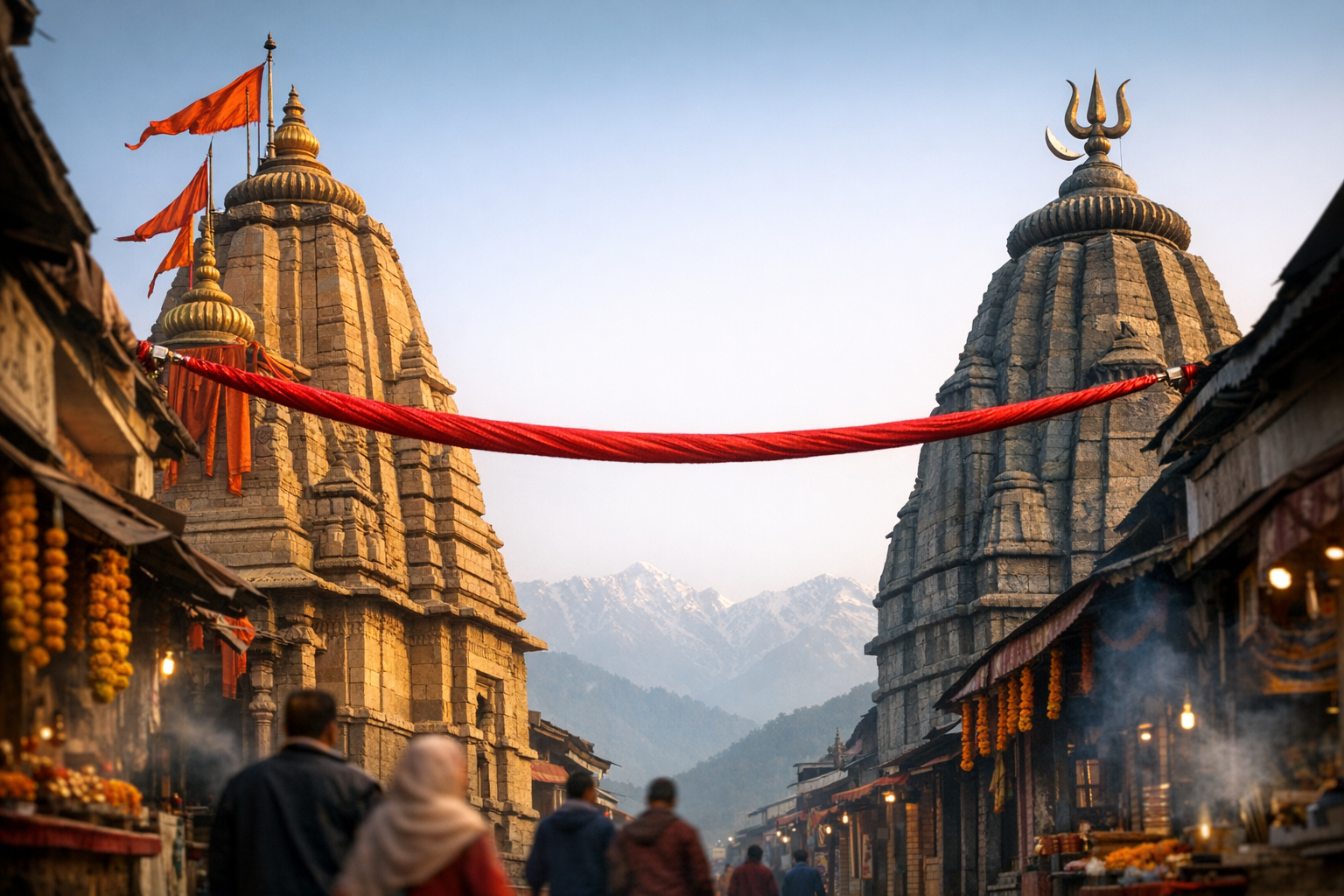
In Kangra’s Nagarkot, a vivid red silken rope links the shikharas of Brajeshwari Devi Shakti Peetha and Vaidyanath, translating Shakti–Shiva philosophy into a powerful public symbol. The cord functions as a civic raksha-sutra and an expanded mauli, integrating ritual, urban space, and sacred architecture. Its red silk communicates auspicious energy while engineering considerations ensure safe,…
-
Bhadrachalam Sthala Puranam: Sacred Legends, Living Devotion at Sita Ramachandra Swamy

Set on the banks of the Godavari, the Bhadrachalam Sita Ramachandra Swamy Temple embodies a living synthesis of Valmiki’s Ramayana, sacred geography, and historical tradition. Its Sthala Puranam links Ayodhya’s epic events to the forests of Dandakaranya, where Sri Rama, Seetha, and Lakshmana are venerated in the unique Vaikuntha Rama iconography. The kshetra’s renaissance under…
-
Scaling Britain’s Three Peaks: Leicester devotees unite to restore ISKCON Leicester’s heritage

A Leicester-based team of 22 participants, including the Temple’s Head Pujari, is set to undertake the National Three Peaks Challenge on 24th April, 2026, to support the renovation of ISKCON Leicester. The event links a demanding 24-hour triad of Ben Nevis, Scafell Pike, and Snowdon/Yr Wyddfa with community-led heritage conservation. It emphasizes rigorous planning, safety…
-
Beyond ‘God of War’: Murugan’s origins, Vel symbolism, and Thaipusam’s transformative devotion

Murugan, revered across Hindu, Buddhist, Jain, and Sikh milieus as a symbol of disciplined compassion, emerges in Tamil sources as the mountain-born “Beautiful One” whose power is guided by wisdom. Classical narratives from the Tolkappiyam and Puranic traditions explain his sixfold awareness, the gift of the Vel, and the transformation of Surapadman from pride into…
-
Ayodhya’s Sacred Flame Debate: Honouring Akhand Jyoti while Meeting Modern Safety Norms
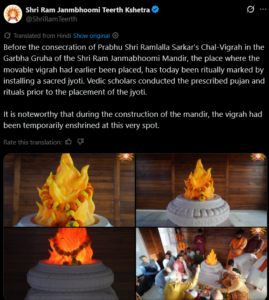
A social media dispute about an alleged plastic lamp at the Shri Ram Janmabhoomi Mandir sparked a wider discussion about the Akhand Jyoti, ritual integrity, and heritage stewardship. This analysis distinguishes the sacred, ghee-fed flame from decorative or safety lighting, clarifying why Agni as Devata cannot be reduced to mere illumination. It draws on safety…
-
Vaishno Devi video controversy: why ritual protocols matter and how temples must respond
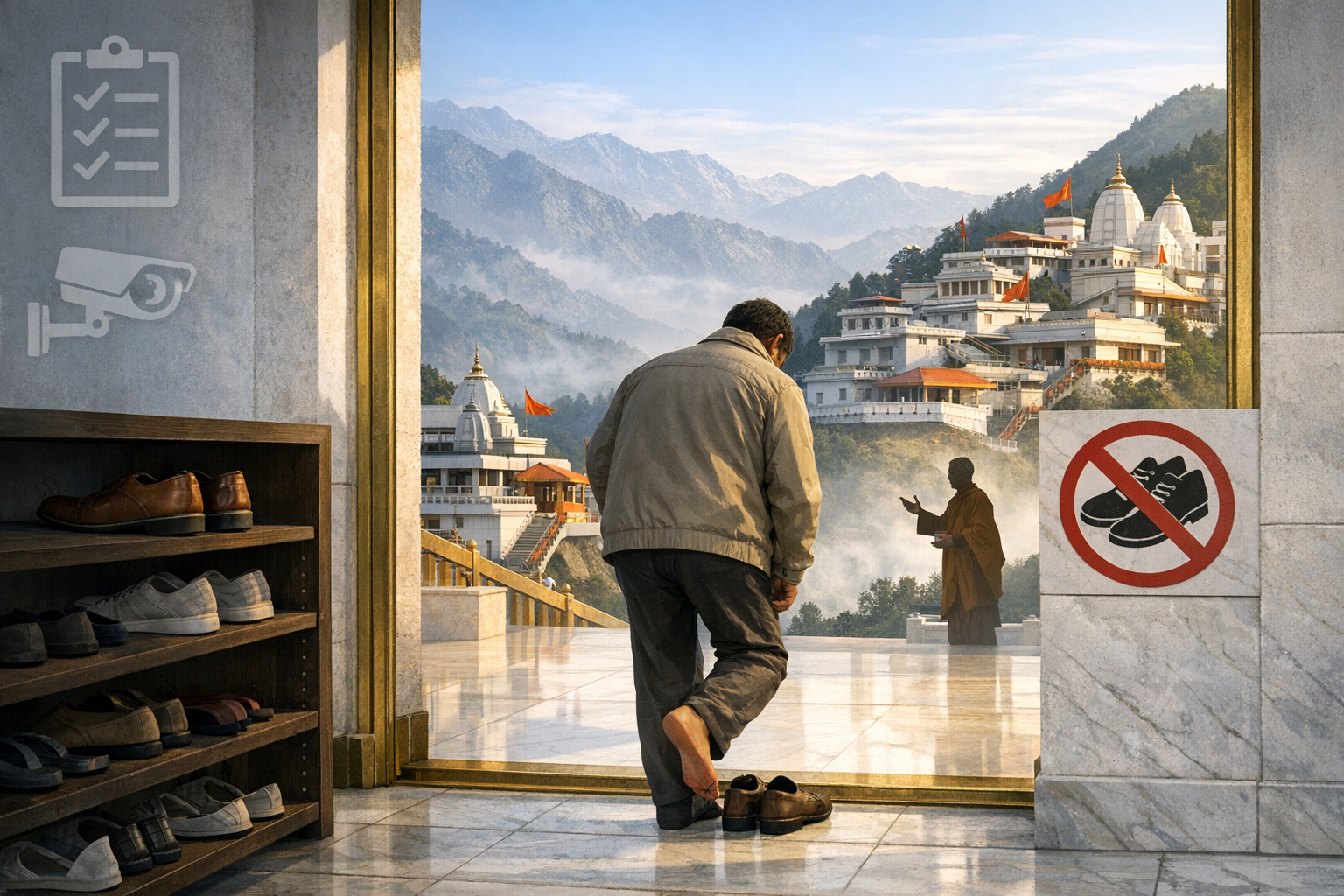
A viral video allegedly showing a Shri Mata Vaishno Devi Shrine Board official wearing footwear during a ritual has sparked public concern and debate. This analysis explains why footwear protocols are central to Hindu rituals, rooted in pavitrata, sthala-shuddhi, and maryada, and shared across Sikh, Buddhist, and Jain traditions. It outlines the Shrine Board’s legal…
-
Gorakhpur’s Budhiya Mai Temple: 600 Years of Sacred Forest Devotion, Memory, and Living Heritage
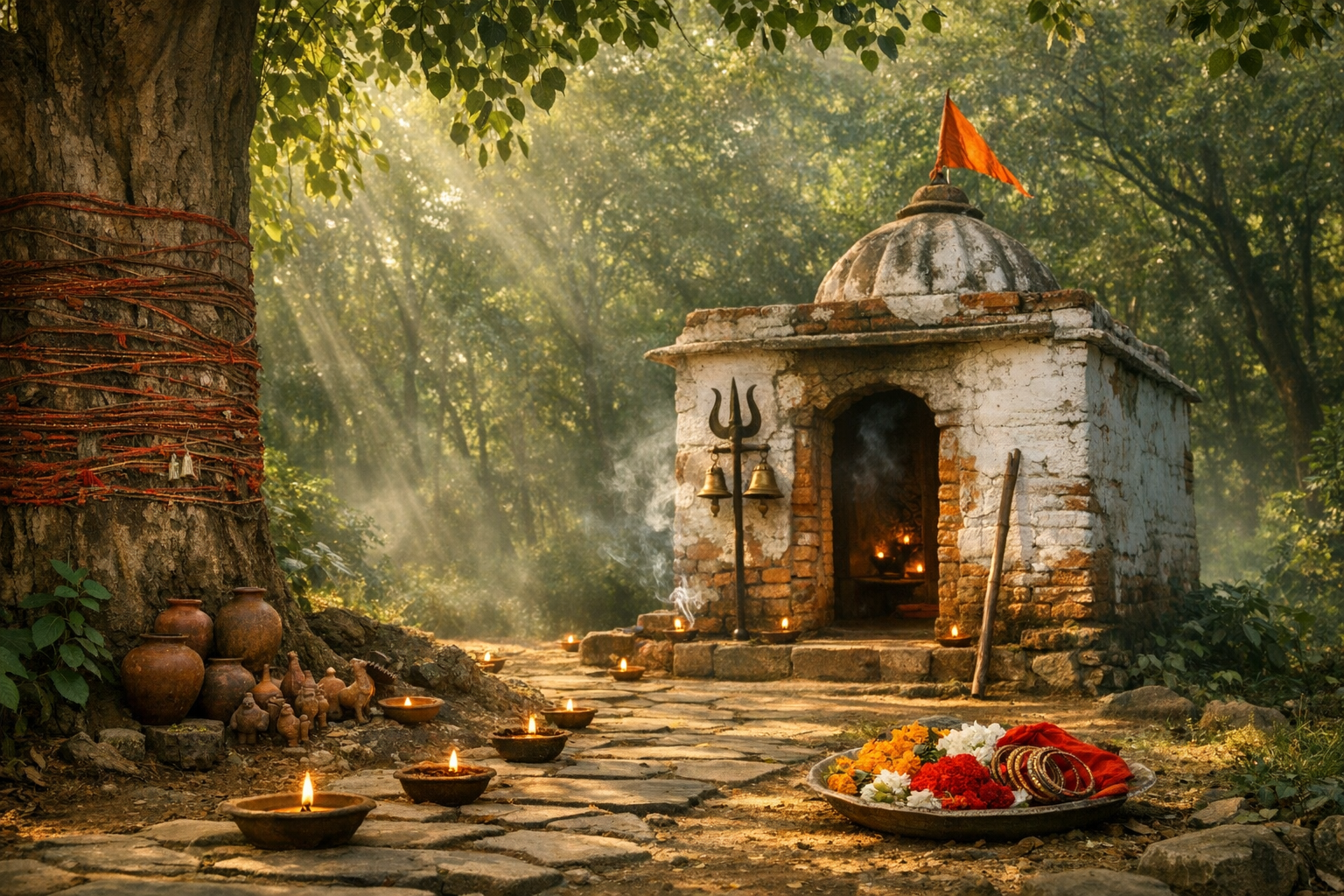
Set amid the Kusmhi forest near Gorakhpur, the Budhiya Mai Temple is locally regarded as a Purvanchal heritage site with around six centuries of remembered devotion. This analysis situates the shrine within sacred ecology, showing how forest setting, ritual practice, and communal memory reinforce one another. Readers gain a careful account of the origin legendan…
-
Rameshwaram’s Sacred Paradox: Ananda Ramayana on Rama Consecrating Shiva’s Jyotirlinga

RameshwaramRāmeśvara, “Shiva, the Lord of Rama”embodies the Ramayana’s sacred paradox: the vanquisher of adharma kneels in devotion. Drawing on the Ananda Ramayana and the Skanda Purana’s Setu-mahātmya, this long-form analysis traces how Rama’s consecration of the Ramanathaswamy liṅga shaped South Indian pilgrimage, temple architecture, and living ritual. It explains the paired sancta of Rāmalīṅga and…
-
Unite to Safeguard Temples: Mandir Mahasangh’s Blueprint for Priests and Dharmic Unity

Shri. Sunil Ghanwat’s call via Mandir Mahasangh urges priests to unite around a practical, standards-driven blueprint to safeguard Hindu Temples and Dharmic heritage. The approach emphasizes professional governance, asset documentation, transparent finance, and layered security to reduce risk and improve trust. Preventive conservation and ethical ritual management preserve both tangible and intangible heritage while enhancing…
-
Vishu in Chennai: A Definitive Temple Guide to Vishukkani, Kaineettam, and Sunrise Darshan

Vishu in Chennai blends Kerala-style dawn rituals with the city’s broader new-year celebrations, offering a rare opportunity to experience Vishukkani, Usha pūjā, and Vishu Kaineettam alongside Puthandu observances. This guide explains the astronomical basis of Vishu (Mesha Sankramana), outlines what to expect during early-morning darshan, and highlights key temples such as Sri Ayyappan Guruvayurappan Temple…
-
Haridra Dam to Vijayanagara: Field Evidence, Inscriptions, and Karnataka’s Fading Shrines

A field-based reading of Devarabelakere, near Davanagere in Karnataka, reveals how a modern check dam overlays the footprint of the medieval Haridra Dam attributed to the early Vijayanagara era under Devaraya I. Inscriptions documented by the ASI at Harihara in 1902, along with a 2003 survey by Dr. Jagadisha, help relocate the lost basin of…
-
Chanda at Vishnu’s Eastern Gate: The Fierce Dvarapala Safeguarding Vaishnava Sanctuaries
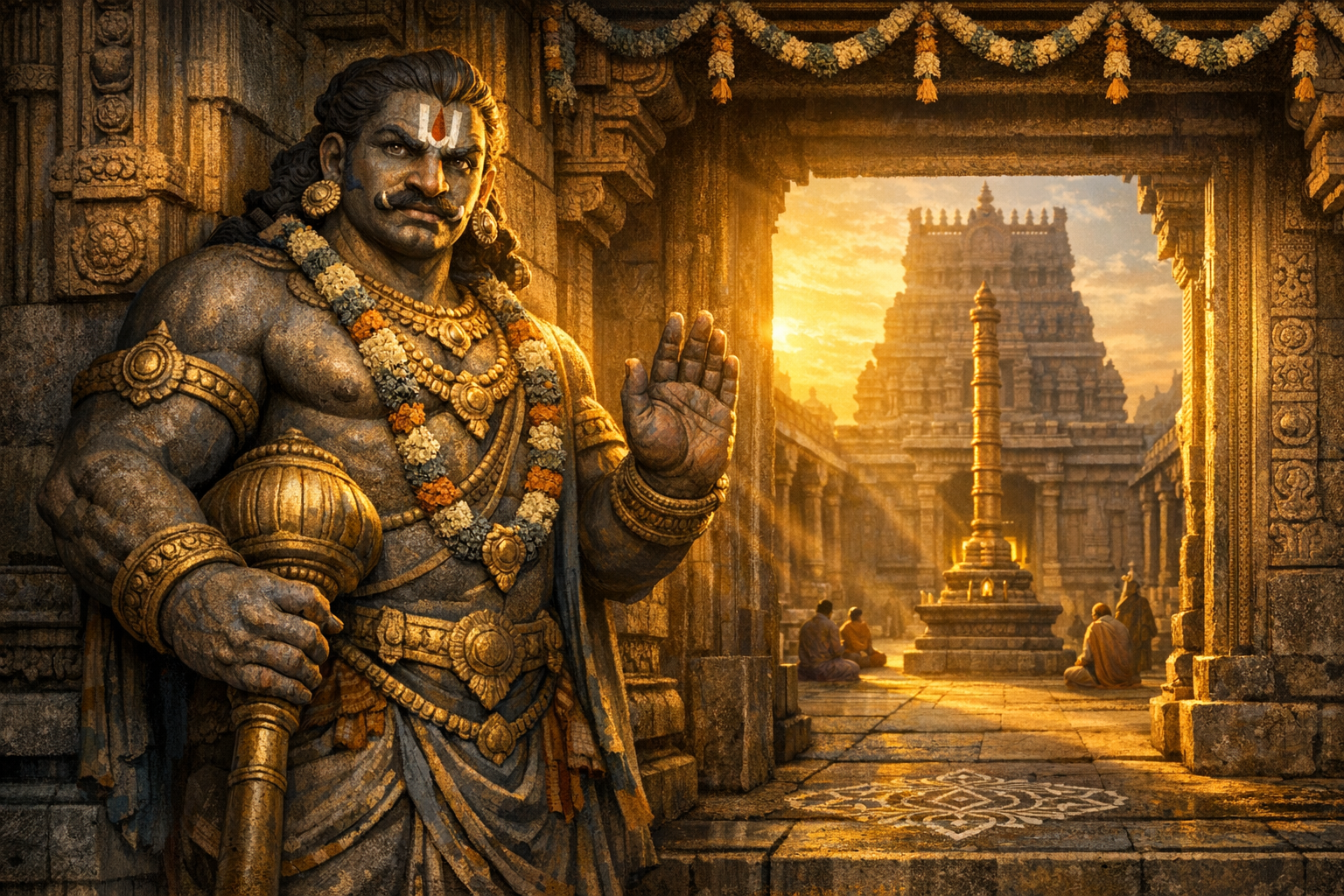
Hindu temple architecture encodes a sophisticated theology of thresholds, and in many Vaishnava kshetras, Chanda stands as the fierce guardian of Vishnu’s eastern gate. This analysis situates Chanda within Agamic prescriptions, Puranic memory, and regional priestly traditions, explaining why the eastern entrancealigned with dawn and auspicious beginningsreceives a sentinel of disciplined kshatra-energy. It outlines the…
-
Pichandavar Shiva: The Divine Mendicant Who Unmasks Ego and Teaches Aparigraha
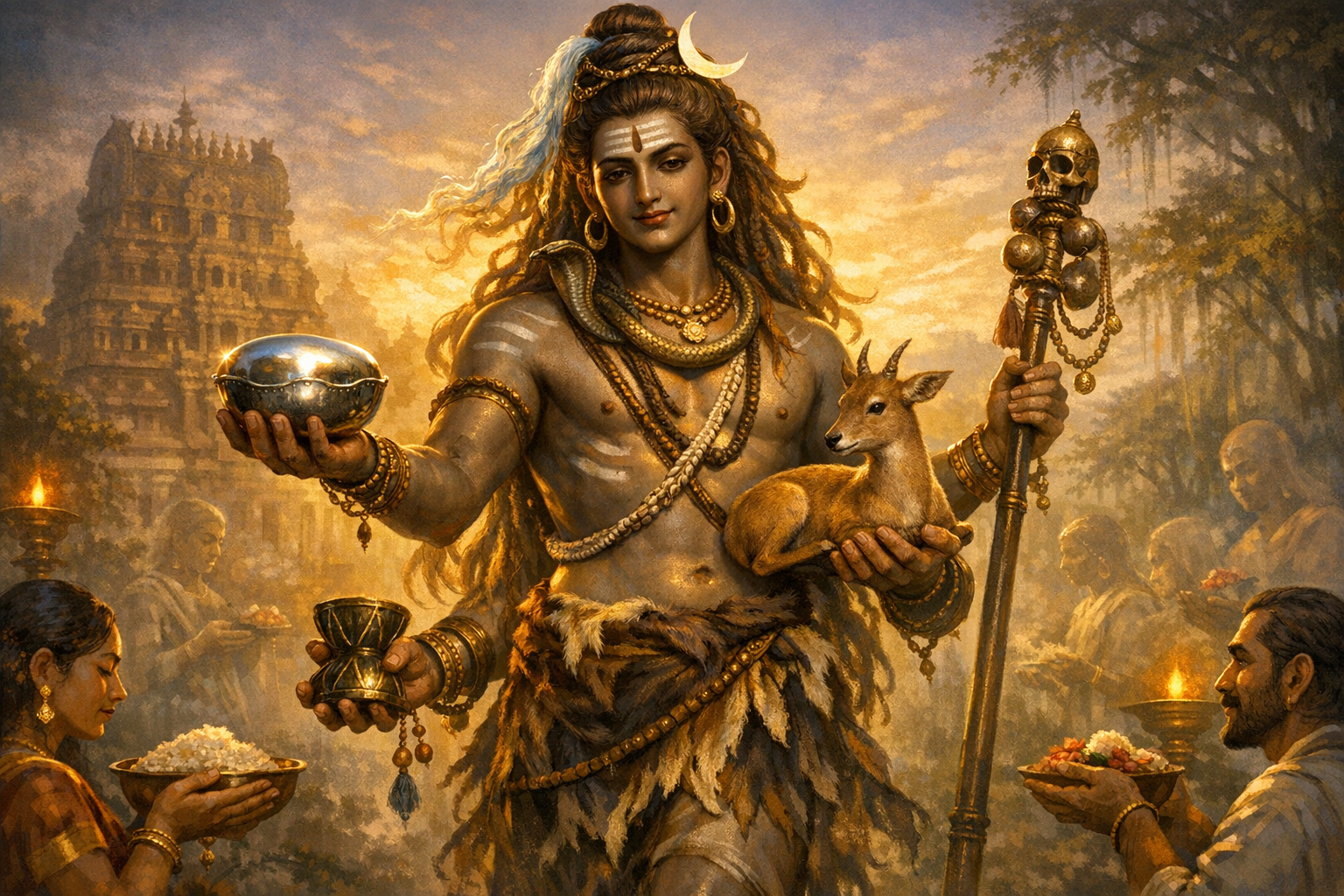
Pichandavar Shivaknown in Sanskrit sources as Bhikshatanapresents the Supreme Lord as a wandering ascetic whose skull-bowl and gentle stride teach non-possession, humility, and compassion. Grounded in Puranic lore and Shaiva Agamas, this South Indian form flourished in Chola bronzes and continues to animate temple processions where symbolic alms become a mirror for inner transformation. The…
-
Prabhasa Patan’s Timeless Confluence: Where Krishna Departed and Somnath Inspires Unity

Set on Gujarat’s Saurashtra coast, Prabhasa (Prabhasa Patan/Prabhasa Kshetra) is the Triveni Sangam of the Hiran, Kapila, and subterranean Sarasvati, long revered as a threshold of purification and insight. Scripture situates epochal events here: the Mahabharata’s Mausala Parva narrates the Yadavas’ final conflict, while the Bhagavata Purana memorializes Sri Krishna’s departure at Bhalka and Dehotsarg…
-
Mani Shankar Aiyar’s temple remarks rekindle debate on Indian secularism and Dharmic pluralism

Reported remarks by Mani Shankar Aiyar about not relating to Hindu Dharma and seeing no divinity in temple icons have sparked debate about Indian secularism in a Dharmic society. This analysis distinguishes personal disbelief from public responsibility, showing how language about sacred symbols can affect social harmony. It explains the philosophical basis of murti-puja, prāṇa-pratiṣṭhā,…
-
Decoding Kerala’s Sacred Geometry: Tantric Blueprints that Shape Hindu Divine Forms

Kerala’s temple sculpture is governed by a rigorous synthesis of Tantra, Āgama, and Śilpa-śāstra that translates metaphysical vision into precise sacred geometry and iconography. The Tantrasamuccaya and allied Sanskrit manuscripts calibrate everything from ground plans to mudras, ensuring that Hindu divine imagery remains theologically faithful and experientially powerful. Visitors can read this grammar in the…
-
Tirumala Temple’s Sri Ramanavami Pattabhisheka Asthanam Unveiled: Sacred Coronation and Dharma
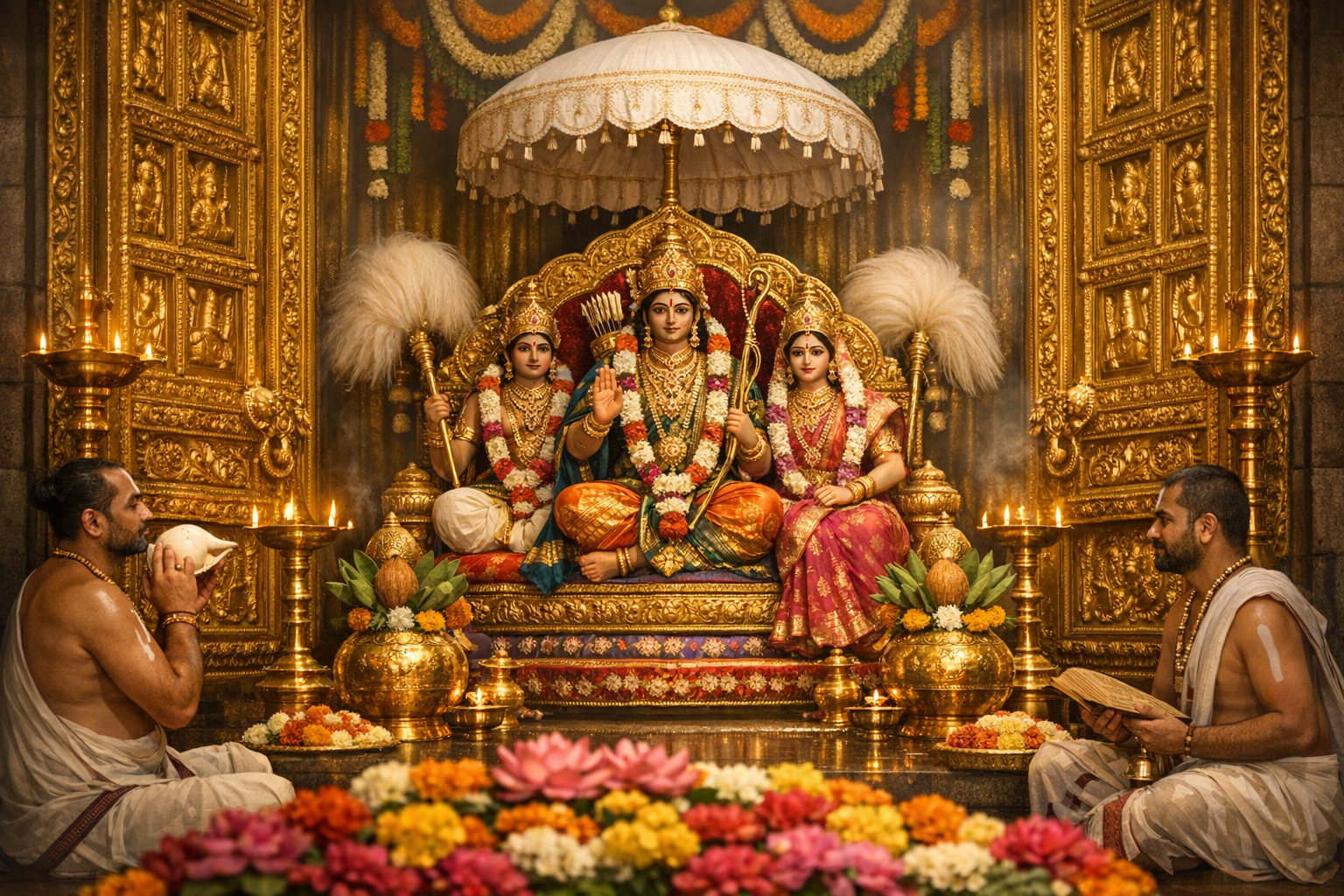
Sri Ramanavami Pattabhisheka Asthanam at Tirumala Temple is a scripturally grounded coronation observance presented before the Utsava deities of Sri Rama, Sri Sita, and Lakshmana Swamy at the Bangaru Vakili. Anchored in Valmiki Ramayana’s Yuddha Kanda, it translates the epic’s ethical vision into a living liturgical form. The rite aligns with the Vaikhanasa Agama and…
-
Char Dham at a Crossroads: ‘Panchgavya’ at Gangotri and the High‑Stakes Debate on Entry Norms

As Char Dham Yatra 2026 nears, this analysis examines reports that the Gangotri Temple Committee may incorporate ‘Panchgavya’ into reopening rites, while debates on entry norms intensify across the Himalayan corridor. It explains the ritual and symbolic logic of Panchgavya within Hindu practice and outlines modern governance measures for ethical sourcing, hygiene, and ecological safeguards.…
-
Eighteen Steps, One Presence: The Fierce Aniconic Power of Karuppasamy at Azhagar Kovil

Situated in the Azhagar Malai hills near Madurai, the Pathinettam Padi Karuppasamy shrine at Azhagar Kovil embodies an aniconic form of worshipno carved idol, only an intense guardian presence encountered at a threshold of eighteen steps. The shrine harmonizes classical Vaishnava temple worship with the fierce protection of a kaval deivam, emphasizing vows, truth, and…
-
Mangalagiri Panakala Lakshmi Narasimha: Elephant-Hill Legend, Rituals, History & Guide

The Mangalagiri Panakala Lakshmi Narasimha Swamy Temple in Andhra Pradesh unites sacred geography, living ritual, and Dravidian architecture in a rare triadic complex. Centered on an elephant-shaped hill, its distinctive panakam offering to Ugra Narasimha symbolizes the cooling of fierceness into compassion. A monumental rajagopuram at the foothill and an intimate hillside sanctum together craft…