
-
Five Faces of Goddess Siddhilakshmi: Tantric Symbolism, Shakti, and Fulfillment
Goddess Siddhilakshmi, revered in Shakta and Kaula Tantra, embodies Lakshmi’s auspicious abundance fused with transformative Shakti. The five-faced (Panchamukhi) symbolism presents an inner mandala of divine energies: Iccha (intention), Jnana (wisdom), Kriya (action), Aishvarya (prosperity), and Raksha–Anugraha (protection and grace). Interpreted through Hindu frameworks such as pancha-kosha and pancha-mahabhuta, this schema guides seekers from purpose…
-
Six-Armed Dhanalakshmi Decoded: Powerful Symbols of Fearlessness, Prosperity, and Dharma
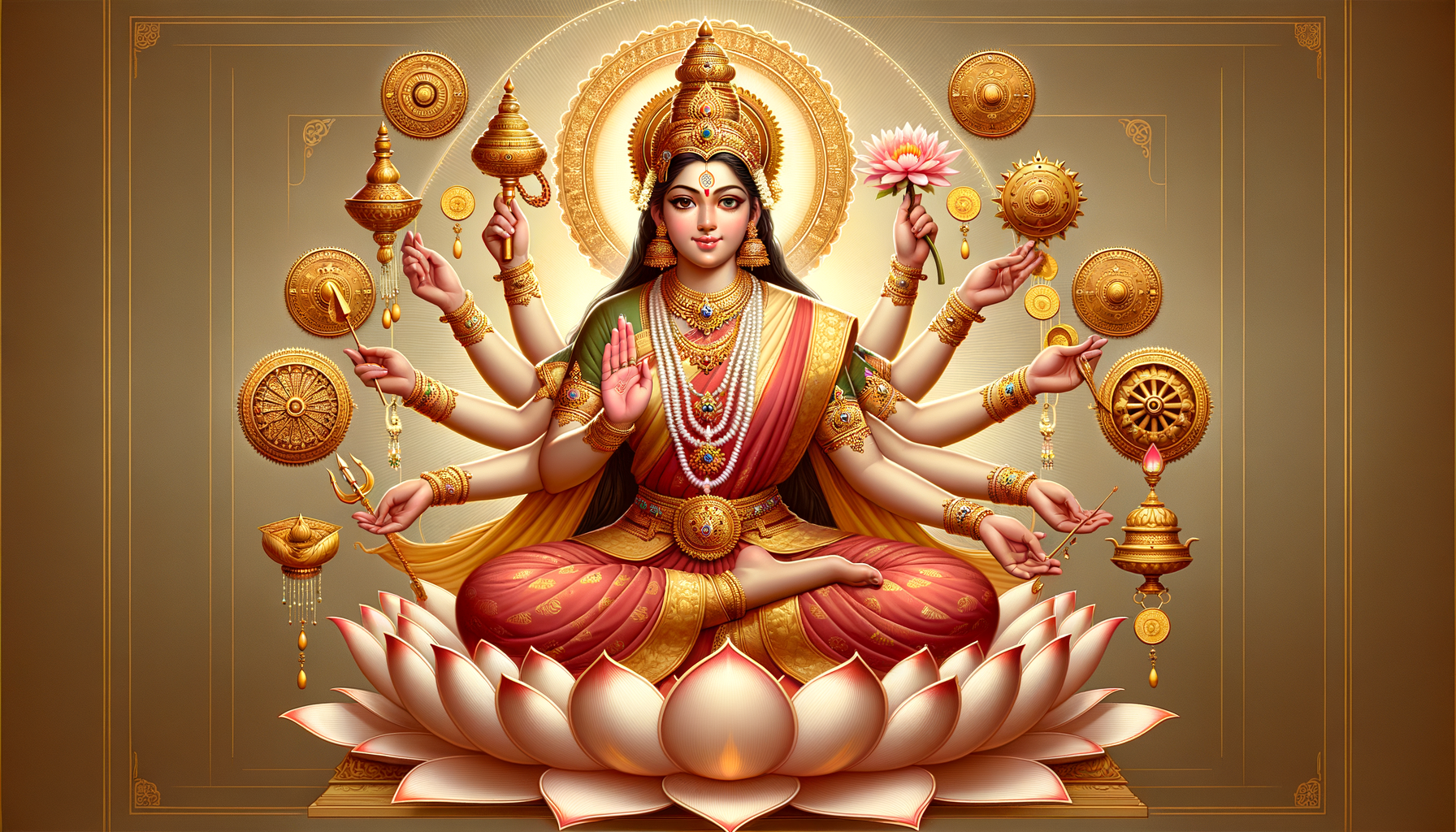
This article clarifies the two principal iconographic forms of Dhanalakshmifour-armed and six-armedand decodes the meaning of each sacred attribute. Readers learn how the chakra, padma, shankha, kalasha, bow and arrow, and abhaya mudra together convey prosperity grounded in dharma. The discussion highlights practical applications: ethical earning, mindful use of resources, and generosity. It also connects…
-
Vedavati to Sita Mata: Goddess Lakshmi’s Incarnation of Bhudevi, Courage, and Dharma

Vedavati’s story, culminating in her rebirth as Sita Mata, illuminates a continuous thread of devotion, purity, and dharma drawn from Ramayana and Puranic traditions. Readers gain a clear view of her lineage as Kushadhvaja’s daughter and Brihaspati’s granddaughter, her tapasya for Lord Vishnu, and the ethical force of her vow against Ravana’s adharma. The narrative…
-
Kolabou as Lakshmi: Sacred Symbolism of the Banana Plant in Bengali Hindu Tradition
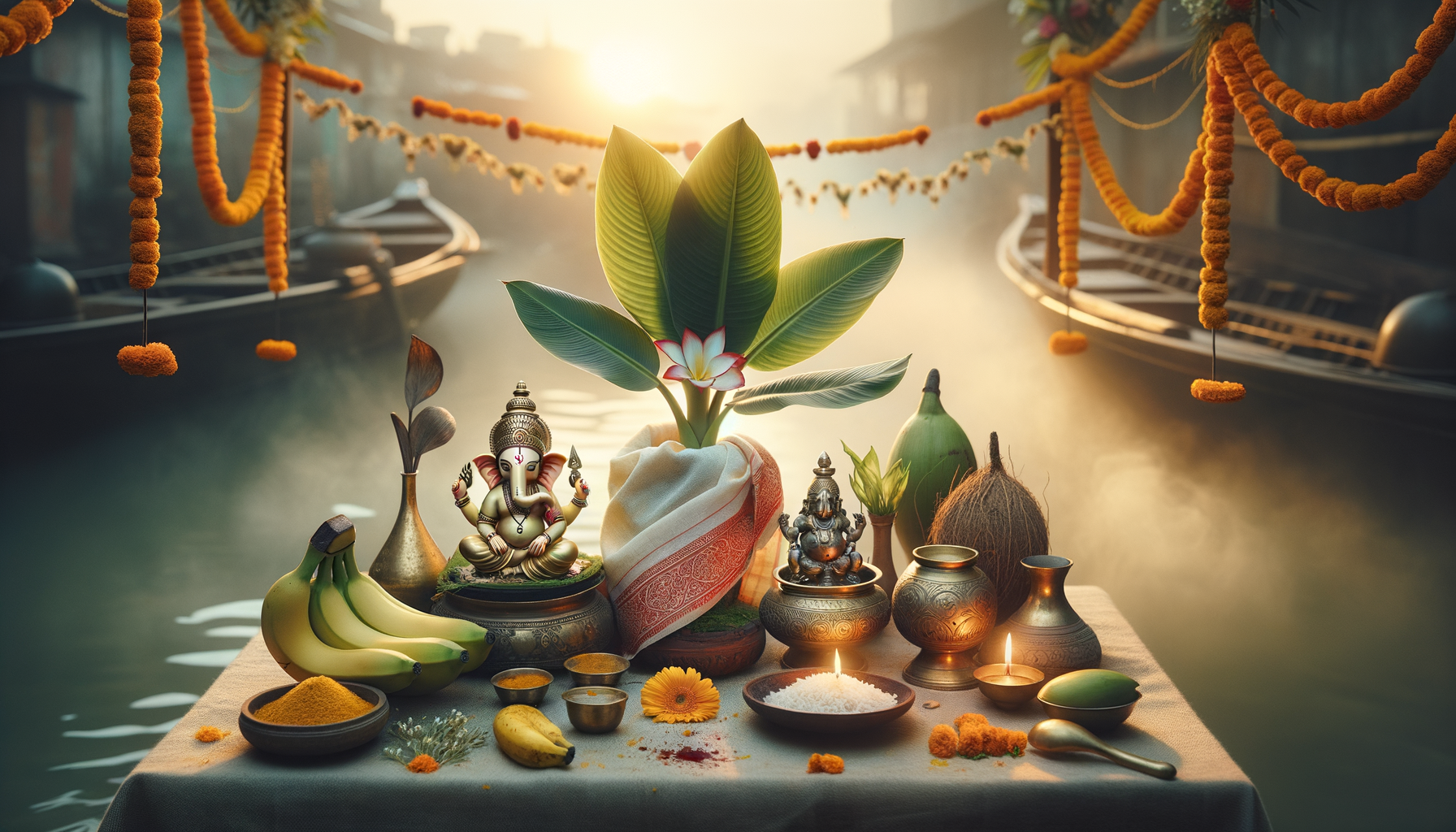
This article explores Kolabou (Kola Bou) worship in Bengali Hindu tradition, where the banana plant is revered as Goddess Lakshmi and also understood within the Nabapatrika during Durga Puja. It highlights the practice’s cultural roots in Faridpur and Barisal, its migration into the diaspora, and its layered meanings that embrace plural interpretations without conflict. The…
-
Unlocking Abundance and Serenity: The Profound Significance of Kamalatmika Mahavidya

Kamalatmika Devi, the Kamala Mahavidya, is venerated as a radiant form of Mata Lakshmi who unites prosperity with inner serenity. Her golden iconographylotuses and gentle elephantssymbolizes purity, auspicious growth, and steady blessings grounded in dharma. In practice, devotees associate her worship with harmonizing Shukra (Venus), especially on Fridays, emphasizing ethical living, charity, and mindful mantra…
-
Lakshmi’s Quiet Power: How the Divine Feminine Guides Vishnu’s Avatars and Upholds Dharma
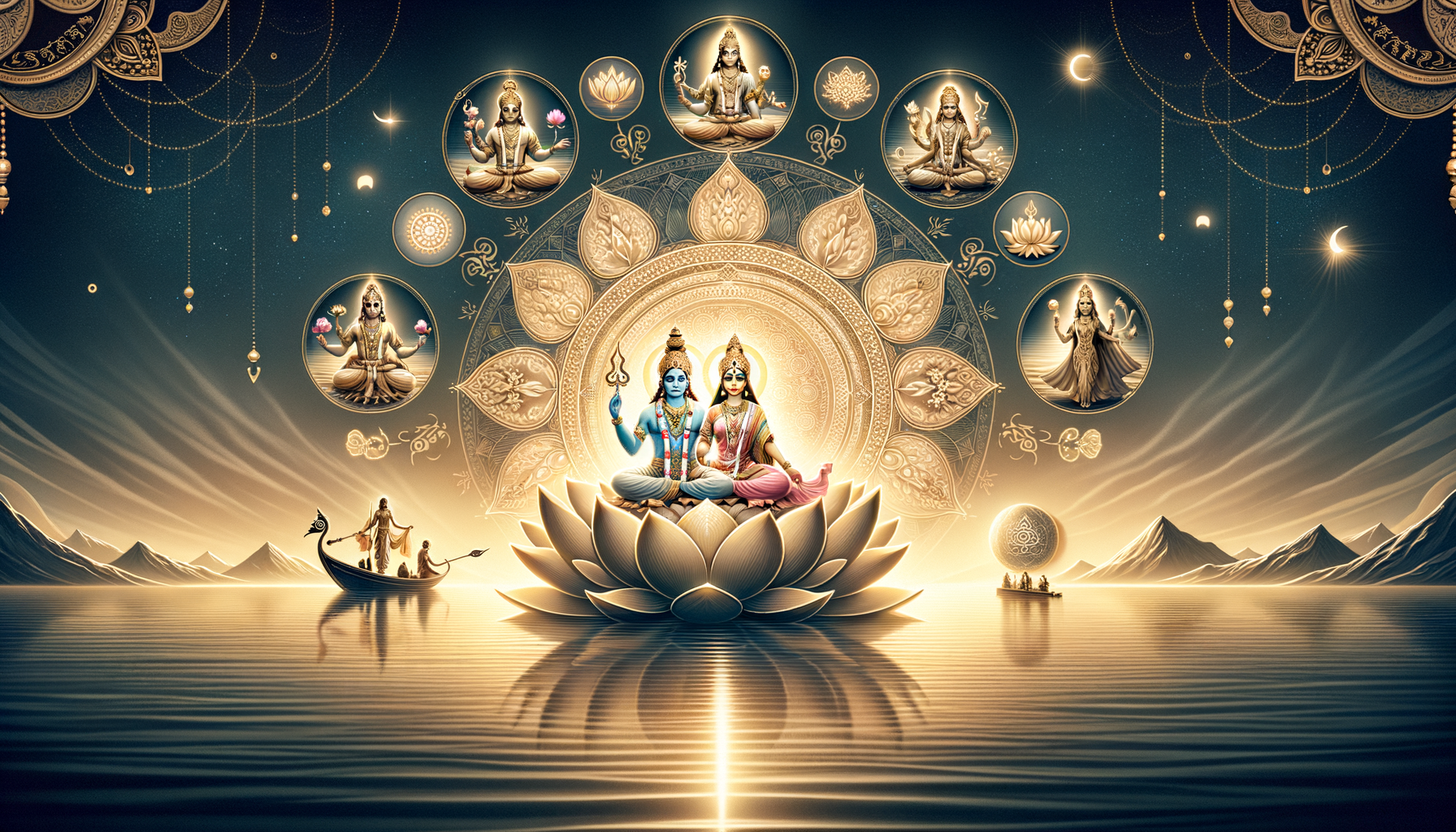
This essay explores how Lakshmi’s quiet power shapes the ethical core of Vishnu’s avataric decisions, balancing courage with compassion. Drawing on narratives of Rama, Krishna, Narasimha, Vamana, and Mohini, it shows how Lakshmi’s qualities guide choices toward reconciliation, dignity, and social welfare. The analysis highlights Sri-Vaishnava insights into the inseparability of Sri and Vishnu, revealing…
-
Vishnu and Lakshmi in Dreams: Decode Sacred Signs, Find Peace, and Invite Prosperity

Dreams of Vishnu and Lakshmi are treated in Hindu tradition as sacred messages that connect the subconscious with the divine. This guide explains common symbolslike Vishnu’s Sudarshana Chakra or Lakshmi’s lotusand how they relate to protection, balance, and sattvic prosperity. It offers practical steps for integration, including journaling, mantra, meditation, and compassionate action. The approach…
-
Divine Economics Unveiled: Why Lakshmi Chooses VishnuEternal Wealth, Preservation, Dharma

The union of Lakshmi and Vishnu is a precise ethical model in Hindu philosophy: prosperity endures only when guided by preservation. Scriptural narratives like Samudra Manthan show wealth choosing the preserver, while the Bhagavad Gita illuminates how stewardship sustains social balance. The insight translates into daily lifefamilies, businesses, and communities flourish when accountability, restraint, and…
-
Kalluru Mahalakshmi Temple, Raichur: Sacred Splendor and Living Heritage in Karnataka

Kalluru Mahalakshmi Temple in Raichur, Karnataka, is a revered site often compared to the “Kolhapur Mahalakshmi Temple.” Housing the idols of Mahalakshmi and Lord Venkateshwara, it offers a rare devotional pairing that symbolizes prosperity and divine protection. Tradition associates its founding with the Madhwa scholar Sri Lakshmikanta Acharya, lending theological depth to the temple’s living…
-
Unlock Prosperity: Margashirsha Laxmi Puja 2025 in Maharashtra (Lakshmi Vrat) Dates

Margashirsha Laxmi Puja (Lakshmi Vrat) in 2025 is observed on the Thursdays of November 27, December 4, December 11, and December 18, with special prominence in Maharashtra and parts of Karnataka, Telangana, and Andhra Pradesh. This observance honors Goddess Lakshmi and seeks Sukhwell-being, contentment, and prosperitythrough steady, mindful worship. Families mark the four Thursdays with…
-
Manifestation of Maa Lakshmi: A Timeless Brahma Purana Tale of Dharma and Prosperity
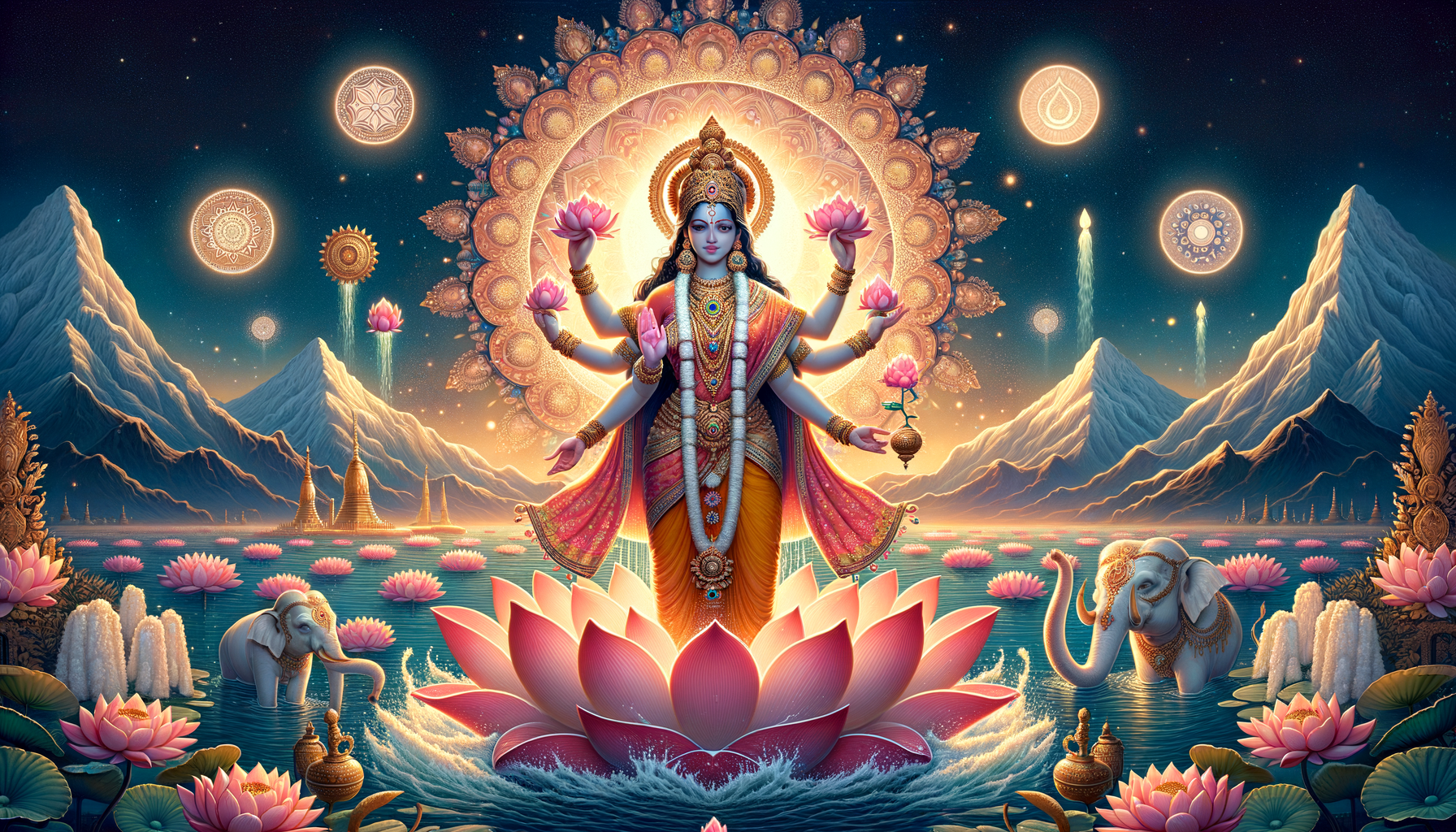
The Brahma Purana recounts how Maa Lakshmi manifested during the Samudra Manthan, when devas and asuras churned the Ocean of Milk under Lord Vishnu’s guidance. The story teaches that enduring prosperity rests on dharma, cooperation, and disciplined effort. Lakshmi’s lotus-seat symbolizes purity, while her choice of Vishnu signifies prosperity aligned with order and compassion. Readers…
-
Lakshmi’s Radiant Manifestation in Samudra Manthan: A Timeless Lesson in Hope and Dharma
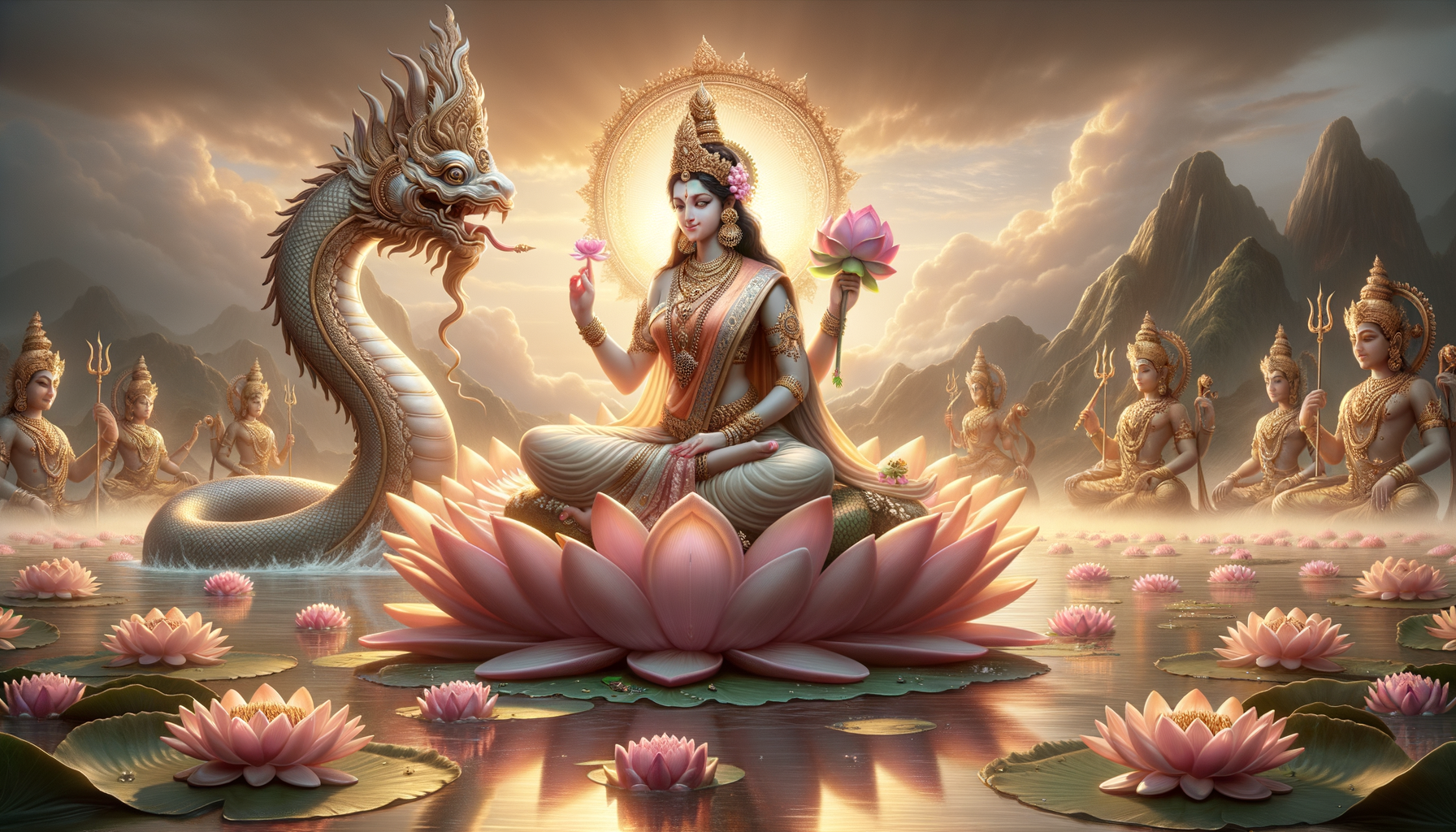
The Brahma Purana recounts the Manifestation of Maa Lakshmi as a disciplined response to crisis, where devas heed Vishnu’s counsel and undertake the Samudra Manthan. The narrative situates prosperity within dharma, showing how collective effort and ethical intent invite auspicious outcomes. Lakshmi’s emergence from the Kshira Sagara symbolizes purity, resilience, and the union of abundance…
-
Ari Lakshmi of Bengal: The Humble Bamboo Basket Ritual That Radiates Prosperity
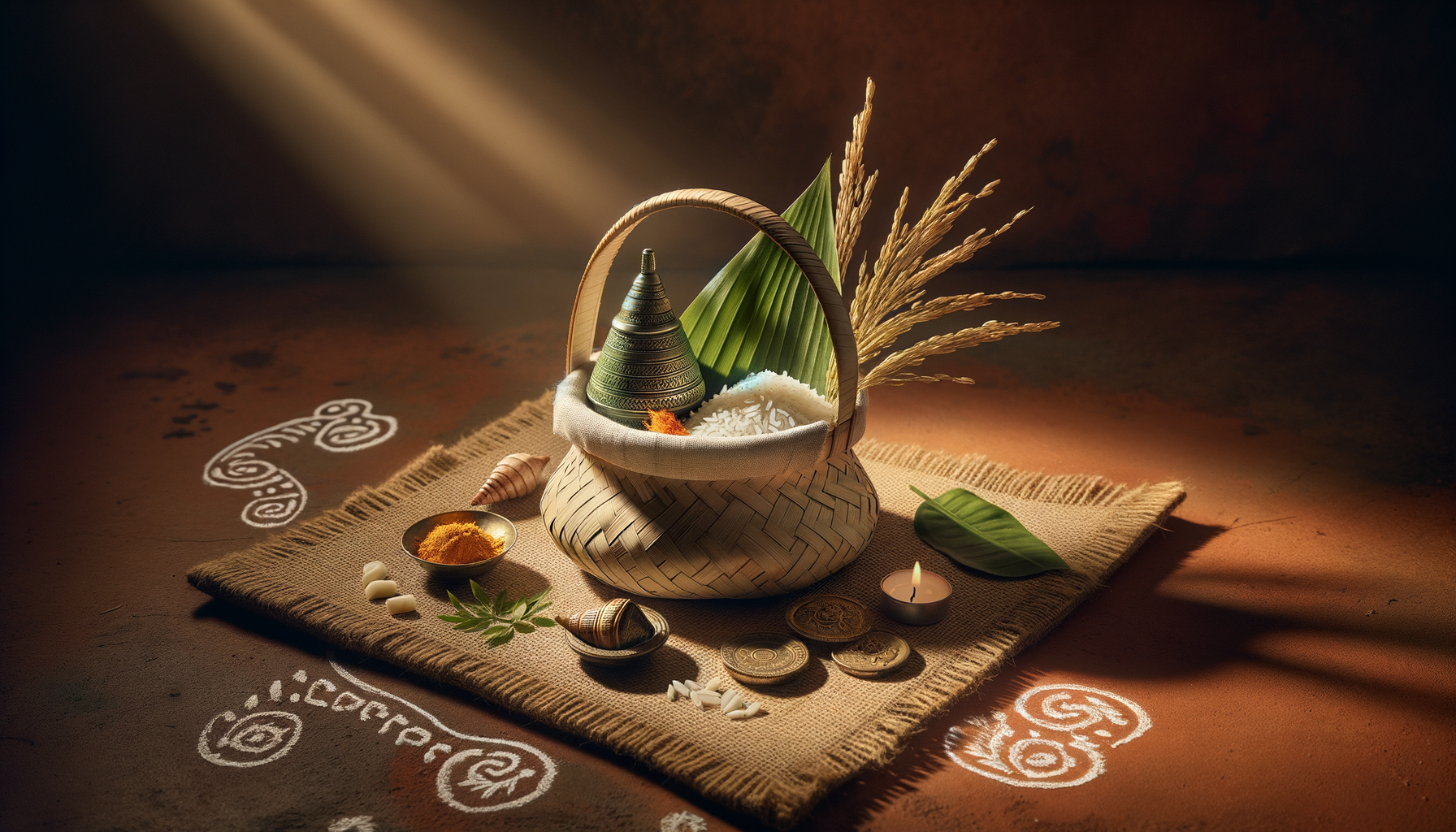
Ari Lakshmi is a Bengali household tradition that invokes Goddess Lakshmi using a small bamboo basket filled with rice, turmeric, and other auspicious items. The ritual, associated with Dhaka and Comilla family lineages, transforms agrarian materials into a focused shrine of prosperity and ethical wealth. Each elementbasket, grains, lamp, and alponacarries layered symbolism that honors…
-
Tiruchanoor Laksha Kumkumarchana, 16 Nov 2025: Sacred Prelude to Padmavathi Brahmotsavams

On 16 November 2025, Tiruchanoor’s Sri Padmavathi Ammavari Temple will host Laksha Kumkumarchana in the morning (from 8:00 am) and Ankurarpanam in the evening, inaugurating the annual Brahmotsavams. The kumkum-based archana, offered a lakh times, is renowned for its contemplative rhythm and serenity. Ankurarpanam, the sacred sowing of seeds, symbolizes renewal, ecological care, and shared…
-
Padma’s Sacred Power: How the Divine Lotus Unites Hindu, Buddhist, Sikh, and Jain Paths
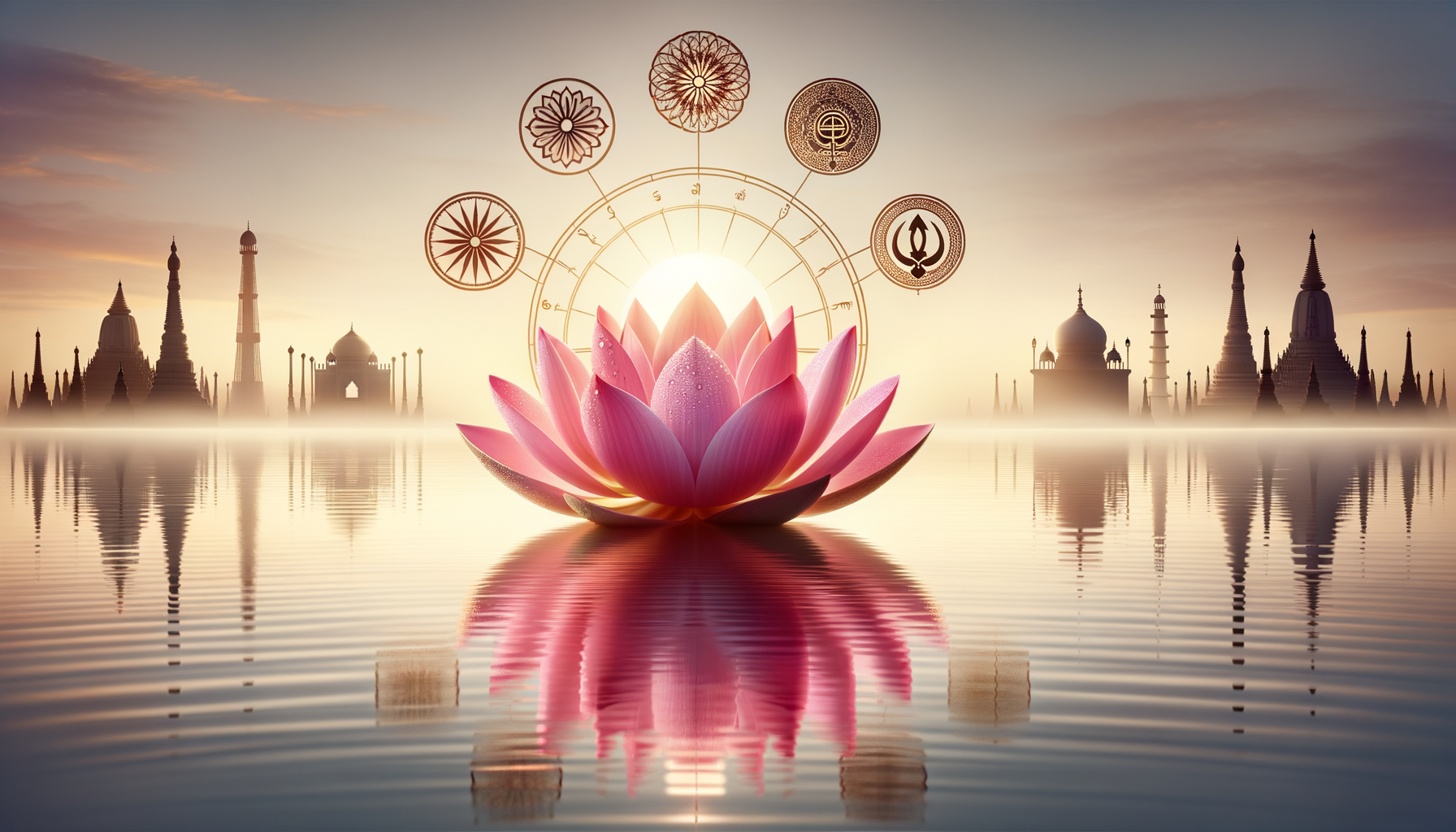
Padma, the divine lotus, is a shared sacred symbol across Hinduism, Buddhism, Sikhism, and Jainism that embodies purity, resilience, and spiritual awakening. In Hindu practice, it serves as the seat of Mata Lakshmi Devi and is offered in puja to Lord Vishnu and Ma Lakshmi, signifying prosperity and auspiciousness. Buddhist teachings present the lotus as…
-
Goddess Lakshmi’s Ocean-Birth: Padma Purana’s Timeless Lakshmi Janma Vrittantha
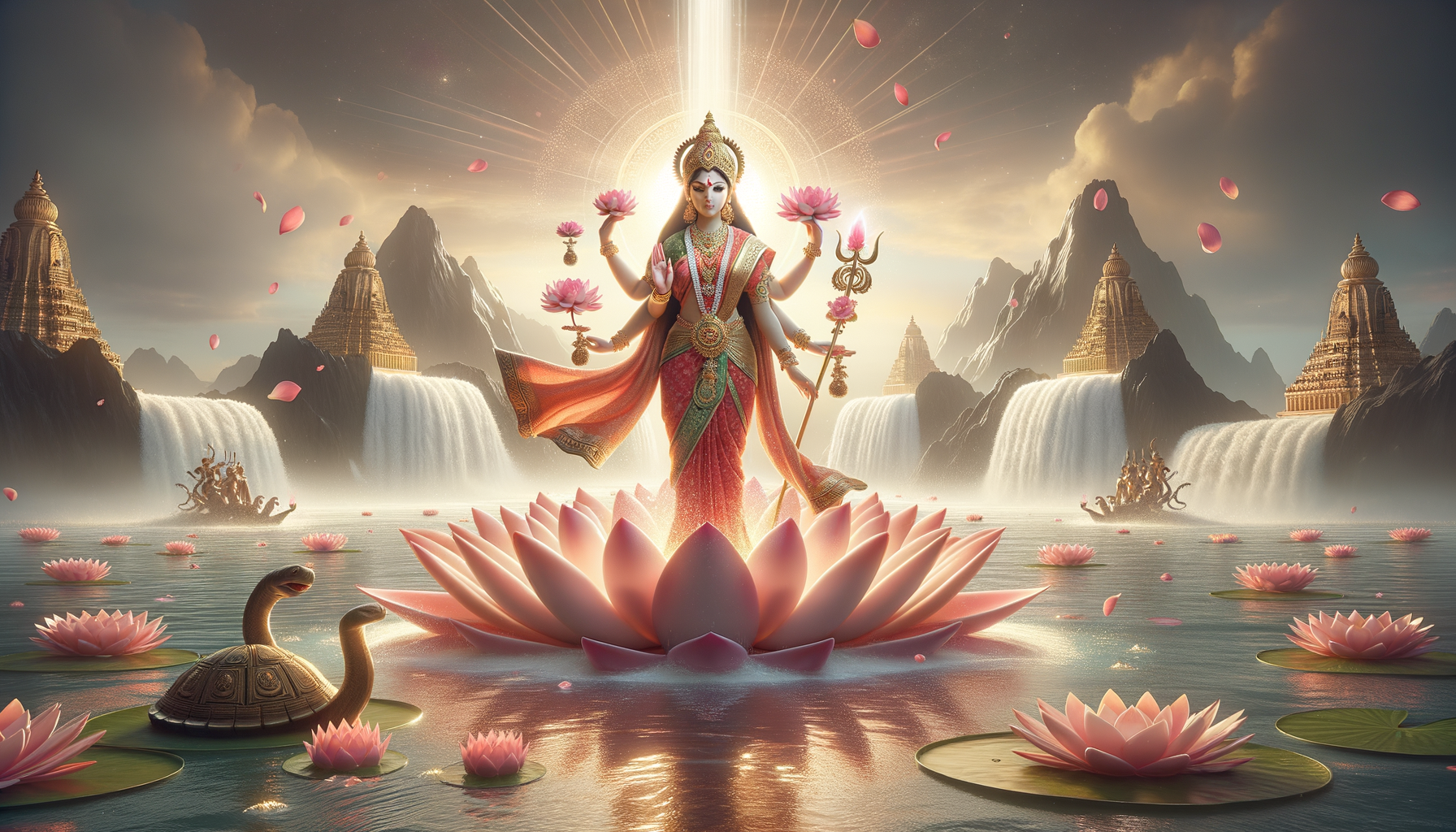
The Padma Purana’s Lakshmi Janma Vrittantha narrates how Goddess Lakshmi emerged during the churning of the Ocean of Milk (Samudra Manthan), after the devas sought Vishnu’s counsel following defeat by the asuras. With Mandara as the churning rod and Vasuki as the rope, and supported by Vishnu’s Kurma avatara, the cosmic endeavor first produced poison,…
-
Why Lakshmi Rides an Owl: Powerful Symbolism of Wealth, Vigilance, and Wise Prosperity

Goddess Lakshmi’s owl vāhana is not a mere artistic detail; it encodes a practical ethic for wise prosperity. The owl’s nocturnal vigilance symbolizes alertness, restraint, and discriminationqualities communities need to safeguard wealth. Iconography and regional folklore, especially in Bengal and Odisha, reinforce this message through festivals like Kojagari Lakshmi Puja and Manabasa Gurubara. The symbolism…
-
Vaikuntha Kamalaja: The Awe-Inspiring Union of Vishnu and Lakshmi Symbolizing Sacred Balance
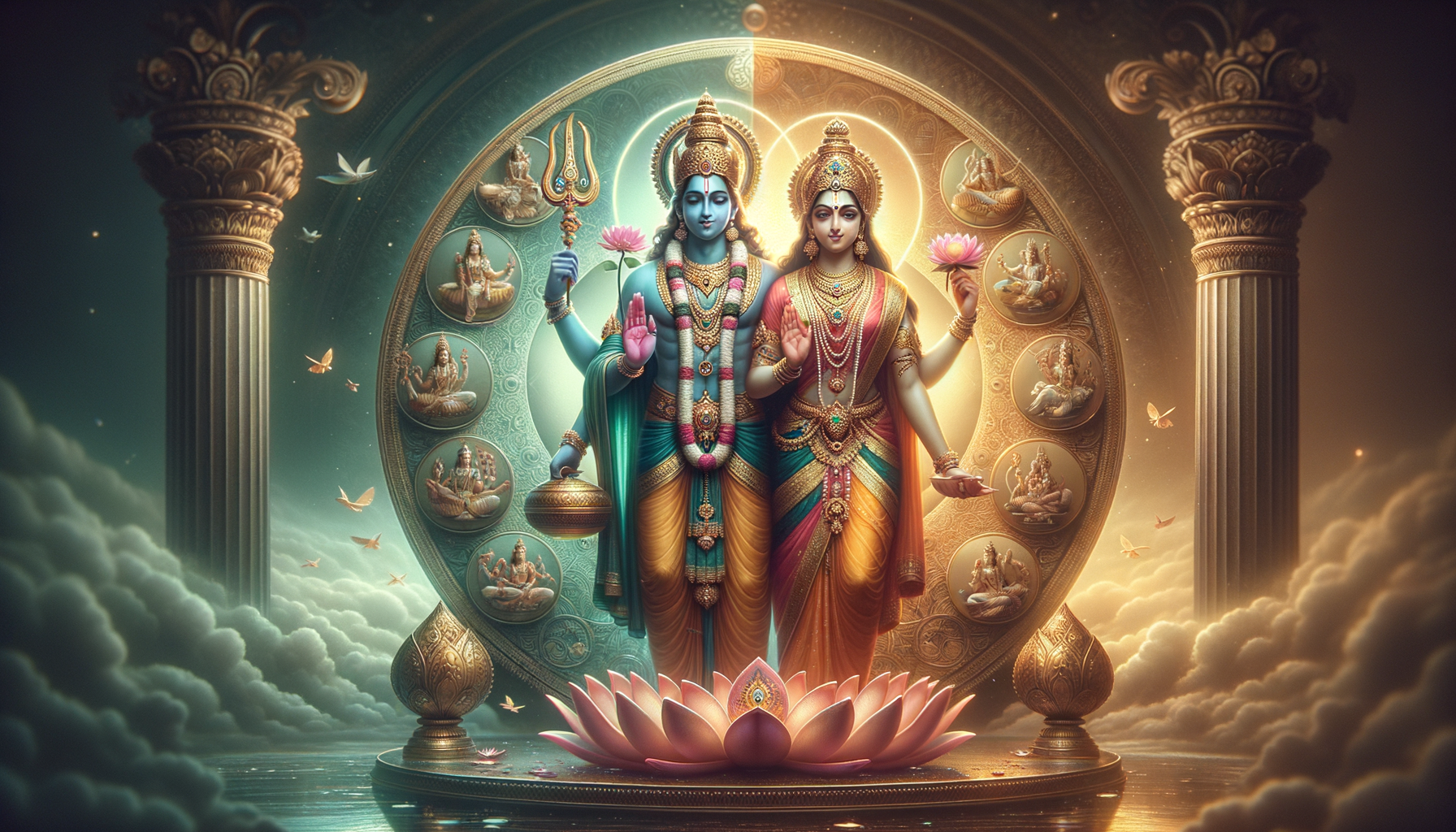
Vaikuntha Kamalaja presents a unified icon of Lord Vishnu and Ma Lakshmi, often described as Vishnu’s Ardhanarishvara. The form emphasizes the harmony of preservation and prosperity, highlighting that divine energies function as a complementary whole. Iconography typically divides the figure vertically, with Vishnu’s emblems on one side and Lakshmi’s auspicious lotus on the other. This…
-
Vaikuntha Kamalaja: Half Vishnu–Half Lakshmi Form and Its Powerful Message of Harmony
Vaikuntha Kamalaja, the half Vishnu–half Lakshmi form known as Lakshmi-Narayana, reveals a deep synthesis of preservation and prosperity. Echoing the Ardhanarishvara paradigm, it unites divine masculine and feminine energies without conflict. The iconographyVishnu’s shankha and chakra alongside Lakshmi’s lotussignals interdependence and balance. Theologically, it affirms the inseparability of Sri and Narayana while illuminating a path…
-
From Deer to Owl: Unraveling the Powerful Animal Symbols of Goddess Lakshmi

This essay explores how animals and birdsespecially elephants, the owl (Ulooka), the deer, and cattleshape the evolving iconography of Goddess Lakshmi. It highlights Gaja-Lakshmi as a classical symbol of rain-blessed abundance and royal order, and explains the owl’s regional prominence in eastern India as a guide to vigilant, ethical prosperity. It interprets the deer as…