-
When Knowledge Feels Hollow: Hindu Philosophy on Reuniting Intellect and Spirit

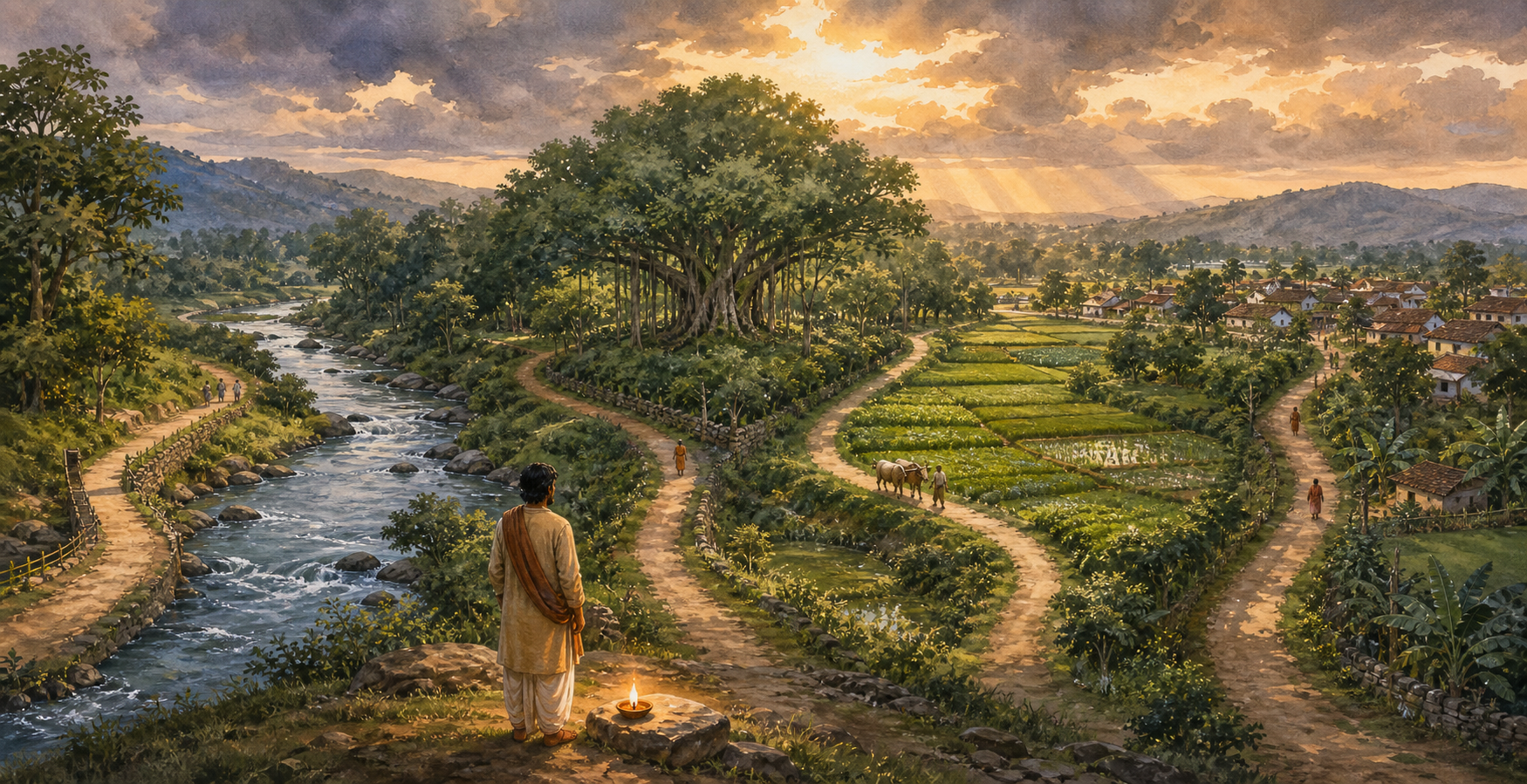
Modern life often shapes keen intellects while leaving many with a quiet sense of hollowness. Hindu philosophy explains this as a split between buddhi (intellect) and adhyatma (spiritual orientation), and prescribes integration through the four Yogas—Jnana, Bhakti, Karma, and Raja. Drawing on the Upanishads, the Bhagavad Gita, Patanjali’s Yoga, and the Pancha Kosha model, this…
-
Rama Rajyam Reimagined: Timeless Dharmic Statecraft for Just, Compassionate Governance

Rama Rajyam—Rama Rajya—offers a rigorous, values-based model of good governance that unites Dharma with modern constitutional practice. This long-form analysis clarifies its textual roots, unpacks its ethical and administrative pillars, and demonstrates how justice, welfare, decentralization, and environmental stewardship align with contemporary policy design. It synthesizes kindred ideals from Buddhism, Jainism, and Sikhism—Dasa Raja Dharma,…
-
Modern Education’s Illusion of Control: Dharmic Wisdom to Build Resilient, Purposeful Lives

Modern culture often trains people to believe life can be engineered into submission. Dharmic traditions—Hinduism, Buddhism, Jainism, and Sikhism—offer a corrective: disciplined agency paired with principled surrender. The Bhagavad Gita’s focus on action without attachment, the Yoga Sutra’s blend of practice and non-attachment, Buddhism’s insight into impermanence, Jainism’s many-sidedness, and Sikhism’s hukam together form a…
-
Pure Mind Beyond Desire: A Rigorous Path to Moksha in the Gita, Upanishads, and Yoga

This article offers a rigorous, text-anchored exploration of the Hindu ideal of a pure mind free from desire, linking it to moksha in the Bhagavad Gita, the Upanishads, and Patanjali’s Yogasutra. It clarifies the difference between eliminating compulsive craving and nurturing dharma-aligned intention, avoiding the common pitfall of suppression or nihilism. Readers gain a practical…
-
Kali Yuga’s Vanishing Divide: Decoding How Asuras ‘Turn Human’ and What It Means for Dharma

This in-depth analysis decodes the Hindu claim that in Kali Yuga the line between asuras and humans fades, showing it as a moral-psychological map rather than a literal prophecy. Drawing on the Vishnu Purana, Bhagavata Purana, and the Bhagavad Gita, it explains how dharma degrades across the yugas and why the age demands simpler, heart-centered…
-
Beyond Ritual and Dogma: Hindu Wisdom on Moving from Religion to Transformative Spirituality

This article clarifies the often-misunderstood difference between a religious person and a spiritual person through the lens of Hindu thought and its dharmic siblings. It explains how Hindu scriptures integrate dharma (form, ethics, and ritual) with adhyatma (direct realization) to support an inner transformation culminating in moksha. The discussion highlights Bhagavad Gita harmonies of karma,…
-
Ramayana’s Powerful Blueprint: Dharma vs. Disorder and the Quest for Just Leadership

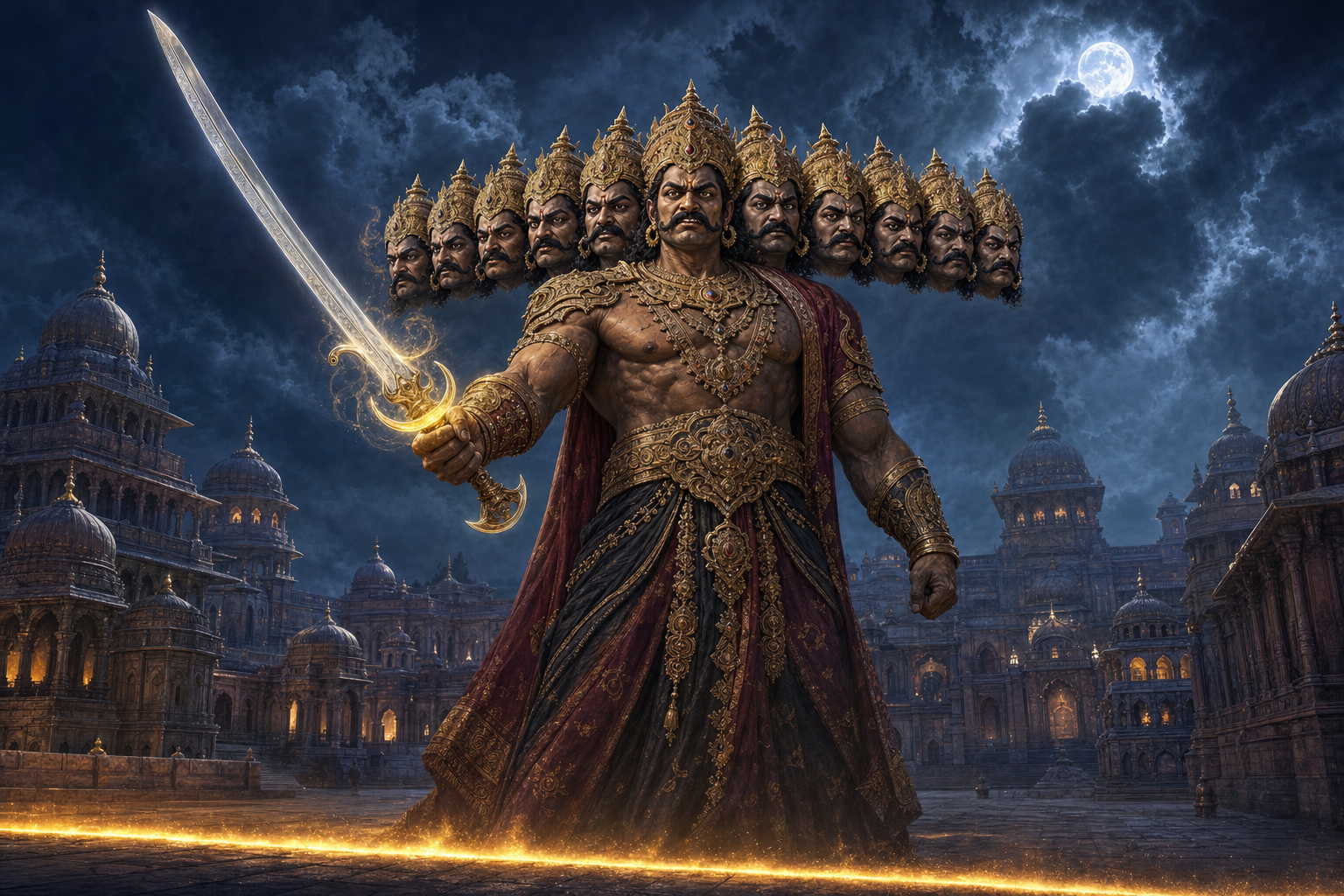
This essay examines how the Ramayana confronts humanity’s enduring paradox: the quest to draw order from chaos without promising utopia. It analyzes dharma as a multi-layered system—cosmic, social, and personal—and shows how Rama’s choices model rule-bound leadership (rajadharma) under real-world constraints. Readers gain a technically grounded framework for just decision-making: prioritize norms, exhaust diplomacy before…
-
Beyond Perfection: Liberating Dharmic Wisdom on Impermanence, Dharma, and Divine Order

Perfection, as popularly pursued, continually recedes because all conditioned things are impermanent; dharmic traditions convert this problem into a path by aligning aspiration with dharma and the Divine Order. Drawing on the Bhagavad Gita, Upanishads, Yoga philosophy, and the broader insights of Buddhism, Jainism, and Sikhism, the essay reframes success as excellence grounded in clarity,…
-
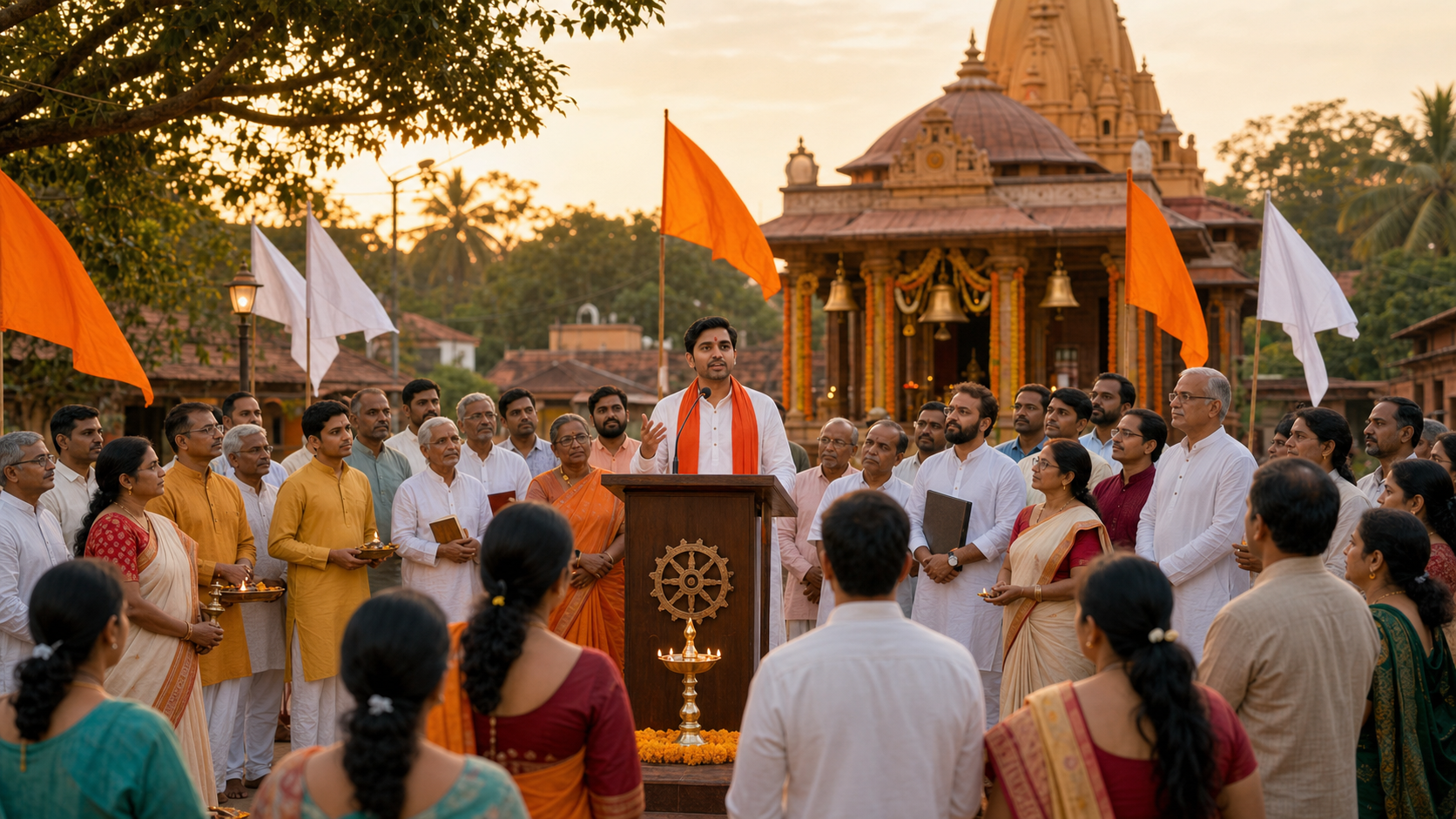
Sakal Hindu Sammelan in Padel, Devgad: 400+ Unite to Galvanize Dharma-Rakshan and Harmony

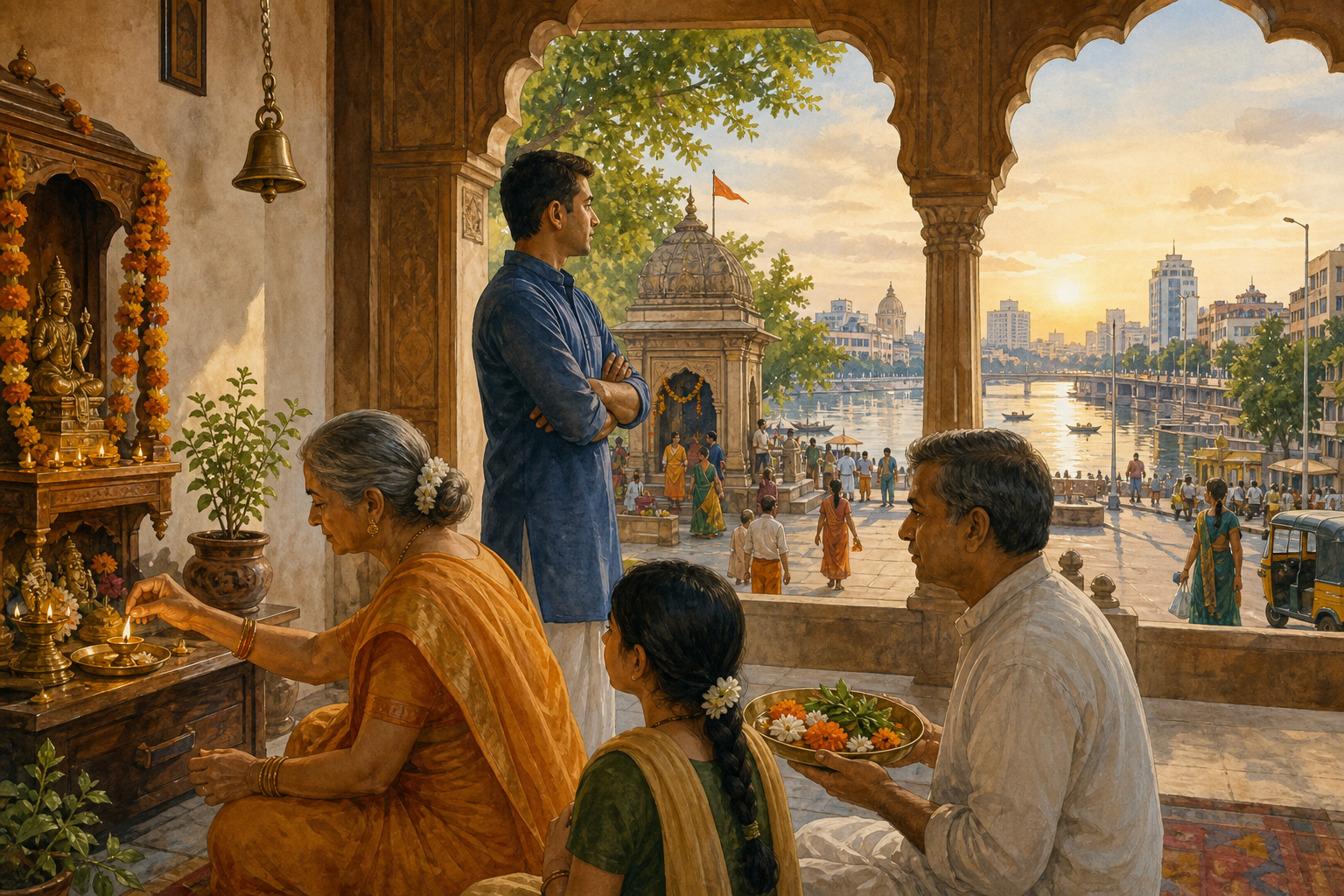
Over 400 participants gathered at the Sakal Hindu Sammelan in Padel, Devgad to reaffirm Dharma-rakshan through disciplined, lawful, and inclusive community organization. Framed within a dharmic ethos shared by Hinduism, Buddhism, Jainism, and Sikhism, the event emphasized actionable capacity-building over rhetoric. A seven-stream operating model—seva, shiksha, samskara, samvaad, suraksha, sanskriti, and satya-sankalpa—offers a practical template…
-
Facing Mortality, Finding Dharma: Why Mastering Dying Is the Ultimate Art of Living

A pivotal episode from the Mahabharata frames a universal insight: death is certain, denial is common, and wisdom begins when that denial ends. This long-form analysis shows how Hinduism, Buddhism, Jainism, and Sikhism converge on a shared discipline—facing mortality to live more ethically, courageously, and compassionately. Drawing on the Bhagavad Gita, the Upanishads, maranasati, samayik–pratikraman,…
-
Beyond Endless Craving: Dharmic Science of Ambition, Lust, and Lasting Happiness

Progressive ambition often fails to produce lasting happiness because the senses–mind complex is mismatched to the goal of enduring joy. Vedic philosophy explains this law of material nature and locates fulfillment in the jiva’s spiritual quality as a particle of Sachidananda Vigraha. Converging insights from Hinduism, Buddhism, Jainism, and Sikhism show that inner realignment—not external…
-
How We Treat the Powerless: Dharma’s Uncompromising Measure—from Gita to Guru Granth Sahib

True character is revealed most clearly in how people treat those with little power. Drawing on Hinduism, Buddhism, Jainism, and Sikhism, this essay shows how Dharma, Ahimsa, Seva, and Karuna converge on a single ethical yardstick: dignity for the vulnerable. It synthesizes sources from the Bhagavad Gita, Mahabharata (Vidura-niti), Dharmasastra, and Arthasastra alongside Sikh langar…
-
Sri Rama’s Virtue and Valor: A Timeless Dharma Blueprint for Courageous, Just Leadership

Sri Rama’s portrayal in the Ramayana unites virtue (dharma) with valor (kshatra), forming the ideal of Maryada Purushottama. This synthesis grounds strength in compassion and binds power to law, offering a reliable template for just leadership and community protection. The epic narratively encodes principles akin to just war ethics: just cause, right intention, last resort,…
-
Mahabrahmana’s Monumental Preface: Viswamitra, Gayatri, and the Atma of Bharatavarsha

This long-form exploration examines the preface to Devudu Narasimha Sastri’s Mahabrahmana as a self-standing literary and philosophical achievement. It situates the preface within the broader history of prefaces, from Sanskritic invocations to modern print culture, and reads it as a Vedantic manual for attentive reading. Drawing on references to the Rg Veda, Brahmanas, Upanishads, the…
-
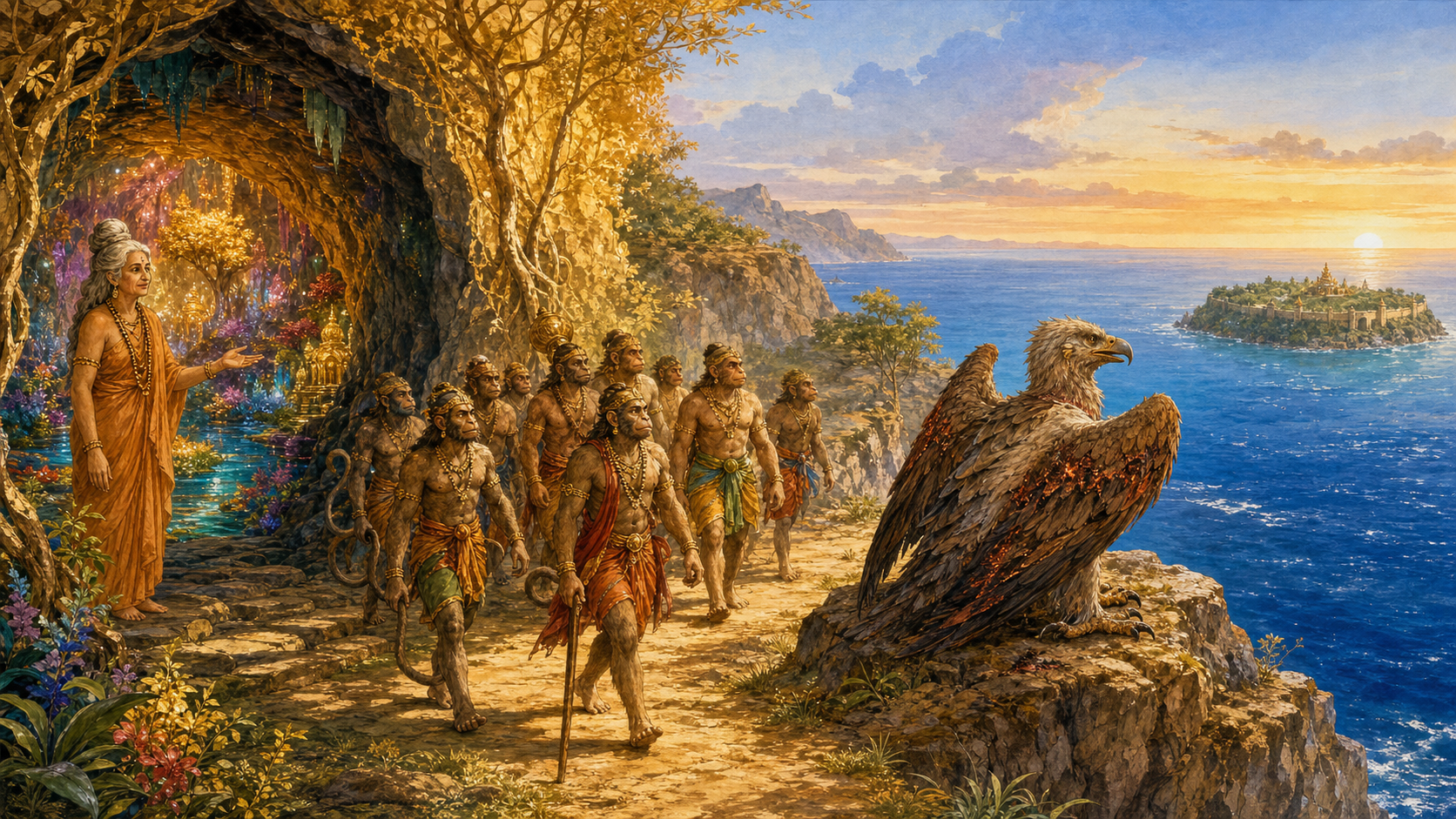
Timeless Life Lessons from the Ramayana: Integrity in Action and Devotion with Patience

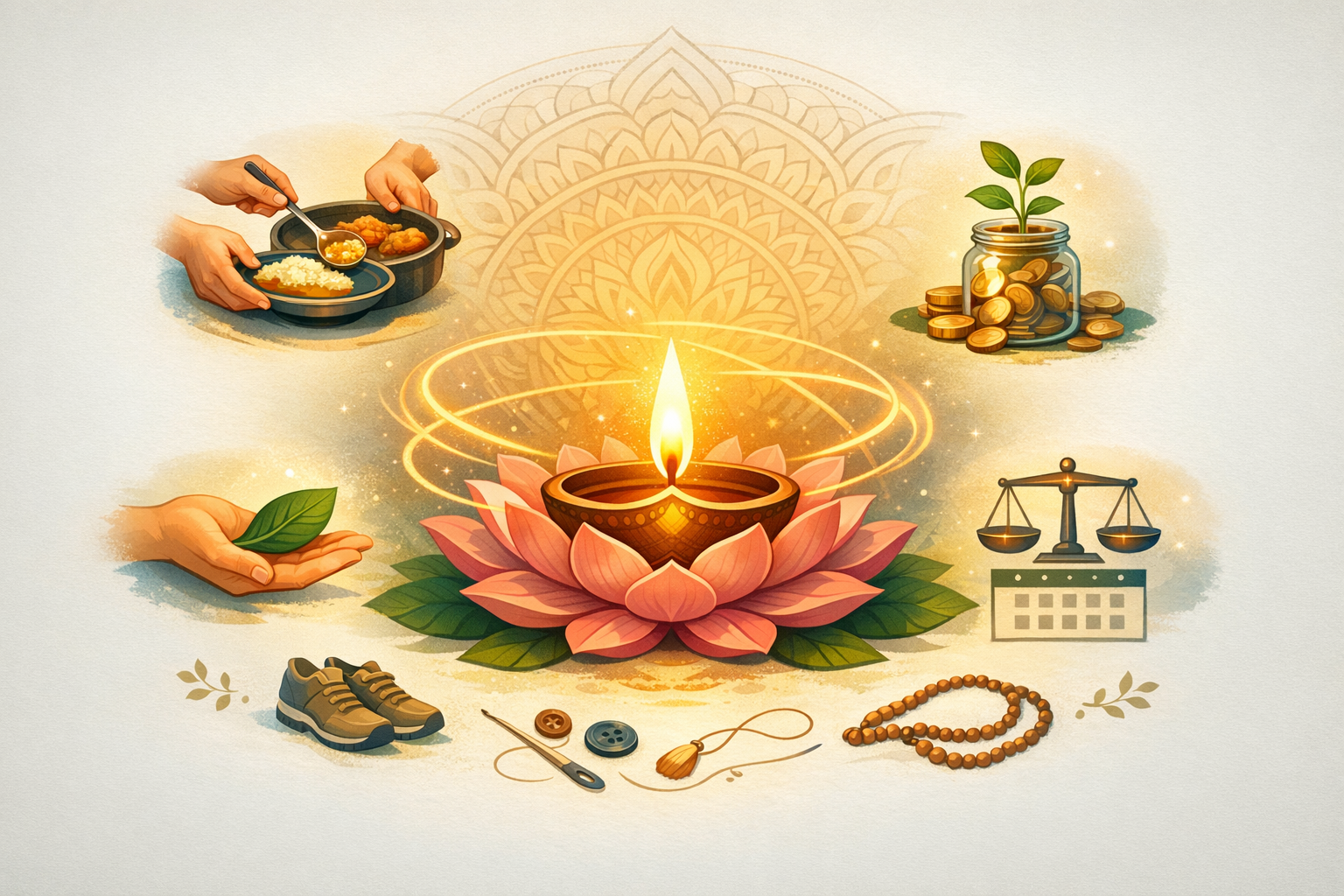
The Ramayana offers enduring guidance on ethics and spiritual discipline through two luminous episodes: Jatayu’s defense of Sita and Shabari’s patient, joyful preparation for Sri Rama. Read as a practical framework, Jatayu models courage that privileges dharma over short-term gain, while Shabari models disciplined readiness that turns daily tasks into sacred practice. Together, they show…
-
Desire Beyond Need: Dharmic Strategies to Transform Craving into Clarity and Freedom

This article clarifies why, in Hindu thought, desire is not a need but a demand that reaches beyond need—and how that demand can be guided rather than suppressed. It maps desire across the puruṣārthas and pañca-kośa models, showing when desire serves dharma and when it becomes compulsion. It integrates insights from the Bhagavad Gita, Yoga…
-
Why the Ramayana Matters Today: Selfless Sacrifice, Dharma, and Ethical Leadership in a Me-First Age

The Ramayana remains profoundly relevant in a culture that often celebrates a me-first mindset. Its ethic of selfless sacrifice, anchored in dharma, offers a rigorous framework for ethical leadership, resilient families, and cohesive communities. Concrete episodes—Rama’s exile, Sita’s courage, Lakshmana’s boundaries, Bharata’s renunciation, Hanuman’s seva, and Vibhishana’s principled dissent—model integrity in action. Contemporary research on…
-
Ram Navami Resolve: A Timeless Blueprint to Live Shri Ram’s Ideals and Realize Ram Rajya

Ram Navami offers more than celebration; it provides a rigorous, actionable framework to live Shri Ram’s values daily. This long-form reflection defines Ram Rajya as a just social order rooted in dharma, satya, compassion, and competent statecraft. Drawing on the Ramayana alongside Arthasastra and the Buddhist dasa raja dhamma, it maps how Maryada Purushottama’s ethic…