-
Awaken Dharmic Unity: Ku. Kranti Petkar’s clarion call to safeguard faith, pluralism, and rights

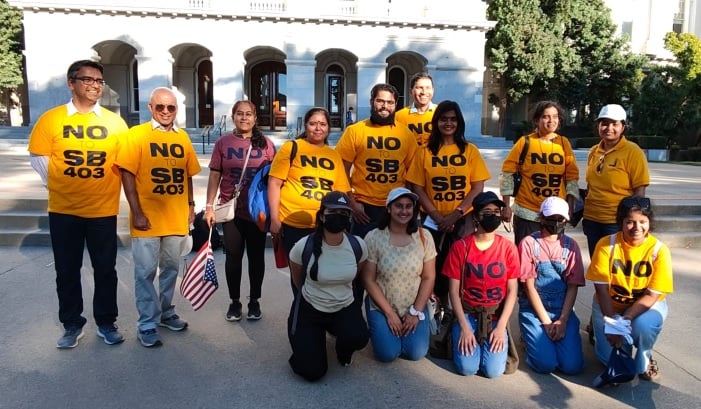
At the Grand Hindu Convention in Wing, Ku. Kranti Petkar (HJS) urged a renewed, law-abiding pride in Dharma that strengthens Hindu Unity while honoring the broader dharmic familyHinduism, Buddhism, Jainism, and Sikhism. This analysis frames the call as a constitutional, ethical, and community-centered agenda that advances pluralism and public safety. It outlines practical Counterextremism steps…
-
Beyond Dates and Dynasties: Why Dharmic India Chose Timeless Truth over History

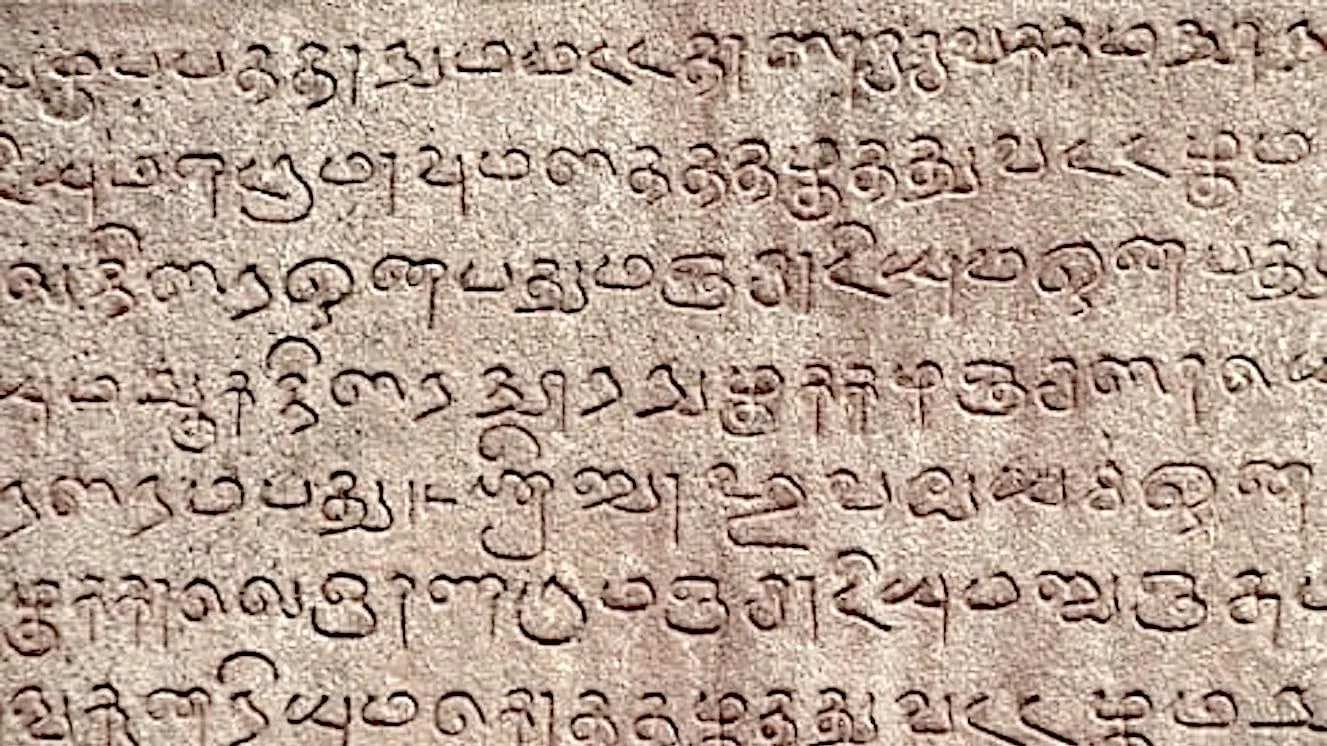
Ancient India developed a distinct historiography that privileged timeless truth over exhaustive chronologies. Rather than ignoring the past, Hinduism, Buddhism, Jainism, and Sikhism embedded history in genres like Itihāsa, Purāṇa, and Śāstra to illuminate Dharma and guide conduct. Epigraphy, coins, and temple records demonstrate rigorous documentation when it served justice, patronage, and community welfare. Examples…
-
The Golden Deer in Ramayana: Destiny, Dharma, and the Perils of Illusion Unveiled

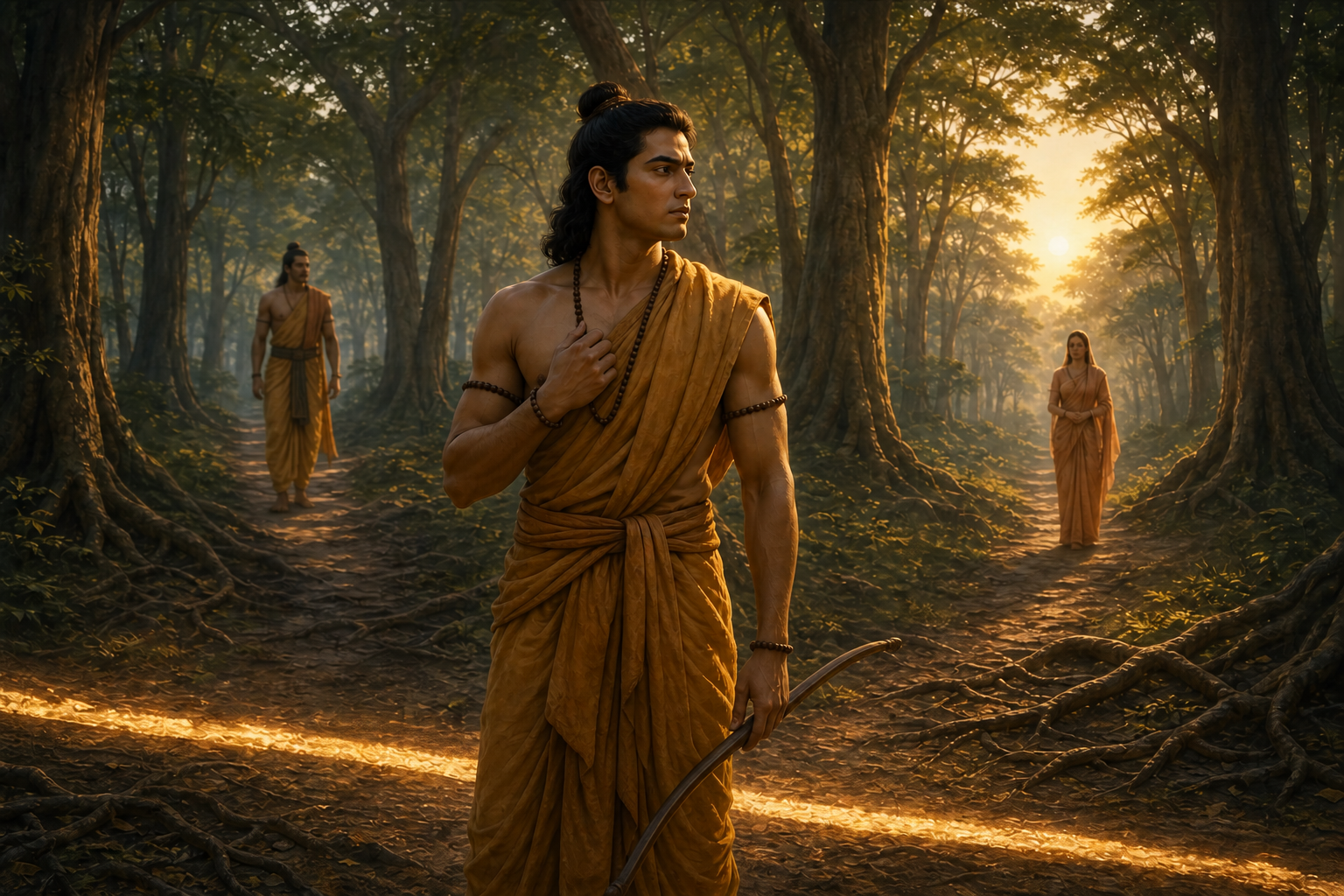
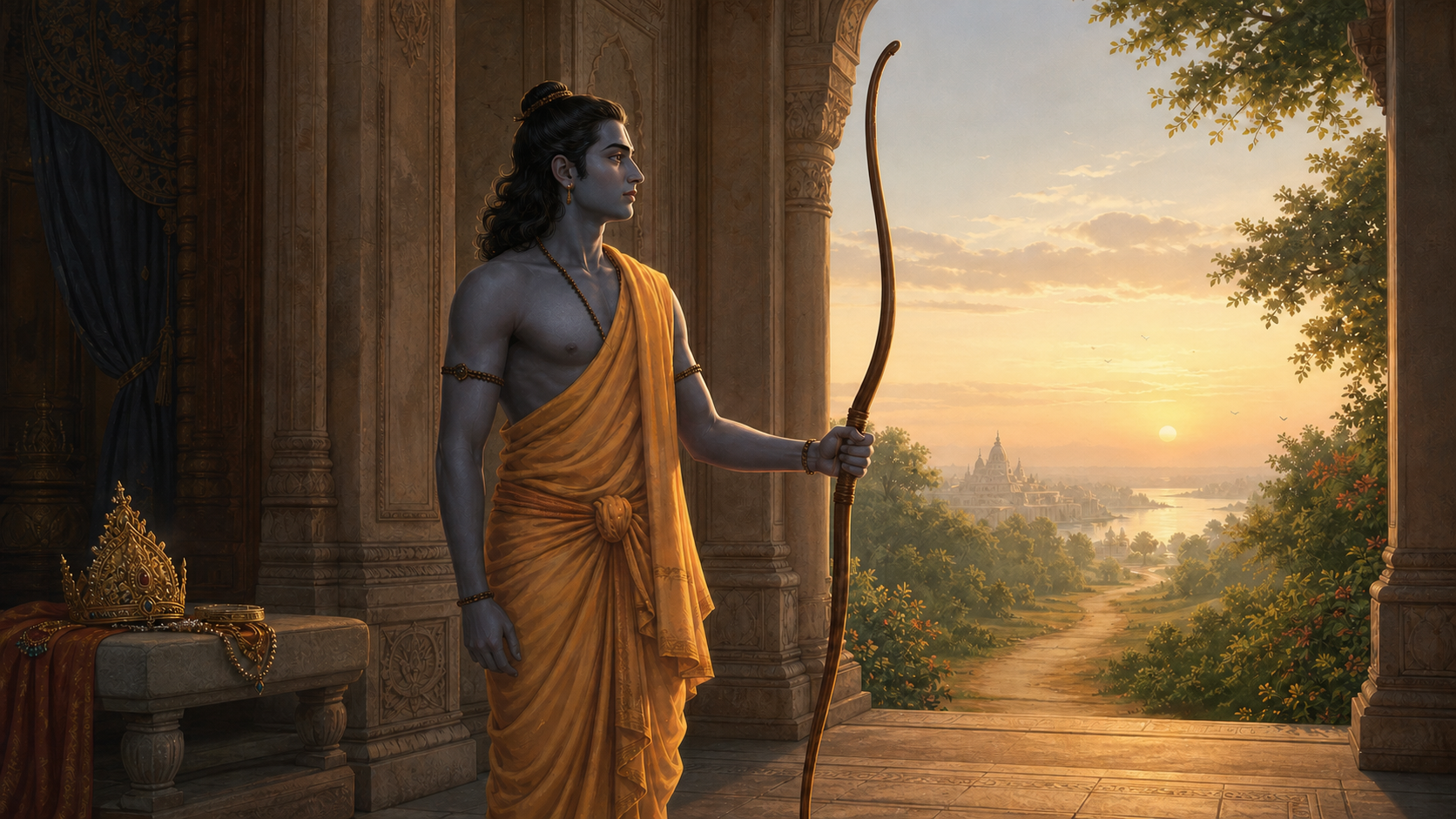
The Golden Deer episode in the Ramayana is a precise study in destiny, duty, and perception, showing how beauty can mask deception and how dharma reasserts itself through tested choices. Grounded in Valmiki’s Aranya Kanda and enriched by later Rama-kathas, the narrative functions as a catalyst that transforms exile into righteous struggle. A symbolic reading…
-
Manava Janma Uddeshya: A Transformative Dharmic Guide to the Purpose of Human Life

This long-form exploration presents Manava Janma Uddeshyathe purpose of human birthas a rigorous, unified framework across Hinduism, Buddhism, Jainism, and Sikhism. It clarifies the Purusharthas within Sanatana Dharma, aligns worldy aims with Dharma, and situates Moksha as the culminating horizon. Readers gain an actionable, research-informed roadmap that integrates meditation, ethical discipline, devotion, study, and seva.…
-
Parameshvara Samhita Revealed: Pancharatra Masterwork of Ritual, Devotion, and Temple Science

The Parameshvara Samhita is a Pancharatra masterwork that unites theology, ritual science, and sacred architecture into a coherent path of devotion. Across fifteen chapters, it presents precise protocols for prana-pratishtha, nitya-puja, abhishekam, and festival cycles while grounding every act in ethical cultivation and dharma. Its doctrinal core rests on the Vyuha doctrine and the arcavatara,…
-
Compassion as Sadhana: Tamil Nayanars’ Timeless Blueprint for Charity, Seva, and Welfare

The Tamil Nayanars placed charity (dāna) and seva at the core of spiritual life and public welfare, as preserved in the Tevaram hymns and the Periyapuranam. Their blueprint prioritizes Ahara (Food) through Annadāna, honoring the principle that nutritious, dignified meals stabilize lives and cultivate devotion. Exemplars such as Ilayankudi Maranar (food charity), Amarneethi Nayanar (clothing…
-
Kalithokai’s Elephant Parable: Timeless Sangam Wisdom on Selflessness and Dharma

Kalithokai, a jewel of Sangam literature, pairs the intimacy of akam poetry with a clear ethical imagination. A vivid elephant vignettewhere a tusker shields a female and calfembodies selflessness as the readiness to absorb risk for the vulnerable. The analysis situates this teaching within the anthology’s five tiṇai ecology, the kali metre’s craft, and the…
-
The Unchanging Supreme Self: Uddhava Gita’s Profound Guide to Inner Freedom in Turbulent Times

The Uddhava Gita teaches that the supreme self (ātman) remains unchanged and unaffected by the material world, a principle that is both philosophically rigorous and practically transformative. Set within the Bhagavata Purana, it integrates Vedānta’s discernment with Bhakti’s warmth and Karma Yoga’s responsibility to offer a complete path to moksha. The text’s emphasis on the…
-
Slow Growth That Sticks: Evidence-Based Habits and Dharmic Wisdom for Real Change

This article reframes personal growth as disciplined maintenance rather than dramatic reinvention. It follows a decade-long arc in which small, repeatable habits compound into durable change while anxiety gradually loses influence. Readers gain evidence-based methodshabit design, implementation intentions, boundary-setting, and emotion regulationintegrated with dharmic wisdom from Hinduism, Buddhism, Jainism, and Sikhism. The piece explains how…
-
When Life Finds Balance: The Dharmic Science of Harmony in Hinduism, Buddhism, Jainism, Sikhism

This in-depth exploration shows how balancedefined as dynamic homeostasis guided by dharmaproduces well-being, clarity, and social harmony across Hinduism, Buddhism, Jainism, and Sikhism. Drawing on puruṣārtha, guna theory, Panchakosha, the Bhagavad Gita, Patanjali’s Yoga, and Ayurveda, it explains why moderation is a rigorous discipline, not a compromise. Parallels with the Buddhist Middle Path, Jain Anekantavada,…
-
Why Detachment Unlocks Maximum Happiness: A Dharmic, Evidence-Based Guide from Gita to Yoga

Detachment in Hinduism is a trainable skill that unlocks maximum happiness by freeing the mind from compulsion. Grounded in the Isha Upanishad and Bhagavad Gita, it reframes enjoyment as arising from renunciation and the release of outcome-clinging. Yoga Sutra’s abhyasa-vairagya method makes this pragmatic, while allied teachings in Buddhism, Jainism, and Sikhism affirm the shared…
-
Forgiveness vs Trust: A Dharmic, Evidence-Based Guide to Boundaries, Healing, and Growth

Forgiveness becomes practical once separated from trust: the former is an inner virtue that releases resentment, while the latter is a behavior-based, conditional decision about future access. Drawing on convergences across Hinduism, Buddhism, Jainism, and Sikhism, this guide shows how compassion and accountability can reinforce one another. It introduces a two-track modelinner release and outer…
-
Timeless Dharmic Science of Joy: A Sacred Blueprint for Lasting Happiness Within

Hindu philosophy holds that lasting happiness is not acquired but uncovered by cultivating a living relationship with the Divine within. Drawing on the Upanishads, Bhagavad Gita, and Yoga philosophy, this exploration distinguishes fleeting pleasure from the abiding fullness called ānanda. The analysis integrates Advaita, Viśiṣṭādvaita, and Dvaita perspectives, while honoring dharmic unity with Buddhism, Jainism,…
-
Overcoming Egoism and Lethargy in Kali-Yuga: Bhagavad Gita Guidance for Humility and Seva

Egoism and lethargy are two subtle forces that derail spiritual progress in Kali-Yuga. Drawing on Bhagavad Gita teachings and parallel insights from Buddhism, Jainism, and Sikhism, this article explains how false ego (ahankara) reframes practice around I and mine, while tamasic inertia fosters delay and neglect. It then offers an integrated, practical program that combines…
-
Forge Unshakable Students: Aashishta, Balishta, Driddhishta as the Pillars of Mastery

This article distills a timeless triad for student developmentAashishta (complete faith), Balishta (integrated strength), and Driddhishta (stability)into a practical, research-aligned roadmap. It defines each quality, shows their interdependence, and aligns them with shared values across Hinduism, Buddhism, Jainism, and Sikhism to support unity in diversity. Readers will find implementable school practices: mentorship circles inspired by…
-
Beyond Appearance: How Karma and Dharma, not Looks, Define True Greatness across Dharmic Paths

Societies often confuse status and surface with substance. Dharmic traditions counter that true greatness rests on karma and dharmaethical action aligned with sustaining principlesrather than on appearance. Drawing on the Bhagavad Gita and parallel insights from Buddhism, Jainism, and Sikhism, this analysis defines karma with its causal layers and presents dharma as a context-sensitive compass…
-
Chosen People or People Who Choose? A Dharmic Analysis of Free Will, Karma, and Grace

This long-form, comparative analysis reframes the classic debate over predestination and free will by drawing on Hindu, Buddhist, Jain, and Sikh philosophies. It explains how dharmic traditions balance karma (conditioning causes), meaningful choice (puruṣārtha), disciplined practice (dharma, śīla, simran, seva), and grace (kṛpā/nādar) where affirmed. Rather than privileging an exclusive elect, these frameworks uphold universal…
-
Rakshasas Reconsidered: Three Orders, Genealogies, and Dharma Across Hindu Scriptures

Rakshasas in Hindu scriptures are not a single moral type but a spectrum of beings whose actions and destinies illuminate dharma. A threefold interpretive modelsattva-, rajas-, and tamas-aligned Rakshasasmaps consistent patterns across the Ramayana, Mahabharata, and Puranic genealogies. Vibhishana, Ravana, and figures such as Khara and Kirmira exemplify distinct ethical orientations that readers can recognize…
-
Where Is Humanity Today? A Dharmic Blueprint for Compassion, Ahimsa, and Unity

This essay reframes “Where is humanity?” through a dharmic lens that treats compassion, ahimsa, and service as trainable capacities and civic responsibilities. It explains how Hinduism, Buddhism, Jainism, and Sikhism converge on a shared blueprint grounded in Dharma, dayā, karuṇā, aparigraha, mettā, and seva. Readers gain a research-informed view of how breathwork, meditation, and loving-kindness…