
-
Vibhishana and Vikarna: Defiant Voices of Dharma Over Blood in India’s Epics

Vibhishana and Vikarna exemplify moral courage in India’s epics, choosing dharma over kinship and expedience. Vibhishana’s reasoned counsel to Ravana and subsequent alignment with Rama reflect fidelity to righteous order, not betrayal. Vikarna’s protest in the dice hall articulates truth amid power, even as his later choices reveal the tragic weight of duty. Together, they…
-
The Forgotten Warrior: Reclaiming Vrishasena’s Valor Beyond Abhimanyu’s Shadow

This essay re-examines the Kurukshetra War to recover Vrishasena’s overlooked valor alongside Abhimanyu’s celebrated martyrdom. It explains how narrative framing and cultural pedagogy can elevate certain episodes and obscure others in the Mahabharata. Readers gain a clearer view of kshatra-dharma by recognizing courage across both Kaurava and Pandava camps. The piece outlines Vrishasena’s disciplined role…
-
Paradox of Progress: Why Discontent and Violence Riseand Dharmic Ways to Peace

Scientific advancements have brought unprecedented capabilities, yet discontentment and violence continue to rise. This article interprets the paradox through a dharmic lens, highlighting avidyā, restless desire, and information overload as drivers of inner turmoil. It presents unifying insights from Hinduism, Buddhism, Jainism, and Sikhismdharma, ahiṁsā, karuṇā, and sewaas complementary solutions. Readers gain practical guidance in…
-
From Curiosity to Courage: Swami Vivekananda’s Living Legacy for Confident Hindu American Youth

Swami Vivekananda’s legacy offers a rigorous, modern roadmap for Hindu American youth: transform curiosity into disciplined learning, and learning into compassionate seva. His 1893 Chicago address reframed Hinduism as rational and pluralistic, a vision now activated through advocacy and education in groups such as CoHNA. This approach strengthens unity in diversity and aligns with the…
-
Dharma Beyond Black and White: Hindu Ethics Across Time, Circumstance, and Consequence

Hindu philosophy treats ethics as a disciplined, context-sensitive inquiry rather than a fixed rulebook. Grounded in dharma and guided by deśa–kāla–pātra, it balances intention, action, and consequence while honoring ahimsa, satya, svadharma, and lokasaṅgraha. Epic teachings from the Mahabharata and the Bhagavad Gita model how to act responsibly without attachment to outcomes. Parallels from Jain…
-
Beyond Attachment, Fear, and Anger: Dharmic Wisdom to Unblock Moral and Spiritual Growth

Hindu philosophy explains how attachment, fear, and anger undermine moral clarity and spiritual growth, and it offers precise remedies grounded in the Bhagavad Gita, the Upanishads, and classical yoga. Fearlessness, non-grasping, and disciplined attention are presented as practical virtues, not abstractions. Shared insights across Buddhism, Jainism, and Sikhism reinforce a unifying dharmic approach that transforms…
-
Seeds of Destiny: Conscious Choice and Liberation in Hindu Thought for Everyday Peace

This reflection presents a practical, unifying view of Hindu philosophy: the mind holds dormant seeds of every disposition, and conscious choice determines which ones grow. It explains samskara, vasana, and the gunas while showing how daily decisions shape karma and move life toward moksha. It connects the Bhagavad Gita’s self-mastery with actionable practicesbreath, japa, pratyahara,…
-
Rta and the Rhythm of Nature: A Dharmic Blueprint to Avert Humanity’s Collapse

Humanity stands at a civilizational crossroads: either realign with nature’s rhythm or accelerate ecological collapse. Hindu thought expresses this alignment as Rtathe cosmic order that sustains balancemanifested practically as Dharma. A dharmic ethic reframes sustainability as disciplined reciprocity with nature, not a slogan. Unity among Hinduism, Buddhism, Jainism, and Sikhism offers a coherent ecological blueprint…
-
Looking Back with Purpose: Transformative Lessons from a Dharmic Journey toward Unity

Purposeful retrospection, grounded in dharma, transforms memory into a tool for growth rather than self-critique. Drawing on Ahimsa, Anekantavada, and Karma Yoga, this reflection-centered approach fosters inner clarity, ethical action, and resilience. Practical methodsmindfulness, meditation, and a five-step weekly frameworktranslate insight into consistent habits. Community support through satsang, sangha, and the Guru–Shishya Tradition amplifies learning…
-
Dharma with Compassion: When Truth Yields to Welfare and Self-Preservation in Hinduism

Hindu ethics treats dharma as a living intelligence: truthfulness is vital, yet it must be guided by compassion and non-harm. When literal truth risks grave injury or endangers life, flexibility aligns satya with ahimsa and the welfare of dependents. Practical guidance emerges through intention, consequence, and alternative analysis, ensuring truth heals rather than harms. Classical…
-
Dharma vs Adharma: The Inner Battle Shaping LifePractical Wisdom from Dharmic Traditions

Dharma and Adharma describe an inner moral struggle that shapes choices, character, and destiny. Drawing on the Bhagavad Gita, the Upanishads, and allied Dharmic wisdom, this piece explains how clarity (buddhi), the gunas, and steady practice (abhyasa) tip the balance toward ethical action. It shows how Hindu, Buddhist, Jain, and Sikh traditions converge on shared…
-
Unveiling Prajapati in the Bhagavad Gita: Cosmic Creator and the Sacred Bond of Yajna

Prajapati, the “Lord of living beings,” anchors the Bhagavad Gita’s profound teaching on yajnasacred reciprocity that sustains both cosmic order and human society. Etymologically and theologically rich, Prajapati points to a creation suffused with ethical responsibility and gratitude. The Gita reframes yajna beyond ritual as selfless action, aligning intention with the common good through Karma…
-
At Death the Mind Shapes Destiny: Insights from Srimad Bhagavatam 10.1.36–45
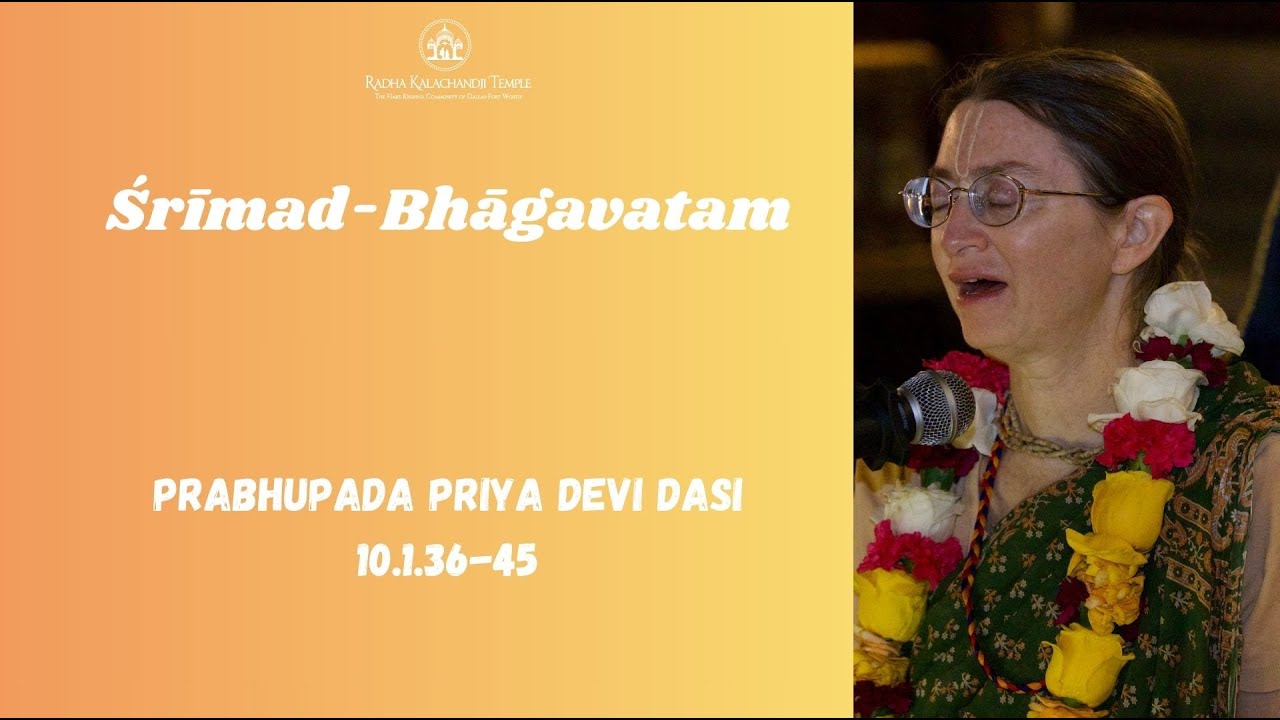
Srimad Bhagavatam 10.1.36–45 teaches that the mind’s thinking, feeling, and willing at death direct the next embodiment. The principle links karma with a moral psychology in which habits and intentions shape destiny. Readers gain a practical framework: daily remembrance, scriptural study, meditation, and service stabilize attention and prepare consciousness for a peaceful transition. The message…
-
Happiness Beyond Problems: Hindu Wisdom for Unshakable Inner Peace and Resilient Living

Hindu philosophy reframes happiness as inner steadiness rather than problem-free living. Drawing on the Bhagavad Gita, Karma Yoga, and meditative practices, it shows how equanimity reduces reactivity and supports ethical clarity. Practical toolsmindfulness, pranayama, Yoga, and reflective self-inquiryhelp cultivate resilience and emotional balance. Everyday challenges then become opportunities for insight instead of triggers for turmoil.…
-
Rama’s Timeless Counsel: Restraint Over Impulse in Lakshmana’s First Meeting with Hanuman

This article examines a pivotal Ramayana episode in which Rama counsels Lakshmana to practice restraint when first meeting Hanuman in disguise. It analyzes how careful listening and discernment transform potential suspicion into trust, modeling dharma in action. The discussion connects this ethos to shared values across Hinduism, Buddhism, Jainism, and Sikhism, highlighting unity within the…
-
New Year Resolve for Spiritual Excellence and Dharmic Unity: Striving for Pure Devotion

This New Year resolution sets a clear intention: aim for the highest spiritual goal through disciplined practice and humility. It recognizes Srila Prabhupada’s rigorous benchmark of becoming a pure devotee and treats it as a compass rather than a claim. The approach emphasizes daily sadhana, ethical conduct, and compassion as practical tools for spiritual growth.…
-
Unbreakable Resolutions: Dhruva’s Determination and Sattvic Discipline for the New Year

New Year commitments flourish when intention becomes unbreakable resolve. Drawing on Srila Prabhupada’s reference to Dhruva Maharaja, this reflection clarifies the difference between desire and commitment through the lens of the gunas: tamas stalls at dreams, while sattva sustains disciplined action. It offers a practical, dharma-aligned framework for resolutionsclear purpose, small daily practices like japa…
-
Chilling Symbolism of Asipatra: The Sword-Leaf Forest and Dharma’s Call to Compassion

The Asipatra or sword-leaf forest is a powerful Purāṇic symbol that dramatizes the consequences of harmful actions and the neglect of dharma. Rather than a literal geography of the afterlife, it functions as a moral pedagogy illustrating ethical cause and effect. Readers gain a clear understanding of how the image aligns with ahimsa, satya, and…
-
Kundika Upanishad: Powerful Lessons on Sannyasa, Inner Freedom, and Dharmic Unity

The Kundika Upanishad, a Sannyasa Upanishad linked with the Sama Veda, presents renunciation as the culmination of a dharmic life aimed at moksha. Across 34 verses, it unites ethical restraint, contemplative practice, and radical simplicity into a coherent path for inner freedom. Its symbolismcentered on the kundika (water pot)speaks to purity, service, and sustainability. The…
-
Dharma in a Distracted Age: Powerful Ways to Live Authentically with Dharmic Wisdom

This article explores how the timeless wisdom of dharma enables authentic living in a distraction-saturated age. It explains dharma across Hinduism, Buddhism, Jainism, and Sikhism, highlighting shared values of truth, non-harm, discipline, compassion, and service. Readers gain practical toolsviveka, svadharma, Aparigraha, mindfulness, prāṇāyāma, seva, and community supportto stabilize attention and purpose. It offers a four-part…