
-
Find Lasting Peace: The Transformative Hindu Teaching of Not Looking at Others’ Faults

A time-tested teaching in Hindu philosophy states, “If you want peace, do not look into anybody’s faults.” Grounded in the Bhagavad Gita, the Upanishads, and Yoga, this practice transforms attention from judgment to self-reflection, acceptance, and mindful speech. Dharmic perspectivesAnekantavada in Jainism, mindfulness and Right Speech in Buddhism, and humility with seva in Sikhismconverge to…
-
Why Shiva Gave His Golden Palace to RavanaTimeless Lessons on Detachment and Karma

This exploration of Shiva gifting a golden palace to Ravana distills a powerful lesson in detachment, karma, and dharma. Drawing on Puranic variations, it shows how Shiva’s non-attachment contrasts with Ravana’s intensifying desire, turning a boon into a test of character. The analysis connects seamlessly with Buddhist insights on clinging, Jain aparigraha, and Sikh cautions…
-
Transforming Shame into Pride: Guru Ravidas and a Unified Dharmic Identity in America
This academic reflection traces a Hindu American’s journey from cultural hesitation to confidence through the teachings of Guru Ravidas Ji. It highlights how inclusive Sanatana Dharma and the Bhakti Tradition foster inquiry over rote ritual, anchoring devotion in understanding. By emphasizing Oneness and dignity beyond social labels, the narrative affirms Religious Pluralism and unity across…
-
Be Brave, Live to Give: Global ISKCON 2025 Celebration Powering the Prabhupada Marathon
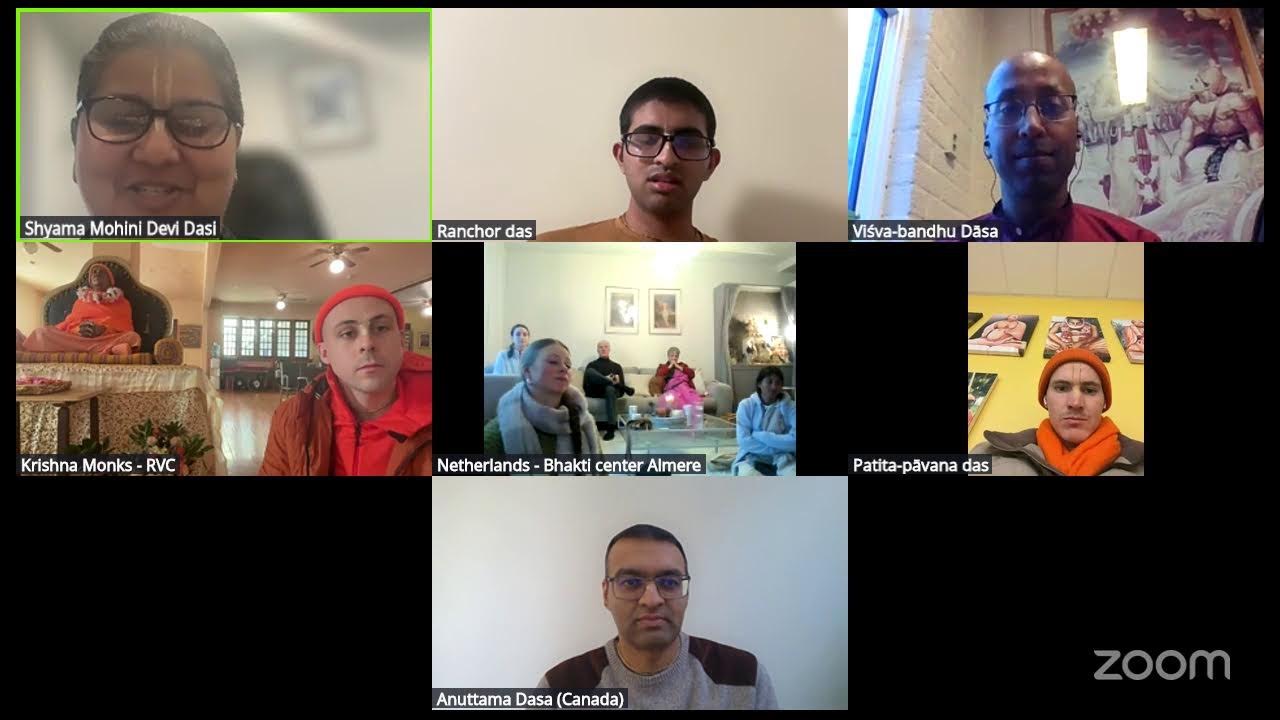
The Be Brave! Live to Give 2025 Celebration brought ISKCON leaders and devotees together online to share outcomes from the 2025–2026 “Live to Give” campaign centered on distributing Bhagavad Gita As It Is. Presentations combined metrics with field insights, including a notable report from Africa: 10 countries distributing 15,189 Bhagavad Gitas. The program emphasized disciplined…
-
Vinata and Aruna: A Powerful Hindu Tale on Patience, Parenting, and Letting Go

The Vinata and Aruna narrative from Hindu scriptures presents a clear, timeless teaching on patience, parenting, and trusting natural timing. Readers gain a concise understanding of how premature intervention can deform outcomes, despite loving intent. The story’s emotional resonance lies in everyday dilemmaswhen to help, when to wait, and how to align care with a…
-
Hindu Wisdom on Human Nature: Why Grand Reforms Fail Without Inner Transformation

Hindu thought explains why many global reforms falter: they overlook the depth of human conditioning shaped by avidya, samskara, and the three gunas. Sustainable change emerges when inner transformation precedes institutional redesign, aligning personal ethics with public policy. A dharmic, three-layer approachself, community, and systemsintegrates nishkama karma, seva, and accountability to support lokasangraha. This perspective…
-
A Path to Truthful Living: A Transformative Review on Satya, Dharma, and Dharmic Unity
A Path to Truthful Living offers a rigorous yet accessible guide to satya as a daily practice, linking truthful speech to ahimsa and disciplined self-mastery. Readers gain a comparative understanding of Hindu, Buddhist, Jain, and Sikh perspectives, with an emphasis on unity in spiritual diversity and religious pluralism. Practical methodsmindfulness, meditation, samayik, simran, and reflective…
-
Beyond Gold and Fortune: How Goddess Lakshmi Cultivates Inner Peace and Lasting Prosperity
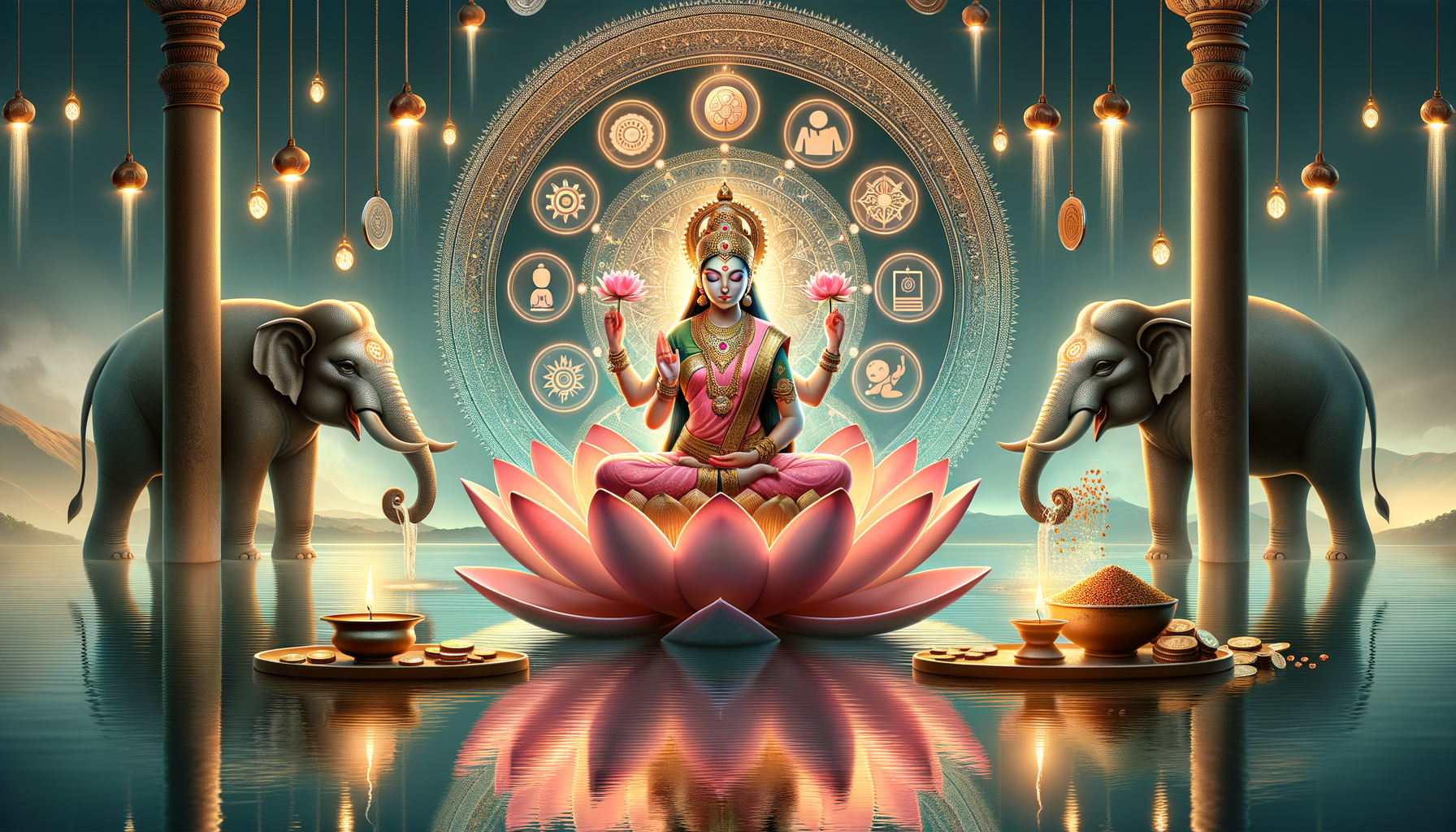
Goddess Lakshmi in Hinduism signifies far more than financial gain. Traditional imagery and the Ashta Lakshmi forms reveal a complete vision of prosperity that unites outer wealth with inner qualities like compassion, courage, and wisdom. Aligning artha with dharma transforms money into responsible stewardship that benefits families and communities. This integrated approach resonates across Buddhism,…
-
Spiritual Oneness in Hinduism: Vedic Wisdom to Heal Division, Injustice, and Ecological Harm

Spiritual oneness in Hinduism, rooted in the Vedas and Upanishads, offers a practical ethic for resolving modern crises. By recognizing a shared ground of being, communities can move beyond polarization toward empathy, dialogue, and responsible action. Dharmic traditions converge on this vision: Buddhism highlights interdependence, Jainism advances anekantavada and ahimsa, and Sikhism affirms Ik Onkar…
-
Seven Stages of Life in the Ramayana: A Dharma-Guided Journey from Childhood to Moksha

The Ramayana offers a symbolic map of seven life stagesfrom childhood to mokshashowing how dharma shapes character, relationships, leadership, and final liberation. Read as a guide, not only as history, it highlights how virtues formed in childhood mature through disciplined study, ethical family life, purposeful renunciation, just action, compassionate governance, and ultimately selfless letting go.…
-
Impermanence and Human Bonds: Hindu Wisdom on Loving, Letting Go, and Lasting Peace

Hinduism teachesmost explicitly in the Yoga Vasishtathat all human associations are impermanent, a truth that clarifies how to love without clinging. Recognizing anitya (impermanence) reframes loss, softens attachment, and supports ethical, compassionate action in relationships. This perspective aligns with the dharmic insights of Buddhism (anicca), Jainism (anitya), and Sikh wisdom on hukam and seva, highlighting…
-
Ravana Gita: Timeless Leadership Wisdom from the Ravana–Lakshmana Dialogue in Ramayana

Ravana Gita, the widely known title for Ravana’s final counsel to Lakshmana in the Ramayana, offers clear, actionable lessons on leadership and governance. The dialogue emphasizes timingacting swiftly on beneficial duties while exercising caution in risky mattersand the ethics of counsel, confidentiality, and honest dissent. It also warns against underestimating adversaries, urging vigilance and strategic…
-
Karma Yoga Made Practical: Serve with Compassion, Protect Your Sanity and Resources

Karma Yoga offers a practical path to inner purification through selfless service performed with discernment. Acting without attachment to outcomes builds equanimity while ensuring help remains effective and sustainable. Clear boundaries, realistic budgets, and due diligence protect mental calm and financial stability, preventing burnout and enabling long-term impact. Across dharmic traditions, wise compassion is a…
-
Escape and Evasion: Riveting Lessons in Resilience, Dharma, and Inner Strength Under Fire

This analysis presents a survival narrative as a disciplined study in Resilience, dharma, and ethical clarity. It demonstrates how Mindfulness stabilizes decision-making under threat and how restraint aligned with Ahimsa reduces harm. Readers gain practical toolscalm-start breathing, multi-route planning, discreet coordination, and de-escalationthat improve outcomes without compromising integrity. The account highlights social trust and community…
-
Brotherhood in the Ramayana: Sacred Bonds of Duty, Sacrifice, and Enduring Unity

Brotherhood in the Ramayana is portrayed as a disciplined ethic of love, respect, sacrifice, and dharma that stabilizes families and strengthens kingdoms. Rama and Lakshman exemplify vigilant companionship in adversity, while Bharata’s renunciation models humility in leadership. Shatrughna’s quiet service shows how consistent responsibility sustains the common good. In contrast, Ravana’s rejection of counsel and…
-
Vritrasura Katha Explained: A Gripping Retelling of Dharma, Devotion, and Destiny

This academic retelling of the Vritrasura Katha weaves together Vedic and Purana sources to illuminate a story of dharma, devotion, and ethical power. Readers learn how Tvashta’s yajna, Dadhichi’s self-sacrifice, and Indra’s duty intersect with Vritrasura’s hidden bhakti. The tale’s paradoxan asura who attains liberationoffers a powerful reminder that inner orientation surpasses outer identity. Symbolic…
-
Awakening to a Living, Intelligent Universe: Dharma’s Cosmic Order vs Human Greed and Avidya

Hindu philosophy describes the universe as a living, intelligent reality governed by Rta or Dharma. This cosmic law sustains balance and harmony, shaping everything from galaxies to human thought. Parallel insights in Buddhism, Jainism, and Sikhismthrough Dhamma, Ahimsa, Aparigraha, and Hukamaffirm a shared moral order across dharmic traditions. When greed and Avidya prevail, ecological, social,…
-
Paramapurushartha Explained: The Supreme Human Goal in Hindu Thought for Inner Freedom

Paramapurushartha signifies the supreme human goal in Hindu philosophy, situating moksha as the culmination of life’s aims while harmonizing dharma, artha, and kama. It offers a practical framework for meaning, guiding ethical prosperity and refined enjoyment toward inner freedom. Drawing on the Upanishads, Bhagavad Gita, and Yoga, it aligns with parallel ideals across Dharmic traditionsnirvana…
-
Timeless Foundations of Dharma: Gautama’s Dharmasutra on Law, Ethics, and Daily Life
Gautama’s Dharmasutra is among the earliest and most influential Hindu scriptures on law, ethics, and social order, dated to roughly 600–400 BCE. It systematically codifies duties, rites, legal procedures, and penances, shaping the foundations of the Hindu legal system. Its ethical corenon-violence, truthfulness, generosity, and self-restraintresonates across Buddhism, Jainism, and Sikhism, reinforcing unity among dharmic…
-
Ravana vs Mahabali: Unraveling Lineage, Dharma, and Legacy Across Dharmic Traditions
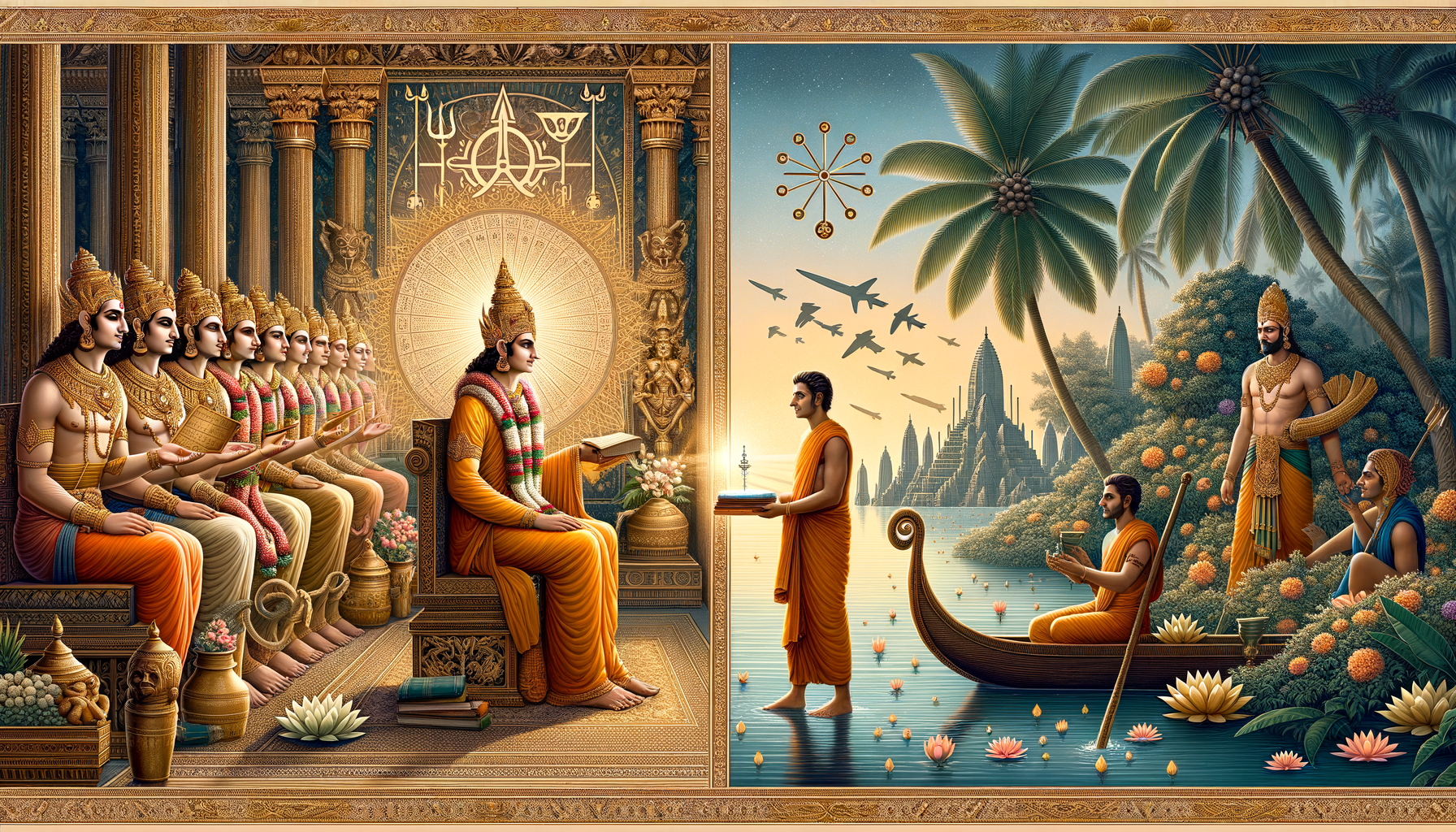
Ravana and Mahabali occupy contrasting roles in Hindu mythology that illuminate dharma, humility, and righteous leadership. Ravana, the learned yet pride-driven king of Lanka, confronts Sri Rama and falls for violating ethical boundaries. Mahabali, the generous asura king and grandson of Prahlada, surrenders to Vamana and receives enduring gracehonored each year during Onam. Comparing lineage,…