-
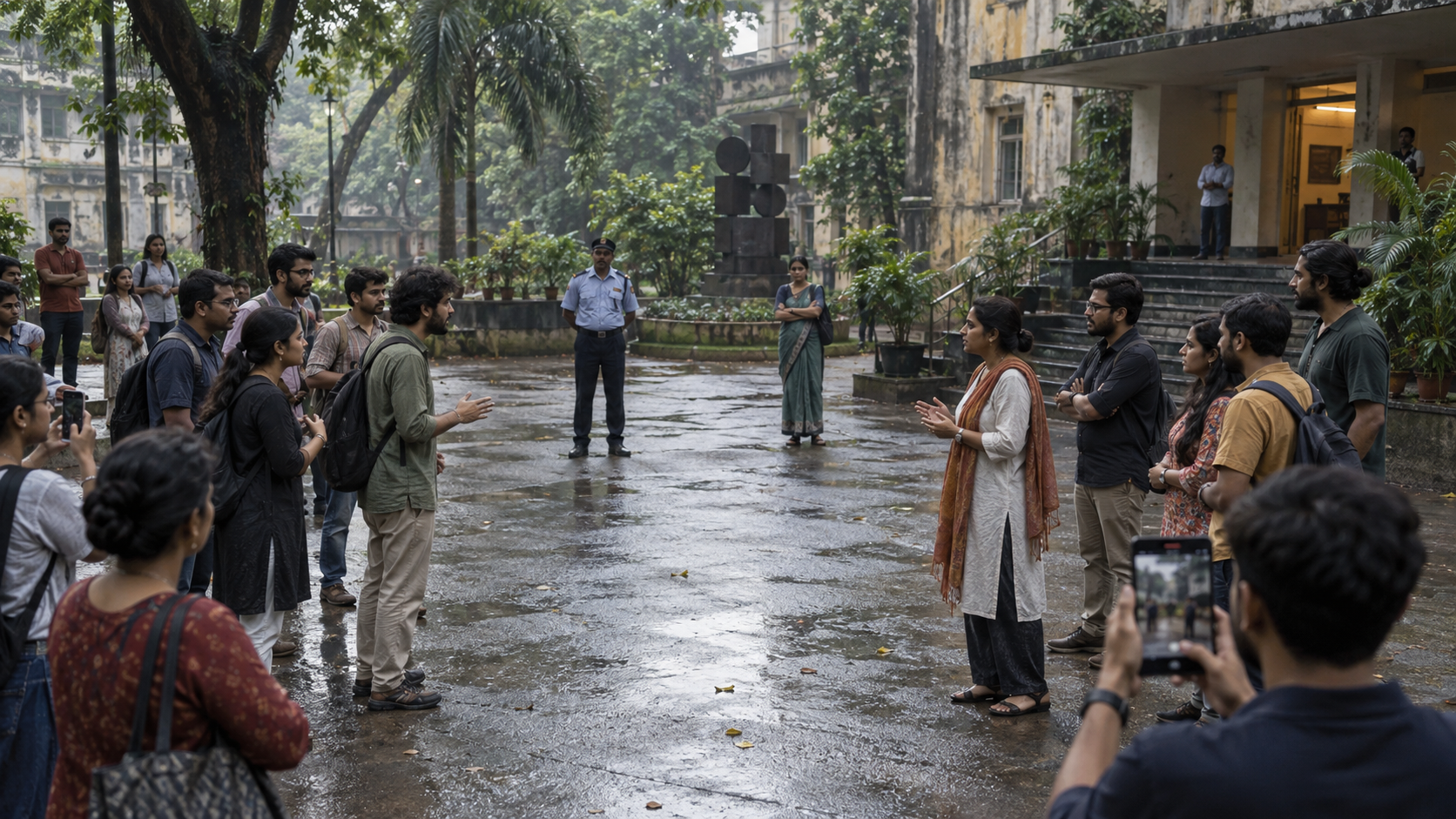
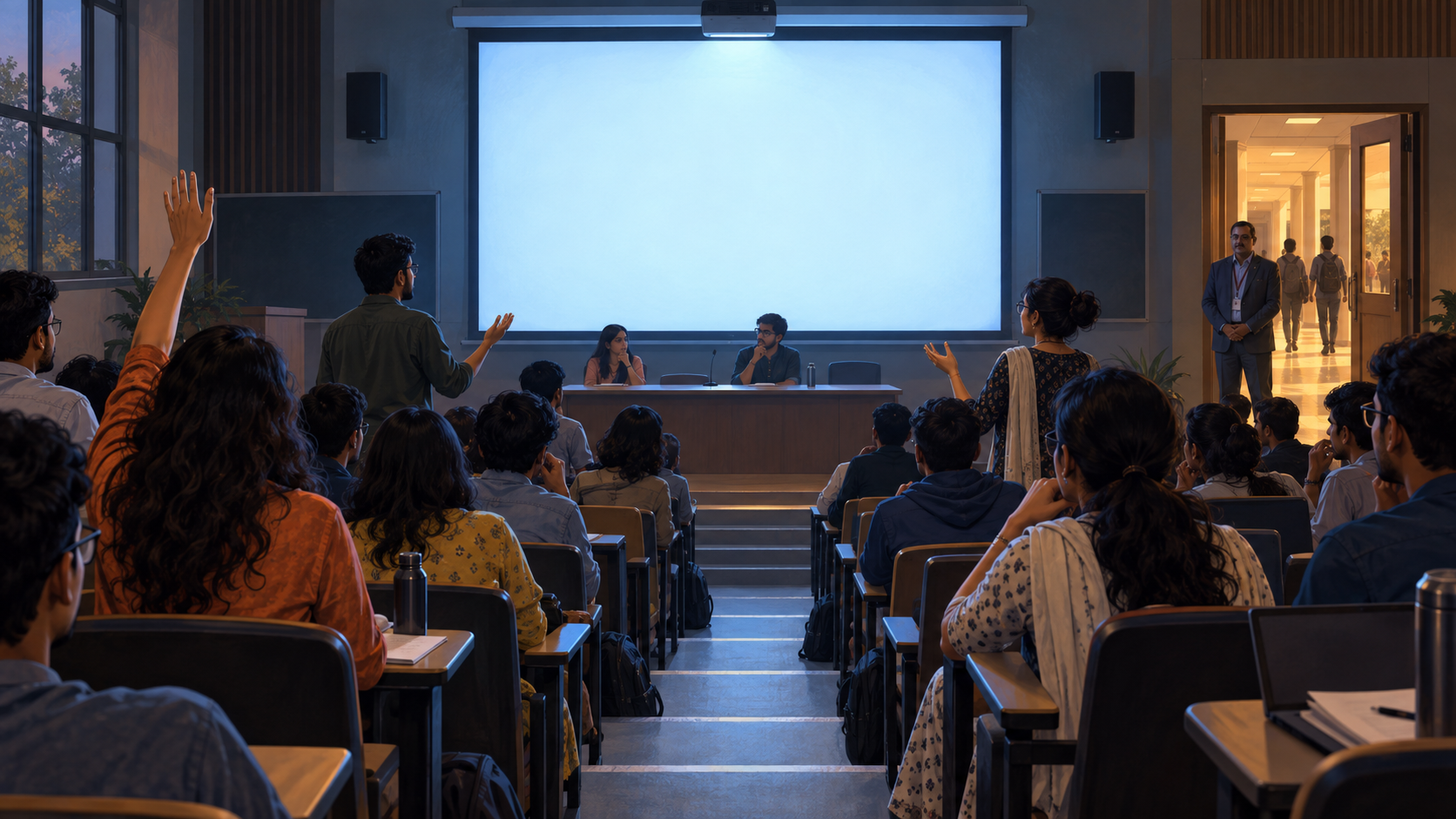
How Merit Died at Mysore University: Anatomy of Decline and a Dharmic Blueprint to Rebuild

The University of Mysore’s trajectory—from a ‘Kashi of Knowledge’ to an institution beset by politicization—reveals how academic cultures unravel when identity and expedience eclipse merit. Drawing on testimonies preserved in Bhyrappa’s Bhitti, H.M. Nayak’s Mysore Diary, and accounts linked to B.G.L. Swamy, this analysis traces the sidelining of master teachers, the embittering of scholars like…
-
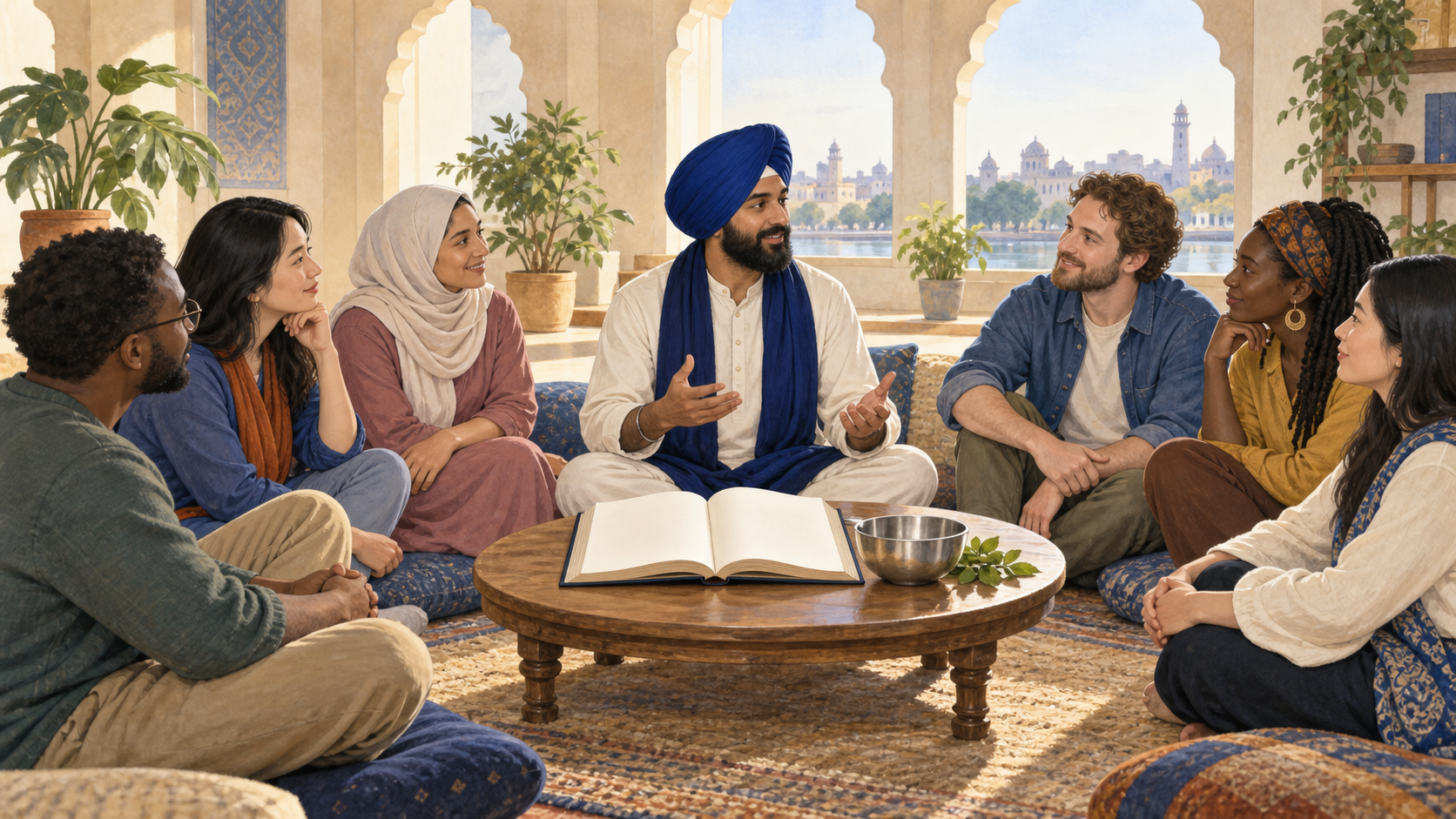
Illuminating Sikh Lives: Eleanor Nesbitt’s Transformative Legacy in Sikh Studies and Dialogue

Eleanor Nesbitt’s scholarship reshaped Sikh Studies by centering lived religion, diaspora ethnography, and dialogue with communities. Her work—rooted in careful fieldwork and clarity of method—helps educators and students understand Sikhism through both scripture and everyday practice. By examining home, school, and gurdwara as interconnected learning spaces, she demonstrates how seva, langar, kirtan, and the 5…
-
Trailblazing Women of Pakistani Punjab: Five Brilliant Academics Transforming South Asian Scholarship

Pakistani Punjab’s universities and research centers have nurtured a generation of women scholars whose work reshaped debates in history, education, languages, religion, and civil–military relations. This article profiles five eminent academics—Ayesha Jalal, Rubina Saigol, Arfa Sayeda Zehra, Riffat Hassan, and Ayesha Siddiqa—emphasizing their methodological rigor, curricular influence, and public engagement. Readers gain a panoramic view…
-
AMU Professor Alleges 27-Year Identity-Based Harassment, Calls for Fair Probe and Safer Campuses

A professor at AMU has alleged 27 years of identity-based harassment, claiming that sustained institutional pressure and excessive workload led to severe mental stress and a miscarriage. These serious assertions require an independent, evidence-based inquiry grounded in constitutional equality and academic freedom. The focus should remain on conduct and institutional safeguards—not communal identity—to prevent polarization…
-
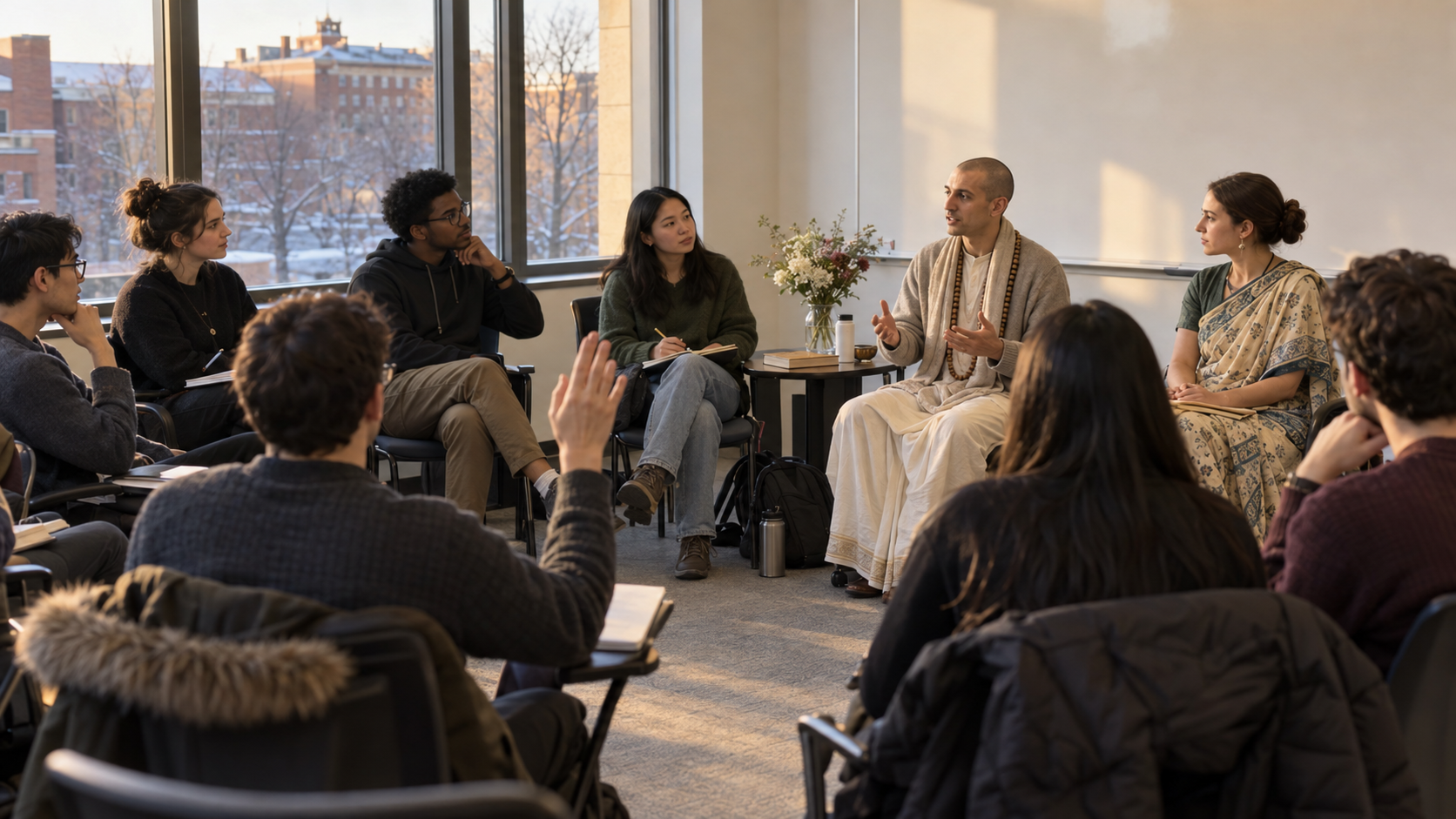
Essential Breakdown of Rutgers ‘Hindutva in America’ Panel: Proven Ways to Safeguard Pluralism

Rutgers University’s panel on “Hindutva in America” has sparked bipartisan concerns about academic balance and campus climate. Legislators urged the institution to safeguard free inquiry without stigmatizing Hindu students or, by extension, other dharmic communities. The Coalition of Hindus of North America welcomed the intervention, emphasizing rising bias incidents and the need to protect free…
-
The Complete Inside Story: Ibādat Khāna, Secularism, and Academic Power Struggles

This analysis reconstructs K. K. Muhammed’s account of identifying the Ibādat Khāna at Fatehpur Sikri and the ensuing disputes with Prof. Irfan Habib at AMU, situating the episode within Indian historiography and academic power dynamics. It highlights how labels such as “secular” and “communal” have been deployed in institutional contexts, affecting careers, discourse, and public…
-
Rutgers Event Controversy: The Complete, Proven Playbook to Transform Hinduphobia into Action

The October 27th Rutgers event has become a catalyst for constructive civic action against Hinduphobia. This analysis presents a complete, proven playbook for dignified, peaceful engagement that centers facts, dialogue, and unity across dharmic traditions. It outlines media strategies, legal literacy, and coalition-building that convert concern into measurable institutional outcomes. The piece situates the moment…
-
Portraits of the Deracinated Indian Education System

In this thought-provoking blog post, the urgent need for the decolonization of India’s education system is explored. The article delves into the persisting impact of mental colonization, particularly evident in the modern Indian population’s inclination to embrace Western culture, values, and ideals, often prioritizing them over their own heritage. Through historical context and powerful quotes…