-
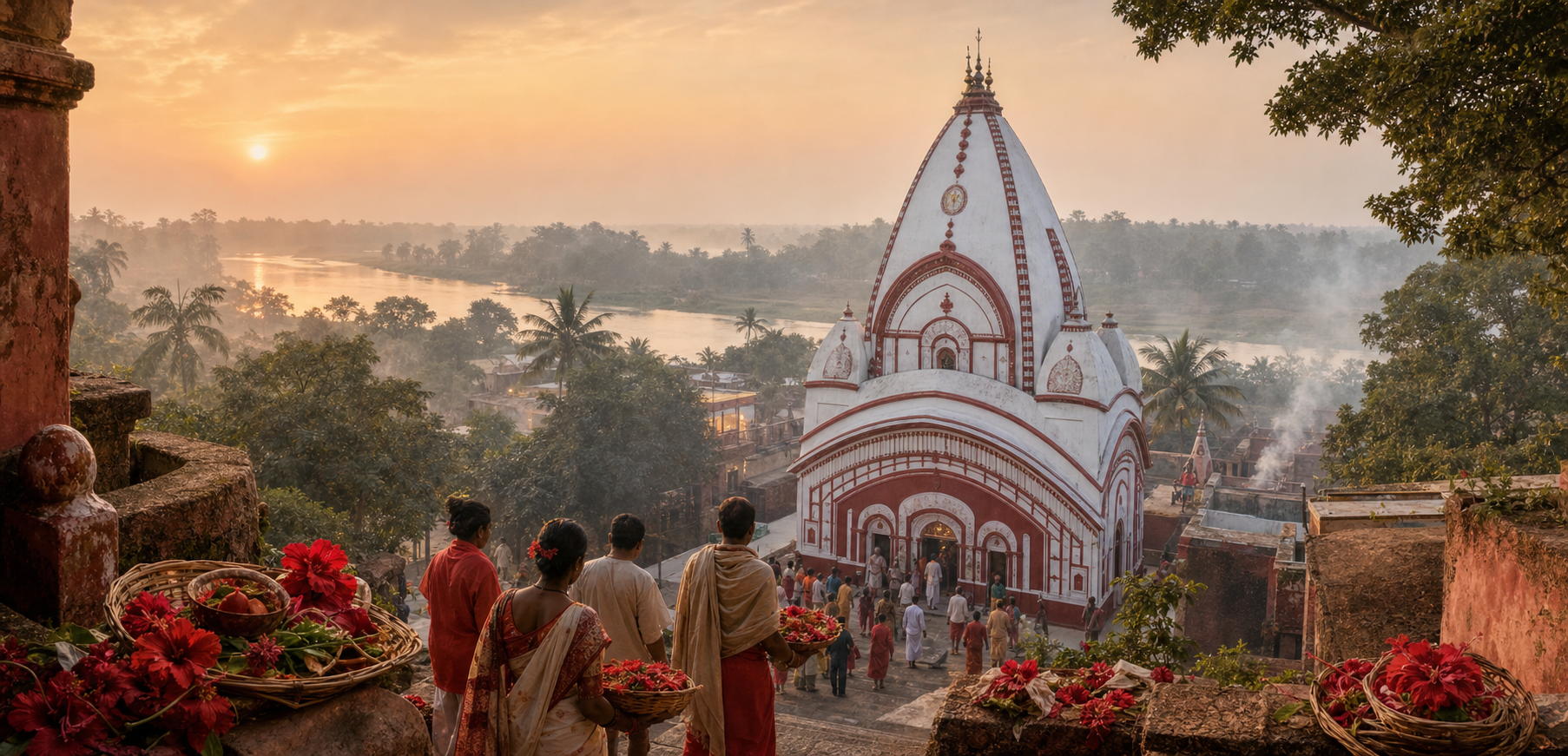
Dhakeshwari Temple, Dhaka: Enduring Shakti, Living Heritage, and a City’s Sacred Heart

Dhakeshwari Temple in Dhaka stands as a living center of Shakti worship and a resilient cultural landmark rooted in Ancient Bengal. This overview introduces the temple’s historical legacy, the meaning of its name as both “Goddess of Dhaka” and the “hidden goddess,” and the daily rhythm of worship from aarti to festival observances. Readers discover…
-
Ganapatya Linga: Silent Guardians of Shiva at Forest Edges and Sacred Thresholds

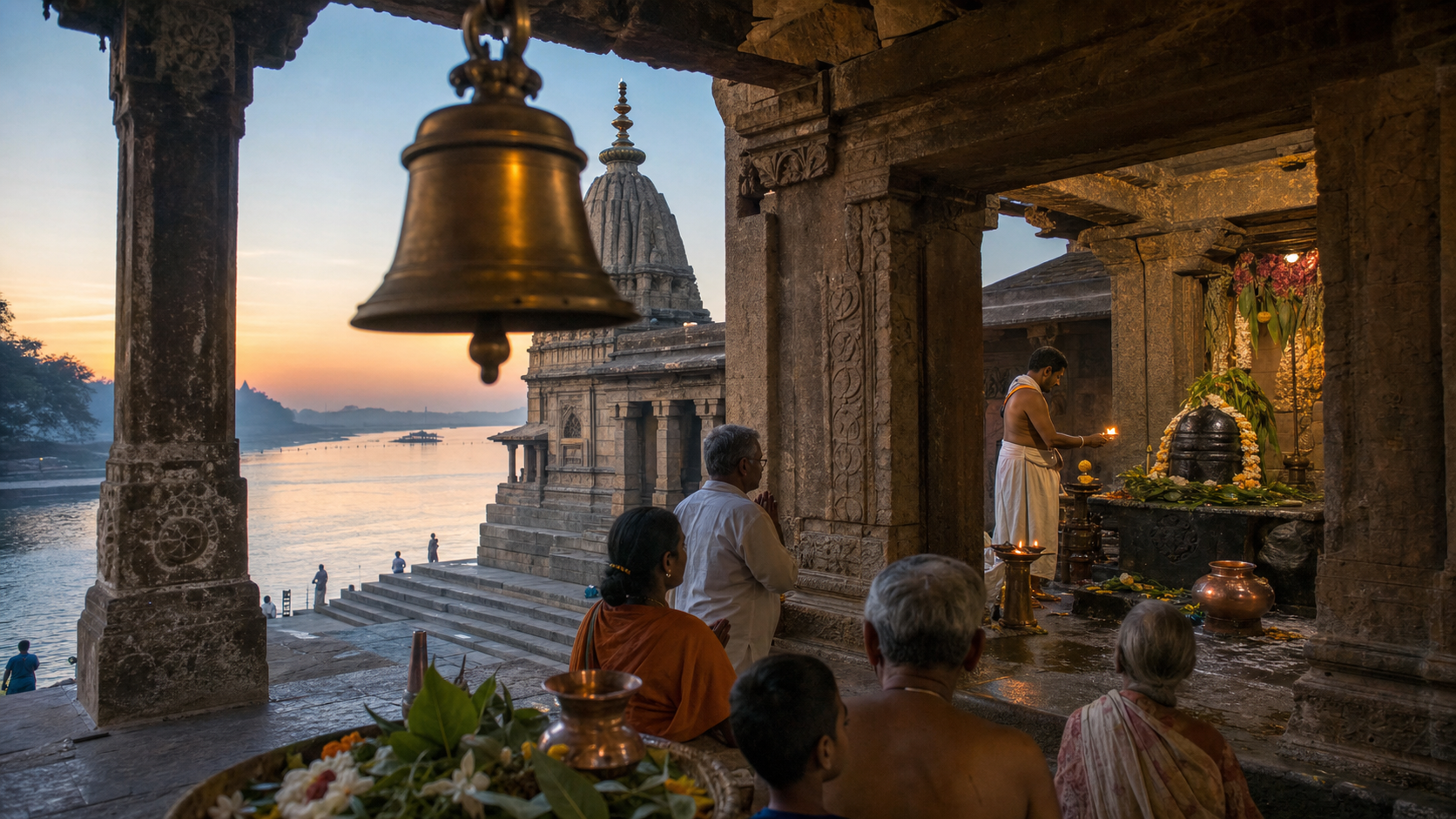
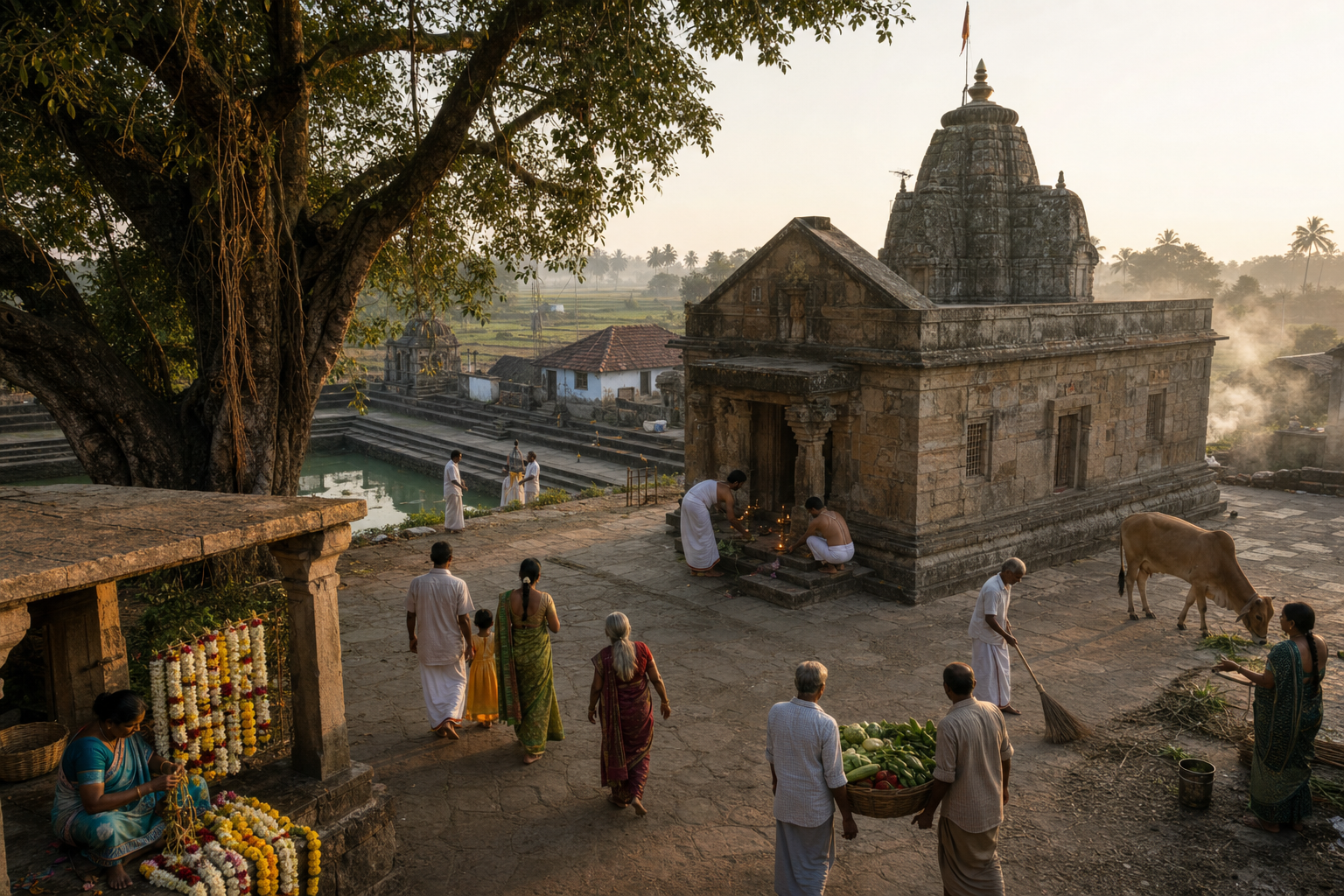
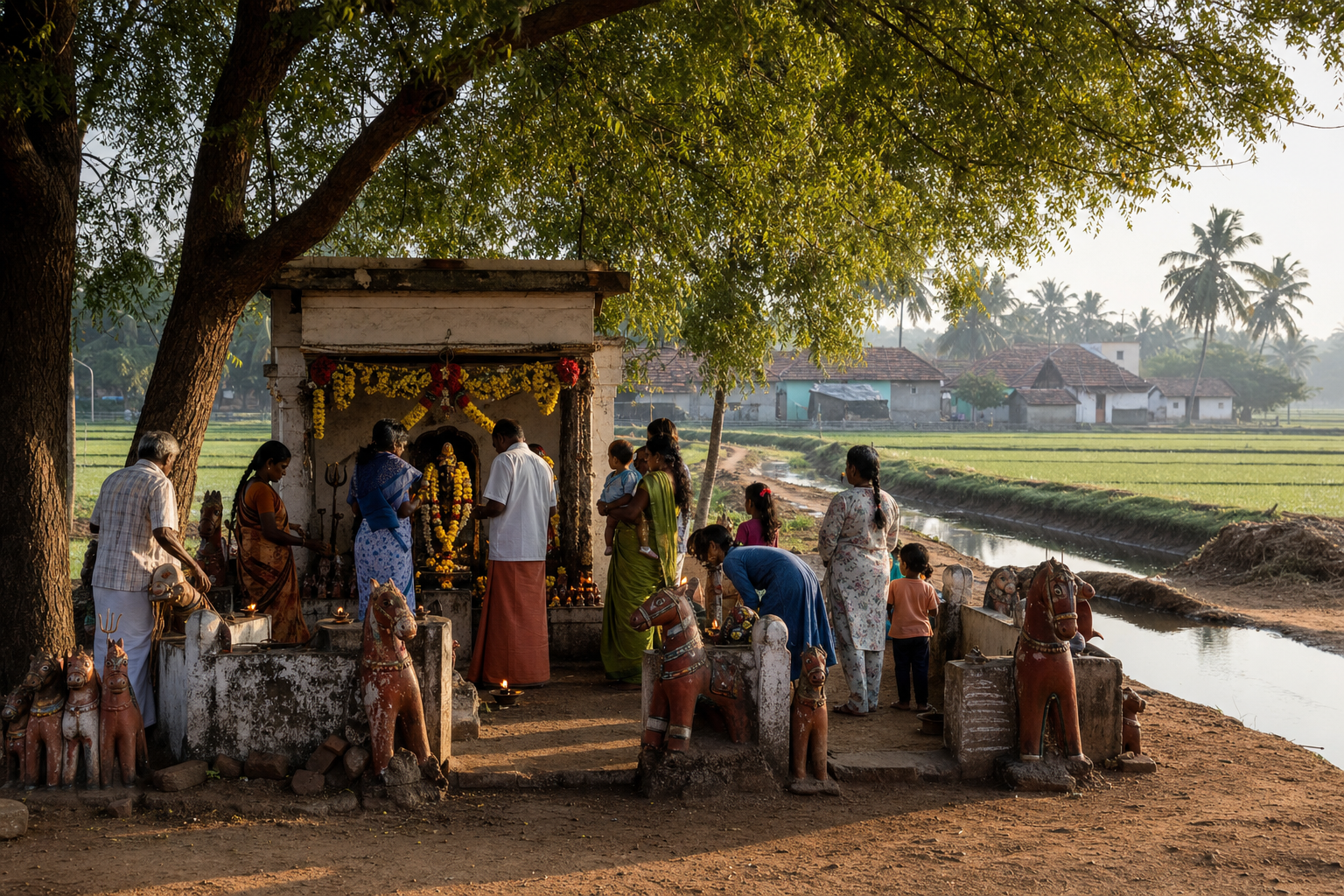
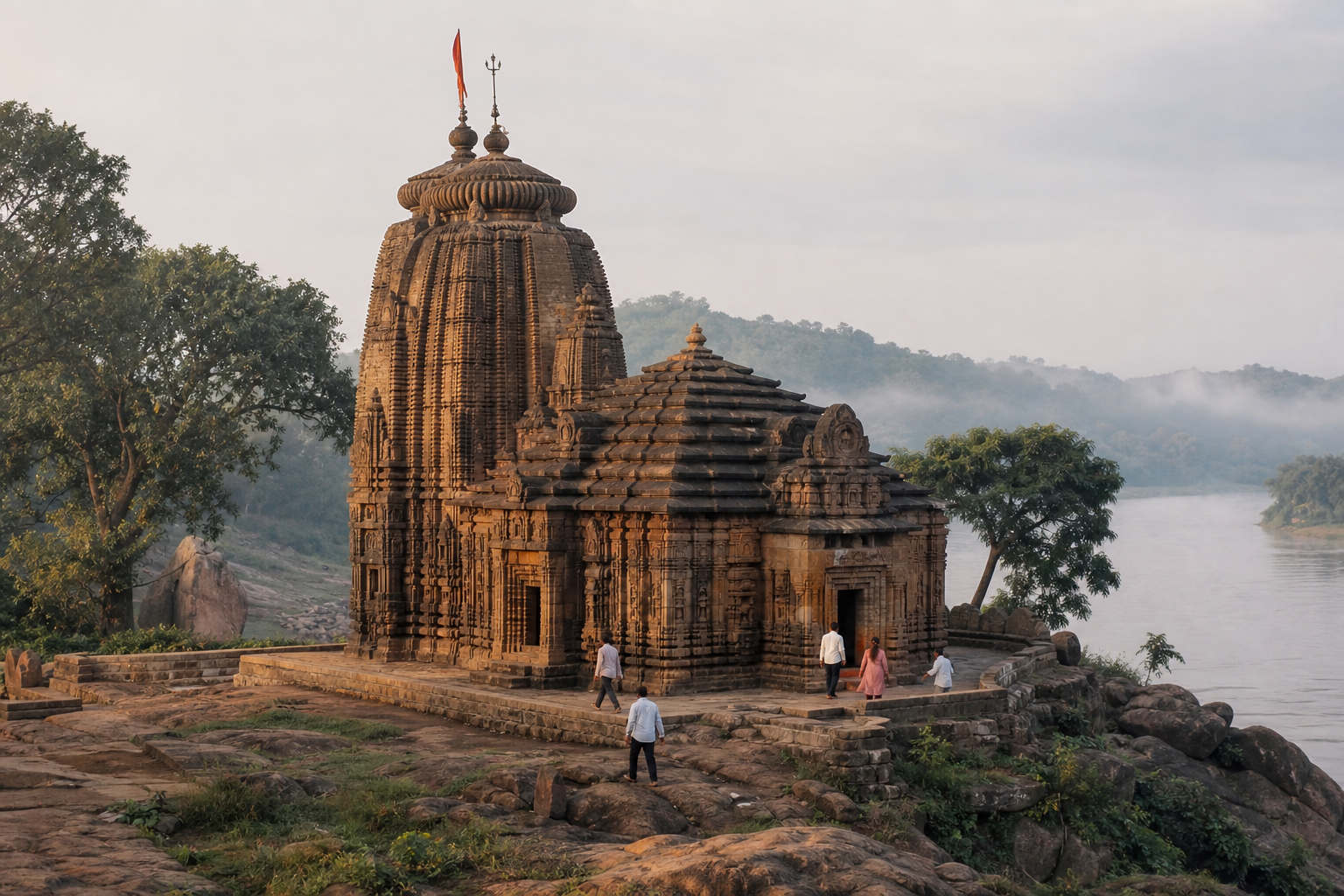
The Ganapatya Linga, revered among Achala Shivlings, is traditionally understood as established by Shiva’s ganas to guard thresholds and sanctify forest edges. Aniconic and understated, these shrines anchor sacred geography at river ghats, groves, hill trails, and village boundaries. They embody guardianship, humility, and ecological care, inviting minimal yet heartfelt offerings such as bilva leaves.…
-
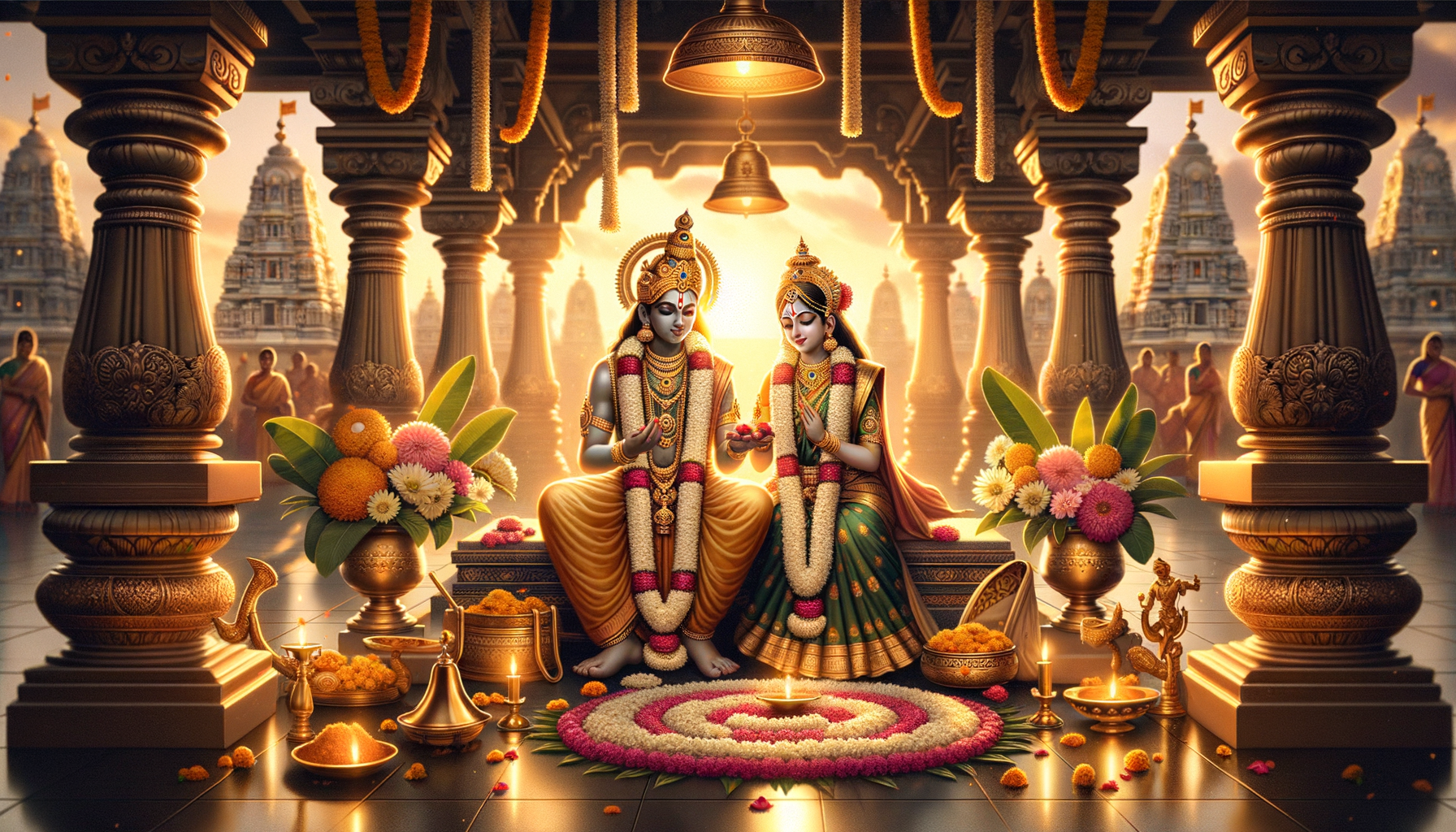
Nandi Kalyanam at Thirumazhapadi: Witness the Sacred Wedding of Nandikeshwara and Suyasha

Nandi Kalyanam at Thirumazhapadi Vaidhyanathar Temple honors the sacred wedding of Nandikeshwara and Suyasha, a Shaiva narrative that unites devotion with ethical living. Presented in an academic, accessible style, this account highlights how the kalyanam symbolizes steadfast duty (dharma), auspicious grace, and communal harmony. Pilgrims commonly describe a deep sense of inner steadiness amid music,…
-
Dukh Bhanjani Beri at Harmandir Sahib: A Sacred Tree of Healing, Faith, and Unity

Dukh Bhanjani Beri at Harmandir Sahib (Golden Temple) in Amritsar is revered as a living symbol of faith, healing, and devotion. Rooted beside the Amrit Sarovar, the sacred jujube tree is associated in Sikh tradition with the transformative grace exemplified in the account of Bibi Rajni. The site’s practiceskirtan, ardas, parikrama, and quiet contemplationcultivate resilience…
-
Shantipur Pilgrimage: Sri Advaita Acarya’s Sacred Home and the Call of Harinama

Shantipur, one hour from Sri Mayapur Dhama near Ranaghat, preserves the home and living legacy of Sri Advaita Acarya. Here, he vowed to invoke Lord Krishna’s advent in Kali-yuga as Sri Caitanya Mahaprabhu through Harinama and pure devotion. Pilgrims encounter the deity of Sri Madan Gopal and the saligrama-sila he worshipped, a direct link to…
-
Jagannath as Dakshina Kali: Odisha’s Powerful Vaishnava–Shakta Synthesis and Symbolism

Odisha’s sacred traditions reveal a powerful Vaishnava–Shakta synthesis in which Lord Jagannath’s presence is experienced as resonant with the compassionate fierceness of Dakshina Kali. Ritual practice at Puri Srimandir, especially the offering of Mahaprasad first to Goddess Bimala, demonstrates a living integration of Shakti within a Vaishnava temple ecology. Jagannath’s iconic form and all-seeing gaze…
-
Gopal Ganapati Temple, Farmagudi: Tracing a Timeless Maratha-Era Legacy in Goa

Gopal Ganapati Temple in Bandivade (Bandiwade), Ponda, Goa, preserves a serene devotional atmosphere while carrying a distinctive seventeenth-century Maratha-era legacy. Historical references link the site to Chhatrapati Sambhaji, whose forces camped nearby and erected a Gudi on a hill, shaping the area’s sacred identity. The temple’s setting illustrates how political history and sacred geography intersect…
-
Decoding Lakshmi’s Sacred Iconography: Why the Owl Vanishes in South Indian Temples
Goddess Lakshmi’s iconography differs across regions, and South Indian temples rarely depict an owl as her vahana because Agamic traditions prioritize lotus and elephant symbolism. Drawing on the Pancharatra and Vaikhanasa frameworks, South Indian sanctums present Lakshmi as Shri on the lotus or as Gaja Lakshmi, emphasizing auspiciousness, rainfall, fertility, and ethical prosperity. In contrast,…
-
Adhi Gajanathar in Tamil Nadu: Discover the Primordial Power and Timeless Grace of Ganesha

Adhi Gajanathar, revered as the primordial form of Lord Ganesha in Tamil Nadu temples, embodies the principle of auspicious beginnings woven through South Indian worship. This form’s placement near thresholds and prakaras reflects a theology of commencement that aligns space, ritual, and meaning. Iconographynoose, goad, modaka, and the protective gesturecommunicates wisdom, protection, and inner sweetness.…
-
Vaikunta Ekadasi at Triplicane Parthasarathy Temple, Chennai: 2025 Dates, Rituals, Sacred Darshan

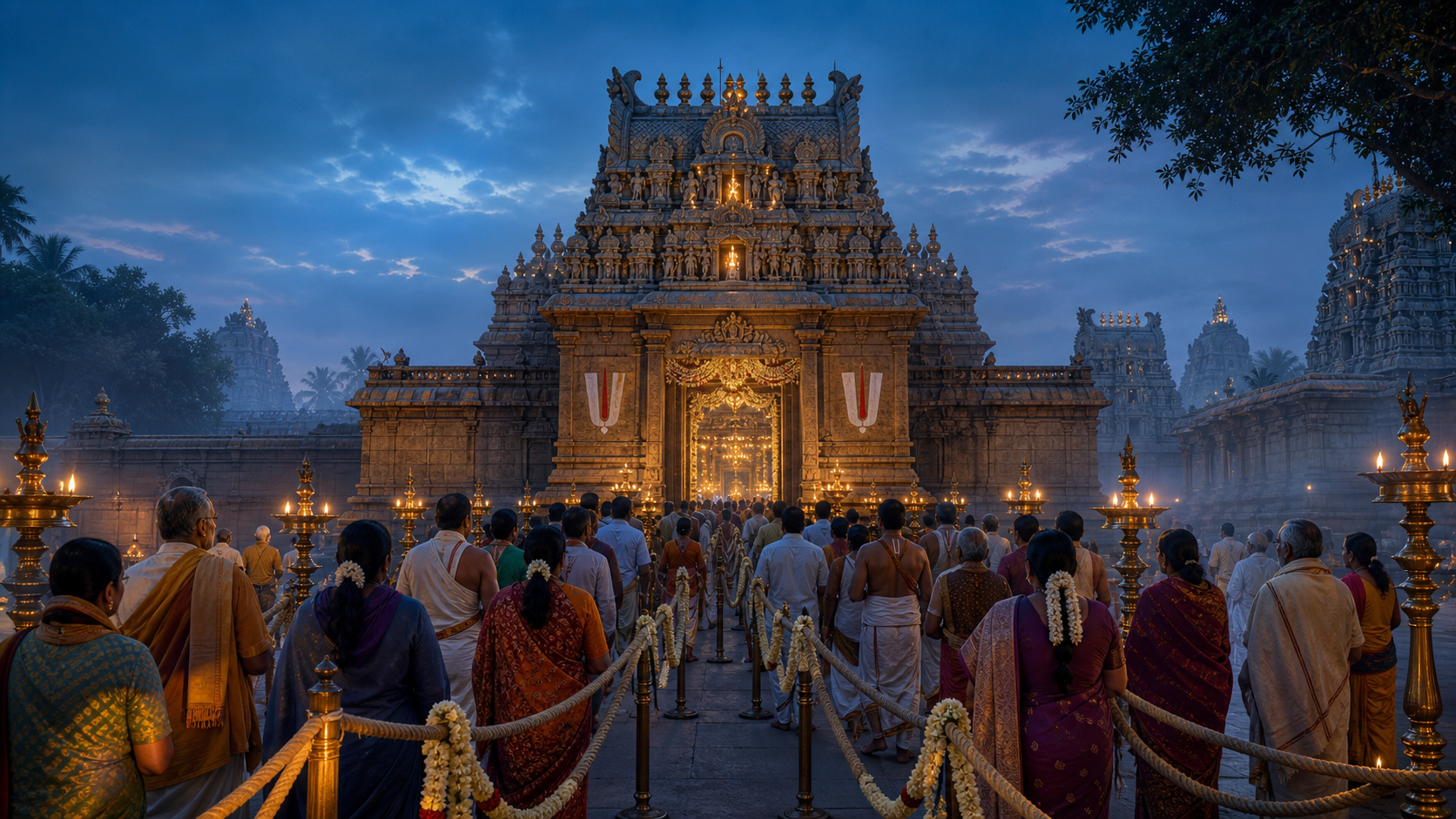
Vaikunta Ekadasi at Arulmigu Parthasarathy Temple, Tiruvallikeni (Triplicane), Chennai is observed on January 10 and December 30 in 2025, as per Triplicane Temple traditions. The festival highlights the opening of the Paramapada Vasal (Vaikuntha Dwaram), symbolizing a passage toward moksha within the Srivaishnava tradition. Visitors encounter one of Chennai’s most revered darshans, shaped by disciplined…
-
Garudasana in Temple Iconography: Awe-Inspiring Symbolism of Garuda Bearing Bhagavan Vishnu

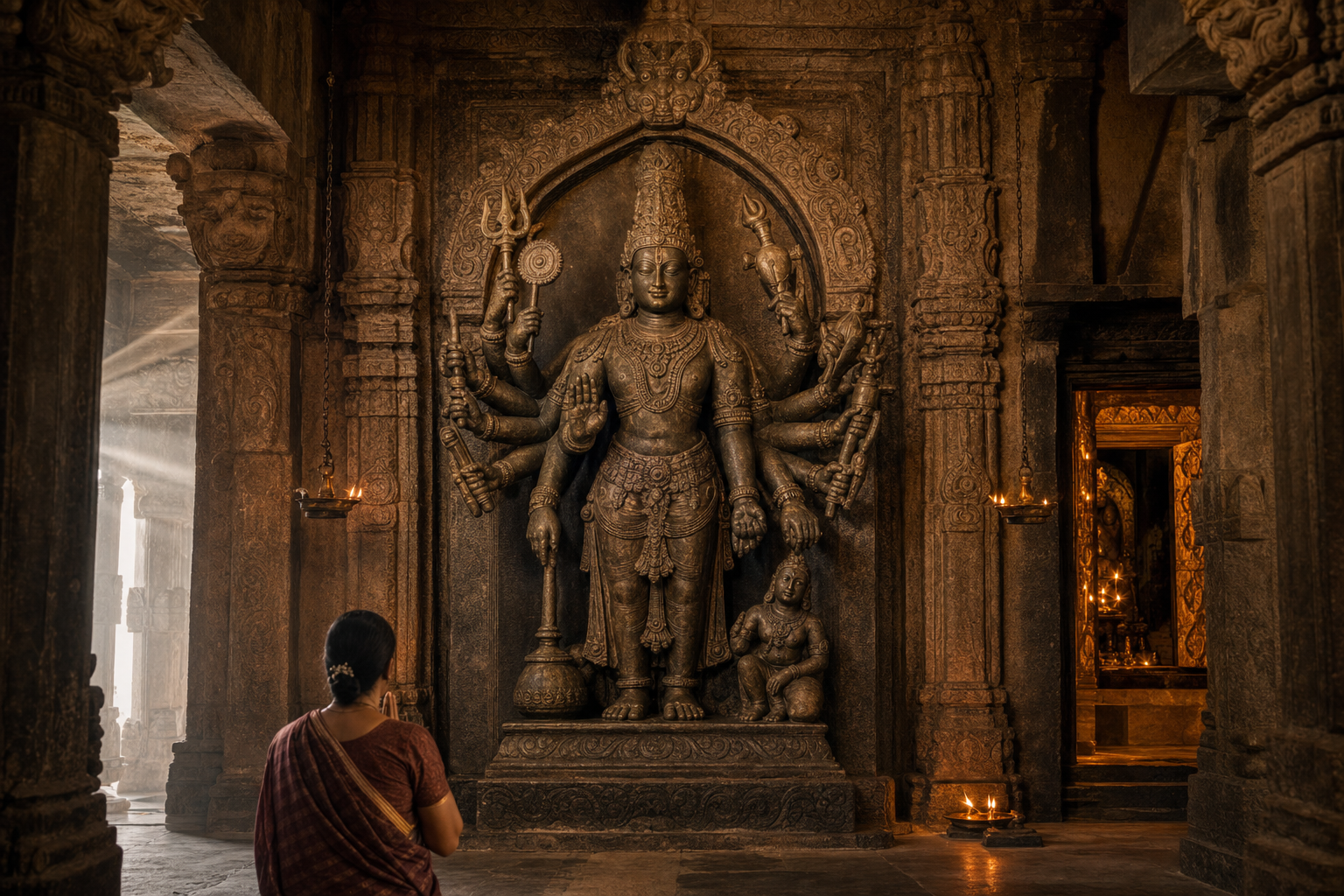
Garudasana, the temple iconographic posture of Garuda bearing Bhagavan Vishnu, is a visual theology of devotion and service. Rooted in Puranic narratives and guided by Agama shastras, it communicates humility, vigilance, and courage through codified mudras and stances. The wings, anjali mudra, and poised form collectively symbolize strength offered in service to dharma. Temple features…
-
Chanting as Life’s True Medicine: BG 2.7 Reflections at ISKCON Kuala Lumpur

At ISKCON Sri Jagannatha Mandir, Kuala Lumpur, HH Jayananda Goswami reflected on Bhagavad Gita 2.7 to show how surrender and guidance translate into a focused, meaningful life. Recalling Srila Prabhupada’s final days, the talk emphasized that chanting the holy names is the real essence of living, beyond merely prolonging the body. Chanting and preaching Krishna…
-
Eclipses and Deity Worship: ISKCON’s Guidance, Dharmic Harmony, and Temple Practice

Eclipses prompt thoughtful practice across dharmic traditions and raise practical questions for temples. ISKCON’s Deity Worship Ministry advises that daily deity worship continue without interruption during eclipses, with the option to close public access while maintaining private puja. This preserves ritual continuity, respects local sentiment, and aligns with broader dharmic principles emphasizing mindfulness, seva, and…
-
From Stone to Spirit: Temple Worship that Deepens Realization of the All-Pervading Divine

Temple worship and divine omnipresence are not rivals in Hinduism; they are complementary stages on one path of God-realization. By training attention through darshan, aarti, and japa, the temple prepares the mind for stable, formless meditation. The Ishta concept personalizes devotion without limiting the Divine, guiding the heart from the particular to the universal. This…
-
Nari Semari Temple, Mathura: Timeless Devi Peeth Where Krishna Revealed His Narayan Form to Radha

Nari Semari Temple near Chhata in Mathura, Uttar Pradesh, is a revered Devi Peeth dedicated to Brij Rakshika Mata and regarded as the Kuldevi shrine for many families across Mathura and Agra. Temple lore holds that Sri Krishna revealed His Narayan form to Radha here, deepening the site’s devotional resonance within Braj. The sanctum features…
-
Why Hindus Shave Heads in Temples: Surrender, Samskara, Vows, and the Meaning of Mourning

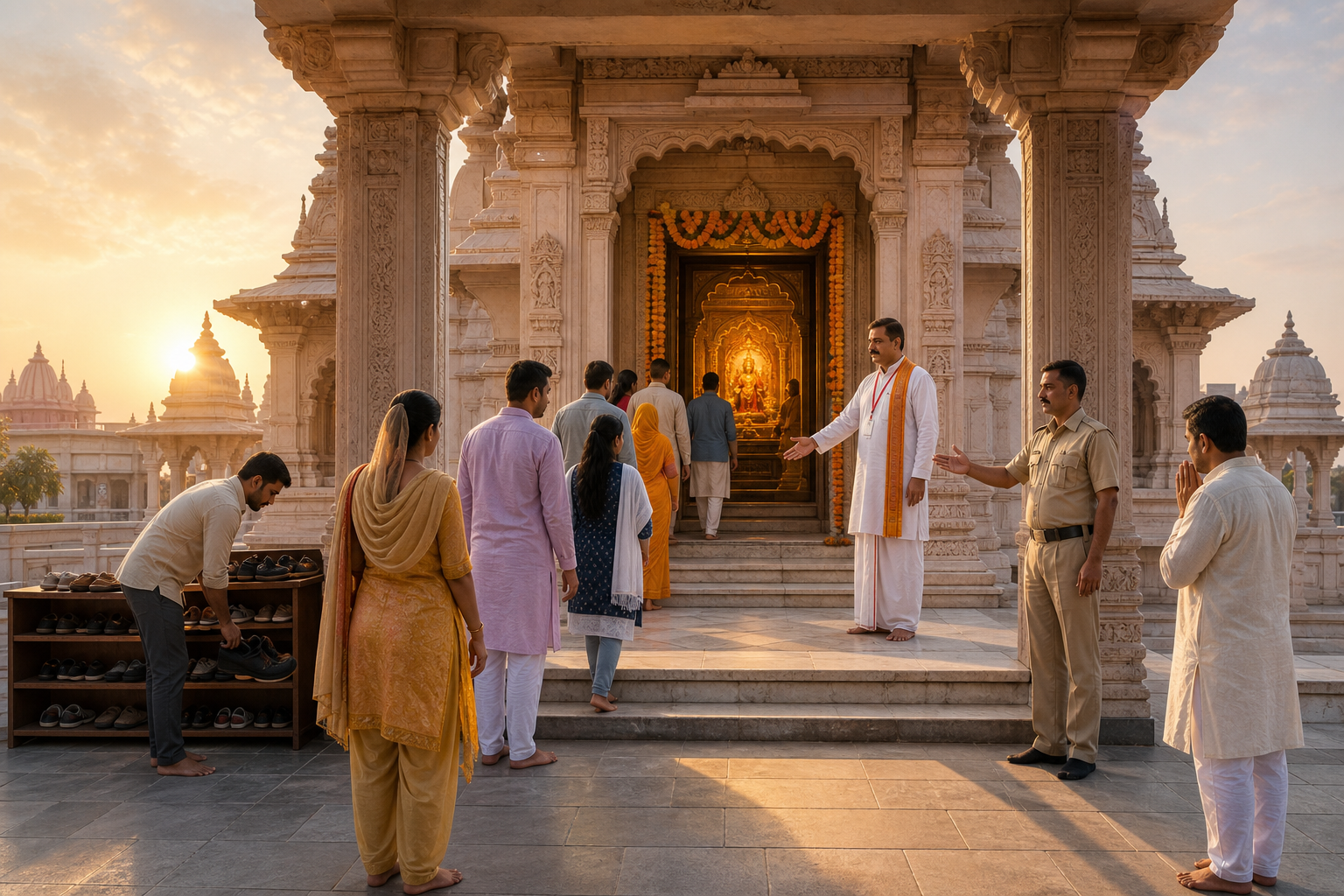
Head shaving at temples such as Tirumala (Tirupati) is a devotional act rooted in samskara, personal vows, and humility. The practice symbolizes letting go of ego and past impressions to begin anew in alignment with dharma. In mourning, tonsure expresses impermanence and solidarity with the departed, varying by region and custom. Practical benefitsease of ritual…
-
Somnath 1026: Mahmud of Ghazni’s ruthless raid and a lasting wound to India’s heritage

Somnath’s fall in 1026 CE under Mahmud of Ghazni is retold here with academic clarity, historical sources, and a focus on cultural heritage. The narrative traces the desert march, the sieges across Kathiawar, the breach at Somanatha, and the temple’s destruction as recorded by Al-Biruni and Firishta. It contextualizes Bhima I’s withdrawal, the resistance at…
-
Panchamundi Asana Symbolism: The Goddess’s Awe-Inspiring Throne and the Triumph Over Human Limits

The Panchamundi AsanaGoddess Kali or Durga seated upon five skullsfunctions as a precise Tantric statement about transcendence in Hindu temples. The five can represent senses, elements, sheaths, or afflictions, each pointing to mastery of inner limitations. Rather than glorifying death, the icon uses mortality as a mirror that cultivates fearlessness, clarity, and compassion. The symbolism…