-
Powerful Temples for Dosha Nivarana: Find Relief from Navagraha, Pitru, and Sarpa Karmas
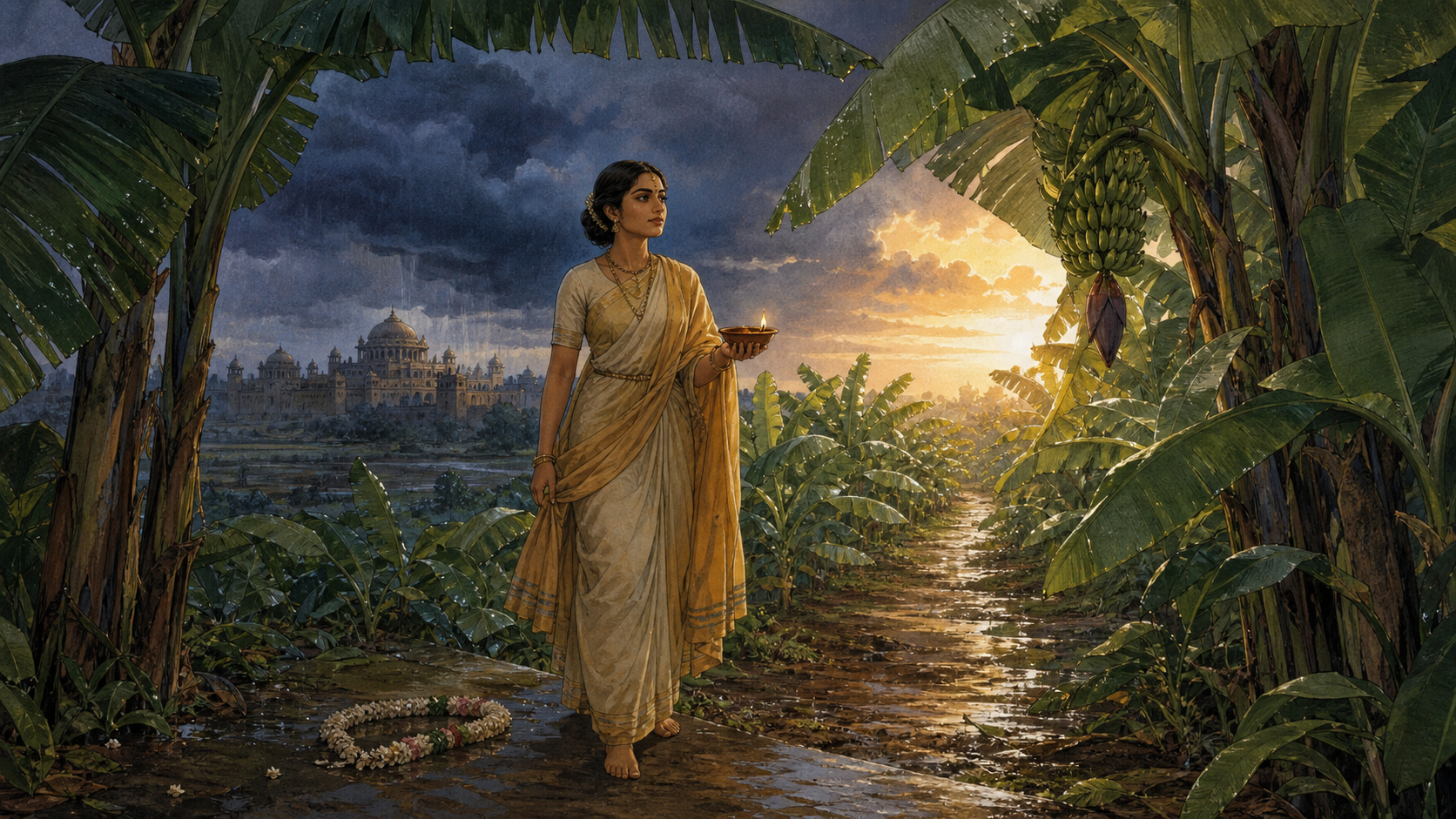
Doshams are viewed as karmic imprints that can be harmonized through mindful ritual, ethical living, and service. This guide highlights temples widely known for Dosha Nivarana Poojas, including Sri Kalahasti (Rahu–Ketu), Kukke Subramanya (Sarpa Dosha), the Navagraha circuit near Kumbakonam, Trimbakeshwar (Kaal Sarp Dosh and Pitru Shanti), Gaya (Pind Daan), Rameswaram (Pitru Tarpanam), and Mannarasala…
-
Santana Prapti Shasta of Ayyappa: Divine Grace for Progeny, Protection, and Family Harmony

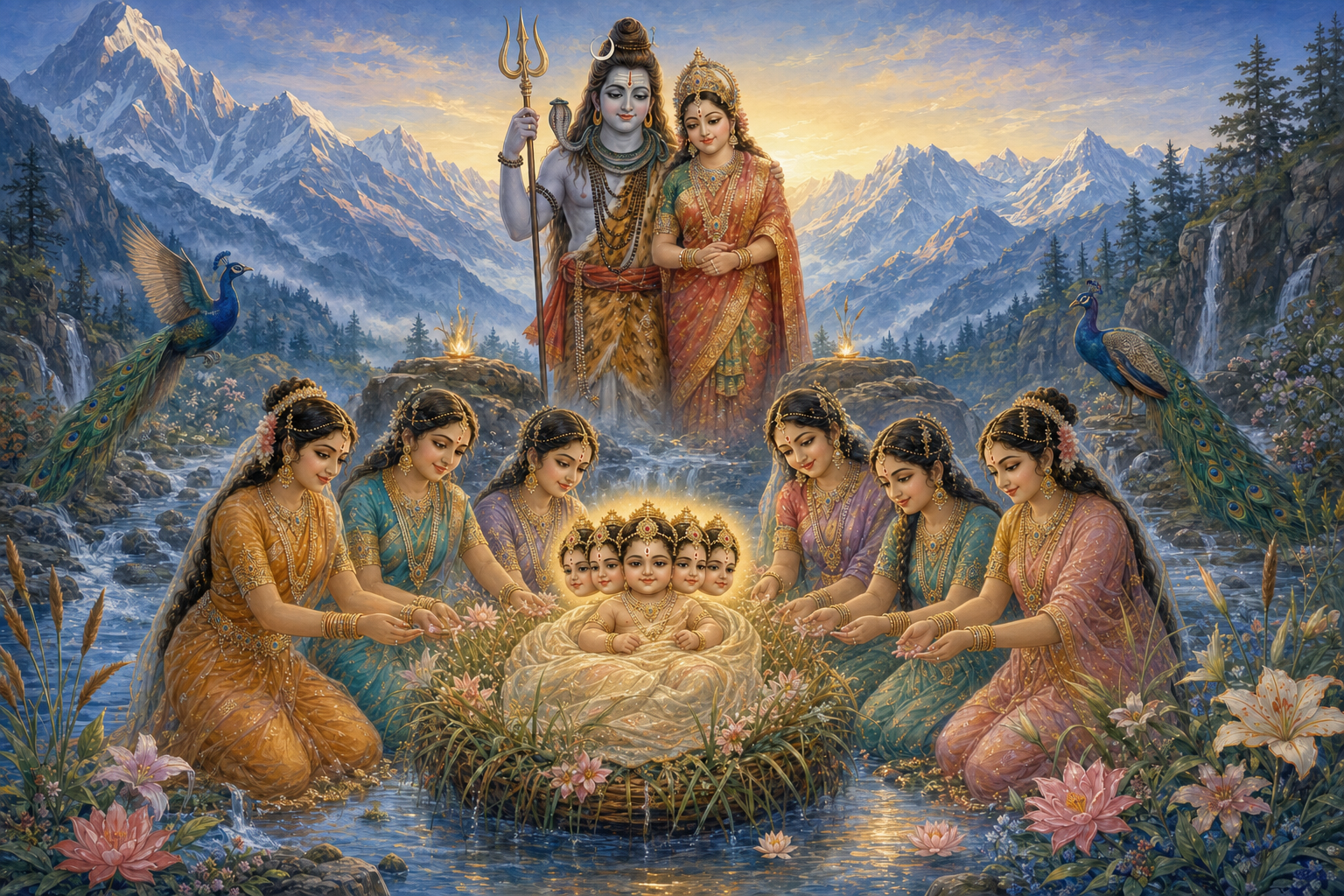
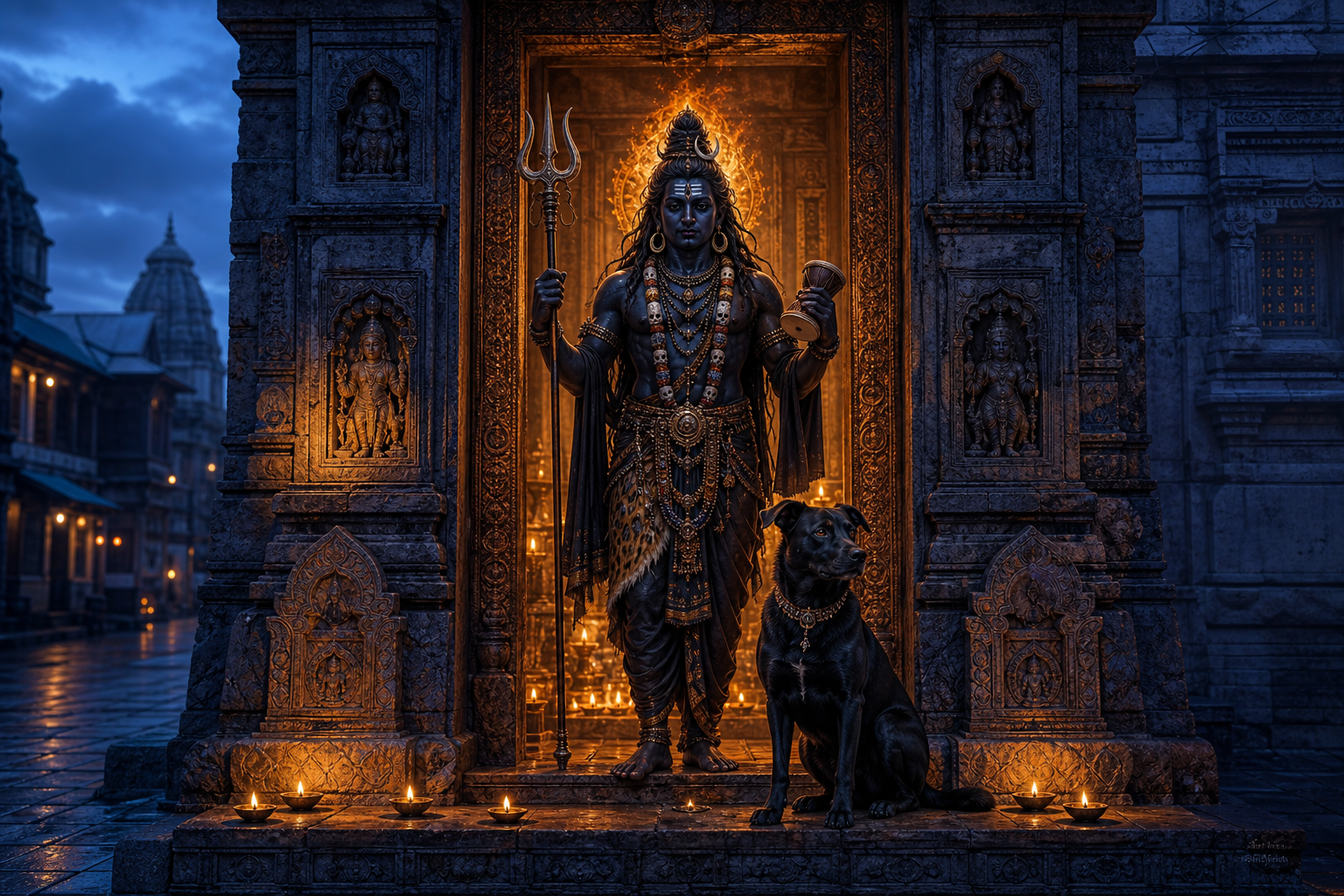
Santana Prapti Shasta, a revered manifestation of Ayyappa (Dharma Shasta), is traditionally worshipped for blessings of progeny, continuity of lineage, and family harmony. As one of the Ashta Shasta forms, it highlights compassion, protection, and prosperity grounded in dharma. Devotees align puja and simple offerings with family vows and auspicious observances, emphasizing shraddha over complexity.…
-
Ajapa Natanam of Shiva: Awaken Inner Stillness through the Silent Breath-Dance of Consciousness

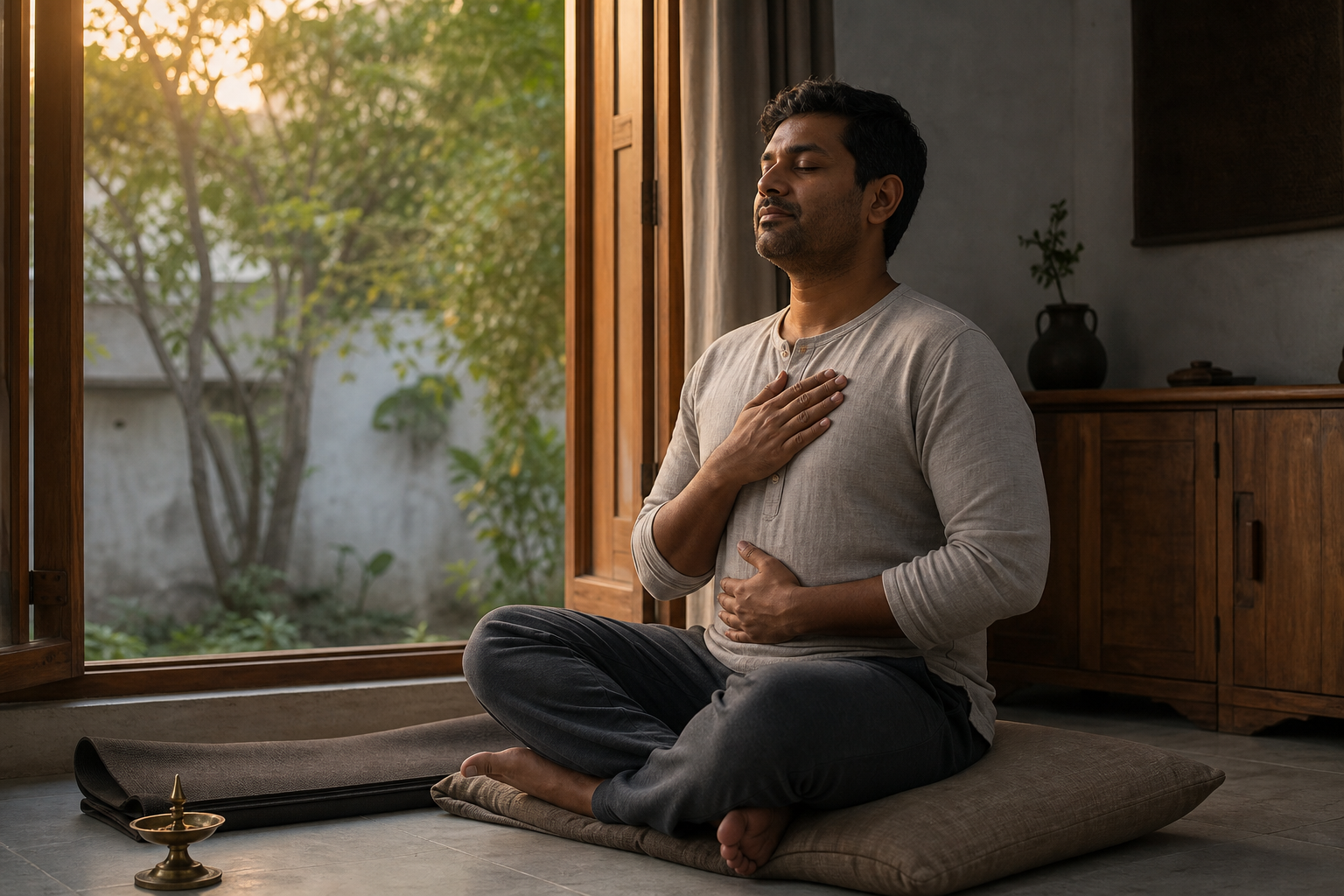
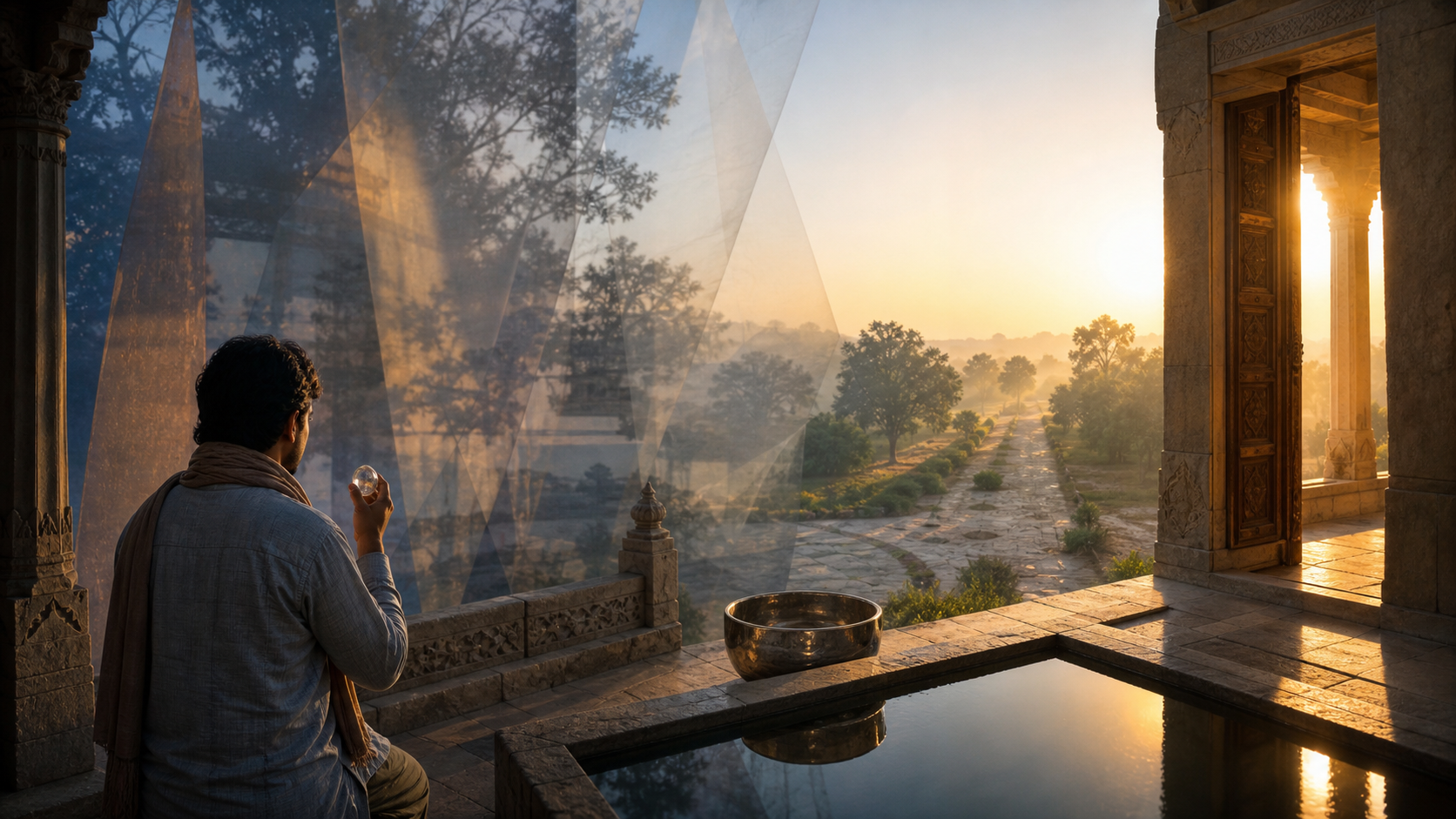
Ajapa Natanam in the Shaivite tradition points to a silent, breath-led dance where mantra arises naturally without deliberate chant. By aligning breath and consciousness through gentle, attentive awareness, the practice cultivates inner stillness, clarity, and emotional balance. Its symbolism mirrors Nataraja’s iconography: the damaru as cosmic pulse, the flame as purification, and apasmara as subdued…
-
Shvetadvipa Beyond Meru: Unveiling the White Island’s Sacred Symbolism and Unity

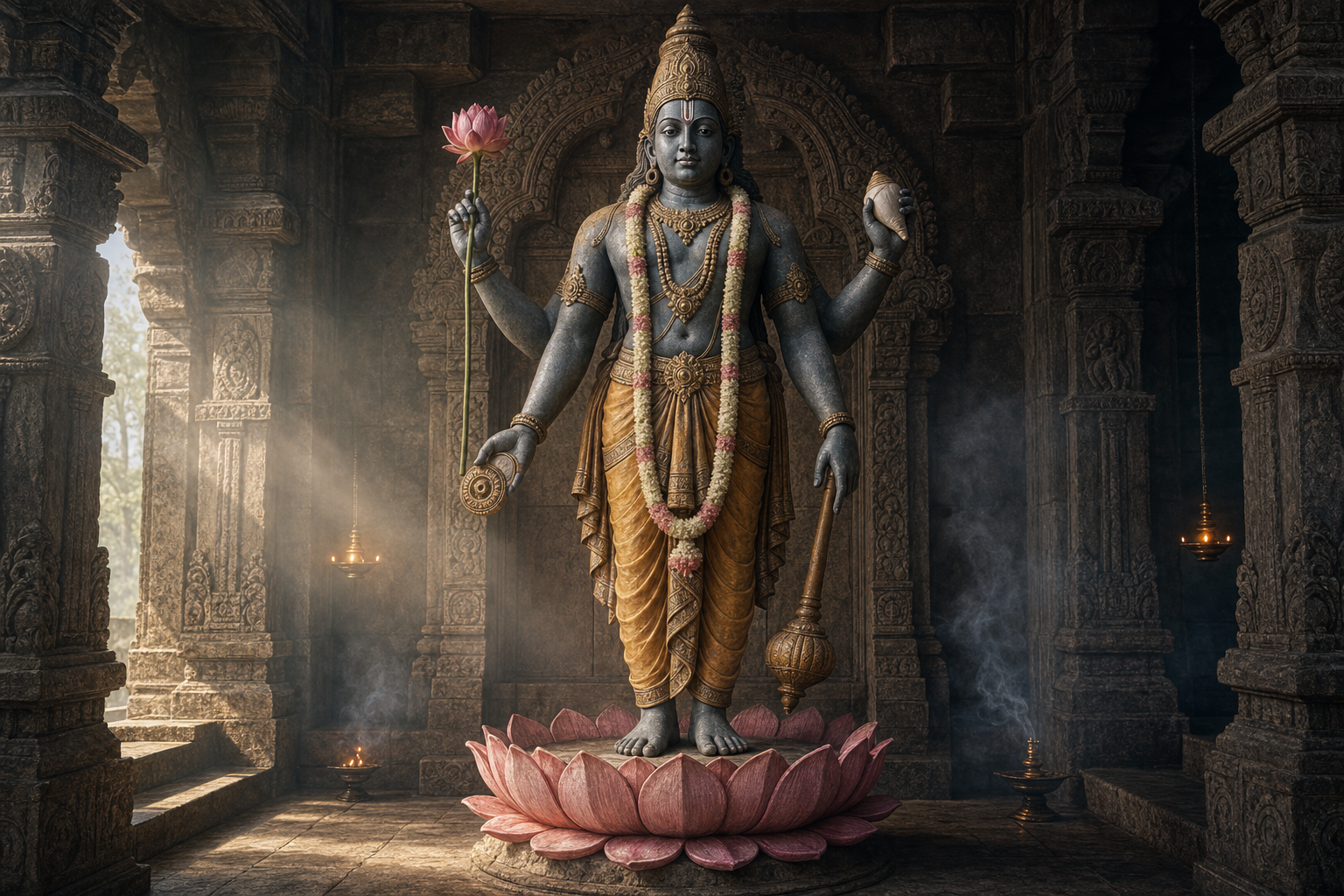
Shvetadvipa, the “White Island” beyond Mount Meru in the Mahabharata’s Shanti Parva, is presented as a luminous symbol of sattva, bhakti, and inner transcendence. Narada’s journey to this realm reveals a community grounded in remembrance of Narayana and compassionate discipline. Read as sacred cartography of consciousness, the narrative guides seekers beyond rajas and tamas toward…
-
Mahamaya’s Triumphant Illusion: How Adi Shakti Humbled Madhu-Kaitabha and Ego
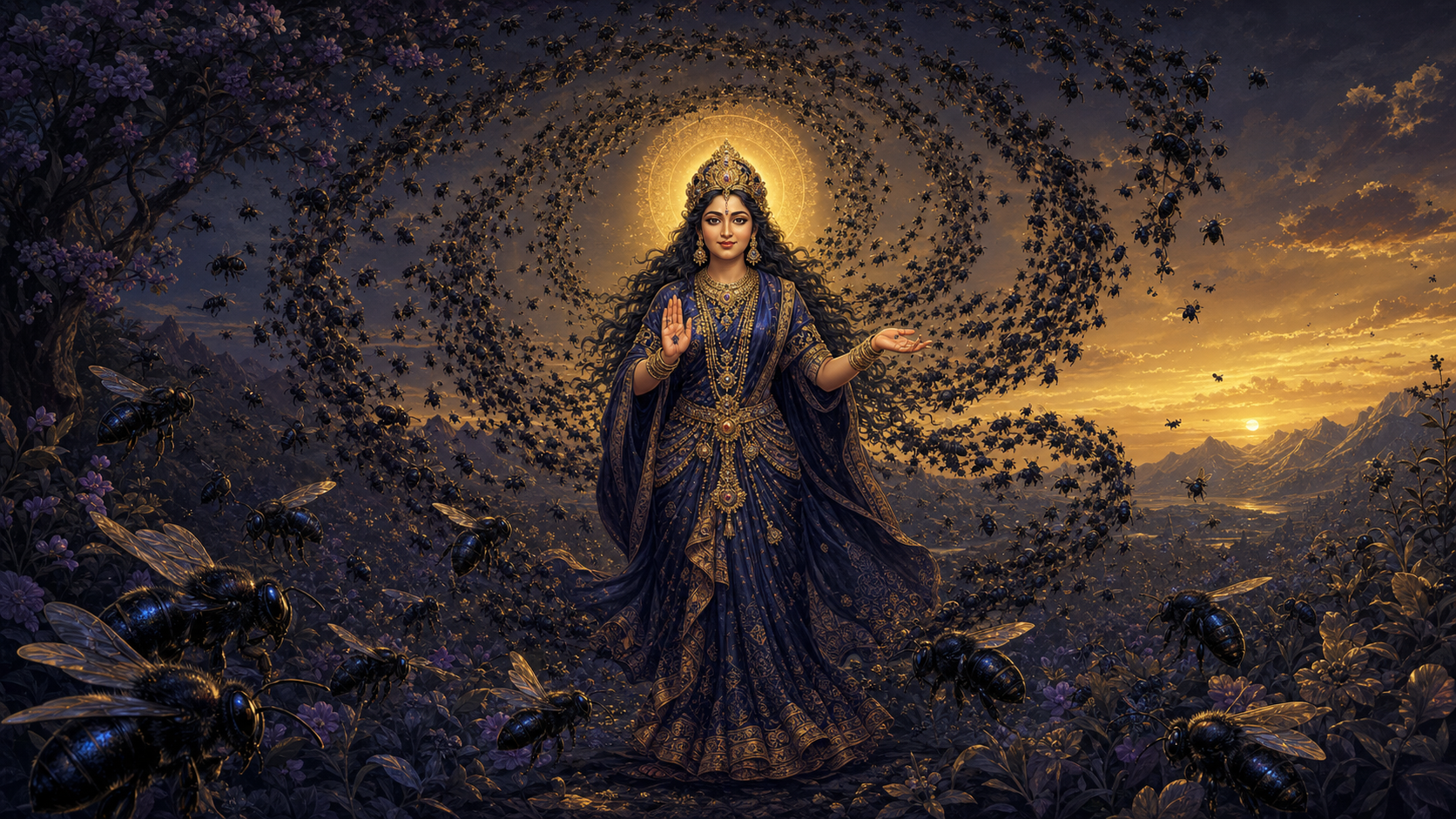
The Devi Mahatmyam’s account of Mahamaya and the defeat of Madhu–Kaitabha illuminates how Adi Shakti restores balance when arrogance threatens creation. The narrative shows Maya as both veil and revealer, empowering discernment (viveka) and humility over ego. Readers gain a clear retelling of the episode, a careful unpacking of Hindu symbolism, and practical ways to…
-
Choice, Control, and the Senses: An Eye-Opening Guide to Real Freedom in Daily Life

Freedom in daily life is shaped by many inner voices—senses, mind, intelligence, ego, and habit—working at once. Drawing on the Bhagavad-gita and allied dharmic traditions, this piece explains how recognizing these layers clarifies real agency. A simple pause, mindful breathing, and recalling dharma-centered priorities can turn impulse into intention. Rather than self-blame, compassionate self-knowledge builds…
-
Sri Caitanya’s Sankirtana: Timeless Chanting Uniting Dharmic Traditions Worldwide

Sri Caitanya’s sankirtana movement presents a historically grounded, accessible path of congregational chanting that reawakens devotion through sacred sound. Originating in Nadia and expanding across the Indian subcontinent, the practice inspired communities to chant and has continued to spread globally. Framed within the broader dharmic family, sankirtana harmonizes with parallel traditions of communal remembrance in…
-
From Doubt to Clarity in Krishna Consciousness: Navigating Vedic Proofs with Confidence

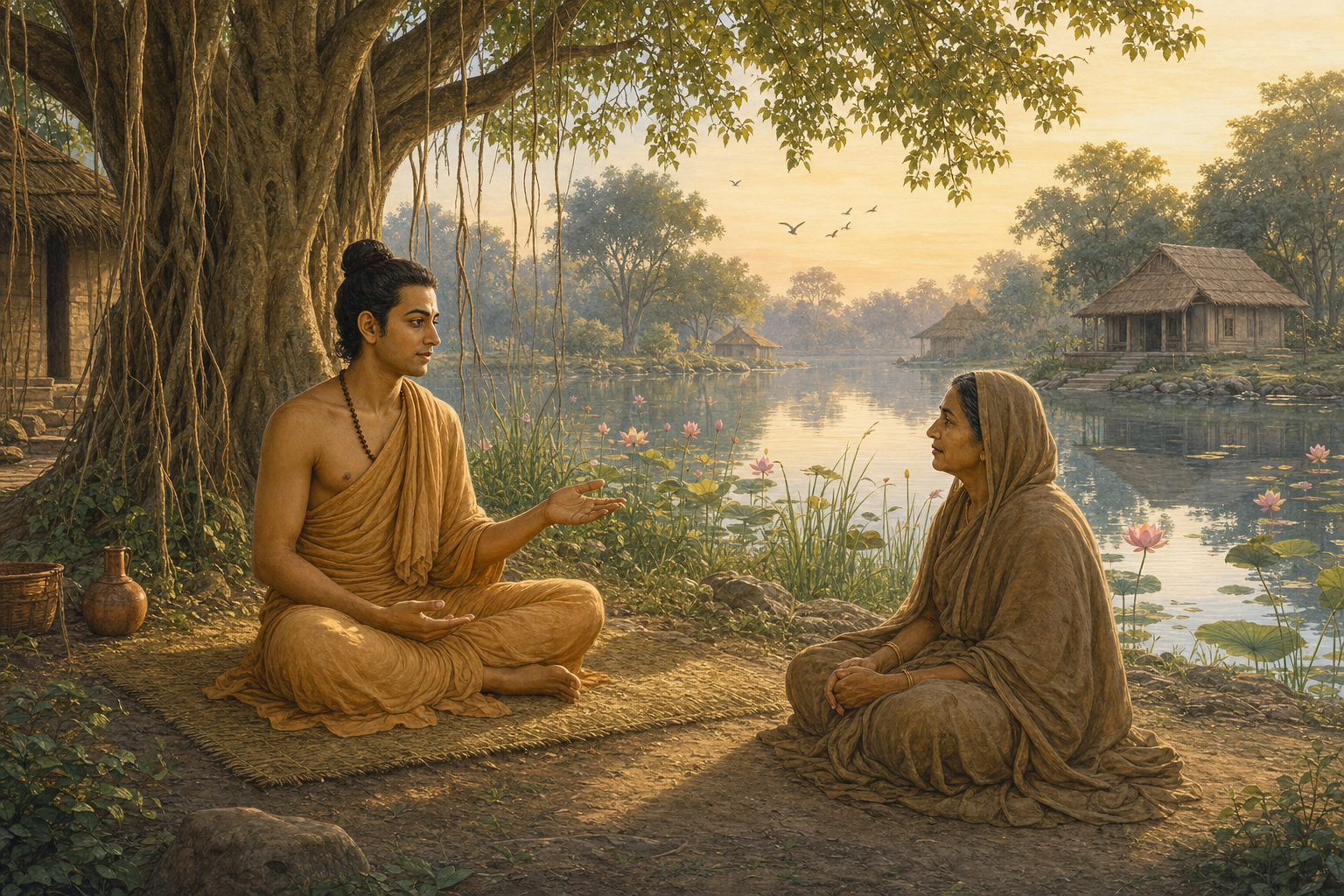
Seeking certainty in matters of truth is natural, especially within Krishna Consciousness. Vedic philosophy organizes valid knowing into three pramanas—pratyaksa, anumana, and sabda—so doubt can mature into clarity. The Brahma-Madhva-Gaudiya Sampradaya emphasizes sabda, operationalized through guru, sastra, sadhu, while still valuing perception and reason. This balanced approach aligns with broader dharmic traditions: Buddhism’s experiential insight,…
-
February 8, 2026 Panchang Guide: Exact Tithi Timing, Auspicious Cues, and Daily Dharma

February 8, 2026 begins with Krishna Paksha Sashti and transitions to Krishna Paksha Saptami at 3:38 AM in most regions. This Tithi shift is a helpful cue for planning reflective practices during the waning moon. While Nakshatra, Rashi, and specific Shubh Muhurat (Good Time) are not detailed here, these elements typically vary by location and…
-
Hindu Wisdom on Human Nature: Why Grand Reforms Fail Without Inner Transformation

Hindu thought explains why many global reforms falter: they overlook the depth of human conditioning shaped by avidya, samskara, and the three gunas. Sustainable change emerges when inner transformation precedes institutional redesign, aligning personal ethics with public policy. A dharmic, three-layer approach—self, community, and systems—integrates nishkama karma, seva, and accountability to support lokasangraha. This perspective…
-
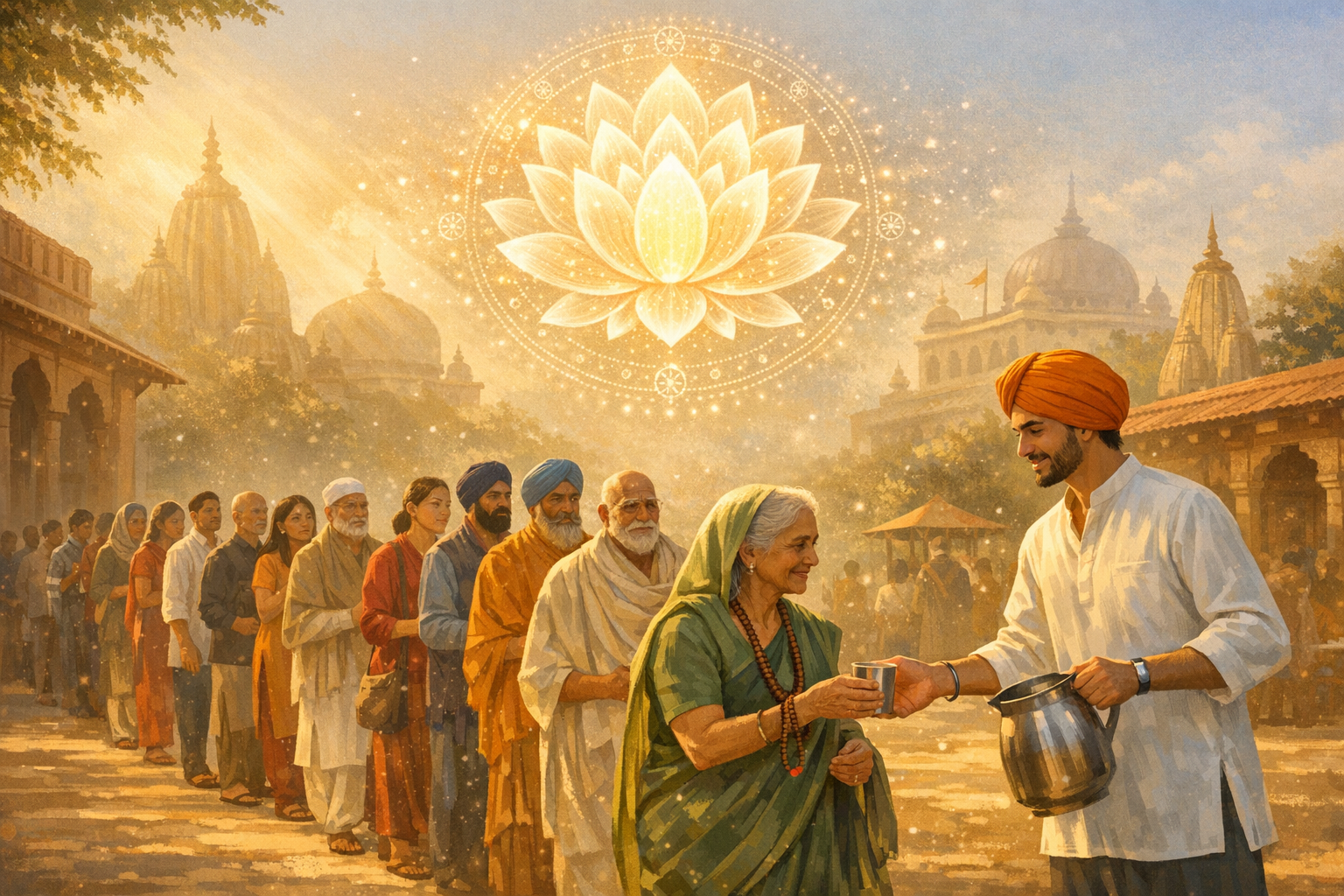
Sacred Rivers, Timeless Bonds: Why Tarpan with Flowing Water Deepens Ancestral Grace

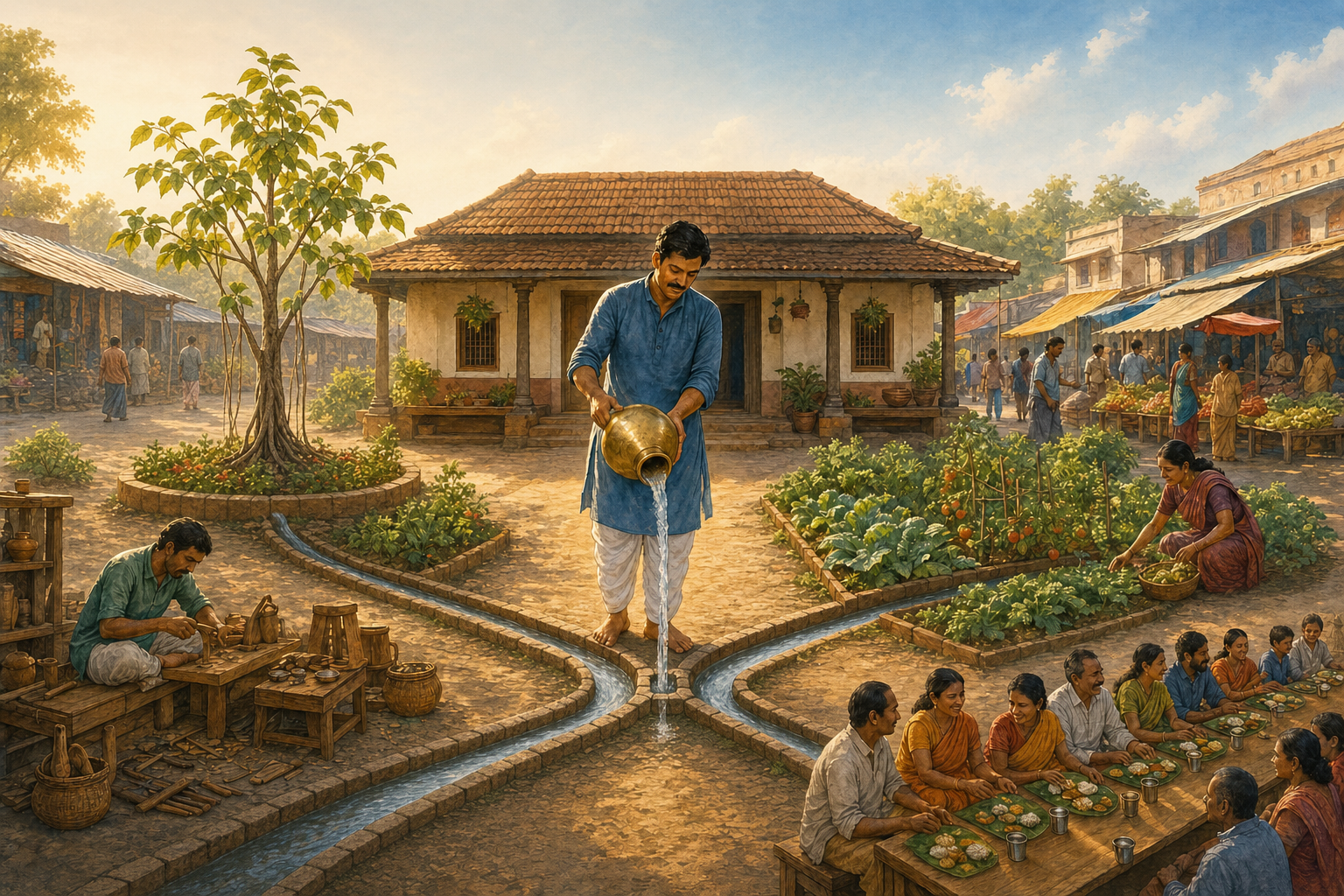
Tarpan, central to Shradh, is traditionally performed with river water because flowing, living waters embody purity, movement, and sacred continuity. Scriptural traditions praise tirthas and link the efficacy of libations to water that carries offerings forward without stagnation. Riverbank rites also cultivate community memory, transmitting values of gratitude and filial duty across generations. Shared reverence…
-
Unveiling Molten Gold Radiance: The Symbolic Power of Goddess Durga’s Golden Skin

Hindu scriptures portray Goddess Durga with a golden, molten radiance that signifies purity, tejas, and protective power. This essay decodes that symbolism, showing how gold connotes incorruptibility and transformative wisdom aligned with dharma. It connects scriptural insight to living traditions—especially Navaratri and Durga Puja—where light, alankara, and community devotion make theology tangible. The discussion integrates…
-
Magh Purnima (Maha Maghi) on 1 Feb 2026: Exact Purnima Timings, Ritual Insights, and Meaning

Magh Purnima (Maha Maghi) in 2026 falls on 1 February, marking the Full Moon of the Hindu calendar’s Magh month. The Purnima tithi runs from 5:52 AM on 1 February to 3:38 AM on 2 February (IST). Traditionally, this day emphasizes purification, charity, and contemplation through snan, daan, and mindful practice. Observances often include simple…
-
Shubh Muhurat February 2026: Verified Auspicious Days and Timings for Success, Harmony, and Clarity

This February 2026 Shubh Muhurat guide outlines auspicious days and timings for general activities, drawn from Panchang principles such as Tithi, Nakshatra, Yoga, and Karana. It clarifies scope—use for everyday beginnings, not for ceremony-specific rites like Marriage or Gruhapravesh. Readers learn to avoid Rahu Kalam, Yamaganda, and Gulika Kalam, to confirm local sunrise-sunset, and to…
-
February 7, 2026 Tithi: Precise Panchang Guide to Krishna Paksha Panchami–Sashti

Saturday, February 7, 2026 features a precise Tithi transition in the Panchang – Hindu Calendar. Krishna Paksha Panchami lasts until 2:27 AM, followed by Krishna Paksha Sashti for the rest of the day. This clarity supports accurate scheduling of vrata, puja, and study aligned with the waning moon’s contemplative energy. Regional Panchang calculations may vary…
-
Embracing Human Limits for Inner Peace: A Dharmic Guide to Ambition and Acceptance

Modern culture often imagines success as limitless, yet Dharmic wisdom clarifies that human achievements are bounded by body, time, and causality. Acceptance of these limits is not resignation but a disciplined orientation that supports inner peace and spiritual growth. Drawing on Hindu philosophy—especially the Bhagavad Gita and Karma Yoga—alongside Buddhist insights on impermanence, Jain anekantavada,…
-
Bhishma’s Five Golden Arrows: How Suspicion Altered Destiny in the Kurukshetra War

This analysis revisits the Mahabharata episode of Bhishma’s five golden arrows to illuminate how suspicion can derail strategy and reshape destiny. It explains why Duryodhana’s mistrust led him to hold the arrows, how Krishna’s foresight and Arjuna’s claim of a prior boon transformed the outcome, and why Bhishma framed the reversal through the balance of…