-
Revealing Trinajalayuka Nyaya: The Caterpillar Maxim Illuminating the Soul’s Rebirth

Trinajalayuka Nyaya, the maxim of the caterpillar, clarifies how the jiva transitions between lives with continuity shaped by karma and samskara. Rather than abrupt change, it presents a measured movement that preserves moral causation across embodiments. This insight aligns with Vedanta and finds resonances in Buddhism, Jainism, and Sikhism, reinforcing unity across dharmic traditions. The…
-
Spirituality Means Intensity: Uncover Timeless Jewels of Wisdom in London with Keshava Swami

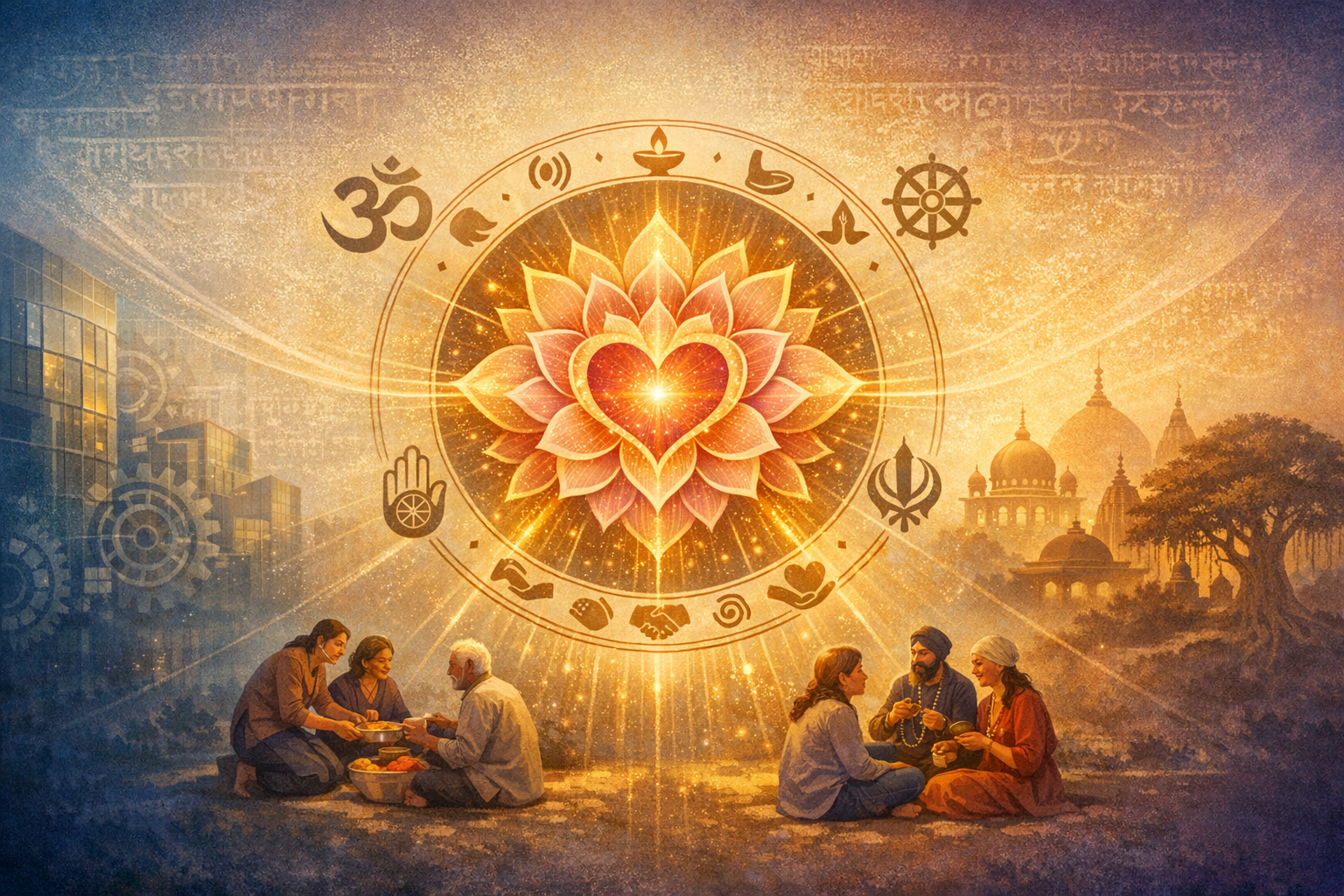
Set in London and associated with Svayam Bhagavan Keshava Swami, this reflection explores why genuine spirituality is best understood as disciplined, compassionate presence. The “Find Your Jewels” approach distills ancient dharmic teachings into practical guidance that seekers can apply immediately. It emphasizes that the greatest offering to the world is refined inner life—consciousness, character, and…
-
Transcending Duality in Srimad Bhagavatam 7.13: Saintly Python and Perfect Krishna Consciousness

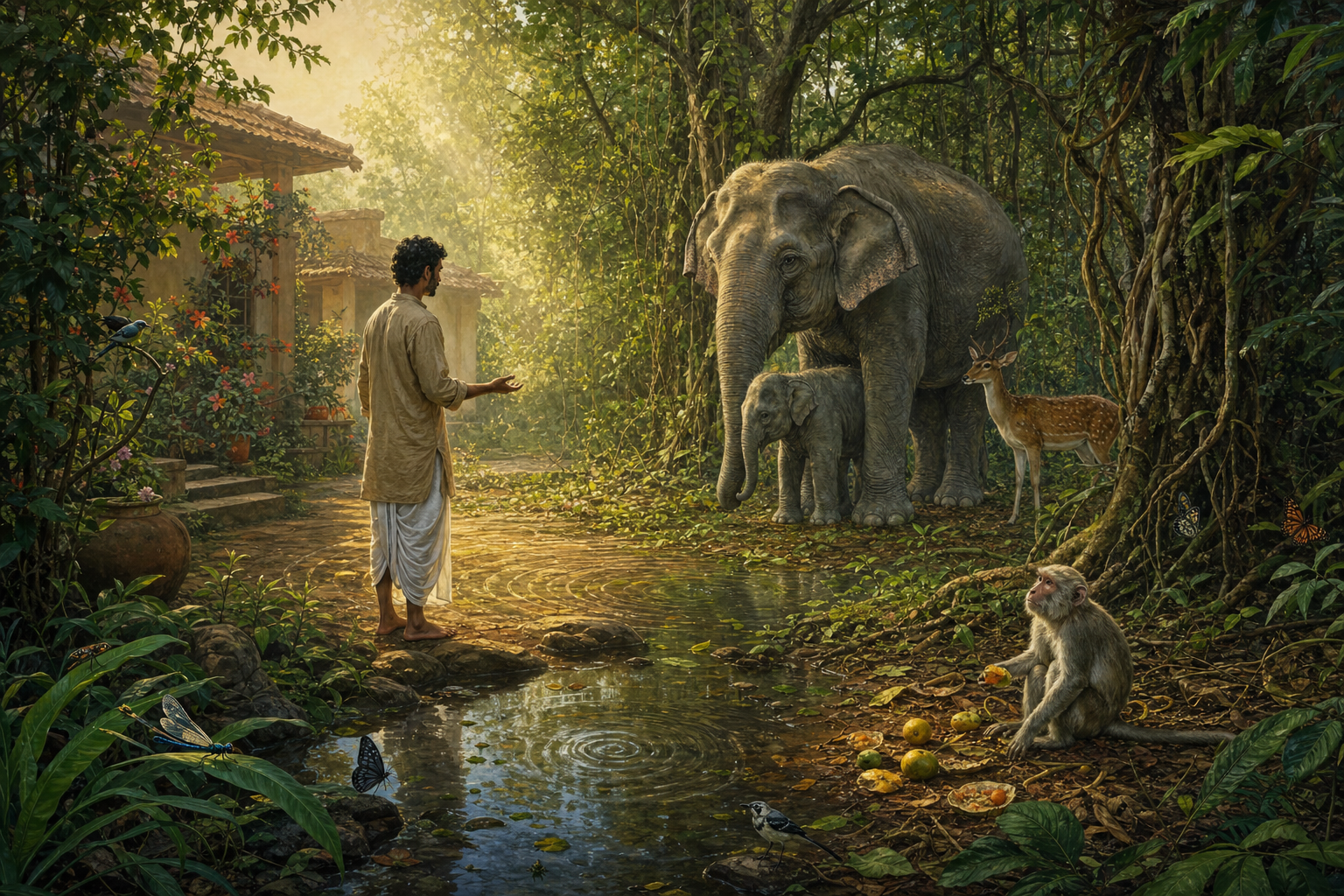
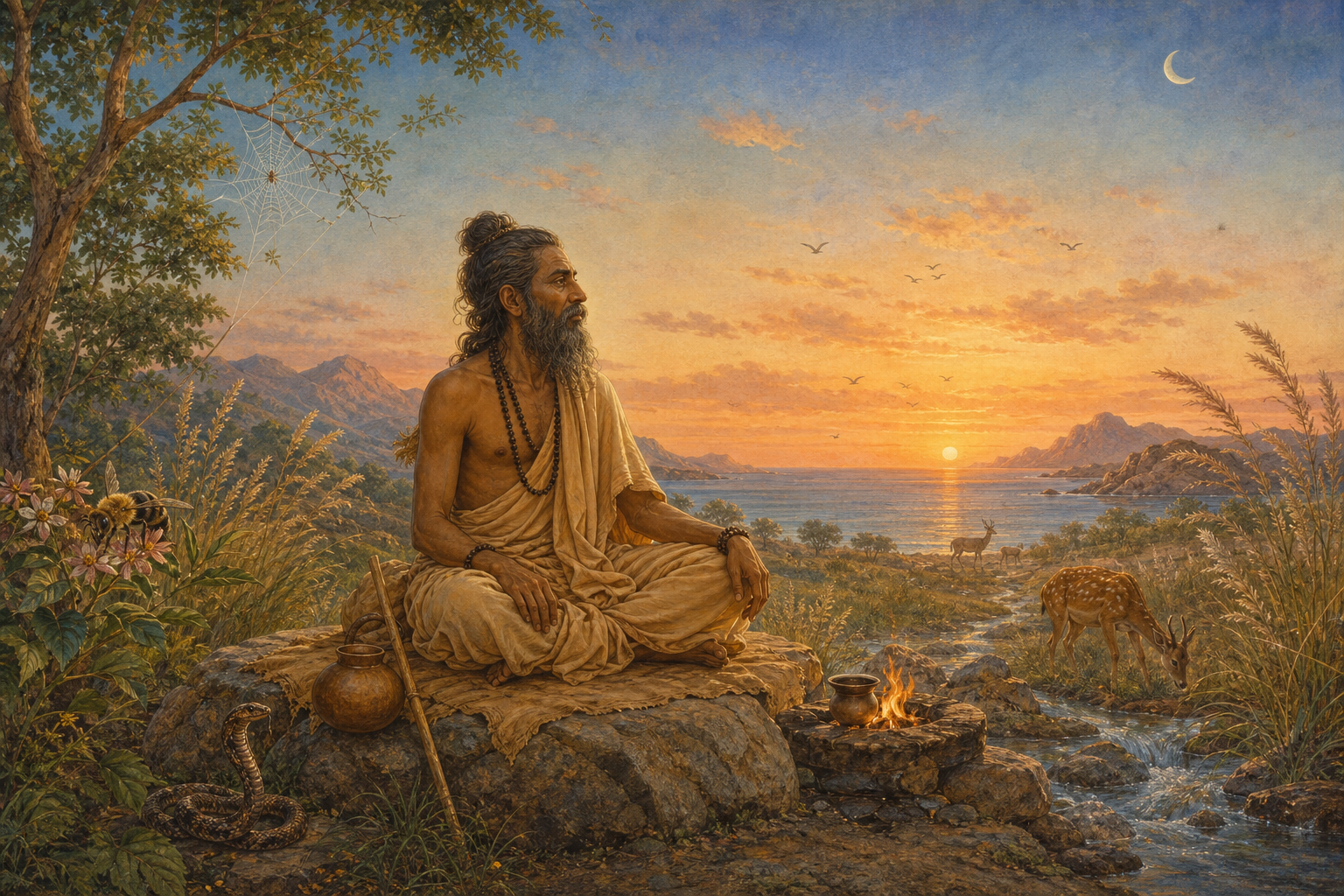
Srimad Bhagavatam 7.13.41–42 presents a disciplined ideal of conduct through the emblem of a saintly python, emphasizing acceptance, equanimity, and focused remembrance of Sri Krishna. The teaching reframes obsession with good-versus-bad as a distraction born of duality, urging a return to love and steady devotion. This focus on inner poise aligns with Advaita’s discernment beyond…
-
Everlasting Happiness through Spirituality: A Dharmic Guide to Inner Peace and Purpose

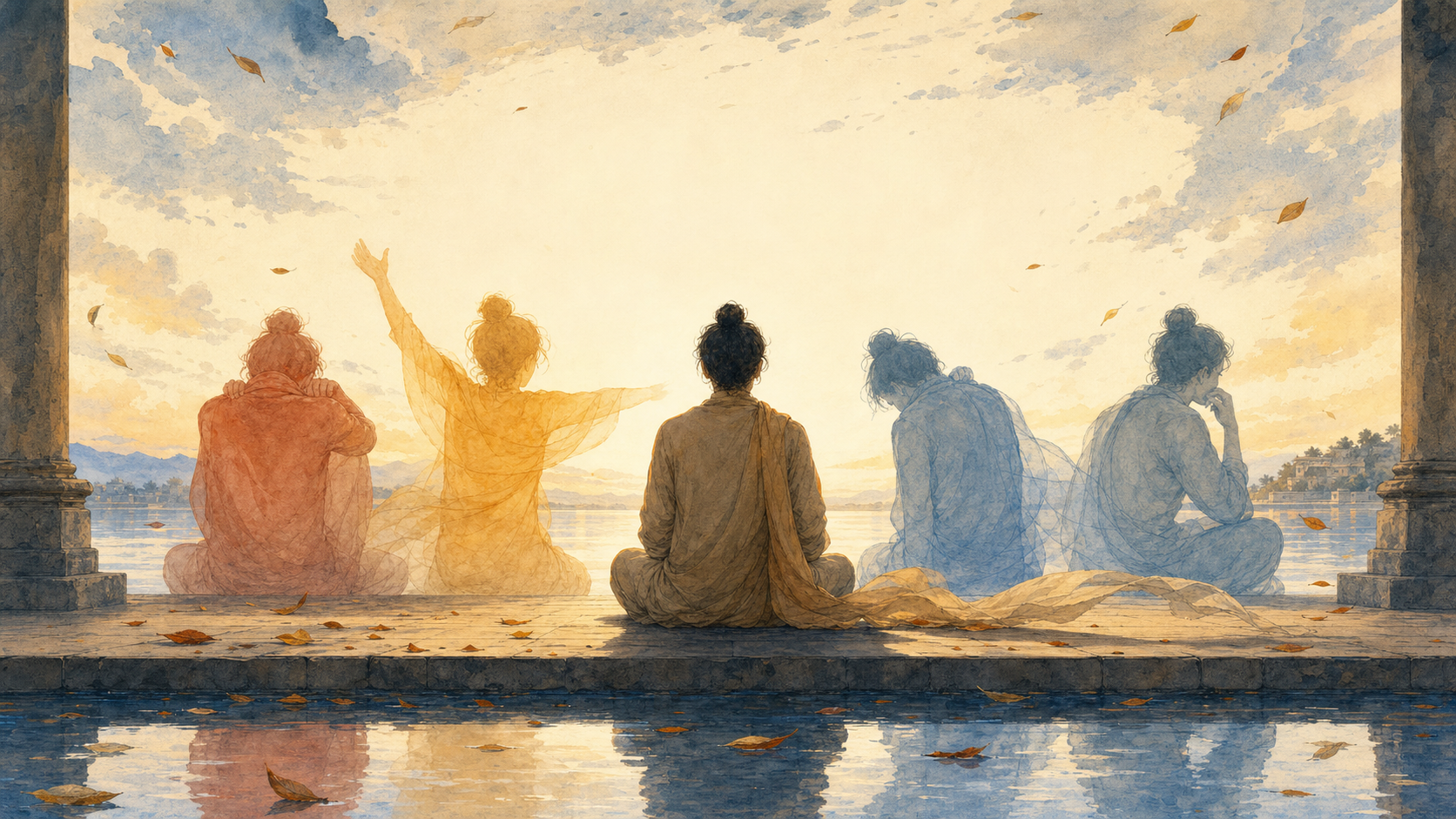
Can spirituality truly deliver everlasting happiness? From a dharmic perspective, enduring joy is not fleeting pleasure but a stable ananda rooted in clarity, compassion, and ethical living. Hinduism, Buddhism, Jainism, and Sikhism converge on shared practices—meditation, selfless service, mindful conduct—that cultivate inner peace beyond changing moods. This article clarifies the difference between momentary pleasure and…
-
Four Yugas, Four Marvelous Cities: Vishwakarma’s Vision and the Elusive Quest for Peace

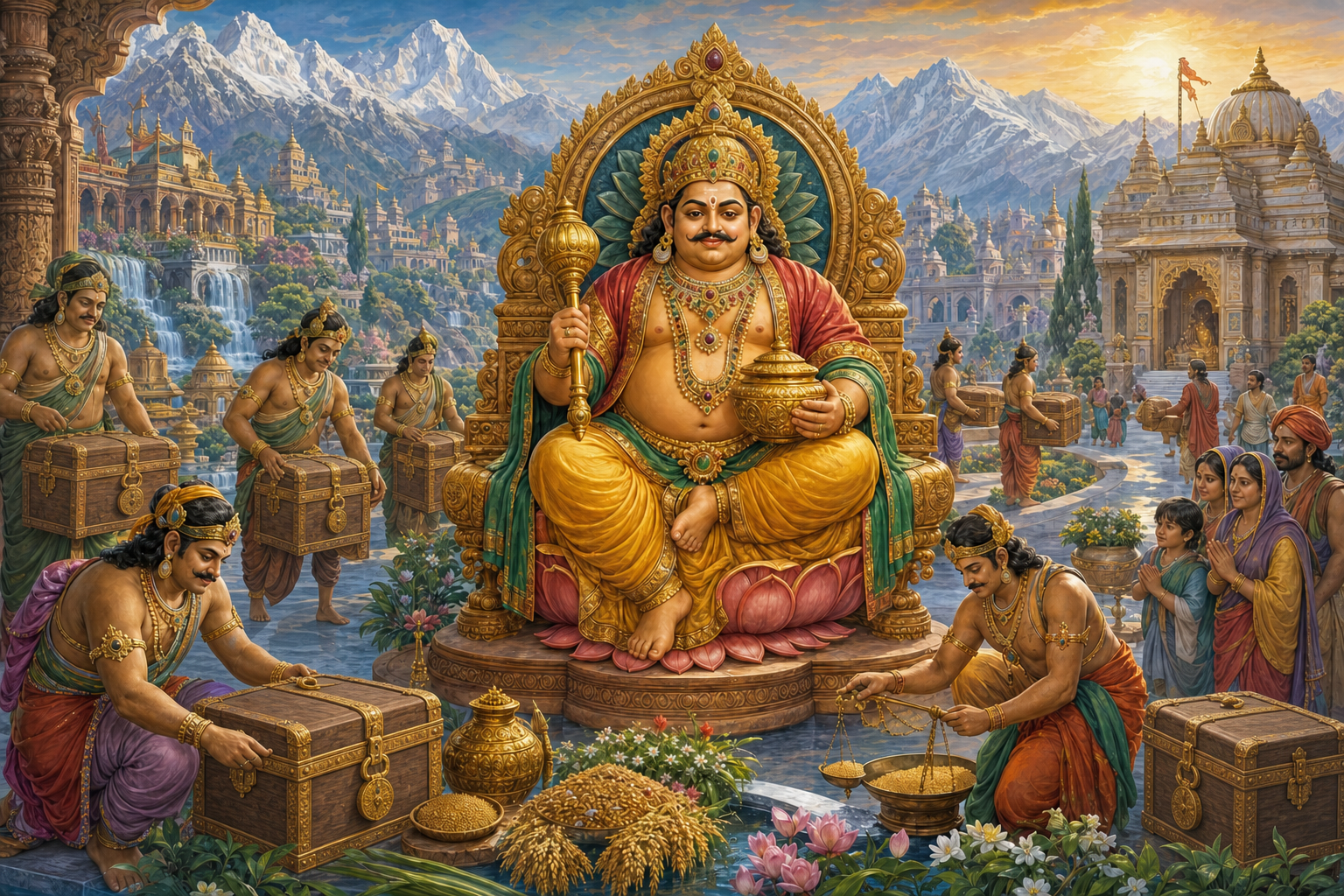
Hinduism’s narratives of Vishwakarma’s four cities across the Four Yugas reveal a striking truth: celestial architecture cannot guarantee inner peace. Set within the cyclical moral texture of Satya, Treta, Dvapara, and Kali, these cities reflect the era’s ethics more than their own splendor. The Puranas and related ancient texts show that sacred geometry and urban…
-
Vajra in Durga’s Hands: Indestructible Power, Sacred Courage, and Dharmic Unity

The Vajra in Goddess Durga’s hands symbolizes indestructible power guided by wisdom, as narrated in the Devi Mahatmyam of the Markandeya Purana. Indra’s gift of the thunderbolt links Durga’s protective mission with earlier Vedic and puranic themes of sacrifice, courage, and cosmic balance. Readers gain a clear understanding of how the Vajra denotes sudden illumination,…
-
February 11, 2026 Panchang Guide: Navami to Dashami Transition, Timings and Insights

Wednesday, February 11, 2026 marks Krishna Paksha Navami tithi in most regions until 9:24 AM (local time), transitioning thereafter to Krishna Paksha Dashami. This clear tithi boundary helps plan puja, japa, and charitable actions in harmony with the Panchang. While Nakshatra and Rashi vary by location and method, they can refine personal observances without changing…
-
Masi Month 2026 (Maasi Masam): Dates, Rituals, and Shiva Devotion in the Tamil Calendar

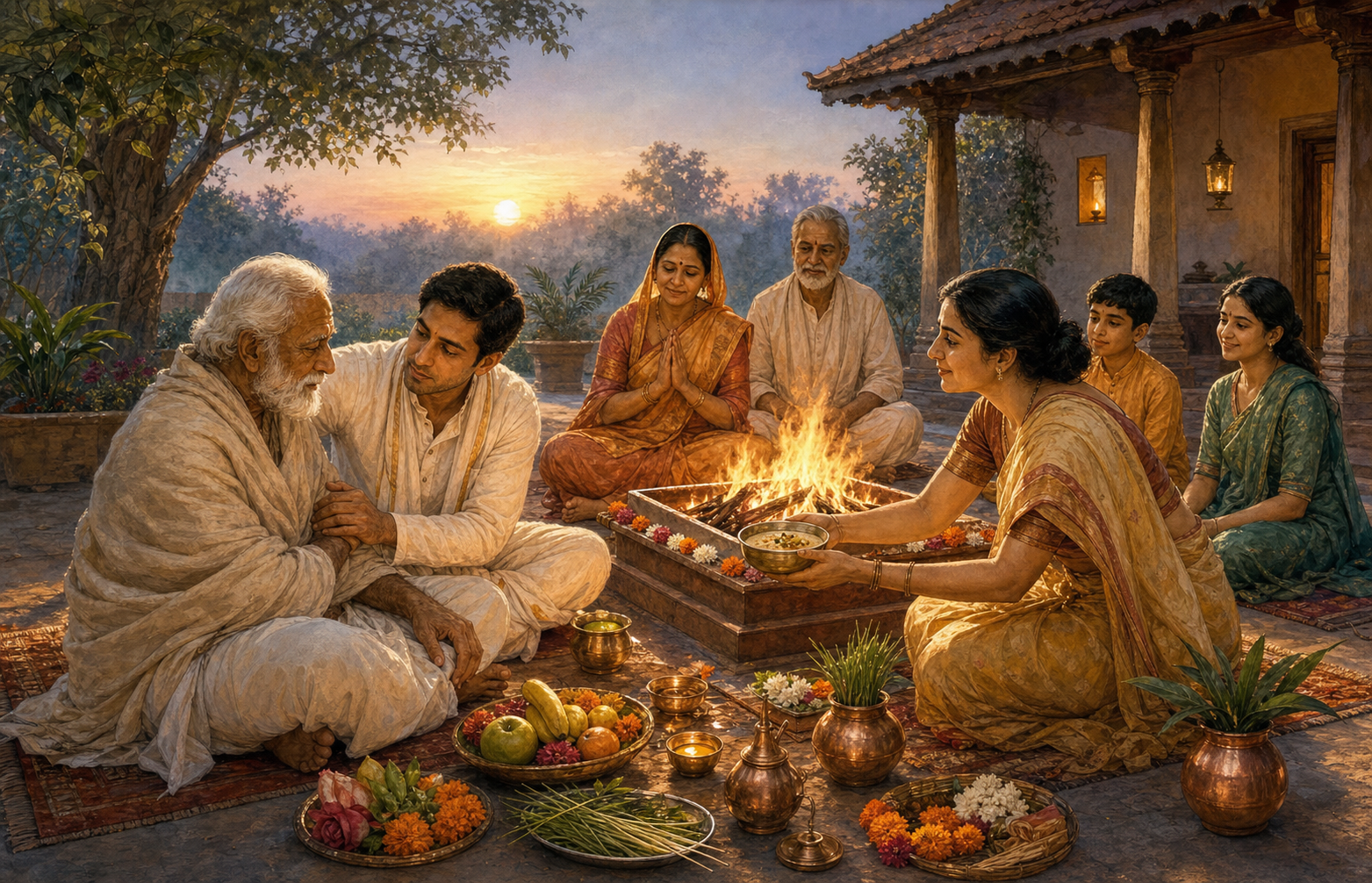
Maasi Masam (Masi Month) 2026 runs from 13 February to 14 March in the Tamil calendar, a period dedicated to Lord Shiva and gratitude to Pitru Devatas (ancestors). The month is widely regarded as auspicious in Tamil Nadu, supporting reflective rituals, Shiva worship, and charitable service. Families often perform ancestor remembrance practices—especially near Amavasya—to strengthen…
-
Kashaya Unveiled: Vedanta, Yoga, and Jain Insights to Purify Mind and Elevate Spirit

Kashaya—mental impurities such as attachment, anger, and delusion—sits at the heart of Hindu philosophy’s exploration of the mind. Seen across Vedanta, Yoga, and Jain philosophy, and resonating with Buddhist kleshas and Sikh teachings on haumai, it represents both obstacle and opportunity. By cultivating mindfulness, ethical clarity, and contemplative depth, seekers learn to recognize and transform…
-
Why Shiva Gave His Golden Palace to Ravana—Timeless Lessons on Detachment and Karma

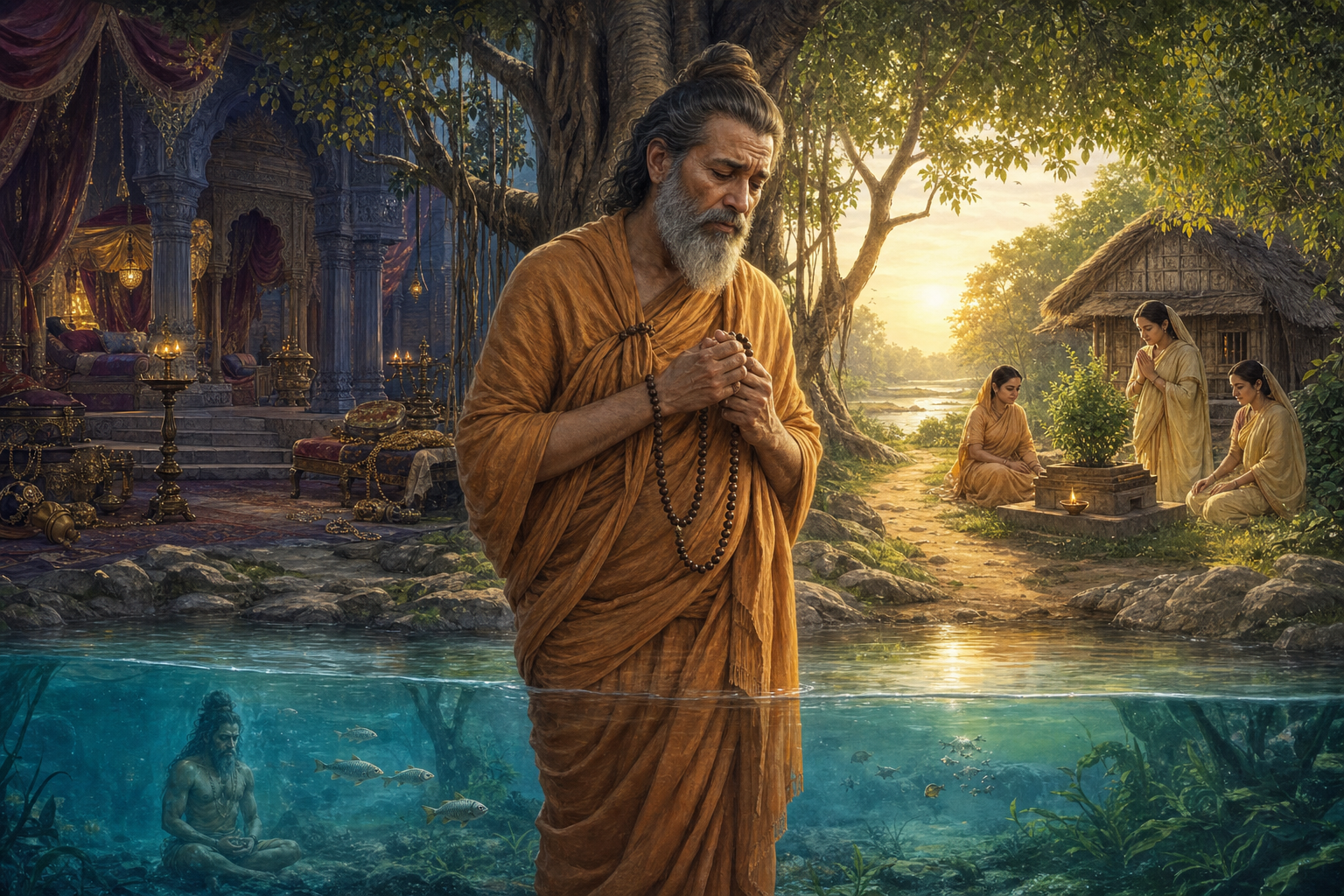
This exploration of Shiva gifting a golden palace to Ravana distills a powerful lesson in detachment, karma, and dharma. Drawing on Puranic variations, it shows how Shiva’s non-attachment contrasts with Ravana’s intensifying desire, turning a boon into a test of character. The analysis connects seamlessly with Buddhist insights on clinging, Jain aparigraha, and Sikh cautions…
-
Krishna’s Bold Reframing of Dharma: An Enlightened Householder Blueprint for Kali Yuga

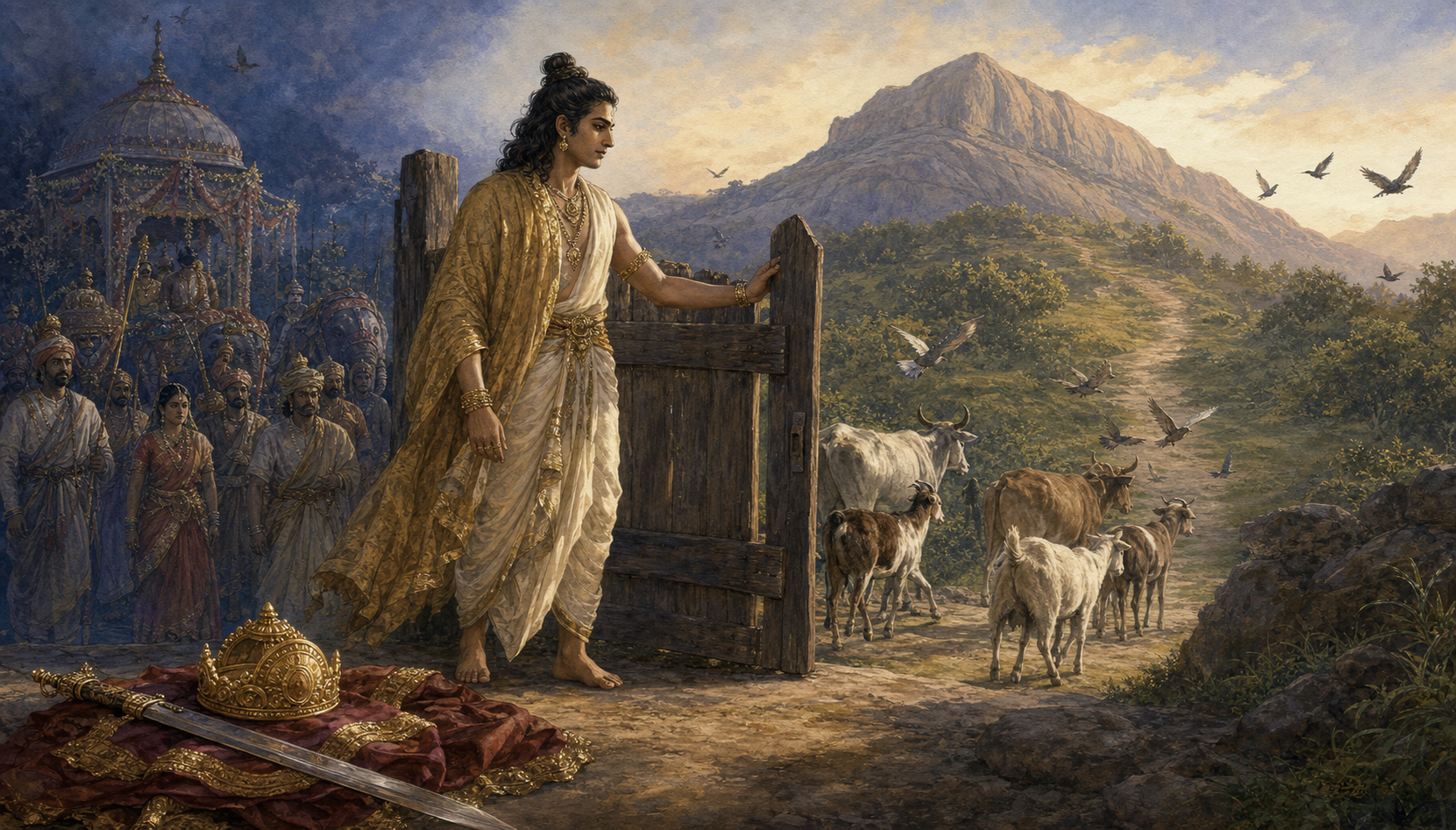
This article clarifies the long-standing tension between renunciation (sannyasa) and worldly engagement (grihastha) and explains Krishna’s synthesis in the Bhagavad Gita. It shows how Karma Yoga transforms daily duties into spiritual practice, especially suited to the demands of Kali Yuga. Readers gain practical steps—nishkama karma, mindful remembrance, ethical livelihood, generosity, and seva—to integrate dharma into…
-
Disarming Faultfinding with Humility: A Dharmic Guide to Self-Awareness and Growth

Humility counteracts the tendency to fixate on others’ faults by redirecting attention to honest self-examination. Drawing on psychology’s projection insight—“if you spot it, you got it”—this piece reframes irritation as a prompt for introspection rather than judgment. It integrates practices from Hinduism, Buddhism, Jainism, and Sikhism—such as mindfulness, pratikraman, and speech ethics—to build a unified…
-
Why Sankirtana Works: Transformative Chanting for Inner Clarity and Collective Unity

Sankirtana—congregational chanting of the Hare Krishna maha-mantra—works because it unites sacred sound, steady rhythm, and communal participation into a single, accessible practice. The repetition of mantras supports focused attention, while shared singing fosters belonging and emotional balance. Rooted in the Bhakti Tradition and exemplified by Lord Chaitanya’s movement, it introduces the heart of Hinduism in…
-
Mercury in the 1st House (Budha in Lagna): Unlocking Intellect, Vitality, and Social Influence

Mercury in the 1st house (Budha in Lagna) heightens intellect, communication, and social influence while supporting vitality and financial steadiness. Often worldly rather than overtly ritualistic, this placement still aligns with dharma through ethical speech and purposeful service. When balanced, it fosters teamwork, mediation, and community uplift—qualities that nurture unity across Hindu, Buddhist, Jain, and…
-
Masik Sankranti 2026: Monthly Surya Sankramana Guide, Vratham Significance & Date-Tracking Tips

Masik Sankranti marks each monthly Surya Sankramana—the Sun’s entry into a new Rashi—providing a steady rhythm for reflection, charity, and renewal. In 2026, the cycle typically begins with Makara Sankranti in mid-January and proceeds through each sign until Dhanu Sankranti near year-end. Masa Sankranthi Vratham centers on snana, japa, arghya to Surya, and daana, observed…
-
Unlock Kuja in Lagna (Mangal in 1st House): Mars Ascendant Effects, Strengths, and Remedies

Kuja in Lagna (Mangal in 1st House) places Mars at the front of identity, amplifying confidence, initiative, and leadership. When dignified—especially in Aries (Mesha), Scorpio (Vrischika), or exalted in Capricorn (Makara)—this placement supports disciplined, dharma-aligned action. If debilitated in Cancer (Karka / Karkatakam) or afflicted, it may manifest as impulsivity or reactive decision-making, calling for…
-
Sun–Mercury Conjunction in the 12 Houses: Clear, Practical Insights on Ravi Budha Effects
This academic overview explores Ravi Budha—the Sun–Mercury conjunction—across the 12 bhavana in Vedic astrology. It highlights the traditional timing guideline that combined effects are especially notable until about age 39, with the Sun weighted more strongly than Mercury. Readers learn a clear framework for understanding outcomes in angular, trinal, upachaya, and dusthana houses. The analysis…
-
Sun–Rahu Conjunction Across the 12 Houses: Clear, Dharmic Insights and Practical Remedies

This balanced guide explores the Sun–Rahu conjunction (Ravi Rahu) across the twelve houses in Vedic astrology, explaining how its eclipse-like symbolism can magnify identity, ambition, and visibility while inviting ethical self-mastery. It outlines house-wise themes at a high level, emphasizes that outcomes depend on the full chart and timing (daśā), and reframes early-life intensity as…
-
Practical Lal Kitab Remedies for Shukra in 1st House to Restore Harmony, Confidence, and Love

Lalkitab associates Venus (Shukra) in the 1st house with allure, aesthetics, and relational ease, while noting that stress can arise—especially with a Saturn conjunction sometimes described as a Crow Line. This guide reframes such patterns as invitations to practice ethical remedies rooted in shared dharmic values. Friday-oriented charity of white items and simple silver offerings,…