-
Hanuman Jayanti 2026 (Chaitra Purnima): Definitive Guide to Date, Muhurat, Puja Vidhi & Hanumath Vijayotsavam

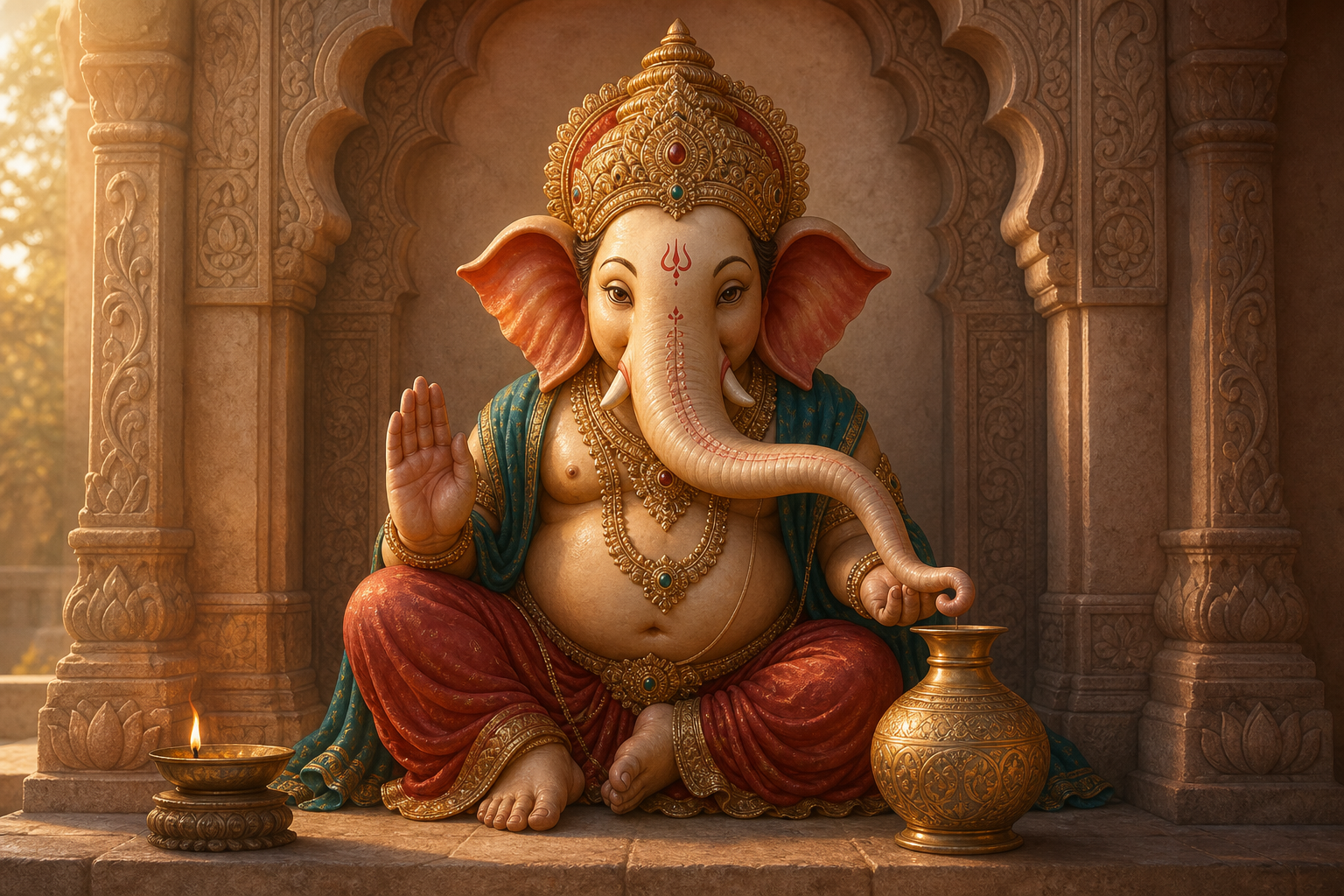
Hanuman Jayanti 2026 aligns with Chaitra Purnima and spans April 1–2 (IST), reflecting a Purnima Tithi that overlaps two civil dates. This comprehensive guide explains how regional Panchang rules determine the exact observance and why legitimate calendric lineages yield different, yet harmonious, dates. It details the core rituals—Hanuman Puja, Hanuman Homam, Havanam, and Hanuman Sindhura…
-
Abolishing Ignorance: How Knowledge of Brahman Ends Suffering across Dharmic Paths

This article explains, in clear Vedantic terms, why only knowledge of Brahman removes avidya—the root of suffering—and how this claim aligns with the Upanishadic distinction between para vidya and apara vidya. It outlines the practical pathway of shravana–manana–nididhyasana, showing how ethics, devotion, and meditation prepare the mind for liberating insight. It compares Advaita, Vishishtadvaita, and…
-
From Dogma to Dignity: A Human-Centered Blueprint for Dharmic Unity and Compassion

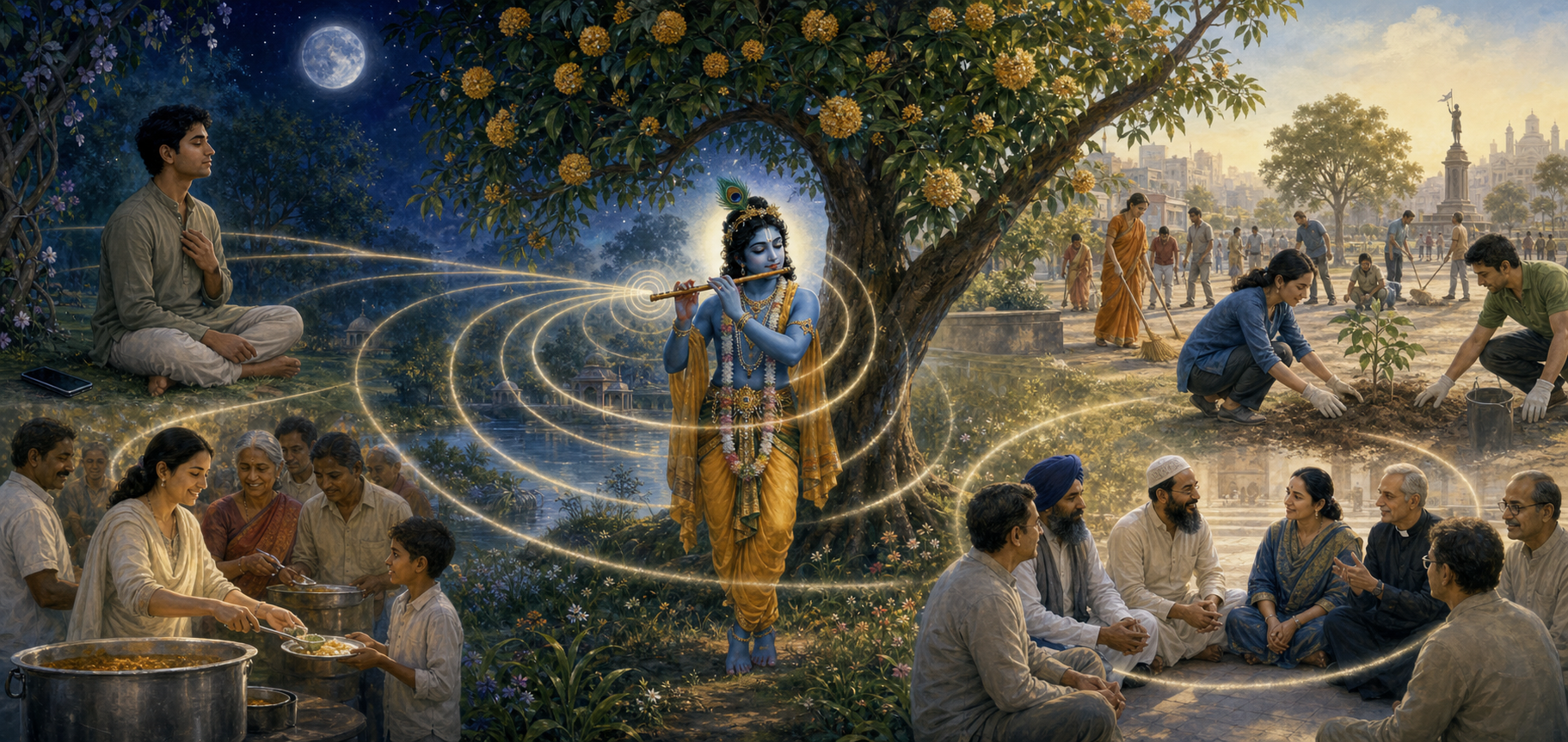
Religions increasingly overshadow the people they were meant to serve. This analysis proposes a Human-Centered Dharma Framework that realigns Hindu, Buddhist, Jain, and Sikh institutions with their ethical cores—Ahimsa, seva, Anekantavada, Ishta, and Vasudhaiva Kutumbakam. It outlines practical governance, service design, and transparency measures, including minimum service thresholds, Human Dignity Reports, and pluralist inclusion. The…
-
Hanuman Jayanti 2026 Puja Vidhi: Authoritative Step-by-Step Vrat, Muhurta, Mantras, Aarti

Hanuman Jayanti 2026, aligned with Chaitra Purnima on April 1–2, is a comprehensive occasion for vrata, puja, and stotra-parayana centered on Sri Hanuman’s ideals of strength, devotion, and seva. This authoritative guide details the Hanuman Vrat Pooja Procedure from preparatory cleanliness and sattvic discipline to sankalpa, dhyana, abhishekam, archana, and aarti. It explains practical muhurta…
-
Hanuman Jayanti 2026: Chaitra Purnima Dates, Powerful Rituals, Regional Traditions, Timeless Insights

Hanuman Jayanti 2026 will be observed on Chaitra Purnima, spanning April 1–2 (IST), with many communities marking the festival on the day Purnima prevails at sunrise. This comprehensive guide explains the panchang rules that shape the date, regional variations such as Hanumath Vijayotsavam, and why neighboring regions may celebrate on adjacent days. It offers a…
-
The Eternal Now: Guru Nanak’s Mindfulness for Fearless Clarity and Compassionate Living

Guru Nanak’s teachings present a precise, research-aligned path to mindfulness that integrates attention training (Naam Simran), ethical action (Kirat Karo, Vand Chhako, Seva), and wise acceptance (Hukam). By cultivating fearless clarity (nirbhau) and non-resentment (nirvair), practitioners stabilize presence in the “eternal now” and translate inner poise into compassionate service. The approach resonates with dharmic practices…
-
Beyond Varna and Ashrama: The Ativarnashrami Ideal and a Fearless Path to Moksha

This long-form exploration clarifies the Ativarnashrami ideal as the realized state beyond social and life-stage identifiers in Hindu philosophy. It situates the concept within varnashrama dharma, the purusharthas, and scriptural anchors from the Upanishads and the Bhagavad Gita. Readers gain a technical yet readable account of renunciant gradations, ethical implications, and the principle of loka-samgraha.…
-
ISKCON Chaplaincy in UK Hospitals: Elevating Compassionate Hindu Care Across London

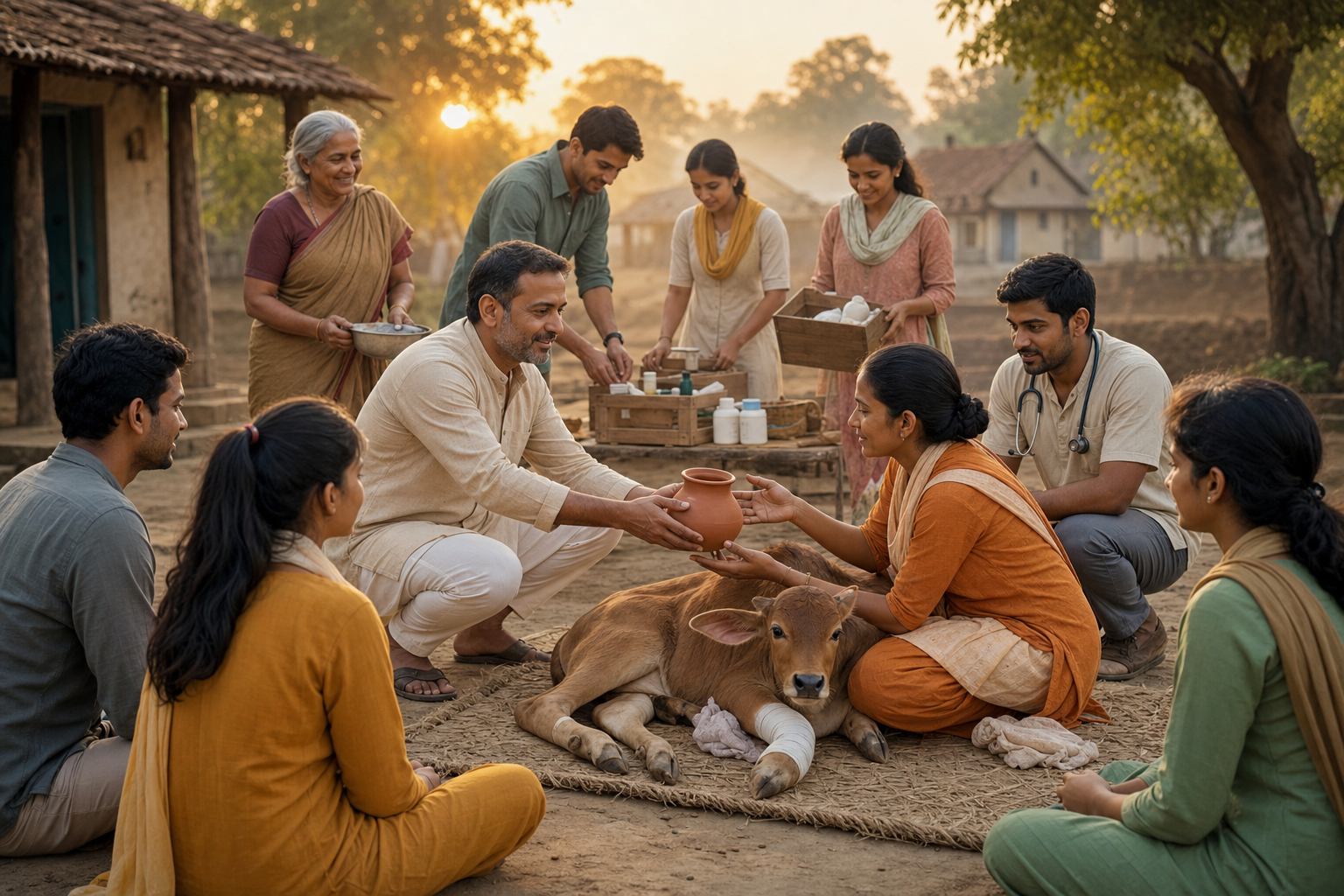
Bhaktivedanta Manor’s Devotee Care Team is building a professional Hindu–Vaishnava chaplaincy pathway to serve NHS hospitals, hospices, and care homes across London and other UK cities. The initiative aligns with NHS chaplaincy guidance and UKBHC competencies, ensuring safe, consent-based, and non-proselytising care. Training covers safeguarding, confidentiality, cultural fluency, end-of-life support, and evidence-informed spiritual assessment tools…
-
8 Powerful Steps for Prayerful Reading of Srila Prabhupada’s Books for Deep Bhakti Insight

This article presents a practical, eight-step method for prayerful reading of Srila Prabhupada’s books that unites devotion with rigorous study. It explains how intention, a sattvic setting, and a brief invocation prime attention and humility. Slow, structured reading, classical hermeneutic tools, and light Sanskrit awareness deepen comprehension of Bhagavad Gita, Srimad Bhagavatam, and Chaitanya Charitamrita.…
-
Chanting the Holy Names to Heal Divides: Dharmic Unity, Neuroscience, and a Tehran Legacy

A remembered exchange from 1970s Tehran—where Muslims joined in chanting the Hare Krishna mantra and received an affirming response from Srila Prabhupada—offers a practical template for unity across dharmic traditions. This article situates the episode within the shared contemplative heritage of Hinduism, Buddhism, Jainism, and Sikhism, showing how nāma, simran, and mantra enact unity in…
-
Pichandavar Shiva: The Divine Mendicant Who Unmasks Ego and Teaches Aparigraha

Pichandavar Shiva—known in Sanskrit sources as Bhikshatana—presents the Supreme Lord as a wandering ascetic whose skull-bowl and gentle stride teach non-possession, humility, and compassion. Grounded in Puranic lore and Shaiva Agamas, this South Indian form flourished in Chola bronzes and continues to animate temple processions where symbolic alms become a mirror for inner transformation. The…
-
When Self-Awareness Becomes Overthinking: Evidence-Backed Strategies to Calm and Heal

Self-awareness helps growth, but when driven by fear it can become overthinking—anxious loops that feel like diligence yet erode clarity. This article explains, in clear academic terms, how constructive reflection differs from rumination and worry, why the nervous system often sustains analysis loops, and how regulation restores kind, accurate thinking. Drawing on mindfulness research, self-compassion…
-
Unveiling Ishana: Why the Upward Face of the Shivling Is Revered as Sadashiva

The Panchamukha Shivling encodes a complete Shaiva theology in five faces, with Ishana—the upward, zenith-facing aspect—identified as Sadashiva, the ever-auspicious ground of grace. Drawing on Vedas, Agamas, and Puranas, this analysis shows how Ishana culminates the five cosmic acts and why its supradirectional stance symbolizes omniscience and anugraha. Ritual practice confirms the link, as the…
-
Only Knowledge, No Struggle: Effortless Wisdom in Hindu, Buddhist, Jain, and Sikh Thought

This essay unpacks the aphorism “there is only knowledge, so they remain one with it and do not struggle” through a comparative study of Hindu, Buddhist, Jain, and Sikh philosophies. It clarifies how each tradition frames liberating knowledge—jnana, prajna, giān—and why non-struggle means non-contradiction with truth rather than passivity. Readers gain a concise overview of…
-
Duryodhana in Lake Dwaipayana: Decoding Jala Stambhana and the Psychology of Rage

On the final day of the Kurukshetra war, Duryodhana’s concealment in Lake Dwaipayana—linked in tradition to Jala Stambhana vidya—becomes a profound study of mind, emotion, and dharma. This article decodes the water symbolism in the Mahabharata, showing how immersion allegorizes the cooling of rage and the stilling of mental turbulence. It situates the episode within…
-
April 7, 2026 Panchang: Panchami to Sashti (2:05 PM) — Tithi, Nakshatra, Rashi, Shubh Muhurat

April 7, 2026, features Krishna Paksha Panchami until 2:05 PM, followed by Krishna Paksha Sashti, a mid‑day shift that matters for vratas and puja planning. The article explains tithi astronomy (12° Moon–Sun elongation segments) to clarify why transitions occur at precise moments. It outlines how to apply Abhijit Muhurta, Rahu Kalam, Yamaganda, Gulika Kalam, and…
-
Nava Veeras of Muruga: Origins, Iconography, and Living Traditions of Nine Divine Guardians

This article explores the Nava Veeras—the nine divine guardians of Lord Muruga—as living embodiments of Parvati’s Shakti and exemplars of disciplined courage in service of dharma. It situates their origins within the Skanda Purana/Kanda Puranam tradition, explains their roles in the Soorasamharam cycle, and examines how regional temple practices shape their iconography and worship. Readers…
-
Vulnerability Without Regret: Evidence‑Based Ways to Soothe the Post‑Sharing Hangover

Vulnerability often produces a predictable nervous-system surge after sharing—tightness, second-guessing, and the urge to retract. This evidence-based guide explains why that “vulnerability hangover” occurs and offers practical, somatic strategies to restore safety. Drawing on neurobiology, mindfulness, and shared dharmic ethics (satya, ahiṁsā, aparigraha, maitri/karuṇā), it clarifies the difference between oversharing and conscious sharing. Two orienting…
-
Beyond Perfection: Liberating Dharmic Wisdom on Impermanence, Dharma, and Divine Order

Perfection, as popularly pursued, continually recedes because all conditioned things are impermanent; dharmic traditions convert this problem into a path by aligning aspiration with dharma and the Divine Order. Drawing on the Bhagavad Gita, Upanishads, Yoga philosophy, and the broader insights of Buddhism, Jainism, and Sikhism, the essay reframes success as excellence grounded in clarity,…
-
Astro-Numerology in Hinduism: A Definitive Guide to Ashtakavarga, Rashi, Nakshatras, and Time

This article explains how Hindu astro numerology unites Jyotisha with number-based reasoning to make decisions aligned with cosmic time. It introduces ashtakavarga—Bhinnashtakavarga (BAV) and Sarvashtakavarga (SAV)—as a quantitative scaffold for evaluating planetary transits. Readers learn how to combine ashtakavarga with Vimshottari dasha, rāśi analysis, yogas, and the Panchang for clear, reproducible judgments. It clarifies indigenous…