
-
Complete Guide to Sri Vasudeva Ghosh’s Disappearance Day: Discover the Vraja-gopis’ Bhakti Secret
The Disappearance Day of Sri Vasudeva Ghosh offers a focused opportunity to deepen devotional practice through the lens of Srimad Bhagavatam (SB-10.85.41-13). This reflection presents how the Vraja-gopis’ refined devotion serves as a guide to entering the supremely sweet forest of Vrinda Devi. Readers gain practical ways to observe the day through kirtana, study, and…
-
Discover the Bhagavad-gita’s Proven Path: Master Renunciation through Devotion and Duty

Renunciation, as defined in the Bhagavad-gita (6.1-2), is not withdrawal from life but disciplined engagement without attachment to outcomes. By uniting Karma Yoga and devotion, duty becomes a vehicle for spiritual growth and mental clarity. This approach reduces anxiety, sharpens purpose, and fosters compassion. It translates into practical choices: serving family and society without clinging…
-
Discover Angada’s Proven Strength and Dharma: The Invincible Warrior Prince of the Ramayana

Angada, the warrior prince of the Ramayana, unites extraordinary strength with unwavering adherence to dharma. As Vali’s son and Sugriva’s nephew, he balances inheritance with ethical restraint, becoming a model of Kshatra Dharma in action. His leadership in the search for Sita and his role in Lanka illustrate how courage and diplomacy can work in…
-
Discover Sarabha of the Ramayana: The Ultimate Vanara Commander and Dharma Warrior

Vanara Sarabha emerges in the Ramayana as a fearless commander who embodied disciplined courage in service of Lord Rama. Associated with Salveya Mountain, he represents the ethical leadership that sustains dharma-yuddha beyond individual heroism. Though textual traditions vary in detail, Sarabha’s role underscores the epic’s reliance on a coordinated, principled army led by capable vanara…
-
Essential Insights on SB 1.8.31: Discover the Lord’s Majesty and the Devotee’s Transforming Love

This analysis of SB 1.8.31 clarifies how the Supreme Lord’s sovereignty coexists with intimate affection for pure devotees, a central paradox in Srimad Bhagavatam. It explains why divine pastimes bewilder the materially conditioned mind yet illuminate the path of bhakti. Readers gain a practical framework for humility, remembrance, and service in daily sadhana. The discussion…
-
Discover Rebirth in the Bhagavad Gita: A Complete Guide to Epistemology, Ontology, and Ethics

This analysis presents a clear, three-part framework for understanding rebirth in the Bhagavad gītā: epistemology that privileges insight-oriented knowledge, ontology that secures the continuity of the ātman, and ethics that transform insight into equanimity and enlightened action. Readers gain conceptual clarity on how knowledge shapes worldview and why rebirth coherently follows from the soul’s imperishability.…
-
Discover the Ultimate Secret of Radhastami: Radharani’s Potency That Conducts the Spiritual World

This article explores why Radhastami centers on Radharani as Krsna’s pleasure potency, the chief internal energy that conducts the spiritual world. Drawing on the Vedic axiom Parasya saktir vividhaiva sruyate [Cc. Madhya 13.65, purport], it explains how the Divine operates through distinct potencies, contrasting Bahir-anga-sakti (external energy) with the internal potency of devotion. The discussion…
-
Complete Introduction to the Devala-Smriti: Discover Proven Ethics for Unity and Renewal
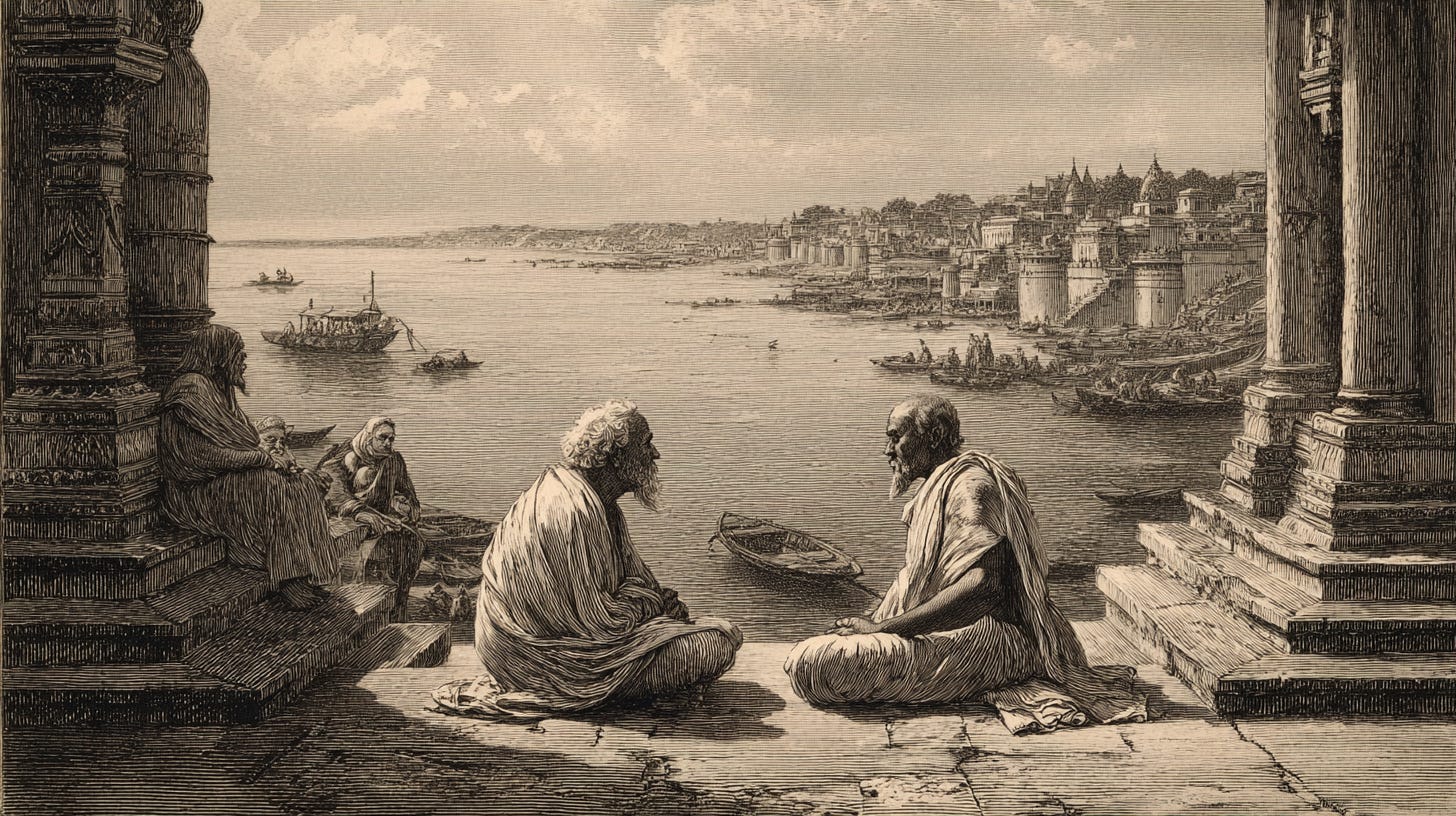
Devala-Smriti is a concise, influential Dharmasastra text that prioritizes restorative ethics through prāyaścitta and śuddhi. Framed by desa–kāla–pātra, it balances standards with reintegration, turning lapses into opportunities for social repair. Its approach to Mlēccita-śuddhih demonstrates structured inclusion relevant to today’s global mobility and ghar-wapsi debates. The text’s emphasis on satya, ahiṃsā, śauca, dayā, and dama…
-
Essential Guide to the Dēvala-Smriti: Discover a Proven Medieval Blueprint for Dharma Unity
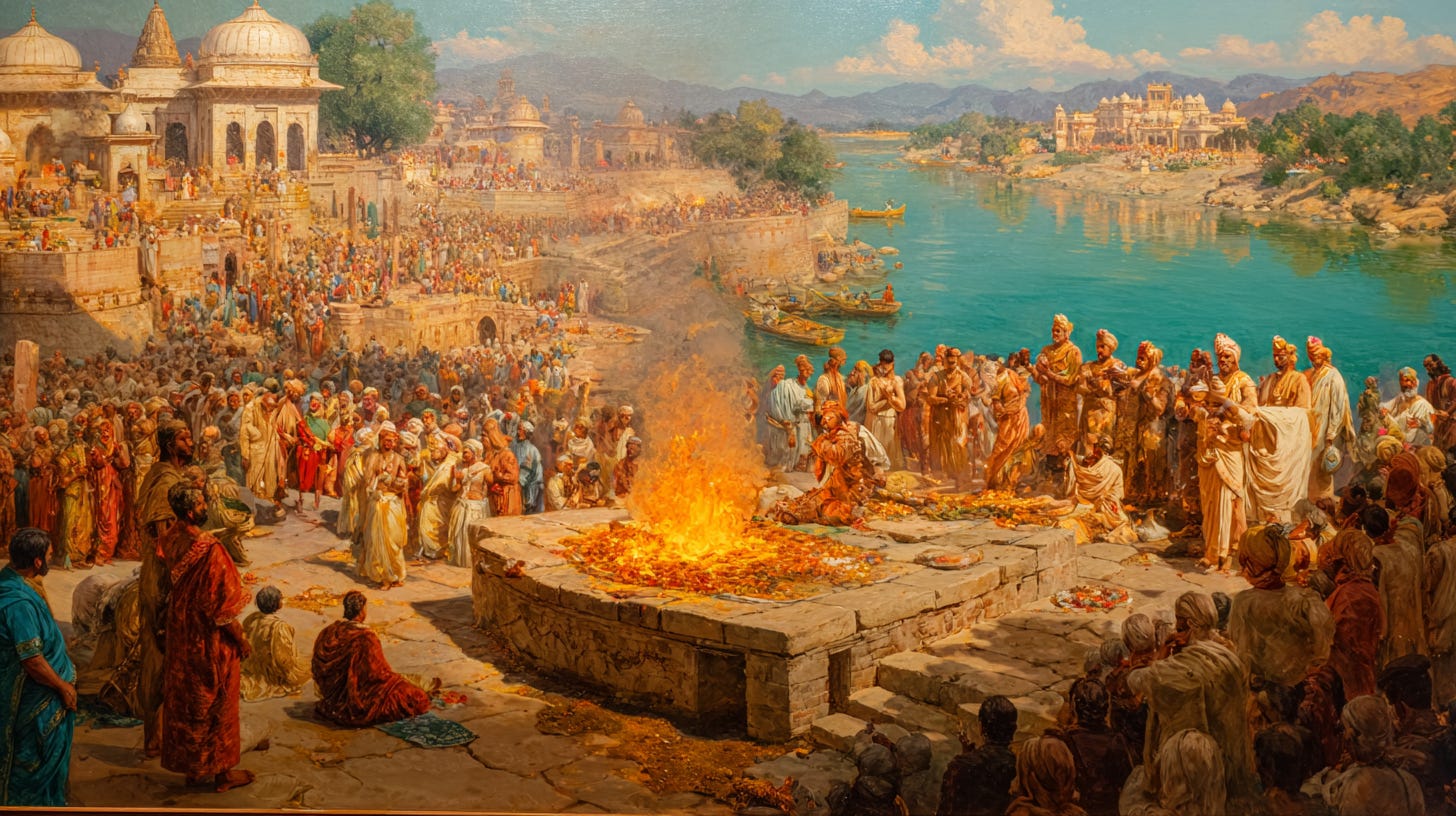
Composed in the tenth century CE, the Dēvala-Smriti exemplifies how Hindu legal thought responded swiftly and judiciously to changing social realities. Positioned within the Dharmashastra tradition, it balances universal principles with contextual prudence to sustain community cohesion. Its practical guidance on conduct, ritual propriety, and corrective measures reflects a sophisticated, serviceable jurisprudence. Read through a…
-
Discover the Essential Cosmic Timeline: Yugas, Kalpas, and the Sankalpa Mantra Today

A classic episode from Tripura Rahasya opens a window onto an Indic intuition: time unfolds at multiple scales beyond everyday perception. This article traces how that vision is kept alive through the Sankalpa Mantra, which timestamps ritual actions within Brahma’s day, the current Kalpa, Manvantara, and Kali Yuga. Readers gain a clear, structured overview of…
-
Discover Panini’s Ashtadhyayi: The Complete Guide to Maheshwara Sutras and Algorithmic Grammar

Panini’s Ashtadhyayi is a compact, rule-based system that generates correct Sanskrit forms from a finite set of definitions and operations. Rooted in the Maheshwara Sutras, it introduces powerful tools such as प्रत्याहारः (sound-class compression), संज्ञा (technical naming), उत्सर्ग–अपवादः (general rule and exception), and अनुवृत्तिः (carry-over of essential terms). The result is an algorithmic grammar that…
-
The Complete Dharmic Ghar-Wapsi Debate: Discover Lessons from Devala-Smriti to the Meos

This analysis traces how Dēvala-Smriti, Vijnaneshvara’s commentary on Yājñavalkya-Smr̥ti, and Vidyāranya’s Pancadasi articulated principled pathways for Parāvartana (return) and Mlēcchita-śuddhih (purification). Readers discover how these sources offered durable tools for social reintegration, even in times of coercion and conflict. The discussion situates changing historical conditionsfrom early incursions to the Delhi Sultanateshowing why Śuddhikaraṇa became more…
-
Essential Guide to the Sacred Sixteen: Discover Srinagar Cities Built for Goddess Shakti

This guide explores the legend of sixteen Srinagar cities dedicated to Goddess Lalithambika and Lord Shiva, showing how ancient Hindu scriptures embed sacred geography within a robust ethical vision. Readers discover the symbolism of the number sixteen in Shakta traditions, its resonance with the Sri Chakra, and the civilizational role of these sanctuaries as strongholds…
-
Discover the Rig Veda’s Complete Creation Wisdom: Upanishadic Insights to Transform Understanding

Hinduism’s creation vision, grounded in the Rig Veda and clarified by the Upanishads, presents a cyclical, ever-unfolding cosmos sustained by Brahman. Rig Vedic humility, especially in the Nasadiya Sukta, invites inquiry rather than dogma. Upanishadic insights like “tat tvam asi” and “satyam jnanam anantam brahma” align the inner Self with the Absolute, framing multiplicity as…
-
Discover Sri Rama’s Proven Integrity: Mastering Words-in-Action Dharma in the Ramayana

This article analyzes Sri Rama’s integrity in the Ramayana as a proven model for uniting speech and action. It explains how Maryada Purushottama transforms dharma from ideal to practice through vows honored in exile, alliances kept with integrity, and refuge granted with justice and compassion. Readers gain a practical five-step frameworkvrata, sankalpa, abhyasa, satsanga, and…
-
Discover Bali Mahārāja’s Ultimate Lesson: The Proven, Essential Power of Humble Devotion to Kṛṣṇa
This post examines Bali Mahārāja’s profound humility before Kṛṣṇa and Balarāma as a complete lesson in egoless devotion. It clarifies how bhakti flourishes when pride is relinquished, aligning with insights shared across jñāna and yoga. Readers gain a clear, practical framework for integrating humility into daily practice without diminishing intellectual rigor or disciplined effort. The…
-
Master Decisive Action: Krishna’s Essential Gita Lessons for Ethical, Fearless Living

This article examines Krishna’s guidance on Kurukshetra to demonstrate why the Bhagavad Gita privileges ethical clarity and decisive action over passive expectations of divine intervention. It explains nishkāma karma and the discipline of equanimityacting without attachment to outcomesas a practical method for leadership, relationships, and civic life. The analysis highlights convergence across Hinduism, Buddhism, Jainism,…
-
Discover Panasa in the Ramayana: The Invincible Vanara General and a Proven Dharma Icon

Panasa, remembered in traditional retellings of the Ramayana as an invincible Vanara general, exemplifies disciplined strength, strategic clarity, and steadfast loyalty to Lord Rama. His profile illuminates how the Hindu epics honor not only central heroes like Hanuman but also the field commanders whose quiet excellence ensures collective success. Interpreted through Dharma, Panasa’s “invincibility” signifies…
-
Discover the Complete Wisdom of SB 10.85.39: King Bali’s Hymn to Sri Krishna, Sāṅkhya, and Yoga
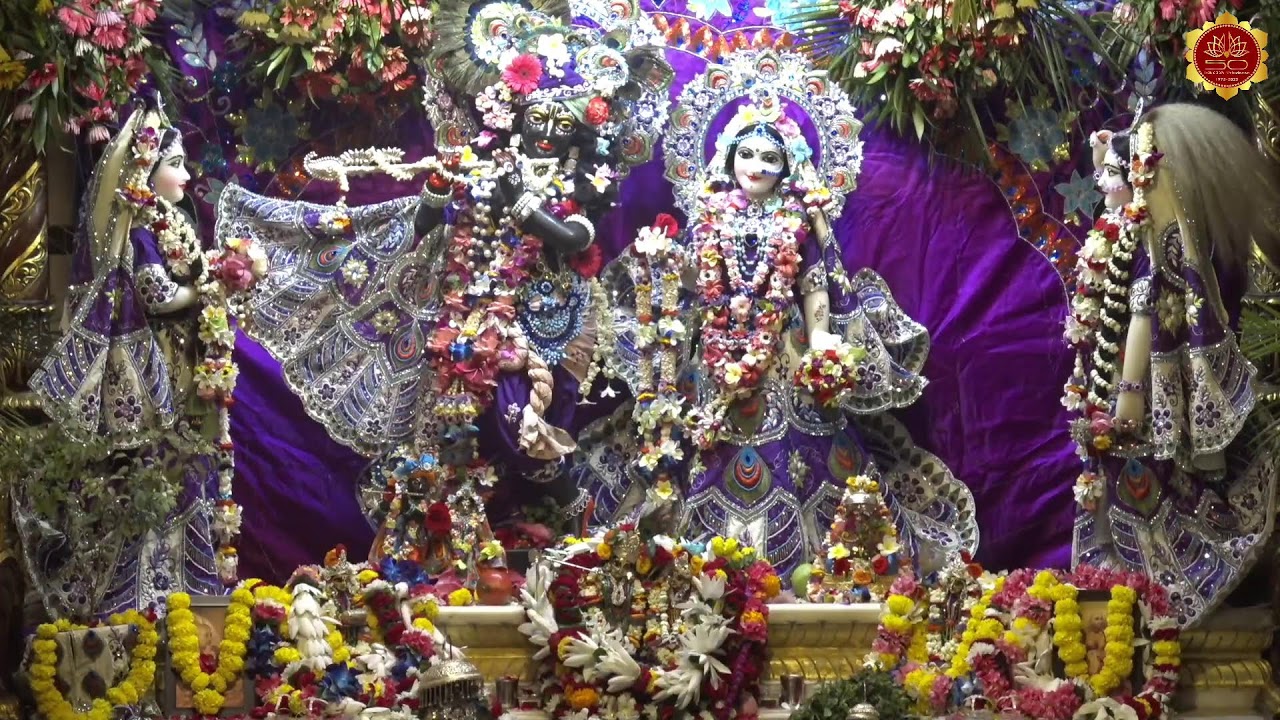
SB 10.85.39 records King Bali honoring Sri Krishna as Ananta, Bṛhat, Vedhase, the source of Sāṅkhya and Yoga, and the reality known as Brahman and Paramātmā. The verse integrates transcendence and immanence, offering a complete theological frame that is both philosophical and devotional. It encourages ethical living by affirming a purposeful cosmos and highlights humility…
-
Discover the Proven Secret of Bliss in the Senses: Panchadasi’s Fifteenth Chapter, Vishayananda

Panchadasi’s fifteenth chapter, Vishayananda, explains how everyday pleasures reflect the same ananda that shines as Brahman. By analyzing the role of the senses and the mind, it shows that pleasure arises when agitation pauses and awareness becomes momentarily still. This insight reframes ordinary enjoyment as a contemplative cue rather than an invitation to craving. The…