
-
Essential Guide to Goddess Bala: Discover Shiva’s Sacred Creation in the Andhakasura War

Goddess Bala’s emergence during Shiva’s battle with Andhakasura illustrates how youthful clarity and compassionate strength neutralize chaos without compromising empathy. This guide situates Bala within Shaiva-Shakta traditions, highlighting her role alongside protective shaktis and the Saptamatrikas. Readers gain symbolic insight into Bala Tripurasundari, whose iconography conveys gentle mastery of the mind and disciplined desire aligned…
-
Master Time’s Secret in Śrīmad-Bhāgavatam: HH Prahlādānanda Swami’s Complete Insight
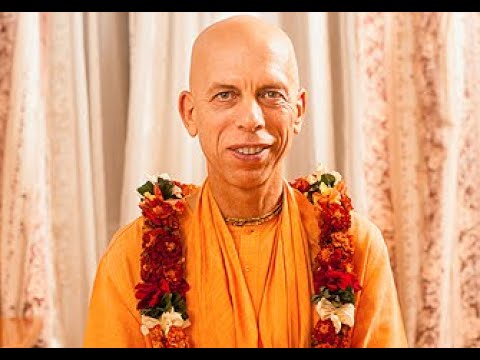
This exploration of Śrīmad-Bhāgavatam 4.12.1–3, as presented by HH Prahlādānanda Swami at ISKCON NYC, clarifies kāla (time) as an impartial, divine agency guiding creation, order, and transformation. It rejects fatalism and strengthens responsibility, showing how time frames ethical action within dharma. The discussion connects Buddhist impermanence, Jain understandings of kāla, Sikh insights on Hukam, and…
-
Indrajit and Shiva: The Complete Ramayana Mystery RevealedDiscover a Timeless Truth

Was Indrajit truly Shiva’s son? The Ramayana’s canonical account identifies Indrajit (Meghnad) as the son of Rāvaṇa and Mandodarī, while later traditions speak of him as Shiva’s ‘son’ in a spiritual sense. This analysis clarifies the difference between biological lineage and theological kinship through concepts like amsha and dīkṣā-putra. Readers gain a precise understanding of…
-
Complete Guide to Vidyananda: Discover Panchadasi’s Fourteenth Chapter and Supreme Bliss

The Fourteenth Chapter of Panchadasi clarifies vidyānandathe bliss born of Self-knowledgewithin Advaita Vedanta’s Ananda-panchaka. It explains how disciplined study, reflection, and deep contemplation transform insight into stable joy. By distinguishing pure consciousness from mental states, the chapter prevents mistaking calm for realization. It maps the progression from sensory pleasure to the bliss of knowledge and…
-
Mahakapala in the Ramayana: Discover the Complete Path to Moksha through Divine Grace
Mahakapala’s brief but evocative appearance in Ramayana lore illustrates how divine grace can reveal the path to moksha even for those aligned with adharma. Framed within Dharma-Yuddha, his defeat is contemplated as a sacred end that preserves justice and dignity. The narrative shows how loyalty becomes virtue only when tethered to truth, and how sincere…
-
Complete Guide to Advaitananda: Discover the Bliss of Non-Dual Realization in Panchadasi 13

Advaitananda Prakarana, the thirteenth chapter of Panchadasi by Vidyaranya, explains how the bliss of non-dual realization is not produced by the mind but recognized as the true nature of self. It distinguishes fleeting sense-pleasure from brahmananda, the unconditioned bliss revealed through knowledge. Rooted in the Upanishads, the chapter maps a practical progressionsravana, manana, and nididhyasanatoward…
-
Complete Guide to Manu in Hinduism: Discover the Timeless Law-Giver Beyond Gender and Time

This article examines Manu as both archetype and title within Hindu cosmology, clarifying how fourteen Manus guide each kalpa and why the role is best understood as beyond gender and bound to time cycles. It situates Manusmriti within the broader Dharmashastra tradition, highlighting contextual interpretation and ongoing ethical refinement. The narrative of Vaivasvata Manu and…
-
Essential Insights on SB 3.19.28: Discover Varaha’s Triumph and Master Dharmic Courage

Delivered at the Hare Krishna temple in Alachua, Florida, this ISKCON Alachua class by Akuti devi dasi examines Srimad-Bhagavatam (Bhagavata Purana) Canto 3, Chapter 19, text 28. The session situates the verse within the Varaha avatāra narrative and clarifies how the Bhāgavata restores cosmic order and dharma. Key themes include steadfast devotion, humility before divine…
-
Bilva Patra’s Essential Significance: Discover Proven Rituals, Symbolism, and Ayurvedic Benefits

Bilva Patra (Bel Patra; Aegle marmelos) is central to Shiva worship, uniting ritual symbolism with lived experience. The trifoliate leaf represents sacred triadssuch as Shiva’s three eyes and the three gunasencouraging purity in thought, speech, and action. Classical sources and household practice affirm simple, consistent offeringsfresh, intact leaves, steady intention, and observance on Mondays, Pradosha,…
-
Ganesh Gita Explained: Discover Ganesha’s Complete Teachings to King Varenya for Inner Mastery

Ganesh Gita presents Lord Ganesha’s teachings to King Varenya in 11 chapters and 414 verses, offering a concise guide to dharma, devotion, meditation, and self-knowledge. Distinct from the Bhagavad Gita yet complementary to it, this scripture emphasizes preparatory disciplines and the removal of inner obstacles. Readers gain practical frameworks for ethical leadership and daily life…
-
Complete Guide to Kartika’s Transformative Month: Discover Proven Glories in Skanda & Padma Purana

Kartika Month (Kartik Masam) is celebrated in Hindu scriptures as a peak period for spiritual practice. Skanda Purana affirms it as the foremost month, while Padma Purana details how vrata, charity, lamp offerings, sacred bathing, and devotion gain special merit at this time. Across regions, Kartika includes Diwali on Amavasya, the Gujarati New Year on…
-
Hans Gita Explained: Discover Vishnu’s Proven Path to Knowledge, Enlightenment, and Unity

Hans Gita, attributed to Lord Vishnu and framed as a dialogue with a hamsa (swan), offers a concise yet profound exploration of knowledge, discernment, and dharma within Hindu philosophy. Readers discover how the swan symbolizes vivekathe wisdom to distinguish the enduring from the ephemeral. The text’s verses encourage realization over mere theory, aligning with Upanishadic…
-
Complete Guide to Panchadasi’s Twelfth Chapter: Discover and Master Atmananda

Panchadasi’s twelfth chapter, attributed to Vidyaranya of the Sringeri Sharada Peetham, guides readers to distinguish the bliss of the Self (Atmananda) from changing mental states. It explains how sat–chit–ananda is recognized through shravana, manana, and nididhyasana, not acquired from external objects. The chapter clarifies the difference between pure consciousness and reflected consciousness, enabling a stable…
-
Master the Mahatmyam of Tulasi Puja: Complete Puranic Insights for Kartik and Shravan

Tulasi Puja is a year-round home practice that peaks in Kartik month and Shravan month, celebrated for its Mahatmyam across the Padma Purana, Skanda Purana, Garuda Purana, Narada Purana, and Brahma Vaivarta Purana. These texts present Tulasi as Vishnu-priya and affirm the spiritual merit of planting, nurturing, and worshipping the sacred plant. Daily observancesdeepa, japa,…
-
Proven Dharmic Pathways to Transform Adversity: Master Resilience with Shakuntala and Harishchandra

This exploration presents an academic yet accessible reading of Shakuntala and King Harishchandra as proven guides to transforming adversity through dharma, satya, and seva. Readers discover how Shakuntala models inner dignity during misrecognition, while Harishchandra exemplifies uncompromising truth under public strain. The narratives are situated within the shared ethical vocabulary of Hinduism, Buddhism, Jainism, and…
-
Discover Yogananda in Panchadasi: The Complete Guide to Bliss of Consciousness in Advaita Vedanta

This article presents a clear, practice-oriented guide to the Yogananda (eleventh) chapter of Vidyaranya’s Panchadasi, a classic of Advaita Vedanta. It explains how the text situates bliss (ānanda) within the nondual identity of Atman and Brahman, and why calming mental activity reveals intrinsic joy. Readers learn the distinctions between sense-based pleasure, the relief that follows…
-
Why Sage Vishwamitra Laid Down Arms: The Complete Dharma Breakthrough from King to Rishi

Sage Vishwamitra laid down arms not out of weakness but as a deliberate, dharmic choice to conserve brahma-tejas and complete his transformation from warrior king to Brahmarshi. His renunciation reflects a mature realization that spiritual power surpasses martial force, and that anger and violence dissipate tapas-shakti. The Ramayana preserves this balance: he equips Rāma with…
-
Essential SB 4.11.29-30 Insights: Discover a Devotional Breakthrough with HG Rāma Rāya Dāsa – NYC

This reflective exploration of SB 4.11.29-30, presented by HG Rāma Rāya Dāsa in NYC, distills core themes of devotion, duty, and inner transformation found in Srimad Bhagavatam. The session demonstrates how attentive chanting and careful study can foster calm, clarity, and ethical alignment. By linking the Hare Krishna maha-mantra to shared practices across Hindu, Buddhist,…
-
The Essential Story of Hanuman’s Curse: Discover the Secret Path to Eternal Seva

This analysis reframes Hanuman’s famed “curse” as a transformative restraint that cultivated humility, disciplined power, and unwavering service. It traces the arc from Kishkindha’s mischievous youth to Sundara Kanda’s awakening, where Jambavan’s reminder unlocks Hanuman’s latent strength for Sri Rama’s mission. The piece clarifies how dharma regulates shakti, making servicenot dominancethe hallmark of true mastery.…
-
Annapurna Mahatmyam: Essential Guide to the Goddess of NourishmentDiscover Her Sacred Legacy
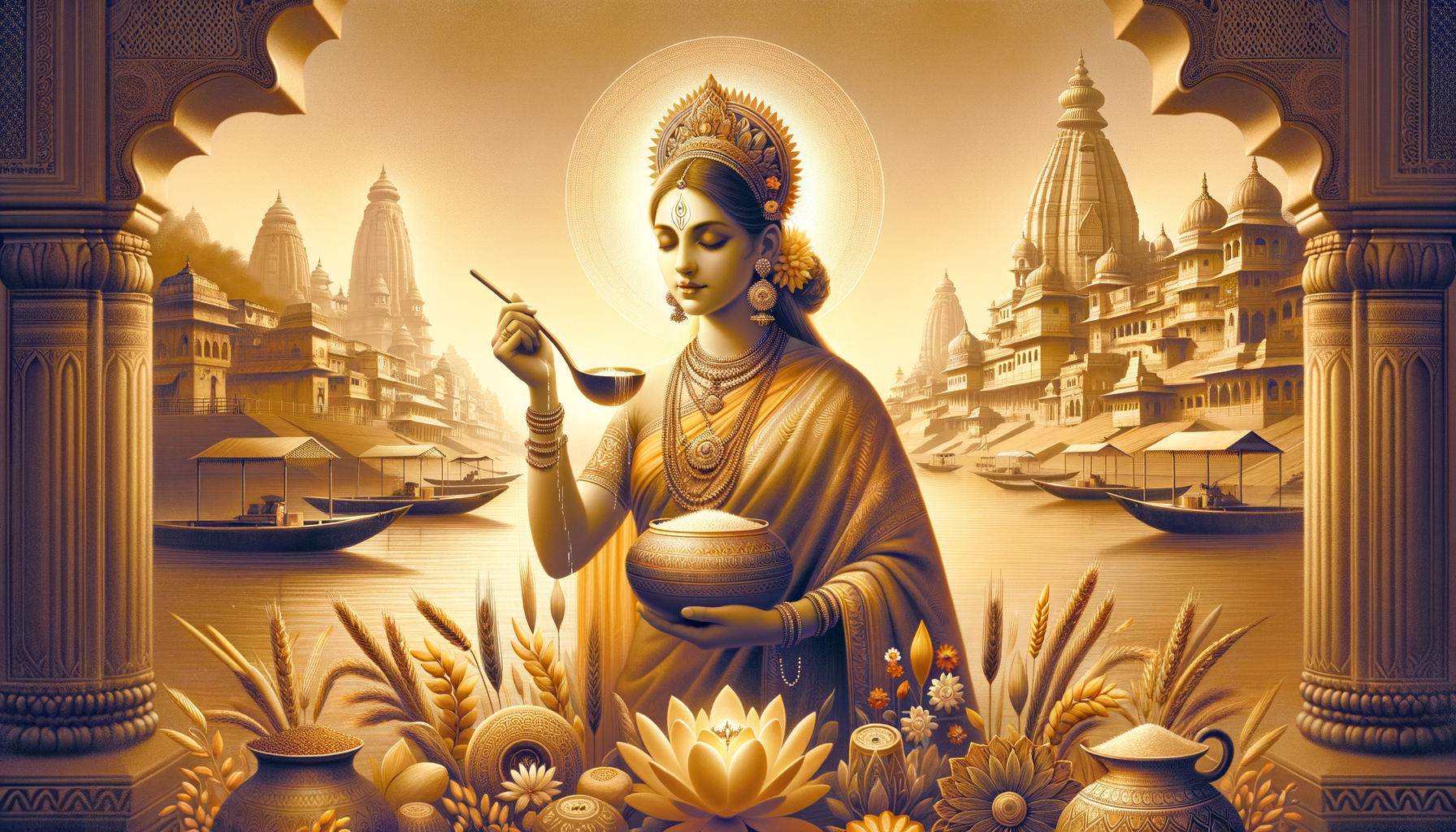
Annapurna Mahatmyam presents Goddess Annapurna as the sacred source of nourishment and communal well-being. The text situates food (anna) as consecrated, making annadāna the supreme gift that sustains life and supports spiritual growth. Rooted in Puranic tradition and associated with Kashi, it unites devotion with practice through community kitchens and ritual recitation. The iconography of…