-
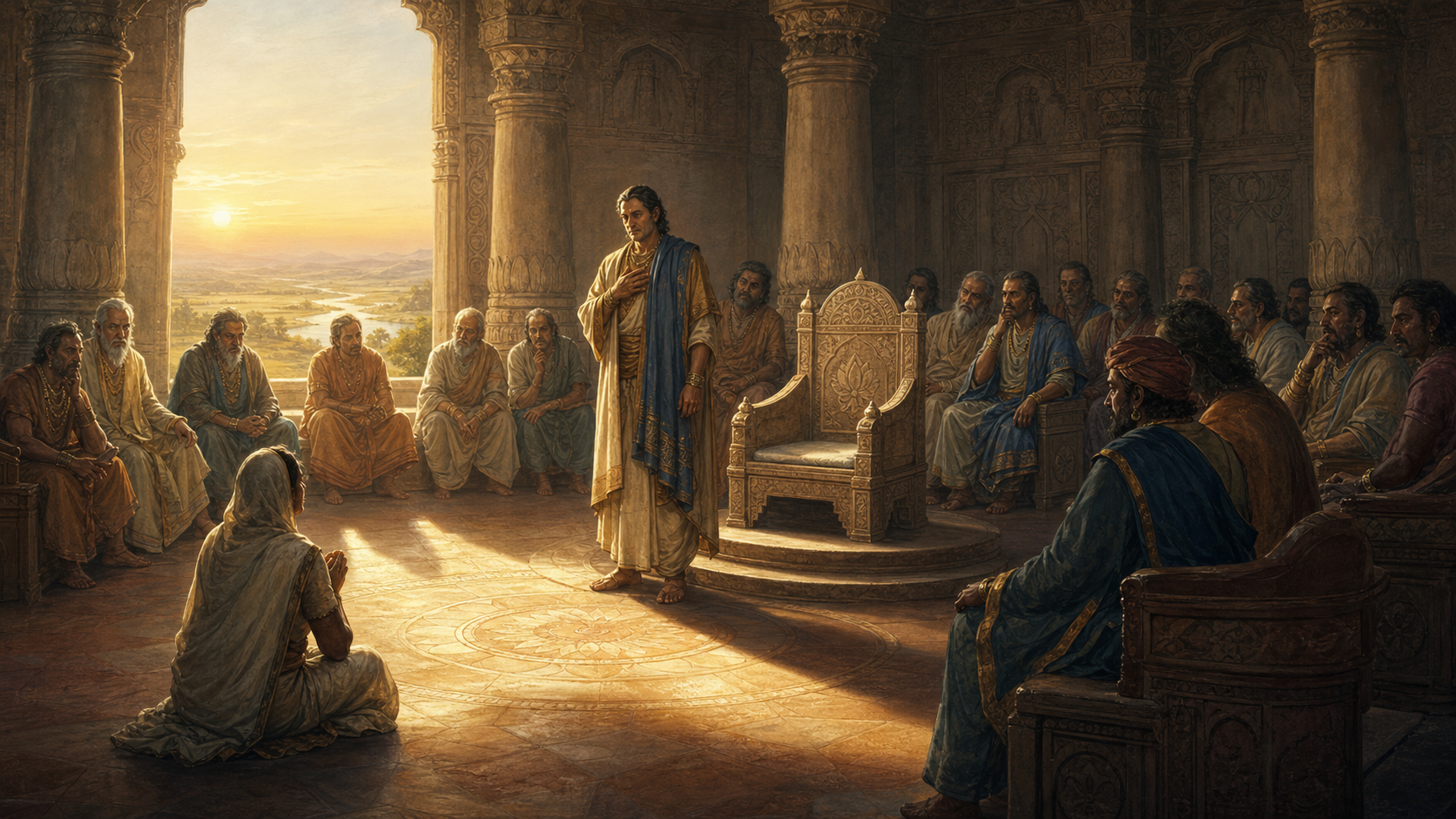
Lord Rama and the Dog: A Timeless Dharma Lesson on Compassionate, Accountable Leadership

This essay examines the Ramayana episode of “Lord Rama and the Dog” as a rigorous lesson in compassionate, accountable leadership for Dharmic institutions. It situates the narrative within the Valmiki Ramayana tradition and highlights how Rama’s court models due process and universal access to justice. By analyzing the dog’s unexpected remedy—appointing the offender as head…
-
Uragas vs. Nagas in Hinduism: Origins, Scriptural References, and Sacred Symbolism

Hindu texts distinguish clearly between uragas and nāgas. Uraga is a generic Sanskrit term for serpents—a poetic synonym alongside sarpa, ahi, and bhujaṅga—while nāga denotes a semi-divine class with genealogy, kingship, and realm (nāga-loka). Epic and Purāṇic narratives feature named nāga personages such as Śeṣa, Vāsuki, and Takṣaka, whose roles in cosmology and ethics far…
-
Rakta Chamundi: Blood-Red Shakti of Wrathful Compassion, Liberation, and Cosmic Balance

Rakta Chamundi, or Raktha Chamundi, embodies the Hindu Goddess as blood-red Shakti: fierce in aspect, compassionate in purpose, and liberative in effect. Grounded in the Devi Mahatmya’s episodes of Chanda, Munda, and Raktabija, she symbolizes a precise ethical force that ends the repetition of harm. Iconography—skull-garland, cremation-ground setting, and Panchamundi Asana—teaches impermanence, vigilance, and mastery…
-
Manasollasa Unveiled: A 12th‑Century Masterwork of Indian Statecraft, Arts, and Cuisine

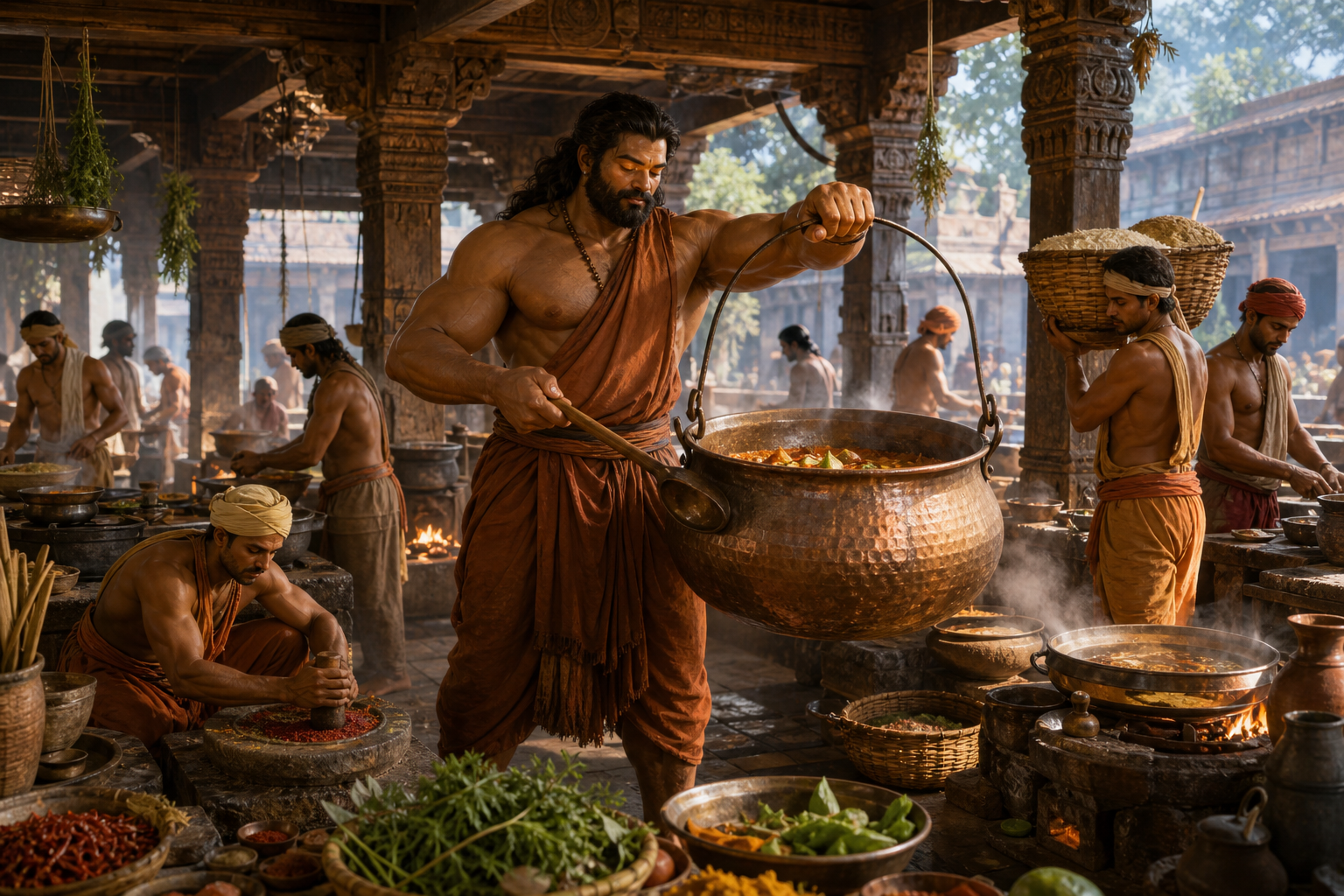
Manasollasa (Abhilashitartha Chintamani) is a 12th‑century Sanskrit encyclopedic treatise by King Someshvara III that integrates statecraft, justice, economy, arts, architecture, music, and culinary science into a single civilizational vision. It details rajadharma, due process, village administration, and fair markets alongside rigorous guidance on hydrology, architecture, and guild regulation. Musicology and dance are situated between Bharata’s…
-
Unlocking Swayamprabha’s Inner Light: Ramayana Symbolism, Feminine Resilience, and Modern Relevance

Swayamprabha’s brief yet pivotal appearance in the Ramayana illuminates how inner luminosity, disciplined through tapas and expressed as seva, can convert heartbreak into creative momentum. Positioned in the Kishkindha Kāṇḍa, her guidance reorients Hanuman’s search party from a dazzling cave of māyā back to purpose, modeling threshold guardianship and ethical hospitality. The symbolism converges with…
-
Sampati’s Timeless Wisdom in the Ramayana: From Want to Need, Abundance Through Surrender

Sampati’s brief but decisive appearance in the Ramayana reframes scarcity and abundance through a Dharmic lens. When the vanaras, depleted and despairing, meet him at the ocean’s edge, his truthful testimony about Sita in Lanka revives their purpose and transforms the mission. The episode traces a movement from unrefined want to disciplined need, showing how…
-
Dhata the Aditya of Well‑Being: Origins, Mantra, Rituals, Iconography—A Comprehensive Guide

Dhata, one of the Dwadasha Adityas and son of Aditi and Kashyapa, is revered as an establisher of cosmic order and a benefactor of health, wealth, and peace. This comprehensive guide explains Dhata’s Vedic etymology, his place among the Adityas, and why traditions often worship him with Mata Lakshmi Devi for holistic well-being. It outlines…
-
Timeless Wisdom of Dhata: The Aditya of Well-Being, Health, and Peaceful Prosperity

Dhata, one of the Adityas and the son of Aditi and Kashyapa, is venerated in Hindu scriptures as a stabilizing force who bestows health, ethical prosperity, and peace. The name Dhata signifies the establisher, linking the deity to creation, order, and benevolent protection across Vedic and Puranic traditions. Devotees commonly invoke OM SRI DHATA DEVAYA…
-
Inside the Narasimha Purana: The Maya Sita Mystery behind Ravana’s Abduction

This essay explores a Puranic reinterpretation—attributed to the Narasimha Purana—of the Ramayana episode in which Ravana kidnaps Sita, proposing that he abducted a divinely fashioned “Maya Sita.” It explains how Agni shelters the true Sita, reframing the Agni-pariksha as a public revelation of truth rather than a punitive ordeal. Readers gain a clear, technical understanding…
-
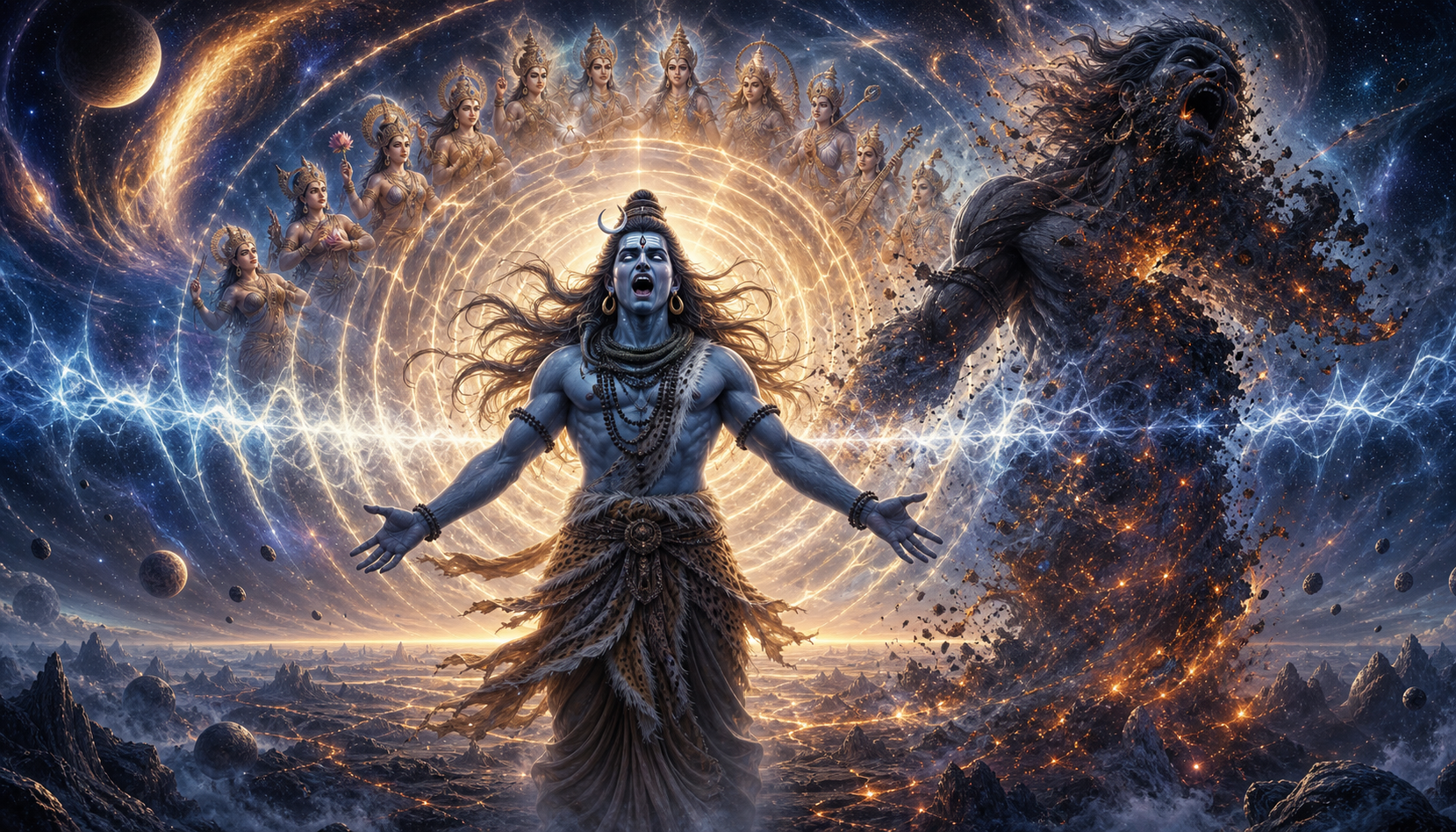
When Shiva Halted Time for King Shveta—and Why the Wise King Chose Order Over Immortality

Skanda Purana’s Kedara Khanda narrates how Shiva conquered Time to protect King Shveta, only for the king to ask that Time be restored for the sake of cosmic order. The episode explores the interplay of divine grace with rta, showing why lawful process remains sacred even when miracles are possible. It models rajadharma by placing…
-
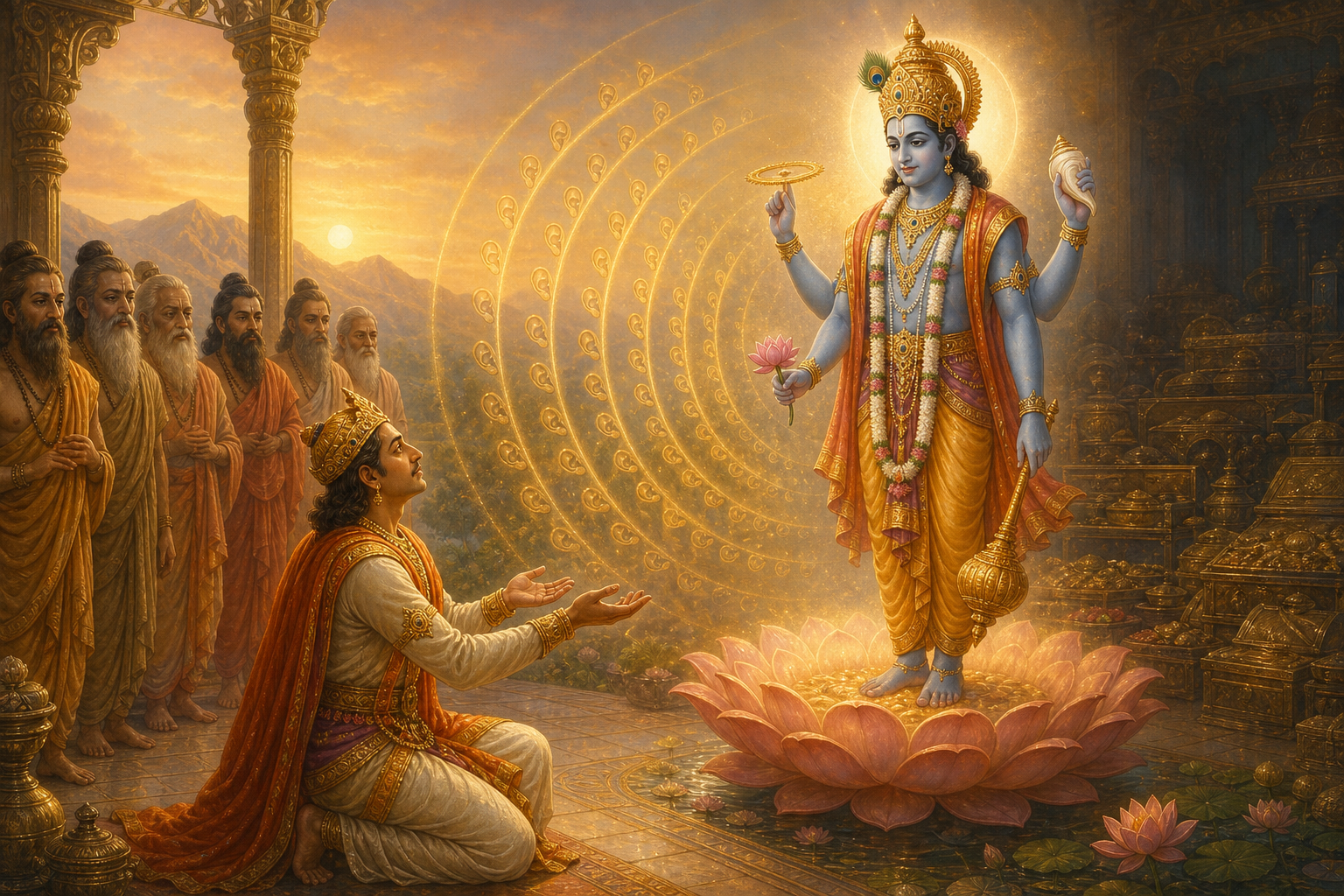
Dvārakā’s Radiant Splendor (SB 10.90.18–20): Divine Opulence, Social Grace, and Harmony

Śrīmad-Bhāgavatam 10.90.18–20 evokes Dvārakā as a model dharmic city where divine presence, social grace, and ethical prosperity converge. The passage situates wealth as a theological outcome of virtue rather than a standalone aim, emphasizing refined leisure, communal safety, and aesthetic culture. Readers gain clarity on Vaishnava theology (aiśvarya versus mādhurya), classical aesthetics (rasa), and the…
-
Rajarshi Mudgala’s Timeless Legacy: The Mudgala Purana, Ganesha’s Eight Avatars, and Puja Vidhi

Rajarshi Mudgala is remembered as a Kshatriya sovereign who attained rishihood through intense tapas and is traditionally linked to the Mudgala Purana, a Ganesha-centered Upapurana. The text offers a lucid map of devotion to Vighneshwara, weaving myth, vrata guidance, mantra-vidhi, puja, and homam into a practical manual. Its hallmark is the teaching on Ganesha’s eight…
-
When the Formless Takes Form: Skanda Purana on Parvati’s Awe‑Inspiring Union with Shiva

This in-depth exploration of the Skanda Purana’s teaching on Goddess Parvati and Lord Shiva presents their union as a precise account of how formless consciousness and living form are inseparably one. Readers will learn how the nirguna–saguna dialectic, familiar from the Upanishads, is rendered experiential through Shaiva iconography such as Ardhanarishvara, the Shivalinga, and Shiva…
-
Decoding Nityānuvāda in Pūrva Mīmāṃsā: How Reiteration Shapes Vedic Meaning and Practice

Nityānuvāda, a core device in Pūrva Mīmāṃsā, explains why the Veda sometimes reiterates what is already known. Rather than creating new duties, it safeguards constant associations and stabilizes practice, complementing vidhi (injunction) without competing with it. Recognizing nityānuvāda helps readers avoid inflating obligations and dissolves apparent scriptural contradictions. The distinction from restrictive vidhis is precise:…
-
Maitrayaniya (Maitri) Upanishad: Origins, Structure, Sixfold Yoga, and Transformative Wisdom

The Maitrayaniya (Maitri) Upanishad of the Krishna Yajurveda blends Vedanta and early Yoga with unusual precision, making it a key late-Upanishadic text. It analyzes time and the timeless, the mind’s role in bondage and freedom, and the threefold nature of suffering, while culminating in a concise sixfold Yoga. Readers gain a clear map from inquiry…
-
Seeing Govinda Everywhere: The mahabhagavata’s Transformative Path of Exclusive Bhakti (SB 7.7.55)

This analysis of SB 7.7.55, as explored in a morning Srimad Bhagavatam class by HH Guru Prasad Swami Maharaj at ISKCON Delhi, explains why the ultimate goal of life is exclusive devotion to Govinda and how mature realization expresses itself as seeing the Divine everywhere. It clarifies the mahabhagavata’s vision within Gaudiya Vaishnava theology (acintya-bheda-abheda)…
-
Jara’s Arrow and Krishna’s Departure: Time, Dharma, and the Eternal Law of Transformation

The narrative of Jara’s arrow and Krishna’s departure, preserved in the Mahabharata and Bhagavata Purana, encodes a rigorous meditation on time, dharma, and karmic causality. By exploring the Sanskrit semantics of jarā (old age) and the story’s careful framing within prophetic and ethical horizons, the episode becomes a study of impermanence and intentional closure. It…
-
Decoding Ravana’s Pushpaka Vimana: Pishacha‑Faced Mules, War Chariots, and Dharma’s Warning

This in-depth analysis clarifies a frequent confusion in Ramayana studies by distinguishing Ravana’s mule-drawn war-chariot—often depicted with piśāca-like faces—from the Pushpaka Vimana, the celestial, self-propelled vehicle reclaimed by Rama. Drawing on Valmiki’s Ramayana and southern vernacular traditions such as Kambaramayanam, it explains how these images function in classical aesthetics (rasa) and dharma ethics. The mule…