-
Shaubhari Muni’s Fall and Redemption: A Bhagavatam Lesson on Pride, Grace, and Sense Control

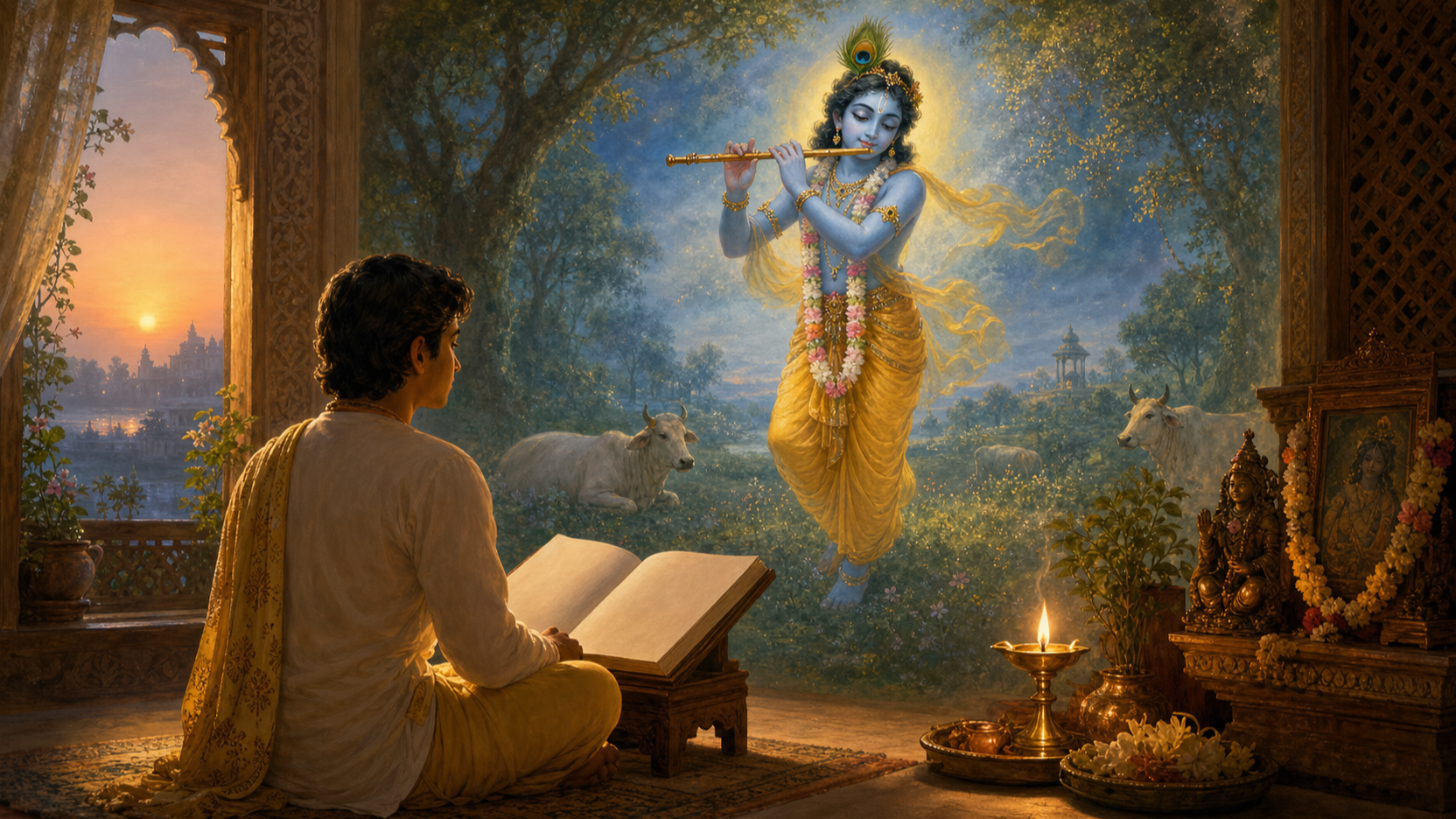
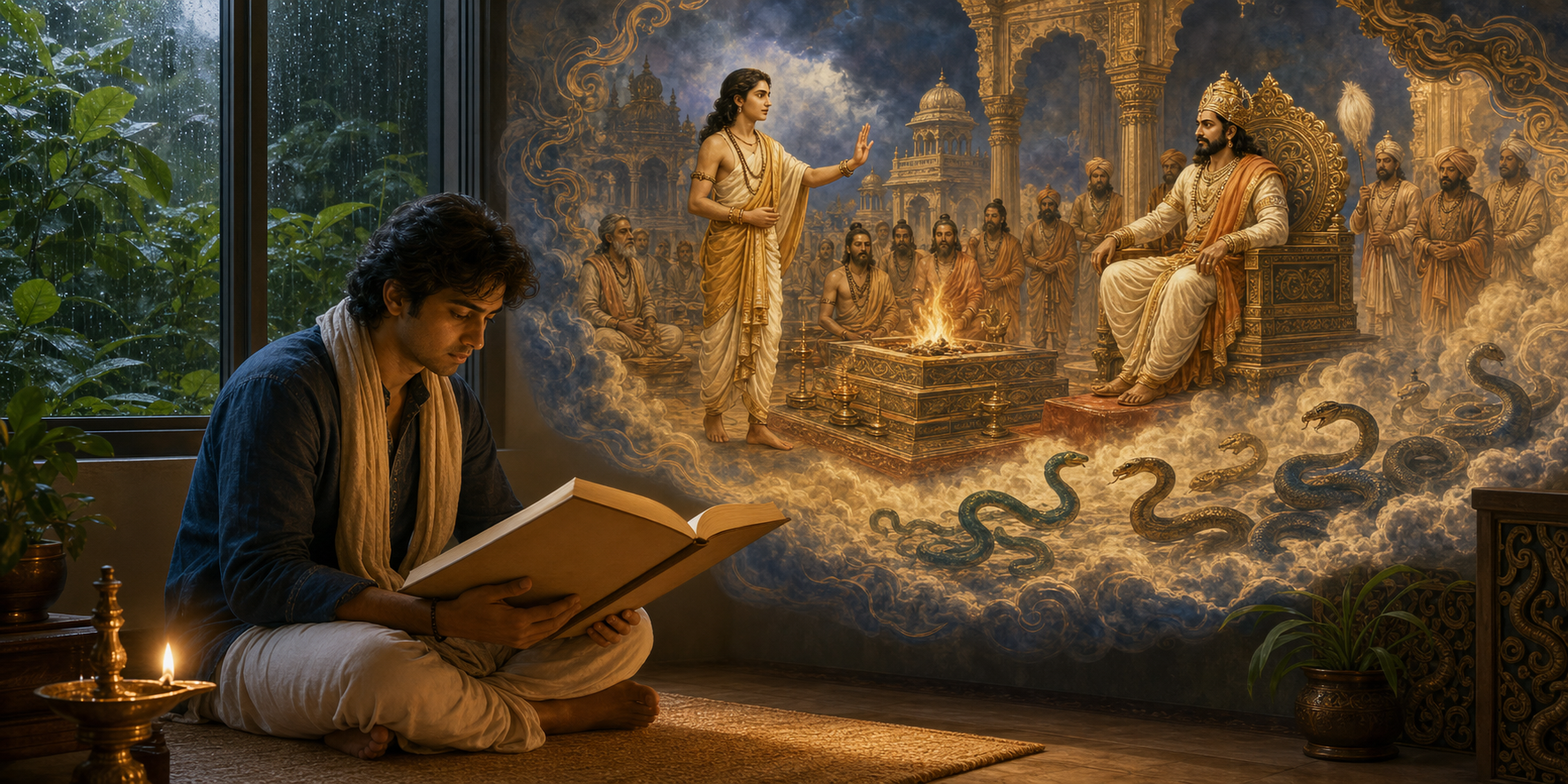
The Ninth Canto narrative of Shaubhari Muni in the Srimad Bhagavatam offers a rigorous lesson on the limits of yogic power without humility and divine grace. A single offense to Garuda precipitates the muni’s vulnerability to Maya, demonstrating how aparadha toward saintly beings clouds discernment and destabilizes sense control. The episode traces a full arc—asceticism,…
-
Gurbani as a Living Mirror: How Shabad-Guru Reflects, Heals, and Guides the Inner Life

Gurbani is presented as a mirroring companion—Shabad-Guru that reflects inner patterns, steadies the heart, and aligns conduct with hukam. The article explains how the scripture’s musical architecture (rāg), multi-lingual texture, and ethical imperatives work together to cultivate sehaj. It clarifies practical modes of engagement—kirtan, Naam Simran, hukamnama, and daily rhythms like Japji Sahib, Rehras Sahib,…
-
Lankapuri’s Golden Splendor: Ramayana’s City on Trikuta and a Timeless Warning on Greed

Lankapuri, the golden city of the Ramayana, unites mythic splendor with ethical instruction by showcasing how dharma tempers power and prosperity. Fashioned by Vishvakarma and set upon Mount Trikuta, Lanka’s luminous architecture, maritime horizons, and courtly spectacle are balanced by a sharp critique of lobha—greed. The narrative contrasts Kubera’s trusteeship of wealth with Ravana’s extractive…
-
Srimad Bhagavatham Explained: A Definitive Guide to the 12 Cantos of Bhagavata Purana

Srimad Bhagavatham (Bhagavata Purana) distills the heart of bhakti through twelve cantos and 18,000 verses within a compelling narrative of Parikshit’s seven-day dialogue with Shuka. This long-form guide clarifies the structure of the text and highlights major narratives such as Dhruva, Prahlada, Ajamila, and Gajendra, culminating in the Krishna-lila of Canto 10. It outlines core…
-
Ishavasya Upanishad on Lobha: Renounce to Rejoice, Practice Aparigraha, Heal Society

The Ishavasya Upanishad opens with a concise yet sweeping ethic that links metaphysics to daily conduct: if all is pervaded by the sacred, then enjoyment must be tempered by renunciation and freedom from greed. This piece unpacks the opening mantra philologically and philosophically, clarifying how “tena tyaktena bhuñjīthā” can mean both to enjoy and to…
-
Ecstatic Love Unveiled: Sri Radha’s Luminous Eyes and Krishna’s Supreme Rasa Alchemy

This concluding essay in a nine-part exploration of Sri Radha’s eyes situates Her gaze within the Gaudiya Vaiṣṇava theology of mahabhāva and Kṛṣṇa’s sovereignty over spiritual rasa. It explains how the classical elements of rasa—vibhāva, anubhāva, vyabhicāri-bhāvas, and sthāyī-bhāva—illuminate the devotional and symbolic power of Rādhā’s eyes. Drawing on Hindu scriptures and devotional poetics, it…
-
Krishna’s Transformative Grace: From Nigranta to Devotional Service (SB 1.7.10)

This article explores how attraction to Krishna, as discussed in commentarial treatments of SB 1.7.10, draws any soul—regardless of birth, wealth, or education—into devotional service. It clarifies the analytical use of the term nigranta and reframes it inclusively, showing that spiritual eligibility in bhakti depends on sincerity rather than status. The transformation of Mṛgāri the…
-
Profound Insights from Srimad-Bhagavatam 11.9.15: Avadhuta’s 24 Gurus for Inner Unity

Srimad-Bhagavatam 11.9.15 sits inside the Avadhuta brāhmaṇa’s curriculum of twenty-four teachers, showing how equanimity, detachment, and devotion are cultivated by learning directly from nature and human experience. This analysis, informed by the class of HH Bhakti Vighna Vinasa Narasimha Swami Maharaj, explains the verse’s role in stabilizing attention, refining ethical judgment, and anchoring spiritual practice…
-
Mahabharata’s Fierce Reckoning: Jayadratha, Kichaka, and Dharma’s Unforgiving Verdict

This analysis examines how the Mahabharata adjudicates unrestrained desire through the intertwined fates of Jayadratha and Kichaka. It shows how Dharma calibrates justice—humiliation when restraint advances stability, and decisive force when protection of the vulnerable demands it. Readers gain a clear view of Rajadharma, Dandaniti, Apaddharma, and the atatayin doctrine, applied to real narrative crises.…
-
Shreyas vs Preyas: Katha Upanishad’s Timeless Guide to What Truly Lasts in Life

The Katha Upanishad presents a precise framework for choosing between what is permanent (śreyas) and what is fleeting (preyas), dramatized in the dialogue between Naciketas and Yama. It clarifies how prosperity and pleasure can be integrated under dharma and directed toward moksha, rather than rejected. The chariot allegory offers a technical model of inner governance—senses,…
-
Jagath Samhara Moorthy: How Shiva’s Cosmic Dissolution Fuels Renewal and Liberation

Jagath Samhara Moorthy—Shiva as the cosmic dissolver—expresses a lawlike rhythm in Hindu cosmology where endings prepare the ground for renewal. Drawing on the Puranas, Upanishads, and Shaiva philosophy, the article clarifies how samhara operates within the five divine acts: creation, maintenance, dissolution, concealment, and grace. It explains the four types of pralaya and situates them…
-
Daily Rashi Stotrams: Precise Moon‑Sign Prayers to Strengthen Mind, Karma, and Well‑Being

Rashi Stotrams are daily prayers aligned with the Moon sign (Janma Rashi) in Hindu astrology, designed to steady the mind and harmonize karmic tendencies through sacred sound. This guide explains how to select the appropriate hymn using classical sign-lordship, then details practical recitation advice for all twelve rashis—from Mesham (Aries) through Meenam (Pisces). It clarifies…
-
Ravana Grounded: Kamban’s Earthbound Abduction of Sita and the Curse That Altered Dharma

This analysis explores how Kamban’s Tamil Iramavataram reshapes the abduction of Sita into an earthbound ordeal governed by a curse that limits Ravana’s agency. In contrast to Valmiki’s aerial abduction, Kamban’s version compels Ravana to carry Sita upon a slab of earth, intensifying witness, pathos, and ethical indictment. The study situates Kamban historically and theologically,…
-
How Abhimanyu’s Unjust Death Became Kurukshetra’s Moral Pivot and the Kauravas’ Downfall

The thirteenth day of the Mahabharata’s Kurukshetra War became a moral and strategic turning point when Abhimanyu, isolated inside the Chakravyuha, was killed in manifest violation of Dharma-Yuddha. The Kauravas’ many-on-one assault, disarming of a youth, and final mace blow against an unarmed warrior gained a tactical kill but forfeited legitimacy. Arjuna’s vow to slay…
-
Unveiling the Abhūtarājasas: Inside the Fifth Manvantara’s Forgotten Deva Gana

The Abhūtarājasas—also known as Abhutarayas or Abhutarajasas—are a fourteen-member deva-gana assigned to the fifth Manvantara under Raivata Manu, as preserved in Purāṇic sources such as the Viṣṇu Purāṇa and the Bhāgavata Purāṇa. This article clarifies their place in Hindu cosmology, explains the Manvantara framework, and unpacks the philology of their name as a guna-inflected descriptor.…
-
Goddess Trikala: Uniting Trimurti and Tridevi as the Timeless, All-Seeing Power of Shakti

Goddess Trikala synthesizes Hinduism’s core triads—past, present, future and creation, preservation, dissolution—into a single, time-enfolding vision of Shakti. Drawing on Purāṇic patterns in which the Goddess emerges from aggregated divine energies, Trikala Devi is interpreted as arising from the unified gaze and essences of the Trimurti. The article analyzes iconographic analogies (tri-netra, color triads, composite…
-
Challenging the Divine: How Sacred Confrontation in Hinduism Ignites Profound Enlightenment

Hindu scriptures and the wider dharmic traditions advance a bold claim: authentic enlightenment often arises through disciplined questioning and even confrontation with the divine. Far from promoting irreverence, this dialogical method integrates reason, devotion, and lived experience to clarify dharma and realize moksha. Case studies from the Upanishads, the Bhagavad Gita, and the Mahabharata show…
-
Kamyakali Unveiled: The Desire-Fulfilling, Fierce-Compassionate Power of Goddess Kali

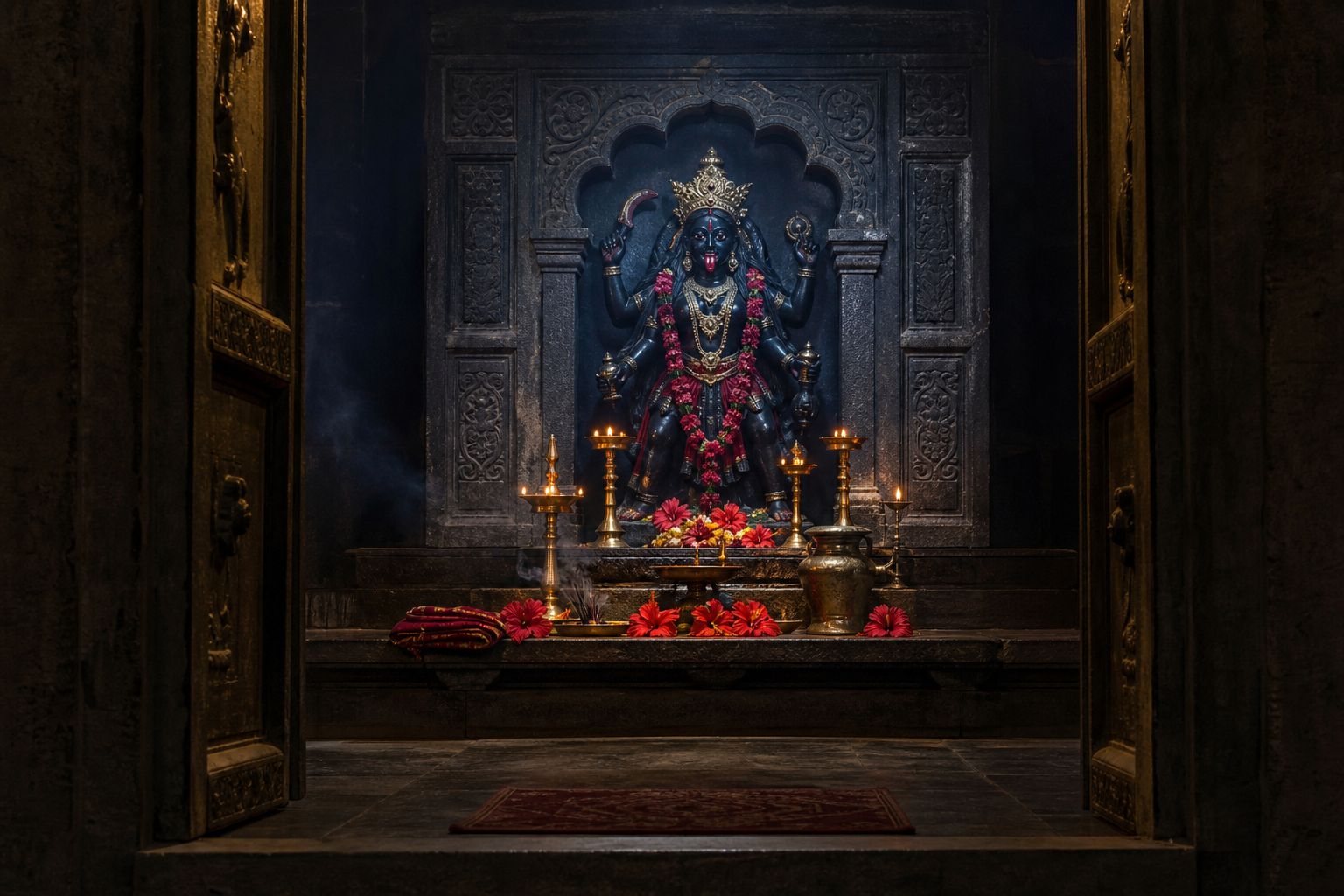
Kamyakali is venerated in Shakta traditions as a form of Goddess Kali who unites fierce protection with maternal compassion while fulfilling desires aligned with dharma. The discussion clarifies the Sanskrit root of kāmya, connecting it to ethical, purpose-driven worship rather than unexamined craving. It explores Kali’s core iconography and explains how Kamyakali highlights blessing gestures…