-
Queen Leela and King Padma in Yoga Vasistha: The Eternal Dance of Desire, Time, and Liberation

This long-form exploration of Queen Leela and King Padma in the Yoga Vasistha unpacks how consciousness, desire, and time interweave to produce the felt world. Readers learn why the text situates death and rebirth within the triad of gross, subtle, and causal bodies, clarifying continuity without clinging. The analysis translates core methods—shravana, manana, nididhyāsana, and…
-
Mahānārāyaṇa Upaniṣad Explained: Ritual, Meditation, and Vedic Wisdom for a Unified Dharma

The Mahānārāyaṇa Upaniṣad, preserved as the tenth prapāṭhaka of the Taittirīya Āraṇyaka in the Krishna Yajurveda, unites ritual precision, meditative upāsanā, and nondual wisdom into a coherent path. It anthologizes revered Vedic mantras—such as the Nārāyaṇa, Durga, and Medhā Sūktas—while interiorizing yajña through prāṇāgnihotra and contemplations on Oṃ and the vyāhṛtis. Its theology is inclusivist,…
-
When and How to Read, Recite, Chant, and Hear Śrīmad-Bhāgavatam: A Practical Guide for Daily Sādhana

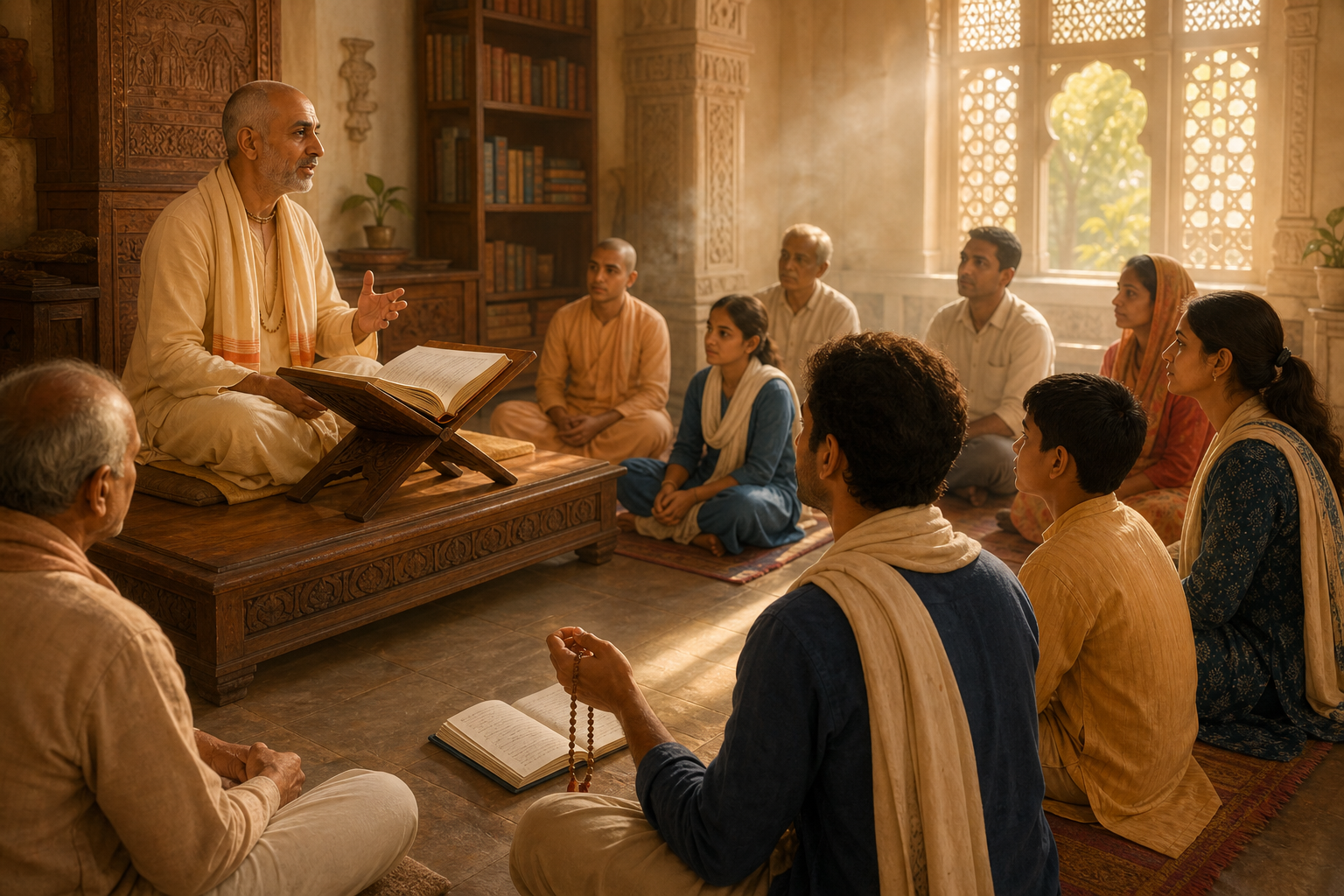
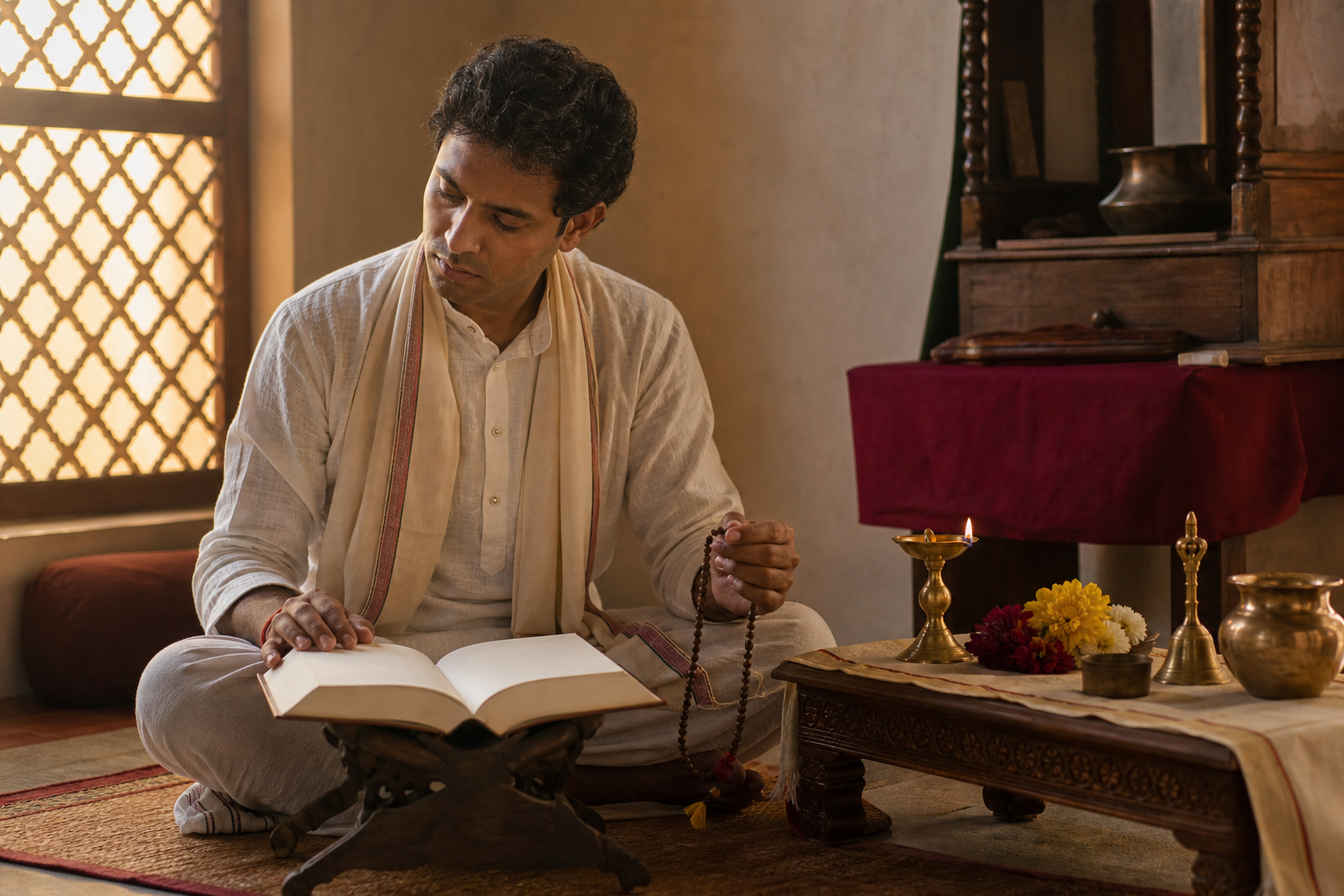
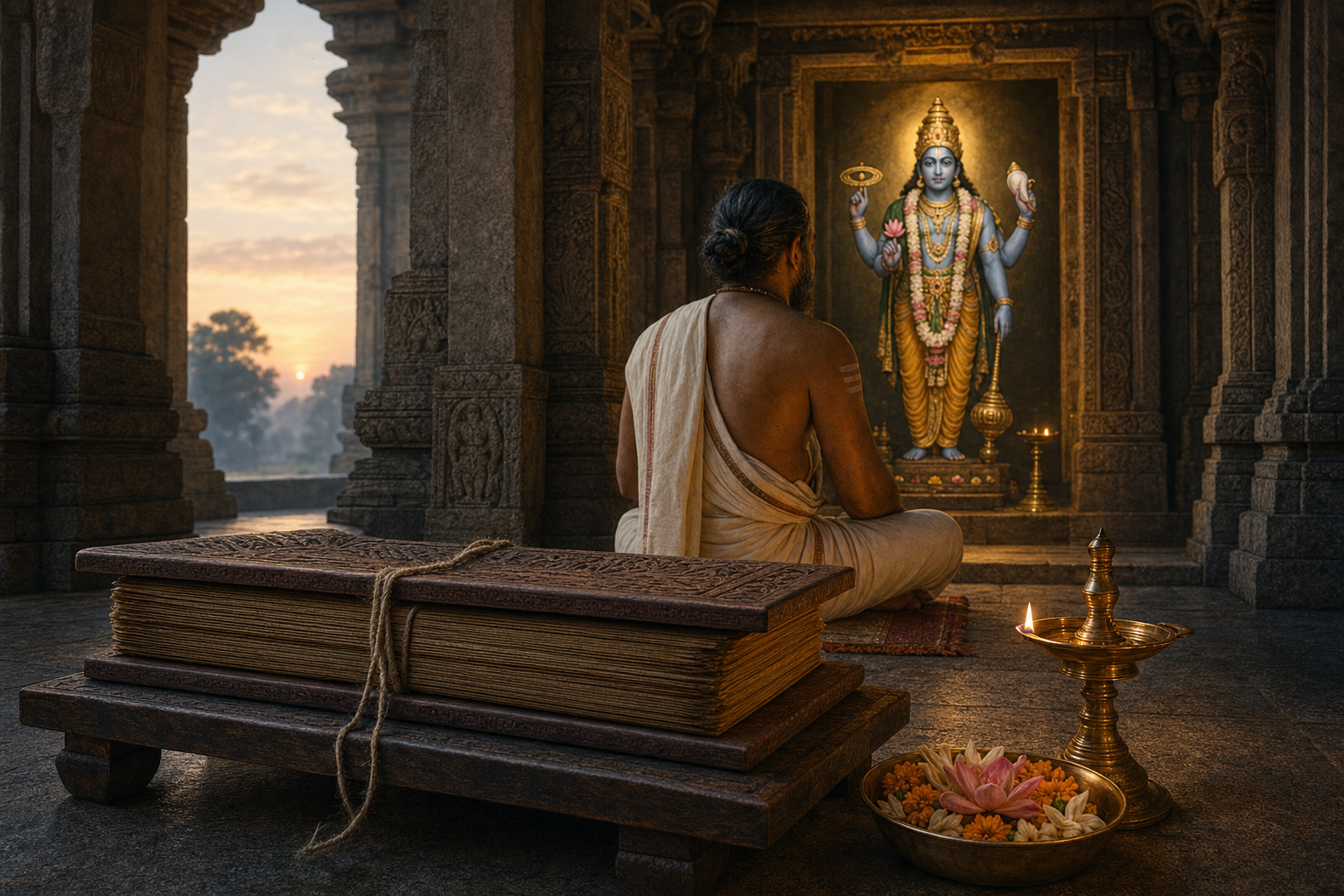
Śrīmad-Bhāgavatam offers a complete pathway of practice through reading, recitation, chanting, and attentive hearing that is practical for modern life. This guide explains when to engage—Brahma-muhūrta, sandhyā times, Ekādaśī, and Kārtika—and how to prepare a sattvic environment for steady sādhana. It clarifies differences between svādhyāya, pārāyaṇa, kīrtana/japa, and śravaṇa, and shows how to combine them…
-
Decoding Pratigara: The Sacred Response that Powers Dialogue in Vedic Yajña Rites

This article unpacks pratigara—the sacred response or assent—in Vedic yajña as a precise, timed, and theologically charged reply that authorizes ritual action. It situates pratigara within the fourfold priestly system (hotṛ, adhvaryu, udgātṛ, brāhmaṇ) and explains how call-and-response exchanges keep the rite synchronized with ṛta. Readers gain a clear sense of how oṃ or astu…
-
Beyond Indra’s Heaven: King Arishtanemi’s Bold Renunciation and Yoga Vasishta’s Vairagya

The opening narrative of the Yoga Vasishta, where King Arishtanemi declines Indra’s heaven, distills the text’s core teaching: lasting freedom arises from vairagya (renunciation) grounded in clear discrimination (viveka). Rather than reject joy, the king outgrows the promise of celestial pleasure by recognizing its impermanence and karmic limits. This analysis situates the story within Yoga…
-
Definitive 9‑Lecture Journey into the Bhagavad Gita with Prof. Ithamar Theodor

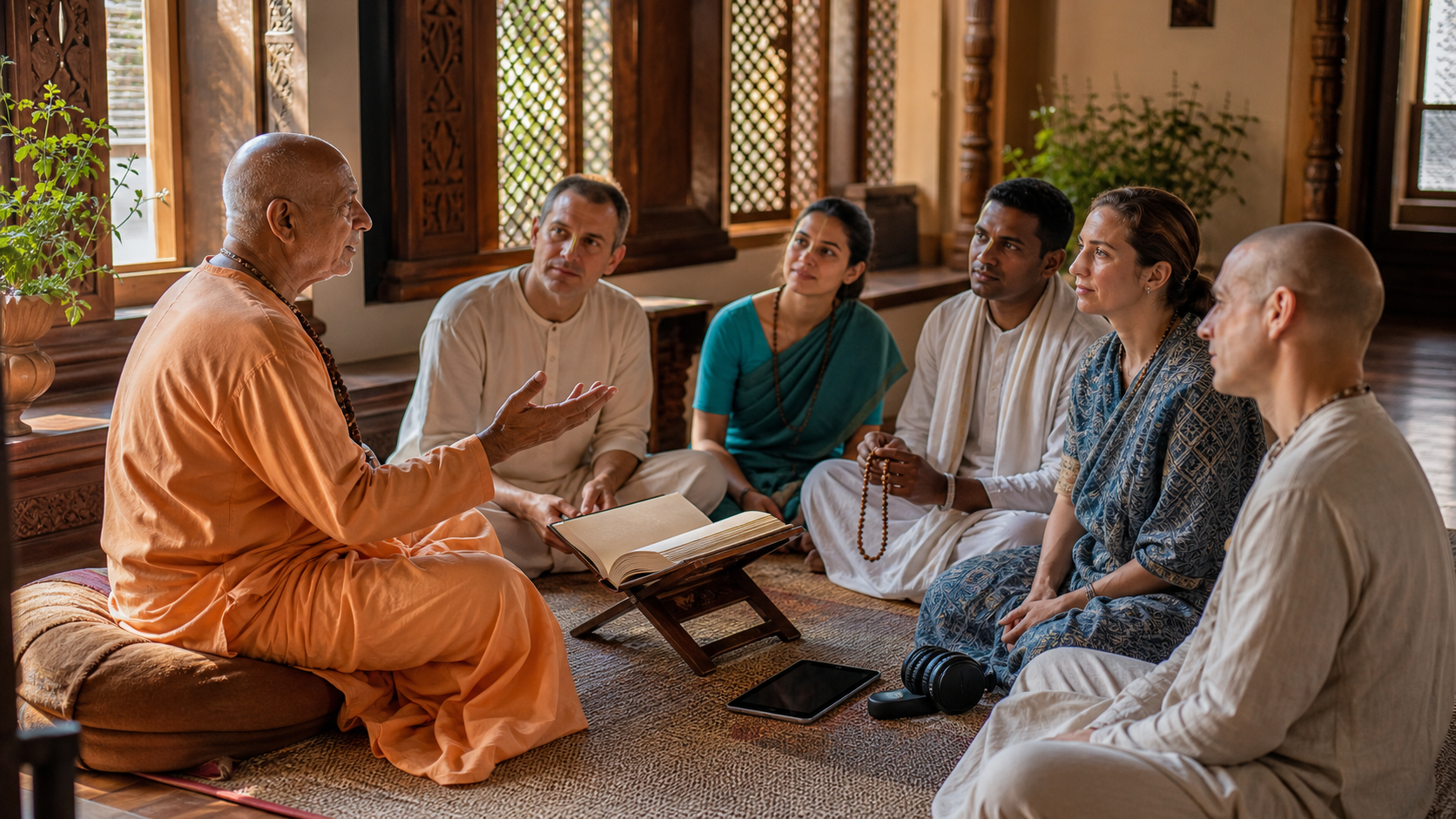
This nine‑lecture series at Bhaktivedanta Research Center presents a rigorous, text‑based journey through the Bhagavad Gita with Prof. Ithamar Theodor, uniting academic clarity and contemplative depth. Participants gain historical context, philological literacy, and a comparative understanding of Advaita, Visistadvaita, and Dvaita interpretations. Core teachings on Dharma, Karma Yoga, Jnana Yoga, and Bhakti Yoga are examined…
-
Madanaratna (Madanapradipa): The Timeless Dharmashastra Masterwork Illuminating Hindu Law

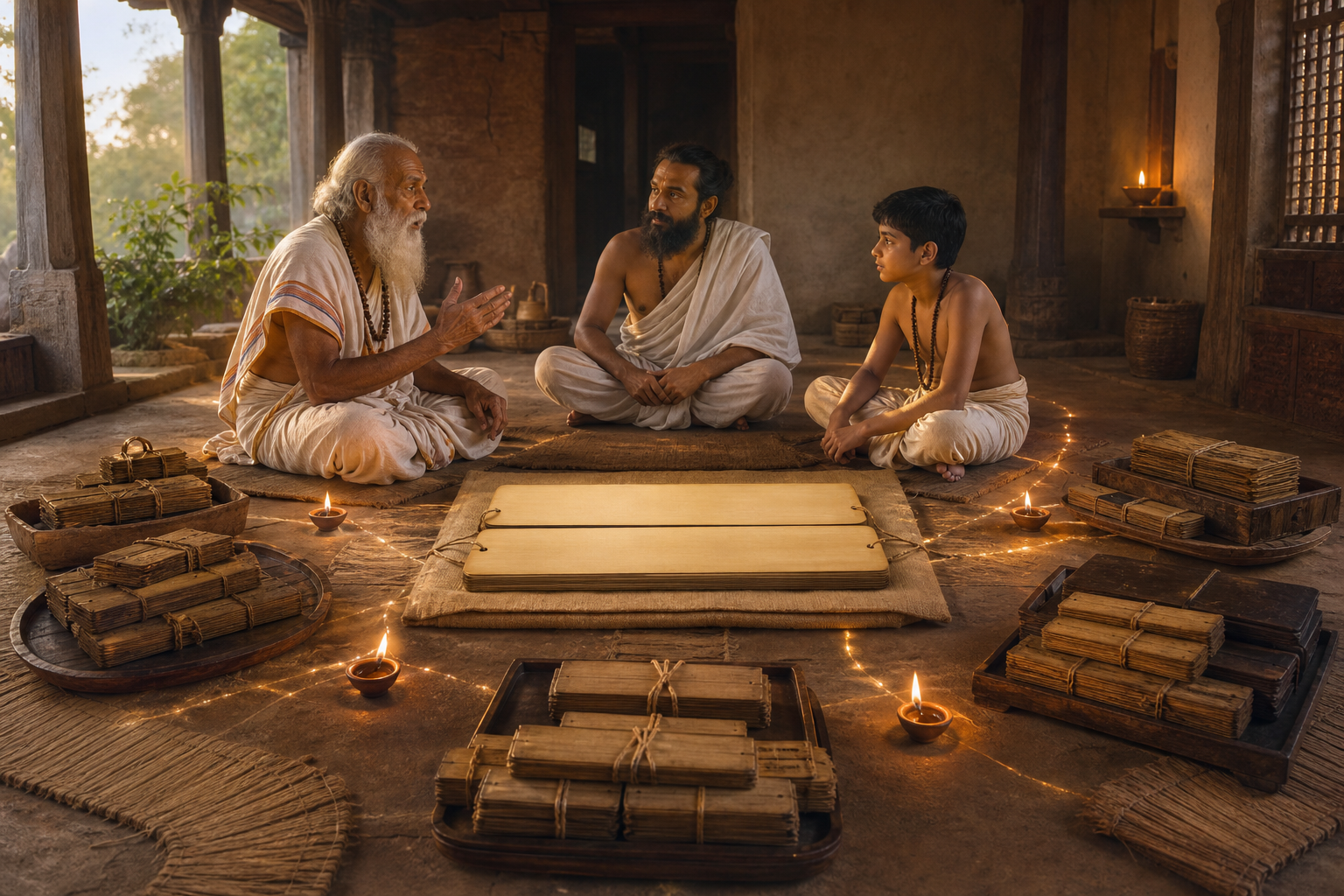
Madanaratna (also known as Madanaratnapradipa or Madanapradipa) is a major Dharmashastra digest attributed to Vishwanatha, son of Bhattapujya, that consolidates Hindu legal, ethical, and ritual norms into a practical jurisprudence. It organizes doctrine across achara, vyavahara, and prayaschitta while engaging classical Smriti sources and renowned commentaries such as Mitakshara and Dayabhaga. The work’s method honors…
-
Bhagavatam 3.33.27–37 on Grihastha Dharma: Practical, Compassionate Guidance for Marriage

This study synthesizes Srimad Bhagavatam 3.33.27–37 with practical counsel from the Garuda Purana to present a compassionate, contemporary roadmap for marriage. It frames grihastha dharma as a path of sadhana where character, shared values, and daily practice convert routine duties into spiritual growth. Readers gain a clear, three-layer decision model for partner selection—values and dharma…
-
Dhruva’s Eternal Star: Powerful Symbolism, Dharmic Unity, and Practical Lessons for Today

This article decodes the symbolism of Dhruva—both the legendary prince of the Bhagavata Purana and the civilizational North Star in Hindu symbols—as a precise guide to inner stability and ethical leadership. It situates the story in Vishnu Purana and Srimad-Bhagavatam (Skandha 4), explains its cosmological and psychological layers, and shows how tapas, mantra, and guru-guidance…
-
When Kings Fail: Ramayana’s Timeless Blueprint for Rajadharma and Good Governance

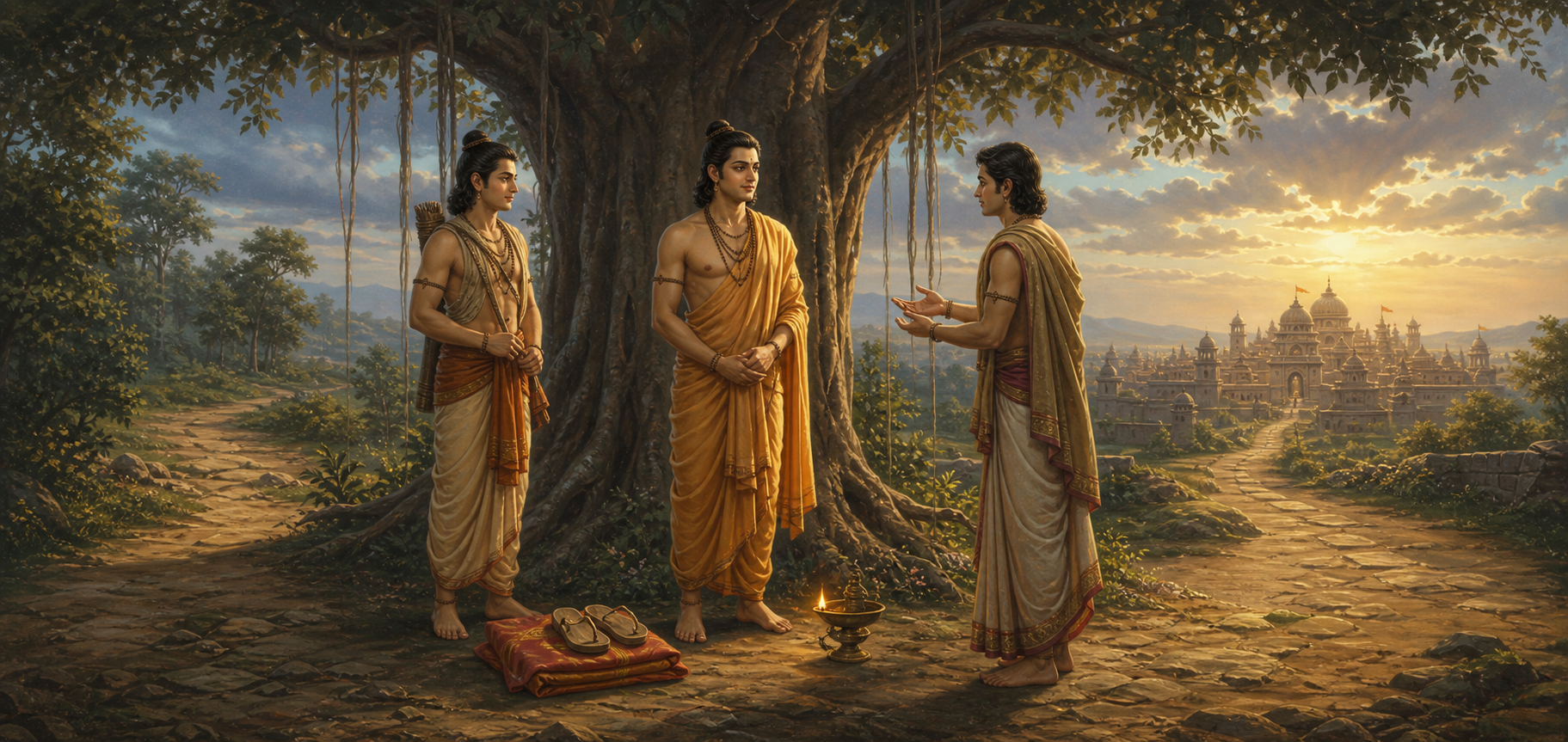
This long-form analysis demonstrates how the Ramayana functions as a living manual of rajadharma, diagnosing the social symptoms of failed leadership and prescribing practical remedies. It explains the timeless concept of matsya-nyāya, the legal vacuum where the strong prey on the weak, and shows how Vibhishana’s counsel to Ravana outlines a ruler’s core duties in…
-
Inattentive Chanting Decoded: Bhaktivinoda Thakura’s Keys to Conquer Restlessness and Deepen Japa

This in-depth guide distills Srila Bhaktivinoda Thakura’s Harinama-cintamani on inattentive chanting, identifying indifference, laziness, and restlessness as the three core obstacles to quality japa. It explains why rushing through “prescribed rounds” is a red flag for restlessness and offers practical, research-aligned protocols to restore calm focus. Readers learn how to design a supportive environment, synchronize…
-
Loka Saṅgraha in the Bhagavad Gita: Powerful Ethics for Leadership, Duty, and Social Order

Loka saṅgraha—welfare and cohesion of the world—is the Bhagavad Gita’s public-spirited anchor for Karma Yoga and ethical leadership. Rooted in verses 3.20–3.26, it unites inner freedom with responsible action, guiding leaders to serve by example and to act without attachment. The concept emphasizes integration rather than control, advancing social harmony, trust, and the flourishing of…
-
Why Halahala Emerged First: Profound Life Lessons and Dharma Insights from Samudra Manthan

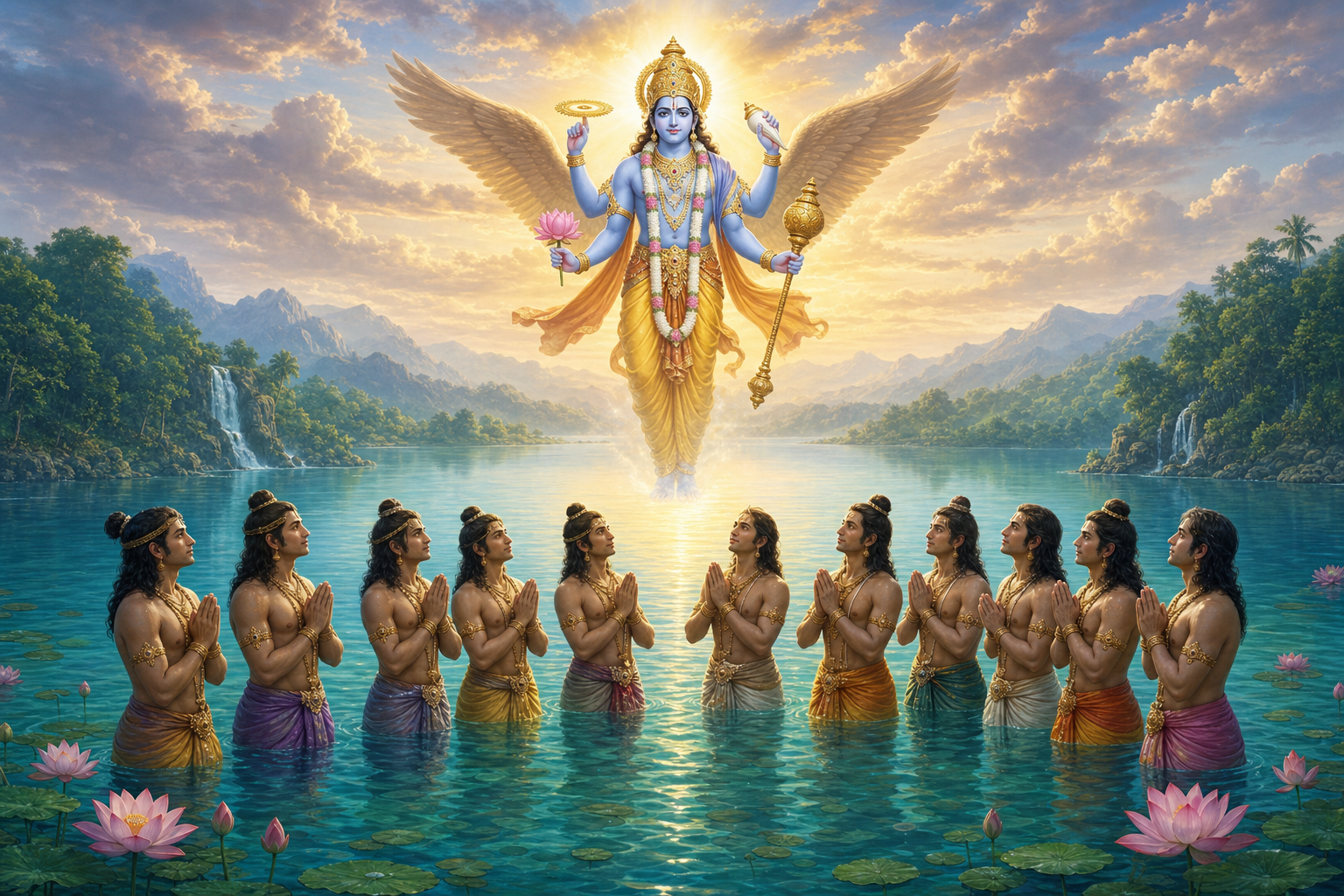
Why did poison arise before nectar during Samudra Manthan? This analysis draws on the Bhagavata Purana and Vishnu Purana to explain the precise sequence—how halahala surfaces first, how Shiva’s Neelakantha containment averts catastrophe, and why treasures and amrita emerge only after purification. It connects the myth’s grammar to psychology, yoga, Ayurveda, leadership, and governance, showing…
-
Child Sita’s Mercy Stops Dasharatha’s Ashvamedha Horse: A Timeless Lesson in Dharma

A lesser-known Ramayana tradition recounts child Sita protecting King Dasharatha’s Ashvamedha yajna horse, transforming a display of sovereignty into a lesson in compassion. Situated within the technical history of Vedic ritual, the episode illuminates how dharma transcends mechanical observance and centers ahimsa. While the Ashvamedha affirmed political order through a wandering, consecrated horse, Sita’s intervention…
-
Srimad Bhagavatam 10.13.4–11: Kṛṣṇa as yajña-bhuk in a Dazzling Vraja-Līlā of Love and Wisdom

Srimad Bhagavatam 10.13.4–11 portrays Kṛṣṇa as yajña-bhuk—the supreme enjoyer of offerings—while sitting in the affectionate circle of Vraja’s cowherd boys, uniting transcendence with intimacy. The passage reframes ritual logic: the forest meal functions as a living yajña where bhāva (devotional intention) consecrates food into prasāda. Iconographic details (flute, horn bugle, and staff) are not ornaments…
-
Behind the Tree or Face to Face? Unmasking Vali’s Death and Dharma Across Ramayanas

The contested question of whether Rama slew Vali from concealment or in open combat reveals a spectrum of ethical reasoning across Hindu scriptures and regional Ramayanas. By tracing Valmiki’s Kishkindha narrative alongside the Adhyatma Ramayana, Kamba Ramayanam, Ramcharitmanas, and eastern and southern vernacular retellings, the episode emerges as a sustained inquiry into rajadharma, sharanagati, and…
-
Draupadi’s Two Boons and a Refusal: Dharma’s Quiet Triumph over the Kuru Court in the Mahabharata

The Dyuta Sabha in the Mahabharata showcases Draupadi’s precise ethical reasoning and strategic restraint: she accepts two boons from Dhritarashtra to restore the Pandavas’ freedom and dignity, then refuses a third to avoid greed. This analysis clarifies the legal-dharmic core of her challenge to the Kuru court—capacity and consent—while situating the episode in Sabha Parva…