-
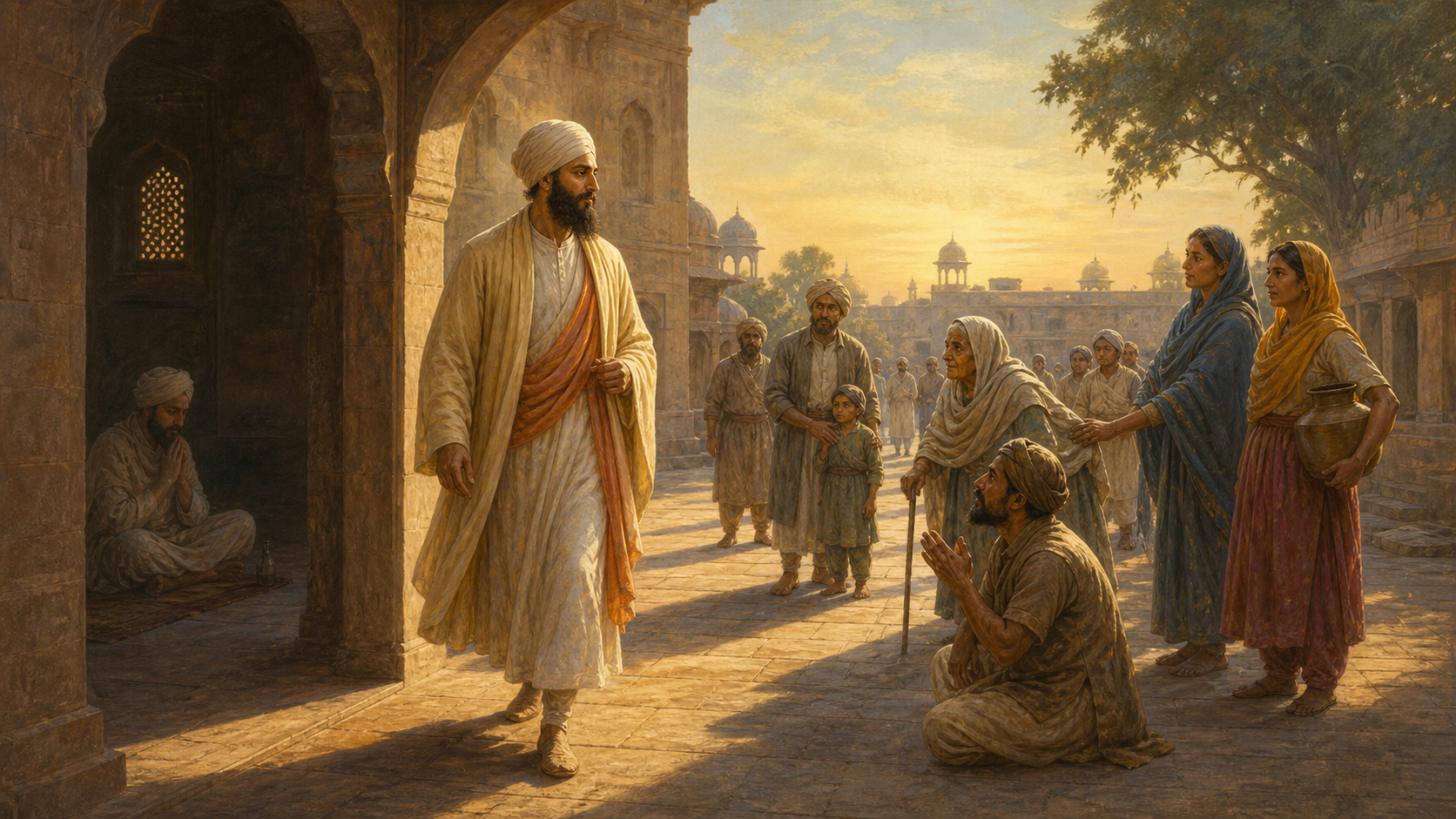
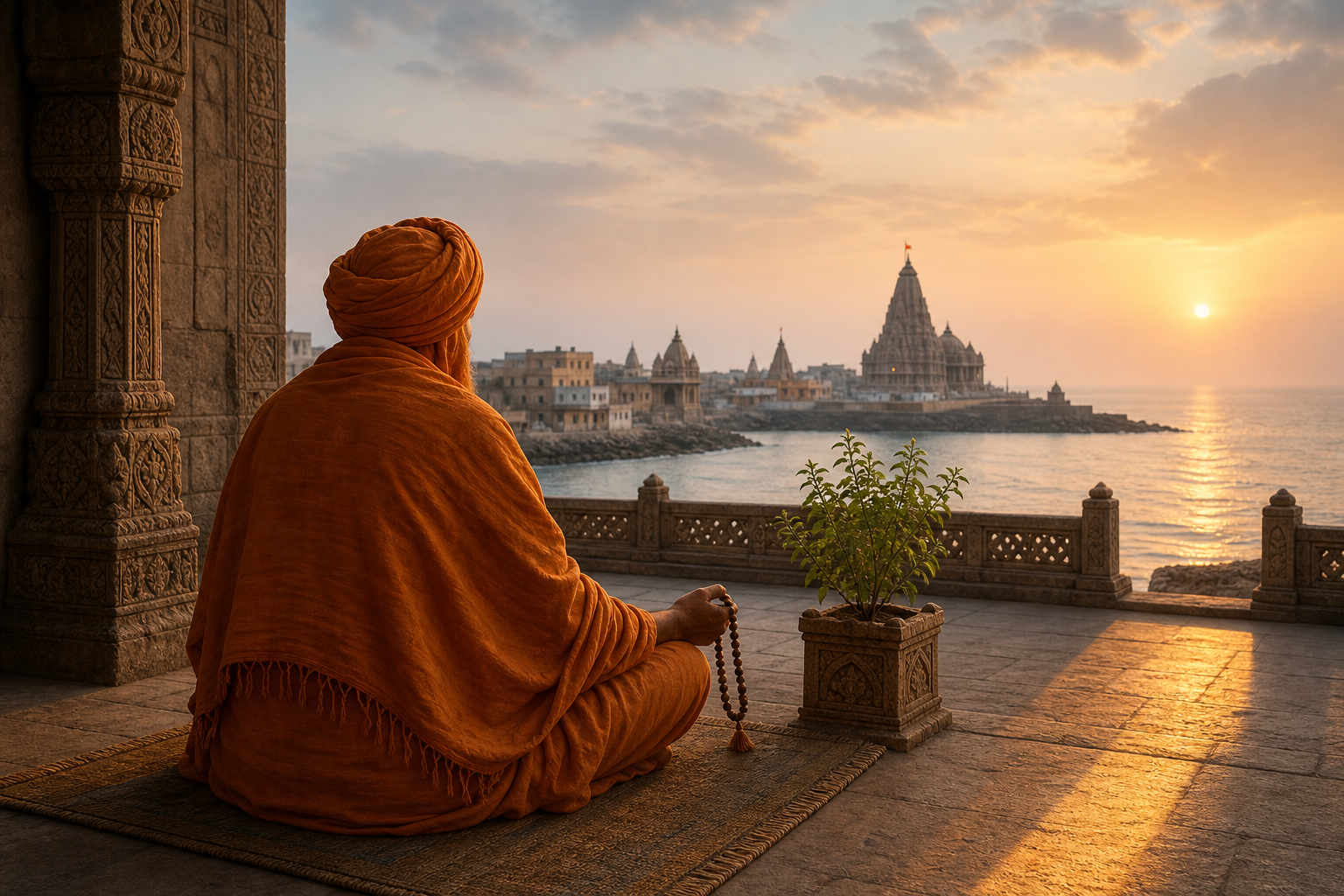
Purandaradasa’s Radical Renunciation: A Moving Lesson in Devotion, Detachment, and Seva

This reflection highlights Purandaradasa’s renunciation as a powerful illustration of wealth rededicated to the Divine and society. It emphasizes the difficulty of detachment while showing how devotion and seva can reorder priorities. The narrative connects shared Dharmic ideals—aparigraha, dana, tyaga, and seva—across Hinduism, Buddhism, Jainism, and Sikhism. Readers gain practical guidance: dedicate money, time, and…
-
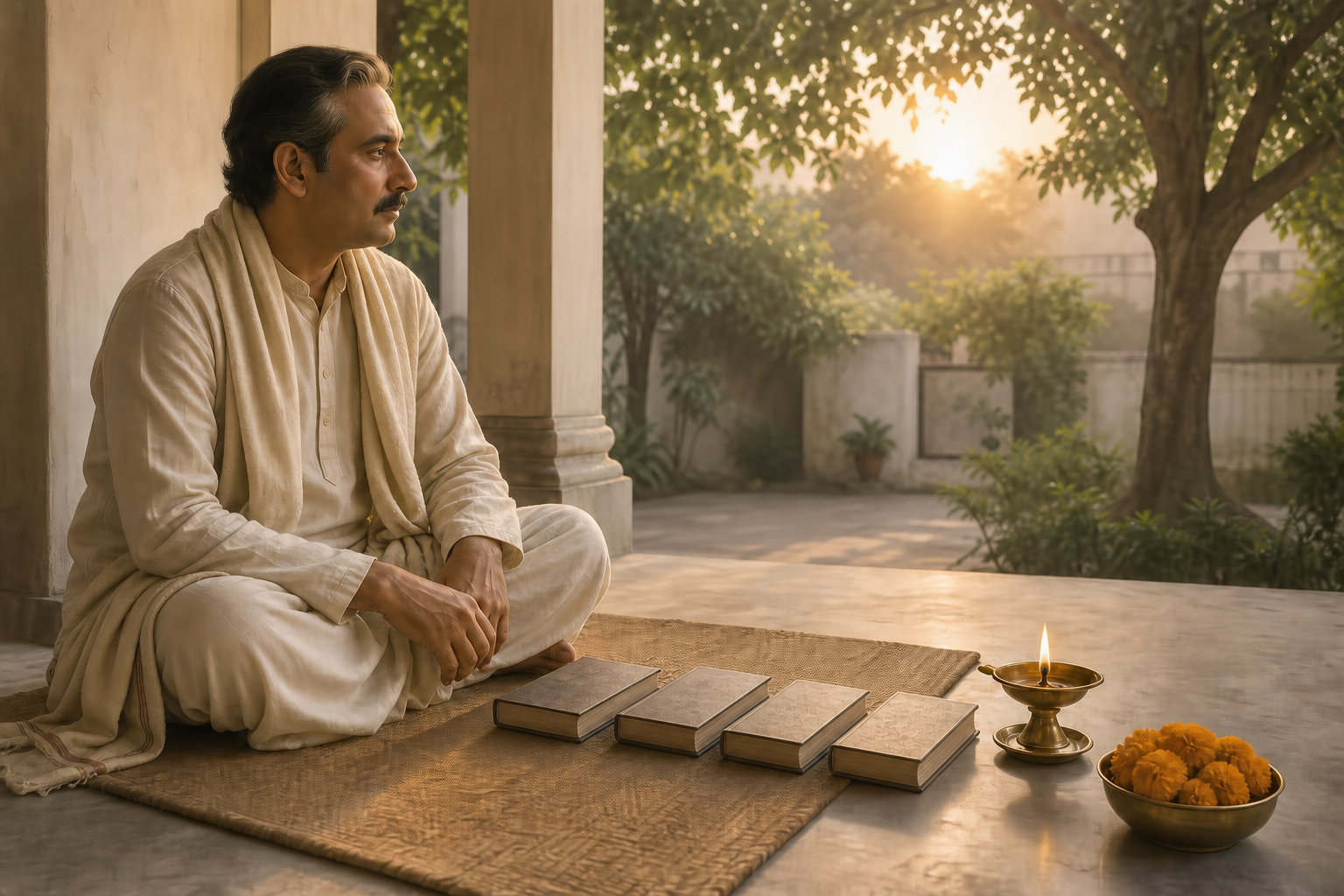
Touching the Book, Touching Freedom: HG Satyanarayana Prabhu on Bhakti and Service

This piece profiles HG Satyanarayana Prabhu, a direct disciple of Srila Prabhupada, whose service as Director of the Bhaktivedanta Book Trust in the Far East and Middle East exemplifies devotion grounded in scholarship. It highlights the bhakti conviction that sacred texts can catalyze inner transformation, beginning with a simple touch and deepening through study and…
-
Advaita Acarya’s Sacred Union: Sita Thakurani and the Roaring Call of Yogamaya-Bhakti

This post presents an academically grounded yet accessible portrait of Advaita Acarya, tracing his journey from early loss and pilgrimage to a sanctified family life with Sri and Sita, daughters of Nrsimha Vaduri. It clarifies why he is known as Sita-natha/Sita-pati and explains the Gaudiya understanding of Sita Thakurani as an incarnation of Yogamaya and…
-
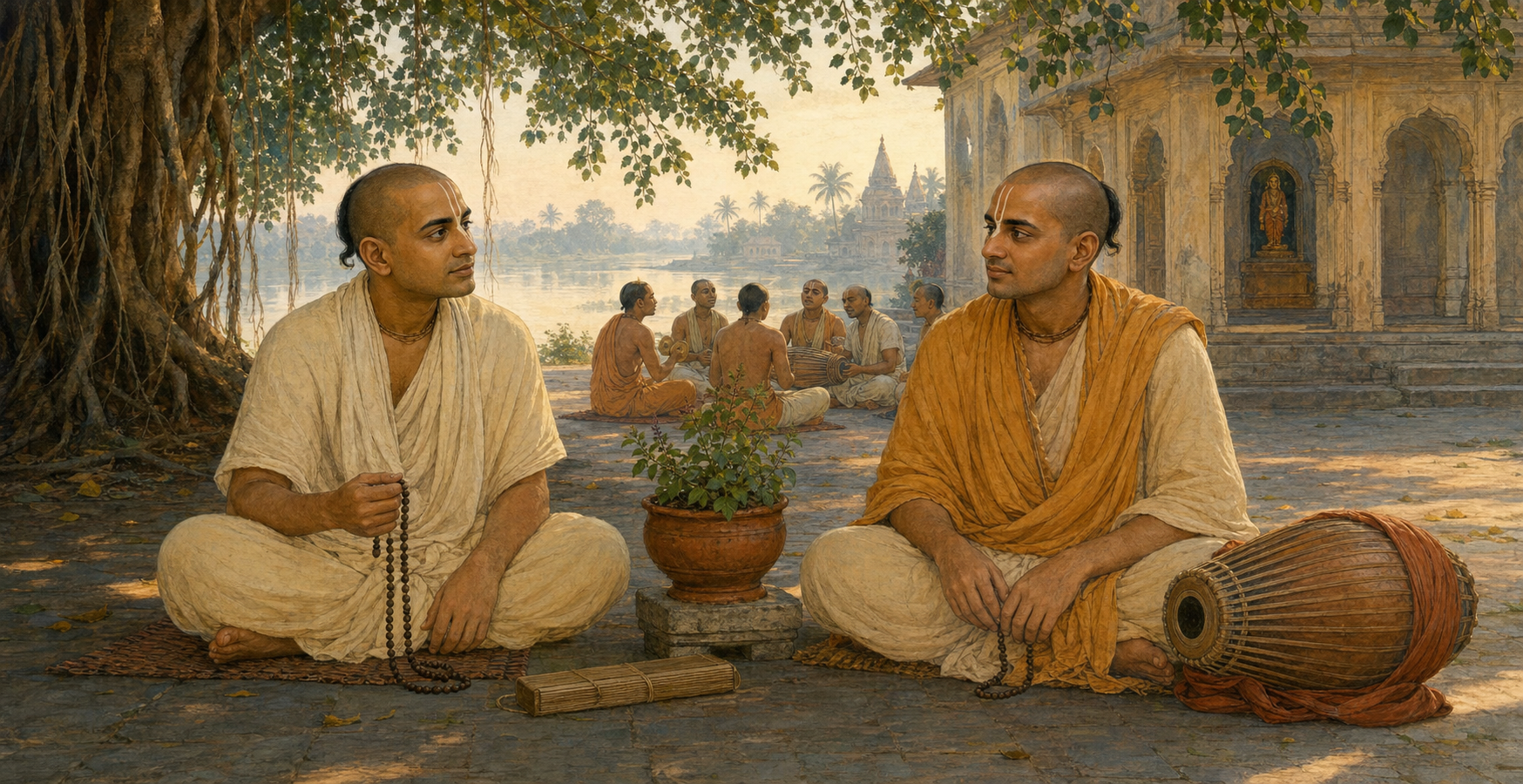
Advaita Acarya’s Sacred Journey: Catalyst of Sri Caitanya’s Descent and Bhakti Renewal

Shri Advaita Acarya, venerated in Gaudiya Vaishnavism and identified devotionally with Mahavishnu, is cherished as the saint whose profound prayer is credited with invoking Shri Krishna Caitanya. Born in Navagram to Näbhadevé and Kuvera Pandit, and known as Kamaläkña and Advaita, his early life included the sacred thread ceremony and a move to Shantipur on…
-
From Saint Louis to Spiritual Inquiry: HG Sravaniya dasi’s Lifelong Quest for Truth

Her Grace Sravaniya dasi, born in Saint Louis, exemplifies a principled journey grounded in metaphysics, spirituality, and ethical living. Choosing vegetarianism at seventeen, she aligned her life with ahimsa and mindful compassion. Her study of eastern classics reflects a focused search into consciousness and reality, prioritizing inner transformation over external acclaim. Consistently drawn to non-commercial…
-
George Harrison’s ‘My Sweet Lord’: Vaishnava Bhakti, Soulful Longing, and a Bridge to Dharma

This essay examines how George Harrison’s “My Sweet Lord” and related songs convey core themes of Vaishnava bhakti, especially love in separation (vipralambha-bhāva), without claiming spiritual attainment. It shows how mantra, melody, and meaning make Krishna-centered devotion intelligible to global audiences. Readers gain a concise framework for recognizing stages of love in the Bhakti Tradition…
-
Sage Kapila: Vishnu’s Fifth Avatar and the Transformative Power of Sāṁkhya Wisdom

Sage Kapila, revered as the fifth avatar of Vishnu, anchors Sāṁkhya’s profound vision of consciousness and nature. This account distinguishes purāṇic narrative from the classical philosophical school, clarifying Kapila’s teachings in the Bhāgavata Purāṇa and the later scholastic texts like the Sāṁkhya-kārikā. Readers gain a concise map of core concepts—Purusha, Prakriti, gunas, and the tattvas—alongside…
-
Kamalakanta Bhattacharya: Bengal’s Mystic of Kali and the Transformative Power of Bhakti

Kamalakanta Bhattacharya (born 1769 CE, Bardhaman) stands among Bengal’s most resonant devotional voices, known for Shyama-centered songs that blend emotional honesty with theological depth. His poetry frames Kali as both cosmic force and compassionate refuge, turning everyday speech into living Bhakti. Hagiographic traditions describe grace-filled interventions—read as spiritual pedagogy that emphasizes surrender, courage, and transformation.…
-
Midwest to London Ashrams: HG Gopimata Dasi’s Inspiring ISKCON Journey of Bhakti

Her Grace Gopimata dasi’s journey moves from Midwest roots to London’s ISKCON ashrams after meeting Srila Prabhupada in 1977. A decade of sankirtan, pujari service, cooking, and performing with the Vaikuntha Players illustrates a disciplined, service-centered path. The narrative situates her experience within a historical moment of ISKCON’s growth, framing bhakti as both personal practice…
-
Sri Parasara Bhattar: Grace-Filled Lineage and Bhakti Legacy in Vaishnavism

Sri Parasara Bhattar is honored in Vaishnavism as a luminary of the bhakti tradition, remembered for devotion, humility, and clarity of thought. Born through the grace of Sri Ranganatha and named with affection by Sri Ramanuja, his life exemplifies the strength of lineage and the guru-disciple tradition in Hindu spiritual practice. The account of his…
-
Sri Umapathi Sivam: A Luminous Shaivite Sage from Chidambaram’s Sacred Tradition

Sri Umapathi Sivam, a 13th-century Shaivite sage of the Dikshithar lineage, embodied the living fusion of Vedic learning and devotional practice in Chidambaram’s sacred ecosystem. His mastery of the Vedic scriptures and contributions to Shaiva literature exemplify how scholarship and bhakti can mutually reinforce spiritual clarity. Rooted near the Thillai Natarajar Temple, his life highlights…
-
Arundai Sivachariar & Marai Jnanasambandar: Timeless 13th‑Century Shaiva Devotion in Tamil Nadu

Arundai Sivachariar, a 13th century devotee from Tamil Nadu, is remembered for steady Shaiva bhakti expressed through regular temple worship and disciplined learning. Mentioned alongside Marai Jnanasambandar, the pairing evokes Tamil spiritual heritage where devotion and knowledge reinforce one another. The narrative highlights how simple, consistent practices—lighting a lamp, reciting a mantra, visiting a shrine—sustain…
-
Mian Muhammad Bakhsh (1830–1907): The Soul-Stirring Sufi Voice Behind Saif-ul-Malook

Mian Muhammad Bakhsh (1830–1907), the renowned Punjabi Sufi poet of Khari Sharif in Azad Kashmir, shaped 19th-century literature through Saif-ul-Malook and a broader vernacular corpus that fused classical learning with oral tradition. His allegorical narrative of Prince Saif maps a universal journey from longing to spiritual realization, making profound insights accessible to everyday audiences. The…
-
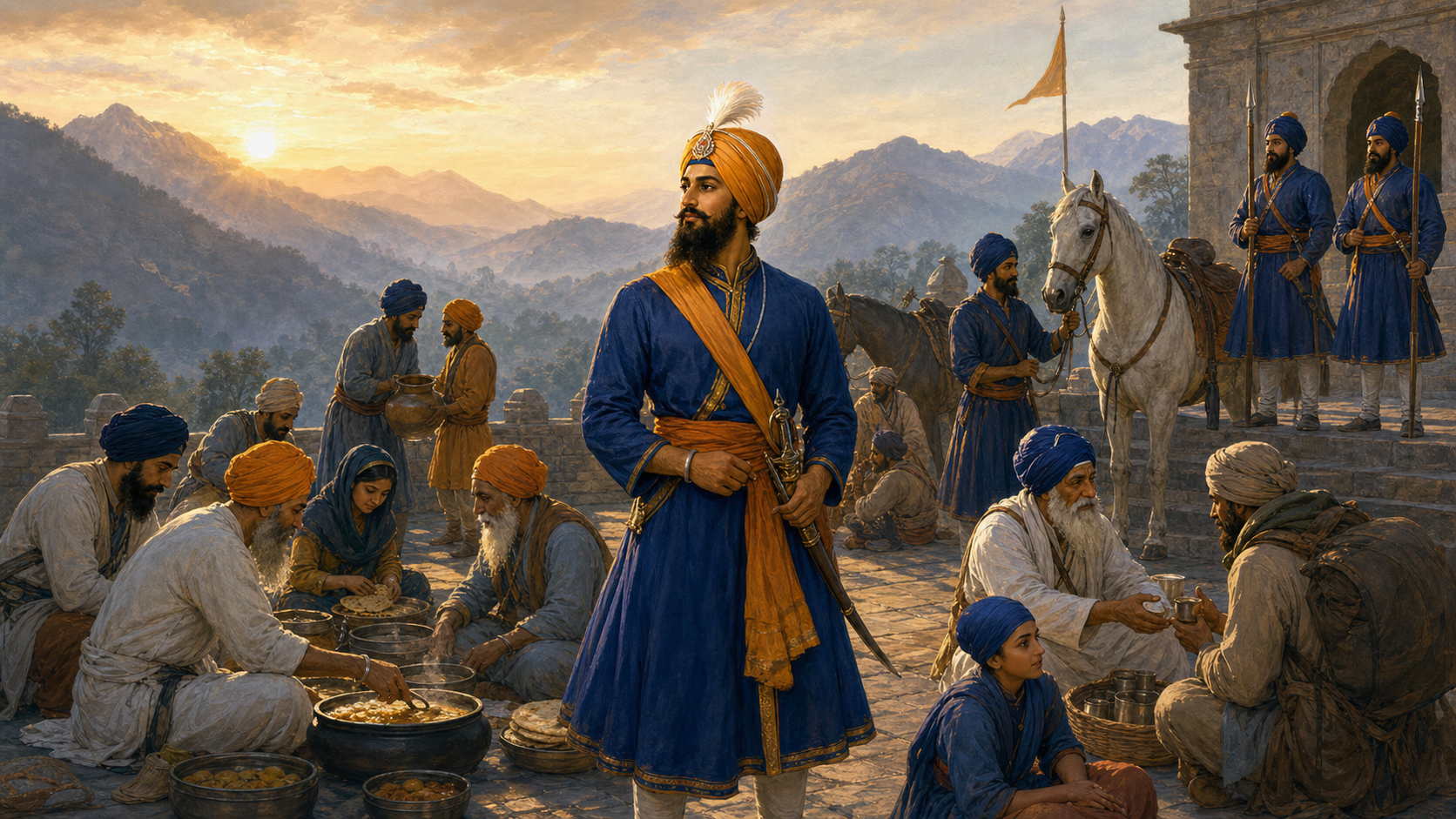
Guardian of Sikh Heritage, Trailblazer in Conservation Science: A Life of Seva and Stewardship

This profile presents a rigorous yet compassionate model that unites conservation science with Sikh heritage stewardship. Readers gain a clear framework for protecting sarovars, Gurdwaras, manuscripts, and intangible practices such as kirtan, langar, and seva. The approach pairs ecological surveys and preventive conservation with oral histories and community training, making care both evidence-based and accessible.…
-
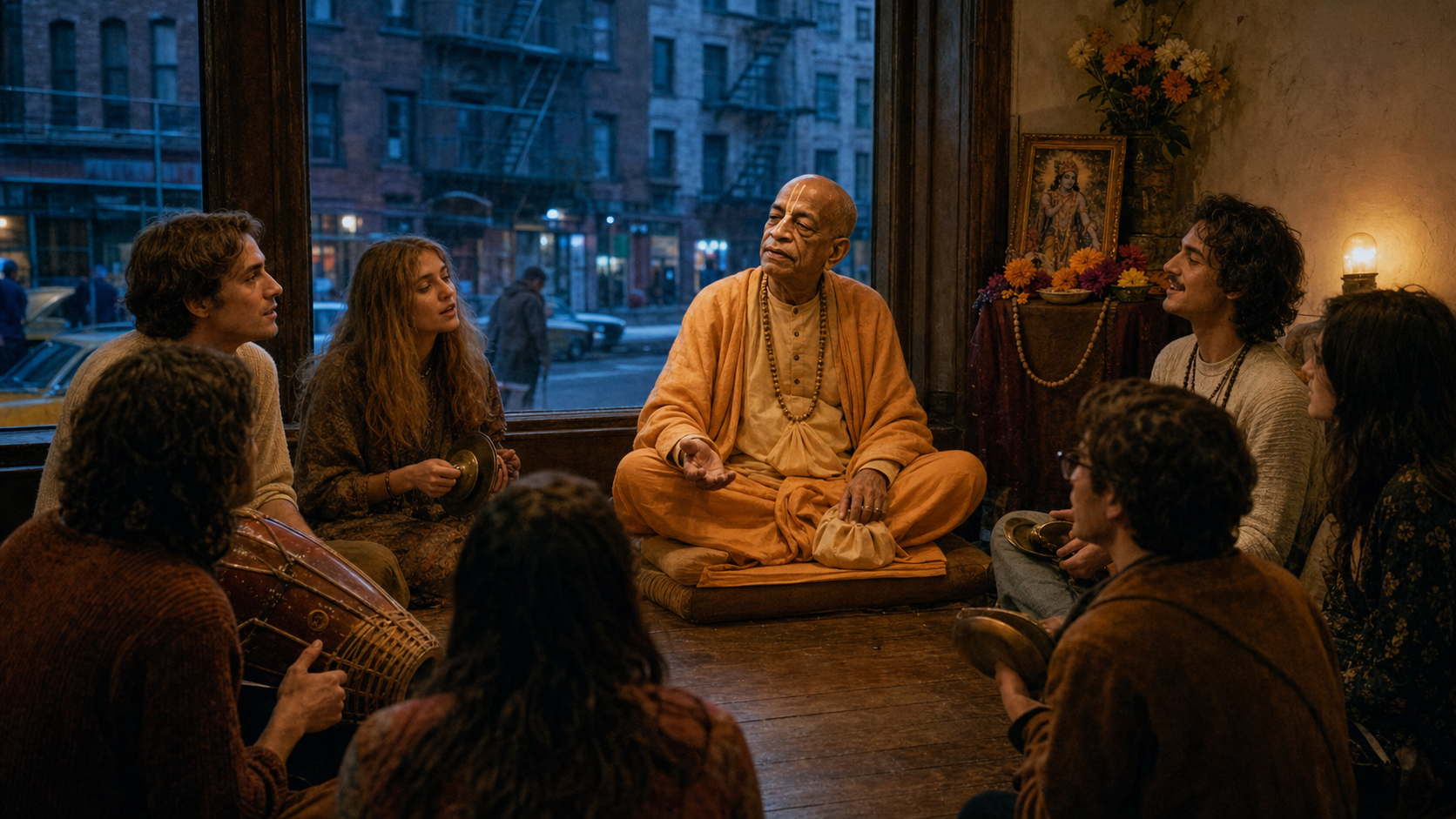
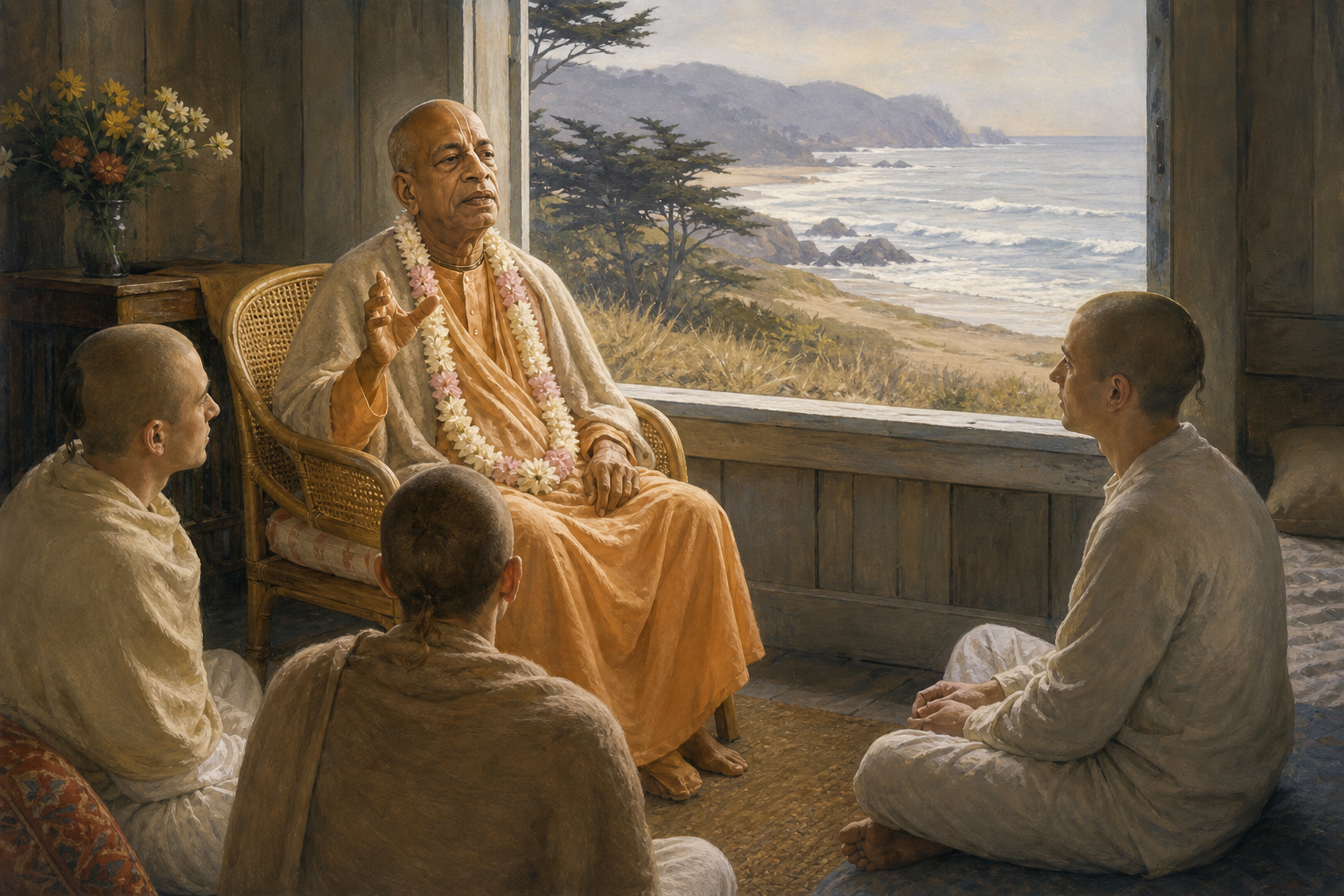
Srila Prabhupada’s Compassion in Calcutta: Enduring Leadership Lessons in Vaishnava Care

An early ISKCON incident in Calcutta reveals how Srila Prabhupada prioritized compassionate care over institutional busyness. When severe resource shortages left devotees struggling, he convened an open meeting and reframed priorities toward their welfare. His response to Tamal Krishna Goswami clarified that no plan is legitimate if it disturbs devotees. The episode offers actionable guidance…
-
Srila Bhaktisiddhanta on Fault-Finding: A Powerful Call to Compassion and Dharmic Unity

Srila Bhaktisiddhanta Sarasvati’s guidance on fault-finding centers on compassionate discipline and the hard work of uplifting others. His reminder—“In this world we spend hundreds of gallons of blood to bring a person out of the clutches of maya”—clarifies why criticism should yield to constructive service. An anecdote from a preaching center in Bengal illustrates that…
-
Kshiraswamin on Amarakosha: A Master Commentator Who Shaped Sanskrit Lexicography

Kshiraswamin is widely regarded as a master commentator on Amarasimha’s Amarakosha, a foundational work in Sanskrit lexicography. His analysis clarifies synonym sets, refines semantic distinctions, and connects entries to principles of Sanskrit grammar. Though his precise dates are debated, he is often placed in the early medieval period, and his authority across traditional and modern…
-
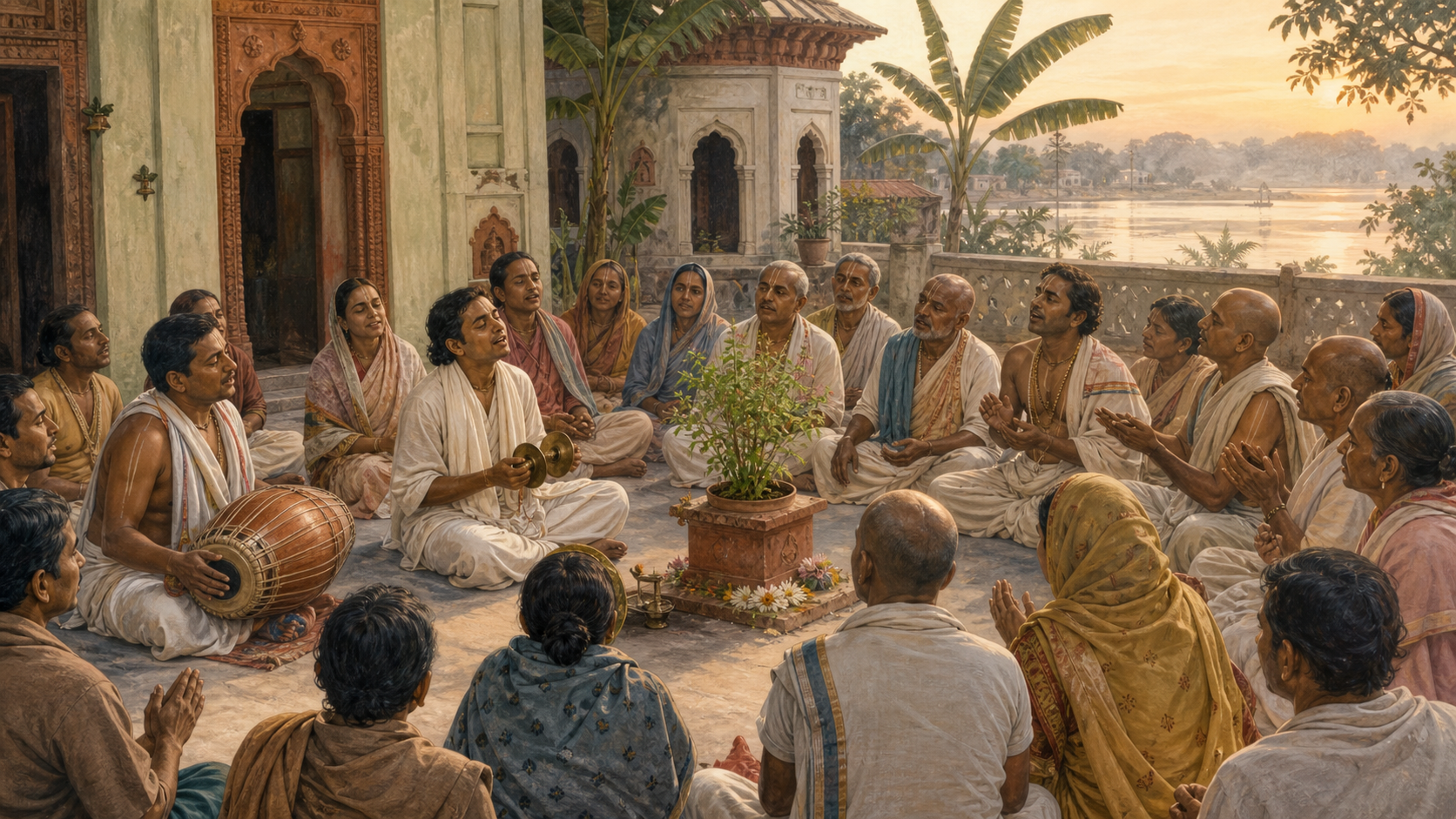
Honoring Sri Ramacandra Kaviraja: Timeless Bhakti, Acharyas’ Mercy, and Sacred Sanga

This tribute to Sri Ramacandra Kaviraja frames disappearance day as a living invitation to deepen devotion and humility within the Bhakti Tradition. Drawing on the cherished verse of Srila Narottama dasa Thakura, it highlights acharyas’ mercy and the transforming power of sacred association (sanga). The article situates these ideals within a broader dharmic context, connecting…
-
Swami Vivekananda Jayanti 2026: Exact Dates, Tithi Puja, and Heartfelt Ways to Honor His Legacy

Swami Vivekananda Jayanti 2026 is observed on 12 January (Gregorian) and 10 January (Hindu calendar), with Tithi Puja on 21 January (Krishna Paksha Saptami, Poush Month). This 163rd birth anniversary highlights his enduring message of character, service, and spiritual strength, celebrated nationwide as National Youth Day. The post clarifies the calendar distinctions to help plan…
-
Kumarila Bhatta: The Brilliant Mimamsa Sage Who Revitalized Vedic Thought and Unity

Kumarila Bhatta, the eminent Mimamsa thinker of the 7th–8th century CE, revitalized Vedic philosophy through rigorous hermeneutics and disciplined reasoning. His major works—Ślokavārttika, Tantravārttika, and Tuptikā—refine language theory, epistemology, and the authority of the Veda. Rather than opposing other dharmic paths, his precise critiques of Buddhist and Jaina arguments exemplify a constructive culture of debate…