-
KSET 2025 Controversy: Karnataka centres made women remove ornaments and sacred threads

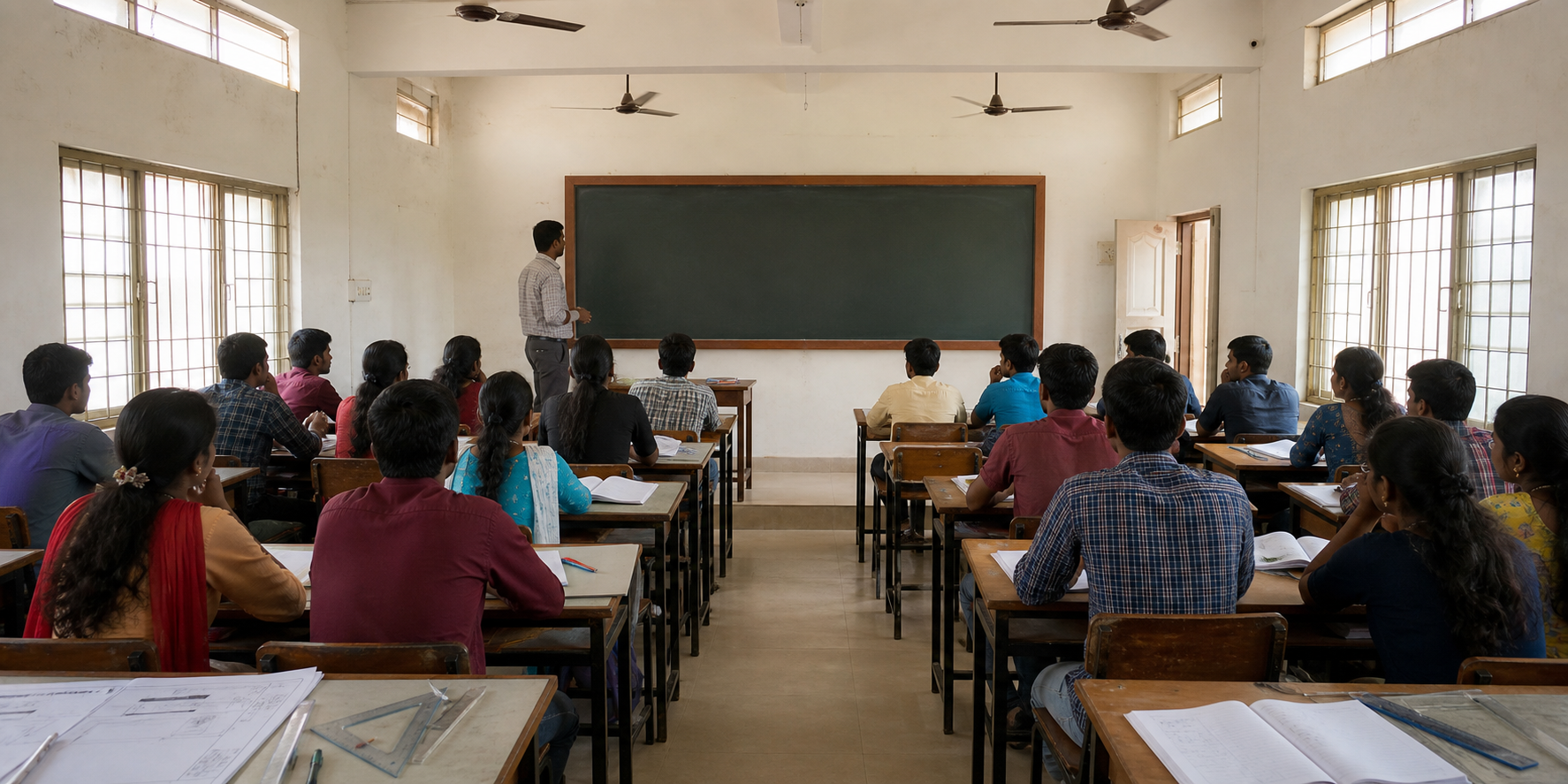
On 2 November 2025, several KSET exam centres in Karnataka reportedly asked female candidates to remove earrings, nose rings, bracelets, and sacred threads before entry, triggering concerns about religious freedom and cultural sensitivity. While strict anti-cheating measures are essential, sacred symbols across Dharmic traditions require thoughtful accommodation. Clear, uniform, and publicly accessible KEA guidelines can…
-
Academic Freedom or Hinduphobia? A Call for a Fact-Based ‘Who Owns Hindutva?’ Debate

Rutgers University’s recent panel on “Hindutva in America” has reignited debate about academic freedom, Hinduphobia, and the fair representation of Hindu, Buddhist, Jain, and Sikh perspectives. Observers argue that one-sided framing and mischaracterized symbols undermine pluralism and public understanding. A fact-based “Who Owns Hindutva?” forum is proposed to convene diverse scholars and community voices, including…
-
Rutgers ‘Hindutva’ Panel Ignites Outrage: Community Mobilizes, Lawmakers Urge Student Safety

A controversial Rutgers University panel on “Hindutva in America: A Threat to Equality and Religious Pluralism” drew swift community pushback and bipartisan concern from Members of Congress. Observers noted the absence of practicing Hindus on the panel and reported that questions from Hindu attendees were curtailed, raising issues for academic freedom and viewpoint diversity. Community…
-
Ayanacalana Explained: The Essential Guide to Mastering Hindu Timekeeping and Rituals

Ayanacalanathe precession of the equinoxesanchors the accuracy of the Hindu panchanga and the timing of rituals and festivals. By clarifying the relationship between the ecliptic, celestial equator, and nakshatras, it explains why ayanamsha is essential in Indian calendrical practice. The five limbs of the panchanga, including tithi and nakshatra, depend on this correction to reflect…
-
Essential Breakdown of Rutgers ‘Hindutva in America’ Panel: Proven Ways to Safeguard Pluralism

Rutgers University’s panel on “Hindutva in America” has sparked bipartisan concerns about academic balance and campus climate. Legislators urged the institution to safeguard free inquiry without stigmatizing Hindu students or, by extension, other dharmic communities. The Coalition of Hindus of North America welcomed the intervention, emphasizing rising bias incidents and the need to protect free…
-
Practical, Research-Informed Strategies to Address Anti-Hindu Bias at Rutgers on Oct 27

Concerns about an October 27 event at Rutgers University have prompted calls for an academic, measured response to perceived anti-Hindu narratives. This piece outlines practical strategies that center free speech, safety, and inclusion while countering bias through scholarship and dialogue. It recommends interfaith collaboration among Hindu, Buddhist, Jain, and Sikh student groups to affirm unity…
-
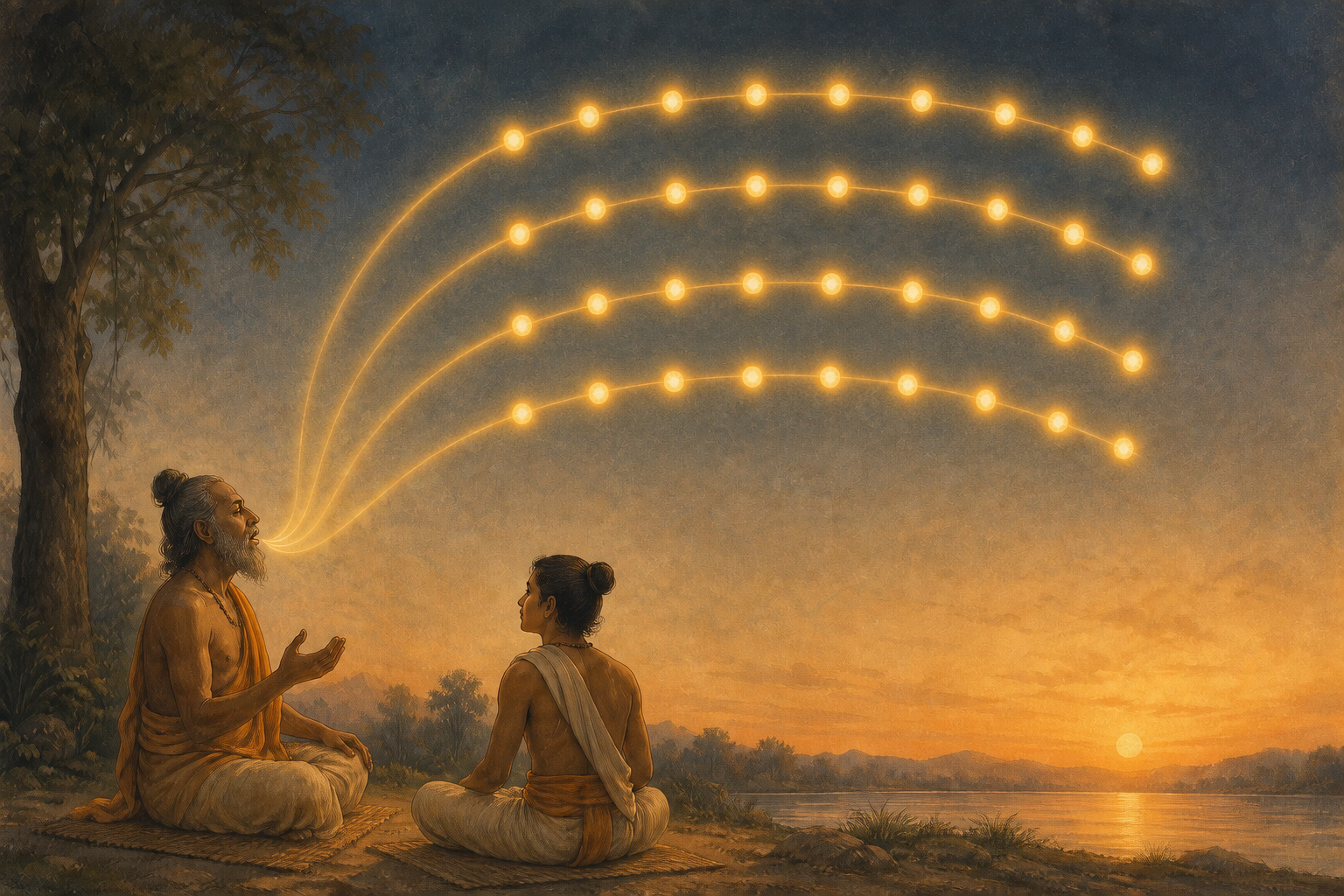
Master the Vedic Education Blueprint: The Essential Guru–Shishya System Explained

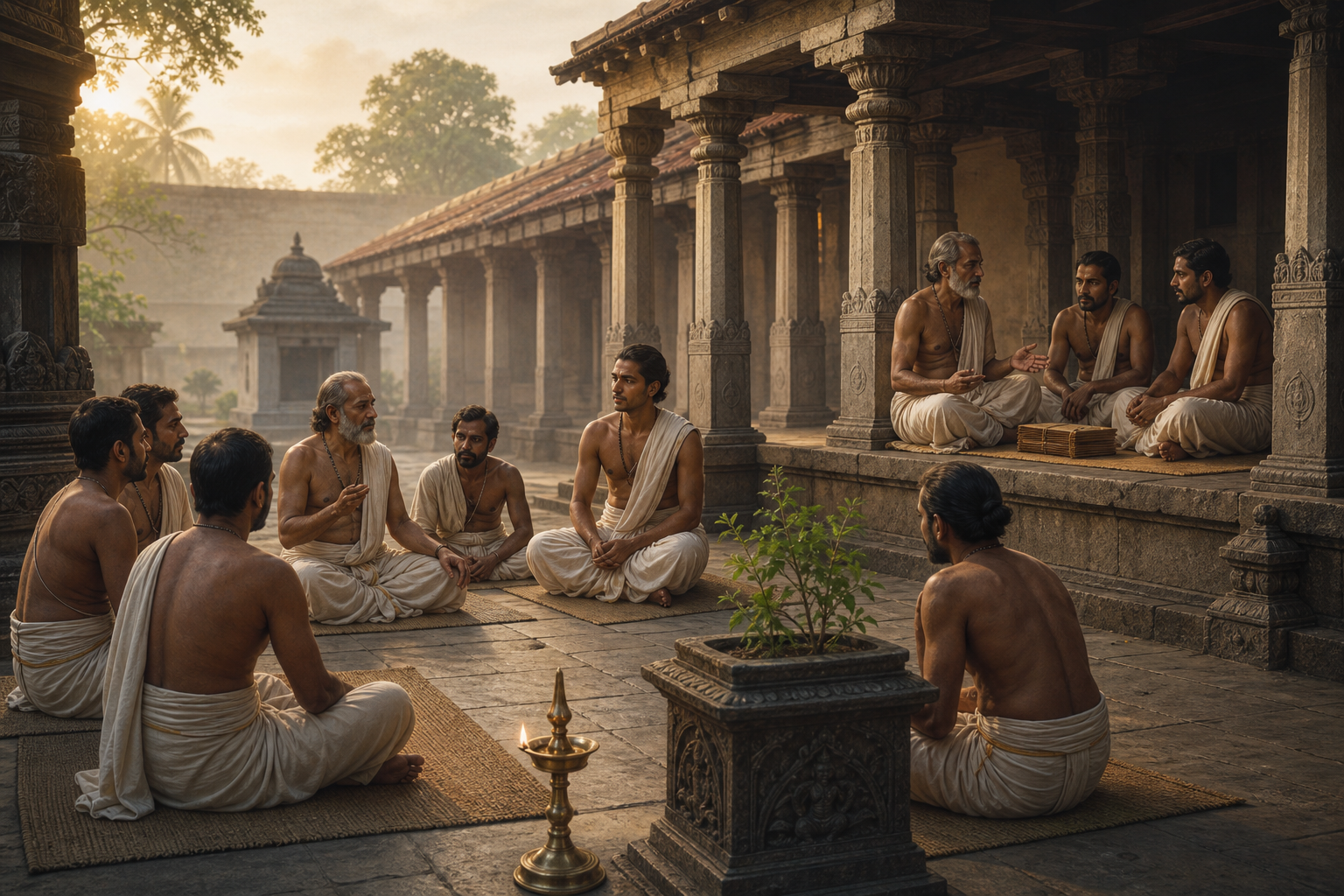
This article presents a clear overview of the Vedic education system, structured around its three essential pillars: Guru (teacher), Shishya (student), and the content and methods of learning. Readers gain a concise understanding of how the Guru–Shishya tradition united intellectual rigor with ethical formation and inner growth. The discussion highlights the breadth of studyfrom Śruti…
-
Essential Research on Media Exposure: Discover How TV Shapes Children’s Aggression and Learning

Media-effects research consistently links violent or dysregulating television content with higher aggression and weaker learning outcomes in children. Mechanisms include observational learning, desensitization, priming, and attentional fragmentation, especially with early, prolonged, and unmediated exposure. Co-viewing, prosocial narratives, and age-appropriate pacing act as protective factors that reduce risk. A dharmic framework rooted in ahimsa, mindfulness, and…
-
Discover Panini’s Ashtadhyayi: The Complete Guide to Maheshwara Sutras and Algorithmic Grammar

Panini’s Ashtadhyayi is a compact, rule-based system that generates correct Sanskrit forms from a finite set of definitions and operations. Rooted in the Maheshwara Sutras, it introduces powerful tools such as प्रत्याहारः (sound-class compression), संज्ञा (technical naming), उत्सर्ग–अपवादः (general rule and exception), and अनुवृत्तिः (carry-over of essential terms). The result is an algorithmic grammar that…
-
The Complete Inside Story: Ibādat Khāna, Secularism, and Academic Power Struggles

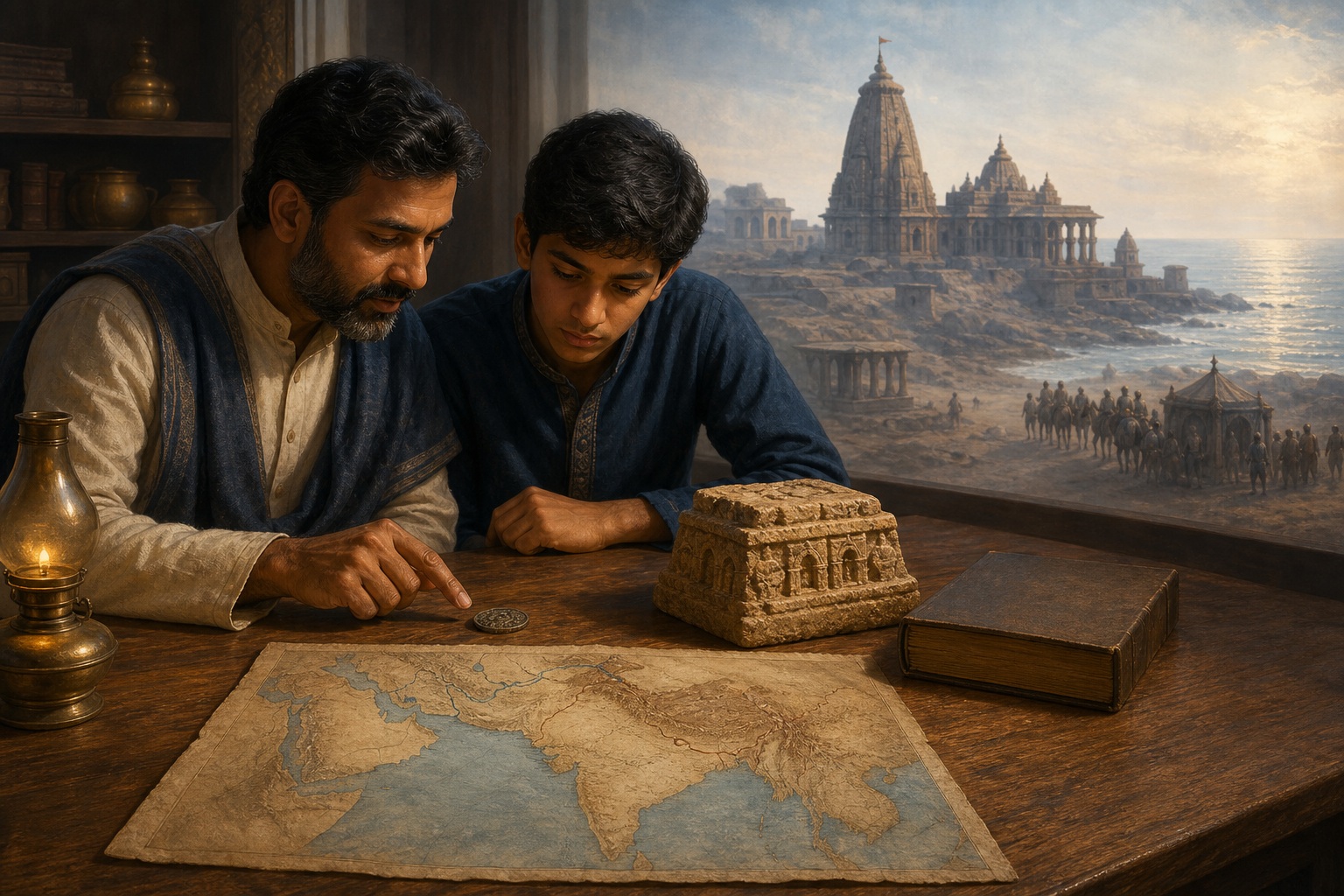
This analysis reconstructs K. K. Muhammed’s account of identifying the Ibādat Khāna at Fatehpur Sikri and the ensuing disputes with Prof. Irfan Habib at AMU, situating the episode within Indian historiography and academic power dynamics. It highlights how labels such as “secular” and “communal” have been deployed in institutional contexts, affecting careers, discourse, and public…
-
Master Deep Focus and Memory: Proven Benefits of Studying Sacred Texts across Dharmic Paths

Sacred study functions as a sattvika yagyadisciplined worship performed without attachment to resultsgrounded in Bhagavad Gita 17.11 (karmani prayoga). Traditional methods such as memorization, precise recitation, and commentary reading build medha shakti while cultivating humility and steadiness. Modern research supports these practices, linking Vedic learning to neuroplasticity and gains in short- and long-term memory, language,…
-
The Complete Blueprint to a Baby Boom: Proven Ways India Can Reverse Falling Birth Rates

Declining birth rates are not inevitable. This analysis identifies the core pressureshousing costs, childcare expenses, time scarcity, and cultural shiftsand translates them into a practical, evidence-informed blueprint for renewal. Readers will discover how high-trust communities, balanced risk learning in childrearing, and industry-aligned education can lower the real cost of family formation. It explains why redesigning…
-
Proven Neuroplasticity Breakthrough: Discover How Vedic Pandit Training Transforms the Brain

Vedic Pandit training offers a compelling case study in neuroplasticity, showing how systematic oral learning and gesture-supported recitation transform the brain. A NeuroImage study reports increased gray matter density and cortical thickness in areas tied to language, memory, and visual processing, including the lateral temporal cortices, anterior cingulate cortex, and hippocampus. The disciplined mastery of…
-
Master the Politics of ‘Official’ History: A Complete Indic Guide to Transform Collective Memory

This essay examines how centralized, “official” historywhether colonial, Marxist, or nationalistcan erode India’s decentralized, living memory. It contrasts Western, top‑down historiography with Indic ethos, where society, not institutions, traditionally safeguarded memory across Hindu, Buddhist, Jain, and Sikh traditions. Citing the 1857 War of Independence and the Azamgarh Proclamation, it shows how living memory enabled coordinated…
-
Discover the Proven Roots of Learning: Chandogya Upanishad’s Complete Education Blueprint

The Chandogya Upanishad illuminates an ancient yet enduring model of holistic education. It presents dialogic, inquiry-based learning that blends ethics, contemplation, and the arts with conceptual rigor. Through concrete demonstrationsclay, salt, and the banyan seedit turns philosophical ideas into lived insight. The narrative of Satyakāma Jābāla highlights inclusivity grounded in truthfulness, echoing shared dharmic values…
-
Discover Vraja’s School Program: A Joyful, Bhakti-Rich Celebration of Learning and Culture

The school program in Vraja demonstrates how learning, culture, and community can be harmonized through song and dance. Vrajavasi students present an education model grounded in the Bhakti Tradition and Hindu culture that meaningfully preserves Cultural Heritage. Observers note that language, rhythm, and movement coalesce into disciplined, joyful learning. The initiative cultivates teamwork, memory, and…
-
The Complete Guide to Making Jain Values Practical Today: Proven Mindset Transformations

This article presents a practical, academically grounded approach to making Jain values accessible and meaningful in today’s world. It translates Ahimsa, Aparigraha, and Anekantavada into daily habits, from compassionate speech and mindful consumption to nuanced, multi-perspective thinking. It addresses Kashaya through Samayik and Pratikraman as adaptable tools for emotional regulation and ethical self-correction. It reframes…
-
Complete Guide to Sikhi-Centered Homeschooling: Proven Practices to Nurture Mind and Spirit

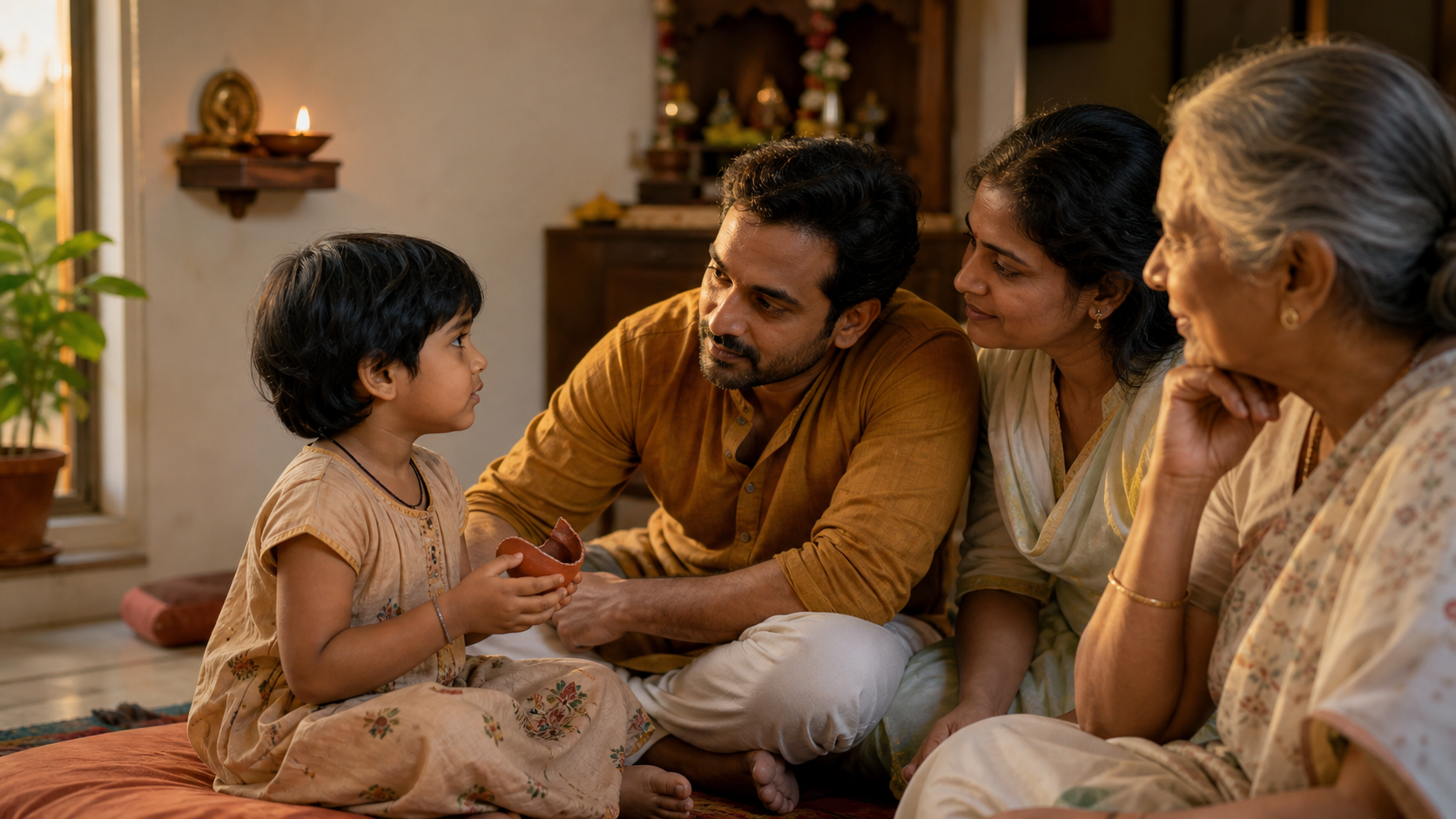
Episode One of This Sikhi Life presents a complete, practical framework for Sikhi-centered homeschooling that blends academic rigor with spiritual discipline. The approach grounds daily learning in seva, simran, and sarbat da bhala, nurturing attention, resilience, and compassion. Curriculum plans integrate Gurmukhi literacy, Gurbani vichaar, and Indian history with core subjects through project-based learning. Children…
-
AI and Sikhism: Dr. Devinder Pal Singh’s Complete GuideDiscover a Dharmic Tech Breakthrough
At Sri Guru Granth Sahib World University, Dr. Devinder Pal Singh presented an expert talk connecting Artificial Intelligence with Sikh ethics in a rigorous yet accessible way. The session showed how seva and sarbat da bhala can guide responsible AI design and governance. Practical issuesalgorithmic bias, data privacy, and disinformationwere reframed as moral questions requiring…
-
Complete Guide to SevaTime’s Chardikala Rhyme: Discover Joy, Seva, and Dharmic Unity

SevaTime – Chardikala Rhyme, shared by SikhNet, introduces toddlers to Seva (selfless service) and Chardikala (ever-rising spirit) through rhythm and repetition. The child-centered format supports memory, language development, and emotional regulation in everyday routines. Families and educators can pair the rhyme with simple gestures to reinforce meaning through movement. Its emphasis on kindness, resilience, and…