
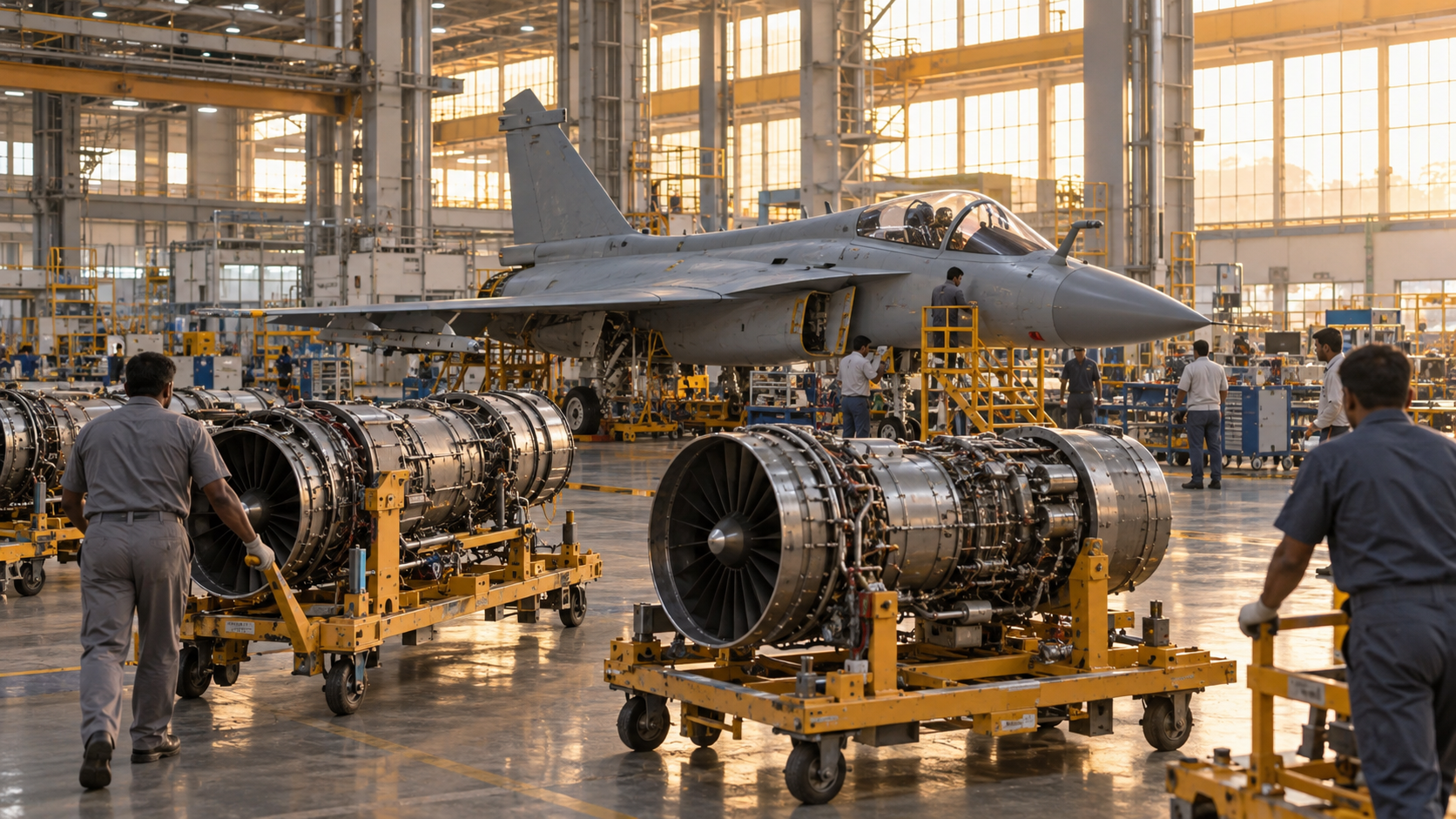
If you saw that Tejas Mk1A engine deliveries have reached 14 and wondered whether the production constraint is now over, the honest answer is: not yet. The encouraging development is not just the total. It is the appearance of substantial shipments in consecutive months.
GE Aerospace shipped four F404-IN20 engines in September 2026, taking the programme total to 14. That followed three engines shipped in August, when the cumulative supply had reached 10. You should read those numbers as evidence that a critical supply line is moving more quickly, not as proof that 14 completed fighters are ready for service.
The August-September sequence matters more than the headline total
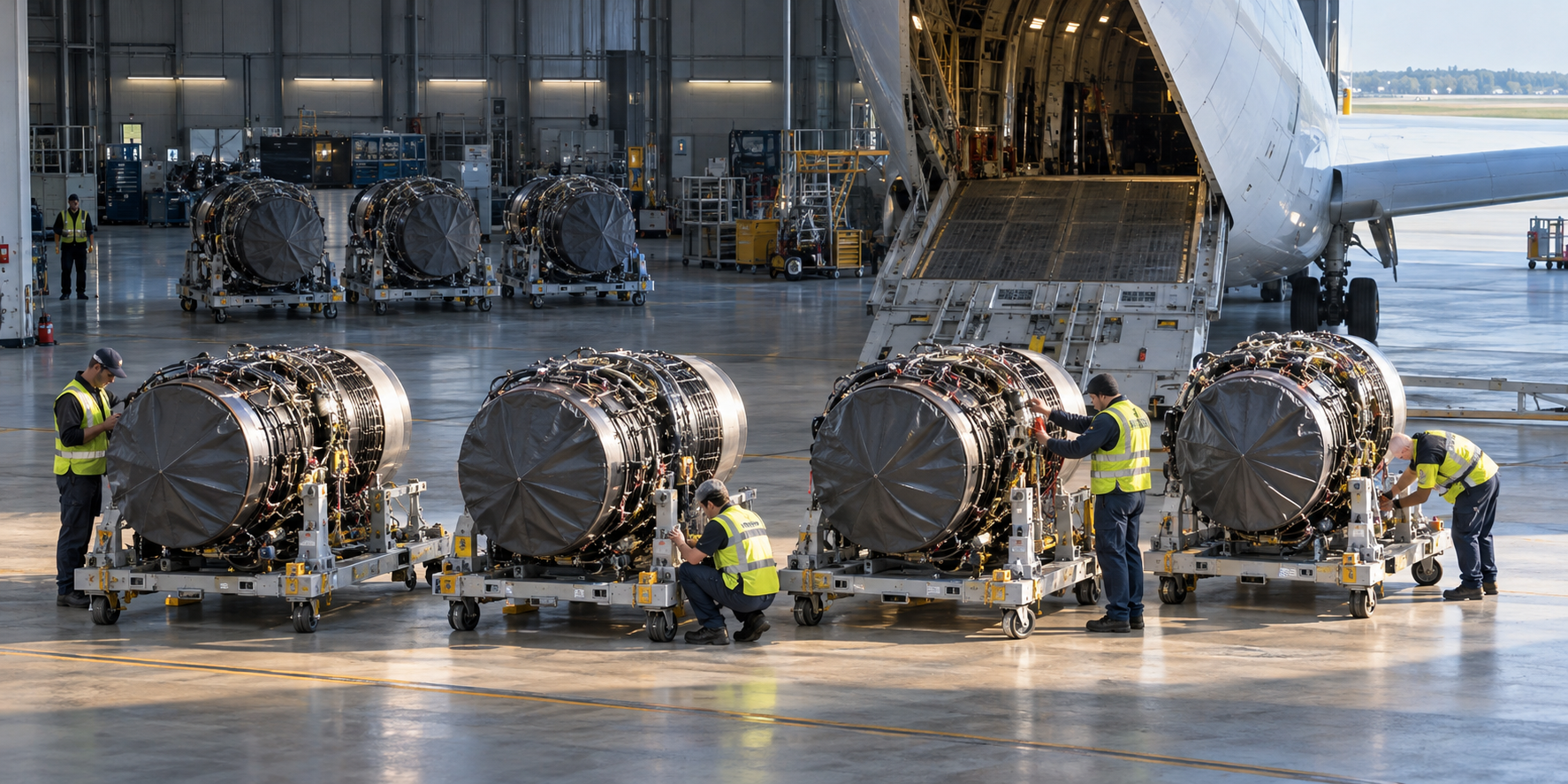
A single large shipment can reduce a backlog without establishing a dependable production rhythm. Back-to-back shipments tell you more because they begin to show cadence:
- Three F404-IN20 engines were shipped in August 2026, bringing cumulative supply to 10.
- Four more were shipped in September, lifting cumulative supply to 14.
- The two monthly batches therefore added seven engines to the programme total.
This is a meaningful improvement from the slower pace seen in 2025. It also gives HAL more powerplants with which to align its aircraft-production work. But two stronger months are the beginning of a recovery pattern, not enough evidence to define a stable long-term delivery rate.
When the next update arrives, resist the temptation to multiply September’s four-engine shipment across future months. First look for another shipment, then another. A recurring flow matters more to a production line than one impressive consignment.
Fourteen engines do not equal fourteen combat-ready fighters
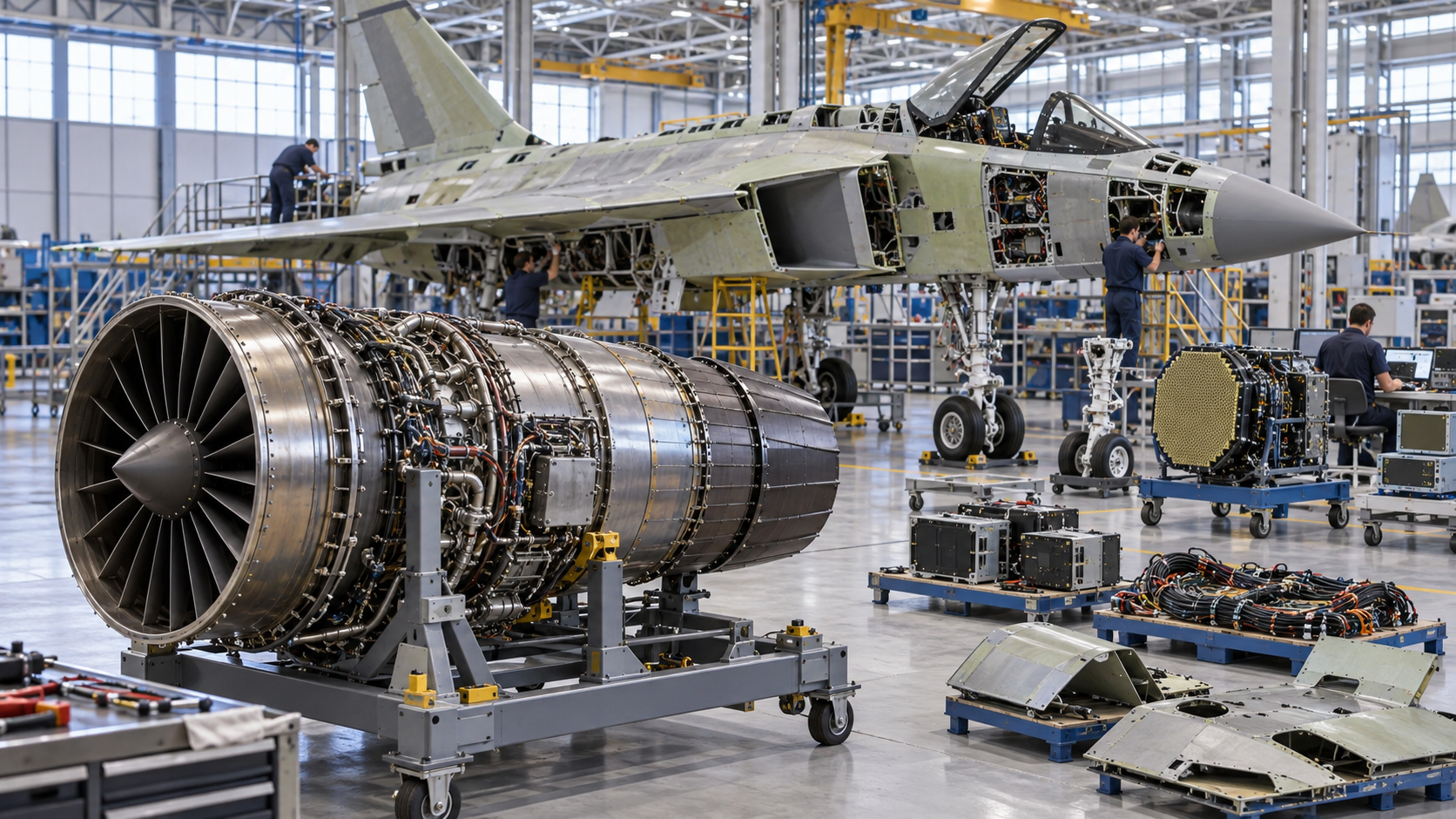
The word used in the update is important: the engines were shipped. Shipping is a real supply-chain milestone, but it is not the same as installation, aircraft testing, acceptance or operational induction.
An engine can remove a major constraint from an airframe moving through production. It cannot, by itself, complete that aircraft. The airframe, avionics, flight-control systems, wiring, software, inspections and testing all have to meet at the right stage. If any other major item is late, the visible bottleneck simply moves elsewhere on the line.
That distinction protects you from two common errors. The first is declaring the Tejas Mk1A delay solved as soon as engines leave the supplier. The second is dismissing engine deliveries because completed aircraft do not appear immediately. Both readings confuse one production milestone with the entire manufacturing process.
What the deliveries change for HAL’s production outlook
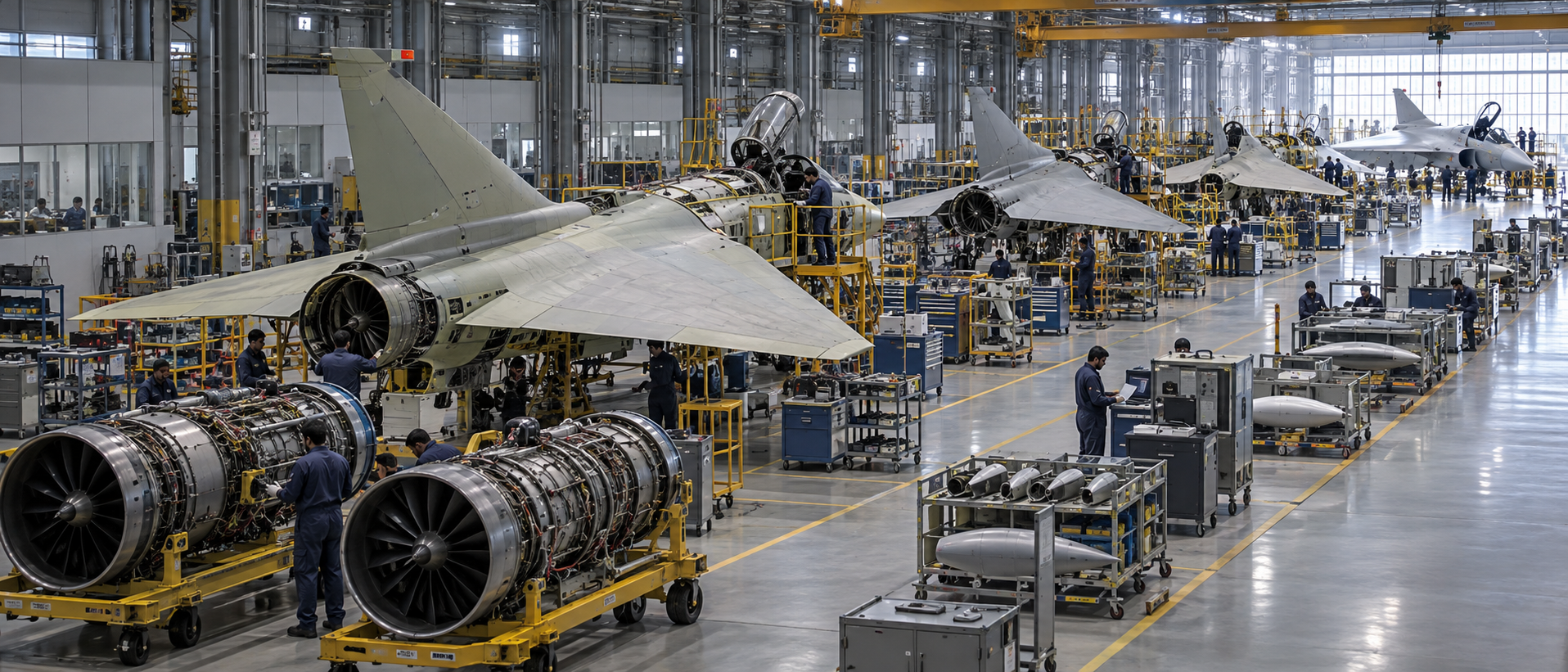
The new engines matter because a production line cannot finish aircraft whose essential powerplants are unavailable. A larger engine inventory gives HAL more room to coordinate installation with airframes that are ready or approaching readiness. It can also reduce the risk that completed upstream work must wait solely for propulsion.
The next useful evidence, however, has to come from the aircraft side of the programme. Track five milestones separately:
<!– wp:list {
Leave a Reply
You must be logged in to post a comment.