
-
Lagna Nirnaya Demystified: Choosing a Powerful Ascendant for Life, Rituals, and Dharma

Lagna Nirnayathe choice of a suitable ascendantanchors Vedic astrology, muhurta, and the practical timing of vows and beginnings across dharmic traditions. This comprehensive guide explains how the lagna is calculated astronomically in the sidereal zodiac using ayanamsa, why sign modality and element matter, and how the lagna lord’s strength shapes outcomes. It integrates shadbala, ashtakavarga,…
-
Gaura Purnima 2026: Gaura‑lila, Nama‑sankirtana, and ISKCON Ljubljana’s Living Legacy
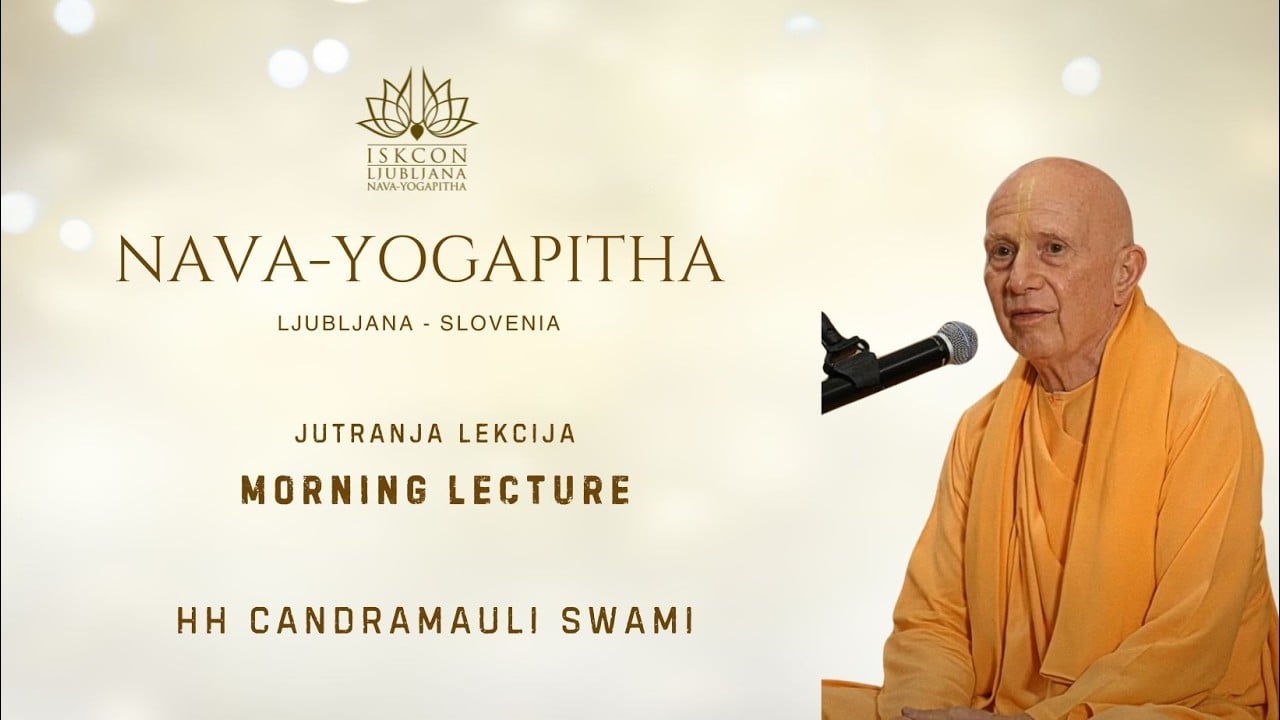
Sri Gaura Purnima 2026 at ISKCON Ljubljana brings the golden legacy of Sri Chaitanya Mahaprabhu (Gaura‑lila) into vivid focus through nama‑sankirtana, study, and service. Grounded in Gaudiya Vaishnava scriptures, the festival highlights acintya‑bhedabheda‑tattva and the transformative power of the Hare Krishna maha‑mantra. Reflections inspired by teachers such as HH Candramauli Swami underline sadhana, sadhu‑sanga, and…
-
Decoding Dakini and Yogini beside Kali: Mirrors of Death, Desire, and Liberation in Kali Puja
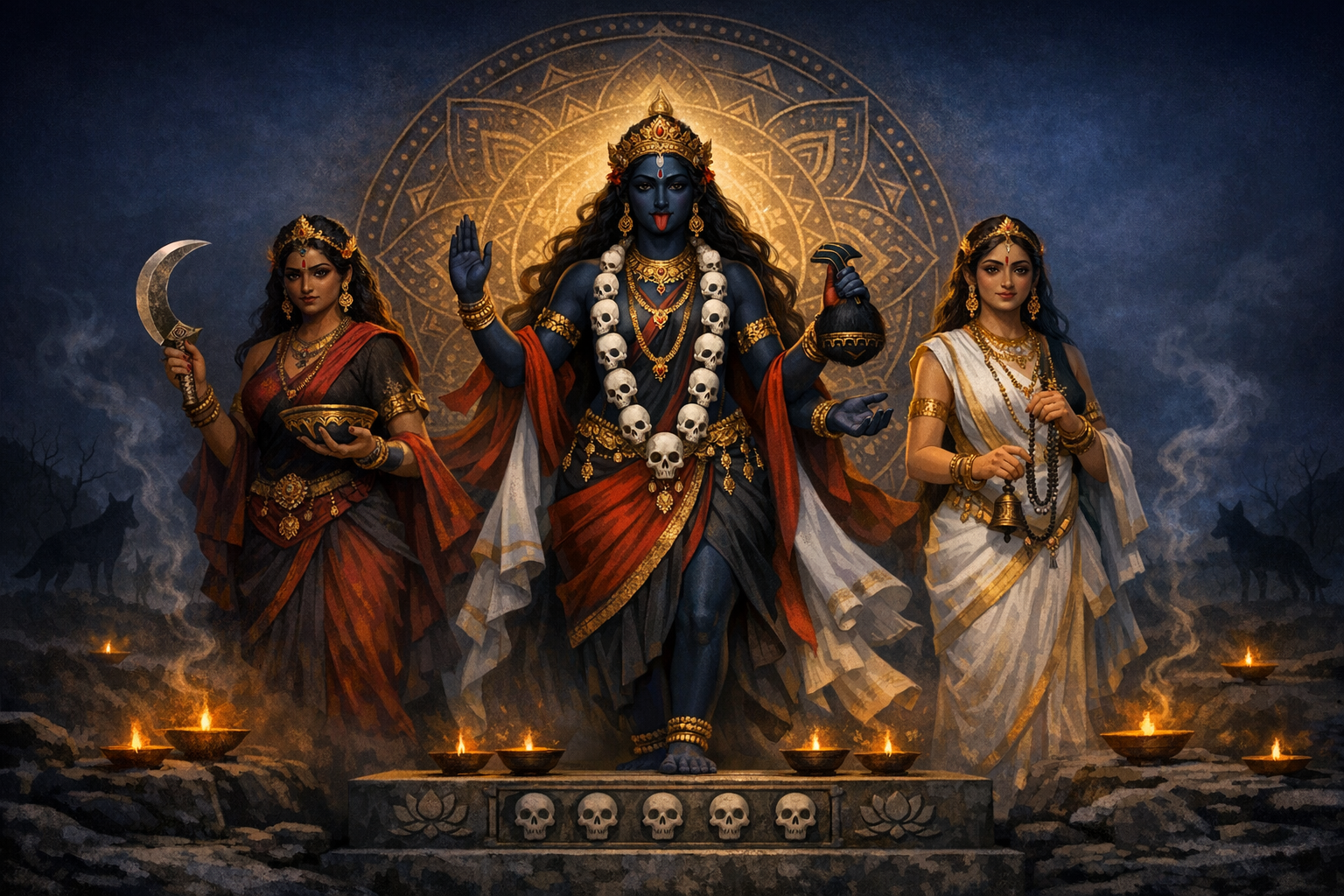
Dakini and Yogini beside the idol of Goddess Kali in Kali Puja are not ornamental figures but precise teachings encoded in form. Drawing on Shakta Tantras and material evidence from 64 Yogini temples, the essay decodes how these attendants map fear, desire, and liberation onto ritual and psychology. The cremation ground, skull-bowls, and choppers symbolize…
-
Honoring His Holiness Badrinarayan Swami: A Peaceful Vrindavan Departure and Enduring Bhakti Legacy

His Holiness Badrinarayan Swami departed peacefully on 26 February 2026 in Sri Vrindavan Dham, a moment held as supremely auspicious within Gaudiya Vaishnava theology. This comprehensive tribute situates his passing in the sacred geography of Vrindavan, explains the doctrinal significance of final remembrance, and highlights his distinctive blend of scriptural rigor and pastoral care. Readers…
-
Why Chamunda’s Severed, Smiling Head Signifies Bliss: Decoding Ego-Death and Moksha
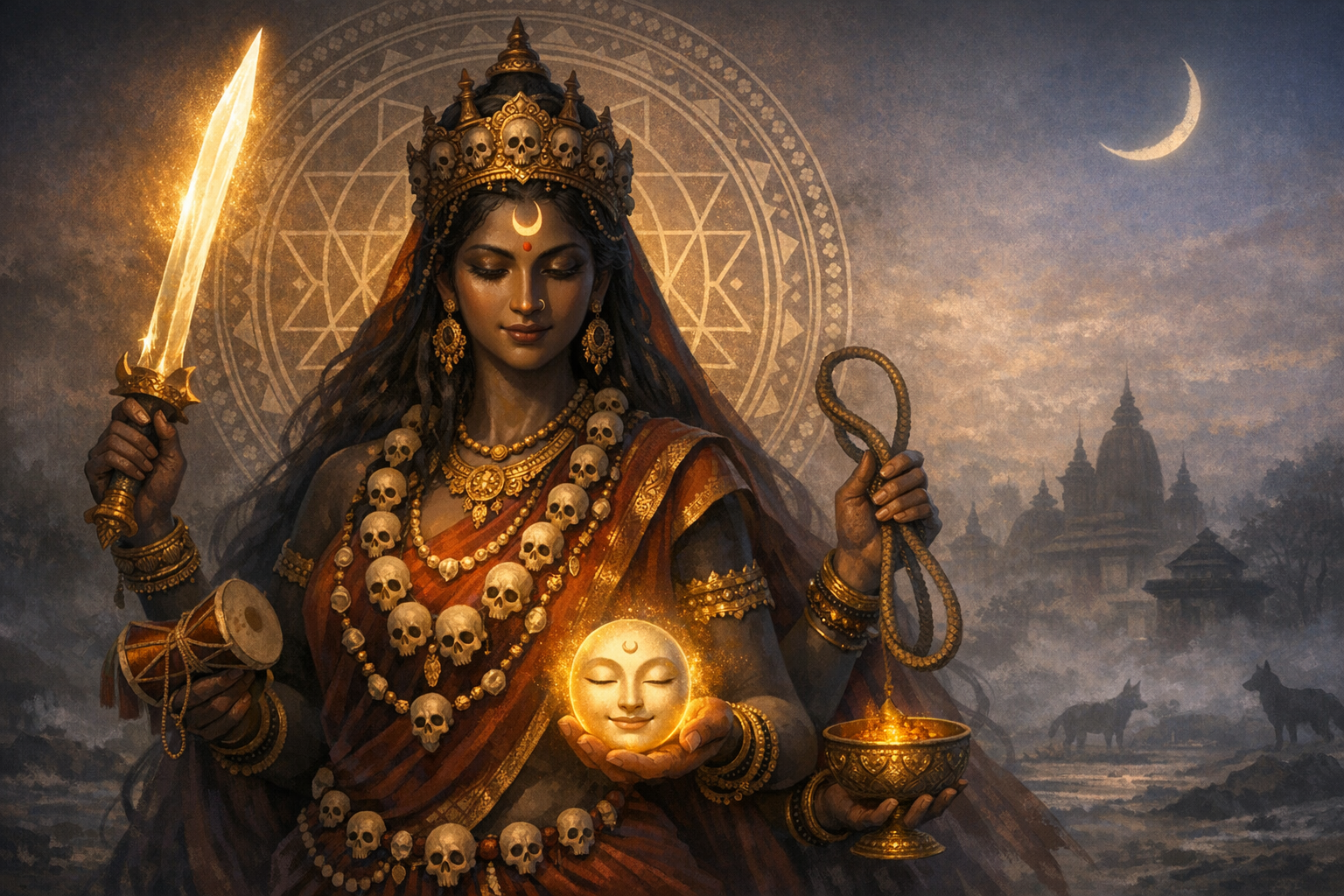
Chamunda’s severed head is not an emblem of violence but a precise symbol of liberation: the serene face represents ego-death and the bliss of moksha. By situating the image within Shakta tantra, cremation-ground sadhana, and the mundamala/kapala vocabulary, the analysis shows how fear is transmuted into insight. Panchamundi Asana symbolism and comparisons with Kali and…
-
From Humble Beginnings to Enduring Eminence: Scholarship, Faith, and Dharmic Unity

This essay maps the path from humble beginnings to enduring eminence through the dharmic lenses of scholarship, faith, struggle, legacy, and inspiration. It shows how the Guru-Shishya Tradition, Nalanda-style scholastic cultures, Jain Anekantavada, Sikh Seva, and vedantic inquiry create complementary routes to excellence. Readers gain a pragmatic five-vector blueprintVidya, Sadhana, Seva, Sangha, and Shraddhafor integrating…
-
Kishkinda to Vijayanagara: Sacred Geography, Imperial Brilliance, and a Breach of Sanctity

This essay situates Hampi within the Ramayana’s sacred geography and the Vijayanagara Empire’s statecraft, tracing how Kishkinda’s mythic landscape informed an imperial capital of dazzling scale. Drawing on Valmiki’s lyrical account of Pampa, historical records of Vijayanagara’s global magnetism, and the catastrophe of Talikota, it examines why the material loss was matched by an erosion…
-
Reimagining ISKCON Governance: A Federated Affiliate Model Rooted in Unity-in-Diversity
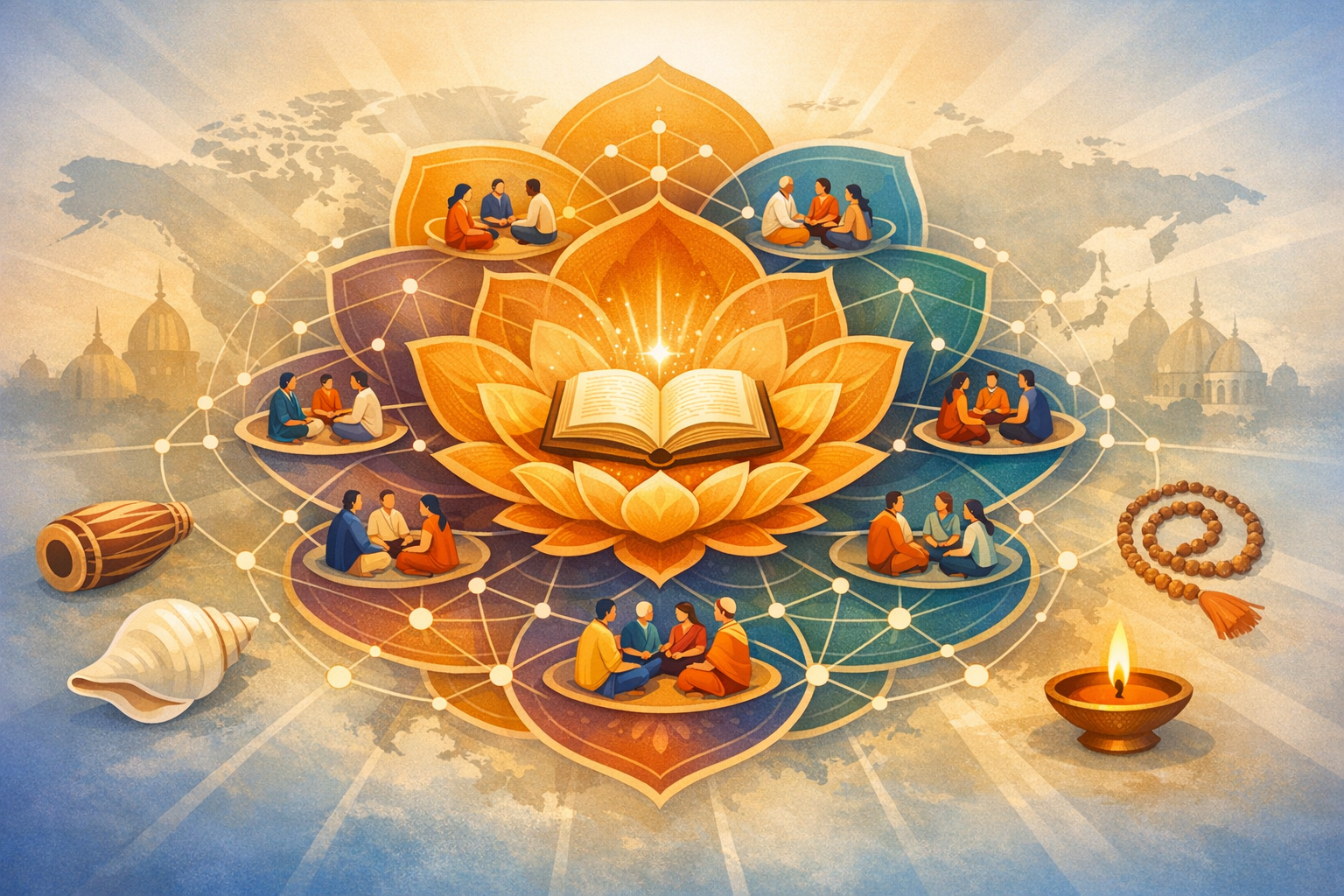
This analysis outlines a federal affiliate model for ISKCON that safeguards Gaudiya Vaishnava siddhanta while empowering regional adaptation in line with Srila Prabhupada’s principle of unity in diversity. It assigns the GBC custodianship over non-negotiablesdoctrine, sadhana standards, ethics, safeguarding, and brand integritywhile delegating cultural and operational adaptations to accredited regional councils. The framework emphasizes subsidiarity,…
-
Narottama Dasa Thakura: Architect of Gaudiya Bhakti, Kirtan Pioneer, and Kheturi Revival
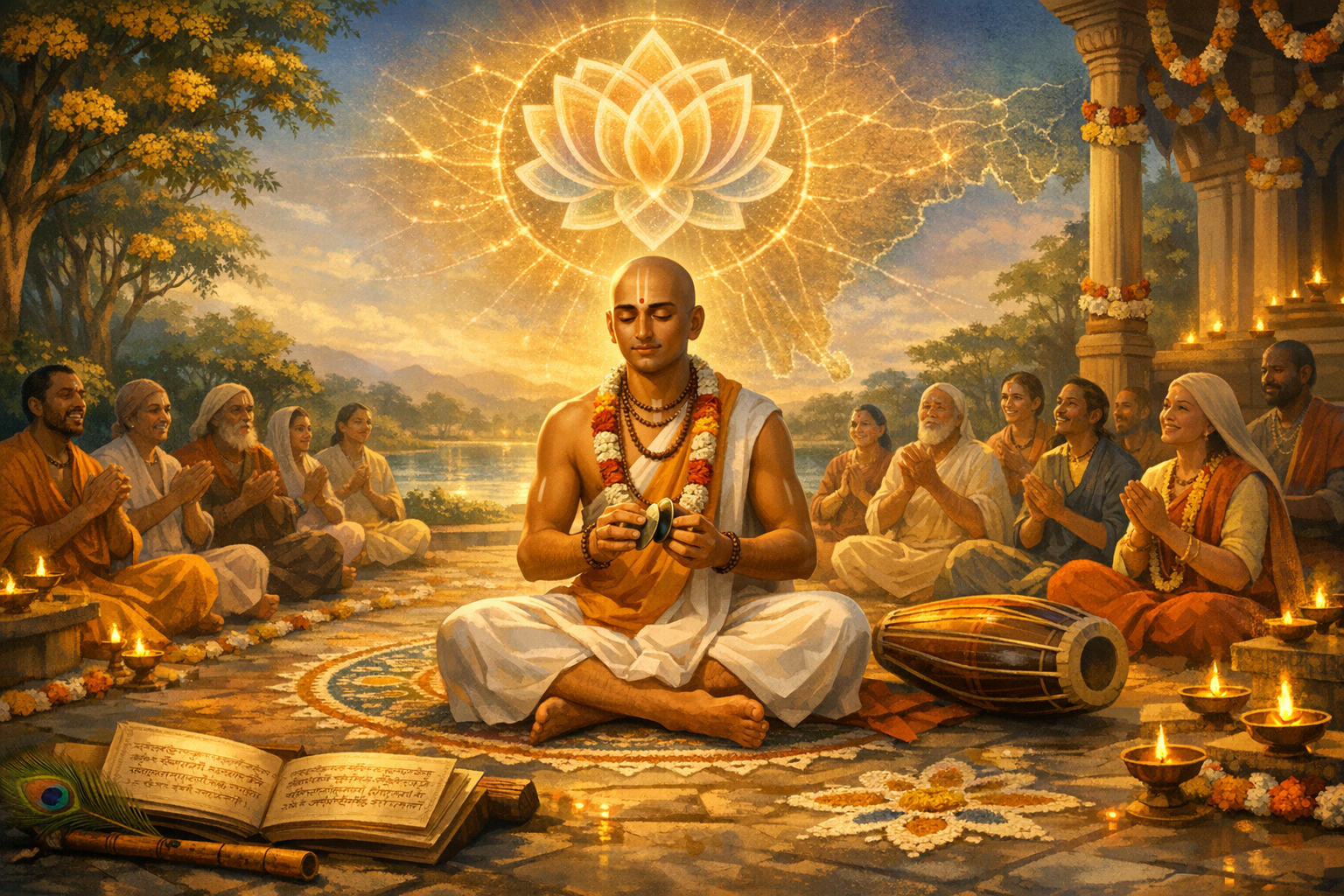
Narottama Dasa Thakura (c. 1534–early 17th century) stands as a principal architect of Gaudiya bhakti, translating Shri Chaitanya’s ecstatic devotion into lasting institutions of song, scholarship, and pilgrimage. Born in Kheturi (present-day Bangladesh) to a zamindar family, he trained under Lokanatha Goswami and Jiva Goswami, mastering the theology of achintya-bhedabheda and the practice of raganuga-bhakti.…
-
How a Fifth-Century Sanskrit Classic Anticipated the Emergency: Mricchakatika’s Warnings
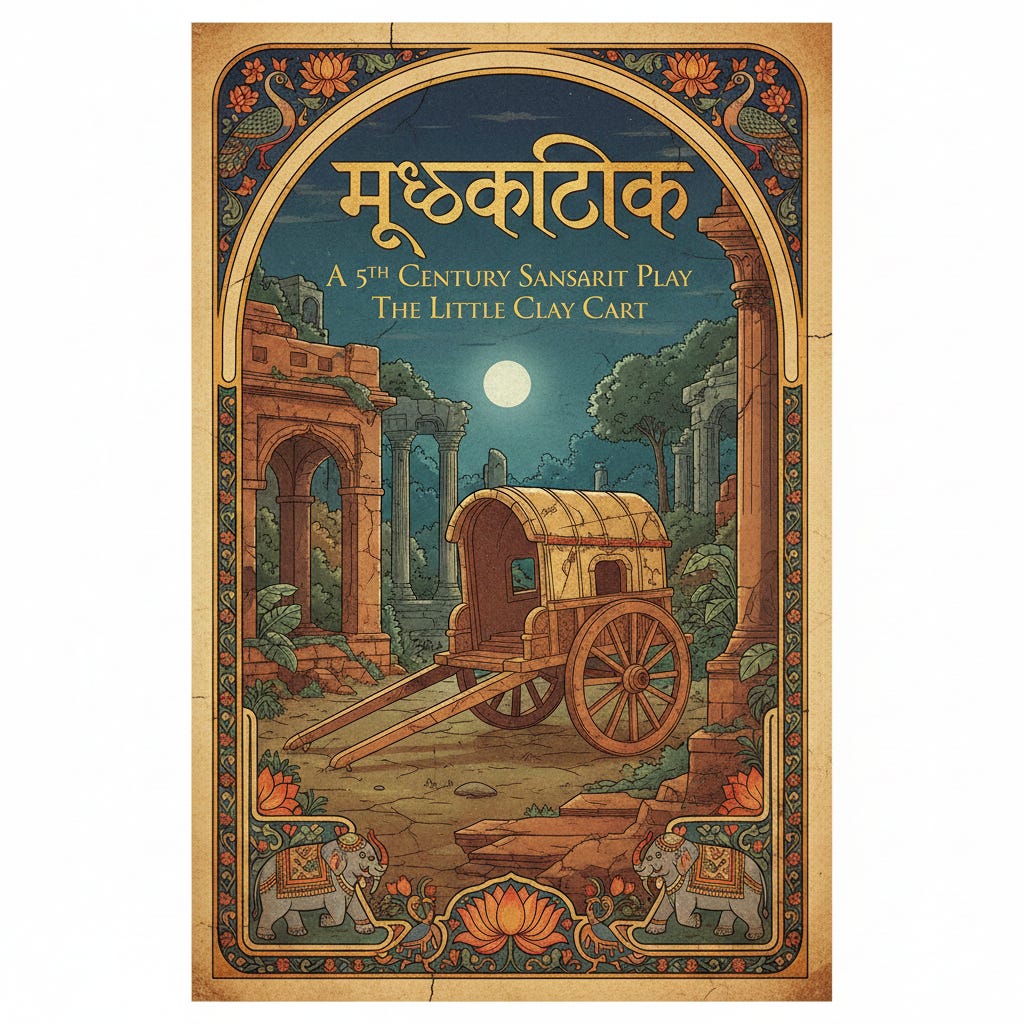
Mricchakatika (The Little Clay Cart) is a fifth-century Sanskrit classic whose legal and civic insights strikingly anticipate the dynamics of India’s 1975–77 Emergency. Set in Ujjaini, it portrays how a weak sovereign and an unscrupulous power-broker deform institutions, and how conscience-driven citizens and spiritual witnesses restore justice. The Ninth Act, Vyavahaara (The Trial), functions as…
-
SZA’s Viral Mahashivratri Dance at Isha: A Powerful Bridge Between Pop Culture and Dharma
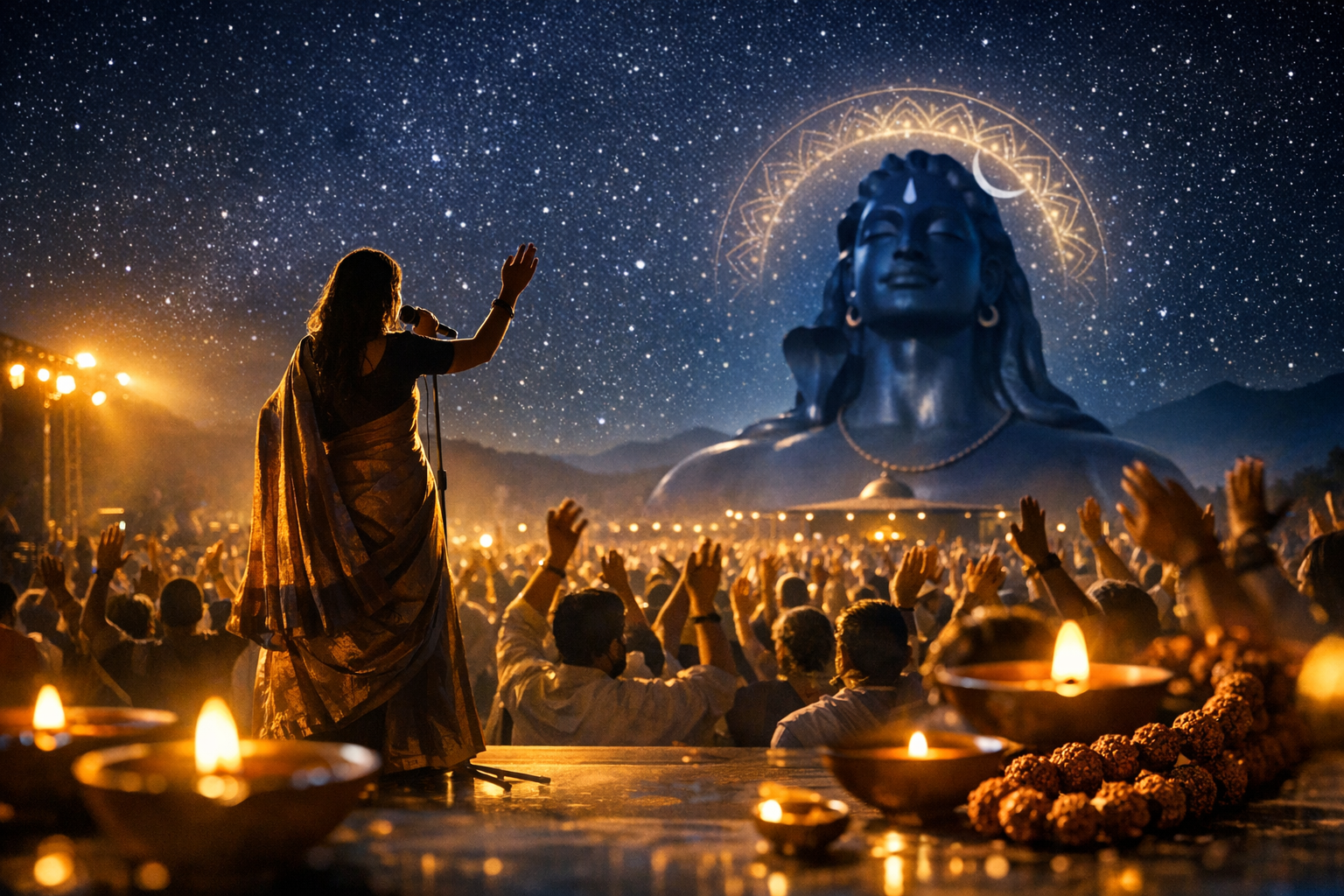
A viral appearance by Grammy Award-winning artist SZA at Sadhguru’s Mahashivratri in Coimbatore showcased how respectful celebrity participation can amplify Hindu spirituality without diluting its depth. The event highlighted Mahashivratri’s core practicesdevotional chant, dance, and meditative vigilwhile illustrating soft power at work through cultural appreciation rather than appropriation. For the diaspora, the moment served as…
-
Goddess Ganga vs Amphitrite: A Deep Comparative Study of Sacred Waters and Worldviews

This in-depth, academically grounded comparison explores how the Hindu Goddess Ganga and the Greek Amphitrite personify sacred waters in distinct yet resonant ways. It analyzes primary textual traditions, iconography, and ritual practices to show why Ganga functions as a living tirtha and purifying path to moksha, while Amphitrite embodies regal maritime order within the Olympian…
-
Mahashivratri 2026: Puja Mantras, Stotras, and Step-by-Step Vidhi for a Sacred Night

Mahashivratri 2026 falls on February 15 and centers on Shiva Puja, night-long vigil, and disciplined mantra-japa. This guide provides a precise, step-by-step vidhi with academically grounded context for Bilvashtakam, Lingashtakam, Shiva Ashtakam, Om Namah Shivaya, Shiva Chalisa, Shiva Aarti, and the Shiva Sahasranama Stotram. It also situates Sri Rudram (Namakam–Chamakam) and the Mahamrityunjaya mantra within…
-
Deepak Chopra in the Epstein Files? What the Records Showand How Dharmic Unity Responds

Headlines claim Deepak Chopra appears in the “Epstein files,” a term that refers to unsealed civil-court materials including contact lists, calendars, and emails. Inclusion in such documents does not, on its own, prove wrongdoing, and context is essential. Screenshots circulating online attribute controversial email lines to Chopra, while his public statement condemns abuse, denies criminal…
-
From Many Forms to One Reality: Unifying Dharmic Paths to Universal Divinity

This reflection reframes “from many gods to one” as a unifying dharmic philosophy rather than a call for uniformity. It explains how Hindu Ishta, Buddhist Dharmakaya, Jain Anekantavada, and Sikh Ik Onkar converge on one universal reality through diverse practices. Readers gain a clear, academic framework for understanding religious pluralism and unity in spiritual diversity.…
-
Avani Moolam at Madurai Meenakshi Temple: Shiva’s Humility in the Puttu Festival

Avani Moolam (the Puttu festival) at Madurai Meenakshi Temple commemorates a revered Thiruvilayadal in which Lord Sundareswarar (Shiva) humbly carries sand for a devotee and accepts puttu as wages. The festival blends theology, ritual, and community life, with processions, musical traditions, and offerings that highlight the dignity of work and the sanctity of service. Observed…
-
Lord Caitanya’s Radical Compassion: Redeeming Jagai–Madhai and Uniting Dharmic Hearts
An episode from Navadvipa in the Gaudiya Vaishnava tradition reveals Lord Caitanya’s radical yet disciplined compassion. Nityananda Prabhu and Haridasa Thakura confront public disorder caused by Jagai and Madhai, whose decline stems from corrosive association. The responsewelcome paired with a vow to renounce harmembodies a Bhakti model that balances mercy and personal responsibility. Readers gain…
-
GBC AGM 2026 Day 5: Inspiring VDG Insights, GBC College Honors, Global Istagosthi, TOVP & ISKCON@60
Day Five of the GBC AGM 2026 honored GBC College graduates, deepened understanding of Vaishnava Diksha Guru (VDG) responsibilities, and convened a global community through a GBC Maha Online Istagosthi. Attendees gained practical insights into ethical mentorship, leadership formation, and seva-centered governance. Updates on the Temple of the Vedic Planetarium (TOVP) highlighted its role as…
-
February 15, 2026 Panchang: Exact Tithi ShiftKrishna Paksha Trayodashi to Chaturdashi at 4:23 PM

On Sunday, February 15, 2026, the Hindu calendar notes Krishna Paksha Trayodashi until 4:23 PM, followed by Krishna Paksha Chaturdashi from 4:23 PM onward. This exact tithi transition supports accurate planning for daily worship, vratas, and community observances. Because Pradosha customs depend on Trayodashi’s presence during evening twilight, observers should verify local timings. Nakshatra and…
-
When Love Hurts: Practical Steps to Leave Toxic Relationships and Reclaim Self-Worth

When love feels like pain, clarity begins with naming reality and restoring boundaries. This reflective account explains how toxic relationship cycles form, why they persist, and how consistency matters more than intensity. It outlines practical stepssupport, space, and small daily acts of self-respectto stabilize the nervous system and rebuild self-worth. It emphasizes that leaving does…