
-
Jvarabhagnamurti: Lord Shiva’s Healing Power to End Illness and Restore Well‑Being

Jvarabhagnamurti, the healing form of Lord Shiva, is venerated as the destroyer of unhealthy states that disturb body, mind, and spirit. This tradition promotes a holistic view of health that harmonizes spiritual practice with responsible self-care and medical guidance. Devotee experiences point to greater calm, resilience, and adherence to healthy routines through steady remembrance and…
-
When Dhotis Met Saris: Inclusive Devotion in 1970s ISKCON and the Power of Unity

This reflection on the early 1970s Hare Krishna Movement (ISKCON) in North America documents how inclusive devotional design fostered unity and growth. The temple room’s divided yet equal arrangement gave both genders dignified space without compromising parity. Traditional attiredhotis and sarissymbolized Cultural Heritage while reinforcing mutual respect and focus in worship. By centering service (seva)…
-
Why Sankirtana Works: Transformative Chanting for Inner Clarity and Collective Unity
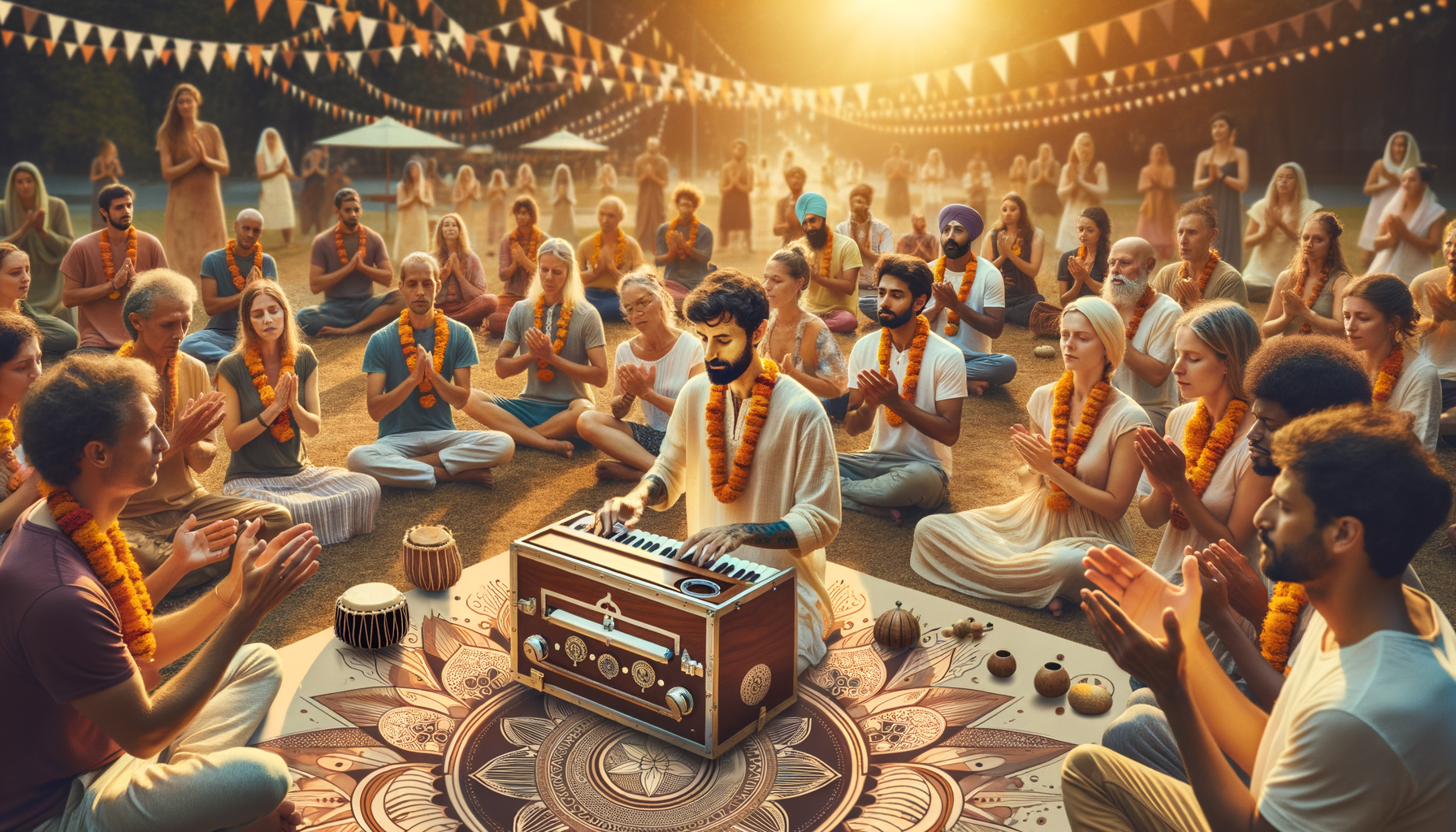
Sankirtanacongregational chanting of the Hare Krishna maha-mantraworks because it unites sacred sound, steady rhythm, and communal participation into a single, accessible practice. The repetition of mantras supports focused attention, while shared singing fosters belonging and emotional balance. Rooted in the Bhakti Tradition and exemplified by Lord Chaitanya’s movement, it introduces the heart of Hinduism in…
-
Moon in the 1st House (Lagna): Transform Identity, Amplify Intuition, Balance Emotions

Moon in the 1st House (Lagna) heightens sensitivity, intuition, and public presence, shaping how identity and emotions meet the world. Traditional Vedic astrology notes both strengthsempathy, adaptability, and social connectionand challenges such as mood fluctuations or over-responsiveness. Results depend on sign, Nakshatra, lunar phase, and aspects, with benefic influences stabilizing emotional expression. Some classical remarks…
-
Sri Caitanya’s Sankirtana: Timeless Chanting Uniting Dharmic Traditions Worldwide
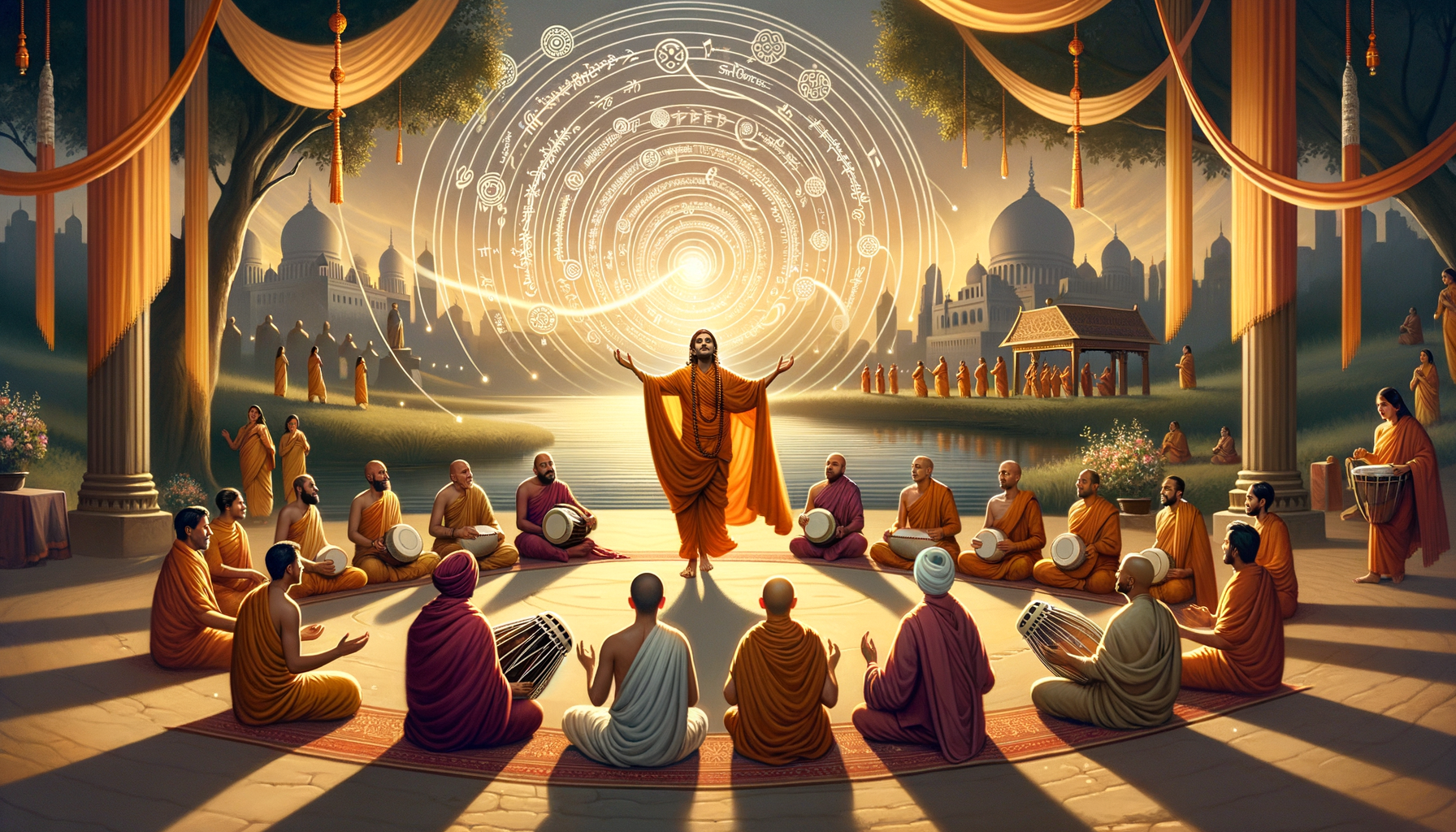
Sri Caitanya’s sankirtana movement presents a historically grounded, accessible path of congregational chanting that reawakens devotion through sacred sound. Originating in Nadia and expanding across the Indian subcontinent, the practice inspired communities to chant and has continued to spread globally. Framed within the broader dharmic family, sankirtana harmonizes with parallel traditions of communal remembrance in…
-
Jassa Singh Ahluwalia’s Rise: Forging Kapurthala State and Sikh Unity in 18th-Century Punjab
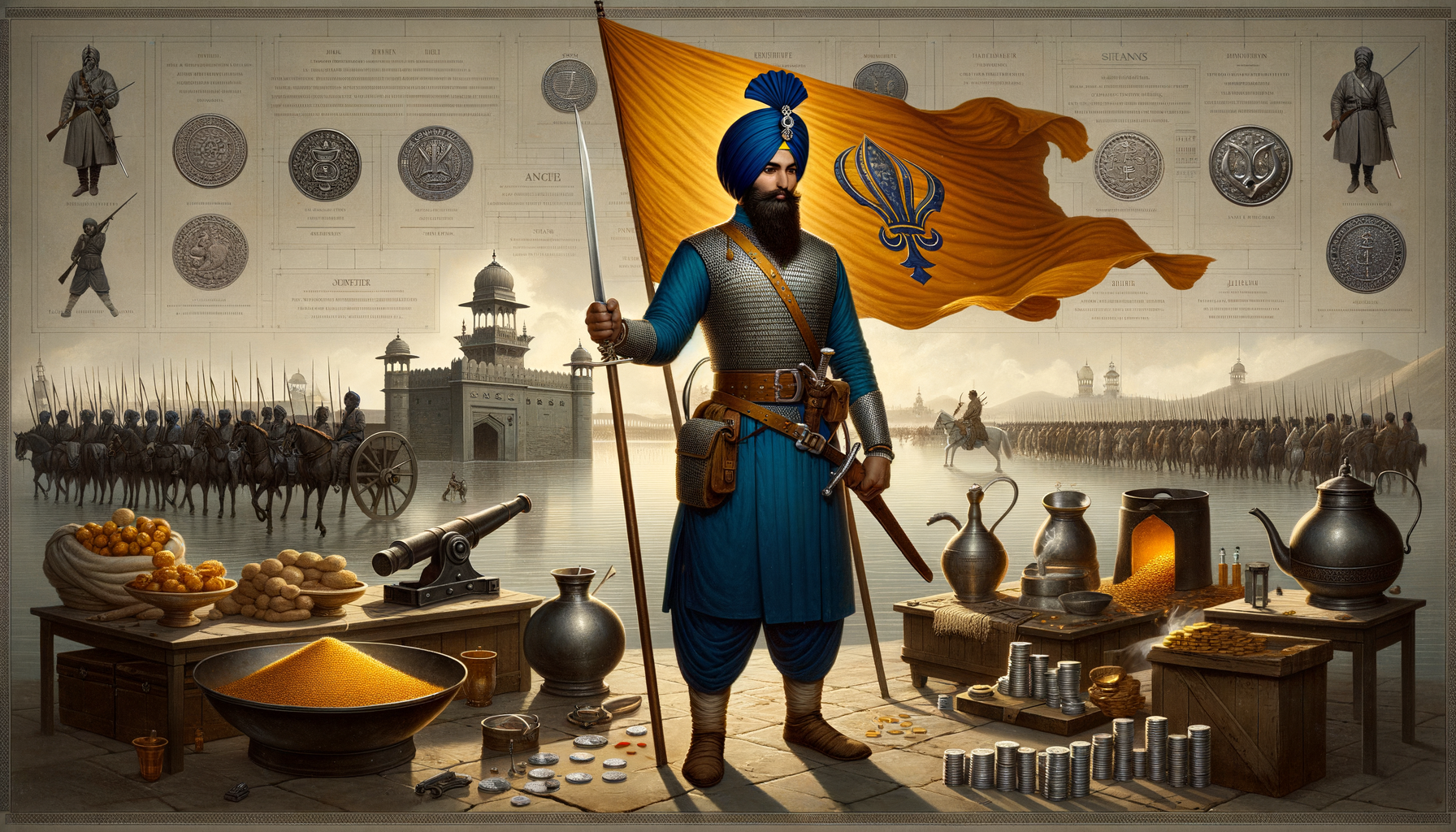
In an age of upheaval following the Mughal decline and Afghan incursions, Jassa Singh Ahluwalia unified Sikh forces and laid the institutional foundations for the Kapurthala State. His leadership in the Ahluwalia misl and Dal Khalsa fused defense with public welfare, echoing the Khalsa principle “Deg Tegh Fateh.” The result was safer routes, protected communities,…
-
Maa Saraswati: Timeless Goddess of Music, Learning, and Inner Harmony in Dharmic Traditions

Music, one of the classical 64 kalā (arts), refines intellect, steadies emotion, and uplifts spiritual energy. Maa Saraswati, the Goddess of Music and learning, symbolizes purity, discernment, and disciplined practice through the veena, lotus, hamsa, manuscript, and mala. Devotional music aligned with meditation, mantra, and study reliably eases stress, strengthens focus, and clarifies intention. Vasant…
-
February 5, 2026 Panchang: Precise Tithi Timings and Krishna Paksha Chaturthi Insights
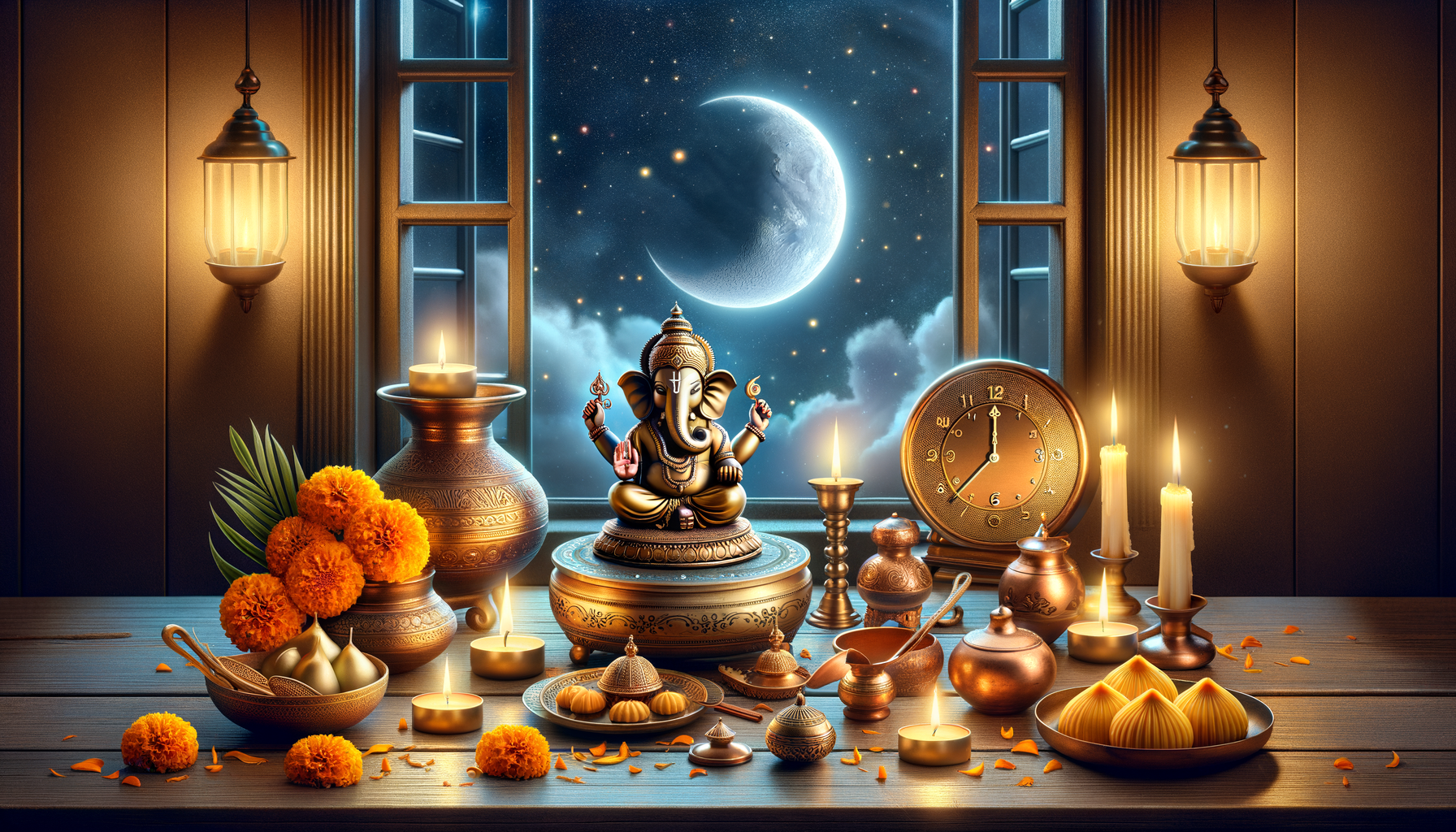
February 5, 2026 begins with Krishna Paksha Tritiya until 1:27 AM, then continues as Krishna Paksha Chaturthi for the rest of the day. The Panchang sequence supports planning for puja, study, and travel in harmony with the Hindu calendar. Krishna Paksha Chaturthi emphasizes obstacle-clearing prayers to Ganesha and a reflective, disciplined approach to the day.…
-
Jnana as Eternal Light: How Sacred Knowledge Unites Hindu, Buddhist, Jain, Sikh Paths

This essay presents jnana as the eternal light central to Hindu wisdom while connecting it with prajna in Buddhism, kevala-jnana in Jainism, and gyaan in Sikhism. It clarifies how knowledge in the Upanishads and Bhagavad Gita is transformative rather than merely intellectual, aligning atman with Brahman. Readers gain practical guidancesvadhyaya, dhyana, seva, satsangafor integrating insight…
-
Beyond the ‘Muslim Era’ Myth: India’s Dharmic Resistance and Civilizational Resilience
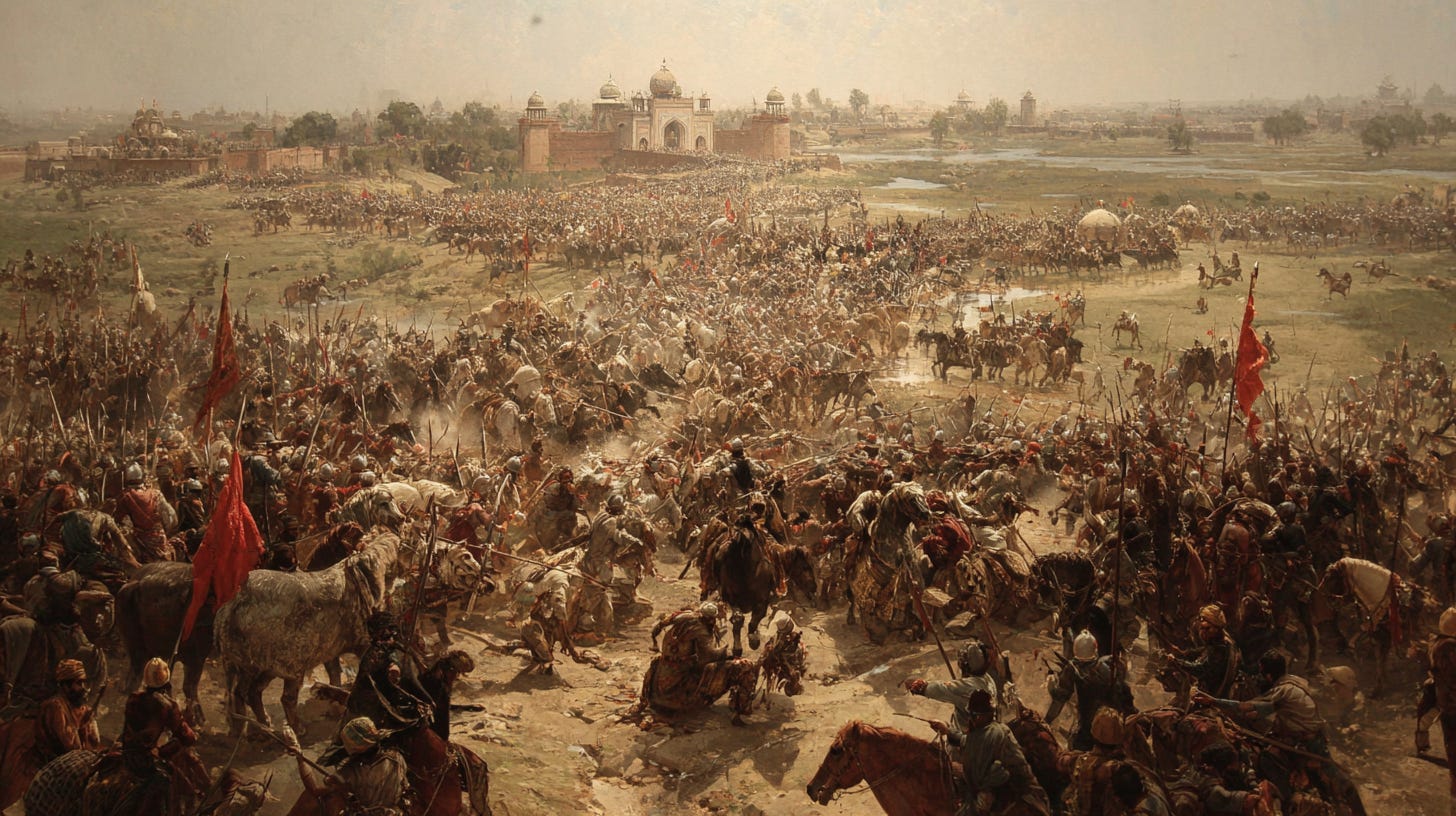
This article challenges the simplistic label of a singular ‘Muslim era’ in India and presents a more rigorous, dharmic-centered account of medieval and early modern history. It highlights how Indian politiesHindu, Jain, Buddhist, and later Sikhchecked, accommodated, and ultimately reshaped external and transregional powers over centuries. Readers gain a clearer timeline of key resistances, from…
-
Advaita Acarya’s Sacred Union: Sita Thakurani and the Roaring Call of Yogamaya-Bhakti

This post presents an academically grounded yet accessible portrait of Advaita Acarya, tracing his journey from early loss and pilgrimage to a sanctified family life with Sri and Sita, daughters of Nrsimha Vaduri. It clarifies why he is known as Sita-natha/Sita-pati and explains the Gaudiya understanding of Sita Thakurani as an incarnation of Yogamaya and…
-
January 31, 2026 Panchang: Shukla Trayodashi to Chaturdashi, Auspicious Timings & Insights

January 31, 2026 begins with Shukla Paksha Trayodashi and transitions to Shukla Paksha Chaturdashi after 7:14 AM, according to the Hindu Panchang in most regions. This shift within the waxing phase of the moon supports steady devotional practice throughout the day. Because Trayodashi ends early, evening observances align with Chaturdashi rather than Pradosh in many…
-
Thirteen Radiant Forms of Goddess Kali in Tantraloka: Abhinava Gupta’s Kashmiri Vision

This exploration presents the thirteen forms of Goddess Kali in Abhinava Gupta’s Tantraloka as a living contemplative map within Kashmir Shaivism. Rather than a fixed list, these forms serve as dynamic lenses that refine attention, transmute fear, and reveal the liberating vastness of Shakti. The discussion situates Kali within Trika and Kaula streams while acknowledging…
-
Timeless Wisdom of Srila Bhaktisiddhanta: Humility, Kirtana, and Radha–Krishna Bhakti

This essay distills Srila Bhaktisiddhanta Sarasvati Thakura’s insights on Radha–Krishna bhakti, humility, and the centrality of asraya (spiritual shelter). It explains why worship framed by Sri Radhika’s role refines devotion and protects against ego-centric religiosity. The discussion presents kirtana and hari-katha as practical means of rest and orientation, echoing Sri Caitanyadeva’s kirtaniyah sada harih. It…
-
Unveiling the Real Source of Energy: Matter, Consciousness, and the Dharmic View

This essay explores the real source of energy through a dharmic lens, clarifying why matter alone lacks creative power without the organizing presence of consciousness and prana. It synthesizes insights from Hinduism, Buddhism, Jainism, and Sikhism to show a shared recognition of an enlivening principle beyond mere material aggregation. Practical analogieslike electricity requiring both a…
-
Chanting as Life’s True Medicine: BG 2.7 Reflections at ISKCON Kuala Lumpur
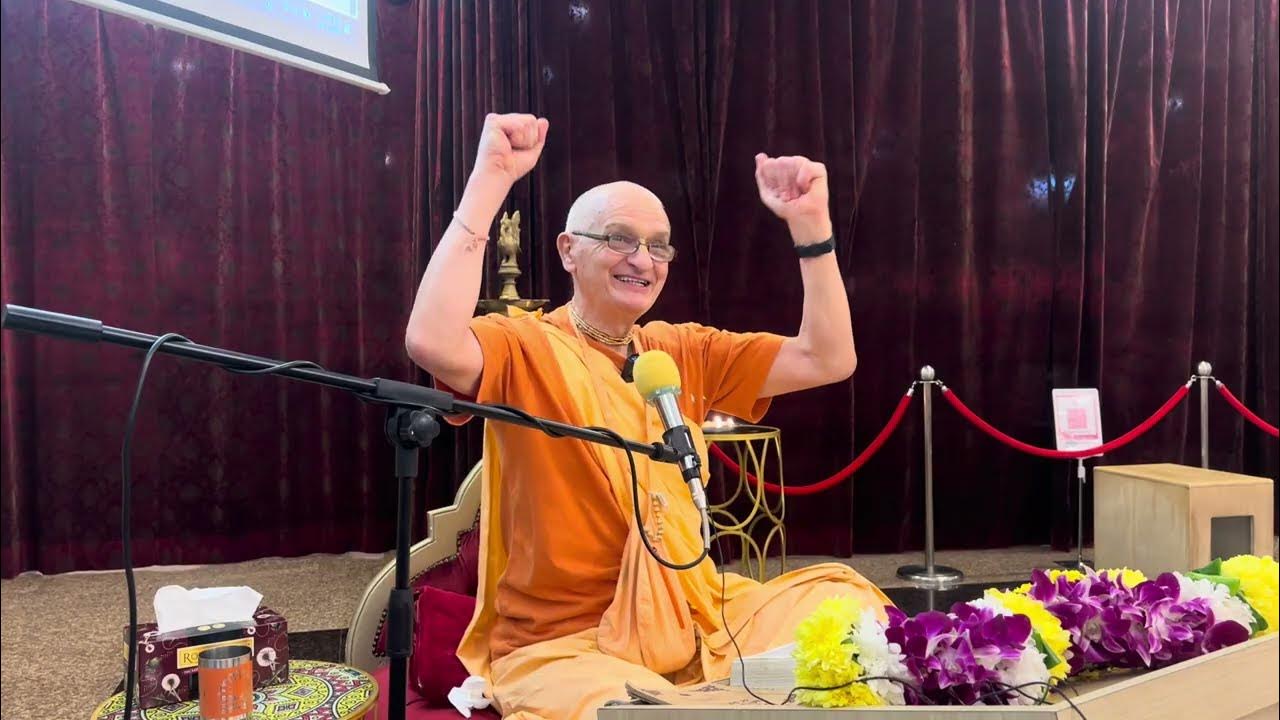
At ISKCON Sri Jagannatha Mandir, Kuala Lumpur, HH Jayananda Goswami reflected on Bhagavad Gita 2.7 to show how surrender and guidance translate into a focused, meaningful life. Recalling Srila Prabhupada’s final days, the talk emphasized that chanting the holy names is the real essence of living, beyond merely prolonging the body. Chanting and preaching Krishna…
-
Auspicious Ayilyam (Ashlesha) 2026: Key Timings, Panchang Guidance, and Success-Focused Rituals

Ashlesha (Ayilyam) is the ninth Nakshatra in the Hindu calendar, and 2026 offers many promising windows for Ayilyam natives to begin new ventures, meet clients, or start studies. This guide explains how to identify auspicious timings using Panchang fundamentals: Moon’s transit through Ashlesha, Tarabalam, Chandrabalam, Shukla Paksha, beneficial tithis, and Abhijit Muhurat. It also outlines…
-
January 25, 2026 Panchang: Saptami→Ashtami | Auspicious Tithi, Good Time, Rashi & Nakshatra

January 25, 2026 begins with Shukla Paksha Saptami and transitions to Shukla Paksha Ashtami at 8:44 PM (in most regions). This clear timing helps practitioners plan worship, vrata, and study in harmony with the Hindu calendar and Panchang. Good Time (muhurta), Nakshatra, and Rashi vary by location, so a local Panchang is recommended for fine-tuning.…
-
Bhishma’s Redemption on Ratha Saptami: A Mahabharata Meditation on Dharma and Legacy

Bhishma’s redemption on Ratha Saptami illuminates how the Mahabharata unites duty, remorse, and renewal under the guiding light of Surya. By situating his vigil and teachings within Uttarayana, the narrative aligns ethical reorientation with cosmic order. Readers gain clear, practical pathways to observe Ratha Saptami and Bhishma Ashtamithrough Surya arghya, study of Shanti Parva and…
-
Arjuna and Kirata Shiva vs. Demon Mook: Powerful Spiritual Lessons on Inner Courage
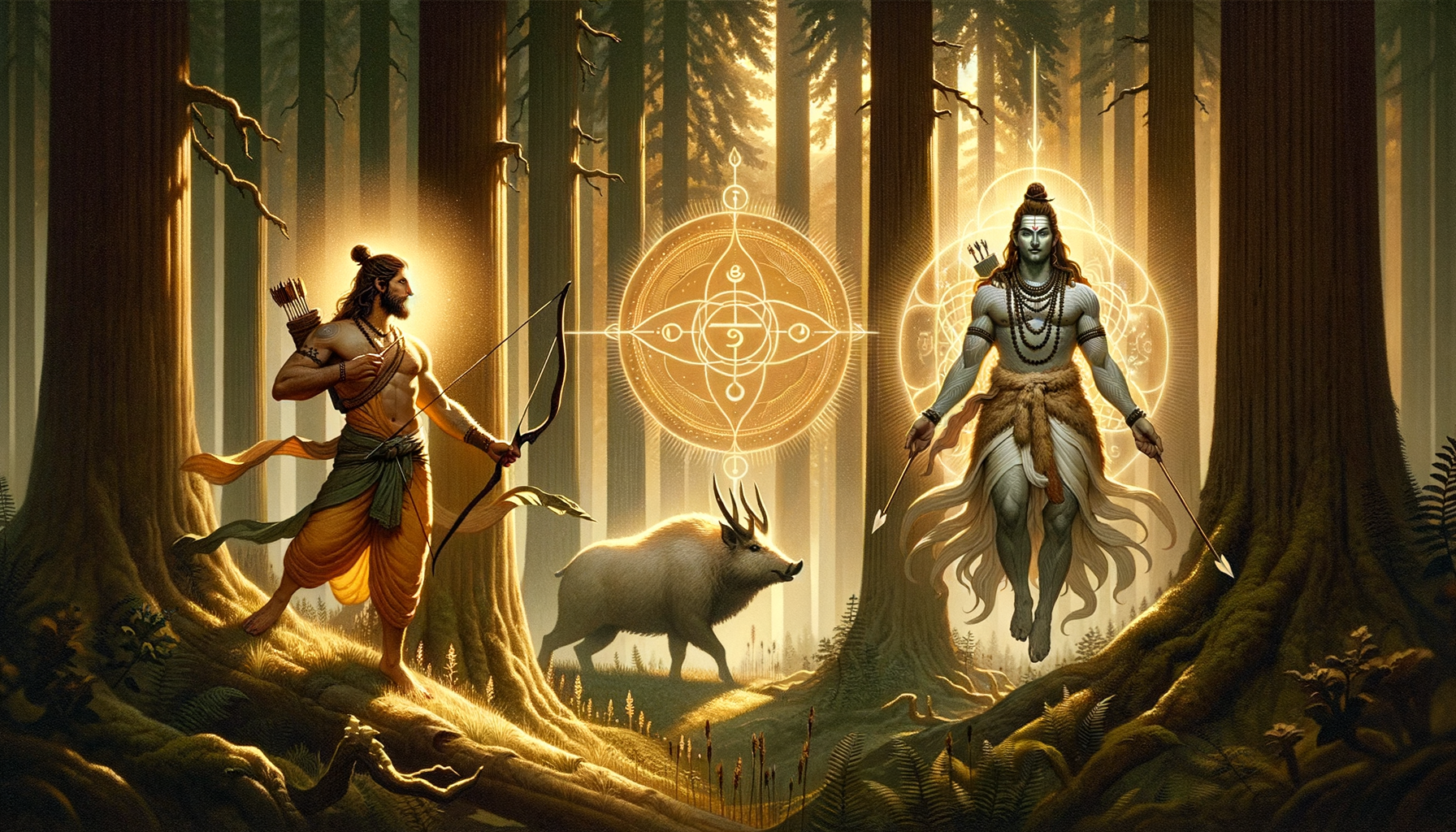
This analysis situates the Kirata episodewhere Arjuna and Shiva (as Kirata) slay the demon Mookwithin the Mahabharata’s spiritual arc. It clarifies the narrative sequence, from Arjuna’s rigorous tapasya to Shiva’s revelation and the bestowal of the Pashupatastra. It interprets Mook as the symbolic “inner demon” of delusion and tamasic impulse that arises at the threshold…