
-
Beyond ‘I Am’: Tripura Rahasya’s Bold Guide to Pure Consciousness and Nondual Freedom

Tripura Rahasya advances a radical Advaita Vedanta insight: genuine Self-Realization dissolves identity so completely that even the thought “I am” no longer arises, without slipping into blankness. The teaching redirects attention from concepts to pure, self-luminous awareness (cit), illuminating all stateswaking, dream, and deep sleepwhile resting as the nondual ground (turīya). It details a rigorous…
-
ISKCON’s Ramayana at Prabhupada’s Palace of Gold: An Immersive 78‑Minute Devotional Epic

Captured inside Prabhupada’s Palace of Gold, this 78‑minute ISKCON Ramayana offers a lucid, devotional retelling of the epic in a single sitting. The performance blends narrative clarity with bhakti aestheticskirtan, traditional instrumentation, and expressive movementto make the ethical architecture of the Ramayana emotionally intelligible. Staged within an iconic Gaudiya Vaishnava shrine, it functions as cultural…
-
Patna’s ‘Hindu Rashtra Adhiveshan’: Bold Resolutions, Constitutional Debate, and Dharmic Unity

A State-level Hindu Rashtra Adhiveshan in Patna, organized by HJS, adopted three headline resolutions: removing “secular” from the Constitution, instituting a nationwide ban on cow slaughter, and creating national anti-conversion laws. This analysis situates each proposal within India’s constitutional framework, federal structure, and Supreme Court jurisprudence. Readers gain clear context on the Preamble’s evolution, Article…
-
Beyond ‘300 Ramayanas’: Valmiki’s Legacy, Rasa Aesthetics, and Dharmic Unity in Retellings
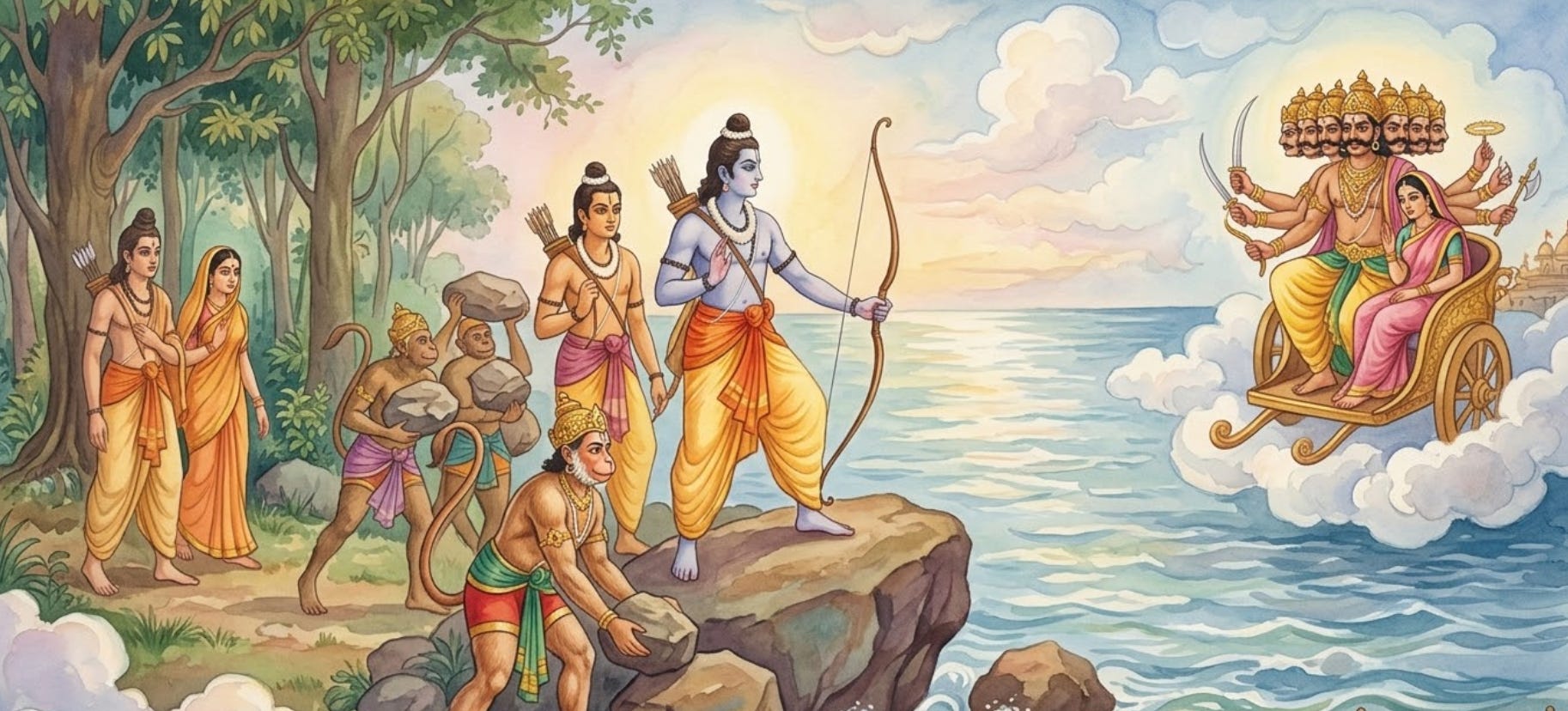
This essay maps the many Rāmāyaṇa traditions while reaffirming the aesthetic primacy of Vālmīki’s Sanskrit epic. It classifies adaptations into four clear streamsdharmic subtraditions, texts attributed to Vālmīki and folk narratives, classical kāvya and drama, and modern ideological readingsso readers can evaluate variations without losing the original’s moral and poetic center. Murāri’s verse and Ānandavardhana’s…
-
Advaita Unveiled: Realizing Oneness with the Supreme for Freedom from Fear and Sorrow

This article examines the Advaita Vedanta insight that true wisdom is to see the Self (Atman) as not different from the Supreme Being (Brahman), and shows how that vision resonates across Hinduism, Buddhism, Jainism, and Sikhism. It outlines Advaita’s precise metaphysics (maya, avidya, adhyasa) and its methods (sravana–manana–nididhyasana, neti neti, drg-drishya-viveka, panchakosha-viveka). Readers gain a…
-
Serpents, Secrets, and Shakti: Decoding the Hidden Power of Goddess Guhya Kali

This in-depth exploration decodes the symbolism of serpents alongside the esoteric presence of Goddess Guhya Kali in Shakta Tantra. It clarifies the meaning of guhya (secret) as ethical, paced revelation and shows how Kali, as Shakti, cuts through inner knots that obscure clarity. Readers gain a technical overview of kundalini, the nadis (ida, pingala, sushumna),…
-
Parabhava 2026–2027 (Ugadi to Ugadi): Transform Obstacles into Opportunity with Vedic Insights

Parabhava Nama Samvatsaram (2026–2027) begins on Ugadi, March 19, 2026, and invites a disciplined, optimistic approach to karmic transformation, deep reflection, and overcoming obstacles. As the 40th year in the 60-year Hindu calendar cycle (Śaka 1948), it encourages clarity of intention, ethical restraint, and steady practice. Practical frameworks such as Aaya–Vyaya 2026–2027 support prudent budgeting,…
-
Chaitra Navratri Day 1, 19 March 2026: 10 Powerful Rituals, Muhurat and Fasting Guide
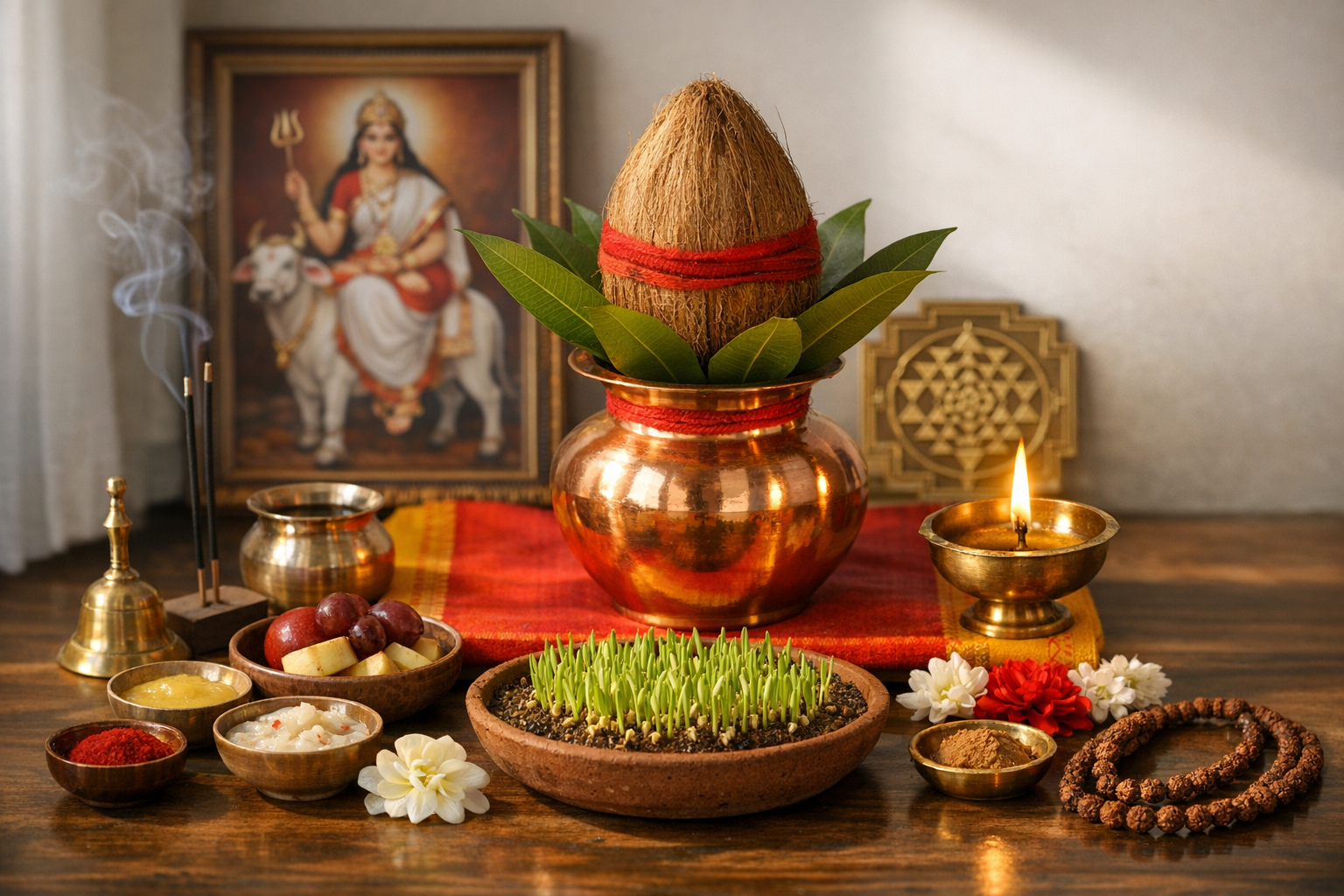
Chaitra Navratri commences on 19 March 2026 with the worship of Shailaputri, establishing the spiritual foundation for the nine nights of devotion to Goddess Durga. This comprehensive, research-informed guide explains how to time Ghatasthapana using Panchang principles, set a safe akhand jyot, and conduct Shodashopachara or Panchopachara puja with clarity. It provides ten precise Day…
-
Dry January, APOE Risk, and Midlife Brain Health: Surprising, Evidence-Based Gains in Sleep and Focus

A month without alcohol became a practical case study in midlife brain health, shaped by family history and an APOE-linked elevation in Alzheimer’s risk. Choosing a clear, all-or-nothing boundary reduced decision fatigue and revealed how quickly the reward system shifts to alternative stimuli, notably sugar. Despite brief weight gain and a transient flare of hormonal…
-
March 25, 2026 Panchang: Shukla Paksha Saptami to Ashtami, Auspicious Times, Nakshatra, Rashi

March 25, 2026 features Shukla Paksha Saptami until 4:29 PM and Shukla Paksha Ashtami thereafter, aligning Wednesday’s Mercury-infused clarity with both solar vitality and shakti-centered introspection. The guide clarifies how tithi is computed from Moon–Sun angular separation and explains why boundaries fall at clock times like 4:29 PM. It highlights universally beneficial windowsBrahma Muhurta and…
-
Beyond 24×7 Devotion: A Dharmic Guide to Spiritualizing Every Daily Action

Many assume spirituality requires unbroken prayer or constant meditation. Dharmic traditions, led by the Hindu way of life, offer a more practical path: spiritualize each action through intention, ethics, and mindful presence. Grounded in the Bhagavad Gita’s teachings on Karma Yoga, īśvara-arpana-buddhi, and prasāda-buddhi, this approach consecrates work without withdrawing from responsibility. The Pañca-Mahā-Yajña translates…
-
Child Sita’s Mercy Stops Dasharatha’s Ashvamedha Horse: A Timeless Lesson in Dharma
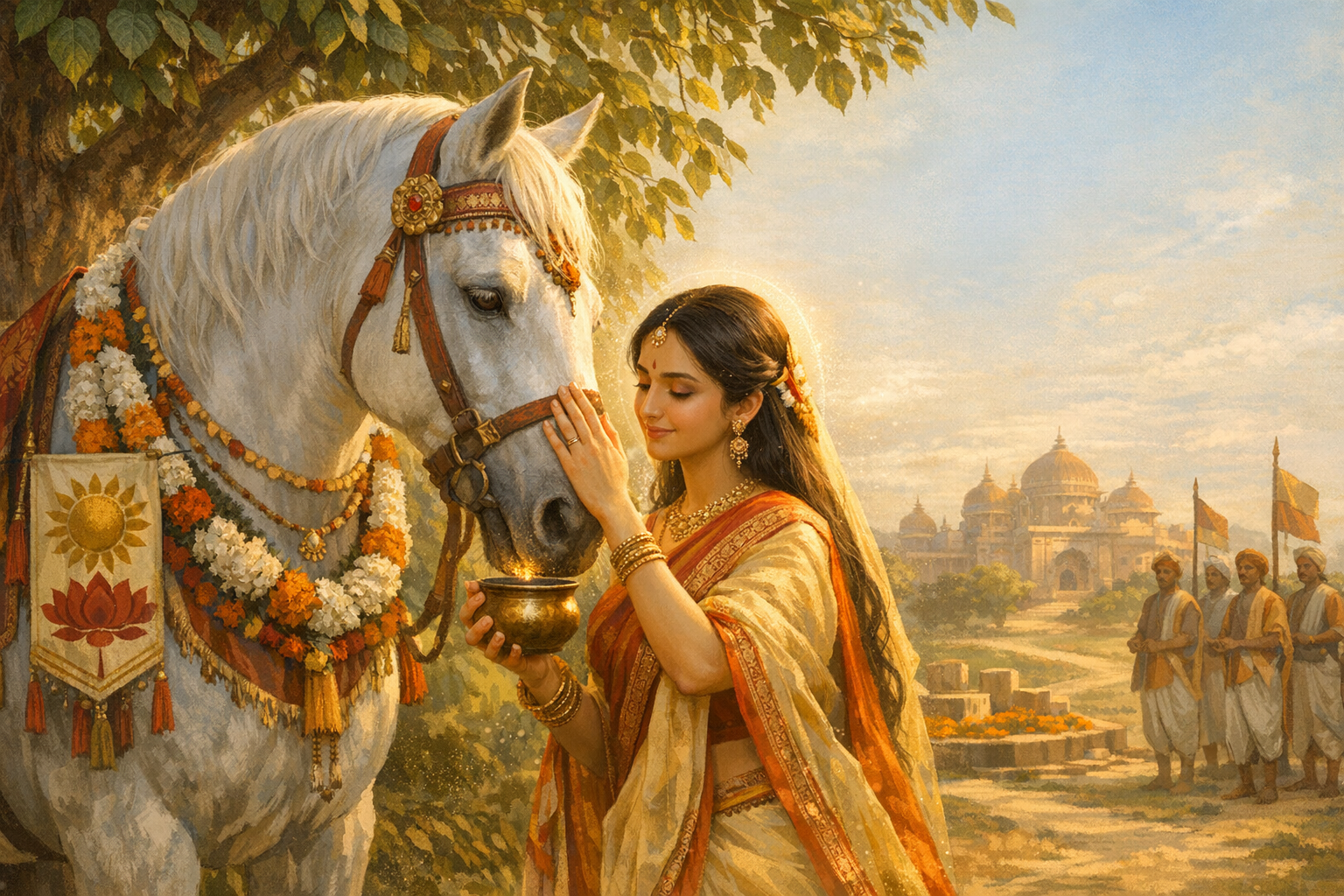
A lesser-known Ramayana tradition recounts child Sita protecting King Dasharatha’s Ashvamedha yajna horse, transforming a display of sovereignty into a lesson in compassion. Situated within the technical history of Vedic ritual, the episode illuminates how dharma transcends mechanical observance and centers ahimsa. While the Ashvamedha affirmed political order through a wandering, consecrated horse, Sita’s intervention…
-
Shaubhari Muni’s Fall and Redemption: A Bhagavatam Lesson on Pride, Grace, and Sense Control
The Ninth Canto narrative of Shaubhari Muni in the Srimad Bhagavatam offers a rigorous lesson on the limits of yogic power without humility and divine grace. A single offense to Garuda precipitates the muni’s vulnerability to Maya, demonstrating how aparadha toward saintly beings clouds discernment and destabilizes sense control. The episode traces a full arcasceticism,…
-
Mahila Shaurya Prashikshan Shibir: Empowering Mumbai Region Women with Legal, Safe Self‑Defence

Held across Vile Parle, Nerul, and Thane on International Women’s Day, Mahila Shaurya Prashikshan Shibir equipped women with a layered self-defence framework centered on awareness, de-escalation, and last-resort physical skills. The camps emphasized lawful action under the Indian Penal Code (Sections 96–106), clear communication with emergency services (112), and ethical, proportionate responses. Training integrated trauma-informed…
-
Growing Up With Shabad: The Transformative Science, Music, and Devotion Uniting Dharmic Paths

Growing up with Shabad forms attention, identity, and ethics through sacred sound anchored in Sikhism’s Shabad Guru. Musicological rigorraag, taal, and the interpretive role of rahausupports cognitive development, Gurmukhi literacy, and stable daily rhythms. Physiological pathways, including breath-synchronized prosody and vagal regulation, help reduce stress and build resilience. Comparative insights show deep kinship with Hindu…
-
Honoring S. Raja Singh: Unwavering Service, Dharmic Unity, and Hyderabad’s Heritage

This tribute examines S. Raja Singh’s leadership in Hyderabad through an academic, governance-first lens. It highlights how constituency service, public safety, and cultural stewardship can align with India’s constitutional guarantees of religious freedom. It explains how dharmic traditionsHinduism, Buddhism, Jainism, and Sikhismshare a service ethic that strengthens social trust. Readers gain a practical framework (seva,…
-
12 Evidence‑Backed Advantages of Spirituality for Resilience, Clarity, and Inner Peace

Spirituality, practiced within the plural dharmic streams of Hinduism, Buddhism, Jainism, and Sikhism, offers reliable advantages during life’s hardest moments. Evidence from contemplative science shows that meditation, pranayama, and compassion training calm the nervous system, improve heart rate variability, and sharpen decision-making. Ethical frameworks like dharma, ahimsa, and seva provide clarity under moral pressure while…
-
From Viral Backlash to Bridge‑Building: Holi at a US Preschool, Facts, Law, and Unity

A preschool Holi celebration in the United States sparked a viral debate framed as “Hindutva replacement,” obscuring what was fundamentally a neutral, child‑centered cultural lesson. This analysis separates culture from ideology, explains how US constitutional law permits teaching about religion while barring religious exercise, and maps practical steps schools can take to remain inclusive and…
-
Sacred Splendor at Siddalingapura: Subramanya Shashti Jathra 2026 on the Mysuru–Bengaluru Highway
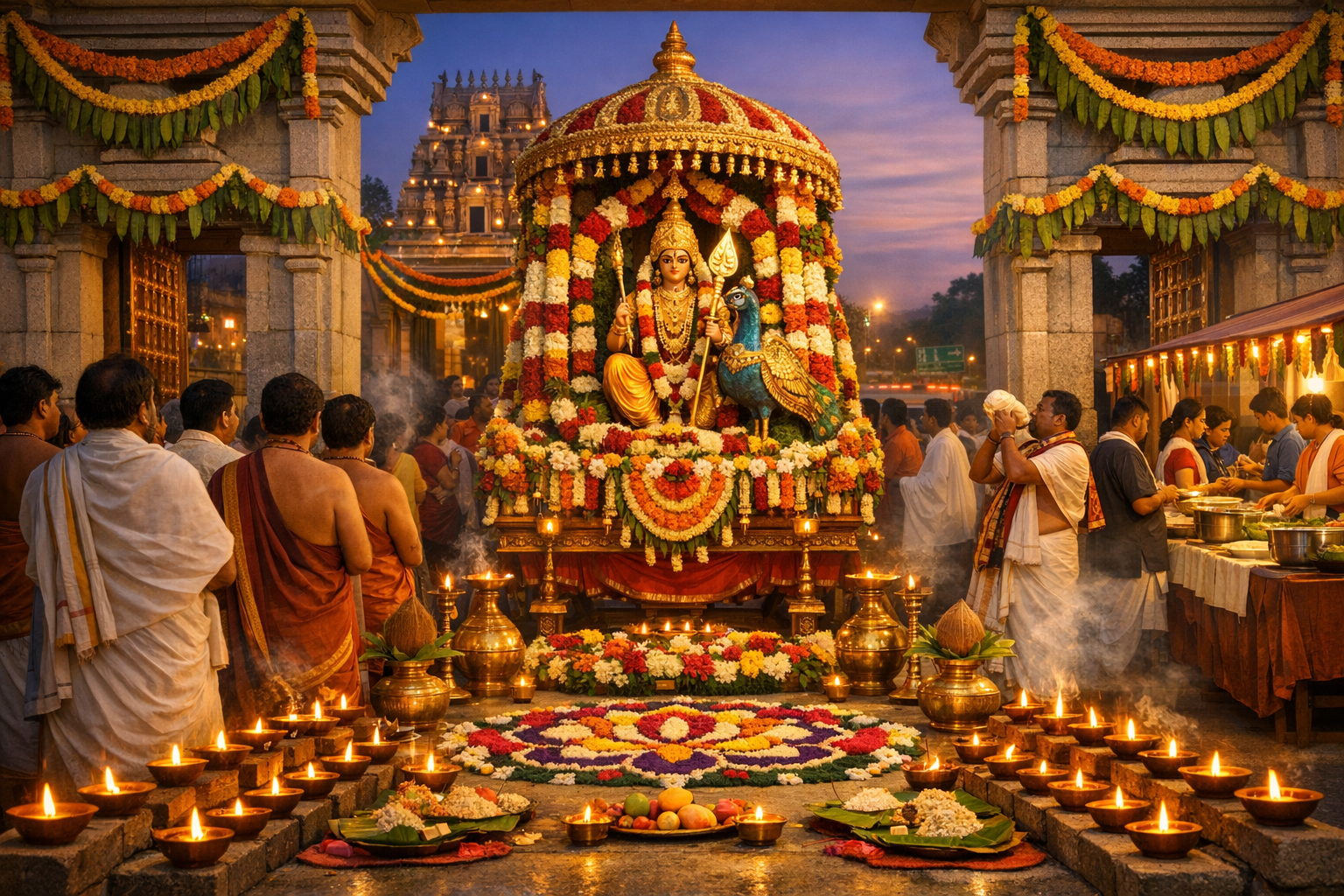
The Subramanya Shashti Jathra 2026 at Sri Subramanyeswara Swamy Temple, Siddalingapura, brought together devotees from Mysuru, Mandya, and Chamarajanagar in a disciplined, high-footfall celebration along the Mysuru–Bengaluru Highway. Held on Margashirsha Shukla Paksha Sashti, the event balanced liturgical rigorabhishekam, alankara, and stotra recitationwith inclusive darshan and efficient prasada distribution. The article explains the calendrical logic…
-
Chaitra Masam 2026 in the Telugu Calendar: Sacred Dates, Ugadi Insights, and Festival Guide

Chaitra Masam 2026 is the first month of the Telugu calendar and spans March 19 to April 17, aligning with the early spring period of the Gregorian year. Anchored in the amanta system (new moon to new moon), it inaugurates the Parabhava Nama Samvatsaram and places Ugadion Chaitra Shukla Pratipadaat the heart of New Year…