
-
Unlocking Sacred Meaning in Hindu Philosophy: Vācya, Lakṣaṇā, and Vyañjanā Demystified

Language in Hindu philosophy operates through three layered modes of meaningvācya (literal), lakṣaṇā (indicated), and vyañjanā (suggested)that guide readers from clear denotation to transformative insight. This long-form, research-driven exploration clarifies each mode with classical examples, links them to Nyāya, Mīmāṁsā, Vedānta, and Alaṅkāra-śāstra, and highlights the contributions of Ānandavardhana, Abhinavagupta, and Bhartṛhari. It demonstrates how…
-
Beyond the ‘Better’ Trap: A Dharmic Guide to Hope Without Clinging or Burnout

Hope is powerful fuel, but it can become a trap when peace depends on outcomes. This long-form, research-informed reflection clarifies the difference between direction and demand, showing how mindfulness, equanimity, and non-attachment protect motivation without creating pressure. Drawing on a unified dharmic lensBuddhist equanimity, Hindu Karma Yoga, Jain aparigraha, and Sikh hukam and sevait reframes…
-
Unity in Diversity: Harnessing Dharmic Pluralism for Deeper Spiritual Harmony and Growth

This analysis presents Unity in Diversity as a disciplined dharmic pluralism that elevates both personal practice and community life. Anchored in Srila Prabhupada’s insight that spiritual variety leads to agreement, it distinguishes unity from uniformity and diversity from fragmentation. It clarifies acintya-bheda-abheda and Ishta in Hinduism, integrating Swami Vivekananda’s views to show how devotion can…
-
Jagannatha Pandita’s Rasagangadhara: Mastering Rasa, Poetics, and Indian Aesthetics

Jagannatha Pandita (1590–1670 CE) transformed Sanskrit poetics through Rasagangadhara, a landmark synthesis that clarifies how language, context, and propriety culminate in rasathe refined relish of emotion. Born in Andhra Pradesh to Perubhaṭṭa and Lakshmi, he bridged southern scholastic lineages with the cosmopolitan courts of North India, reportedly earning the honorific Paṇḍitarāja. His oeuvre, including Bhaminivilasa…
-
From West End Wizardry to Bhakti Beats: Uncovering London’s Living Spiritual Soundscape

Cambridge Circus in London’s West End is known for the Palace Theatre and Harry Potter and the Cursed Child, yet it also hosts a living devotional soundscape of bhakti kirtan. This long-form exploration explains how call-and-response singing, simple ragas, and cyclical rhythms create inclusive “Bhakti Beats” that harmonize with the city’s flow. Readers gain an…
-
Satyakama Jabala: A Timeless Upanishadic Tale of Truth, Inclusion, and Vedic Learning
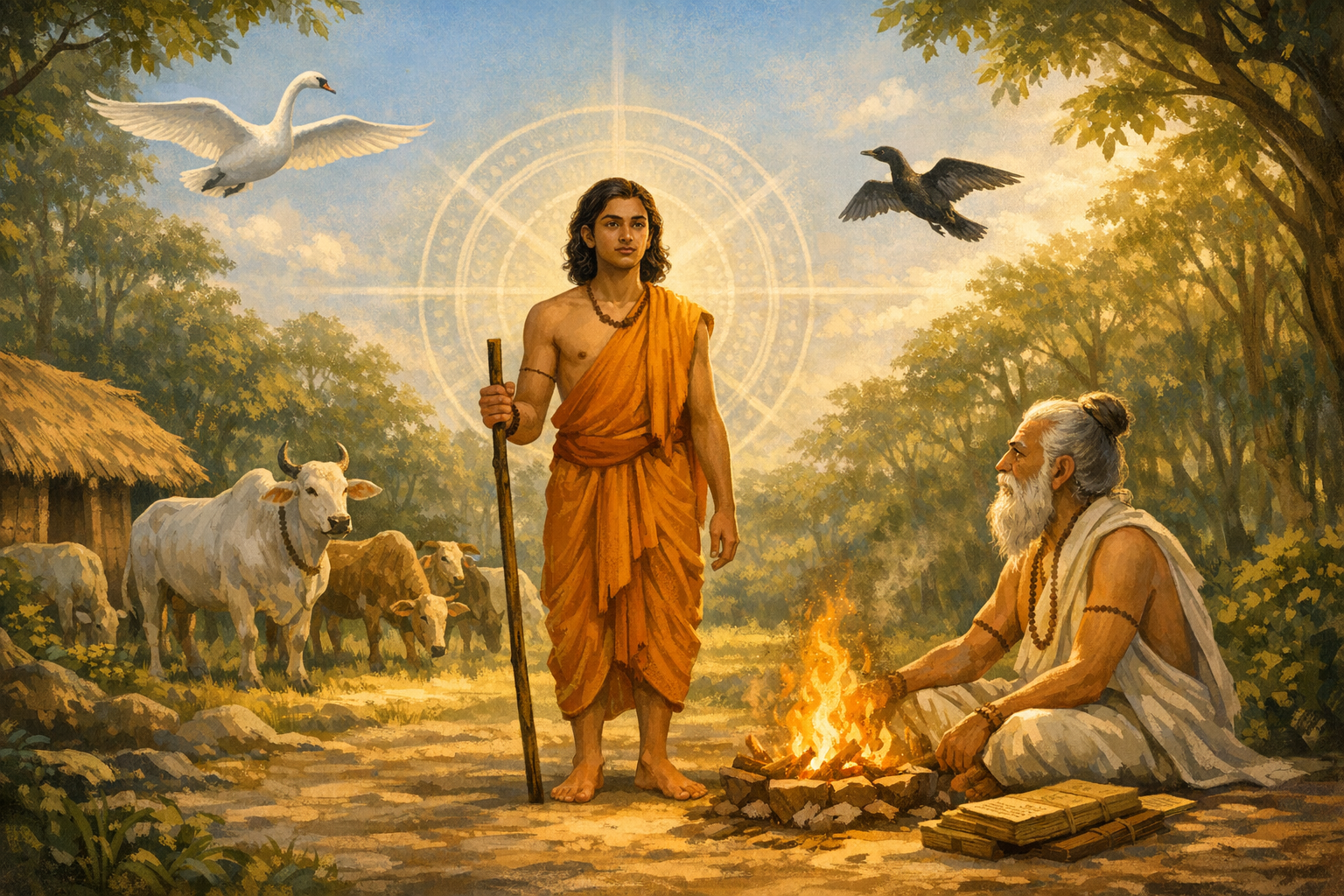
Satyakama Jabala, celebrated in the Chandogya Upanishad, embodies the Upanishadic conviction that truthfulness, not lineage, determines eligibility for the highest learning. His candid admission of uncertain ancestry and his acceptance by the sage Haridrumata Gautama have long been read as a scriptural affirmation of inclusion grounded in dharma. Through years of disciplined service in the…
-
Vishu 2026 Malayalam New Year: Exact Date, Kani Rituals, Kaineettam, and Cultural Insights
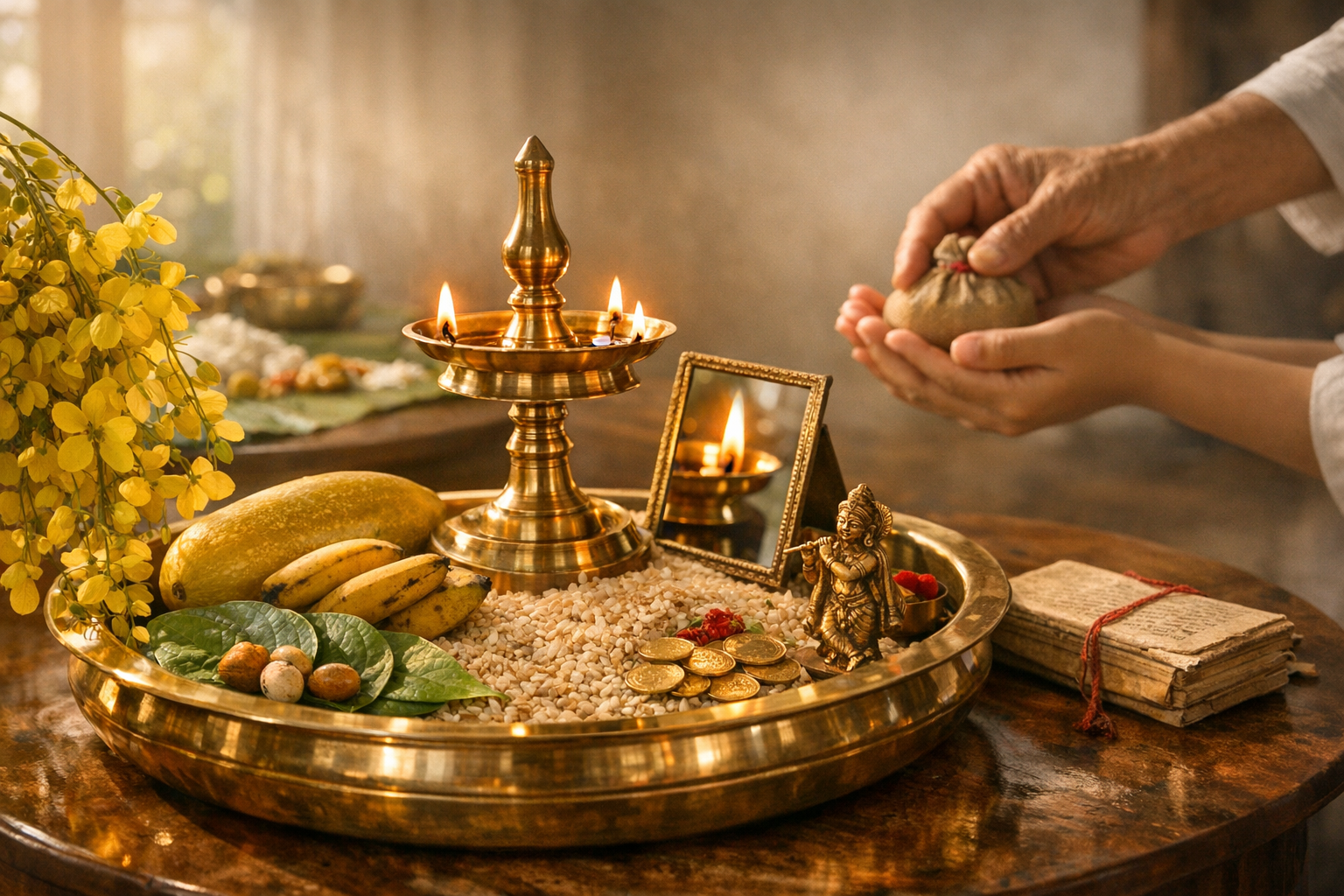
Vishu 2026 in Kerala falls on Wednesday, 15 April 2026, aligning with the first day of Medam in the Malayalam Panchang and the Sun’s ingress into sidereal Aries (Mesha Sankranti). The date follows Kerala’s sunrise rule: because Sankranti occurs after sunset on 14 April, the observance shifts to the next dawn. The festival’s centerpiece is…
-
Ayyappa Jayanthi 2026 on Panguni Uthiram: Date, Rituals, Panchang Rules, and Deeper Meaning

Ayyappa Jayanthi in 2026 will be observed on Painkuni/Panguni Uthiram, the Pournami (full moon) day of Meena Masam, on Wednesday, 1 April 2026. This date is set by the overlap of the Uthiram (Uttara Phalguni) nakshatra with Purnima, explaining why local panchang checks are recommended. The festival honors Ayyappa as Dharma Shastha and Harihara Putra,…
-
Sharabha Jayanti 2026 (May 1): Sharabheshwara Swamy Jayanti Puja, Timings, and Vaishakh Purnima Meaning

Sharabha Jayanti (Sharabheshwara Swamy Jayanti) in 2026 falls on May 1, coinciding with Vaishakh Purnima, the Full Moon that emphasizes balance, compassion, and protective grace. This comprehensive guide explains the date, calendrical nuances (including references to Vaigasi Masam and Edava Masam per regional almanacs), and the spiritual meaning of honoring Lord Sharabha. It outlines practical…
-
Inside ISKCON Brisbane’s New Temple: Robust Upgrades for a Safer, Future‑Ready Festival Hub

ISKCON Brisbane’s new temple complex has been comprehensively upgraded to support the New Temple Opening Festival with greater safety, comfort, and capacity. Structural works, including earthworks, excavation, retaining walls, and concrete stabilisation, underpin long-term durability and crowd readiness. Modernized utilitieswater, drainage, plumbing, electrical, and powerensure reliable operations under peak festival loads. Air conditioning elevates thermal…
-
Sacred Robes Betrayed: Ravana’s Sanyasi Deceit, Sita’s Abduction, and Shiva’s Silent Wrath

This long-form analysis examines Ravana’s abduction of Sita through the guise of a Sanyasi, highlighting why the episode is treated across Ramayana traditions as a grave betrayal of civilizational trust. It clarifies the Valmiki baseline, explains later vernacular expansions, and separates popular motifs like the Lakshmana Rekha from the Sanskrit core while preserving their ethical…
-
Reviving ISKCON Wellington: A Resilient Community Rebuilds Krishna’s Sacred Home

ISKCON Wellington’s long-serving temple closed in June 2024 due to structural and legal challenges, pausing a cherished rhythm of kīrtana, spiritual study, and free prasādam. This in-depth analysis outlines a responsible, step-by-step pathway to reestablish a sacred home for Krishna in Wellington that fully aligns with modern building, safety, and planning rules. It details seismic…
-
Cultivating Contentment: Dharmic Pathways to Enduring Happiness and Inner Peace

This essay examines why contentment generates enduring happiness through a unified lens from Hinduism, Buddhism, Jainism, and Sikhism. It distinguishes short-lived pleasure (sukha) from abiding wellbeing (ananda) and situates santosha within Yoga philosophy and the Bhagavad Gita’s portrait of steady wisdom. It integrates Vedanta’s Pancha Kosha model, Buddhist mindfulness and equanimity, Jain ahimsa and aparigraha…
-
From ‘Leaks’ to the Well of the House: Rahul Gandhi, Gen Naravane, and Democratic Red Lines
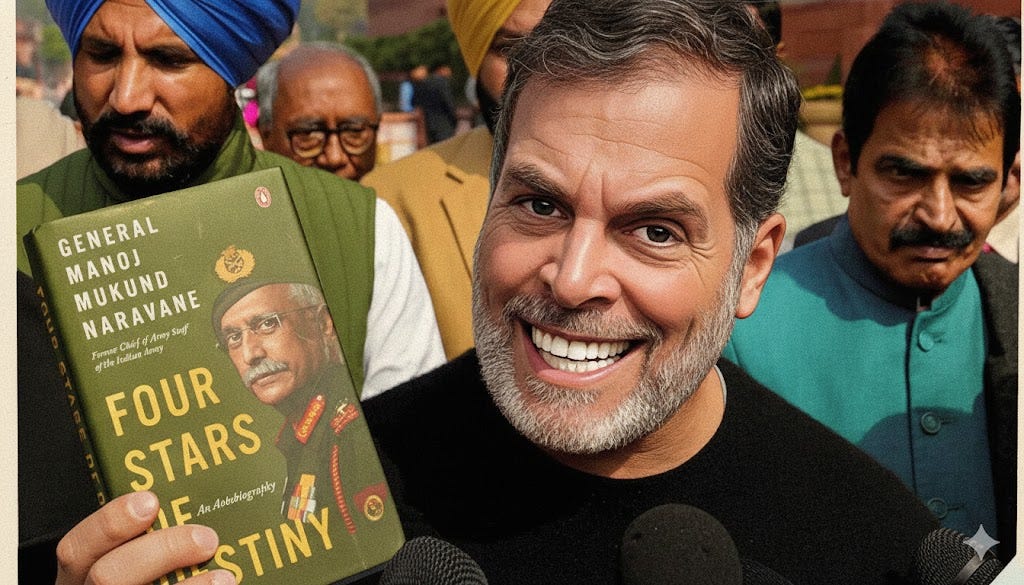
This analysis examines how recent parliamentary flashpoints involving Rahul Gandhi and references to General M. M. Naravane intersect with India’s core democratic guardrails. It contextualizes the risks of politicizing the armed forces, the perils of relying on pre-publication materials for allegations, and the security implications of proximity breaches near the Prime Minister’s bench. The discussion…
-
Why a Left-Coiled Ganesha Belongs at Home: Auspicious Energy and Easeful Worship
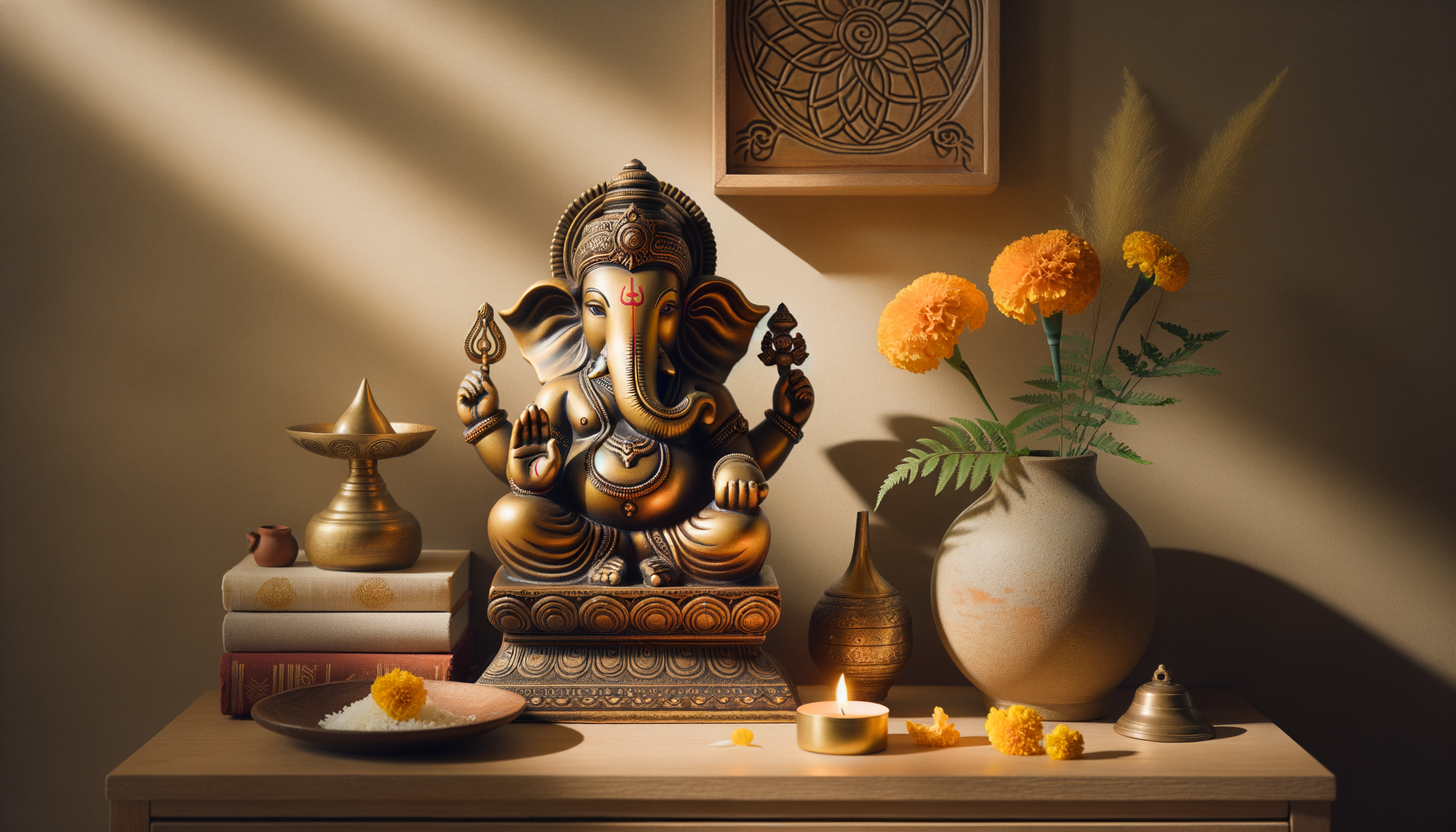
Traditional iconography explains why many households prefer a left-coiled (Vamavarta) Ganesha: it conveys calm, lunar-aligned auspiciousness that suits daily worship. The form is associated with gentle obstacle-removal and easeful upasana, making it practical for families with changing routines. By contrast, right-coiled images often require stricter ritual observance better supported in temple settings or under guidance.…
-
Sammohana Shasta Unveiled: Symbolism, Sacred Aesthetics, and the Pull of Divine Grace

Sammohana Shasta, within the Ashta Sastha tradition of Lord Shasta (Ayyappa), is presented as the sacred force that attracts the mind toward truth and compassion. Rather than worldly allure, this form symbolizes the ethical and contemplative pull that unifies devotion, knowledge, and practice. The post clarifies how Sammohana“the enchanter”is best understood as the irresistibility of…
-
‘Dugga Dugga’ Explained: The Heartfelt Bengali Blessing for Protection and Safe Journeys

“Dugga Dugga” is a cherished Bengali Hindu blessing spoken at moments of departure, invoking Goddess Durga’s protection for safe journeys. This concise invocation blends family care, Shakta devotion, and cultural continuity into an accessible daily practice. Readers will learn its spiritual meaning, historical roots, and role at liminal moments such as travel, exams, and new…
-
Falgun Amavasya 2026: Exact Dates, Regional Calendars, and Sacred Observance Guide

Falgun Amavasya, the No Moon day of the Phalgun month in the Hindu calendar, has two regional observance dates in 2026. North Indian (Purnimanta) calendars place it on 17 February 2026, while Telugu, Marathi, Gujarati, and Kannada (Amanta) calendars observe it on 18 March 2026. The March date is also known as Ugadi Amavasya /…
-
How Colonial Virginia Became a Slave Society: Laws, Revolt, and a Life That Reshaped History
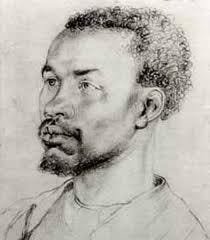
Colonial Virginia’s evolution from a society with slaves to a fully racialized slave society unfolded through interlocking changes in law, labor, and power. The life of Anthony Johnson highlights the early fluidity of status before slavery was rigidly codified. Demographic shifts and the decline of indentured servitude increased reliance on the transatlantic slave trade. The…
-
ISKCON Mayapur Sankirtan Welcome: Joyous Homecoming and Dharmic Unity (Feb 7, 2026)

On February 7, 2026, ISKCON Mayapur hosted a Sankirtan Devotees’ welcome ceremony that celebrated collective devotion and community service. The gathering highlighted Krishna-bhakti while reflecting values shared across Hinduism, Buddhism, Jainism, and Sikhism. With congregational chanting and a reverent atmosphere, the ceremony emphasized gratitude, seva, and social cohesion. Framed by living tradition, it functioned as…