
-
Inside Vraja Eco Village Philippines: Sustainable Temple Design, Akshaya Tritiya Milestone
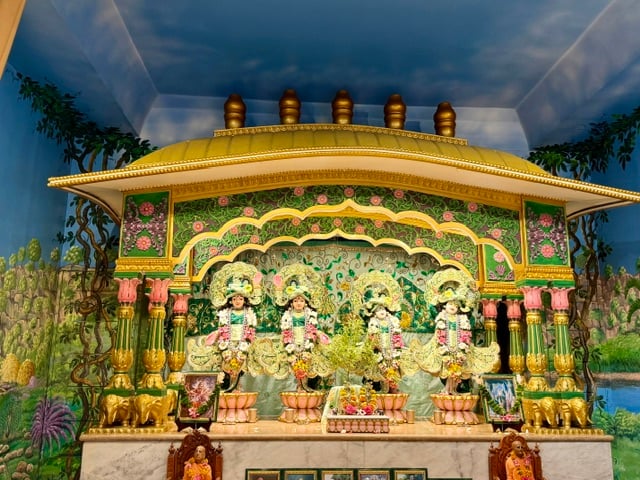
Vraja Eco Village Philippines, just outside Manila, showcases how a temple-centered campus can integrate sacred worship with ecological stewardship. Marked by a yajna on Akshaya Tritiya, the final stages of a new reception and conference building signal expanded capacity for education, dialogue, and community service. Designed with tropical, passive strategiescross-ventilation, deep overhangs, and shaded courtyardsthe…
-
Unlocking the Dhama: Gentle, Forgiving Krsna and the Power of Loving Name-Chanting

This exploration clarifies why chanting the Holy Name with loving affection functions as the practical key to the dhama in the Bhakti Tradition. It explains the ontology of the Name, the difference between mechanical and affectionate recitation, and how ethical alignment amplifies practice. Technical guidance on japa, kirtan, posture, breath, rhythm, and daily vows supports…
-
Why Hindus Wear Janeyu (Yagnopaveetham): Vedic Origins, Ritual Science, and Sacred Duty

Janeyu (Yagnopaveetham) is a Vedic discipline rather than a mere ornament. Grounded in the Grihya Sutras and Dharmasastra, it centres on Upanayanathe ethical and contemplative initiation into study (brahmacharya). The sacred thread’s three strands map to classical Vedic ideas such as the three debts, the three gunas, sacred rivers, or the puruṣārthas, and its orientations…
-
Vashishta Jayanti 2026: Date, Puja Guide, and the Timeless Vedic Wisdom of a Saptarishi

Vashishta Jayanti 2026 falls on 25 April, Vaishakh Shukla Paksha Navami, honoring Maharshi VashisthaRigvedic seer, Saptarishi, and guru to Sri Rama. This comprehensive guide explains the festival’s Hindu calendar basis, regional reckoning of Vaishakh, and the meaning of Navami tithi. It surveys Vashistha’s contributions to Vedic literature (Rigveda Mandala 7), Dharma (Vasistha Dharmasutra), and philosophy…
-
Nilotpala, the Blue Lotus: Sacred Symbolism and Iconographic Keys Across Dharmic Traditions

This long-form guide decodes the nīlotpala (blue lotus/blue waterlily) as a distinct iconographic attribute across Hindu, Buddhist, and Jain art. It explains how the half-open, slender-petaled bud differs from the full-bloom padma and why that distinction matters in sculpture, painting, ritual, and poetry. Readers learn the botanical correlates (Nymphaea nouchali versus Nelumbo nucifera) and the…
-
High-Stakes TCS Nashik Row in Supreme Court: Plea Seeks Terror Tag for Coercive Conversions under UAPA/NSA
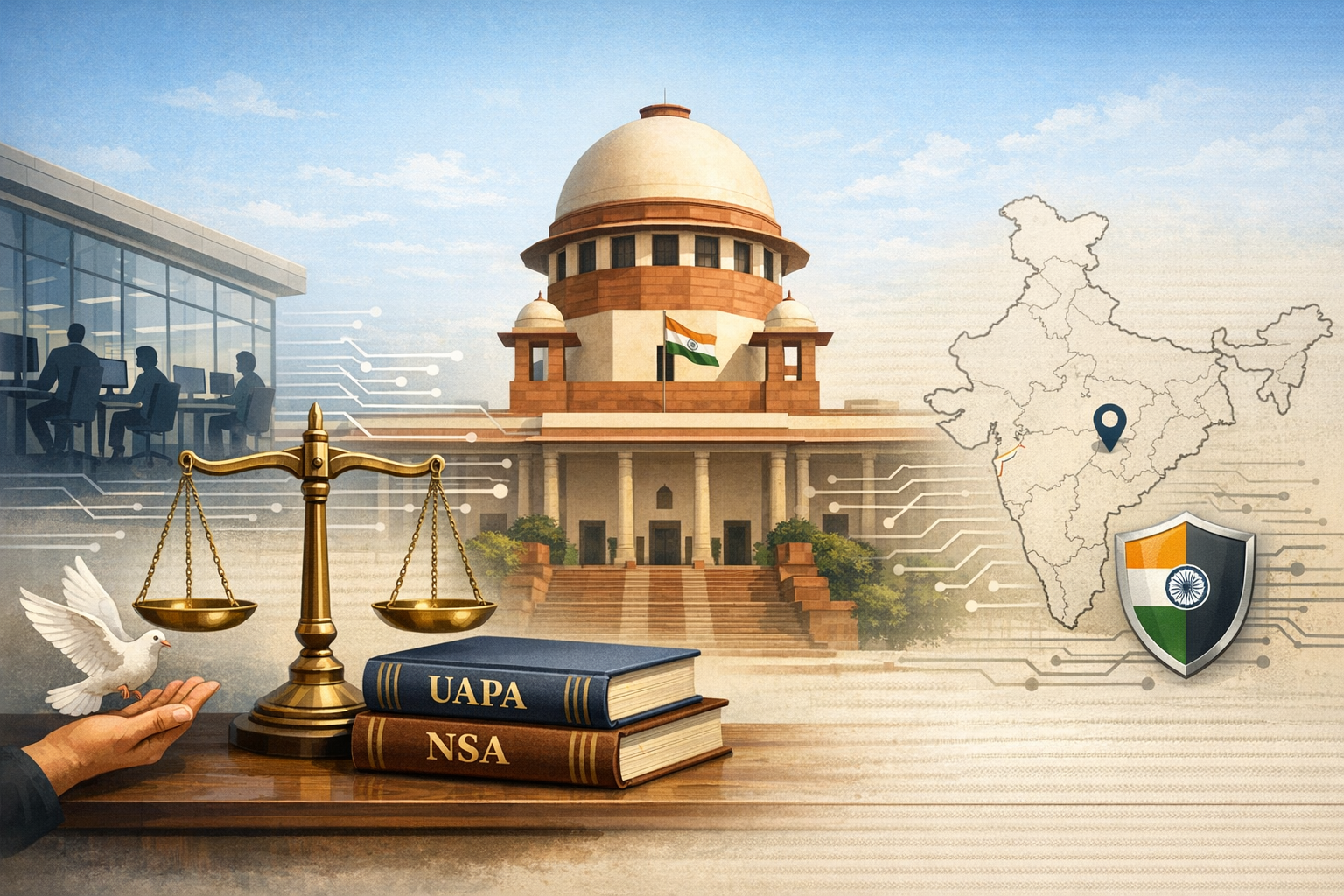
A petition before the Supreme Court of India relating to allegations at TCS Nashik seeks to classify organised, coerced conversions as a “terrorist act” under UAPA and to trigger action under the NSA. This analysis explains the constitutional backdrop (Articles 25–26), the bar against forced conversions affirmed in Rev. Stainislaus, and the protection of adult…
-
Vaishakha Masam 2026: Dates, Key Vratas, and Dharmic Significance in the Telugu Calendar

Vaishakha Masam 2026 (Madhava Masam) in the Telugu calendar runs from April 18 to May 16 and is revered for its focus on snana, dana, and japa. The month is dedicated to Lord Vishnu and features seminal observances such as Akshaya Tritiya, Narasimha Jayanti, and Vaishakha Purnima. Akshaya Tritiya emphasizes enduring merit and charitable service,…
-
Vidyaranya Jayanti 2026: Date, Puja Guide, and the Timeless Legacy of Vijayanagara’s Sage

Vidyaranya Jayanti 2026 will be observed on April 23 (Vaishakha Shukla Saptami), honoring Swami VidyaranyaMadhavacharya (Madhava Vidyaranya)the Advaita luminary and rajaguru of the early Vijayanagara Empire. This long-form guide outlines historical context, key texts (Panchadasi, Jivanmuktiviveka, Sarvadarśanasaṅgraha), and his association with Sringeri Sharada Peetham. Readers gain a practical puja framework for home observance, guidance on…
-
Gujarat video on Ahmedabad vendor expulsions: law, rights, and paths to communal harmony

A viral clip from Ahmedabad allegedly showing Muslim vendors being told “Only Hindus Can Work Here” has ignited debate about law, livelihood, and communal harmony in Gujarat. This analysis clarifies what the Constitution and the Street Vendors Act, 2014, actually permitand what they prohibitregarding vending in public spaces. It outlines relevant Supreme Court jurisprudence, highlights…
-
Warkari ‘Radicalisation’ Row: Hindutva Leaders Rebuke Pawar, Evidence, Context, and Dharmic Unity
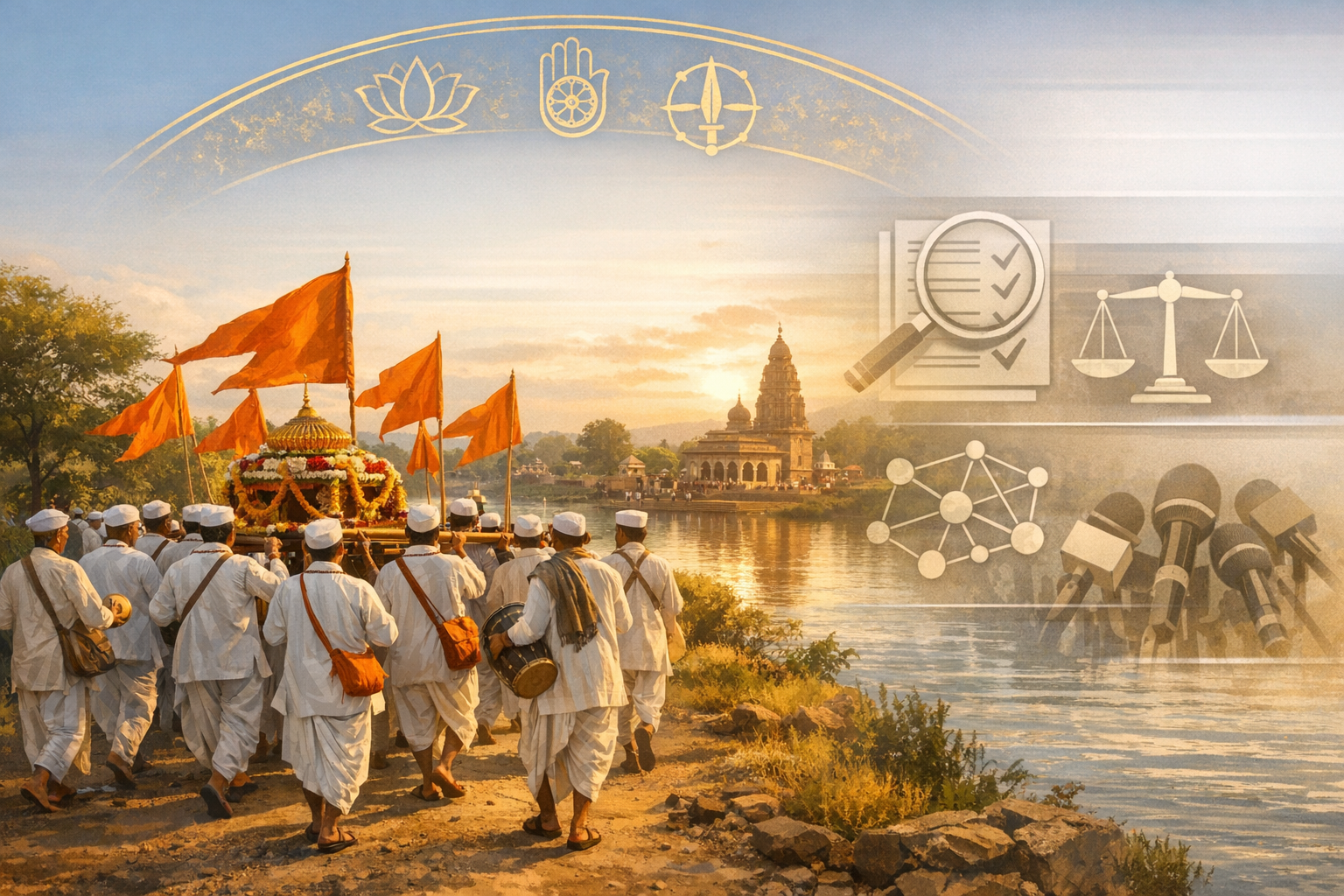
A remark by Sharad Pawar alleging “radicalisation” in the Warkari movement set off a political debate in Maharashtra, prompting forceful rebuttals from Hindutva leaders and Warkari organisations. This analysis situates the controversy within the Warkari Sampradaya’s Bhakti ethospublic devotion, kirtan, abhang, seva, and humilitywhile clarifying what security scholarship actually means by “radicalisation.” It explains why…
-
Sacred Amavasya Tharpanam, April 2026: Powerful Sankalpam Mantras, Dates, and Ritual Guidance

Amavasya Tharpanam in April 2026 spans 16–17 April across India, aligning with Chithirai (Tamil Nadu), Mesha Māsa (Kerala), Chaitra (Telugu/Kannada/Marathi/Gujarati), and Vaishakh (North India). Because the amavasya tithi crosses two civil dates, the rite is generally performed on the day it prevails during local midday. This guide situates the observance in Parabhava Nāma Samvatsaram (Śaka…
-
HAF Appeals California Caste Policy, Citing Alleged Bias and Constitutional Risks

The Hindu American Foundation has appealed to the U.S. Court of Appeals, challenging aspects of California’s caste discrimination framework as constitutionally flawed and allegedly biased against Hindu and South Asian communities. The appeal raises Establishment Clause, Free Exercise, Equal Protection, and Due Process concerns, arguing that certain trainings and enforcement practices risk religious stereotyping. California’s…
-
Shabda Pramana in Mimamsa: The Timeless Power of Vedic Testimony for Truth and Dharma

Shabdaverbal testimonyholds a privileged place in Mimamsa Darshana, where it functions as a rigorous means of valid knowledge for matters of dharma beyond the reach of perception and inference. By affirming the Vedas as apauruṣeya (authorless), Mimamsa secures scriptural authority through a detailed theory of semantics, sentence meaning, and hermeneutic indicators. The Bhāṭṭa and Prābhākara…
-
Debt of the Deep: Karma, Rta, and Dvaraka’s Fate from Treta to Dvapara Yugas

This essay reads the Ramayana and the Mahabharata together through the shared grammar of Karma and Rta, showing how avatars work within cosmic order rather than above it. It revisits Rama’s petition to Samudra Deva and the calm that enabled Rama Setu, then turns to Dvaraka’s submergence in the Mausala Parva and Bhagavata Purana as…
-
Maharishi Parashara Jayanti 2026: Sacred Date, Timeless Vedic Legacy, and Jyotisha Impact

Maharishi Parashara Jayanti 2026 falls on April 18, coinciding with Vaishakh Shukla Paksha Pratipada in North Indian (Purnimanta) calendars. The observance honors Parashara Maharshi’s far-reaching legacy across Purana theology, dharma discourse, and Jyotisha, especially through Vishnu Purana, Parāśara Smṛti, and the foundational Brihat Parashara Hora Shastra. Devotees observe the day with guru-vandana, parayana, study, dhyana–japa,…
-
From Darkness to Insight: SB 3.25.8 on the Guru’s Grace and Compassionate Japa Discipline

Srimad-Bhagavatam 3.25.8 frames spiritual progress as a movement from ignorance to insight through the grace that comes via authentic guidance and disciplined japa. Anchored in the Kapila–Devahūti dialogue, it clarifies the guru–śiṣya relationship and situates mantra practice as a technical means of refining perception. This article translates that vision into compassionate community normsencouraging audibility sufficient…
-
Protecting Young Minds: HJS urges strict student screen-time limits to Goa CM Sawant

Hindu Janajagruti Samiti (HJS) has urged Goa CM Dr Pramod Sawant to adopt strict, evidence-informed limits on student screen time amid rising concerns about digital addiction. The analysis explains what constitutes problematic digital use, why adolescents are especially vulnerable, and how excess screen exposure harms sleep, attention, eye health, and learning. It outlines a practical,…
-
Transforming Longing into Living Presence: Arcana, Bhakti-Yoga, and Inclusive Community Darshan
This essay examines why humanity’s longing to see the Divine is a significant experiential datum and explains how arcana (Deity Worship) in bhakti-yoga translates that longing into a disciplined, living encounter. It clarifies the archa-avatara understanding of the deity, situates arcana among the nine processes of devotion, and outlines a rigorous, scalable model for congregational…
-
Hanuman Jayanti 2026: Powerful Puja Vidhi & Vrat Guide with Mantras and Timings
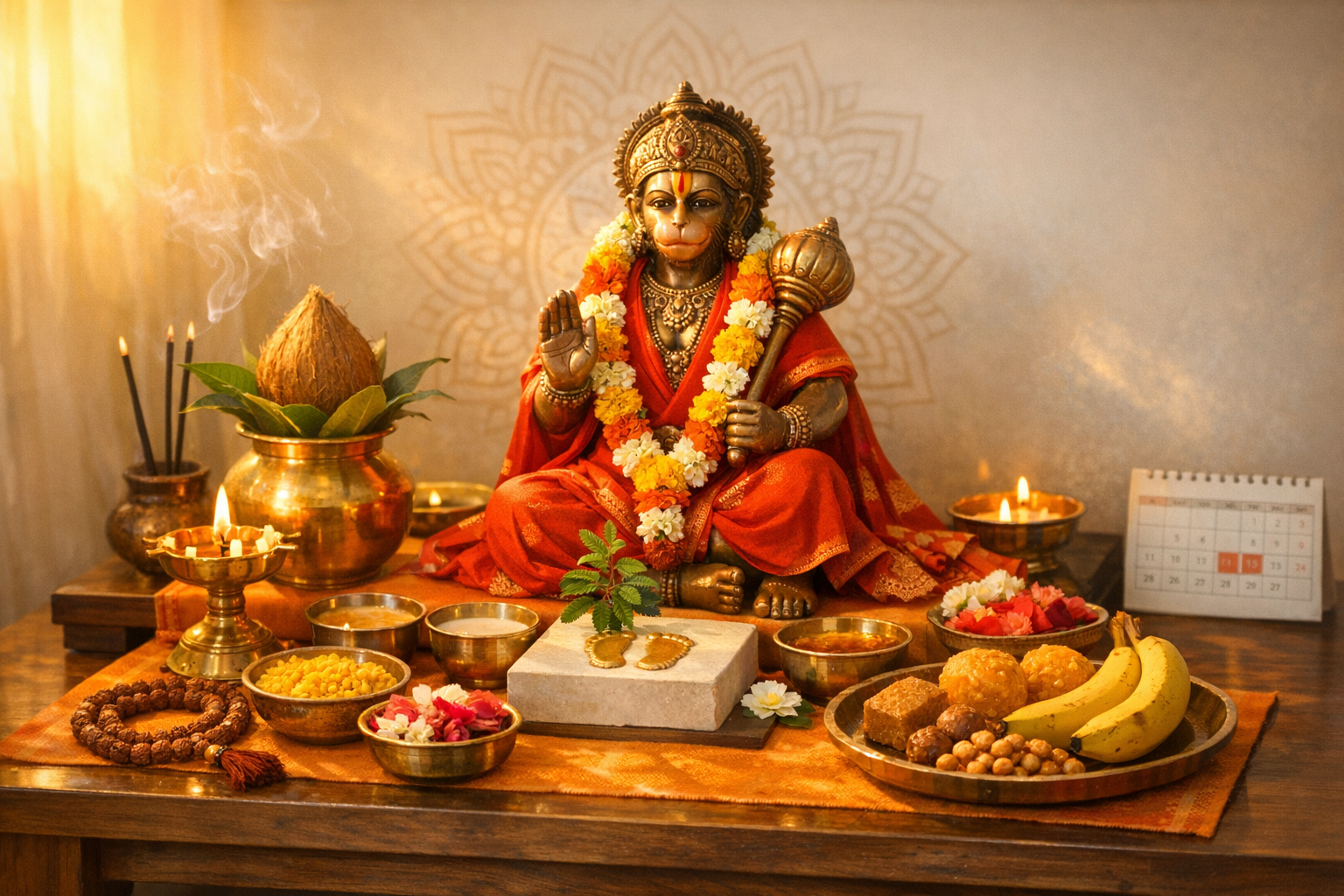
Hanuman Jayanti 2026 (Chaitra Purnima) is observed across April 1–2, depending on local sunrise tithi. This comprehensive guide presents a clear Hanuman Jayanti Puja Vidhi and Hanuman Vrat Pooja Procedure: how to prepare the altar, take sankalpa, perform abhisheka, offer shodashopachara or panchopachara, and chant core mantras like Om Hanumate Namah and the Hanuman Gayatri.…
-
Vishukkani Vili of North Malabar: Children’s Calls, Community Joy, and Vishu’s Living Heritage
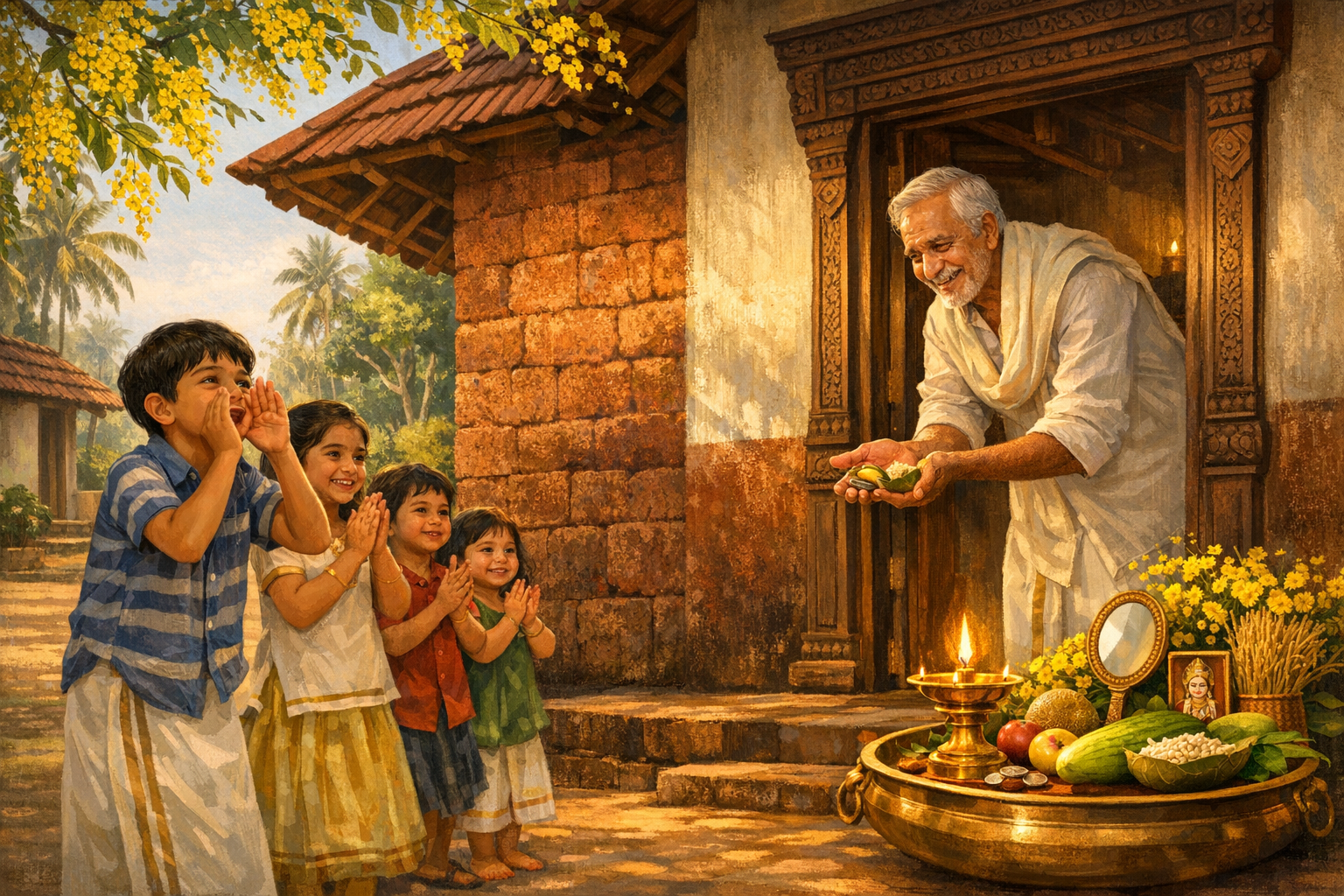
Vishukkani Vili is a living North Malabar custom in Kerala that brings the spirit of Vishuthe Malayalam New Yearout of the home and into the village street. At dawn, groups of children move house to house calling ‘vishukaniye, vishukaniye.’, receiving modest tokens that formalize generosity and goodwill. This article explains the astronomical and cultural logic…