
-
Decoding the Black Bee: Bhramari Devi and the Dark Radiance of Shakti in Hinduism
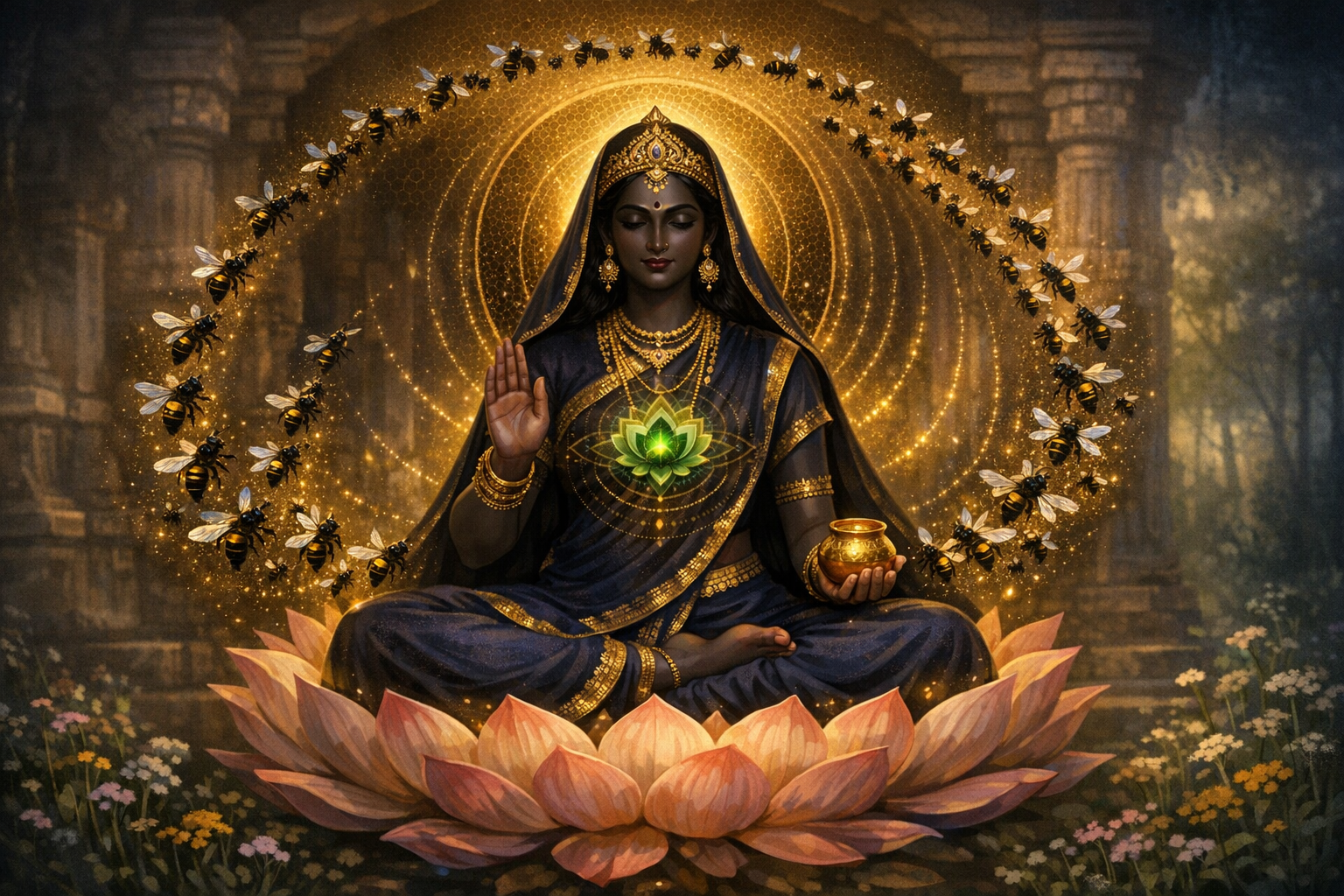
This essay decodes the Hindu symbolism of black bees through Bhramari Devi, a form of Shakti whose dark radiance signifies protection, interdependence, and transformative power. It traces Puranic and regional narratives where the Goddess overcomes adversaries as a coordinated swarm, embodying distributed Shakti. Drawing on Upanishadic Madhu-Vidyā, the Bhagavata Purana’s Bhramara-gītā, and allied motifs in…
-
Unlocking Susunia’s Sudarshana Secret: Chakrasvamin, Gupta Power, and Bengal’s Living Dharma

Susunia Hill’s fourth-century rock inscription offers a compact yet sweeping window into Bengal’s Vaishnava heritage under the Gupta Empire. Three Sanskrit lines in northern Brahmi, carved beneath a blazing Sudarshana Chakra, identify Maharaja Chandravarman as dāsāgreṇa of Cakrasvāmin and connect Vanga-deśa directly to Āryāvarta through the Prayaga Prasasti. This essay traces the Cakrasvāmin sect’s spread…
-
TTD March 2026 Festivals Guide: Unmissable Utsavams, Float Festival Finale, Darshan Tips

TTD’s March 2026 calendar centers on the sacred conclusion of Srivari Salakatla Teppotsavam (Float Festival) on March 02, 2026, offering pilgrims an unmissable opportunity for serene, water-borne darshan at Swami Pushkarini. This guide explains the theological and agamic logic behind jalotsava, clarifies how utsava murtis extend grace beyond the sanctum, and describes the sensory flow…
-
Auspicious March 2026 at Tiruchanur: Definitive Guide to Padmavathi Ammavari Ugadi, Ramanavami Sevas
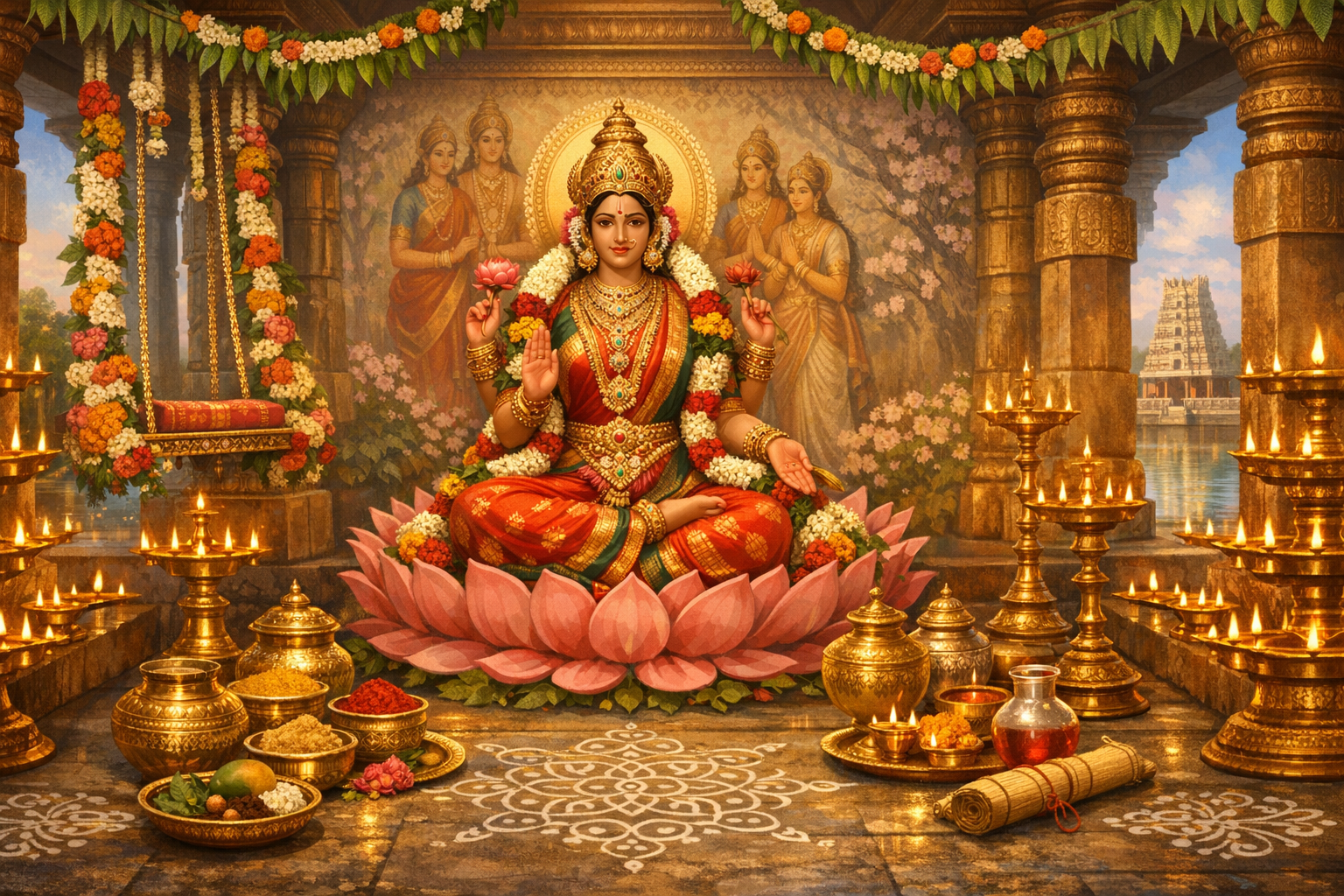
March 2026 at Sri Padmavathi Ammavari Temple, Tiruchanur, brings a concentrated sequence of Lakshmi-centric observances anchored by Ugadi (Chaitra Shukla Pratipada) and Sri Ramanavami (Chaitra Shukla Navami). The guide explains how TTD’s tithi-based scheduling shapes festival flow, what vishesha alankarams and archanas to expect, and how Panchanga Sravanam frames the new year’s ethical intent. It…
-
Beyond the Furrow: Peahen’s Egg Legends and Sita’s Birth Symbolism in Folk Ramayanas

Hindu folk Ramayanas preserve Sita’s sanctity through imaginative origin stories that complement the canonical Valmiki account. A striking variant presents Sita as arising from a peahen’s egg, recasting her as andaja while affirming her core identity as ayonija. The peahen symbolizes guardianship, beauty, and monsoon renewal, while the egg evokes the cosmic Hiranyagarbhaboth intensifying the…
-
Childhood Trauma, Self-Doubt, and Toxic Relationships: A Dharmic, Evidence‑Based Path to Healing

This analysis examines how childhood trauma fuels self-doubt in abusive relationships and explains why dangerous familiarity is often misread as chemistry. It unpacks the roles of attachment patterns, intermittent reinforcement, toxic shame, and the autonomic nervous system in perpetuating trauma bonds. It then outlines dharmic, evidence‑informed healing toolsmindfulness, meditation, Yoga, pranayama, metta, seva, and svadhyayaand…
-
Behind the Spectacle: S.L. Bhyrappa’s Eyewitness to an Indira Gandhi Rally and the Ethics of Power

Mass rallies shaped India’s political history, and eyewitness observations attributed to S.L. Bhyrappa from an Indira Gandhi event reveal how spectacle, symbolism, and strategy converged to influence voters. This analysis situates the rally within a rigorous timelinefrom the 1969 Congress split and the 1971 “Garibi Hatao” landslide to the Emergency and the 1980 returnwhile unpacking…
-
Anirvacanīya-khyāti in Advaita Vedanta: Decoding Illusion, Truth, and Liberation

Anirvacanīya-khyāti, often popularized as “Anirvachaniya Akhyati,” is Advaita Vedānta’s nuanced account of illusion: what appears in error is neither absolutely real nor absolutely unreal, but indeterminable until corrected. This theory situates everyday misrecognitionlike mistaking nacre for silver or a rope for a snakewithin Advaita’s three levels of reality and its method of sublation (bādha). It…
-
Unveiling Dharma Sastha: Profound Yogic Symbolism in Ayyappa’s Idol for Deep Meditation

Dharma Sastha, the yogic manifestation of Ayyappa, functions as a complete visual pedagogy of dharma and meditation. The yogapattabinding the knees in yogapattasanasymbolizes ethical restraint and embodied stability, enabling pratyahara, dharana, and dhyana. Mudras such as jnana-mudra and varada-mudra communicate the union of self with the Absolute and the compassionate bestowal of knowledge. Read through…
-
Sankalpa to Samadhi: How Focused Intention Forges Divine Union Across Dharmic Paths

This article examines how strong intentionsaṅkalpa, cetanā, bhāvanā, or alignment with Hukambecomes the central engine of transformation across Hinduism, Buddhism, Jainism, and Sikhism. It explains the shared architecture that links ethics, attention training, contemplative absorption, and compassionate action, showing how these elements cohere into divine union or ultimate realization. Drawing on the Bhagavad Gita, the…
-
TTD May 2026 Darshan and Accommodation: Official Process, Release Windows, and Planning Guide
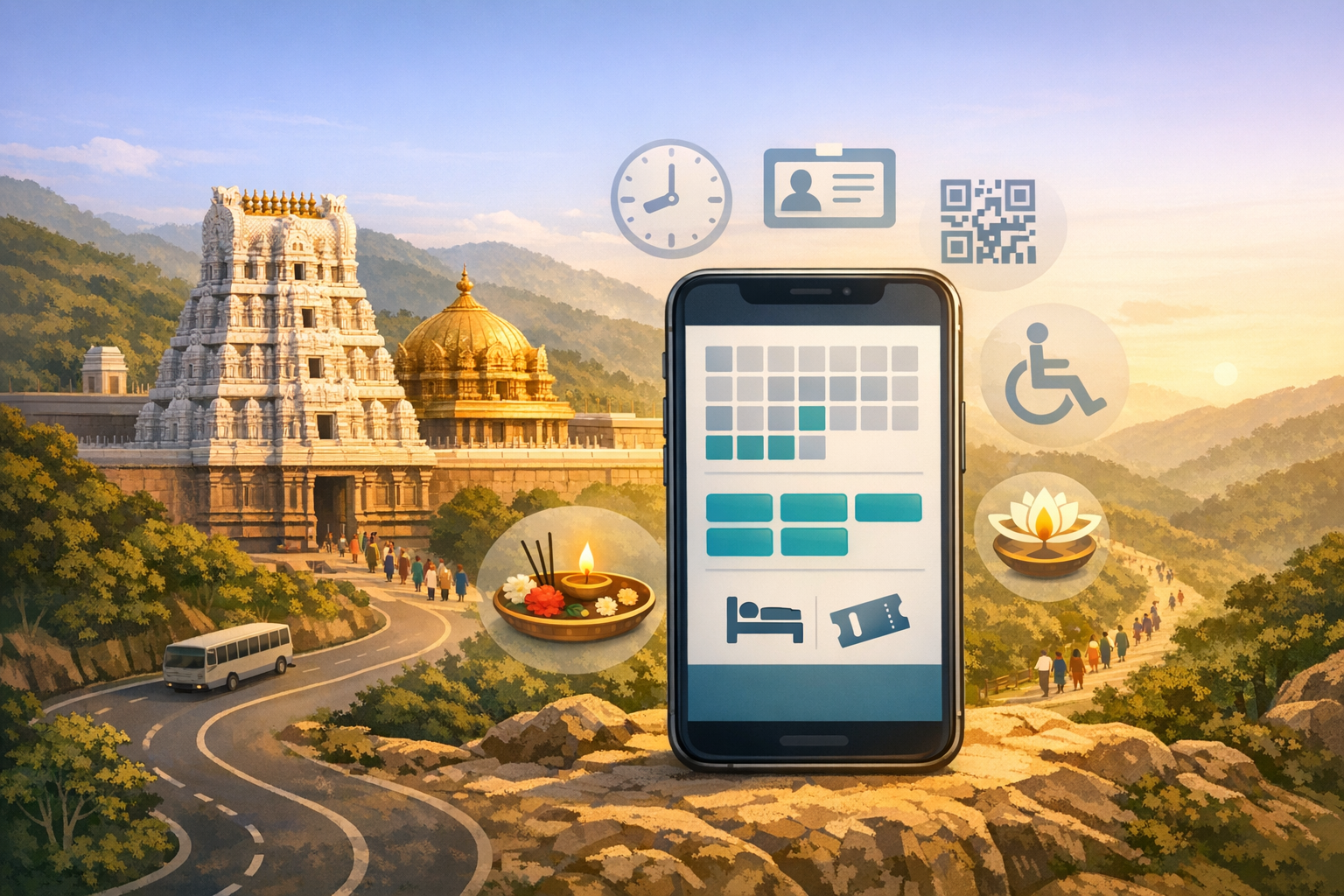
This practical guide explains how TTD generally releases monthly quotas for May 2026 darshan, Arjitha Seva, and accommodation, and how phased online windows support fairness and system stability. It clarifies the booking workflow, from account setup and KYC-ready profiles to payment, e-ticket download, and on-site verification. It outlines documentation norms, dress code, reporting times, and…
-
Panchang 21 Feb 2026 (IST): Auspicious Timings, Tithi, Nakshatra, Yoga & Practical Guide

This comprehensive guide to the Panchang for Saturday, 21 February 2026 (IST) explains how to apply Tithi, Nakshatra, Yoga, and Karanatogether with Lagna, Choghadiya, Abhijit Muhurta, Rahu Kalam, Durmuhurtham, Amrit Kalam, Tarabalam, and Chandrabalamto plan the day intentionally. It details the core formulas and interpretive logic, clarifies what must be city-specific, and offers a practical…
-
Mahashivaratri 2026 at Srisailam Mallikarjuna: Jyotirlinga–Shakti Peetha Rituals, Nishita Kaal, and Pilgrim Guide
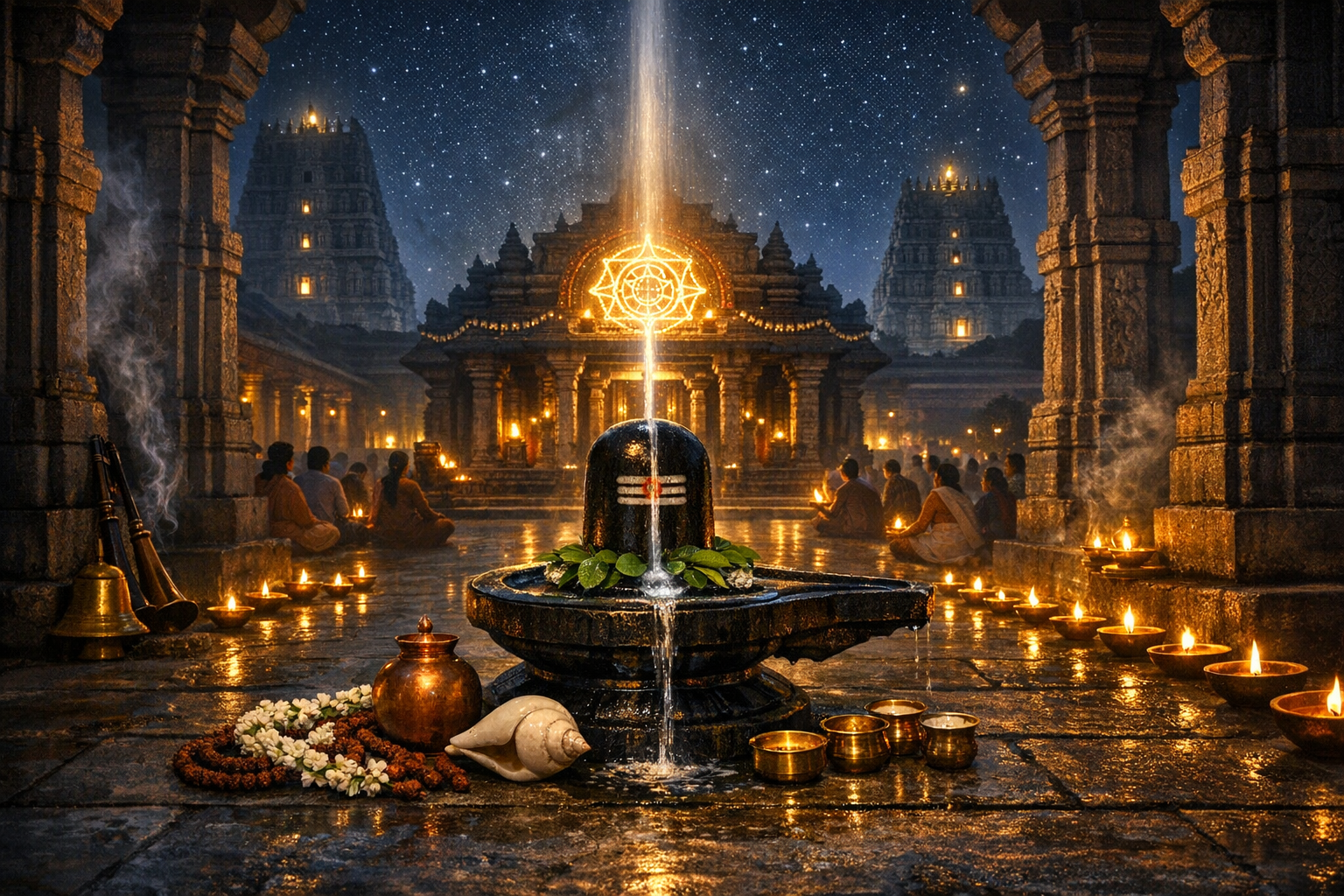
Mahashivaratri 2026 at Sri Bhramaramba Mallikarjuna Swamy Temple, Srisailam, is observed on February 15 and centers on the sacred Nishita Kaal midnight worship of Shiva. This in-depth guide explains the festival’s tithi logic, four-prahar puja structure, and the Lingodbhava rites unique to Shivaratri. It highlights Srisailam’s unparalleled status as both a Mallikarjuna Jyotirlinga and a…
-
Ghaziabad ‘Love Jihad’ Claim Spurs Mob Attack: Police Probe, Legal Framework, and Harmony First

A reported mob assault in Ghaziabad, allegedly led by a Hindutva activist after a ‘Love Jihad’ claim, has triggered a police investigation and a wider conversation about law and order. The analysis clarifies how POCSO, kidnapping provisions, and child marriage laws protect a 17-year-old, while vigilante violence attracts rioting, hurt, and intimidation charges. It outlines…
-
Chakratirtha, Hampi: Vyasaraja’s Divine Vision of Mukhyaprana and Vijayanagara’s Sacred Legacy
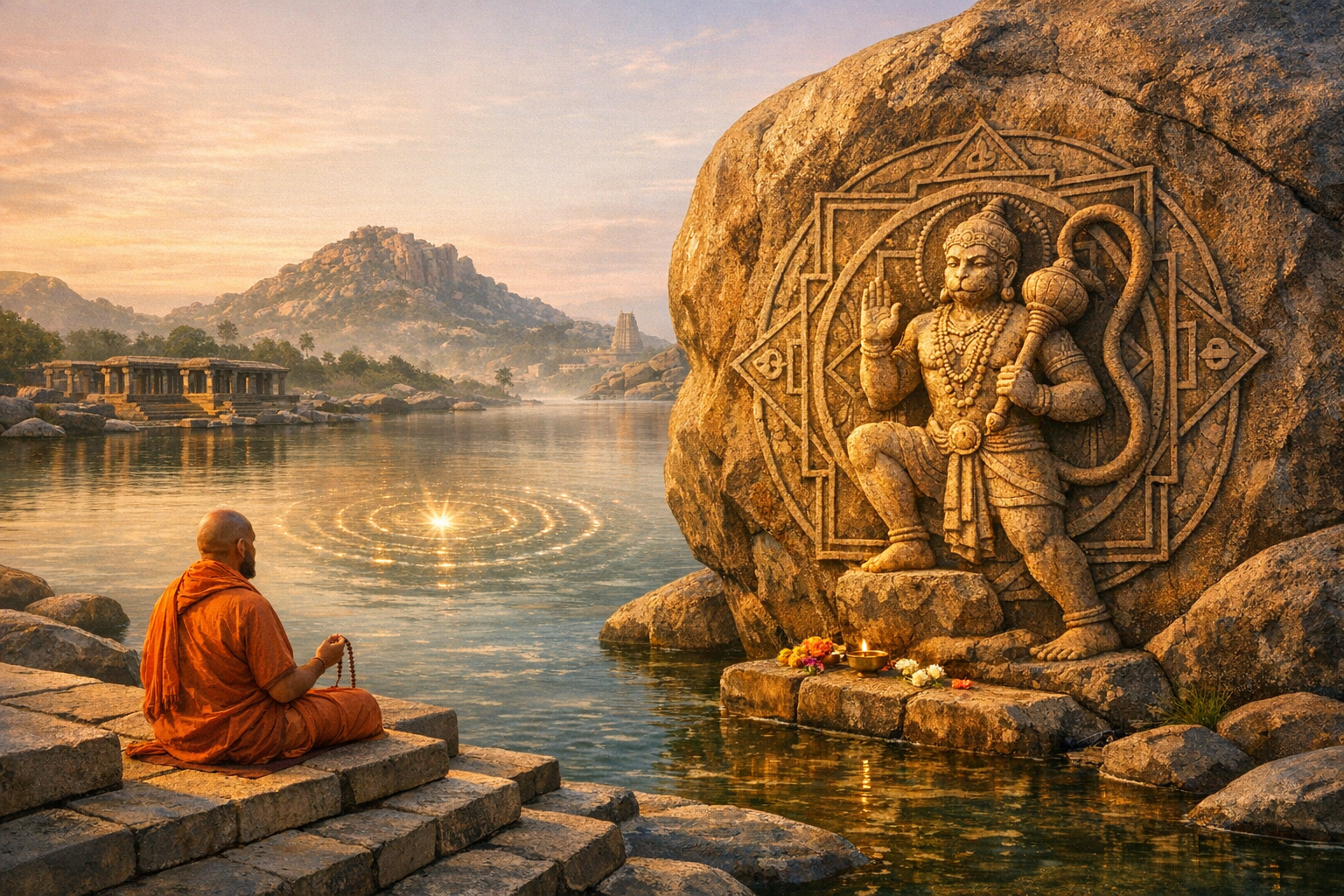
Chakratirtha in Hampi, Karnataka, fuses sacred geography with Vijayanagara history, centering on Sri Vyasarajaru’s revered vision of Mukhyaprana (Hanuman/Vayu Deva). This long-form study explains how the riverine “ford” (tirtha) becomes a lived crossing through disciplined snana, japa, and meditation, reflecting the Dvaita Vedanta ethos Vyasaraja advanced. It situates the site within Vijayanagara’s inclusive sacred landscape…
-
Sun–Saturn (Ravi Shani) Conjunction Across 12 Houses: Transformative Vedic Insights

This guide presents a clear, house-by-house exploration of the Sun–Saturn (Ravi Shani) conjunction in Vedic astrology. It preserves the classical note that, when together, these planets are read as aligned in purpose, and that Mercury’s addition can sharpen conflicts wherein the Sun’s effect predominates. Readers gain practical, academically grounded insights for all 12 bhavana (houses),…
-
February 19, 2026 Panchang: Shukla Dwitiya to Tritiya Timings, Auspicious Insights & Tips

February 19, 2026 begins with Shukla Paksha Dwitiya tithi and transitions to Shukla Paksha Tritiya at 4:18 PM, supporting a thoughtful progression from consolidation to purposeful action. The day aligns well with gentle practices such as japa, meditation, seva, and dana, while encouraging steady planning in family and community life. Those seeking a Shubh Muhurat…
-
Shattering the ‘Good Person’ Mask: From Approval-Seeking to Boundaries and Authentic Seva

Many spiritual practitioners unintentionally tie self-worth to a “good person” identity measured by constant seva, positivity, and visible devotion. This narrative shows how approval-seeking and people-pleasing create guilt, resentment, and fragile boundaries. By asking honest questions and releasing the internal scoreboard, service shifts from pressure to presence. The result is authentic compassion, healthier boundaries, and…
-
Ravana Anugrahamurti: Shiva’s Compassionate Power and the Transformative Lesson of Humility

Ravana Anugrahamurti reveals Lord Shiva’s grace transforming Ravana’s pride into devotion, offering a clear ethical lesson for modern life. The narrative emphasizes humility, restraint, and responsibilitycore values in Hindu philosophy and resonant across Buddhism, Jainism, and Sikhism. Readers gain practical insights for daily practice, from reflective chanting to mindful leadership. The iconography highlights compassion over…
-
‘Ghooskhor Pandat’ Sparks Nationwide Protests; VHP Moves Legally, Calls for Cultural Sensitivity
Netflix’s title ‘Ghooskhor Pandat’ has sparked nationwide protests and a legal push by the Vishwa Hindu Parishad (VHP), spotlighting the balance between creative freedom and cultural sensitivity. This analysis outlines the concerns raised by Brahmin community organizations, the legal avenues being explored, and the broader implications for cinematic representation. Readers gain a clear view of…