
-
March 2026 Pujas at Kanchi Kamakoti Peetham: Comprehensive Lunar Calendar and Guide

This in-depth guide aligns March 2026 pujas at Sri Kanchi Kamakoti Peetham with the Hindu lunar calendar, mapping them across Falgun–Chaitra (North), Phalguna–Chaitra (Telugu, Kannada, Marathi, Gujarati), Falgun–Chaitra (Bengali Panjika), and Masi–Panguni (Tamil). It explains how tithis drive temple observances, why local Panchang rules matter, and how to plan darshan around Purnima, Amavasya, Pradosham, Ekadashi,…
-
TTD March 2026 Festivals Guide: Unmissable Utsavams, Float Festival Finale, Darshan Tips

TTD’s March 2026 calendar centers on the sacred conclusion of Srivari Salakatla Teppotsavam (Float Festival) on March 02, 2026, offering pilgrims an unmissable opportunity for serene, water-borne darshan at Swami Pushkarini. This guide explains the theological and agamic logic behind jalotsava, clarifies how utsava murtis extend grace beyond the sanctum, and describes the sensory flow…
-
Why Arjuna’s Grief Is Called Yoga: The Transformative Power of Viṣāda in the Bhagavad Gita

Why is Arjuna’s grief in the Bhagavad Gita called “yoga”? The first chapter, Arjuna Viṣāda Yoga, frames sorrow as a disciplined gateway to discernment and ethical clarity. By exposing attachment, catalyzing viveka–vairāgya, and inspiring surrender“śiṣyas te ’ham”grief becomes the very condition for transformative instruction. The Gita’s own colophon names it a yoga-śāstra, indicating that each…
-
Swift Action at Ratnagiri Hospital: Unauthorised Banners Removed to Ensure Safety and Harmony

Unauthorised banners were removed from Ratnagiri’s District Government Hospital after a formal citizen representation, highlighting the importance of neutrality and safety in public health institutions. The action aligns with the Bombay Prevention of Defacement of Property Act, 1995 and standard municipal by-laws governing signage on public property. By keeping clinical areas free from non-sanctioned displays,…
-
Two Yet One: Advaita Vedanta’s Science of Oneness and a Dharmic Bridge across Traditions

The teaching ‘you and I are two persons; yet we are one’ expresses Advaita Vedanta’s core insight: empirical plurality and ultimate unity coexist without contradiction. This long-form exploration clarifies Brahman, Atman, and the roles of maya and avidya, situating ethics and devotion within a rigorous non-dual framework. Drawing on the Upanishads and the Bhagavad Gita,…
-
Mukhyartha in Hinduism: Unlock the Power of Abhidha-Shakti for Precise, Sacred Meaning

Mukhyarthasecured by abhidha-shaktiprovides the primary, literal meaning that anchors Hindu hermeneutics, ritual, and scripture. This article clarifies how primary sense operates in sentences, why context can trigger shifts to lakshana (secondary meaning) and vyanjana (suggestion), and how classic criteria like akanksha, yogyata, and sannidhi preserve coherence. It surveys perspectives from Mimamsa, Nyaya, Vedanta, and the…
-
Gaura Purnima Explained: Advaita Acharya’s Call that Reawakened Bhakti in Bengal

Gaura Purnima marks the full-moon appearance of Sri Chaitanya Mahaprabhu (1486 CE) in Navadvip, Bengal, and inaugurates the Gaurābda calendar. Situated in the Bhakti Tradition and celebrated as a major Hindu Festival, its historical context critiques performative religiosity and re-centers inner transformation. Gaudiya sources depict Sitanath Advaita Gosai invoking Krishna’s descent through worship with Ganga…
-
Inside Gaura Purnima 1975 at Mayapur: Srila Prabhupada’s Vision, Discipline, and Lasting Impact

Gaura-purnima 1975 in Mayapur, witnessed in the presence of Srila A.C. Bhaktivedanta Swami Prabhupada and preserved in the recollections of Srutakirti das, offers a disciplined, practice-centered model for celebrating Sri Chaitanya Mahaprabhu’s appearance. The festival integrated mangalā-ārati, focused japa, scriptural study, sankirtana, abhiṣeka, and prasāda into a coherent arc of devotion. Theologically anchored in acintya-bheda-abheda,…
-
Gaura Purnima 2026: Gaura‑lila, Nama‑sankirtana, and ISKCON Ljubljana’s Living Legacy
Sri Gaura Purnima 2026 at ISKCON Ljubljana brings the golden legacy of Sri Chaitanya Mahaprabhu (Gaura‑lila) into vivid focus through nama‑sankirtana, study, and service. Grounded in Gaudiya Vaishnava scriptures, the festival highlights acintya‑bhedabheda‑tattva and the transformative power of the Hare Krishna maha‑mantra. Reflections inspired by teachers such as HH Candramauli Swami underline sadhana, sadhu‑sanga, and…
-
Kashi’s Tilbhandeshwar Mahadev: The Shivling Said to Grow a Sesame Each Year and Its Meaning

In Varanasi’s Tilbhandeshwar Mahadev Temple, devotion, memory, and material processes meet around a unique tradition: the Shivalinga is said to grow by a sesame seed each year. The temple’s name, lore, and ritual life together illustrate how communities preserve sacred knowledge through practice. Technical factorsmineral accretion from abhishekam and subtle structural shiftsoffer plausible mechanisms for…
-
Warkari Sampraday Urges Ban on Marathi Play ‘Iththala’ to Safeguard Reverence for Bhakti

The Warkari Sampraday of Lanja has petitioned the Chief Minister to ban the Marathi play ‘Iththala’ (‘Ithala’), alleging mockery of devotion. This analysis explains the Warkari Bhakti Tradition and why portrayals perceived as derisive can distress communities in Maharashtra. It outlines the constitutional balance between free expression (Article 19(1)(a)) and reasonable restrictions (Article 19(2)), and…
-
Mahasadashiva Unveiled: Rare 25-Headed, 50-Armed Cosmic Shiva in South Indian Temples

Mahasadashivadepicted with twenty-five heads and fifty armsis among the rarest and most conceptually rich forms of Shiva in South Indian temple art. Drawn from the Shaiva Agamas and śilpa treatises, the icon expands the fivefold logic of the pañca-brahma into a full cosmic diagram in stone. The fifty arms are widely read as the Sanskrit…
-
Shakini Yogini Unveiled: Lion-Headed Shakti, Bhairava’s Wrath, and Deep Tantric Symbolism

Shakini Yogini, often depicted with a lion face, crystallizes Tantric teachings about fearless clarity, ethical speech, and disciplined power. Emerging mythically from Bhairava Samvarta as mahauraudra, she embodies purgative intensity in service of transformation, not harm. Many traditions map her to the Vishuddha chakra, where the seed sound HAM refines voice and intention into vāk-siddhitruthful…
-
Arjuna’s Grief as Yoga: The Transformative Power of Vishada in Bhagavad Gita Chapter 1

The Bhagavad Gita calls its opening chapter Arjuna-Vishada-Yoga to teach that honest suffering can initiate authentic spiritual discipline. Arjuna’s despondency exposes moha, leads to surrender (śiṣyas te ’haṁ), and prepares the ground for buddhi-yoga, samatva, and Karma Yoga. By defining yoga as equanimity and skill in action, the Gita frames grief as a catalyst that…
-
Gyaraspur’s Timeless Legacy: Ekadashi Devotion and the Jain–Hindu Temple Heritage of Vidisha
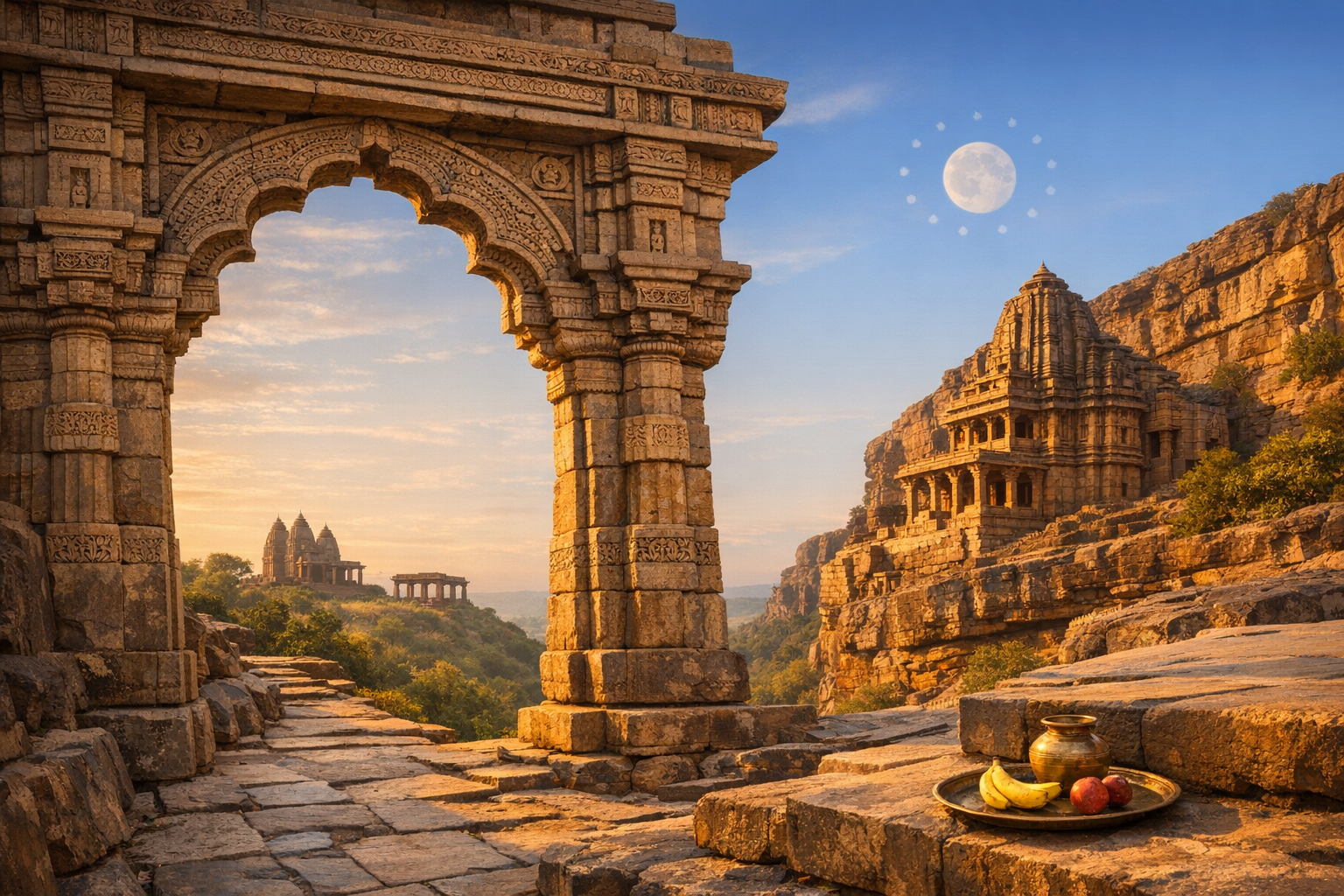
Gyaraspur in Madhya Pradesh unites Ekadashi devotion with a remarkable ensemble of Jain–Hindu temples, offering an exemplary study in sacred geography and cultural continuity. The village’s name is locally linked to gyaras (the eleventh lunar day), reflecting how fasting traditions shape communal identity. Architectural treasuresMaladevi Temple, Bajramath, and the Hindola Torana with Athkhambashowcase Gurjara–Pratihara and…
-
Unraveling the Vetala: Haunting Myths, Staring Gaze, and Nightmares in Hindu Tradition

Vetala (Betal/Baital) stands in Hindu mythology as a liminal being that embodies the threshold between life and death, turning fear into a vehicle for ethical insight. Classic tales such as the Vetāla Pañcaviṃśati (Vikram and Betaal) reveal the vetala as a relentless examiner of judgment, not a mere frightful apparition. Its cremation-ground setting and unblinking…
-
Affection Without Weakness: Timeless Dharmic Wisdom for Compassionate, Courageous Living

This article reframes affection as a resilient strength when aligned with discernment, boundaries, and ethical purpose across Hinduism, Buddhism, Jainism, and Sikhism. Drawing on the Bhagavad Gita, Vidura-niti, the Brahmavihāras, Anekāntavāda, and the Sikh Sant-Sipahi ideal, it shows how compassion matures with wisdom and becomes courage in action. Readers gain a practical decision process rooted…
-
March 9, 2026 Panchang: Accurate Tithi, Shubh Muhurat, Nakshatra & Rashi Guide

March 9, 2026 (Monday) in the Hindu Panchang begins with Krishna Paksha Sashti and transitions to Krishna Paksha Saptami at 10:03 PM IST. The post explains tithi astronomy, the sunrise-tithi rule for observances, and how Amanta and Purnimanta month naming differ while remaining astronomically consistent. It outlines how to identify Shubh Muhurat anchors such as…
-
Nori Narasimha Sastry’s Mastery: Research-Rich Telugu Novels that Illuminate Dharma and History
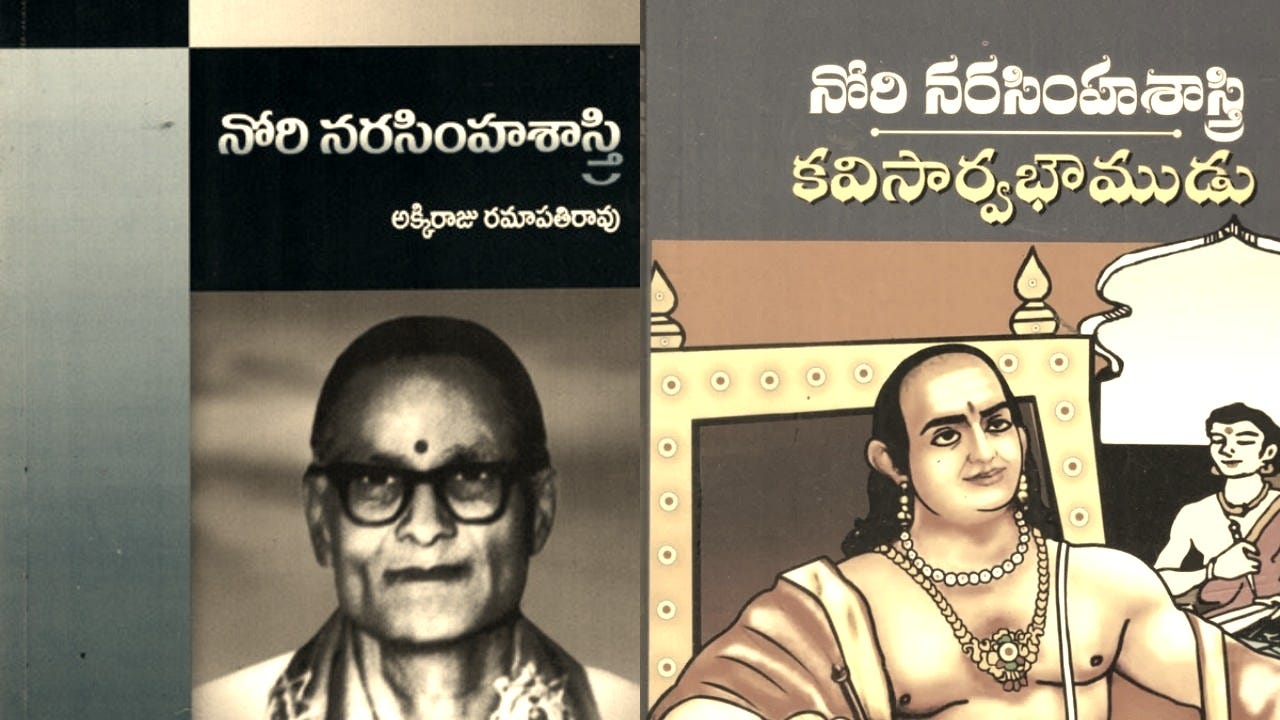
Nori Narasimha Sastry’s historical novels unite rigorous research with the civilizational vision of Sanatana Dharma, earning a readership that places his prose alongside classical Telugu works. By pairing Srinatha with the bhakti poet Potana in Kavidvayamu and portraying Dhurjati within the Vijayanagara milieu, he balances devotional interiority with institutional history. His mature use of Champu,…
-
Decoding Nagapadma Kalam: Sacred Serpent Geometry and Rituals in Kerala Snake Temples

Nagapadma Kalam is Kerala’s sacred serpent-ritual painting where art, geometry, music, and ecology converge. Rooted in Kalamezhuthu, it frames the Naga upon a lotus padma and is enacted with natural pigments, mantra, and Pulluvan Pattu. The rite unfolds in snake temples and Sarpa Kavu, aligning spiritual protection, fertility, and environmental stewardship. Its padma-based geometry, multi-hooded…