
-
UP Police Encounters After Attack on YouTuber Saleem Wastik: Law, Forensics, Community Impact

Uttar Pradesh Police reported two encounters tied to the alleged stabbing of YouTuber Saleem Wastik, with Zeeshan killed and Gulfam critically injured. This analysis explains what happens next under Supreme Court and NHRC guidelines, including mandatory FIRs, magisterial inquiries, and forensic protocols. It examines how necessity and proportionality shape lawful use of force and why…
-
Unlocking Sacred Meaning in Hindu Philosophy: Vācya, Lakṣaṇā, and Vyañjanā Demystified

Language in Hindu philosophy operates through three layered modes of meaningvācya (literal), lakṣaṇā (indicated), and vyañjanā (suggested)that guide readers from clear denotation to transformative insight. This long-form, research-driven exploration clarifies each mode with classical examples, links them to Nyāya, Mīmāṁsā, Vedānta, and Alaṅkāra-śāstra, and highlights the contributions of Ānandavardhana, Abhinavagupta, and Bhartṛhari. It demonstrates how…
-
Phullara Devi at Attahasa Shakti Peetha: Bengal’s Blooming Goddess of Renewal and Vāk
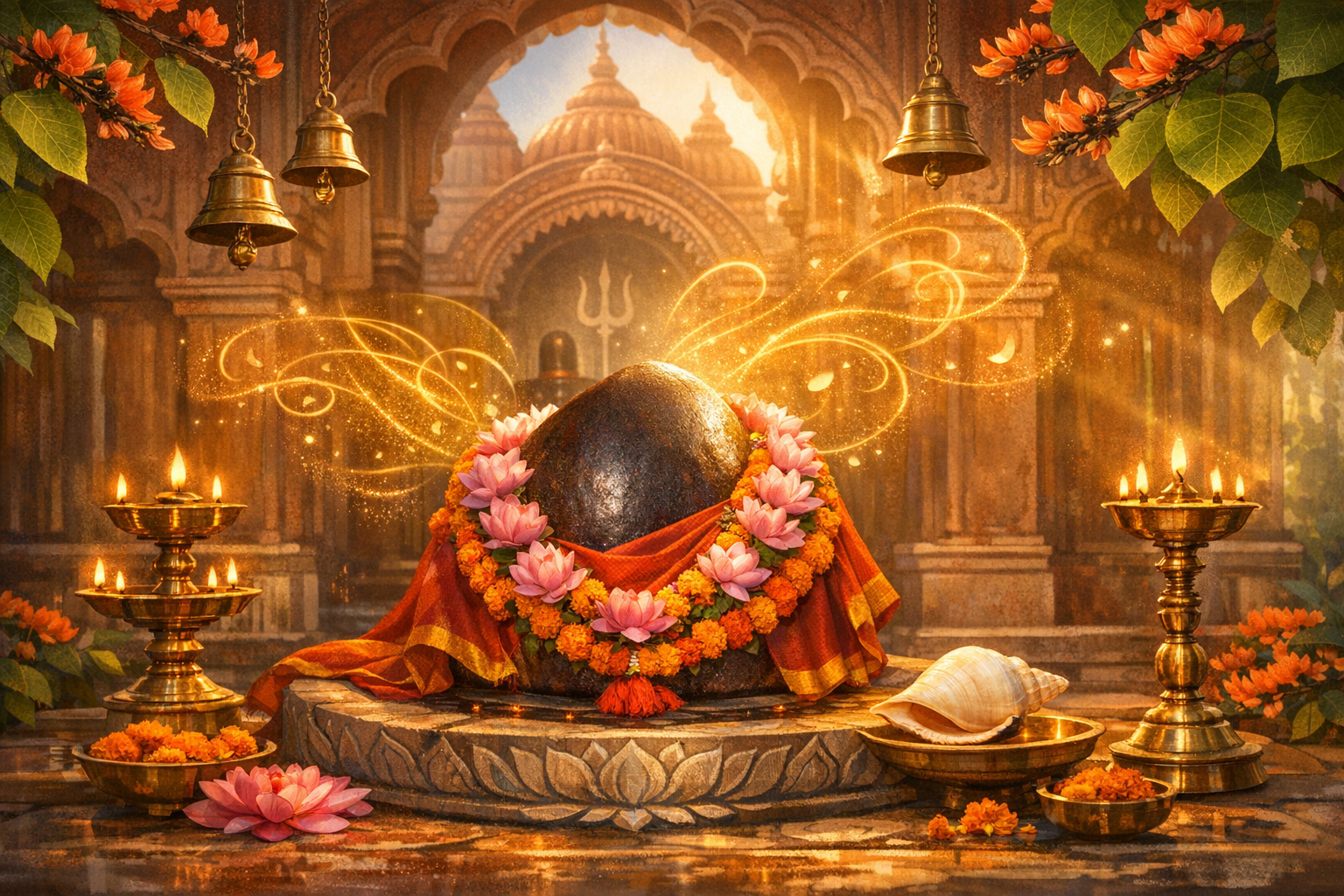
Phullara Devi at Attahasa Shakti Peetha in Birbhum, Bengal, is venerated as the Blooming Goddess of renewal and sacred speech. Rooted in the Shakti Peetha tradition that links the land to Sati’s dispersed body, Attahasa is associated with the fallen lipsymbolizing vāk and ethical communication. The shrine’s aniconic murti, paired with Bhairava as Vishvesh, preserves…
-
40 ਮੁਕਤੇ: From ਬੇਦਾਵਾ to BlessingMuktsar’s Chali Mukte and Guru Gobind Singh’s Grace
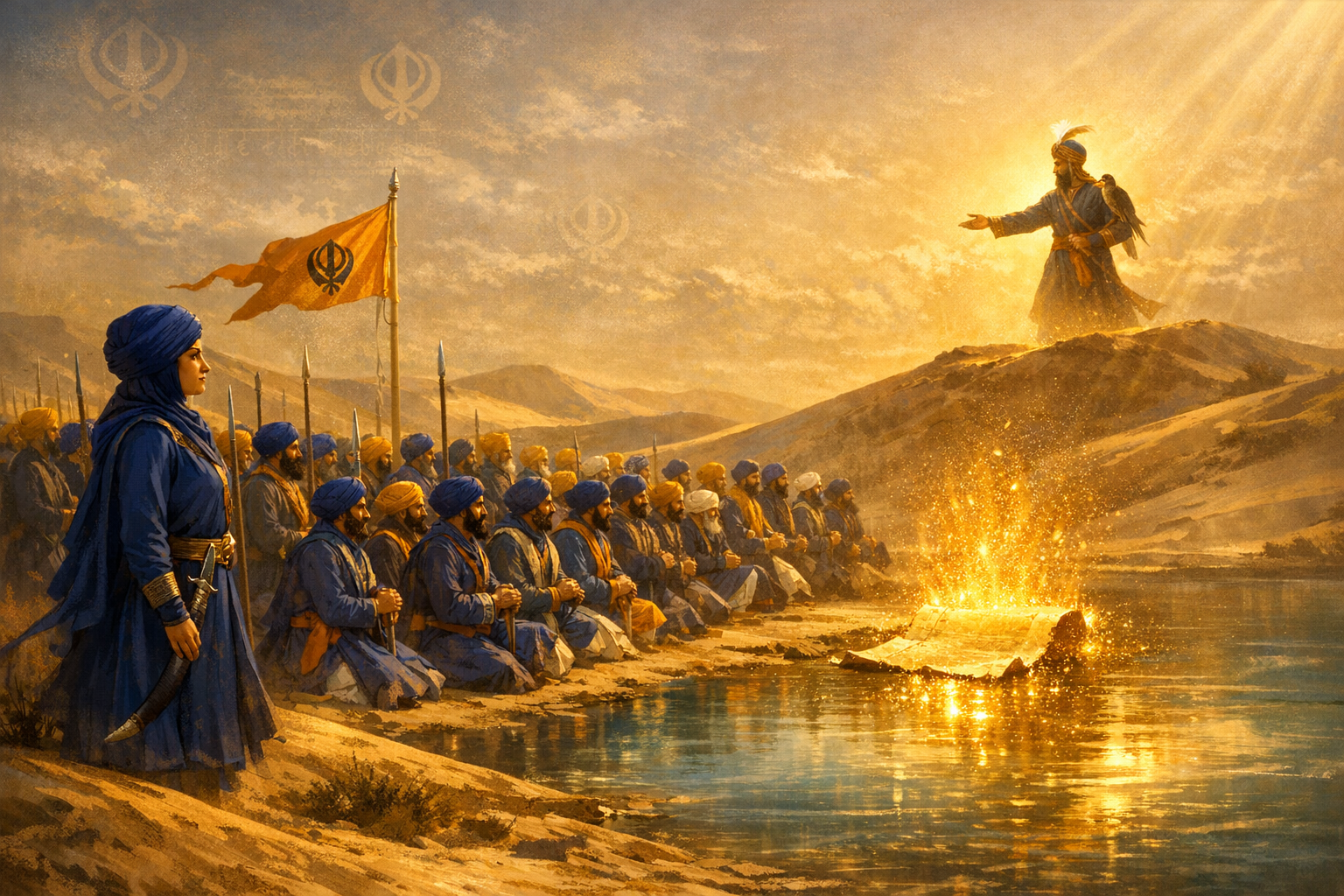
This long-form study traces how the 40 ਮੁਕਤੇ journeyed from ਬੇਦਾਵਾ (disavowal) at Anandpur Sahib to ਬਖ਼ਸ਼ਿਸ਼ (grace) at Muktsar Sahib under Guru Gobind Singh’s compassionate leadership. It situates the Battle of Khidrana (Muktsar) within Sikh history, highlighting terrain, tactics, and morale alongside the moral recovery catalyzed by Mai Bhago. The analysis clarifies how Sikh…
-
Honoring Sikh Women: Trailblazing Courage, Seva, and Scholarship for International Women’s Week

International Women’s Week highlights the enduring leadership of Sikh women in seva, scholarship, and public life. Grounded in Gurbani’s affirmation of equality“ਸੋ ਕਿਉ ਮੰਦਾ ਆਖੀਐ ਜਿਤੁ ਜੰਮੇ ਰਾਜਾਨ॥”their contributions span the langar tradition of Mata Khivi, the martial resolve of Mai Bhago, and the statecraft of Rani Sada Kaur. From heritage stewardship to humanitarian response,…
-
Swaswas Bhairava: Fierce Protector of Dharma, Lord of Time, and the Sacred Bond with Dogs
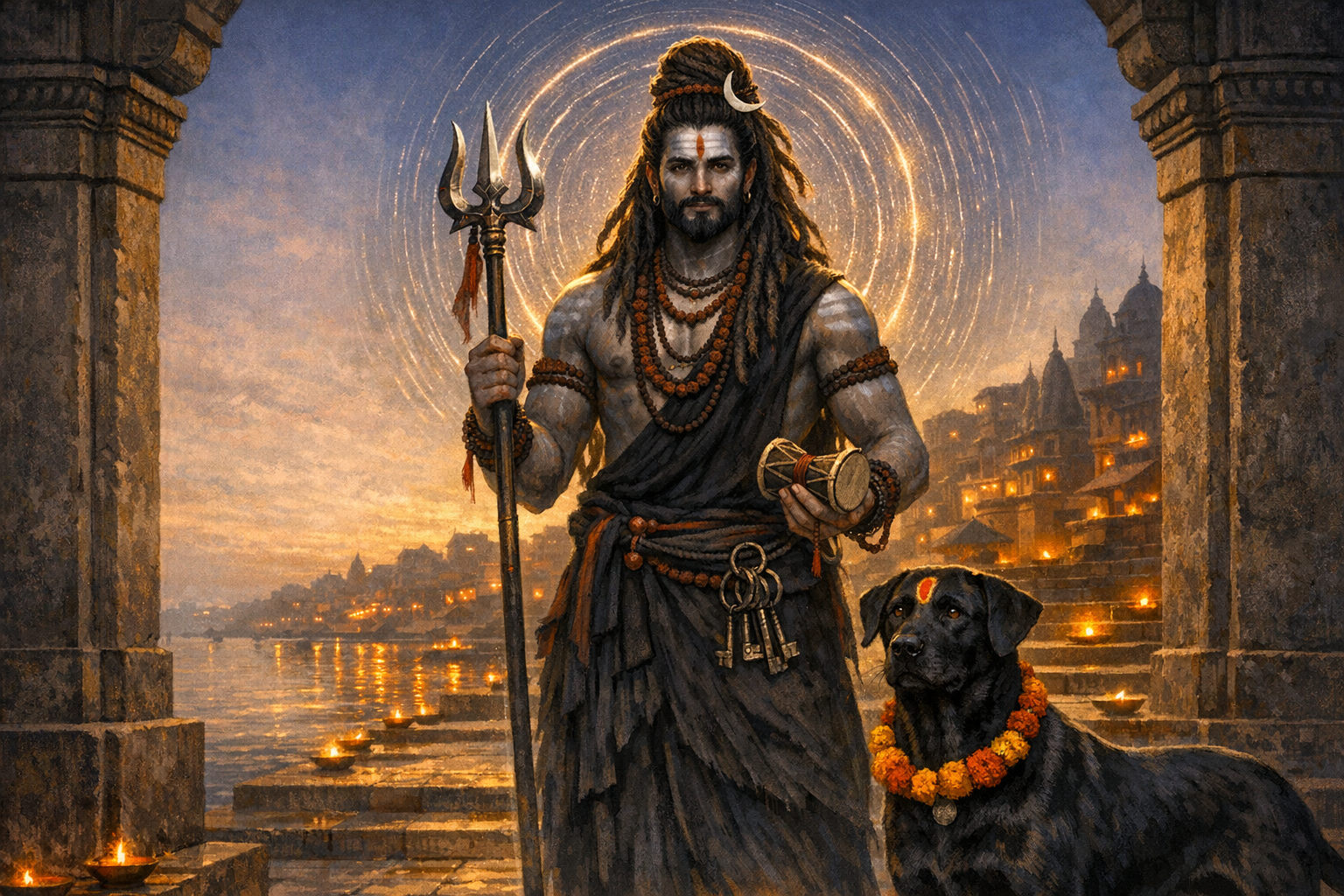
Bhairava’s Swaswas form illuminates a profound synthesis of guardianship, time, and compassion through the sacred bond with dogsespecially black dogs. As kṣetrapāla, Bhairava protects thresholds while the dog symbolizes fidelity, vigilance, and the courage to dwell at liminal edges. Vedic memory of Yama’s four‑eyed dogs and Puranic narratives from the Skanda Purana reinforce the dog’s…
-
Pure and Trained Mind in Hindu Dharma: A Practical, Science-Backed Guide to Wise Decisions

This article presents a comprehensive, academically grounded framework for cultivating a pure and trained mind to improve decision-making in contemporary life. Drawing on Hindu philosophy and complementary insights from Buddhism, Jainism, and Sikhism, it explains how sattva, abhyasa, and ethical guardrails like yama–niyama elevate judgment under stress. It details a practical viveka–vichara loop for real-world…
-
Cosmic Harmony in Daily Puja: Aligning Five Elements and Senses for Transformative Worship

Daily puja in the Hindu way of life is a precise, sense-centered discipline that aligns the five elements (Pancha Mahabhuta) with the five senses (Pancha Indriya). Drawing on the Bhagavad Gita 7.4 and allied traditions, it maps offerings such as gandha, pushpa, dhupa, deepa, and naivedya to smell, sight, sound, touch, and taste. Earth, water,…
-
March 11, 2026 Panchang: Krishna Paksha Ashtami Deep-DiveSacred Tithi, Nakshatra, Rashi Guide

March 11, 2026 is observed as Krishna Paksha Ashtami in most regions, with Saptami ending at 12:11 AM and Ashtami prevailing for the day. The post explains Tithi scientifically (12° solar–lunar separation) and clarifies why tithi durations vary, emphasizing the sunrise convention used for observances. It outlines how Nakshatra and Rashi are determined and why…
-
The Kerala Story 2 clears legal hurdles: High Court nod sparks X reviews calling it a warning

‘The Kerala Story 2- Goes Beyond’ released after legal hurdles with a High Court verdict enabling its exhibition, and producer Vipul Shah welcomed the decision. Early X reactions frame the work as “not just a film, it’s a warning,” prompting calls for family viewing. This analysis situates the release within India’s constitutional framework, summarizing how…
-
Letting Emotions Flow: How Surrender Transformed Overwhelm into Lasting Inner Peace

A compressed, ten-day relocation triggered converging stressorslogistics, financial surprises, relational strain, and griefthat overwhelmed even a mature contemplative practice. The turning point arose not from tighter control but from permission: an unfiltered cry and somatic release reframed the problem from “being emotional” to resisting emotion. Reinterpreting peace as a baseline that reemerges after completionrather than…
-
Unlocking Susunia’s Sudarshana Secret: Chakrasvamin, Gupta Power, and Bengal’s Living Dharma

Susunia Hill’s fourth-century rock inscription offers a compact yet sweeping window into Bengal’s Vaishnava heritage under the Gupta Empire. Three Sanskrit lines in northern Brahmi, carved beneath a blazing Sudarshana Chakra, identify Maharaja Chandravarman as dāsāgreṇa of Cakrasvāmin and connect Vanga-deśa directly to Āryāvarta through the Prayaga Prasasti. This essay traces the Cakrasvāmin sect’s spread…
-
Indra and Varuna’s Celestial Rivalry: Vedic Kingship, Cosmic Law, and the Battle for Order

Indra and Varuna frame a profound Vedic conversation about power, law, and legitimacy. Indra’s thunderous decisiveness (kṣatra) complements Varuna’s guardianship of ṛta, revealing why force must be answerable to truth and why law must be capable of protection. Rigvedic hymns, especially RV 1.32 and RV 7.86–7.89, ground this dialectic, while Brāhmaṇa and Upaniṣadic texts transform…
-
For 24 Years, a Human Chain Has Kept Khadakwasla Reservoir Safe and Clean on Dhulivandan

Now in its 24th year, the Khadakwasla Reservoir Protection Campaign kept celebrants out of the water during Dhulivandan through a volunteer human chain of over 200 citizens. This simple, citizen-led perimeter prevented pollution at the source and reduced safety risks without dampening festive spirit. By protecting a critical drinking water asset for Pune, the initiative…
-
Mayiladuthurai’s Vadaranyeswarar: Nandi’s Redemption under Dakshinamurti’s Timeless Grace
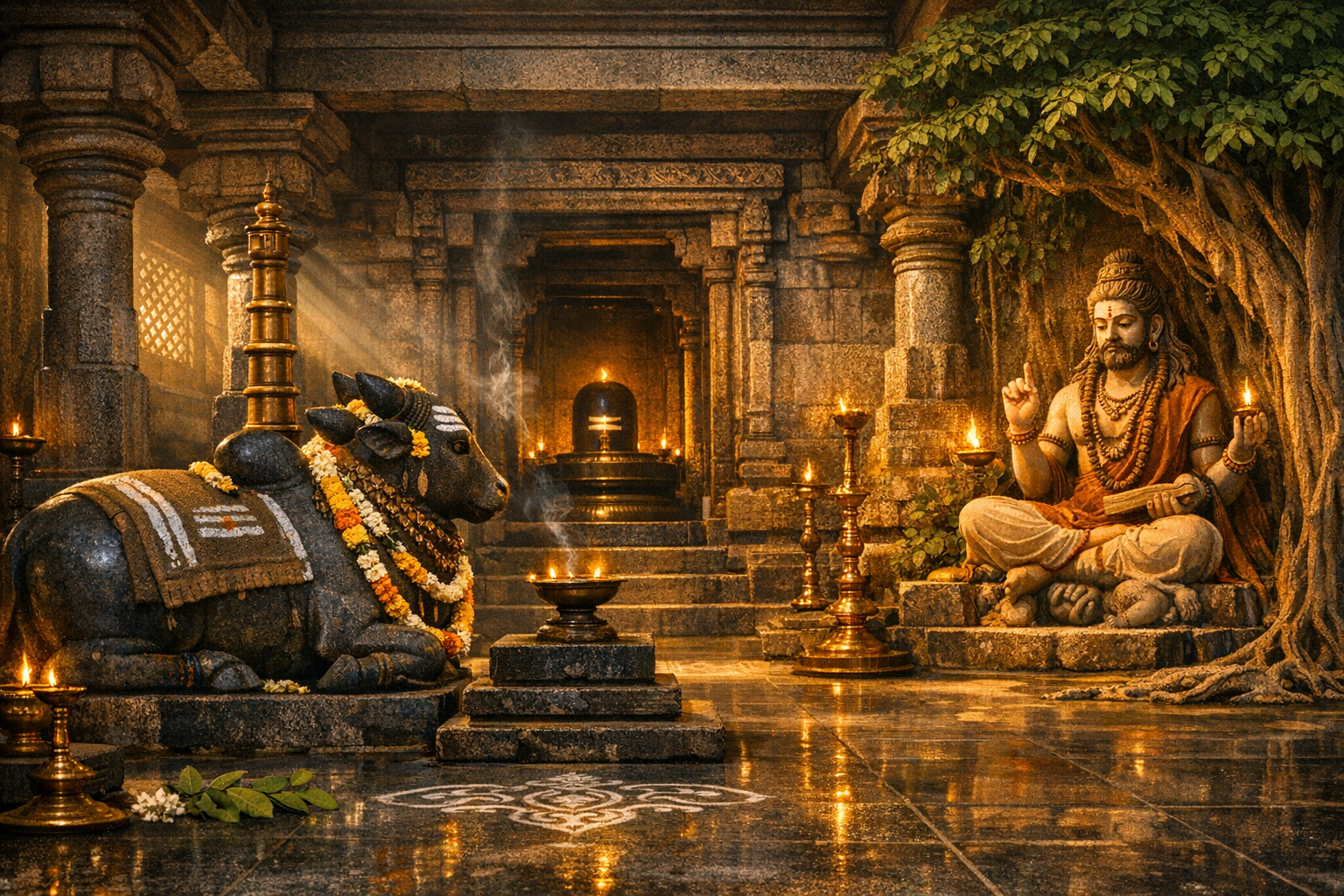
Set on the Kaveri’s banks in Mayiladuthurai, the Vadaranyeswarar Temple preserves a luminous legend in which Nandi’s unintended pride dissolves under Dakshinamurti’s silent, southward teaching. The narrative is embodied in spaceclear sight-lines, pedagogic iconography, and the banyan’s contemplative presenceturning architecture into spiritual practice. Readers discover how Dravidian temple grammar, Shaiva-Agamic iconography, and Thevaram recitation integrate…
-
Transcend False Narratives: Sadguru Charudatta Pingale’s Ajmer Call to Reclaim Dharmic History
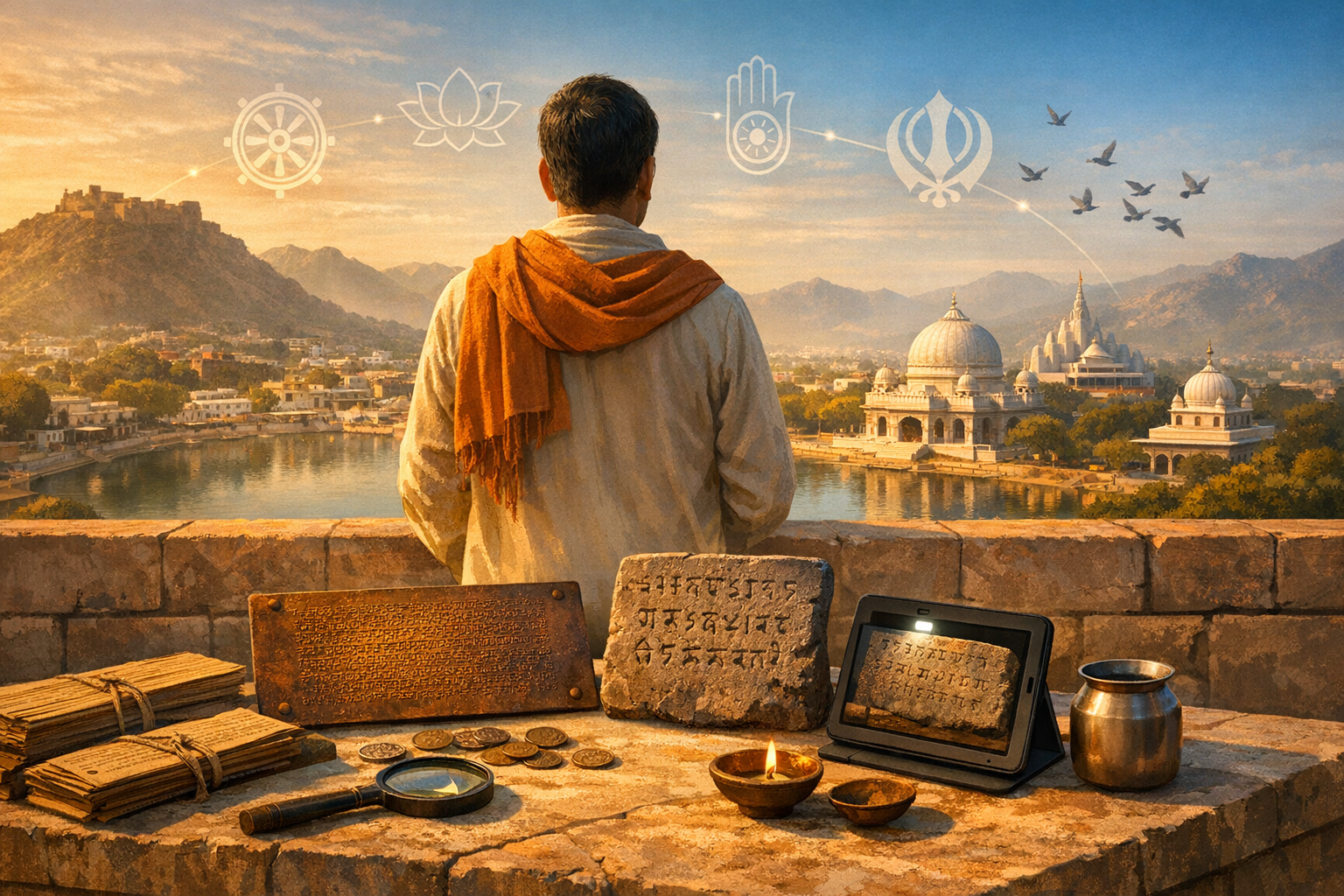
At a programme in Ajmer, HJS National Guide Sadguru Charudatta Pingale urged Hindus to move beyond false narratives and reconnect with Dharma’s historical and ethical foundations. This analysis places that appeal within Ajmer’s layered heritage and outlines a research-driven roadmap for decolonizing Indian historiography. It explains how inscriptions, archaeology, manuscripts, and community records correct distortions…
-
Adarsh Holikotsav in Sindhudurg: Reviving Holi’s true dharmic spirit with safe, joyful unity
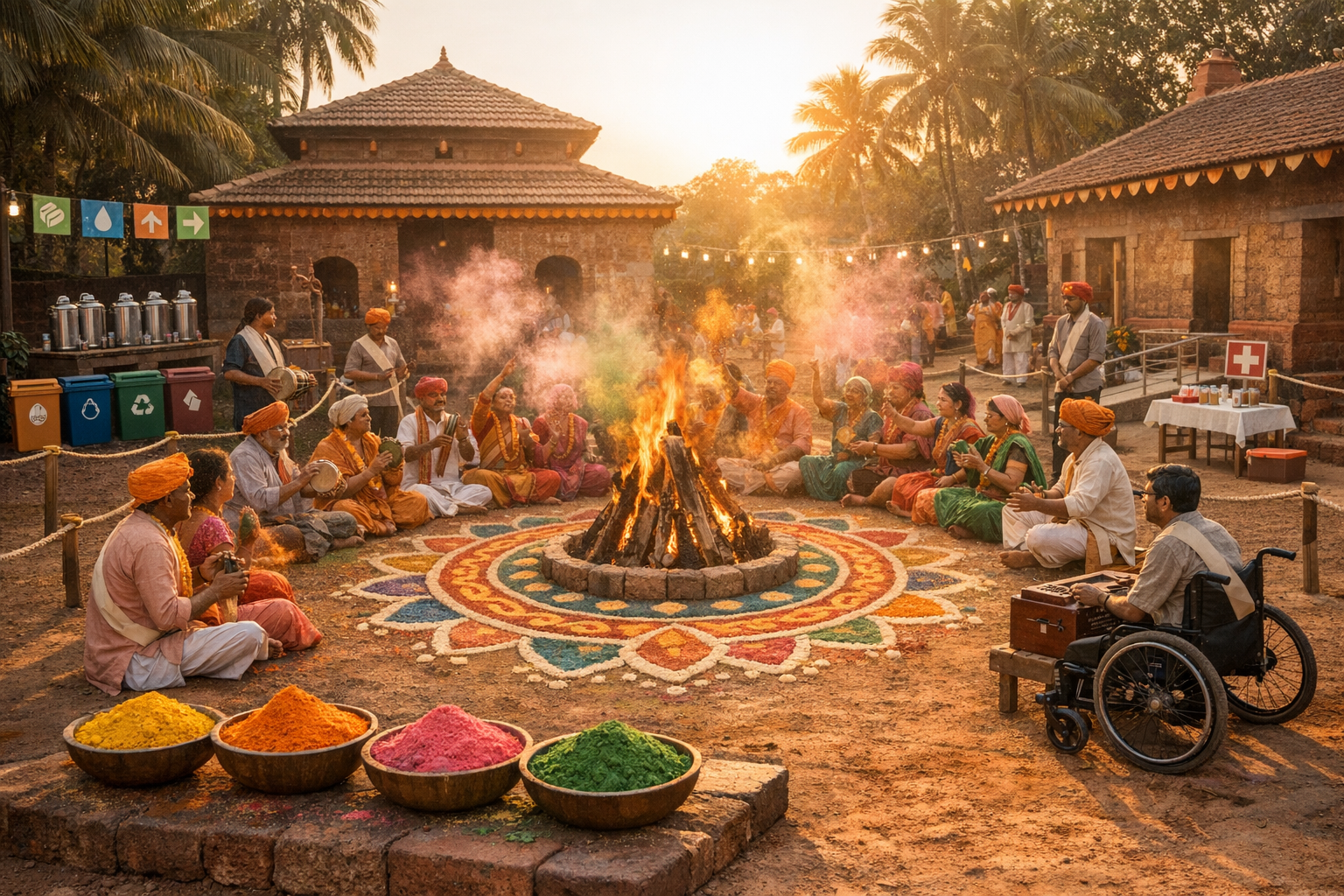
An Adarsh Holikotsav in Sindhudurg, jointly organised by HJS and Sanatan Sanstha across Sawantwadi, Kudal, and Shiroda, revived the true dharmic spirit of Holi through devotion, safety, and cultural authenticity. The model emphasises eco-friendly colours, water conservation, and respectful conduct, aligning joy with responsibility. Family-friendly design, volunteer guidance, and basic first-aid readiness improve safety and…
-
Kokamukha Unveiled: The Jackal-Faced Mahakali in Texts, Temple Inscriptions, and Tantra

Kokamukha, remembered as the jackal-faced manifestation of Mahakali, emerges in the Shakta landscape at the intersection of Hindu scriptures, temple traditions, and Tantric iconography. The article clarifies the name’s philological roots and situates the form within cremation-ground theology, where fierce imagery communicates protection, fearlessness, and ethical clarity. It connects Kokamukha with Yogini traditions and early-medieval…
-
Lagna Nirnaya Demystified: Choosing a Powerful Ascendant for Life, Rituals, and Dharma

Lagna Nirnayathe choice of a suitable ascendantanchors Vedic astrology, muhurta, and the practical timing of vows and beginnings across dharmic traditions. This comprehensive guide explains how the lagna is calculated astronomically in the sidereal zodiac using ayanamsa, why sign modality and element matter, and how the lagna lord’s strength shapes outcomes. It integrates shadbala, ashtakavarga,…
-
Srimad Bhagavatam 11.5.32 Decoded: Chaitanya’s Sankirtana as Kali Yuga’s Transformative Path

Srimad Bhagavatam 11.5.32 presents congregational chanting of the divine Name as Kali Yuga’s most intelligent path, a vision Gaudiya Vaishnavism reads as pointing to Sri Chaitanya Mahaprabhu. Drawing on classical commentaries by Jiva Goswami and Krishnadasa Kaviraja, and on expositions by H.H. Jayapataka Swami Maharaj, this analysis unpacks the verse’s grammar, theology, and praxis. The…