
-
March 21, 2026 Panchang Guide: Shukla Tritiya after 3:47 AM, Good Times, Nakshatra, Rashi

Saturday, March 21, 2026, features Shukla Paksha Dwitiya until 03:47, after which Shukla Paksha Tritiya prevails in most regions. The day sits squarely in the waxing phase of the Moon, making it favorable for calm beginnings, study, and steady household tasks. A technical view of tithi shows that the 03:47 transition marks the Moon–Sun elongation…
-
Sri Ram Navratri 2026: Sacred Dates, Puja Vidhi, Regional Traditions, and Ram Navami
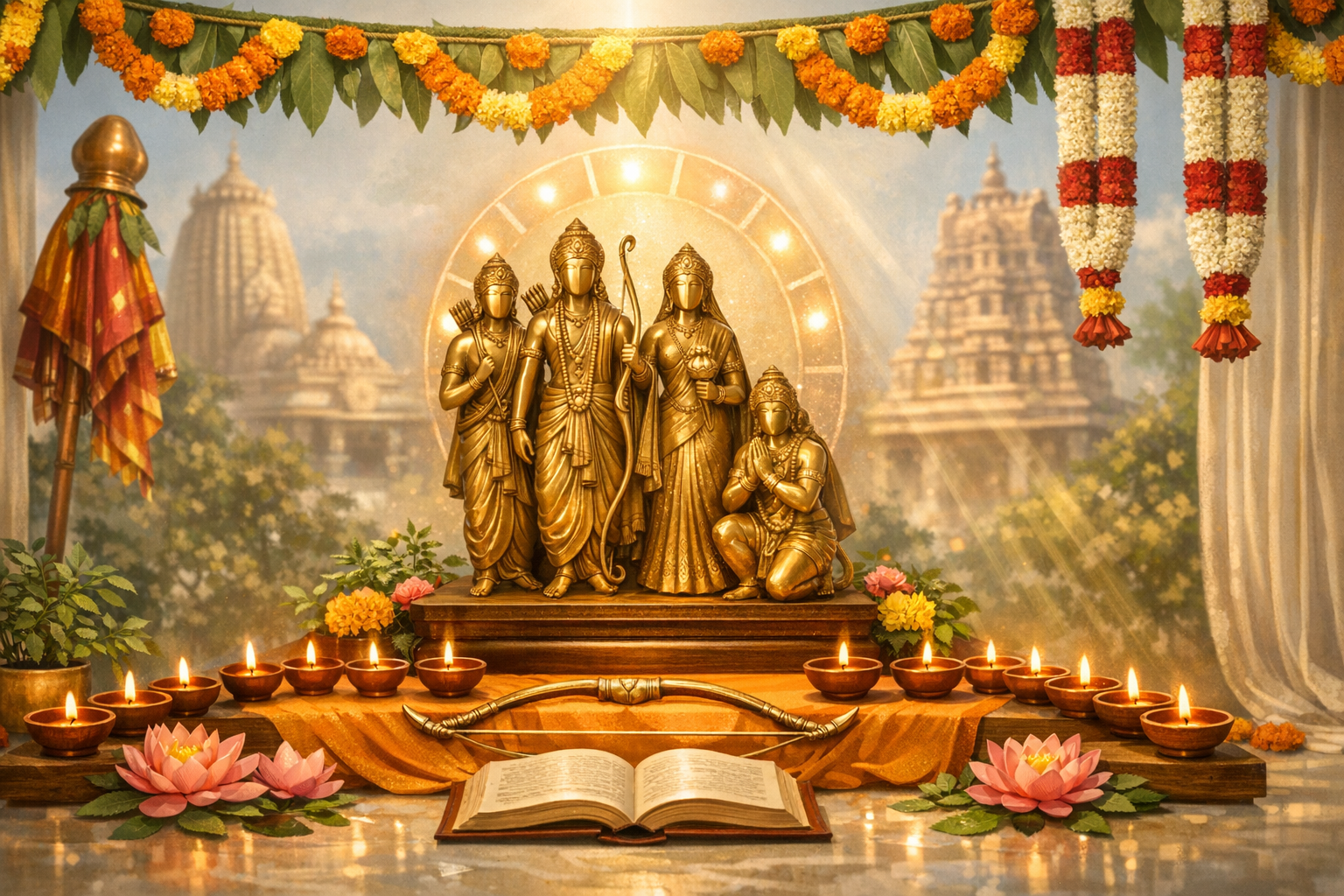
Sri Ram Navratri 2026 (Vasant/Chaitra Navratri) begins on March 19 with Ugadi/ Gudi Padwa and culminates in Sri Ram Navami on March 27. This comprehensive guide outlines tithi logic, Madhyahna significance for janma puja, and practical at-home puja vidhiachamana, sankalpa, Panchopachara, parayana, and aratialongside inclusive fasting approaches. It maps regional practices from Ayodhya to Bhadrachalam…
-
Shalivahana Jayanti 2026: Date, Chaitra Dashami Rituals, and the Enduring Legacy of the Shaka Era
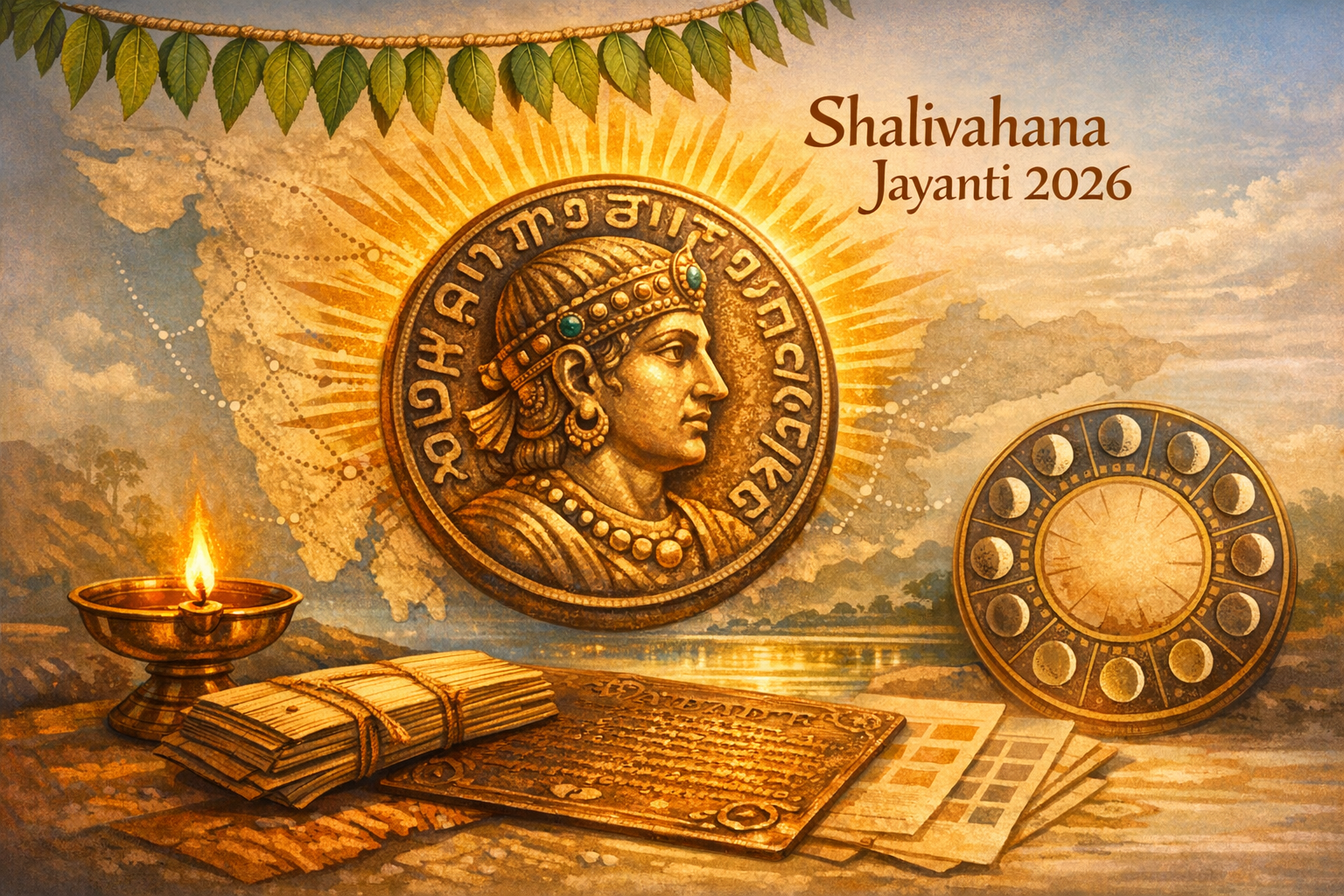
Shalivahana Jayanti 2026 falls on Saturday, March 28, aligning with Chaitra Shukla Dashami (Chaitra Vijaya Dashami) and honoring King Shalivahana, widely associated with Gautamiputra Satakarni of the Satavahana dynasty. The observance highlights the Shaka (Saka) era beginning in 78 CE, which anchors the Indian national calendar and influences Southeast Asian timekeeping. In practice, the Jayanti…
-
Chaitra Navratri 2026 Begins 19 March: Dates, Puja Vidhi, Muhurat, and Dharmic Significance

Chaitra Navratri 2026 begins on 19 March and concludes on 27 March, aligning with Shukla Paksha Pratipada in the lunar month of Chaitra. This guide explains dates, puja vidhi, and practical muhurat principles for Ghatasthapana, along with day-wise observances of the Navadurga. It highlights the significance of Durga Ashtami, Sandhi Puja, Kanya Puja, and the…
-
Chandan Yatra 2026 at Puri Jagannath: Akshaya Tritiya Date, Sacred Rituals, Boat Processions

Chandan Yatra 2026 at Puri Jagannath Temple begins on April 20, aligning with Akshaya Tritiya and the ceremonial start of Rath Yatra preparations. This 42-day observance unfolds in two phasesBahara Chandana with public boat processions at Narendra Pokhari and Bhitara Chandana with inner temple cooling rites. The festival’s sandalwood anointing practices balance theological intent with…
-
Sri Rama Rajyotsavam 2026: Definitive Guide to Pattabhishekam, Date, Puja Vidhi, Ram Rajya
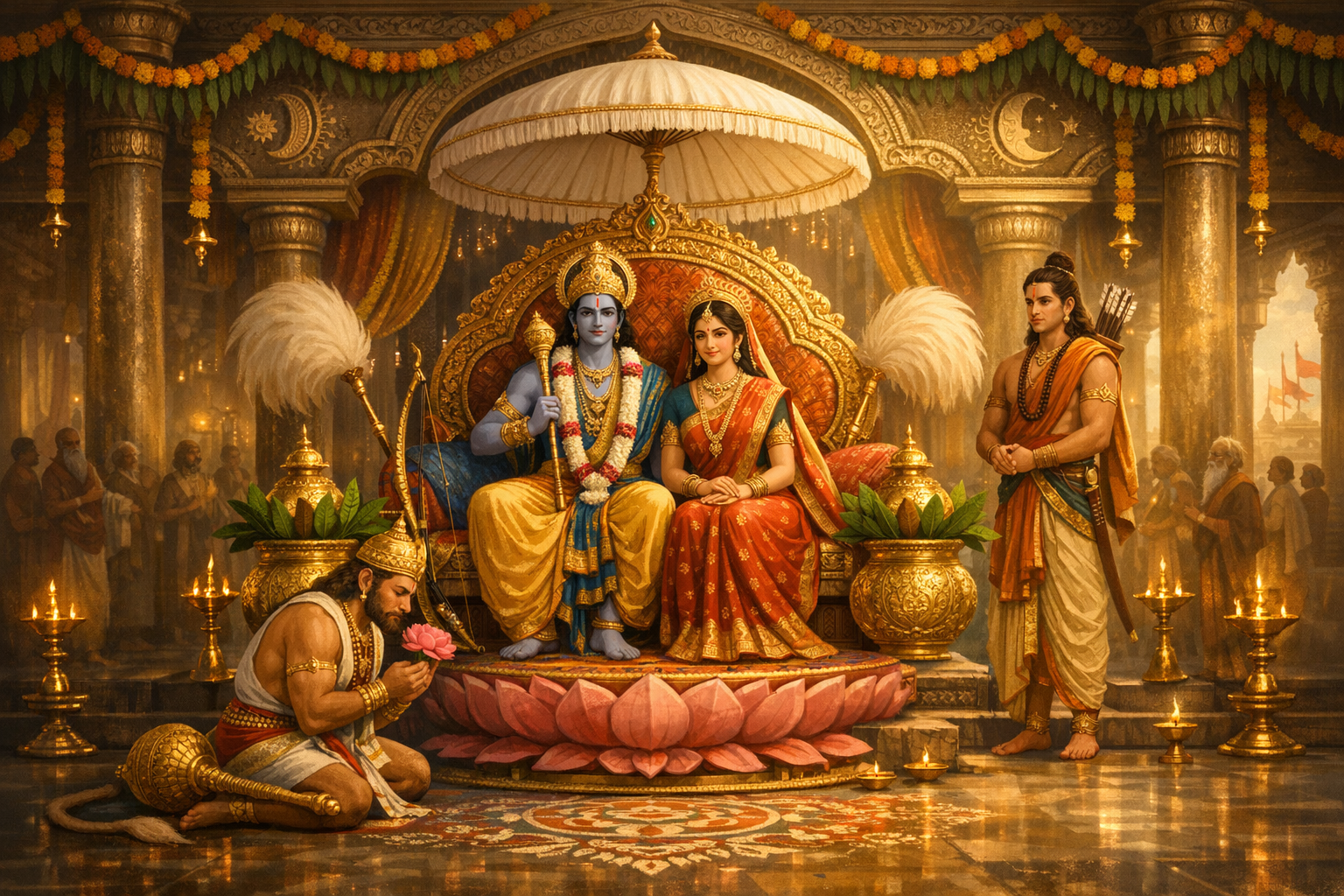
Sri Rama Rajyotsavam 2026 commemorates Sri Rama Pattabhishekam, the Ayodhya coronation described at the close of the Valmiki Ramayana’s Yuddha Kanda. Traditionally observed on Chaitra Shukla Panchami, it falls on March 23, 2026, within the Ram Navami Utsav cycle. This guide clarifies date–tithi mechanics, outlines home and temple puja practices, and suggests broad muhurta principles…
-
Parābhava Samvatsara 2026–2027: Exact Ugadi/Gudi Padwa Date, Meaning, and Traditions

Parābhava Nāma Samvatsara begins on Thursday, 19 March 2026, as Chaitra Shukla Pratipada anchors the New Year for Ugadi/Yugadi and Gudi Padwa observances. The transition closes Vishwavasu (ending 18 March 2026) and inaugurates Śaka Samvat 1948 and, for many, Vikram Samvat 2083. The piece explains how panchāṅgas determine the date at local sunrise, why minor…
-
Akka Mahadevi Jayanti 2026 (Chaitra Purnima): Timeless Vachanas, Origins, and Practices
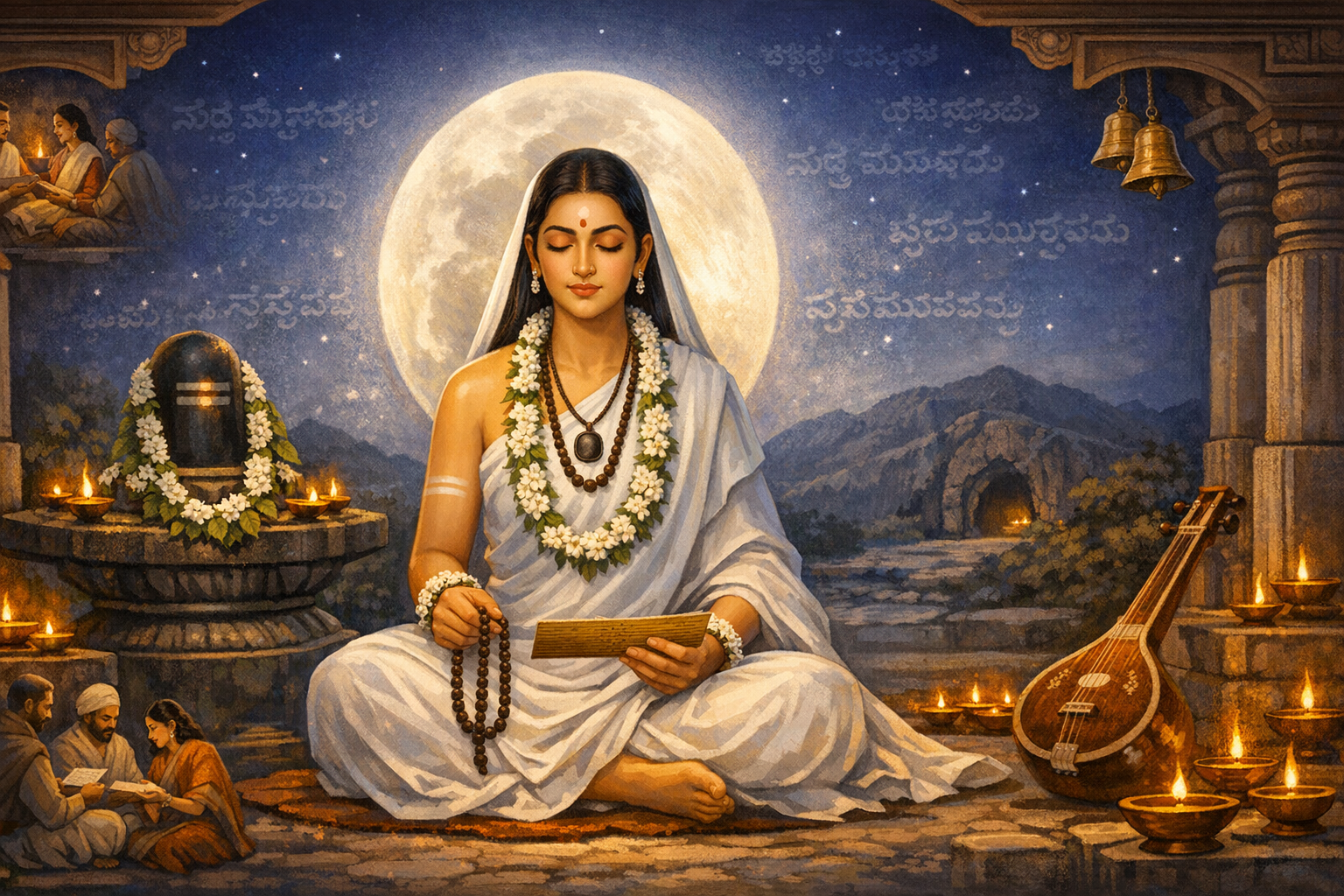
Akka Mahadevi Jayanthi on Chaitra Pournami honors the 12th-century Kannada poet-saint whose Vachanas transformed the Bhakti Tradition in Karnataka. In 2026, the Jayanti falls on 1 April (Chaitra Purnima), with observances centered on recitation, reflection, and inclusive community gatherings. The article situates Akka’s life within the Veerashaiva movement alongside Basavanna and Allama Prabhu, examines the…
-
Swami Samarth Prakat Din 2026: Sacred Date, Living Legacy, and Akkalkot Observances

Swami Samarth Prakat Din 2026 falls on March 20 and honors the sacred appearance of Swami Samarth Maharaj of Akkalkot in the Dattatreya Tradition. The observance highlights guru-tattva through puja, parayan, and seva in temples and homes. Akkalkot hosts abhisheka, aarti, kirtan, and anna-dana, while devotees worldwide engage in simple home rituals, mantra-japa, and charitable…
-
Goddess Kali’s Fearless Paradox: Creator, Destroyer, and Tantric Symbolism of Transformation
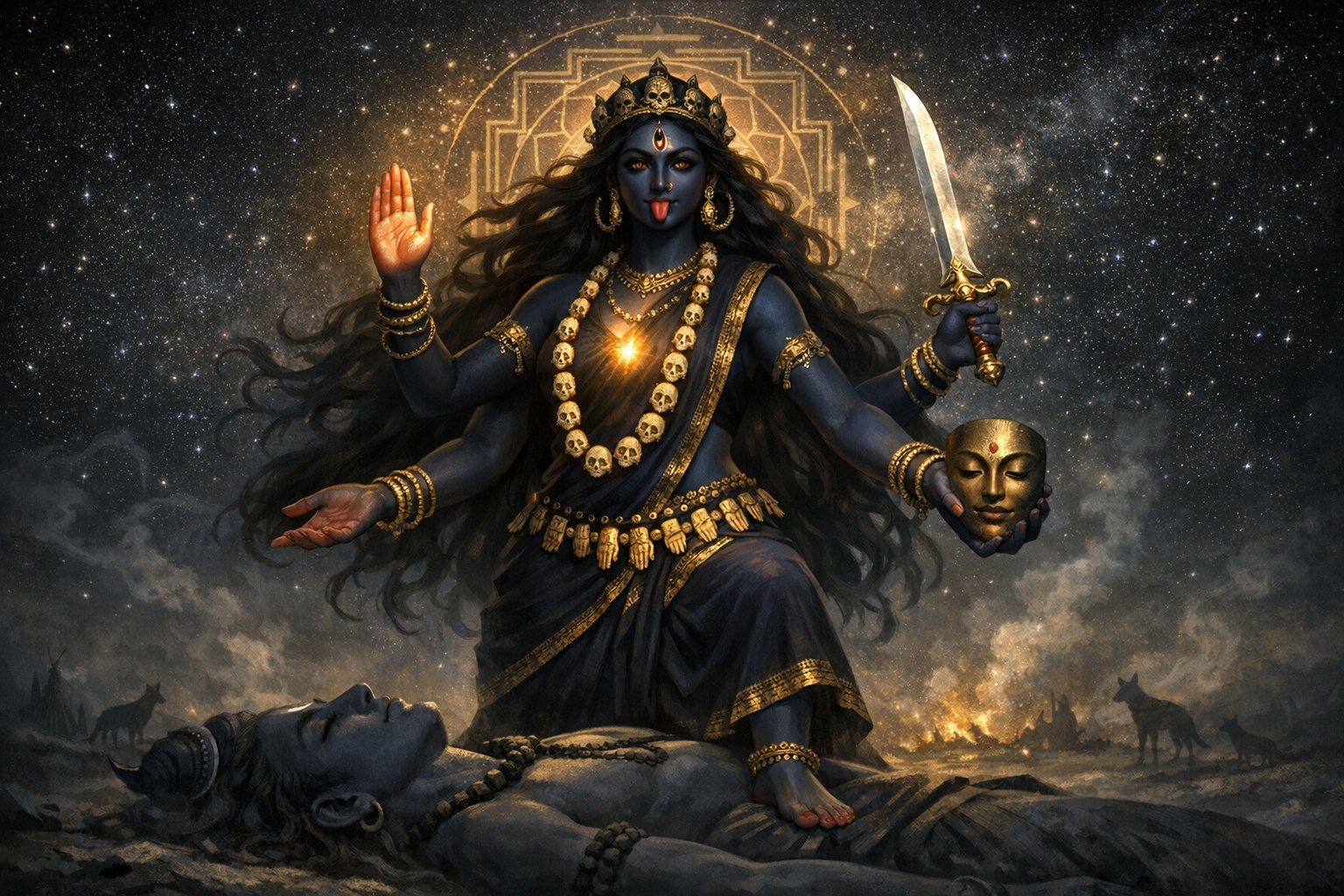
Goddess Kali unites the roles of creator, destroyer, and transformer, encoding a precise Śākta metaphysics within striking iconography. Readers gain a clear, research-informed guide to her symbolsfrom the muṇḍamālā and cremation ground to abhaya and varada mudrāsand how each maps to ethical action and psychological resilience. The narrative situates Kali within scripture (Devī Māhātmya, Kālīkā…
-
Gazelle of Vayu: Unlocking the Wind God’s VahanaSwiftness, Prana, and Spiritual Freedom

In Hindu iconography, the gazelle (mriga) as Vayu’s vahana is a precise spiritual diagram of swiftness, subtlety, and liberation. This long-form analysis decodes the symbol across scriptures, Puranic iconography, yogic physiology (the five vayus), and classical astrology (Mrigashira Nakshatra). It explains how breathpranatransforms restlessness into poised readiness, turning speed into clarity and clarity into freedom.…
-
Mahila Shaurya Prashikshan Shibir: Empowering Mumbai Region Women with Legal, Safe Self‑Defence

Held across Vile Parle, Nerul, and Thane on International Women’s Day, Mahila Shaurya Prashikshan Shibir equipped women with a layered self-defence framework centered on awareness, de-escalation, and last-resort physical skills. The camps emphasized lawful action under the Indian Penal Code (Sections 96–106), clear communication with emergency services (112), and ethical, proportionate responses. Training integrated trauma-informed…
-
Ishavasya Upanishad on Lobha: Renounce to Rejoice, Practice Aparigraha, Heal Society

The Ishavasya Upanishad opens with a concise yet sweeping ethic that links metaphysics to daily conduct: if all is pervaded by the sacred, then enjoyment must be tempered by renunciation and freedom from greed. This piece unpacks the opening mantra philologically and philosophically, clarifying how “tena tyaktena bhuñjīthā” can mean both to enjoy and to…
-
Ecstatic Love Unveiled: Sri Radha’s Luminous Eyes and Krishna’s Supreme Rasa Alchemy
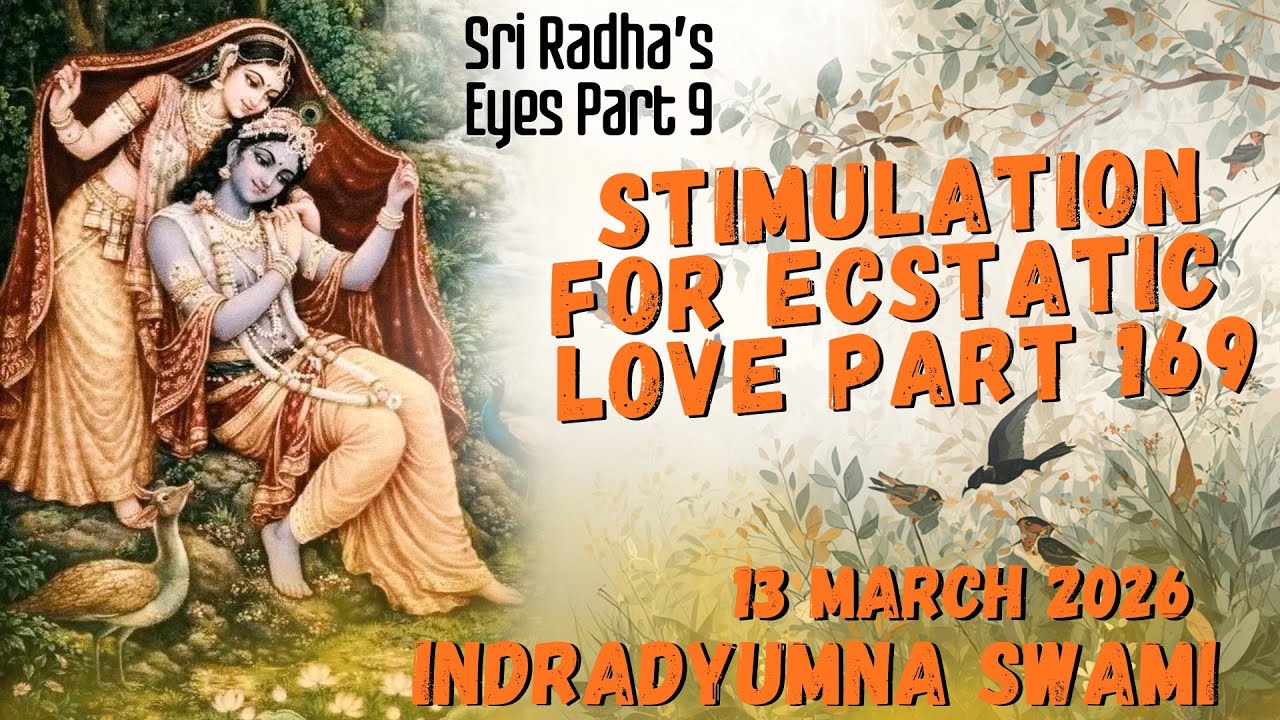
This concluding essay in a nine-part exploration of Sri Radha’s eyes situates Her gaze within the Gaudiya Vaiṣṇava theology of mahabhāva and Kṛṣṇa’s sovereignty over spiritual rasa. It explains how the classical elements of rasavibhāva, anubhāva, vyabhicāri-bhāvas, and sthāyī-bhāvailluminate the devotional and symbolic power of Rādhā’s eyes. Drawing on Hindu scriptures and devotional poetics, it…
-
After Nerul Meet, 25 Navi Mumbai Temples Adopt Dress Code to Preserve Sanctity and Inclusion

Trustees representing 25 Navi Mumbai temples resolved in a Nerul meeting under the Maharashtra Mandir Mahasangh to introduce a dress code aimed at preserving sanctity while enhancing devotee comfort and dignity. The move aligns with dharmic norms across Hindu, Buddhist, Jain, and Sikh spaces, where modest attire signals reverence and inner readiness for darshan. Constitutionally,…
-
Ayodhya–Pratapgarh–Prayagraj summits unite dharmic advocates to fortify legal protections

A coordinated set of legal summits in Ayodhya, Pratapgarh, and Prayagraj called advocates to unite around a rule-of-law strategy for protecting dharmic communities. The effort links Ayodhya’s cultural centrality with Prayagraj’s access to the Allahabad High Court and Pratapgarh’s district-level realities to form a scalable defense network. The framework centers on Articles 14, 19, 21,…
-
Krishna’s Transformative Grace: From Nigranta to Devotional Service (SB 1.7.10)
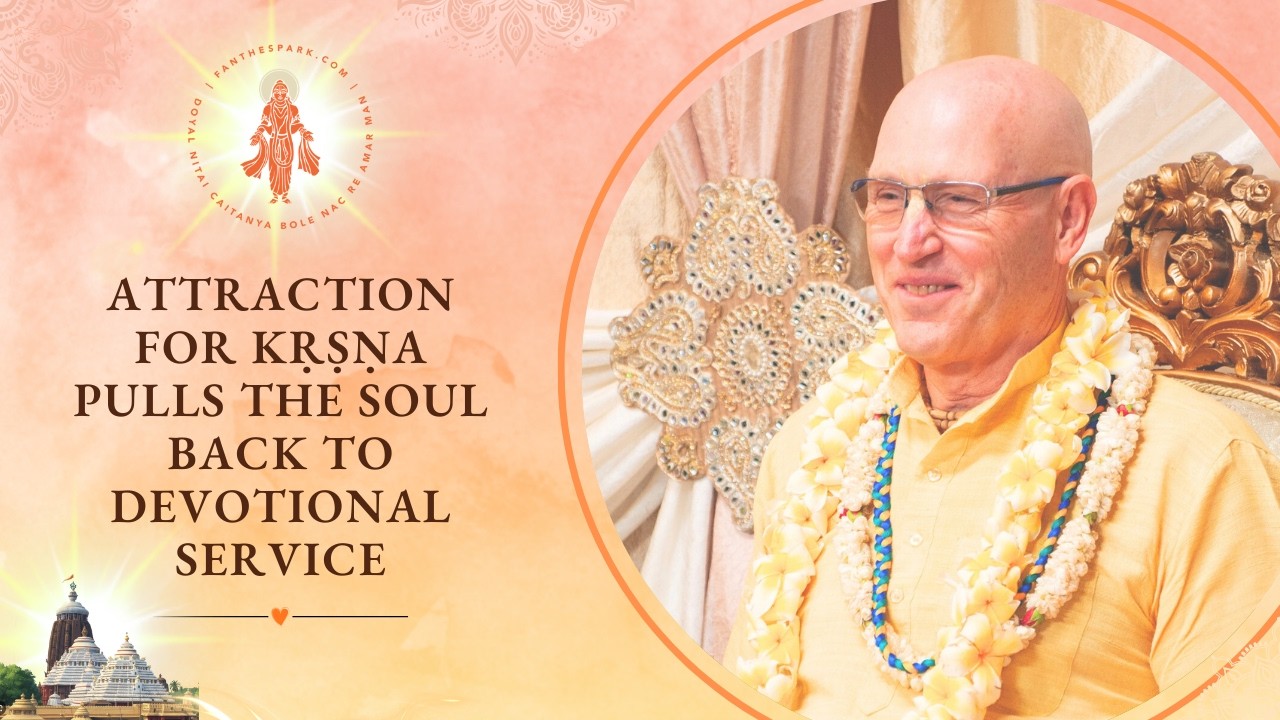
This article explores how attraction to Krishna, as discussed in commentarial treatments of SB 1.7.10, draws any soulregardless of birth, wealth, or educationinto devotional service. It clarifies the analytical use of the term nigranta and reframes it inclusively, showing that spiritual eligibility in bhakti depends on sincerity rather than status. The transformation of Mṛgāri the…
-
Profound Insights from Srimad-Bhagavatam 11.9.15: Avadhuta’s 24 Gurus for Inner Unity
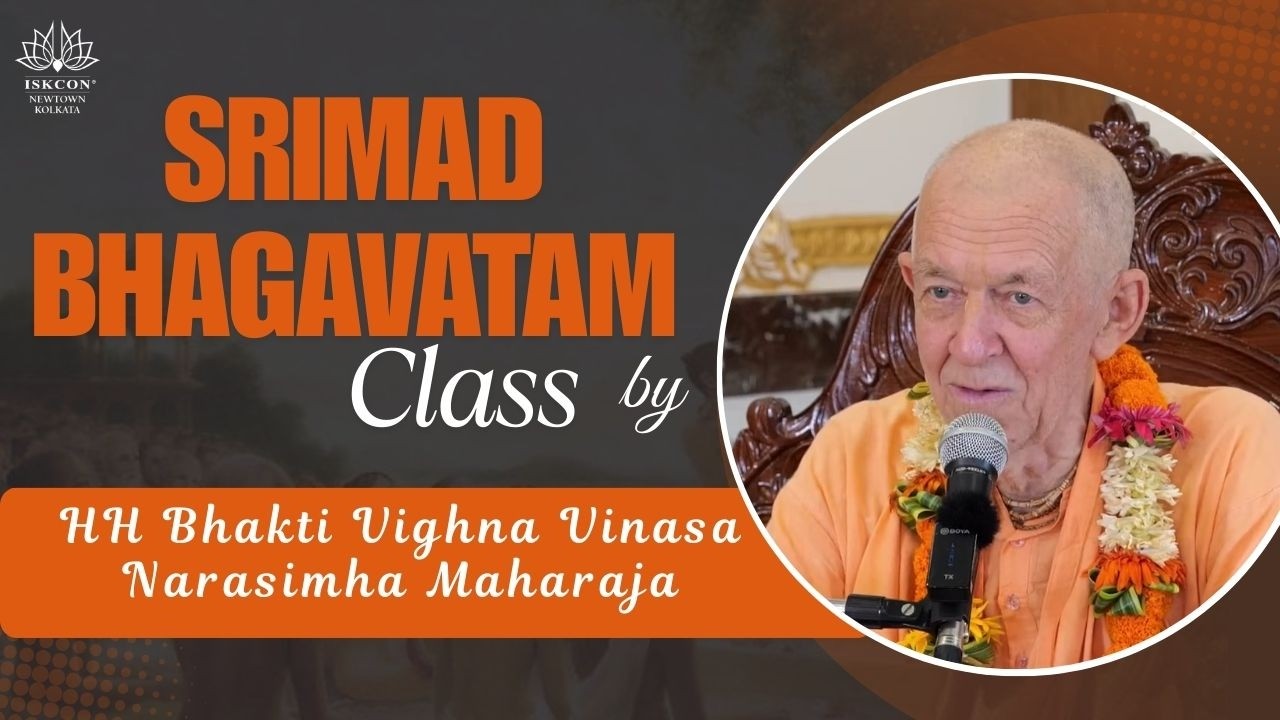
Srimad-Bhagavatam 11.9.15 sits inside the Avadhuta brāhmaṇa’s curriculum of twenty-four teachers, showing how equanimity, detachment, and devotion are cultivated by learning directly from nature and human experience. This analysis, informed by the class of HH Bhakti Vighna Vinasa Narasimha Swami Maharaj, explains the verse’s role in stabilizing attention, refining ethical judgment, and anchoring spiritual practice…
-
Ghaziabad Bust Shatters ‘Ghazwa‑e‑Hind’ Plot: Six Arrested, Jaish‑e‑Mohammed Angle Probed

Ghaziabad Police detained six individuals on 13 March 2026 in a pre‑emptive operation against an alleged terror module accused of propagating Jaish‑e‑Mohammed ideology and invoking the “Ghazwa‑e‑Hind” narrative. The case illustrates how encrypted platforms, grievance‑based messaging, and micro‑cell tactics can converge to threaten public safety in the National Capital Region. It outlines India’s legal toolkitUAPA,…
-
Dharma in Action: 10 evidence-based daily practices for a transformative Hindu New Year

The Hindu New Yearmarked as Ugadi, Mesha Sankranti, Vishu, and Puthanduoffers a clear opportunity to align daily life with Dharma. This guide presents ten practical, evidence-informed resolutions grounded in yama and niyama and harmonized with Buddhist, Jain, and Sikh ethics. Each practice includes simple action cues for modern schedules, from mindful speech and ethical consumption…