-
Decoding Krikala in Advaita Vedanta: Harness the Throat’s Subtle Prana for Clarity and Calm

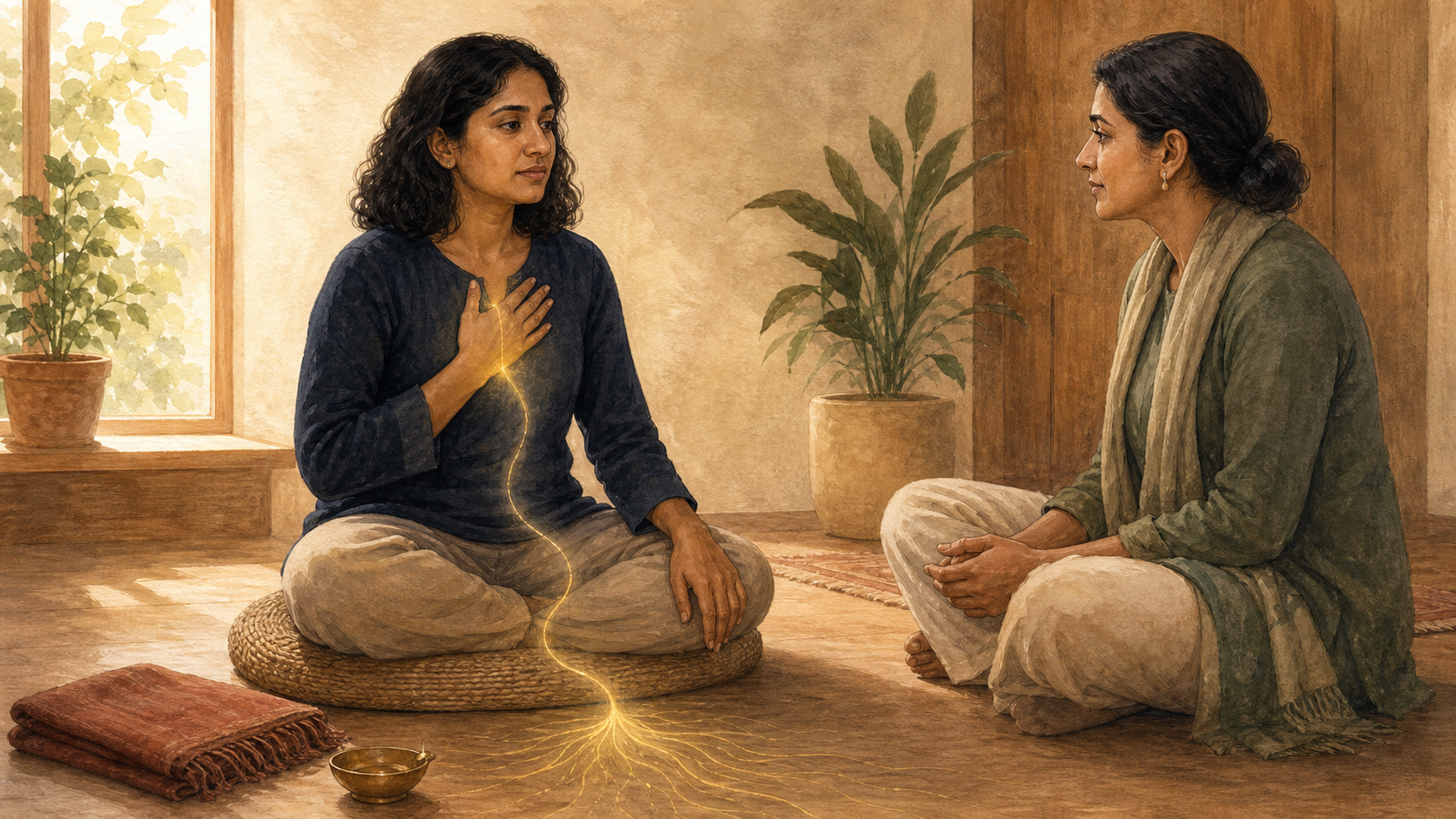
Advaita Vedanta locates Krikala (Krikara) in the throat as a minor prana governing hunger, thirst, and protective reflexes that make clear speech and comfortable swallowing possible. By placing Krikala within the five primary and five subsidiary pranas, the tradition shows how subtle energy integrates physiology, psychology, and practice. Gentle methods such as light ujjayi and…
-
A Sacred Farewell: HH Badrinarayan Swami’s Final Day of Bhakti, Stillness, and Grace

This reflection reconstructs HH Badrinarayan Swami’s final day exactly as recorded by Abhaya Nama Das (GKG): attendance at Mangal arti, chanting at the MVT apartment, and a deliberate decision not to go to the Srimad Bhagavatam class. Rather than dramatizing the moment, it situates these ordinary acts within the technical grammar of bhakti-yoga—ritual constancy, japa-focused…
-
In Memoriam: Ranjit Das on Vrindavan 1976—Srila Prabhupada’s Enduring Lesson in Humility

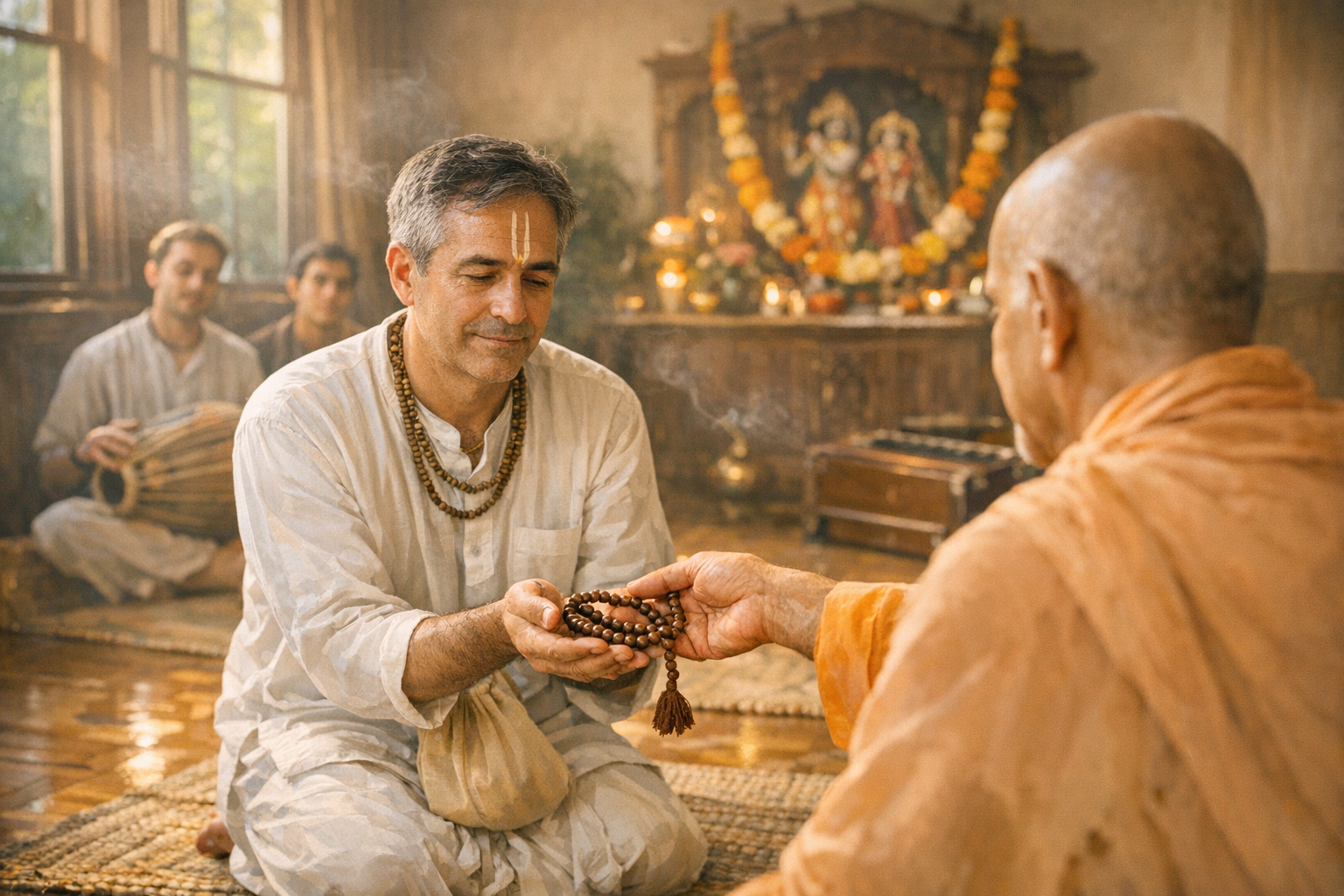
This in memoriam preserves HG Ranji Prabhu’s (Ranjit Das) vivid account from Vrindavan in 1976, when A. C. Bhaktivedanta Swami Prabhupada redirected loud glorification to his own spiritual master, Bhaktisiddhanta Sarasvati Thakura. The episode offers a precise field lesson in the Guru–Shishya Tradition: authentic teachers pass honor upward through the parampara. It situates Gayatri mantra…
-
Honoring His Holiness Badrinarayan Swami: A Peaceful Vrindavan Departure and Enduring Bhakti Legacy

His Holiness Badrinarayan Swami departed peacefully on 26 February 2026 in Sri Vrindavan Dham, a moment held as supremely auspicious within Gaudiya Vaishnava theology. This comprehensive tribute situates his passing in the sacred geography of Vrindavan, explains the doctrinal significance of final remembrance, and highlights his distinctive blend of scriptural rigor and pastoral care. Readers…
-
Goa’s Holi Parties Under Scrutiny: HJS Urges Alcohol Ban to Safeguard a Sacred Festival

Hindu Janajagruti Samiti (HJS) has urged an immediate halt to alcohol-centric, commercially branded Holi parties in Goa’s nightclubs and cruise venues, arguing that such formats distort a sacred festival. The issue highlights a broader policy challenge: protecting intangible cultural heritage while sustaining tourism and lawful enterprise. A constitutional lens supports tailored, reasonable restrictions near sacred…
-
Guardians at the Village Edge: Ayyanar’s Terracotta Horses—History, Ritual, Symbolism

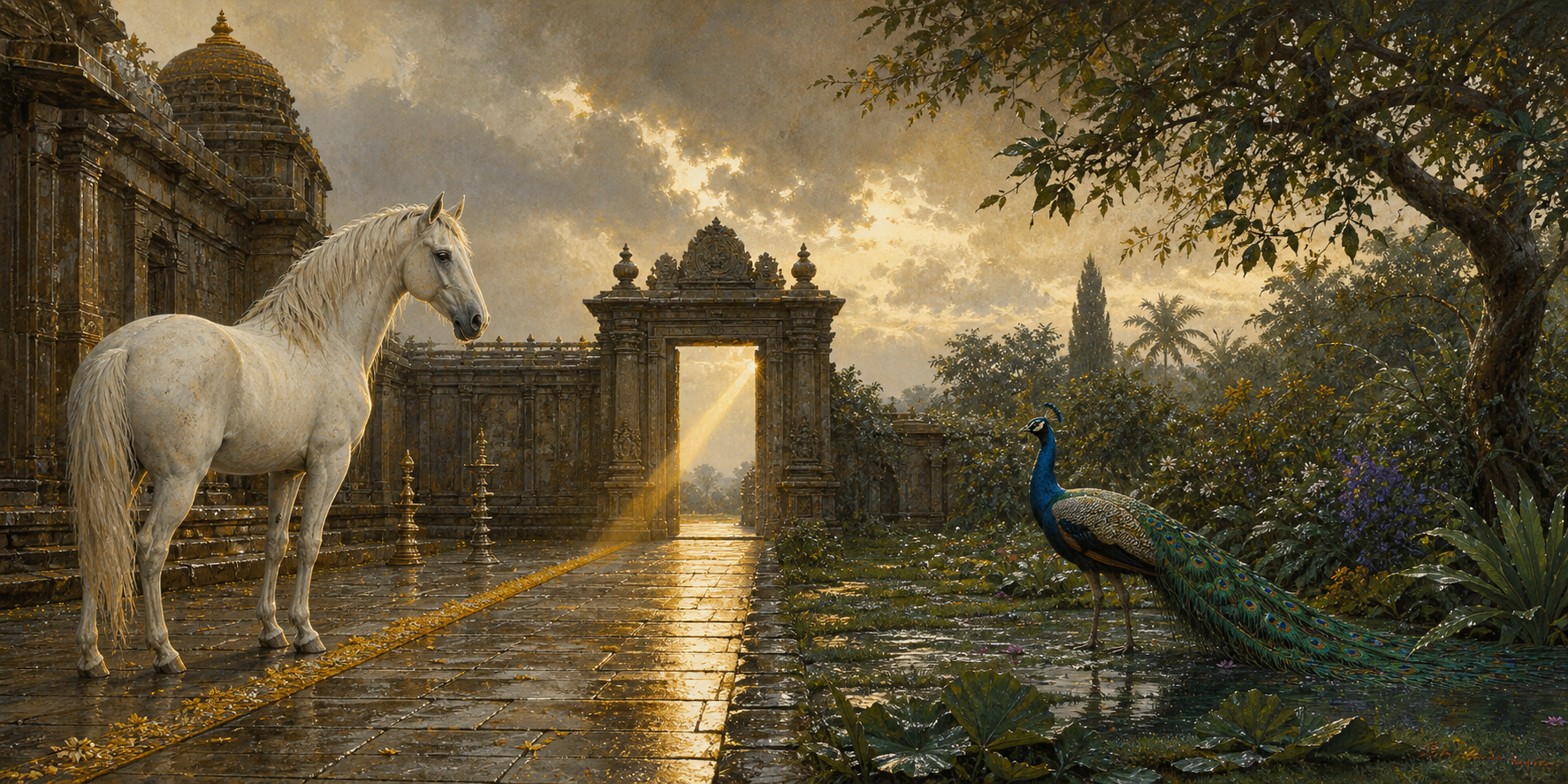
Across rural Tamil Nadu, monumental terracotta horses stand guard as votive offerings to Ayyanar, the village boundary-keeper whose protection encircles fields, groves, and water. This long-form, research-driven overview explains the history, iconography, and ritual ecology of Ayyanar worship, showing how art, craft, and community cohere into a living heritage system. Readers will learn how Velar/Kuyavar…
-
Patanjali’s Kriya Yoga Decoded: Tapas, Svadhyaya, Ishvara-Pranidhana for God-Union

Patanjali defines Kriya Yoga as a threefold discipline—tapas, svadhyaya, and Ishvara-pranidhana (Yoga Sutra 2.1)—designed to attenuate afflictions and cultivate samadhi (2.2). This synthesis of disciplined effort, self-study, and surrender functions as both foundation and consummation of practice, guiding seekers toward union with God as understood in the Yoga Sutras. The discussion clarifies how each limb…
-
Landmark ASI survey at Dhar Bhojshala reveals extensive temple spolia in Kamal Maula Masjid

The Archaeological Survey of India informed the Indore Bench of the Madhya Pradesh High Court that Kamal Maula Masjid at Dhar Bhojshala incorporates reused temple materials—architectural members, sculptural fragments, and inscriptions—revealing a stratified building history. This evidence of spolia, identified through standard archaeological methods including architectural typology and epigraphic analysis, places the complex within well-known…
-
Porcupine Quills in Hindu Samskaras: Forgotten Symbolism, Gentle Power, and Ethical Revival

This article explores the little-known place of porcupine quills within Hindu samskaras, situating the implement in the broader material culture of Ancient India. It clarifies that explicit scriptural references are scarce, while regional and oral recollections describe occasional, optional use for delicate ritual contact. The analysis offers a technical reading of the quill’s symbolic grammar—protection,…
-
From Brahman to Cosmos: Decoding Hindu Cosmology, Cyclic Time, and Dharmic Unity

Hindu cosmology portrays creation as emergence from an undivided reality, Brahman, rather than a one-time act ex nihilo. Drawing on the Upanishads, Sāṅkhya, Vedānta, and the Puranas, it explains how the subtle becomes gross through ordered stages, from mahat and ahaṅkāra to the five elements. Cyclic time—yugas, manvantaras, and kalpas—replaces linear beginnings with rhythmic manifestation…
-
Beyond the Body-Illusion: How Intense Concentration Unveils Pure Consciousness in Hindu Thought

Hindu philosophy teaches that in deep concentration the usual sense of having a body recedes, revealing pure, self-luminous awareness. Drawing on the Upanishads, Yoga Sutras, and the Bhagavad Gita, this article explains how pratyahara, dharana, and dhyana systematically reduce sensory dominance and disclose the witnessing consciousness. It relates these insights to parallel practices in Buddhism,…
-
March 6, 2026 Panchang: Krishna Paksha Tritiya–Chaturthi, Auspicious Muhurtas, Nakshatra, Rashi

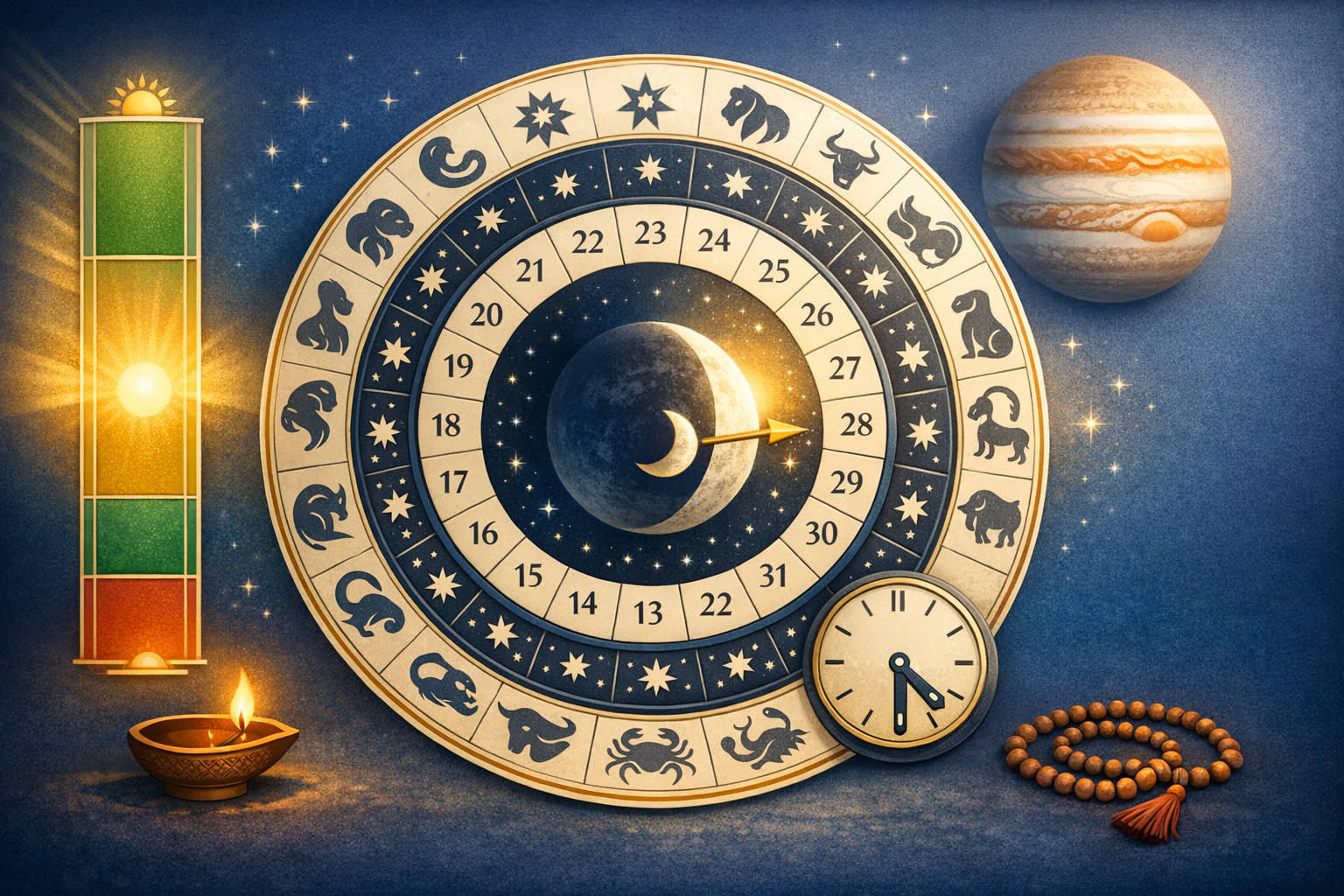
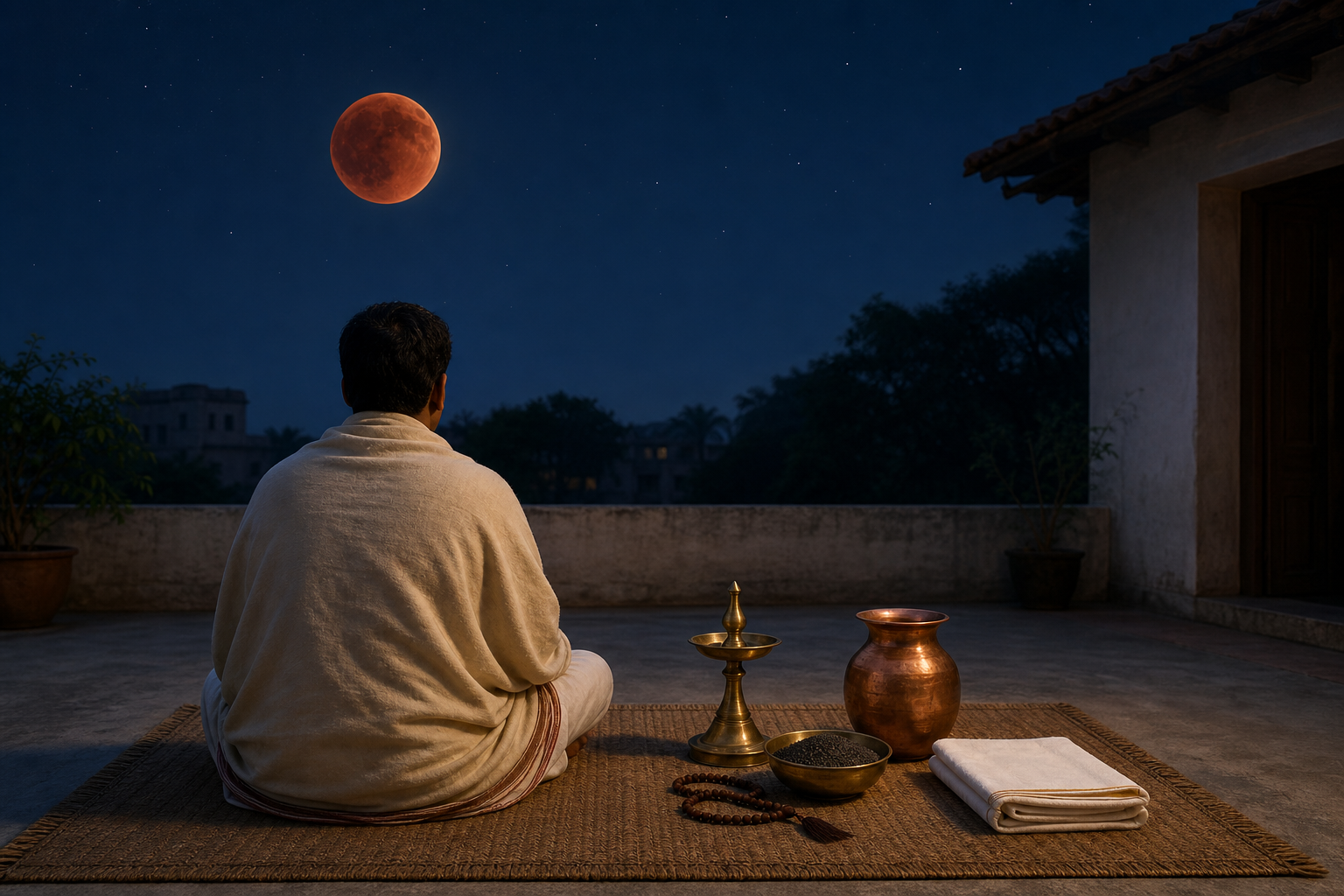
Friday, March 6, 2026 spans two tithis in the Hindu Panchang: Krishna Paksha Tritiya until 5:15 PM, followed by Krishna Paksha Chaturthi. This transition shapes daily ritual planning, including Sankashti Chaturthi observance after local moonrise. The guide explains what a tithi is, why civil dates can hold two tithis, and how to select Shubh Muhurtas…
-
From Pain to Resilience: Re-examining Medieval Invasions to Foster Dharmic Unity Today

This long-form, evidence-based analysis reframes emotionally charged debates on medieval invasions, conversion, and resistance in South Asia to promote Dharmic unity. It explains how Islam entered the subcontinent through both trade and conquest, why simplistic narratives obscure a complex mosaic of coexistence and conflict, and how to handle contested casualty estimates responsibly. The piece documents…
-
Chamunda’s Mysterious ‘Anteater’: Tantric Power, Cosmic Cycles, and Sacred Ecology Explained

Chamunda’s enigmatic ‘anteater’ is not a New World mammal but, in most Indian contexts, a carefully carved Indian pangolin—an attendant that encodes Śākta ideas of dissolution, protection, and renewal. By tracing zoological details (scales, tail, snout) and correlating them with śilpa-śāstra traditions, the essay corrects common cataloguing errors and restores ecological specificity to Hindu temple…
-
Gaura Purnima Fasting Demystified: Ekadasi Prasadam or Grain Feast? An Evidence-Based Guide

Gaura Purnima often raises a practical question in ISKCON communities: after fasting until moonrise, should devotees take Ekadasi prasadam or a full-grain feast the same evening? This guide synthesizes Gaudiya Vaishnava practice and widely published ISKCON calendar standards to present a clear, unity-focused answer. It explains why appearance-day vratas follow Ekadasi-like discipline, why breaking at…
-
From West End Wizardry to Bhakti Beats: Uncovering London’s Living Spiritual Soundscape

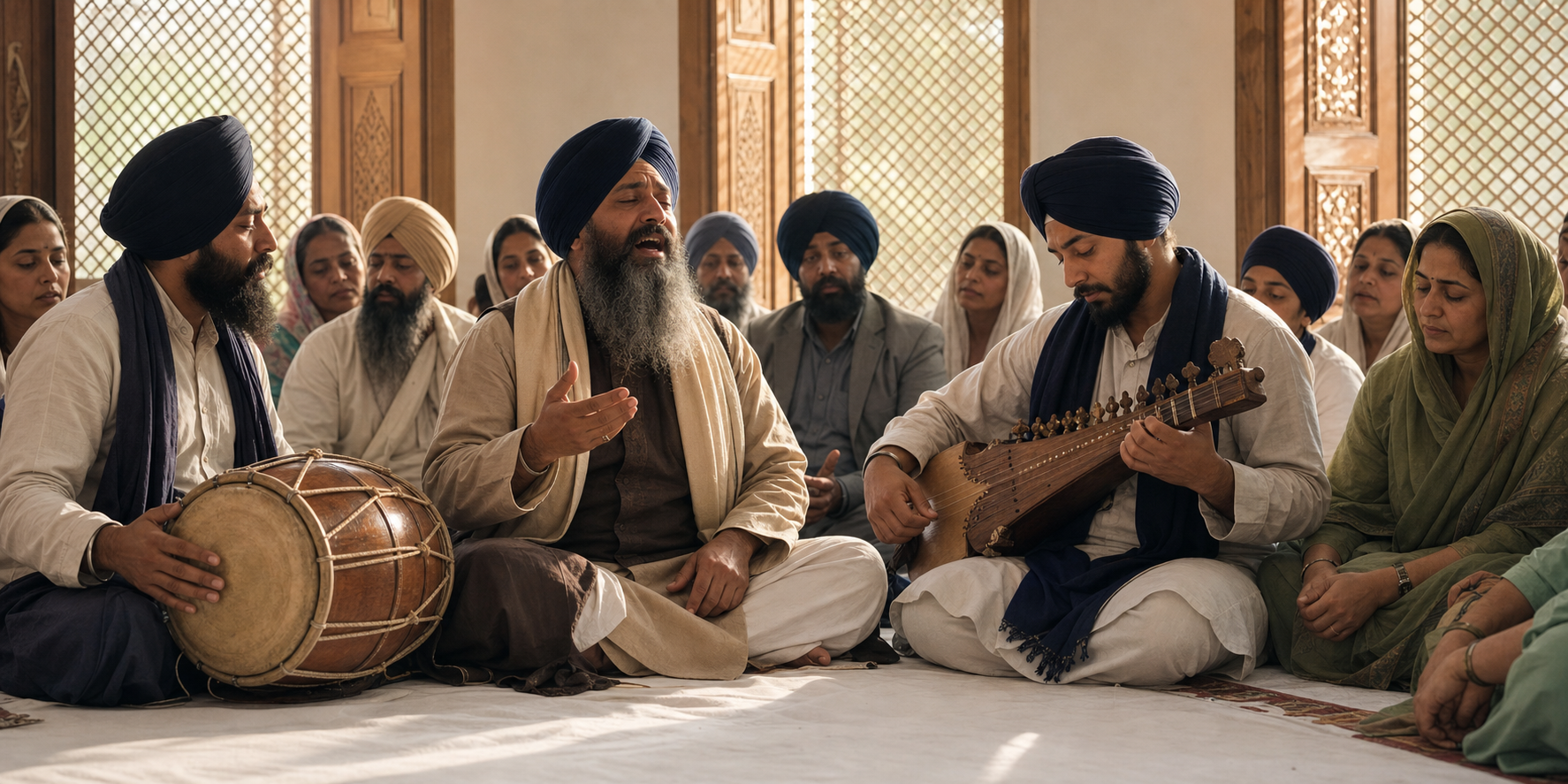
Cambridge Circus in London’s West End is known for the Palace Theatre and Harry Potter and the Cursed Child, yet it also hosts a living devotional soundscape of bhakti kirtan. This long-form exploration explains how call-and-response singing, simple ragas, and cyclical rhythms create inclusive “Bhakti Beats” that harmonize with the city’s flow. Readers gain an…
-
Why Pleasure Escapes Us: Hindu Wisdom on Desire, Avidya, and the Path to Lasting Ananda

Why does pleasure fade so quickly, and why does desire return so reliably? This long-form analysis uses Hindu philosophy—Bhagavad Gita, Yoga Sutras, and Upanishads—to explain the psychology of craving via avidya, raga-dvesha, samskara, and the gunas. It clarifies the distinction between sukha (contact-based pleasure) and ananda (enduring joy) and situates kama within the purusharthas under…
-
Kricchratikricchra Penance: A Rigorous Hindu Path to Heal Harm and Restore Dharma

This in-depth guide explains Kricchratikricchra—an austere Hindu prāyaścitta prescribed for injuring others—within the broader Dharmashastra tradition. It clarifies when and why this penance is used, how it integrates fasting, restitution, and service, and why proportionality and compassion are essential. The article offers a practical, textually grounded 12-day framework adaptable to modern health needs while preserving…
-
The ‘Maya Times’ of the Mind: A Dharmic Guide to Illusion, Suffering, and Liberation

This analysis reframes “Maya Times” as a precise metaphor for how the mind misreports temporary pleasures as lasting happiness. Drawing on the Bhagavad Gita, with Srila Prabhupada’s observation as a focal point, it clarifies why contact-born pleasures cannot deliver enduring fulfillment. It then situates this diagnosis within Buddhism, Jainism, and Sikhism, showing their shared strategies…